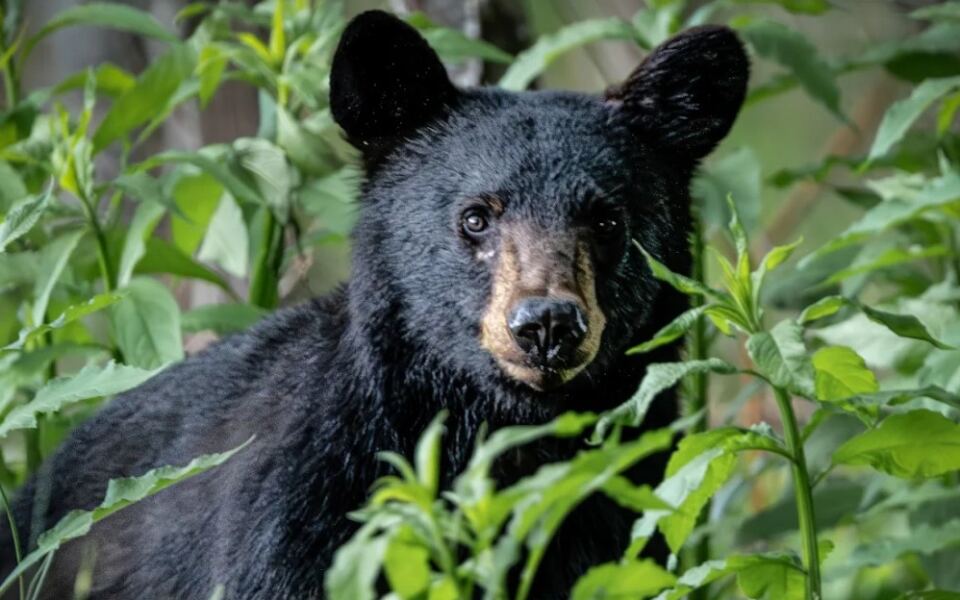
Roughly two black bears live in every square mile of one famous Tennessee forest. That’s not a typo, and it’s not a guess from a tour guide.
Biologists estimate about 1,900 bears roam this protected land. In fall, they get seriously busy, eating almost nonstop to pack on fat before winter. Acorns, hickory nuts, and wild grapes become their whole personality.
I love that this is one of the best places in the eastern United States to spot one in the wild. I also love that the rules for doing it safely are simple and smart.
The leaves turn gold and red right as the bears ramp up their snacking. So when does the show peak, and where should you look first?
Two Bears Per Square Mile Is a Real Number Here
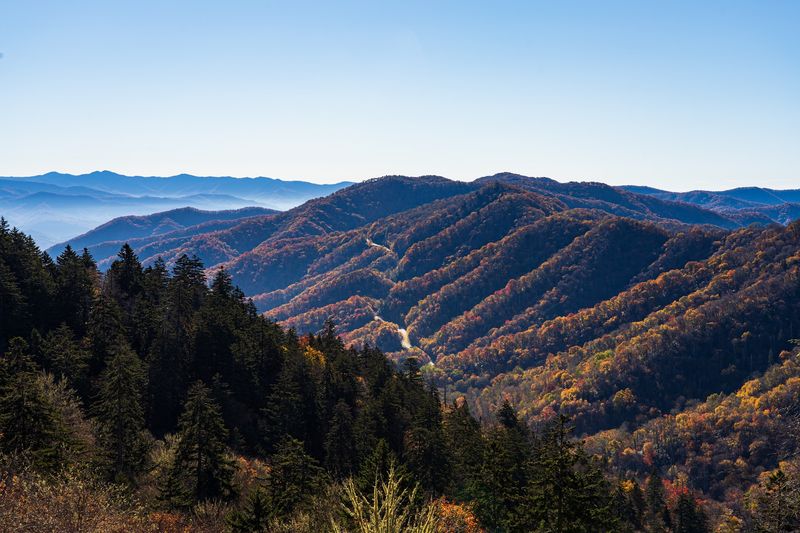
Great Smoky Mountains National Park is home to an estimated 1,900 black bears. The National Park Service says that works out to about two bears per square mile.
That density makes the park one of the largest protected bear habitats in the eastern United States. It’s a big deal for a species that once struggled across the region.
The park covers more than 522,000 acres across Tennessee and North Carolina. Most of that land is wild forest, which gives bears plenty of room to roam.
Black bears are the only bear species living in the park. You won’t find grizzlies or brown bears hiding in these hollows.
Not every black bear here is actually black, either. Some can look brown or cinnamon, though most in the Smokies wear dark coats.
Adult males often weigh around 250 pounds, according to the park. Females usually run smaller, closer to 100 pounds.
Weight swings a lot with the seasons, though. A bear can weigh far more in late fall than it did in spring.
Those numbers explain why sightings feel so common in the park. With so many bears sharing the forest, your odds are better here than in most places.
Still, a sighting is never guaranteed. Bears are wild animals with their own schedules, and they don’t check yours.
Here’s a helpful way to think about it. Every drive or hike is a chance, not a promise, and that makes each sighting feel earned.
The park asks visitors to treat bears as wild neighbors, not attractions. That mindset keeps both the bears and the people safe.
So when you hear about nearly 1,900 bears, think of a thriving community. You’re simply visiting their home for the day.
Fall Turns Every Bear Into a Champion Snacker
Acorns are basically fall gold in the Smokies. When oak trees drop their nuts, black bears go on a serious eating spree.
Scientists call this stage hyperphagia. It simply means bears eat almost constantly to build fat for winter.
During this time, a bear may spend most of its waking hours searching for food. Calories are the goal, and the forest floor is the buffet.
Hard mast like acorns and hickory nuts makes up a big part of the fall menu. Bears also eat berries, wild grapes, and other fruits when they can find them.
The park notes that bears can gain a lot of weight before denning season. Some may add a pound or more every day.
Fall is an important feeding season for black bears as they prepare for winter, but the National Park Service identifies May through August as a particularly active period with a higher likelihood of bear encounters.
Food supply matters a lot from year to year. In a poor acorn year, bears may travel farther and roam more widely to fill up.
That wandering can bring them closer to roads, campgrounds, and picnic areas. The park sometimes closes areas when bear activity gets too busy.
Here’s where your choices come in. Never feed a bear, and never leave food or trash where one could grab it.
Bears that learn to eat human food can become bold around people. That often ends badly for the bear, which is the last thing anyone wants.
Use the bear-proof trash cans and dumpsters you see around the park. Store food in your vehicle or proper storage when camping.
Honestly, it’s a little relatable. Who hasn’t snacked hard before a long nap?
The difference is that a bear’s snack plan keeps it alive through winter. Let it eat in peace, and enjoy the show from far away.
Your Best Bear-Watching Seat Might Be in Cades Cove
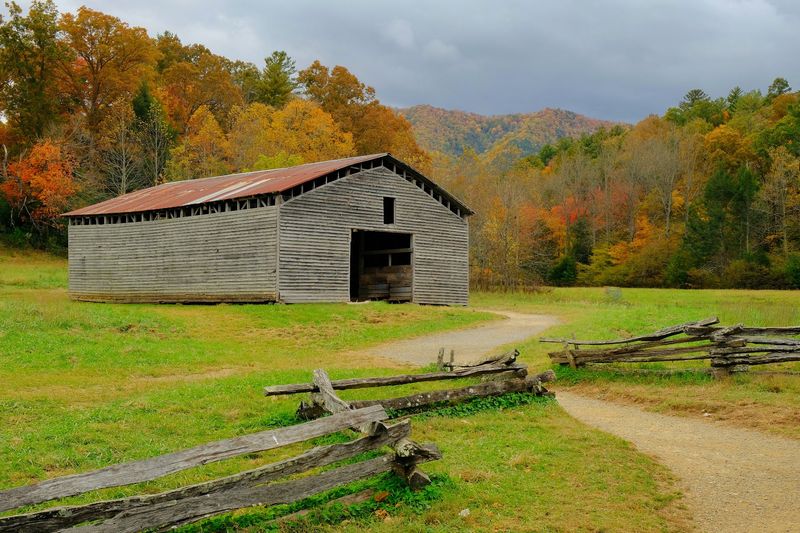
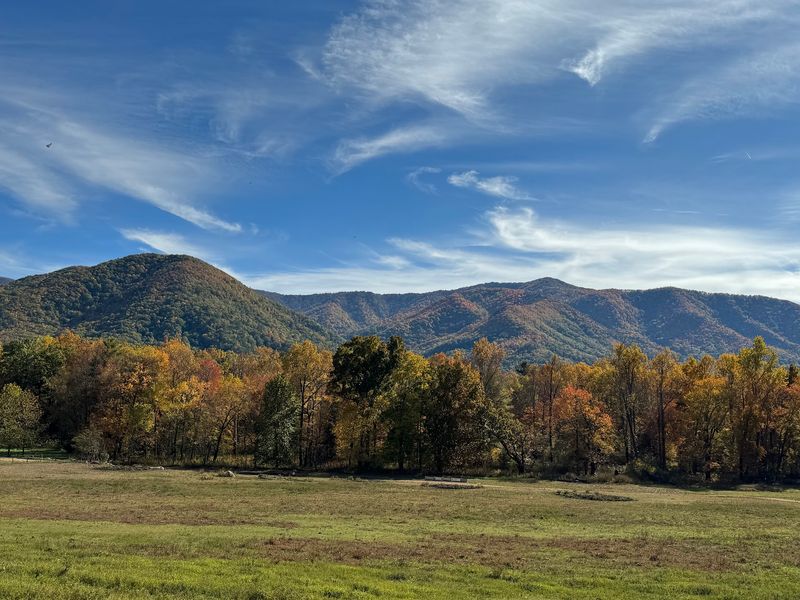
Open meadows ringed by mountains make Cades Cove a wildlife watcher’s dream. It’s one of the most popular areas in Great Smoky Mountains National Park.
An 11-mile one-way loop road circles the valley. Drivers can spot deer, wild turkeys, and sometimes black bears along the way.
Bears often feed along the forest edges near the fields. Keep your eyes on the tree lines, especially where oaks grow.
The loop also passes historic churches, cabins, and a working grist mill. Those old buildings tell the story of families who farmed the cove long ago.
Early morning and late afternoon are often the best times for wildlife. Animals tend to be more active when the day is cooler.
The park closes the loop to cars on Wednesdays from early May through late September. That gives walkers and bike riders the road to themselves.
Those vehicle-free days don’t run all year, so check the park schedule before you go. Seasonal changes happen, and the park updates them.
Cades Cove gets very busy, especially in fall. Traffic can crawl when someone stops to watch a bear.
If you spot one, pull fully off the road at a safe spot. Don’t block traffic or leave your car in the middle of the lane.
Stay in your vehicle or keep a long distance if you step out. The park requires you to stay at least 50 yards from bears.
That’s about half the length of a football field. Binoculars or a zoom lens help a lot here.
A parking tag is required for vehicles parked in the park for more than 15 minutes. You can buy one online or at visitor centers.
Pack patience along with your snacks. The cove rewards slow drivers with views that feel like a painting.
The 50-Yard Rule Keeps Everyone Out of Trouble
Fifty yards. That number matters more than any trail map in the Smokies.
Park rules make it illegal to willfully approach within 50 yards of bears or elk. It’s also illegal to approach any distance that disturbs them.
Breaking that rule can lead to fines and even arrest. The park takes it seriously because people keep getting too close.
A good test is simple. If your presence makes the bear change what it’s doing, you’re too close.
Watch for signs like the bear stopping its meal, staring at you, or moving away. Back off slowly and give it more room.
Bears may also huff, pop their jaws, or slap the ground. Those are warnings, and they mean you’ve crowded it.
The National Park Service shares clear steps if you meet a bear on a trail. Don’t run, because running can trigger a chase. Instead, slowly back away while watching the bear.
Talk in a calm voice so it knows you’re a person.
If a bear approaches or follows you, change direction. If it continues following, stand your ground. If it comes closer, shout and act aggressively to scare it off.
If a black bear attacks and is not interested in your food, the park advises fighting back aggressively with any available objects. If the bear is after your food, move away from the food and slowly back off.
Attacks are rare in the park, thankfully. Smart choices keep it that way.
Carrying bear spray is allowed in the park for personal protection. Learn how to use it before you hit the trail.
Hiking in groups and making noise also helps. Bears usually avoid people when they hear them coming.
Kids should stay close to adults on trails. Little ones can wander fast, and bears are best seen from a distance.
Follow these rules and you get the best kind of bear story. The calm one, told with a smile and a zoomed-in photo.
Fall Colors Put On a Show Bears Totally Ignore
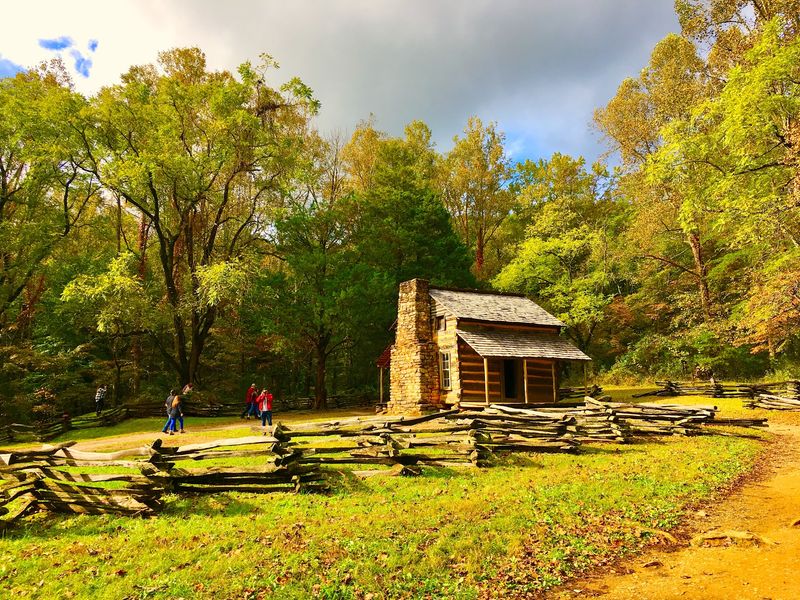
More than 100 native tree species grow in the Smokies. In autumn, many of them flip from green to red, orange, and gold.
That variety is why fall color here lasts for weeks. The show moves down the mountains as the season goes on.
High elevations usually change first, often starting in early October. Lower areas tend to peak later, around late October to early November.
Exact timing shifts each year with weather. Rain, temperature, and early frost all play a part.
Sugar maples, scarlet oaks, and hickories bring some of the brightest colors. Sweetgum and dogwood add deep reds to the mix.
Newfound Gap Road is a classic fall drive. It climbs through changing forests and crosses the state line between Tennessee and North Carolina.
The Roaring Fork Motor Nature Trail is another favorite near Gatlinburg. It’s a narrow, winding one-way road past streams and old homesites.
Roaring Fork typically closes in winter, so check the schedule first. Seasonal road closures are normal in the park.
Fall also brings the park’s biggest crowds. October is one of the busiest months of the year.
Weekdays usually beat weekends for a calmer trip. Arriving early helps with parking and traffic too.
And here’s the funny part. While people come for the leaves, the bears are busy chasing acorns under them. That overlap creates great chances to see wildlife with a colorful backdrop.
Just keep your safe distance, even for the perfect shot.
Pack layers for the day. Mountain temperatures can swing a lot between low valleys and high peaks. A cool morning can turn into a warm afternoon fast.
Being ready means more time enjoying the view.
Blue Haze Is Where the Smoky Name Comes From
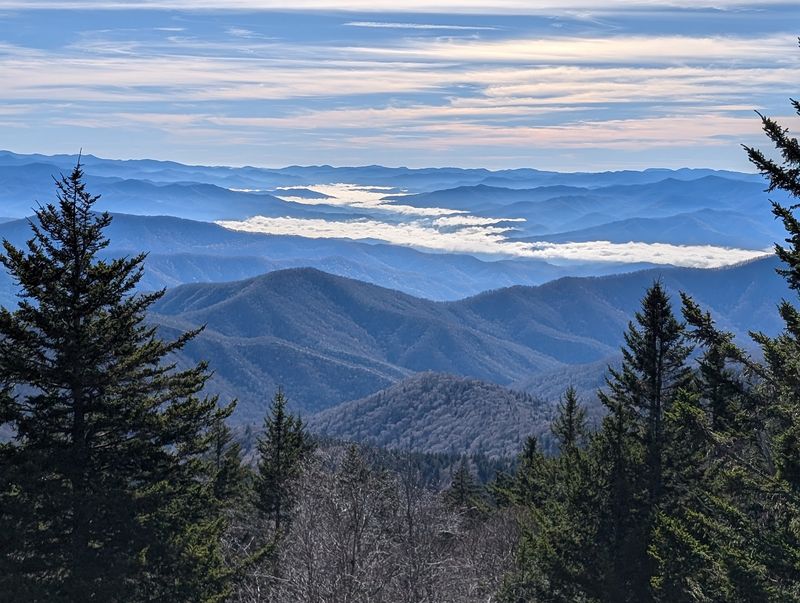
No campfires required. The famous smoke over these mountains is actually a natural haze.
Plants in the forest release compounds called volatile organic compounds. These help create the bluish mist that hangs over the ridges.
Moisture in the air adds to the look. On many days, the peaks seem to fade into soft blue layers.
The Cherokee people called the area Shaconage. The name is often translated as place of blue smoke.
That name fits perfectly when you stand at an overlook. Ridge after ridge seems painted in fading shades of blue.
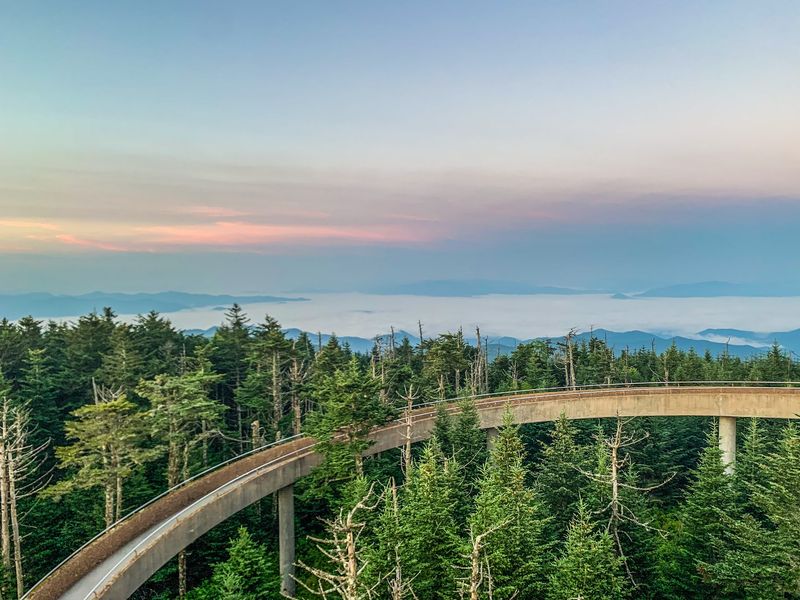
Kuwohi, formerly known as Clingmans Dome, is the highest point in the park and in Tennessee, at 6,643 feet. A paved but steep half-mile trail leads to an observation tower at the top. On clear days, the views stretch for miles.
The road to here usually closes in winter. It’s typically open from spring through late fall.
The park officially recognized the summit’s restored Cherokee name, Kuwohi, in 2024. You may see both names on signs and maps.
Temperatures at the top run much cooler than in the valleys. Bring a jacket even if it’s warm in town.
Morning views can be especially pretty when mist settles in low spots. Clouds may roll in quickly, so patience pays off.
Bears live at high elevations too, so stay alert. Follow the same distance rules on summit trails.
I think the haze makes this place feel almost dreamy. It turns an ordinary overlook into something you remember.
So when someone asks why they’re called the Smokies, you’ve got the answer. It’s the forest itself, breathing out blue.
Elk Steal the Spotlight When They Bugle in Fall
Bears aren’t the only big stars in fall. Elk get loud, dramatic, and very photogenic this time of year.
Elk once disappeared from this region because of overhunting and habitat loss. The park reintroduced them in 2001 with an experimental release.
That effort worked well. Today, elk are a regular sight in parts of the park.
Fall is mating season, called the rut. Bull elk bugle with a high, eerie call to attract females and warn rivals.
Males can weigh up to 700 pounds. Their antlers alone can make them look huge.
Bulls get aggressive during the rut. That makes distance even more important.
The same 50-yard rule applies to elk. It’s illegal to get closer or to disturb them in any way.
Early mornings and evenings bring the most action in the fields. Midday tends to be quieter.
Elk can wander right next to roads and parking areas. Stay in or near your car, and let them pass. Many people plan whole trips around hearing a bugle.
It’s a sound you don’t forget.
Deer and turkeys are common in Cades Cove.
A bear in a tree and an elk in a meadow on the same trip? That would be a pretty great weekend.
Bring binoculars and a camera with zoom. You’ll get great views without crowding the animals. And keep kids close during viewing.
Their excitement is wonderful, but safe distance comes first.
Waterfall Hikes Make Fall Even Better
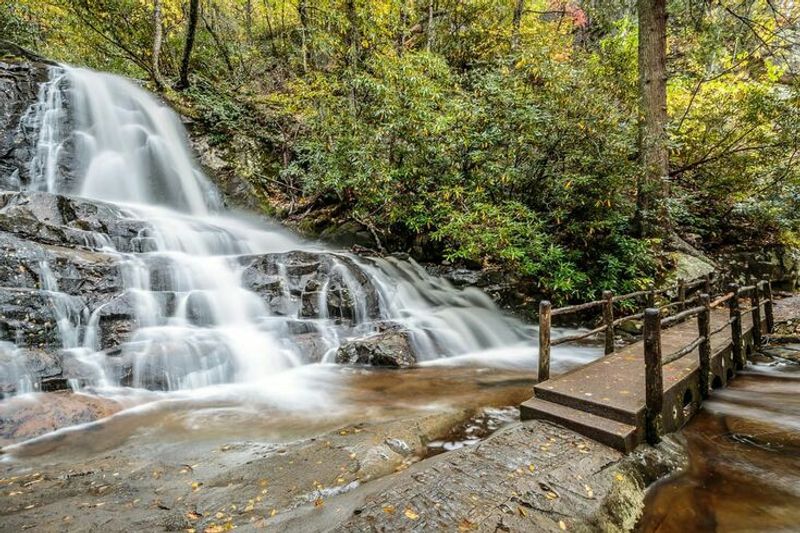
Rushing water and bright leaves are a pretty unbeatable combo. The Smokies have plenty of both in fall.
The park gets a lot of rain, which keeps streams and waterfalls flowing. Some high areas receive more than 80 inches a year.
Laurel Falls is one of the most popular waterfall destinations on the Tennessee side, but its 2.6-mile round-trip trail is currently closed for rehabilitation and is expected to reopen sometime in 2027.
Grotto Falls is another favorite, off the Roaring Fork Motor Nature Trail. The trail actually lets you walk behind the falling water.
Abrams Falls starts near Cades Cove. It’s a longer hike of about 5 miles round trip.
Rocks near waterfalls can be very slippery. The park warns visitors not to climb on them.
Moss and wet stone make footing tricky. Stay on the trail and keep a safe distance from the edge.
Good shoes make a big difference on rocky paths. Sneakers with grip or hiking boots work best.
Carry water and a snack, but keep food packed away. Bears have a great sense of smell. Never leave packs unattended, even for a few minutes.
A curious bear could grab one fast.
Start early to beat the biggest crowds. Popular trailheads fill up quickly in October.
The sound of a waterfall can block noise from an approaching animal. Stay alert and look around often.
With the right planning, these hikes become trip highlights. Colorful trees, cool water, and maybe a bear far off in the distance.
Plan Smart and the Smokies Pay You Back
Here’s a fun surprise: entrance to Great Smoky Mountains National Park is free. There’s no gate fee to get in.
Vehicles parked for more than 15 minutes do need a parking tag. Daily, weekly, and annual tags are available.
The park is the most visited national park in the country. It regularly welcomes more than 12 million visitors a year.
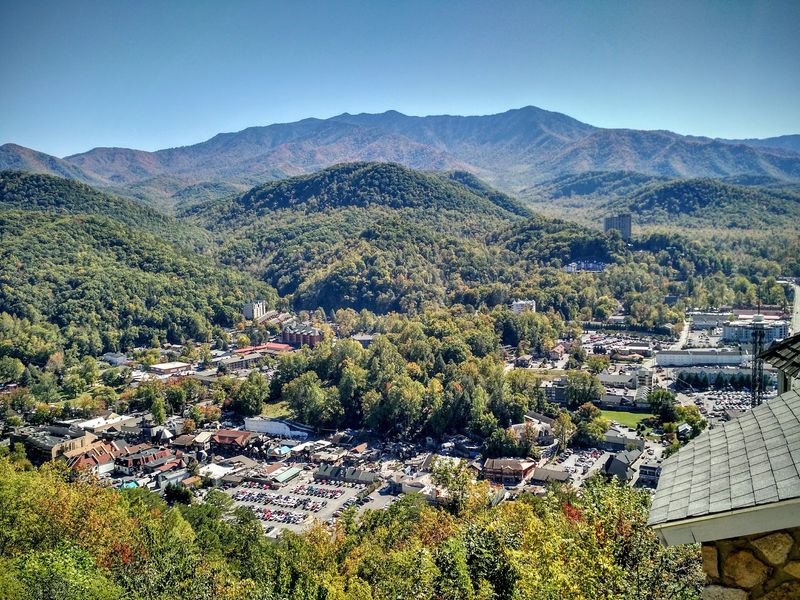
Sugarlands Visitor Center sits near Gatlinburg, Tennessee, at 1420 Fighting Creek Gap Road. It’s a great first stop for maps and trail updates.
The center has exhibits about park wildlife and plants. Rangers can share current bear activity and closures.
Gatlinburg and Pigeon Forge are the main Tennessee gateway towns. Townsend offers a quieter entrance close to Cades Cove.
Bears sometimes wander into these towns too. Cabin guests should use bear-resistant trash cans and never leave food outside.
Cell service is spotty in many parts of the park. Download maps before you lose signal.
Fall weekends are packed with traffic. A weekday trip can make the whole day feel easier.
The park’s official app and social media share road and trail updates. Checking them can save you a wasted drive.
Weather can turn quickly in the mountains. Rain jackets and warm layers are smart to pack.
Leave No Trace rules matter here. Pack out your trash and stay on marked trails. Remember, the bears were here first.
Treat their home with respect, and they’ll keep thriving.
A little planning goes a long way in the Smokies. It means fewer surprises and more time soaking in the views.
So pick your season, grab your binoculars, and pack your patience. Somewhere out there, nearly 1,900 bears are busy snacking.
Share this story