One city on this list was once named the fastest-growing city in America among places with 50,000 or more people. Not a giant metro, either. A town with a courthouse square and a lot of new neighbors.
That surprised me, and it’s only one piece of the story. Texas towns and growing suburban cities are attracting new residents, from the edges of Dallas to the doorstep of the Hill Country.
I love that the growth is landing in places many folks once drove right past. Farm roads are turning into busy corridors. Quiet main streets are getting new shops, new schools, and new traffic lights.
So which towns are growing the fastest, and why are so many people choosing them? A few names will feel obvious. Others might make you check a map twice.
Celina
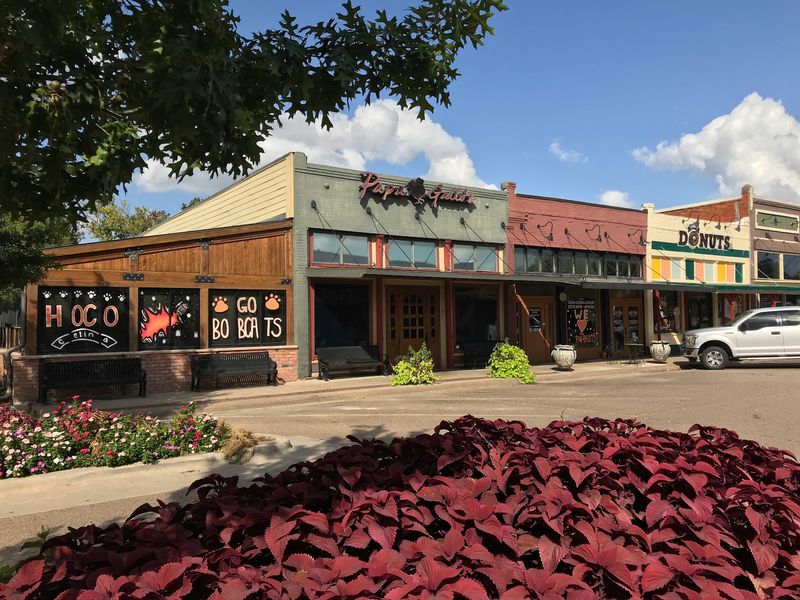
Cotton fields used to be the big story up here. Now the story is rooftops, and lots of them.
Celina sits in the northern reaches of the Dallas area. It has become one of the region’s best-known high-growth boomtowns.
The growth follows two big roads. Preston Road and the Dallas North Tollway both stretch toward town, pulling new families north.
Why does that matter to you? Good road links make it easier to live in a smaller town and still reach big job centers.
That’s the basic recipe for a boomtown. You get more breathing room, and the city is still within reach.
Celina has kept its small-town identity even as it grows. The city runs its own official website, which is a handy first stop for news and services.
If you’re thinking about moving, start there. City sites often post plans for roads, parks, and new projects before they show up on your street.
Fast growth brings real changes. New neighborhoods can pop up where open land sat just a few years earlier.
That can be exciting if you like watching a place take shape. It can also mean construction zones, so plan your drive time with some patience.
Here’s a practical tip for house hunters. Visit at different times of day to see how traffic flows along the main corridors.
Celina is a great example of North Texas growth moving outward. Towns that once felt far from Dallas now feel like part of the action.
Curious where the next wave of Texas growth will land? Keep an eye on the land at the end of the tollway.
Celina is also a reminder that booming doesn’t have to mean big right away. Sometimes it means a small town getting busier, one new street at a time.
Address: Celina, Texas
Fulshear
Houston gets the headlines, but its western edge has been quietly sprinting. Fulshear is one of the reasons why.
The town keeps showing up among the fastest-growing small cities in Greater Houston. It also ranks high across the whole state.
Master-planned communities drive a lot of that growth. These are big neighborhoods designed from the ground up, often with parks, trails, and schools planned together.
So what does that mean for you? You might find a home where the sidewalk, the pond, and the playground all arrived at the same time.
That kind of planning appeals to families who want things to feel organized. It can also make a brand-new area feel settled sooner.
Still, a master plan doesn’t solve everything. Growth this quick can stretch roads and services while the town catches up.
A smart move is to look at the full map of a community before you buy. Check what’s already built and what’s still just a promise on paper.
Ask about schools, too. In fast-growing areas, attendance zones can shift as new campuses open.
Fulshear offers something many people want. You get a smaller-town address while staying connected to the Houston region.
It’s a big change for a place that once flew under the radar. Plenty of Texans probably still couldn’t point to it on a map.
That may not last long. With new neighborhoods filling in, Fulshear is becoming a name people recognize fast.
If you like the idea of watching a town grow up around you, this one deserves a look. Just bring a good map app, because the streets keep multiplying.
Address: Fulshear, Texas
Prosper
With a name like Prosper, this town almost had to boom. Talk about living up to your label.
Prosper stretches across parts of Collin and Denton counties north of Dallas. It’s one of the most talked-about growth spots in the area.
The expansion here isn’t only about houses. Commercial growth has been rising, too, bringing new stores and businesses along with the neighborhoods.
That mix matters more than you might think. When shops follow homes, daily errands get shorter and a town starts to feel complete.
Prosper’s spot between two counties is part of its appeal. It sits in a corridor where North Texas development has been especially strong.
Want to keep up with what’s changing? The town’s official website shares updates on local government and community projects.
That’s useful if you’re planning a move or just like knowing what’s coming. Big growth means plans can change quickly.
Here’s one tip worth remembering. In booming towns, the field next to a neighborhood may not stay a field for long.
So ask questions before you settle on a spot. Look at nearby zoning and future road plans so there are fewer surprises later.
Prosper shows how quickly a small town can turn into a sought-after address. It went from quiet to one of the hottest names around Dallas.
The pace can feel dizzying at times. Roads widen, new businesses appear, and maps seem outdated in months.
For many families, though, that energy is the point. They want to be part of a place that’s still writing its story.
And honestly, the name makes a pretty good motto. Prosper seems determined to do exactly that.
Address: Prosper, Texas
Kyle
Sitting right in the middle of a growth magnet has its perks. Kyle lands on the stretch of I-35 between Austin and San Antonio.
That corridor has been one of the busiest growth zones in Texas. Kyle has become a key hot spot along it.
The reason is easy to see on a map. Two major cities sit within driving distance, giving residents more than one job market to tap.
That’s a big deal if your household has two workers. One person might head north while the other heads south.
Kyle has seen fast growth in both people and its economy. More residents bring more businesses, and more businesses attract more residents.
It’s a cycle that can change a town quickly. A place once seen as a quick highway exit now draws people on purpose.
If you’re house hunting here, think about your commute carefully. I-35 is a busy highway, and travel times can swing a lot.
Try making a test drive during rush hour before you commit. It’s a small step that can save you plenty of headaches.
Kyle also gives you a taste of Central Texas life without being in a big downtown. You get a town identity of your own between two well-known cities.
That middle spot could keep paying off. As Austin and San Antonio keep growing, the towns between them feel the pull.
Kyle is right in that sweet spot. It’s a smart pick if you want options in both directions.
Some people say the space between those cities might grow together over time. If that happens, Kyle will be right at the center of it.
Address: Kyle, Texas
Georgetown
Georgetown was the fastest-growing U.S. city among places with at least 50,000 residents in both 2021 and 2022, according to Census Bureau estimates.
That’s a lot of attention for a place just north of Austin. It’s also why Georgetown keeps popping up in growth conversations.
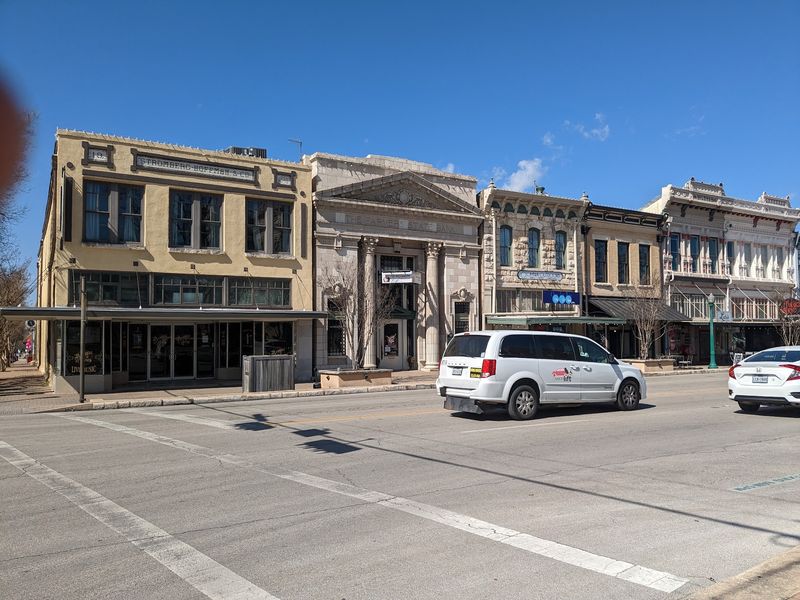
Plenty of fast-growing cities feel brand new. Georgetown mixes its growth with an older town core, which gives it a different feel.
So why do so many people choose it? Being close to Austin helps, but a smaller-city setting appeals to many families and retirees.
Growth like this changes daily life in clear ways. New neighborhoods, new stores, and busier roads come with the territory.
The city’s official website is a good place to follow those changes. You can find city news and service info there.
Here’s a tip if you’re moving. Learn how city services like utilities work before you sign anything, since they can vary by area.
Another tip is to explore beyond the newest subdivisions. Older parts of town can offer a very different feel and setting.
Georgetown proves that a town doesn’t have to lose its roots to grow. It can add new chapters while keeping its old story nearby.
That balance is hard to pull off in Texas. Lots of towns grow fast but struggle to keep their personality.
Georgetown has made the most of its moment in the spotlight. Its growth rankings turned heads well beyond the state.
If you’re surprised a Texas town this size beat so many others, you’re not alone. Numbers like that tend to make people look twice.
Address: Georgetown, Texas
Leander
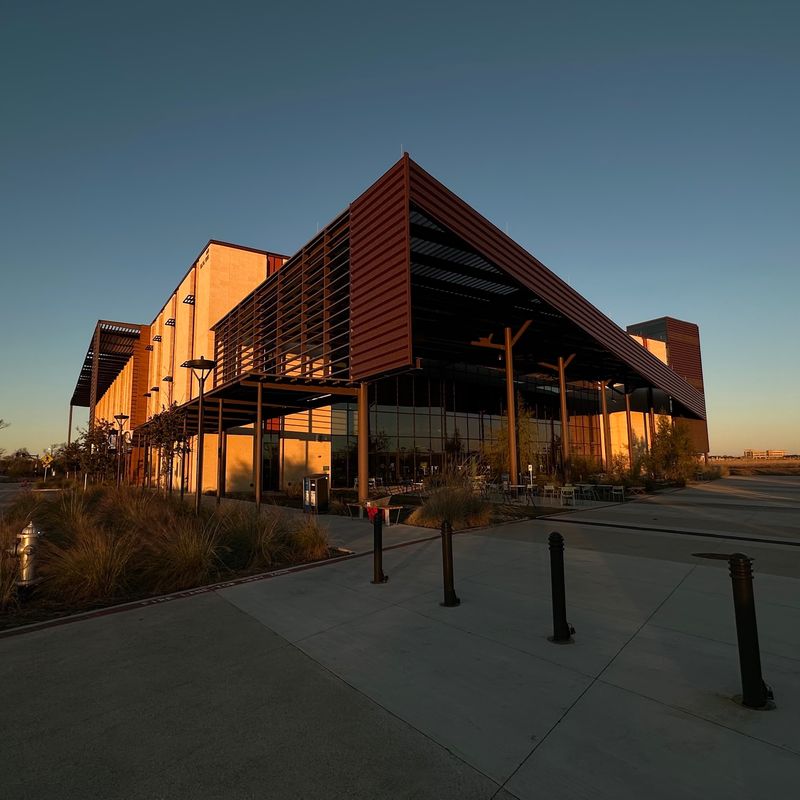
Growth leaderboards are a strange place for a small Texas town to hang out. Leander keeps showing up near the top anyway.
It sits just north of Austin. That location has helped it climb both state and national population growth rankings again and again.
Being near a major city is only part of it. Many people want more space, newer homes, and a slightly calmer pace than city life offers.
Leander gives them that option. You can live outside the city while staying close enough to reach it.
Fast growth also means the town keeps adding new pieces. Neighborhoods, businesses, and services expand as the population climbs.
For you, that can be good news and a challenge. You might get newer amenities, but you might also deal with ongoing construction.
Here’s a practical idea. Before you move, look at plans for nearby roads and schools so you know what’s ahead.
Another tip is to talk with the city about future development. Knowing what’s planned can help you pick the right spot.
Leander is part of a bigger story north of Austin. The whole area has been stretching outward fast.
Of all the towns in that wave, Leander stands out for its rankings. Showing up at the top more than once is no small thing.
Some people might know the name only from highway signs. That’s changing as more Texans choose to call it home.
If you’re searching for a place that’s growing but still feels like its own town, Leander fits that bill. Just expect the scenery to keep changing for a while.
Address: Leander, Texas
New Braunfels
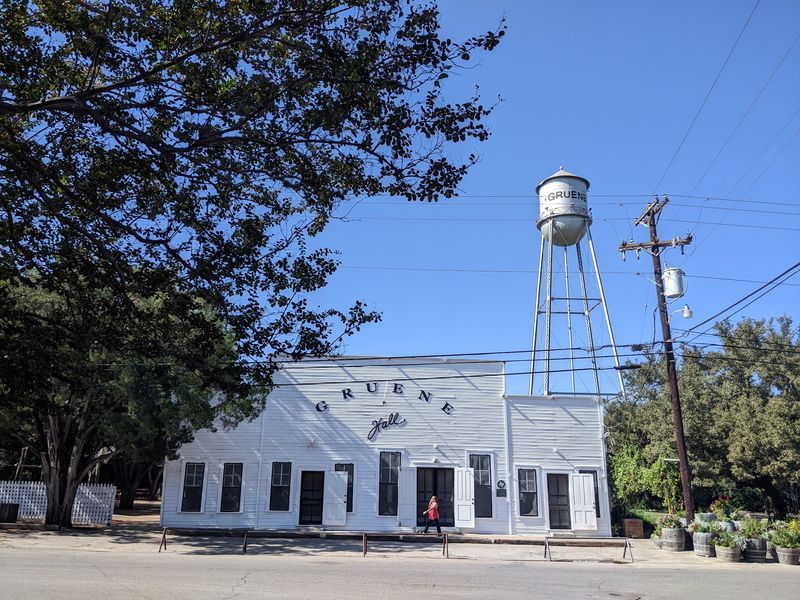
A town known for its German heritage is now known for something else, too. New Braunfels has become a major Hill Country boomtown.
It sits between Austin and San Antonio. That location puts it right in the path of one of the fastest-growing regions in Texas.
The growth here involves both people and money. New residents keep arriving, and the local economy has been expanding along with them.
Why are so many choosing New Braunfels? The mix of Hill Country scenery and access to two big cities is hard to beat.
Plenty of folks know the town as a weekend getaway. Now more of them are staying for good.
That shift brings changes to daily life. Roads get busier, and new neighborhoods spread across land that used to be open.
If you’re thinking about moving, explore different parts of town first. The older core and newer areas can feel quite different.
The city’s official website is also a handy tool. It shares updates on services and local projects as the town grows.
Another tip is to think about seasonal traffic. A town popular with visitors can feel busier at certain times of year.
New Braunfels shows how a place can keep its character while growing quickly. Its history gives it a strong identity that new development can build around.
That’s part of the charm. You get a town with roots, not just rooftops.
For many people, that combination is exactly what they want. It’s a Hill Country town with big-city access in both directions.
Address: New Braunfels, Texas
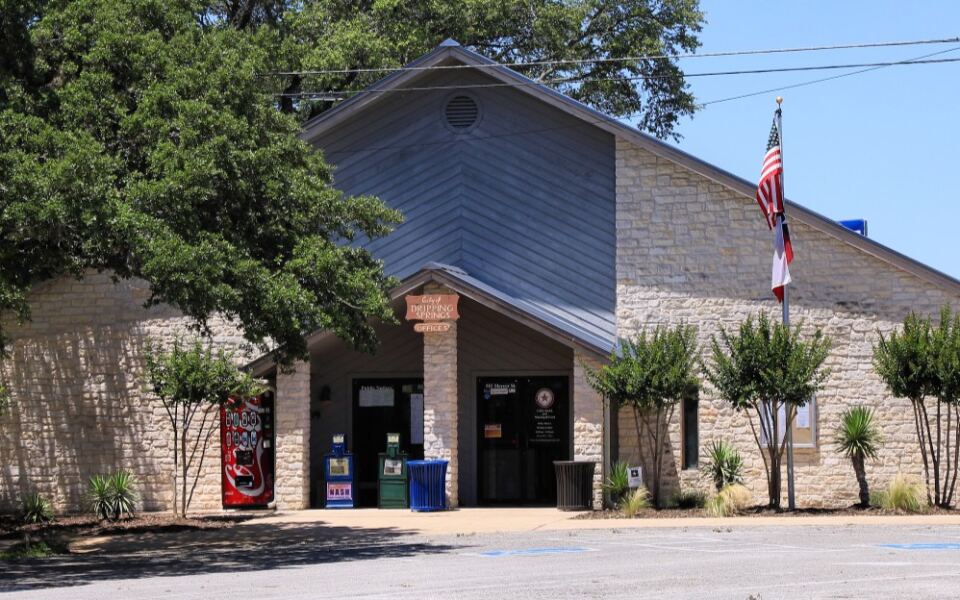
Dripping Springs
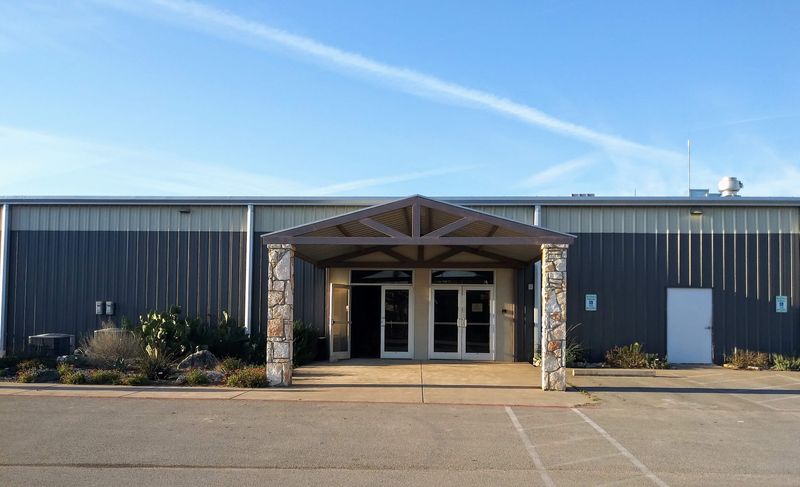
Any town nicknamed the Gateway to the Hill Country is going to get noticed. Dripping Springs has been getting noticed a lot lately.
That nickname fits its location west of Austin. It’s where the land starts to roll and the views start to open up.
For years, Dripping Springs felt like a small stop on the way somewhere else. Now it’s a destination for people looking to put down roots.
Residential growth has been strong here. New neighborhoods have joined the older parts of town.
Commercial development has followed close behind. More shops and services are showing up to serve new residents.
So what’s the draw? Many people want Hill Country scenery without being too far from Austin.
That’s a tough balance to find. Dripping Springs offers a version of it that many families love.
If you’re thinking about moving, look closely at how each area handles water and utilities. Hill Country towns can differ a lot from one neighborhood to the next.
Also think about your commute. Country roads can get busy as more people move in.
Dripping Springs still keeps a smaller-town feel in many ways. That’s part of why its growth surprises people.
It doesn’t look like a typical boomtown at first. Then you notice the new rooftops spreading across the hills.
The gateway is getting crowded, but plenty of folks seem happy to walk through it. If you love wide views and room to breathe, you may understand why.
Address: Dripping Springs, Texas
Forney
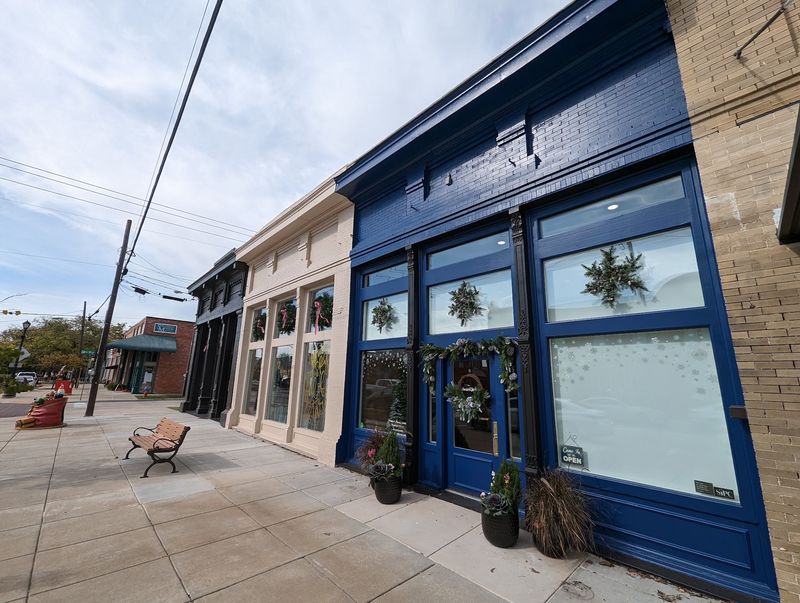
East of Dallas doesn’t always get the spotlight. Forney is changing that, one new neighborhood at a time.
The town sits in Kaufman County. It has become one of the fastest-growing suburban communities on the east side of the Dallas area.
A lot of North Texas growth has pushed north. Forney shows that the east side is booming, too.
Why does that matter for you? Different directions can offer different home options and commute routes.
For some families, the east side makes more sense for work or budget. Forney gives them a growing town to choose.
The city’s official website is a good resource. You can track updates on services and community plans there.
Here’s a smart step if you’re house hunting. Drive into Dallas during your normal work hours to test the commute.
It’s also wise to check how fast schools and roads are expanding. Fast growth can change things quickly.
Forney has kept its own small-town identity even as it grows. It’s not just an extension of the city.
That’s part of the surprise for many people. They expect the biggest growth to be north, then discover Forney.
The town has proven that booming can happen in any direction. It just takes space, access, and people ready to move.
So if you thought Texas growth only happens along the famous tollways, think again. Forney might be the most surprising name on this whole list.
Address: Forney, Texas 75126
Share this story