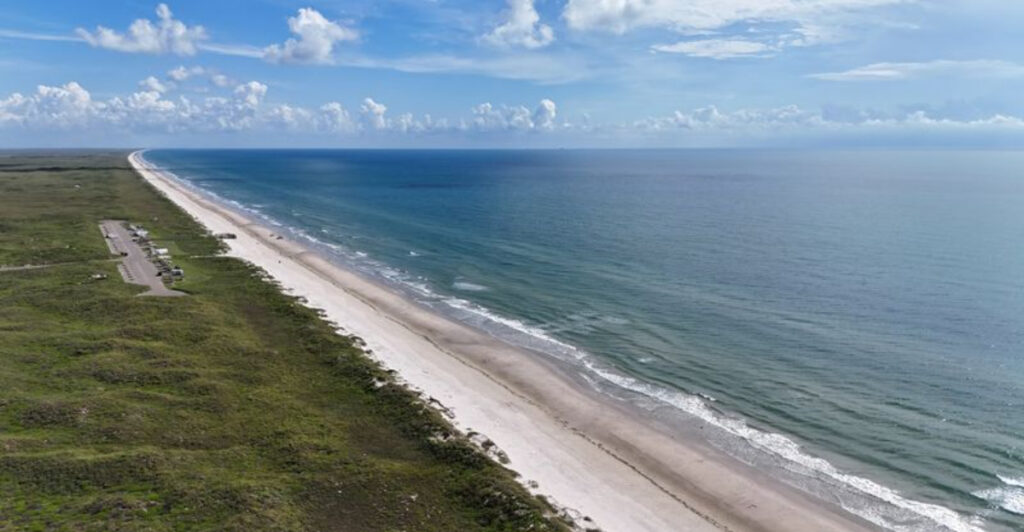
Texas has more than 600 miles of coastline, but most visitors crowd the same handful of popular spots. What they miss are the quiet stretches where locals go to escape the noise, find real solitude, and experience the Gulf Coast the way it used to be. These hidden gems offer everything from soft sand and calm waves to rugged beauty and wildlife sightings, all without the boardwalk crowds and parking hassles that come with the famous beaches.
1. Port Mansfield Beach
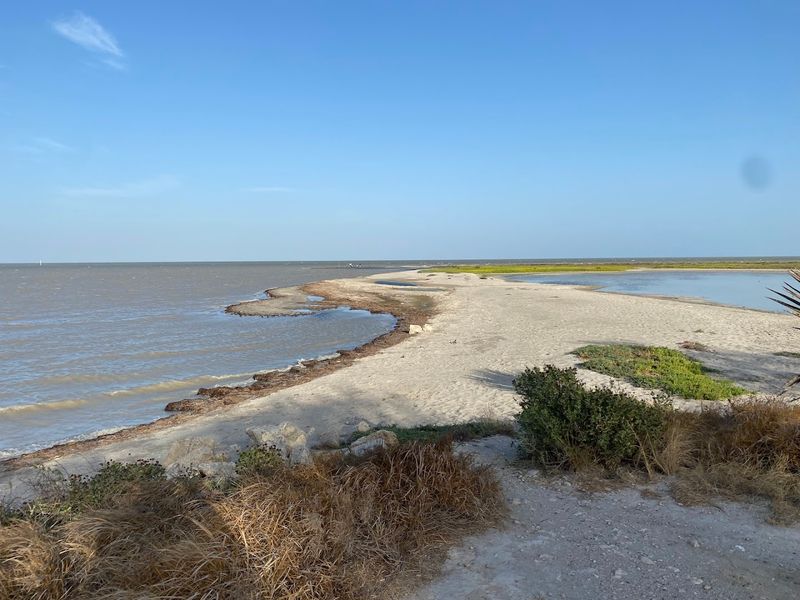
Tucked away near the southern tip of the Laguna Madre, Port Mansfield Beach feels like stepping back in time. This quiet fishing village hasn’t succumbed to high-rise development, and the beach reflects that laid-back, untouched vibe. You won’t find beach umbrella rentals or souvenir shops here, just miles of open sand and shallow, calm water perfect for wading.
Anglers flock to Port Mansfield for its world-class fishing, but the beach itself deserves just as much attention. The water stays relatively shallow far from shore, making it ideal for families with young kids who want to splash around without worry. The gentle waves and soft sand create a relaxing environment that’s hard to find at busier coastal destinations.
Because it’s off the beaten path, you’ll often have long stretches of beach practically to yourself. Early mornings bring stunning sunrises over the water, and the lack of light pollution makes stargazing incredible after dark. Bring your own supplies since amenities are limited, but that’s part of the charm.
The drive down Highway 48 takes you through vast, flat landscapes that feel worlds away from city life. Once you arrive, the pace slows down immediately. Local restaurants serve fresh seafood caught that morning, and the community maintains a friendly, welcoming atmosphere toward visitors who respect the quiet nature of the area.
If you love beachcombing, Port Mansfield delivers. Shells, sand dollars, and interesting driftwood wash up regularly, and you won’t be competing with crowds to find them. The beach remains one of those rare places where you can truly disconnect, breathe deeply, and remember why you fell in love with the coast in the first place.
2. Sunny Beach, Galveston
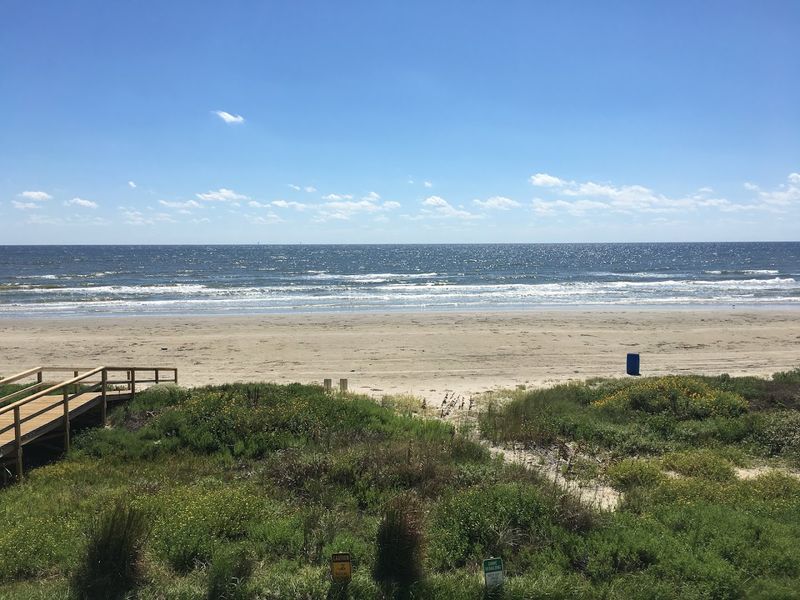
Most Galveston visitors never make it past the Seawall or Stewart Beach, which means they completely miss Sunny Beach on the island’s west end. This residential area offers a completely different beach experience, one that feels more like a neighborhood secret than a tourist destination. The homes here are a mix of vintage beach cottages and newer builds, all with that classic coastal charm.
The beach itself stretches wide and relatively uncrowded, especially on weekdays. Locals walk their dogs here in the mornings, and families set up camp for the day without fighting for space. The vibe is relaxed and unhurried, a refreshing change from the more commercial parts of the island.
What makes Sunny Beach special is its authenticity. You’re experiencing Galveston the way residents do, not the packaged tourist version. The water and sand quality match any other part of the island, but the atmosphere feels genuinely different.
Kids can run around freely, and you can actually hear the waves instead of competing music from nearby beach bars.
Parking is street parking in the residential area, so arrive early during peak season to snag a spot. There aren’t public facilities or concession stands, so pack everything you need for the day. The trade-off for fewer amenities is fewer people and a more peaceful experience overall.
Sunset watching from Sunny Beach ranks among Galveston’s best. The western location provides unobstructed views as the sun dips toward the horizon, painting the sky in brilliant oranges and pinks. Bring a blanket, settle into the sand, and enjoy nature’s show without the typical crowds.
This beach rewards those willing to venture beyond the obvious choices, offering a slice of old Galveston that still exists if you know where to look.
3. Boca Chica Beach
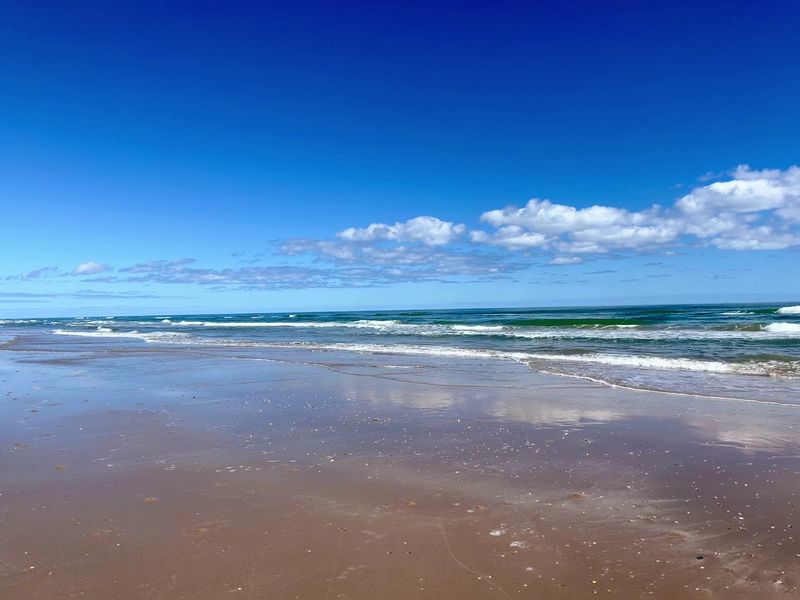
At the very southern tip of Texas, where the Rio Grande meets the Gulf, Boca Chica Beach exists in a category all its own. Getting there requires a drive down Highway 4, a lonely road that cuts through wildlife refuges and flat coastal plains. The journey itself sets the tone for what you’ll find: wild, remote, and completely undeveloped.
No lifeguards patrol these shores. No restrooms or pavilions dot the landscape. What you get instead is miles of pristine coastline where nature calls the shots.
The beach attracts adventurous souls who appreciate raw beauty over convenience, and the solitude can be profound. On some days, you might see only a handful of other people along the entire stretch.
Wildlife thrives here because human interference remains minimal. Shorebirds hunt in the surf, and if you’re lucky, you might spot dolphins playing offshore. The sand itself varies from firm and packed near the water to soft and deep higher up the beach.
Four-wheel-drive vehicles can access certain areas, and beach camping is permitted in designated zones.
Fair warning: SpaceX has facilities nearby, and rocket tests occasionally close the road temporarily. Check access status before making the long drive out. When open, though, Boca Chica delivers an experience unlike any other Texas beach.
The isolation feels almost meditative, and the lack of development means you’re seeing the coast much as it existed centuries ago.
Bring absolutely everything you need, including plenty of water, food, and sun protection. The nearest services are back in Brownsville, about 20 miles away. Cell service can be spotty, so download maps beforehand.
This beach isn’t for everyone, but for those seeking true escape and natural beauty without compromise, Boca Chica stands alone. The effort required to reach it keeps the crowds away, which is exactly why it remains so special.
4. Goose Island State Park Beach
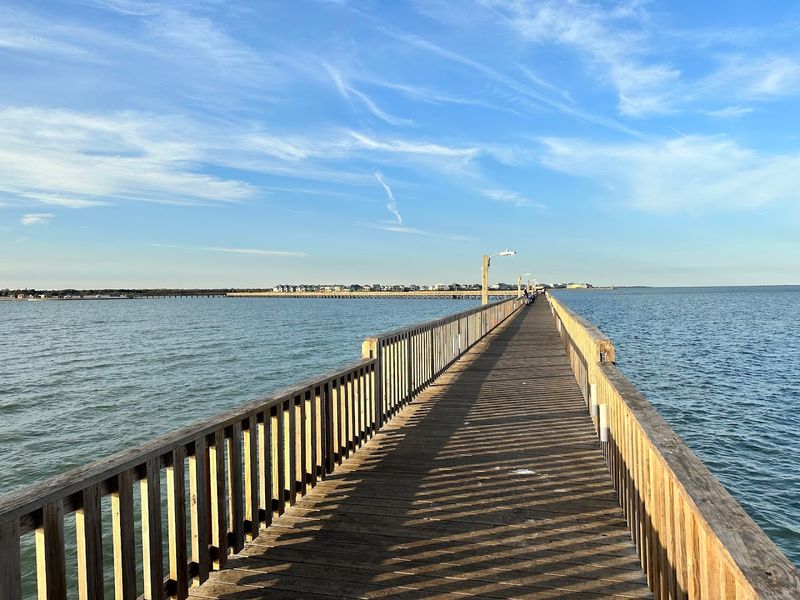
Nestled along Aransas Bay near Rockport, Goose Island State Park offers something different from typical Gulf beaches. The protected bay location means calmer waters and a more intimate beach experience. Ancient oak trees, including the famous “Big Tree,” provide shade and character that ocean-facing beaches simply can’t match.
The park’s beach area is relatively small compared to the endless stretches found elsewhere on the coast, but that’s part of its appeal. Families appreciate the shallow, gentle water perfect for young children learning to swim. The bay setting also means fewer waves and currents, creating a safer environment for water play without constant parental anxiety.
Fishing is huge here, with both pier and wade fishing drawing enthusiasts year-round. Redfish, speckled trout, and flounder are common catches, and you’ll often see locals teaching kids how to bait hooks and cast lines. The combination of beach access and excellent fishing makes Goose Island a favorite among those who want variety in their coastal activities.
Camping facilities range from RV sites with full hookups to primitive tent areas, allowing visitors to extend their stay and wake up steps from the water. Morning coffee on the beach while watching the sunrise over the bay creates memories that last long after the trip ends. Bird watchers also love this park, as whooping cranes winter in the nearby refuge.
The park charges a modest entrance fee, which helps maintain facilities and keeps the area clean and well-managed. Restrooms, picnic tables, and covered pavilions add convenience without overwhelming the natural setting. Because it’s a state park, rules about alcohol and noise are enforced, maintaining a family-friendly atmosphere.
If you want a beach day that combines swimming, fishing, wildlife viewing, and camping all in one manageable location, Goose Island delivers beautifully.
5. San Jose Island
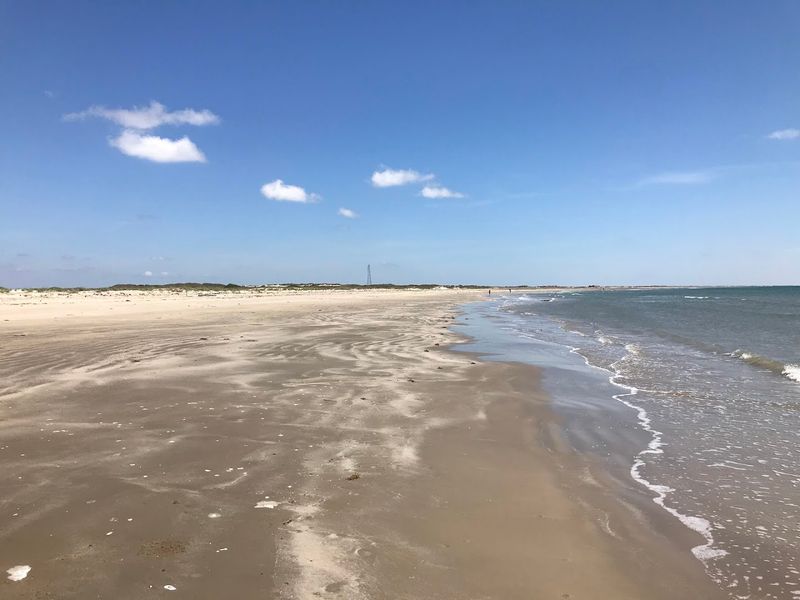
Accessible only by boat, San Jose Island represents the ultimate Texas beach escape. No cars, no buildings, no development whatsoever. Just you, the sand, the surf, and whatever you can carry across from Port Aransas or Rockport.
Private boat owners and charter services make the short trip regularly, but the lack of vehicle access keeps visitor numbers naturally limited.
The island stretches for miles, offering both Gulf-side and bay-side beach experiences. The Gulf side delivers bigger waves and classic beach scenery, while the bay side provides calmer water and excellent spots for kayaking or paddleboarding. You can walk for hours without seeing another person, collecting shells and enjoying solitude that’s increasingly rare on Texas beaches.
Because there’s no infrastructure, you must bring everything you need and pack everything out. Serious beachgoers and campers love this aspect, as it ensures the island stays pristine. Overnight camping is allowed with proper permits, and falling asleep to wave sounds under a canopy of stars beats any hotel experience hands down.
The island’s isolation means wildlife flourishes here. Sea turtles nest on these shores, and bird species too numerous to count make appearances throughout the year. Respect for nature isn’t optional; it’s essential to preserving what makes San Jose special.
Leave no trace principles apply absolutely.
Planning is crucial for a San Jose Island trip. Check weather conditions carefully, as getting stranded by unexpected storms is a real possibility. Bring plenty of water, sun protection, and food since there’s zero chance of running to a convenience store.
The reward for this preparation is an authentic, unspoiled beach experience that feels like discovering a secret. San Jose Island isn’t convenient, but convenience isn’t what you’re after. You’re after the real deal, and this island delivers it in spades.
6. Surfside Beach
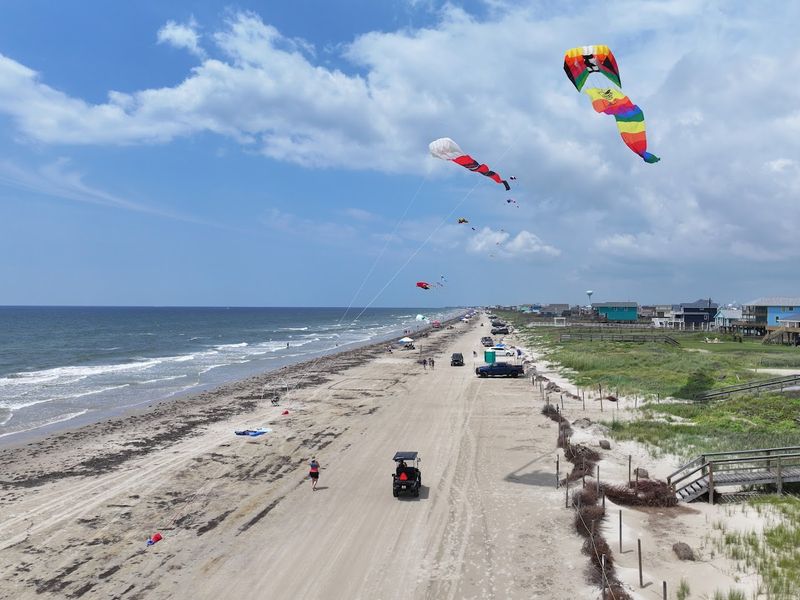
Just south of Freeport, Surfside Beach maintains the small-town coastal vibe that larger destinations have lost to overdevelopment. The community has resisted becoming another high-rise resort area, instead preserving its character as a place where fishing boats outnumber jet skis and locals know each other by name. The beach itself runs wide and welcoming, with soft sand and consistent waves that give the town its name.
Surfside attracts a loyal following of return visitors who appreciate its unpretentious nature. Beach houses on stilts line the shore, many available as vacation rentals that cost a fraction of what you’d pay in Galveston or South Padre. The town has basic amenities, restaurants serving fried seafood and cold beer, and a general store for beach supplies, but nothing feels touristy or overpriced.
The jetty at Surfside provides excellent fishing opportunities, and watching pelicans dive for their dinner becomes evening entertainment. Kids can fish, swim, and build sandcastles all in one day without parents needing to shuttle them between different locations. The simplicity of the experience is precisely what makes it work so well for families.
Hurricane history has shaped Surfside’s development, or lack thereof. The community has been hit hard over the years, which has kept commercial development at bay. What remains is a resilient beach town that rebuilds after storms and maintains its character through changing times.
Visitors who grew up coming here bring their own kids now, passing down the tradition.
Parking is generally easy to find, even on busy weekends, and the beach doesn’t charge access fees in most areas. You can drive right up to the sand in certain spots, making unloading coolers and beach gear much simpler than at beaches with restricted vehicle access. Surfside won’t wow you with fancy amenities or trendy beach clubs, but it will remind you that the best beach days are often the simplest ones.
7. Padre Island National Seashore
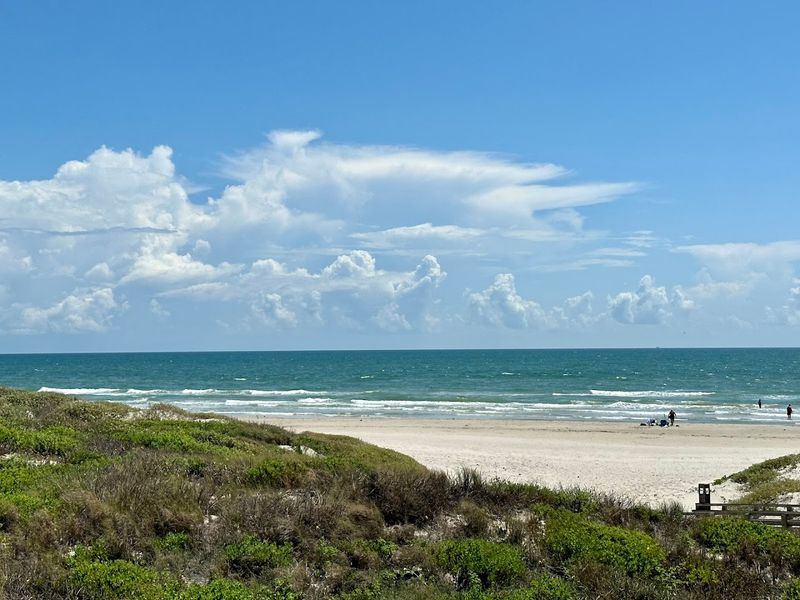
Stretching over 70 miles, Padre Island National Seashore protects the longest undeveloped barrier island in the world. That’s not a typo. The longest.
While South Padre Island to the south gets all the spring break attention, this protected middle section remains wild, natural, and absolutely stunning. The National Park Service manages it with conservation in mind, meaning development is intentionally minimal.
Most visitors only experience the northern accessible sections near the Malaquite Beach visitor center, but adventurous souls with four-wheel-drive vehicles can explore miles of backcountry beach. The further south you drive, the more isolated it becomes. Some sections see so few visitors that your footprints might be the only ones in the sand for miles.
Sea turtle conservation is a major focus here, and during nesting season, you might witness hatchling releases. The park also protects critical habitat for numerous bird species and other wildlife. Seeing nature operate without human interference provides perspective that typical beach vacations can’t offer.
You’re a visitor in their world, not the other way around.
Camping options range from developed campgrounds with restrooms to primitive beach camping where you’re completely on your own. Watching the sun rise over the Gulf from your tent is a spiritual experience, and the star visibility at night rivals anywhere in Texas. Just remember that primitive camping means primitive conditions, including no fresh water or facilities.
The park charges an entrance fee, which supports conservation efforts and facility maintenance. Rangers are knowledgeable and passionate about the area, offering programs and information that enhance your visit. Whether you spend a few hours or a few days, Padre Island National Seashore offers a beach experience that’s increasingly rare: one where nature takes priority over commerce.
It’s protected, pristine, and powerful in its simplicity.
8. Matagorda Beach
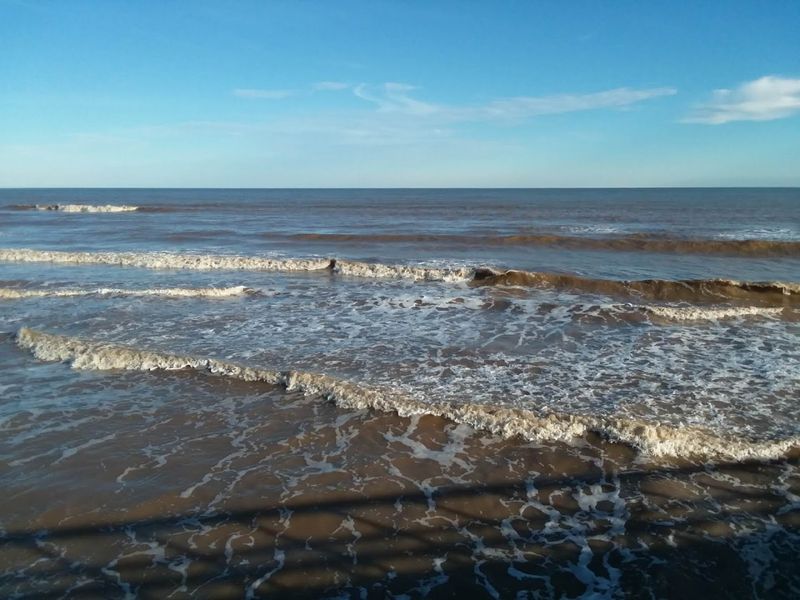
Matagorda sits at the mouth of the Colorado River where it meets the Gulf, creating a unique coastal environment that’s part beach town, part fishing village. The community has fewer than 500 permanent residents, which tells you everything about its quiet, unhurried nature. Visitors come here to fish, relax, and escape the crowds that plague more popular destinations.
The beach itself extends wide and relatively flat, with sand that’s firm enough for walking but soft enough for comfortable lounging. Beachcombing yields interesting finds, as the river’s outflow brings shells and other treasures from both fresh and saltwater environments. The mixing of river and Gulf waters also creates excellent fishing conditions, particularly near the jetties.
Matagorda’s isolation works in its favor. Getting here requires a deliberate choice since it’s not on the way to anywhere else. That filters out casual beachgoers and leaves the sand to people who specifically sought out this quiet gem.
The lack of commercial development means no beach bars blasting music or vendors walking the shore trying to sell you things.
The historic lighthouse, while no longer operational, provides a picturesque backdrop and a piece of coastal history. The town has a few restaurants and a small grocery store, but don’t expect extensive shopping or nightlife. What you get instead is authenticity and a glimpse into what Texas coastal towns used to be before tourism became the primary industry.
RV camping and vacation rentals provide accommodation options, though booking ahead is wise during peak fishing seasons. The community welcomes respectful visitors but isn’t set up for mass tourism, and that’s exactly how locals prefer it. If you want a beach where you can actually hear yourself think, where the pace matches the gentle roll of the waves, Matagorda delivers.
It’s not fancy, but it’s real, and that’s worth more than all the resort amenities in the world.
9. Mustang Island State Park Beach
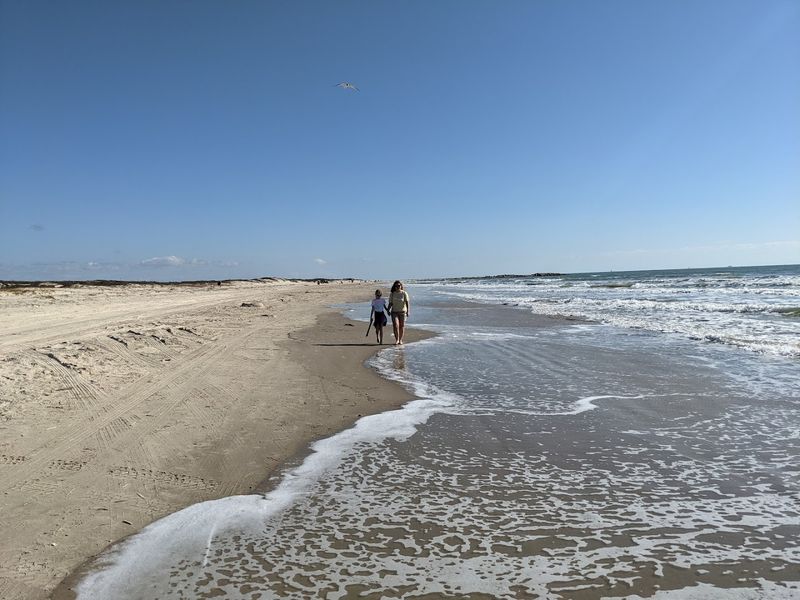
Between Corpus Christi and Port Aransas, Mustang Island State Park offers five miles of protected beach that balances accessibility with natural beauty. Unlike the completely wild sections of Padre Island National Seashore, this park provides more facilities while still maintaining a relatively undeveloped feel. It’s a sweet spot for people who want nature without going completely primitive.
The beach here is gorgeous, with soft sand and typically clear water. Waves are consistent enough for bodyboarding but not so intense that swimming becomes dangerous for average beachgoers. Families appreciate the lifeguard presence during peak season and the proximity to restrooms and outdoor showers.
You get the beach experience without sacrificing basic conveniences.
Camping at Mustang Island State Park ranks among the best coastal camping in Texas. Sites offer varying levels of amenities, from water and electric hookups to more basic tent areas. Waking up and walking directly onto the beach before the day-trippers arrive gives you a taste of what it’s like to have the coast to yourself.
The park’s location makes it convenient for exploring nearby Port Aransas or Corpus Christi while maintaining a quieter home base. You can enjoy restaurant meals and attractions when you want them, then return to the peaceful park setting. This flexibility appeals to visitors who want options without constant crowds.
Entrance fees are reasonable, and camping rates are significantly cheaper than most hotels in the area. The park stays well-maintained thanks to dedicated staff and the Texas Parks and Wildlife Department’s management. During peak times, particularly spring break and summer weekends, the park can reach capacity, so reservations are essential.
Whether you’re a serious camper or just want a day at a beautiful beach with good facilities, Mustang Island State Park delivers. It proves you don’t have to choose between natural beauty and basic amenities. The park successfully provides both, creating a beach destination that works for various visitor types and preferences.
10. Magnolia Beach
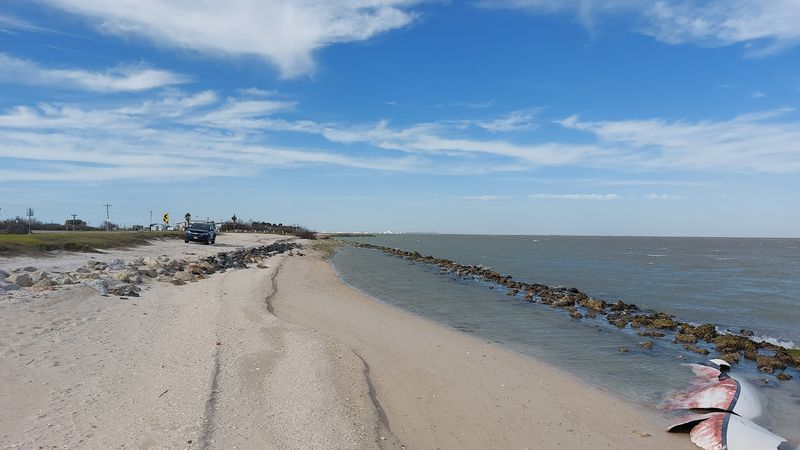
On the shores of Lavaca Bay, Magnolia Beach offers a completely different coastal experience than Gulf-facing destinations. The bay location means calm, shallow water that’s perfect for young children and anyone who prefers gentle conditions over crashing waves. This tiny community has maintained its low-key character despite being relatively close to larger towns.
The beach itself is small and intimate, more of a neighborhood waterfront than an expansive stretch of sand. What it lacks in size, it makes up for in charm and tranquility. Locals and regular visitors treat it like their own backyard, which creates a welcoming atmosphere for newcomers who respect the community’s quiet nature.
Wading out into Lavaca Bay, you can walk for remarkable distances before the water reaches your waist. This makes it ideal for families with toddlers who want to splash and play without constant worry. The calm conditions also suit kayaking and paddleboarding, activities that would be more challenging in Gulf surf and currents.
Magnolia Beach has basic facilities including a fishing pier, boat ramp, and small park area with picnic tables. The community has a few rental properties and a small store, but this isn’t a place with extensive tourist infrastructure. That’s precisely why people who love it keep coming back; it hasn’t been commercialized or overdeveloped.
Fishing from the pier or wading in the bay produces catches of speckled trout, redfish, and other species. Early mornings bring spectacular sunrises over the water, and the lack of light pollution makes evening stargazing exceptional. The pace here is slow, the atmosphere is friendly, and the focus is on simple pleasures.
If you’re looking for nightlife, water parks, or beach bars, Magnolia Beach isn’t your destination. But if you want a quiet place where kids can safely play in the water, where you can fish from a pier without fighting for space, and where the biggest decision is whether to have your picnic lunch before or after a swim, this little bay beach is absolutely perfect.
11. Malaquite Beach, Padre Island
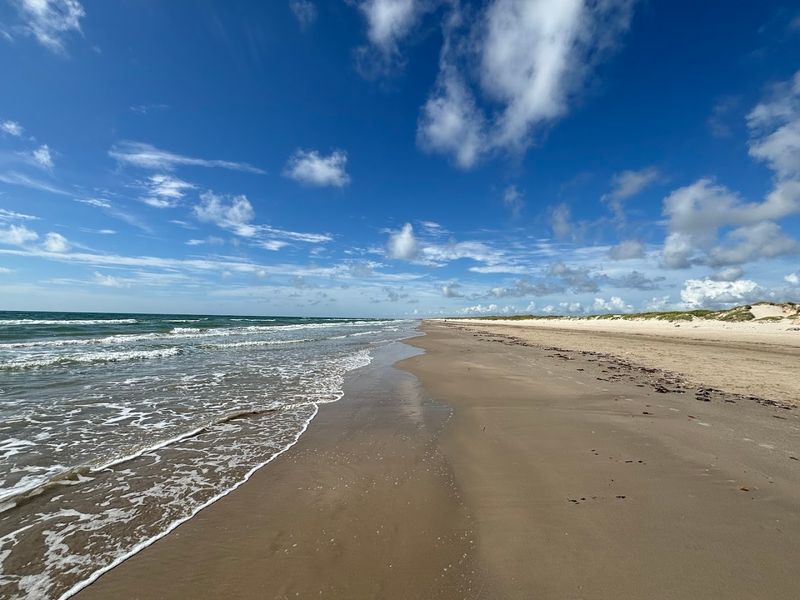
Malaquite Beach serves as the primary visitor area within Padre Island National Seashore, offering the perfect introduction to this protected coastal treasure. The visitor center provides educational exhibits about the area’s ecology, sea turtle conservation efforts, and natural history. From there, the beach stretches wide and inviting, with facilities that make it accessible while maintaining the national seashore’s natural character.
Unlike completely primitive sections of the park, Malaquite has restrooms, outdoor showers, and a large parking area. These amenities make it family-friendly and suitable for visitors who want to experience protected coastline without going full wilderness mode. The beach itself is beautiful, with soft sand and typically clear water that’s perfect for swimming and bodyboarding.
Sea turtle conservation is central to Padre Island’s mission, and Malaquite Beach is where many educational programs happen. During nesting season, you might encounter rangers monitoring nests or even witness a hatchling release if you time your visit right. These experiences create connections to wildlife conservation that transform a simple beach day into something meaningful.
The beach can get busy during peak times, particularly summer weekends and spring break, but it never feels as crowded as commercial beaches. The park’s entrance fee deters some casual visitors, and the distance from major cities keeps crowds manageable. Even on busy days, walking a short distance from the main access points often leads to quieter stretches of sand.
Surfing, fishing, and beachcombing are all popular activities here. The park allows beach driving with proper permits, opening up miles of coastline for exploration. Whether you spend a few hours or a full day, Malaquite Beach provides an excellent taste of what makes Padre Island National Seashore special: protected natural beauty, excellent facilities, and educational opportunities that deepen your appreciation for the Texas coast.
12. South Llano River State Park Beach
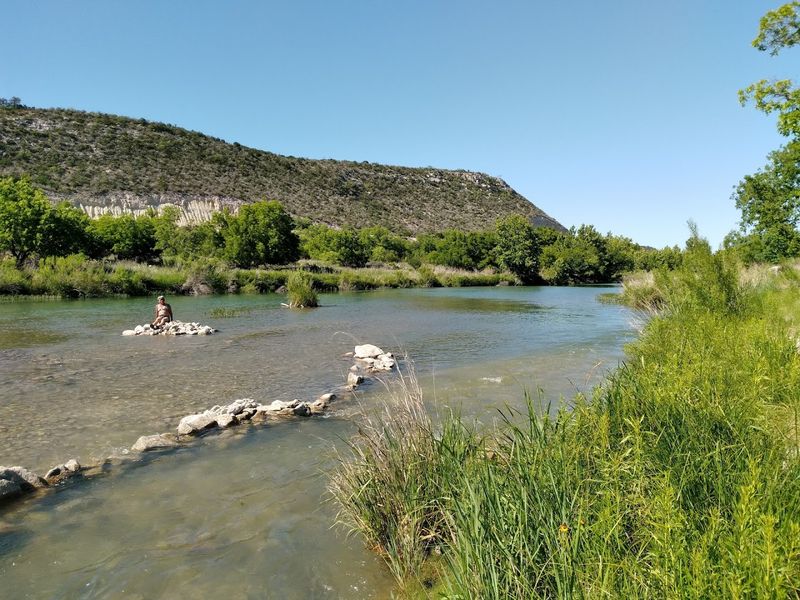
Wait, a river beach on a list of coastal destinations? Absolutely. South Llano River State Park offers something completely different: a pristine freshwater swimming area that rivals any saltwater beach for beauty and enjoyment.
Located in the Hill Country near Junction, this park proves that Texas beaches aren’t limited to the Gulf Coast. The crystal-clear river water and sandy banks create a beach experience without the salt, waves, or jellyfish.
The swimming area features shallow sections perfect for young children and deeper pools where stronger swimmers can really enjoy themselves. The water stays refreshingly cool even during hot summer days, providing relief that Gulf waters can’t match. Cypress trees line the banks, offering natural shade that beachgoers appreciate during peak heat hours.
Families love this park because the river environment feels safer and more contained than ocean beaches. There are no riptides or sudden drop-offs, and visibility in the clear water means you can easily watch kids playing. The sandy banks function exactly like beach sand, perfect for building castles or simply digging toes in while relaxing.
Tubing down the river is a popular activity, with gentle current and scenic surroundings making for a relaxing float. The park also offers excellent bird watching, with over 240 species recorded in the area. Camping facilities range from sites with water and electric hookups to primitive areas for those wanting a more rustic experience.
South Llano River State Park demonstrates that beach experiences come in many forms. The combination of clear water, sandy banks, and natural beauty creates all the elements that make beaches enjoyable, just in a freshwater Hill Country setting. For families in Central or West Texas, it’s actually closer than the coast and offers advantages that saltwater beaches can’t provide.
Sometimes the best beach isn’t a beach at all, it’s a river that feels like one, delivering all the fun without the long drive to the Gulf.
Share this story