Out in the sagebrush country of southeastern Oregon, a gravel road leads to a building that looks like it rolled out of another century and decided to stay. It was built in the 1880s by one of the most powerful and most argued-about cattlemen the West ever produced. His empire stretched across a huge piece of Harney County, and the fights over that land are still talked about today.
Most of that empire is gone now, but one round structure of stone and juniper still stands, and it costs nothing to see. Keep reading to learn who built it, why it is round, which feathered tenants live inside, and how to plan a smart trip to this rare survivor of Oregon ranching history.
A Round Survivor on Lava Bed Road
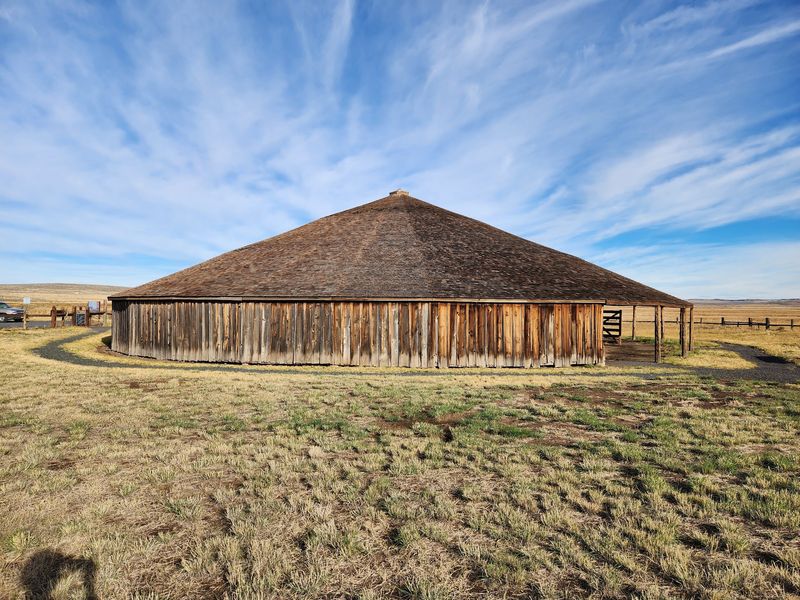
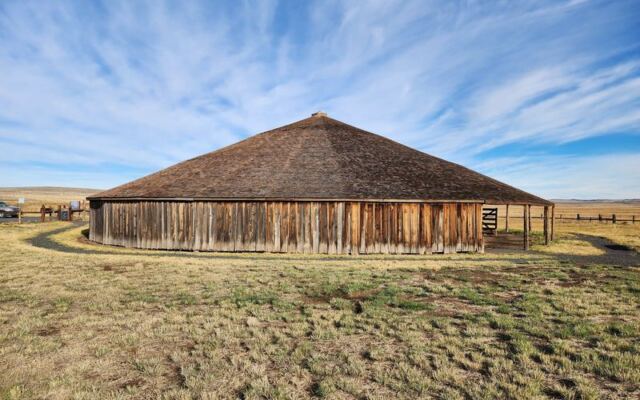
Few buildings in Oregon can be spotted from so far down the road. The Pete French Round Barn State Heritage Site sits at 52229 Lava Bed Rd, Diamond, OR 97722, in the high desert of Harney County, Oregon, United States.
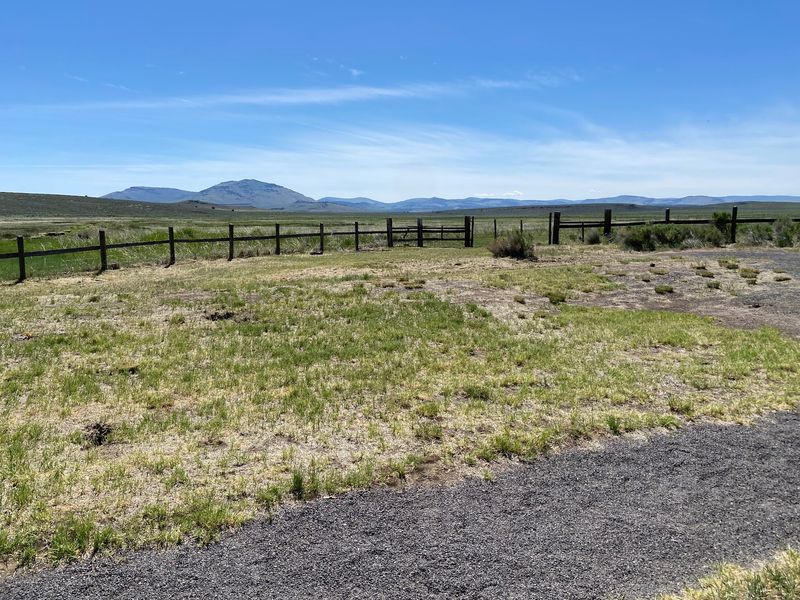
The nearest larger town is Burns, and the site lies out on the open sagebrush plains with views stretching toward the Malheur National Wildlife Refuge. Getting there means a stretch of gravel road, which only adds to the feeling of heading somewhere off the usual tourist path.
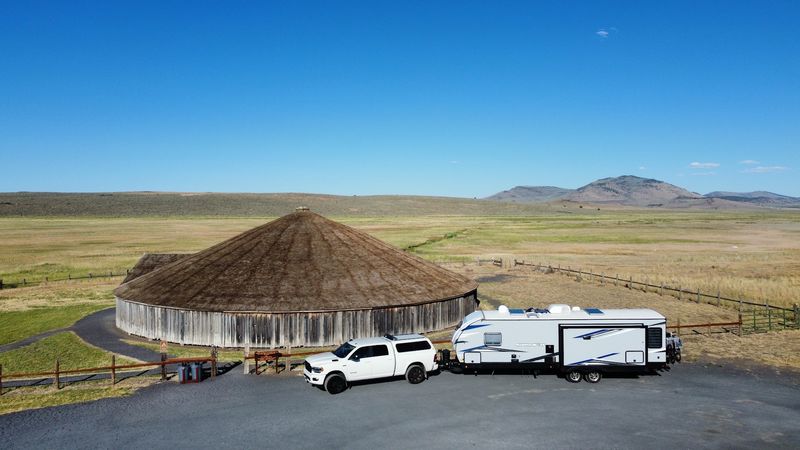
The barn itself is the star. It is a large circular structure built in the 1880s, and it is often described as the last one of its kind left from that era of the cattle business.
Oregon State Parks manages the heritage site, and admission is free. The barn is generally open year-round, though weather can affect access.
Next to the barn stands a privately run visitor center and gift shop with local history displays. Parking is plentiful, so there is no need to worry about squeezing in a car or even a larger rig.
It is a small site in a big landscape. The real size of the place comes from the story behind it, and that story starts with one ambitious cattleman.
The Cattle King Behind the Walls
Every old barn has a builder, but not every builder has a nickname like Cattle King. Pete French earned that title in the late 1800s as one of the biggest cattle barons in Oregon.
He was a dynamic figure, and also a controversial one. The people who worked for him were known to be loyal and fond of him, while many neighbors held a very different opinion.
French built a ranching operation that spread across a vast part of Harney County. His herds needed horses and mules, and those animals needed training, even when winter shut down the open range.
That practical problem is the reason the round barn exists. French designed it so his crew could keep working with stock during the long, cold Oregon winters.
The interpretive signs on site describe his rags-to-riches climb in some detail. They lay out a timeline that helps connect the building to the man and to the wider history of Oregon cattle ranching.
Some history fans suggest reading up on French before arriving. A little background makes the barn feel less like an old building and more like a chapter of the Old West that happens to have a roof.
And his rise to power, as it turns out, involved some very creative use of wet land.
Swampland Deals and 200,000 Acres
Here is a land deal that sounds almost too cheap to be real. Under the Swamp and Overflow Act, marshland could be purchased for just $1.25 an acre.
Pete French made heavy use of that law. He built dams that flooded areas, which allowed land to qualify for the cheaper price.
The result was enormous. Estimates put his holdings somewhere between 160,000 and 200,000 acres, a staggering spread for a single cattle operation.
For French, that land meant grazing, water, and control. For smaller settlers arriving in the area, it often meant hitting a wall of fences and eviction notices.
After the Malheur Lake spill in 1881, the competition for land and water grew even sharper. French clashed with small farmers and homesteaders over water rights and land claims, and he sent notices to new settlers trying to use land that had once gone unused.
Those disputes are a big part of why his story still sparks debate. Some see a bold builder of an empire, while others see a man who bent the rules to grab as much as he could.
Either way, the numbers explain why a single ranch needed such an unusual building. Running that much land took a lot of well trained animals, and the conflict it created would soon reach a breaking point.
How the Empire’s Story Ended
Land barons, border disputes, and a courtroom finish. The final chapter of the Pete French story reads like a classic Western, except it really happened.
One of the settlers caught in the land fights was a man named Edward Oliver. French had forced him to travel more than six miles to reach his own property, when a direct route would have been only a few hundred feet.
Tensions between the two men came to a head in a confrontation that ended the Cattle King’s career for good. Oliver was armed, and French did not walk away from that meeting.
A short legal battle followed. The jury found Oliver not guilty, accepting a claim of self defense.
Even French’s own family seemed to understand the frustration. His brother Burt French is remembered for saying he did not like to speak against his brother, but he could not blame Oliver for what he did.
Opinions on French remain split today. Some call him a villain who met Old West justice, while others remember a capable leader admired by his workers.
The interpretive panels at the barn cover this part of the story too. It is a reminder that the building stands on ground that people once fought hard over, and that this quiet spot was not always so quiet.
A Winter Corral With a Clever Twist
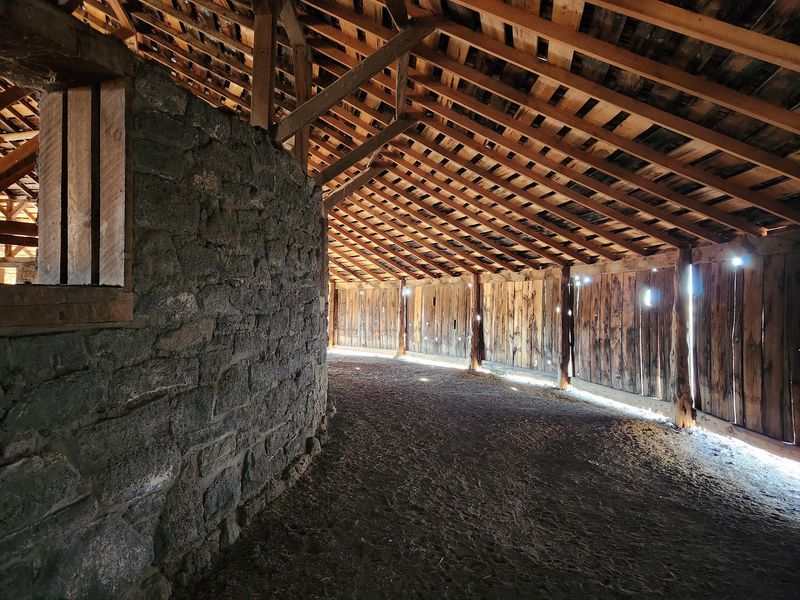
At first glance, a barn is a barn. Then comes the realization that this one was really built as a covered arena, and the whole thing starts to make sense.
French designed the round barn as an indoor winter corral. Harney County winters could be brutal, and outdoor training was often out of the question.
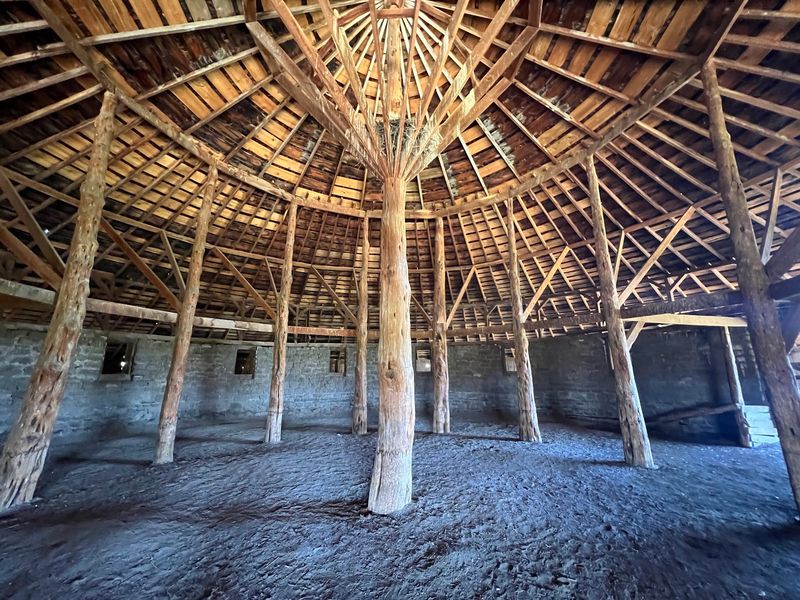
Inside, cowboys and vaqueros worked horses and mules on a circular track that runs around the interior. Animals could keep moving around the ring no matter what the weather was doing outside.
The main goal was training teams of horses and mules to pull heavy freight wagons. Those teams were essential for hauling supplies across such a remote and spread-out ranch.
Wild horses were also broken on that same track. The circular layout meant the animals never hit a corner, which made the space efficient for steady, repeated work.
The scale is a big part of the wonder. The central corral measures around 100 feet across, and people often wonder how anyone managed to build something this ambitious more than a century ago.
It is an engineering idea that solved a real problem with simple tools. Call it a horse track that went round and round so the ranch could keep moving forward.
Stone, Juniper, and a Century of Patina
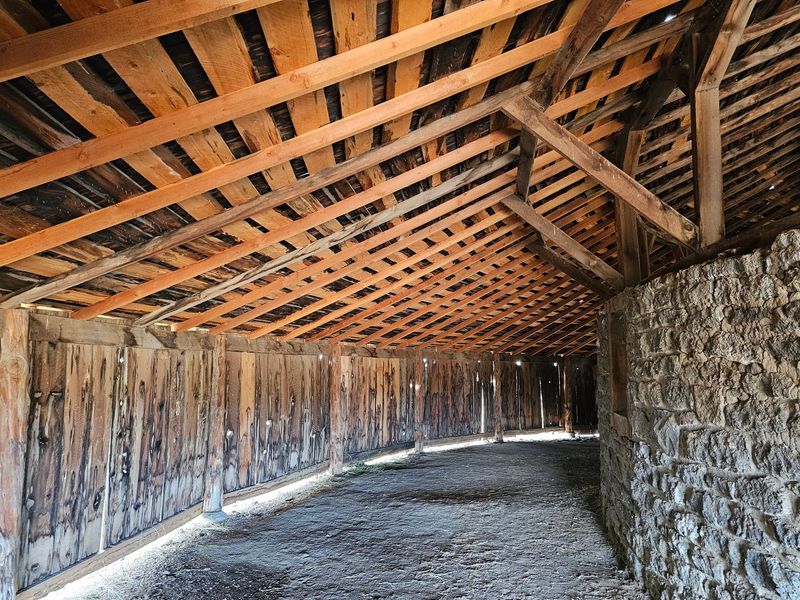
Builders in the 1880s worked with what the land offered. At the round barn, that meant stone walls and juniper beams.
The stone forms the heart of the structure, while juniper timbers support the roof. Both materials have weathered over the decades and now carry an honest, time-worn look.
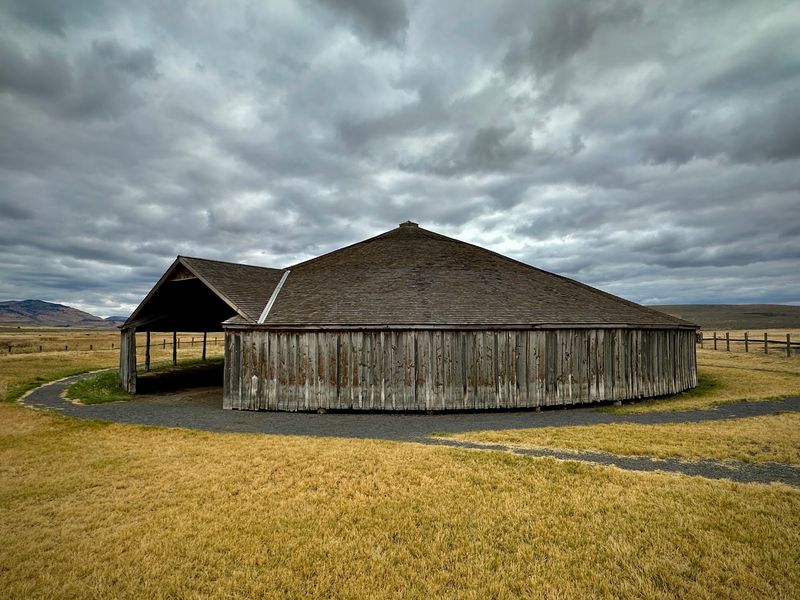
Architecture fans tend to spend extra time here. Walking around the outside reveals plenty of detail and texture in the old walls and woodwork.
The structure is often praised as well preserved. Considering its age and its exposed spot on the high desert, that is no small achievement.
Some parts do show more wear than others. The barn has picked up a weathered look over the years, which feels fitting for a building that has stood through well over a century of seasons.
The design also helps the barn stand out from a distance. Its round shape and peaked roof rise above the flat sagebrush plains and catch attention long before the parking area comes into view.
Preservation is the quiet hero of this site. Many ranch buildings from that era have simply disappeared, so having this one still standing is a rare chance to see real frontier construction up close.
Good old stone and stubborn juniper have done their job. The rest is up to the people who visit and care for it.
The Inner Circle Had a Softer Job
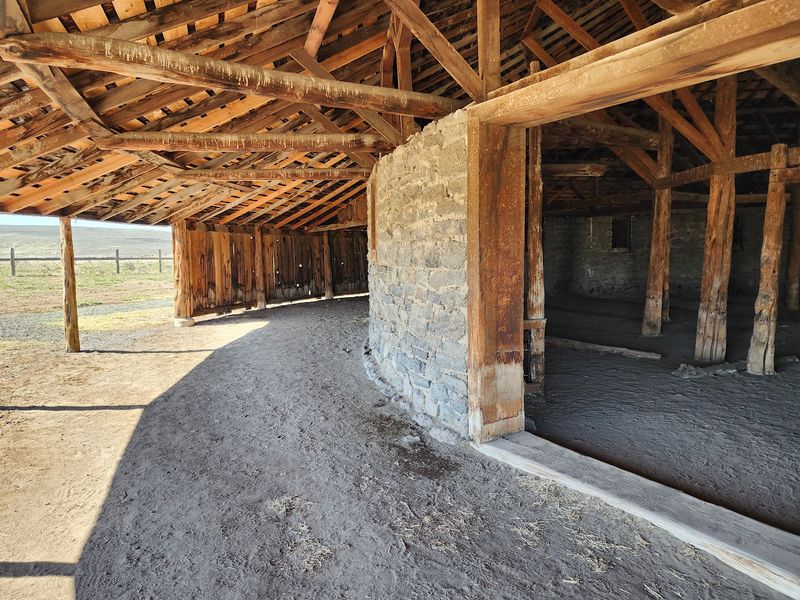
Not every part of the barn was about hard work and heavy wagons. The inner circle had a gentler purpose.
While the outer track handled training, the central area was used to care for foaling mares. That made the barn a nursery as well as a workplace.
On a ranch as large as French’s, new horses meant future teams. Giving mares a sheltered place during cold months helped protect the next generation of working animals.
The layout shows just how much planning went into the design. One building handled training, shelter, and care, all under a single round roof.
Standing between the two zones helps put the whole operation into perspective. The barn was a key piece of a much bigger system that kept the cattle empire running through the seasons.
It also tells a story about daily ranch life. The crew who worked here spent long winter days tending animals, repairing gear, and preparing teams for the work ahead.
Many people arrive expecting a simple old barn and leave with a new appreciation for how cattlemen lived. The building offers insight into a way of life that shaped much of eastern Oregon.
So the next time someone calls it just a barn, the inner circle is a good comeback. This structure had more than one job, and it did all of them in a circle.
Signs That Do the Storytelling
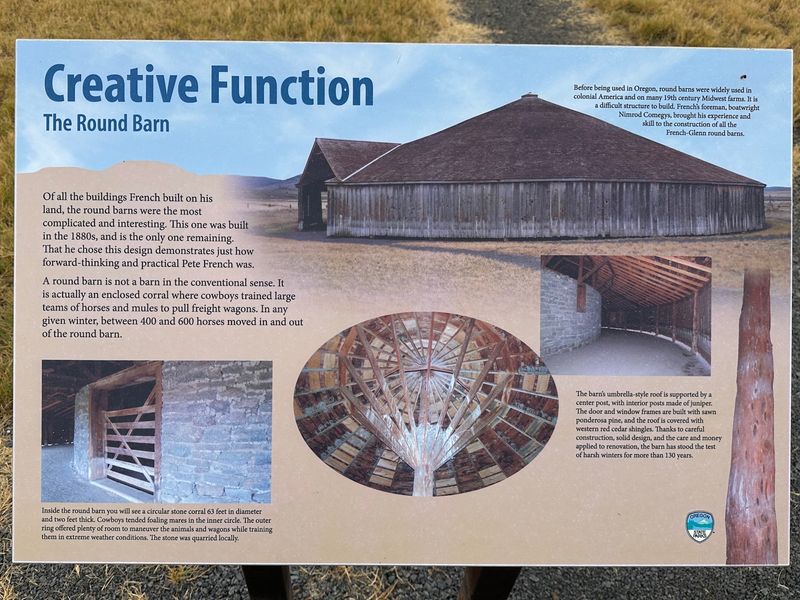
No tour guide needed. The interpretive panels at the site handle much of the storytelling on their own.
Signs placed around the grounds walk through the history in timeline form. They cover Pete French’s rise, the purpose of the barn, and the conflict that ended his empire.
Reading them first is a smart move. Once the background clicks, the barn itself feels much more meaningful.
The panels also connect the site to the broader story of Oregon’s early cattle industry. That context helps explain why a building like this was so important to ranchers of the time.
Some of the panels show their age. A few have weathered and could use a refresh, which is not surprising given the sun and wind out here.
Still, the information they share holds up well. Even quick stops can pick up the key points in just a few minutes of reading.
For deeper learning, the panels pair nicely with a visit to the nearby visitor center. Between the two, the full arc of the story comes together.
History buffs, road trippers, and curious families all find something useful on these signs. They are the quiet narrators of this site, and they deserve a few minutes of attention before heading inside the barn.
Feathered Tenants Who Rule the Rafters
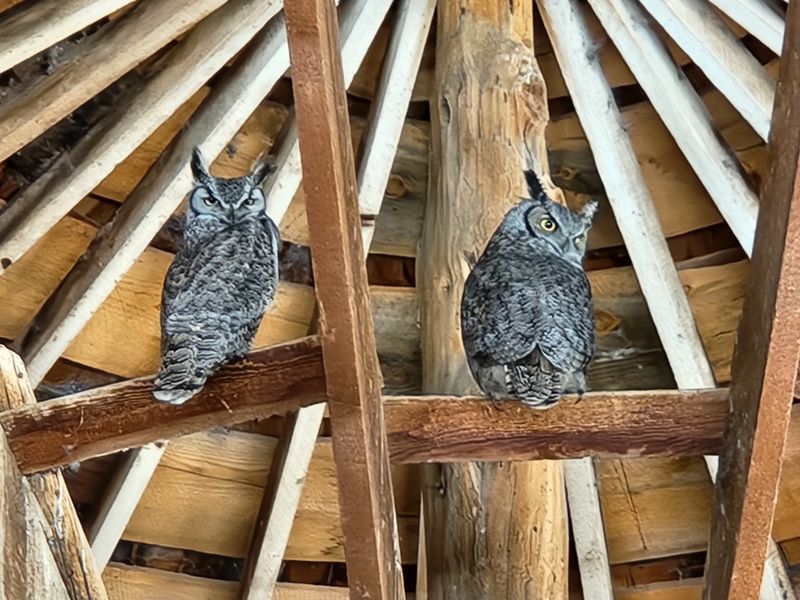
The cattle are long gone, but the barn is far from empty. Owls have taken over the rafters, and they make sure everyone knows it.
Great horned owls and barn owls have both been spotted here. A large owl nest is one of the more surprising finds inside the old structure.
These birds can be protective of their space. Keeping a respectful distance is the best plan, especially during nesting time.
Look down and there may be signs of their meals. Small bones from the animals the owls eat can sometimes be found around the barn.
Smaller birds also nest in the structure. Little ones sometimes peek out from their nests and make plenty of noise at anyone passing by.
All this wildlife gives the barn a slightly spooky atmosphere that many people mention. Dim light, old beams, and watchful owls create a mood that fits the dramatic history of the place.
The surrounding area is also good for birdwatching. Views toward the Malheur Refuge make the site a natural break for anyone interested in birds.
It turns out the barn still shelters animals, just not the ones French had in mind. The owls seem to think they own the place, and honestly, nobody has the paperwork to argue.
The Shop That Looks Small From Outside
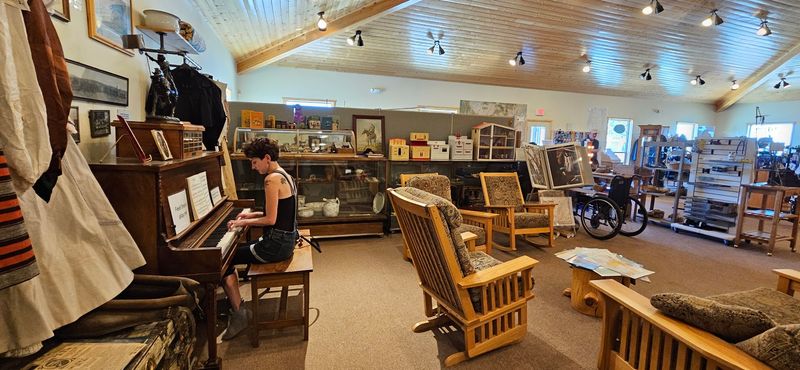
Plain on the outside, packed on the inside. The visitor center and gift shop next to the barn surprises a lot of people.
The building is privately owned and works as a gift shop, small museum, and visitor center all in one. Shelves hold local crafts, books on ranching lore, and Steens Mountain souvenirs.
The book selection gets plenty of praise. Western history readers can easily lose track of time browsing.
Other finds include clothing and gear, such as jackets and knives. Prices can run a bit high, which is common for a remote shop.
One of the best features is the family history on display. The museum side adds personal stories that bring the barn’s past even closer.
The people who run the shop have a reputation for being friendly and very knowledgeable. They are known for sharing advice on other things to see and do in the region.
The shop also has a real restroom, which is a welcome detail this far from town. As a courtesy, buying a snack or a small item is a kind way to say thanks, and there is a museum donation box too.
Hours can vary, and the shop has been closed on some days. Some trips have also found it a bit dusty or lightly stocked, so expectations should stay flexible.
Watch Your Step Out Here
Old West history comes with some real Old West conditions. A few simple precautions make the stop much safer.
The ground around the barn has plenty of holes, some hidden in the grass. Sturdy shoes and careful steps help prevent twisted ankles.
Snakes also call the area home. Rattlesnakes have been found inside the barn, and on at least one occasion their presence cut a tour short.
Other snakes come for the rodents. With so many small critters around, predators of all kinds are part of the scene.
Keeping eyes on the ground and hands out of dark corners is wise. Children should stay close, especially inside the barn.
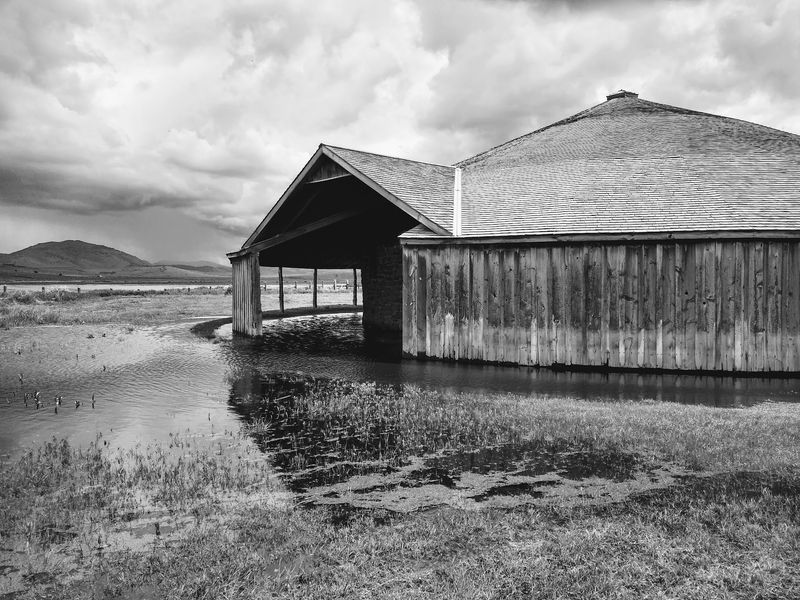
Weather can affect access too. Flooding has made the barn unreachable at times, and the site is open year-round only when conditions allow.
Checking with Oregon State Parks before driving out is a good idea. A quick look at current conditions can save a long trip on gravel roads.
None of this should scare anyone away. It simply means treating the site as part of a living high desert landscape, where nature still makes some of the rules.
A little caution goes a long way. Then the focus can stay on the history instead of the first aid kit.
Photos, Quiet Hours, and Who Will Love It
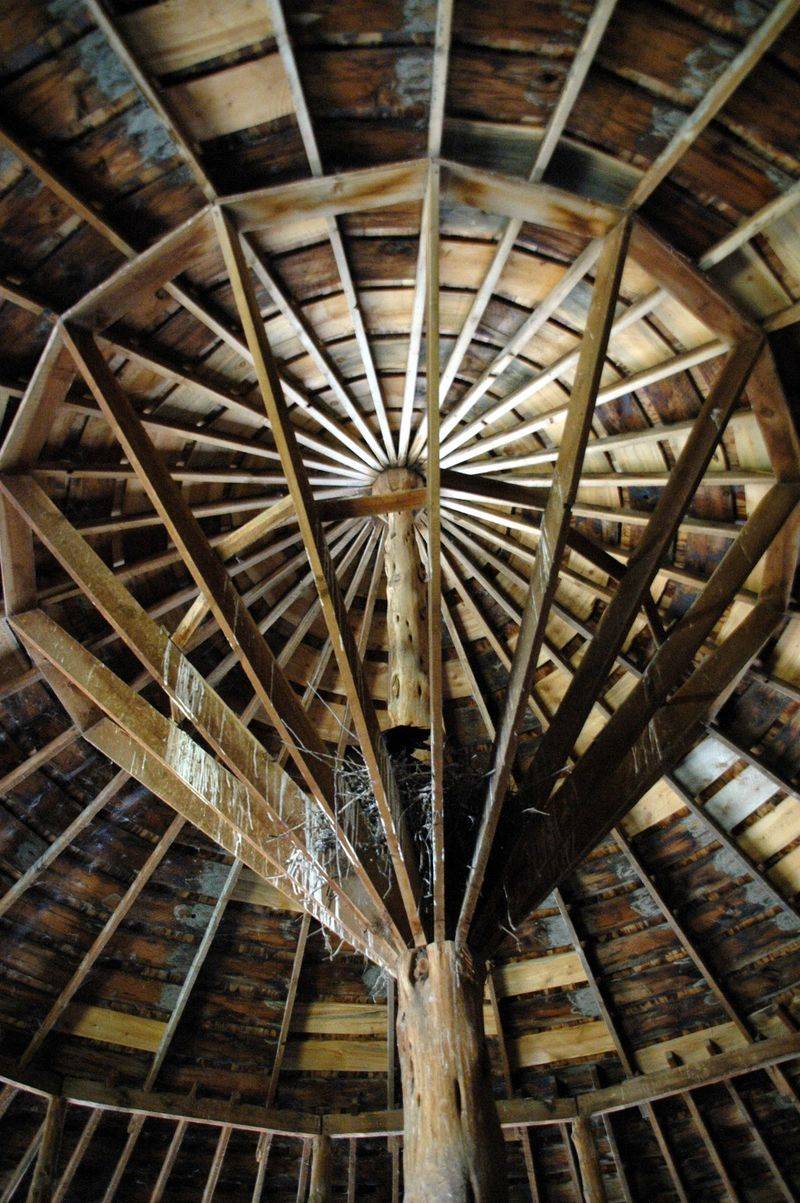
Photographers, take note. The interior of the barn is fairly dark, so a tripod is a smart thing to pack.
The site is often uncrowded, which leaves plenty of room to set up shots. Some people find they have the whole barn to themselves.
Outside, the round shape against the open plains makes a strong composition. Inside, the beams, stone, and textures reward close attention.
The site suits a specific kind of traveler. People who enjoy driving off the beaten path tend to appreciate it most.
History buffs are an obvious match. Anyone curious about cattle barons, land disputes, and early Oregon ranching will find a lot to think about here.
Families with curious kids can also enjoy it, as long as they keep watch for uneven ground and wildlife. The owls alone often become the highlight of the visit.
Travelers in RVs may find it convenient too. The site has hosted overnight stays for members of Harvest Hosts, and parking space is generous.
It is not a place packed with activities or attractions. Instead, it offers a quiet, focused look at one important building and the story around it.
For the right person, that is exactly the appeal. Simple, authentic, and wide open, it delivers high desert history without any fuss.
Planning the Trip and Why It Matters
Free admission is hard to beat in any state. At the Pete French Round Barn State Heritage Site, the only real cost is the drive.
The site is generally open year-round, weather permitting. Flooding and other conditions can close access, so checking the Oregon State Parks website before heading out is recommended.
Expect gravel roads on the final approach. Plenty of parking waits at the end, along with the visitor center when it is open.
Burns is the nearest larger town, and the barn makes an easy pairing with time near the Malheur Refuge and the Steens Mountain area. Many people treat it as a detour on a longer Oregon road trip.
Respect matters here. Truly historic places like this are rare, and keeping them in good shape depends on careful visitors and community support.
Buying something at the shop or leaving a donation helps. Small acts like that support the people who keep sharing this story.
Oregon has lost plenty of old landmarks over the years. This barn is one familiar piece of the past that is still standing, and it is worth protecting for the next generation.
It may sit far from the freeway, but it carries a big chapter of state history. For a gravel road jaunt with a free ticket, this round barn comes out well ahead.
Share this story