Deep in the hills of southern Oregon, a short forest path ends at something you will not find in any other state. It was built to catch a creature most people say does not exist. The odd structure is still there, waiting in the trees, and anyone with sturdy shoes can walk right up to it.
Keep reading to learn where it is, how to find the hidden trailhead, and what to watch out for along the way.
A Strange Box in the Applegate Woods
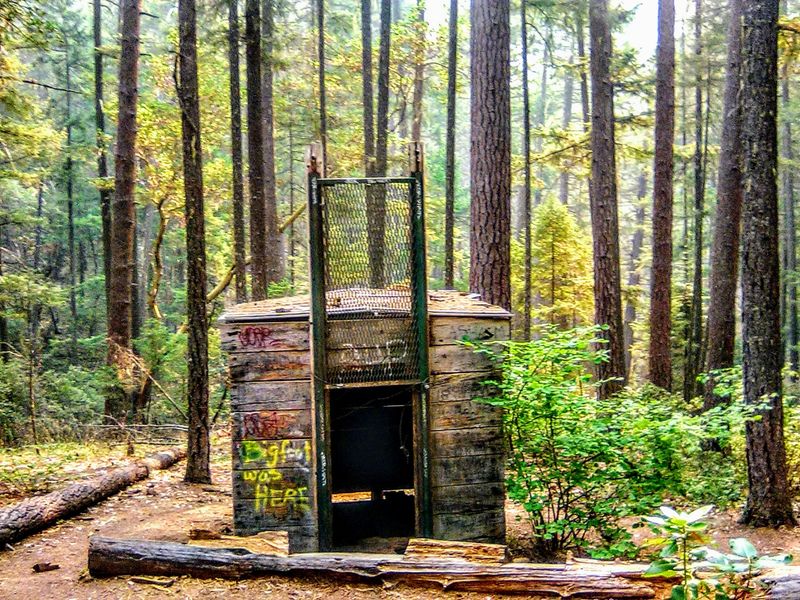
Few hiking trails end with a monster cage. Bigfoot Trap is listed as a hiking area in Jacksonville, OR 97530, United States, in the forested hills of southern Oregon.
The destination is a sturdy trap, built for one very hairy and very famous suspect. It sits a short walk from the road above a lake, tucked among big trees beside a creek.
Most people come for one reason. They want to see the only Bigfoot trap on Earth with their own eyes.
Some parts of the structure are newer and have been replaced over the years. Even so, the place still carries the feel of a real historic oddity.
It is the kind of spot that makes a regular Saturday hike feel like a small mystery mission. Families, photographers, and curious locals all make the trip.
The appeal is simple and a little silly in the best way. Where else could anyone stand next to a trap meant for Sasquatch?
That question alone has kept the trail busy for years. The path to the answer, though, takes a bit of planning.
Finding a Trailhead That Likes to Hide
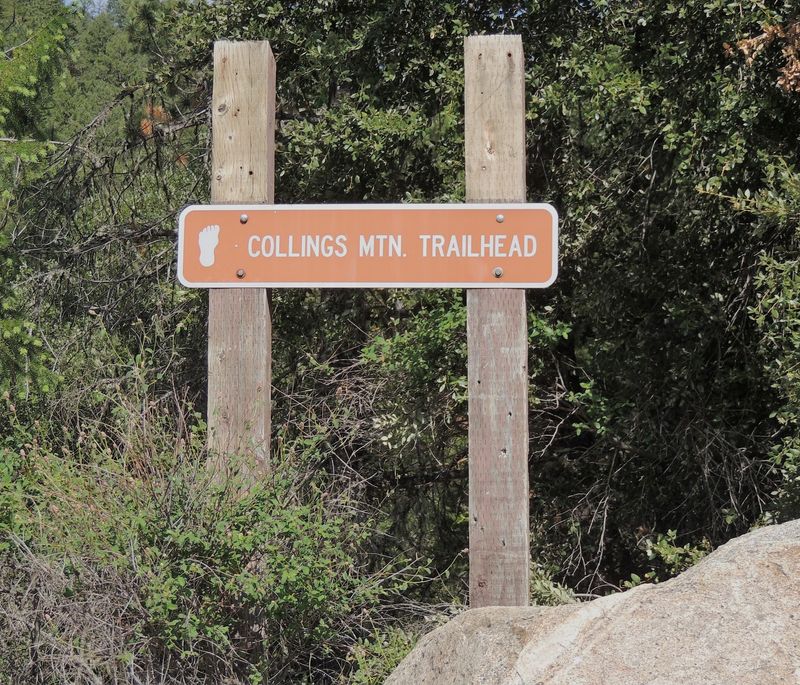
Here is the first test, and it has nothing to do with Bigfoot. The trailhead is easy to miss.
Some hikers have stopped at the little store down by the lake to ask for directions, only to be pointed the wrong way. That detour can eat up a lot of time.
The best clue is the Collings Mountain sign. It stands a few hundred feet past the turn-off down to the store, at the start of the guard rail, next to a boulder.
Once that sign is spotted, the hard part is mostly done. From there, the trail itself takes over.
Parking is the weak spot of the whole outing. Space is limited, and some hikers end up parking along the highway, which can feel unsafe.
For that reason, it pays to arrive with patience and park with care. Pulling fully off the road matters, especially with kids or pets in the car.
A little homework before leaving home goes a long way. Saving the location on a phone map helps, since there are no big welcome signs announcing the trap.
Treat the search as part of the adventure. Bigfoot, after all, was never known for easy directions.
Two Forks, One Rule: Go Left
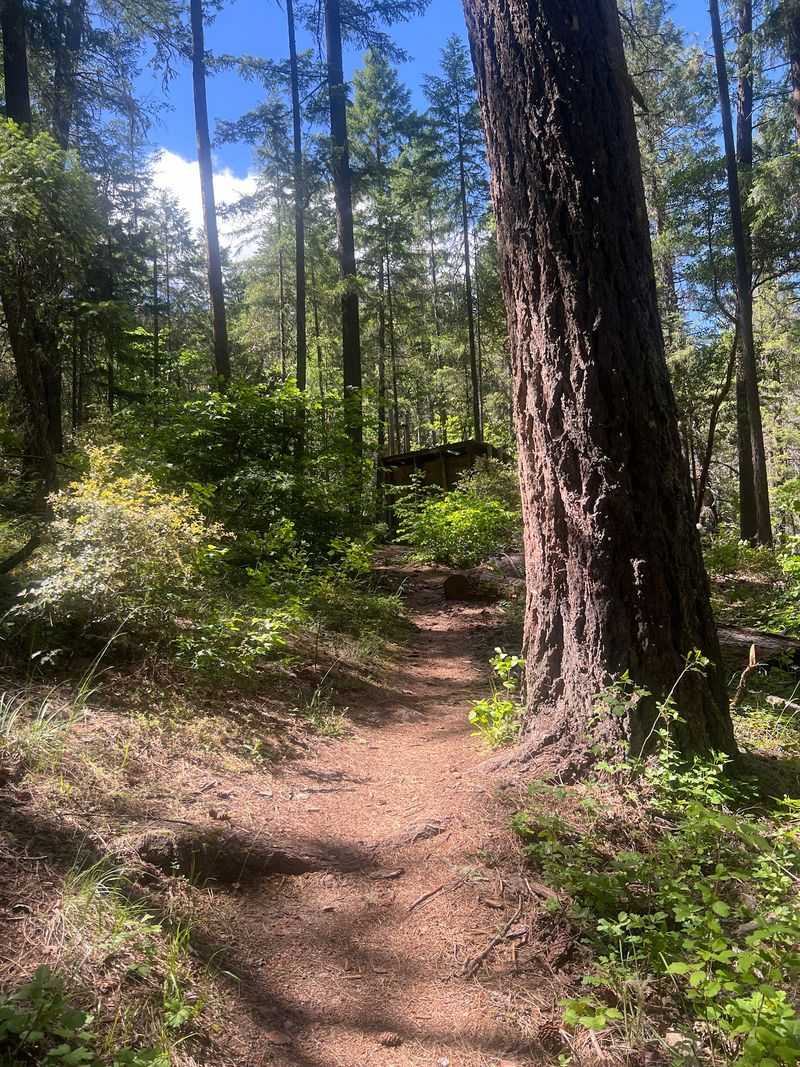
Lefty loosey is the motto out here. The trail splits twice, and the trap waits on the left both times.
Past the trailhead sign, there are no more signs. That is where many people second-guess themselves.
At the first fork, an arrow is carved into a tree. It can be hard to spot, so slow down and look closely.
Keep veering left at the second fork as well. After the split, a short climb up a small hill brings the trap into view.
Some hikers describe the route as well marked, while others mention the missing signs. Both ideas make sense once the carved arrow and markers are found.
The round trip is about a mile. Some estimate the walk at roughly three quarters of a mile along a creek on the way in.
The trail climbs uphill in spots, and a few stretches feel steep. Still, most people call it manageable and fairly easy overall.
Memorize the rule before setting out. Left, then left again, and the legend appears.
Creeks, Moss, and Giant Trees
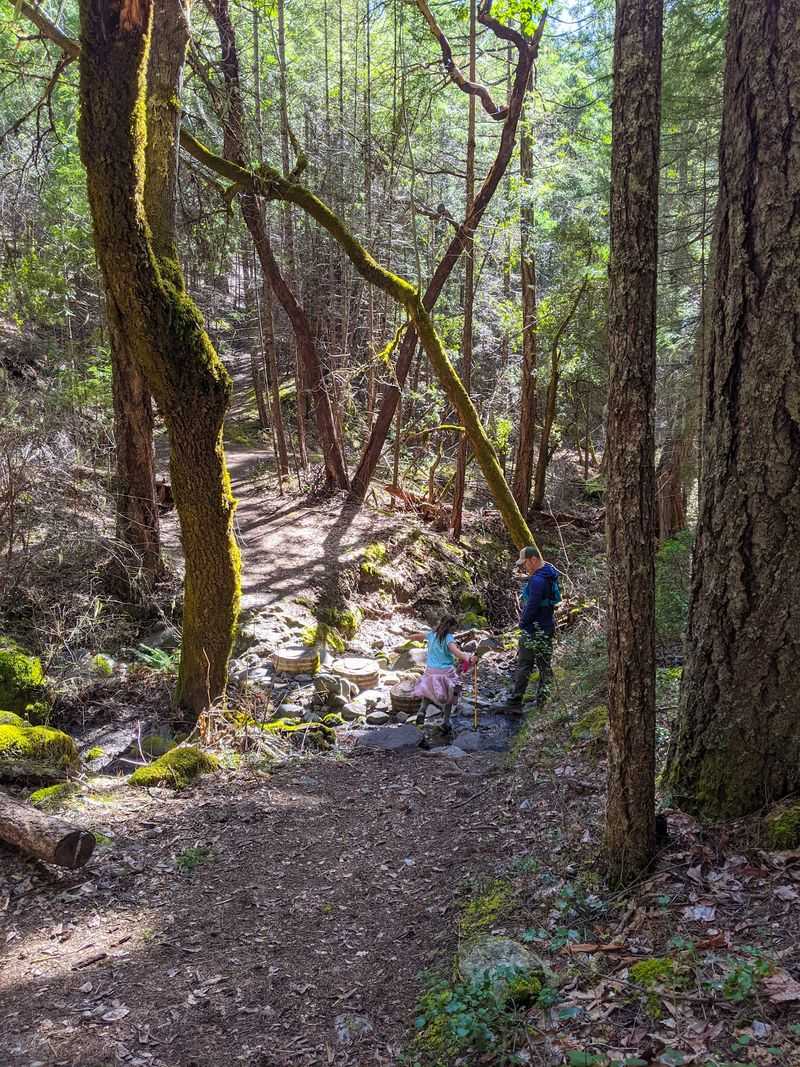
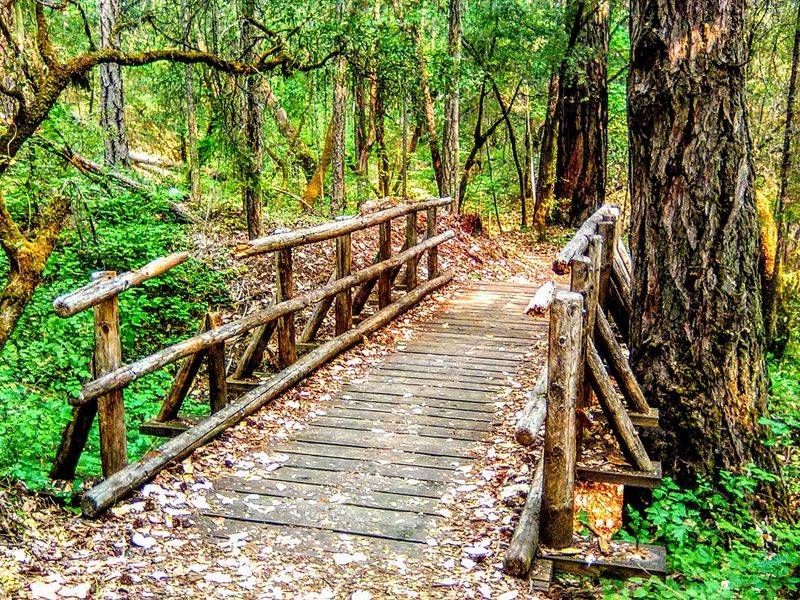
The trap gets the headlines, but the walk earns plenty of praise too. The path follows a creek through a green forest.
Moss covers the stream banks, and big trees rise on every side. Those trees come up again and again when hikers talk about the trail.
Water crossings add a playful twist. Many hikers enjoy hopping across the wet sections on the way in.
Dogs seem to enjoy the creek most of all. Some splash and play in the water along the route.
At the first fork, glance back toward the creek. The old ruins of a cabin sit nearby, a quiet bonus for anyone paying attention.
Those ruins hint that people lived and worked in these hills long ago. The trap is not the only piece of the past tucked into these woods.
Some seasons feel especially lovely here, and longtime hikers return again and again. The scenery alone keeps them coming back.
So keep the camera handy before the trap shows up. The forest puts on its own show first.
Face to Face With the Famous Trap
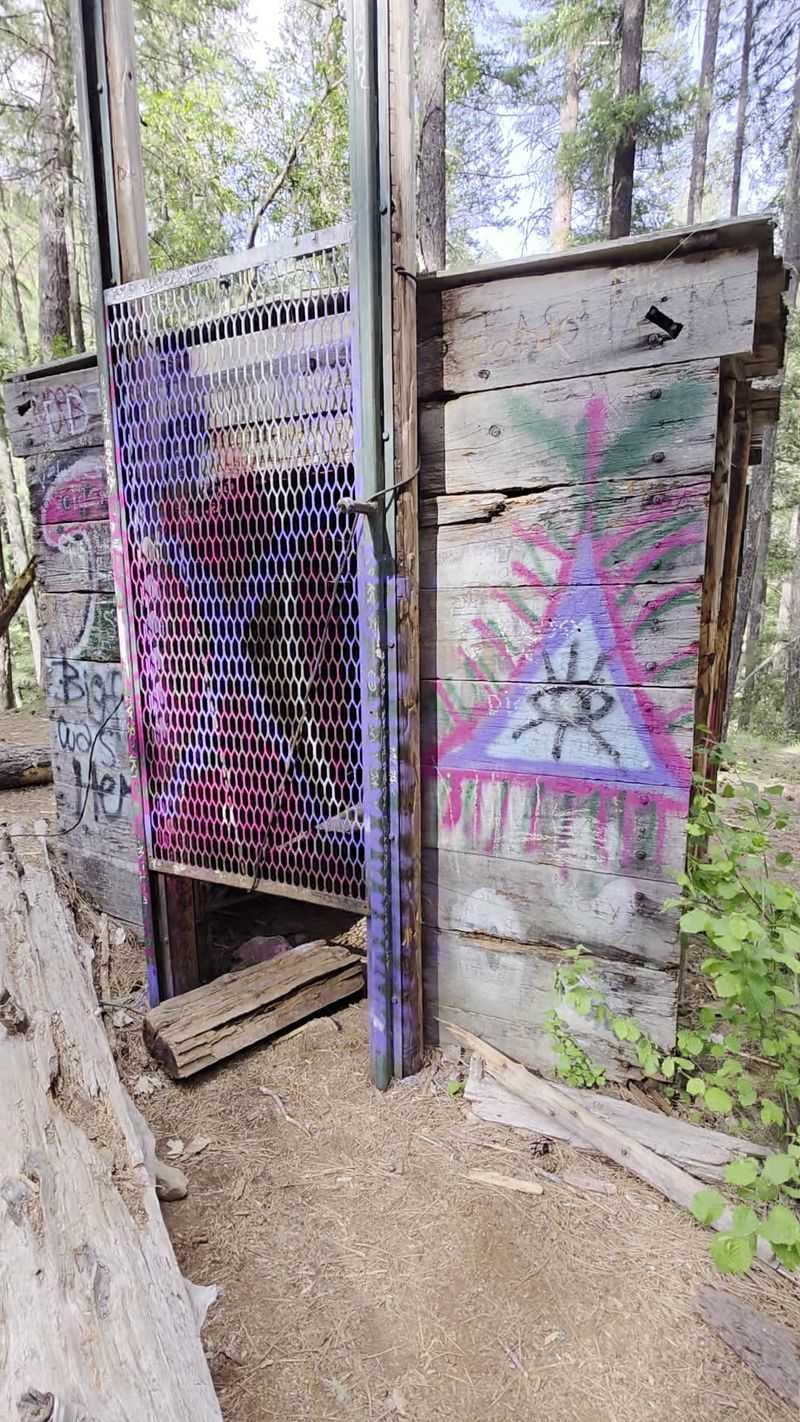
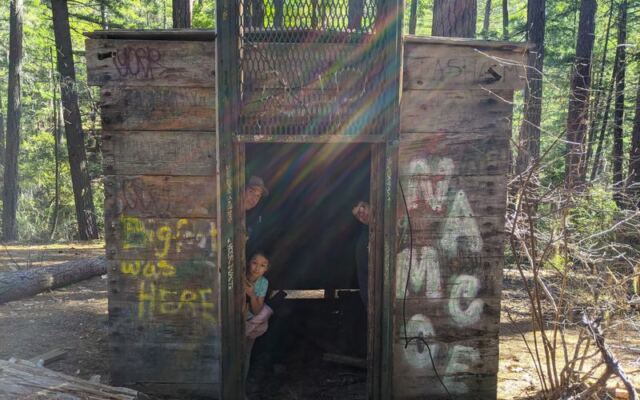
After all that searching, there it is. The Bigfoot Trap stands on the hillside, very real and very ready for a guest who never checked in.
Seeing it in person is the big payoff. Many call it a very interesting find and a cool sight up close.
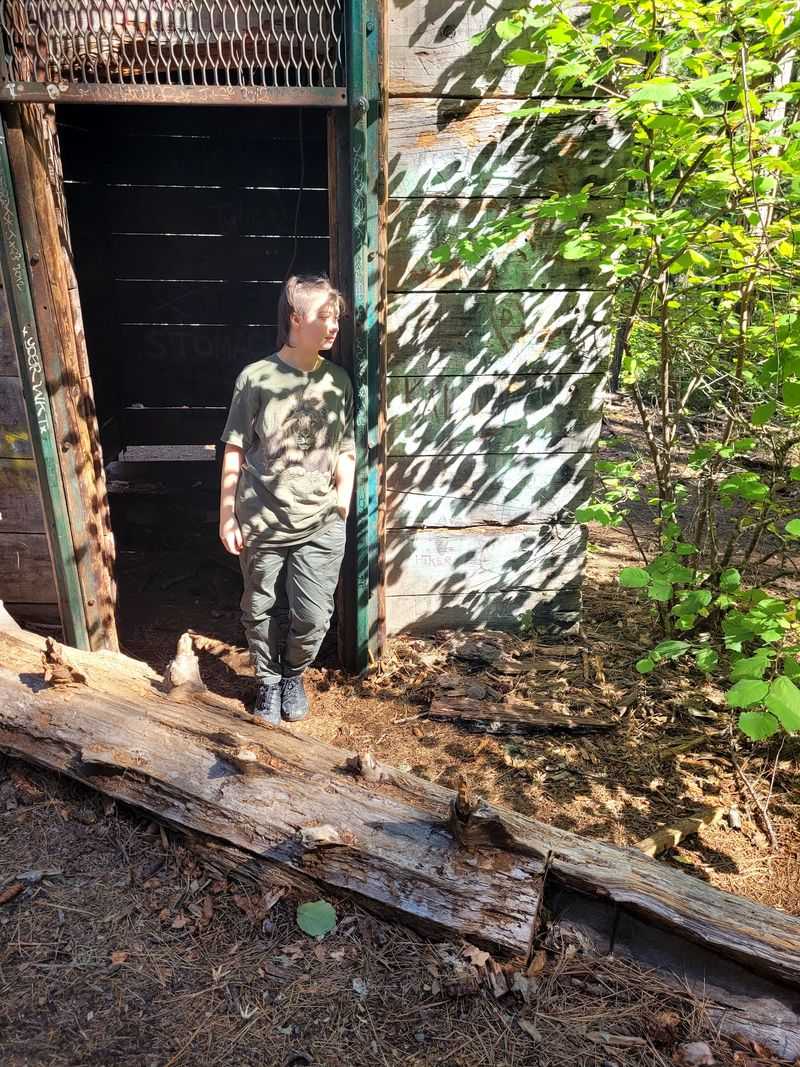
Do not expect to climb inside, though. Going into the trap is no longer allowed.
There is also no plaque or sign explaining its history or purpose. Some hikers wish there were, since the story is half the fun.
Sadly, the trap has recently been hit with heavy graffiti. Longtime fans were upset to see the landmark marked up.
That damage shows why this odd piece of Oregon needs care. Familiar landmarks like this one only last if people treat them well.
Photographers love it as a backdrop, and some even plan photoshoots here. A respectful snapshot is the best souvenir.
Leave it as found, minus a few footprints. The trap has waited this long, and it deserves to keep standing.
Hazards Worth a Heads-Up
Bigfoot may be the star, but poison oak is the real local troublemaker. It grows thick along this trail.
In places, it has spread right onto the path. There is usually enough room to step around it, but long pants are a smart choice.
Downed trees also cross the trail in several spots. Expect to step over or around them.
Hornets have been spotted too. One warning mentioned a nest inside a log in front of the trap, so look before leaning on anything.
The terrain climbs in sections and can feel steep. Good shoes help on the uphill stretch.
Wet crossings near the creek can be slippery. Taking them slowly keeps the fun from turning into a soggy surprise.
None of these issues stop most hikers. They simply call for a little care and attention.
A quick check of clothing and shoes before the drive solves most problems. Then the only thing left to fear is Bigfoot himself.
Quiet Picnics and Kid-Sized Adventure
Peace and quiet are the main amenities here, and that is meant literally. There are no restrooms, no trash cans, and no visitor center.
That calm is exactly what many people love. The trail feels peaceful and far from busy town life.
Kids tend to treat the hike like a treasure hunt. A real Bigfoot trap at the end makes for a very convincing reward.
The short distance helps too. About a mile round trip is doable for most young hikers.
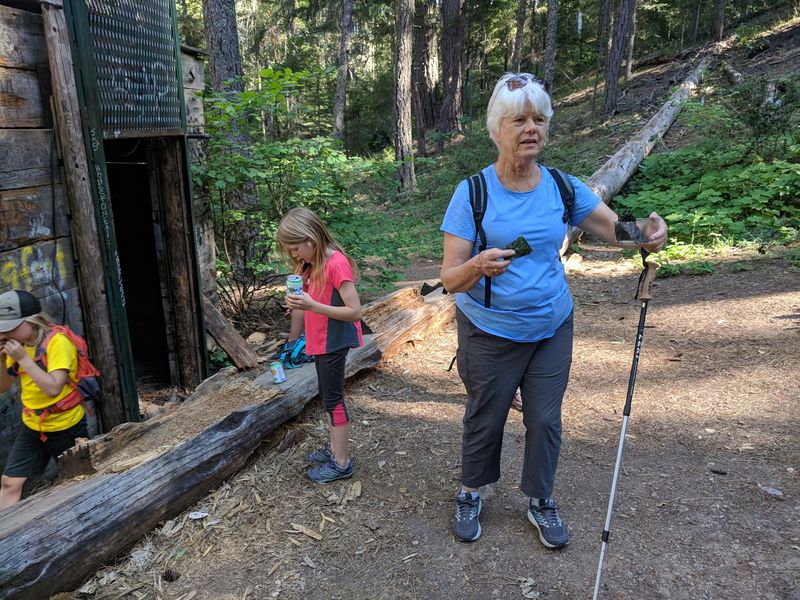
The spot also works well for a picnic. Just pack everything out, since there is nowhere to toss garbage.
Leaving no trace keeps the area pleasant for the next family. It also helps protect a place many locals have visited countless times.
Free outings like this matter for Oregon households watching their budgets. No entry fee is listed in the available information, which makes it an easy day trip.
Pack snacks, a bag for trash, and plenty of curiosity. The kids will handle the Bigfoot theories.
Is the Trek Worth It? A Gentle Verdict
Short answer: for most curious people, yes. The trap holds a 4.4-star average across 34 Google ratings, which says plenty.
The route is short, mostly easy, and full of big trees and creek scenery. The payoff is a one-of-a-kind roadside legend.
The downsides are real but manageable. Tricky parking, missing signs, poison oak, and fresh graffiti all deserve mention.
Anyone with more energy can keep going past the trap. The trail continues up the mountain, and about a mile up Collings trail sits an old gold mine.
That extra mileage turns a quick stop into a fuller day. It also adds more local history to the outing.
No official hours or prices appear in the available details. Daylight and good weather are the best guides.
Places like this are part of what makes southern Oregon feel like home. Keeping them clean and intact is a small job worth doing.
Go left at the forks, watch the poison oak, and bring a sense of humor. Bigfoot might not show, but the trip still delivers.
Share this story