The famous Maxwell House coffee slogan, ‘Good to the Last Drop,’ is traditionally linked to President Theodore Roosevelt, although historians dispute its exact origin. That hotel is gone. The coffee name it inspired still sits on grocery shelves today.
I love finding stories like that. Tennessee is full of places that vanished, yet left fingerprints everywhere. A roller coaster Elvis once rode was demolished, but a new version based on its original design was built in another state.
Some of these spots closed decades ago. Others slipped away while people were busy living their lives. Plenty of folks still talk about them like they closed last week.
I can’t help wondering which ones you remember. Maybe you rode the rides, caught the trains, or heard the stories from a grandparent. So which lost piece of the old Volunteer State still lives rent free in your head?
1. Opryland USA
Nashville once had a theme park where the music was just as loud as the screams. Opryland USA opened in 1972 and mixed country tunes with thrill rides.
You could ride a coaster in the morning and catch a live show after lunch. That combo made the park feel different from the usual amusement spot.
Fans still bring up the Wabash Cannonball, a looping coaster with a train theme. Then there was the Grizzly River Rampage, a rapids ride that left you soaked from head to toe.
Chaos was another favorite, an indoor ride that spun guests around in the dark. Kids who rode it in the 1990s still describe it with wide eyes.
Music was the real heartbeat of the park. Live stage shows ran through the day, and plenty of young performers got their first big break there.
The Grand Ole Opry House sat right next door. That meant a family trip could stretch from roller coasters straight into a night of famous country acts.
The park closed after the 1997 season. Owners decided the land would be worth more as a shopping and entertainment center.
Opry Mills opened on the site in 2000. Today you can shop and grab a meal where the coasters once roared.
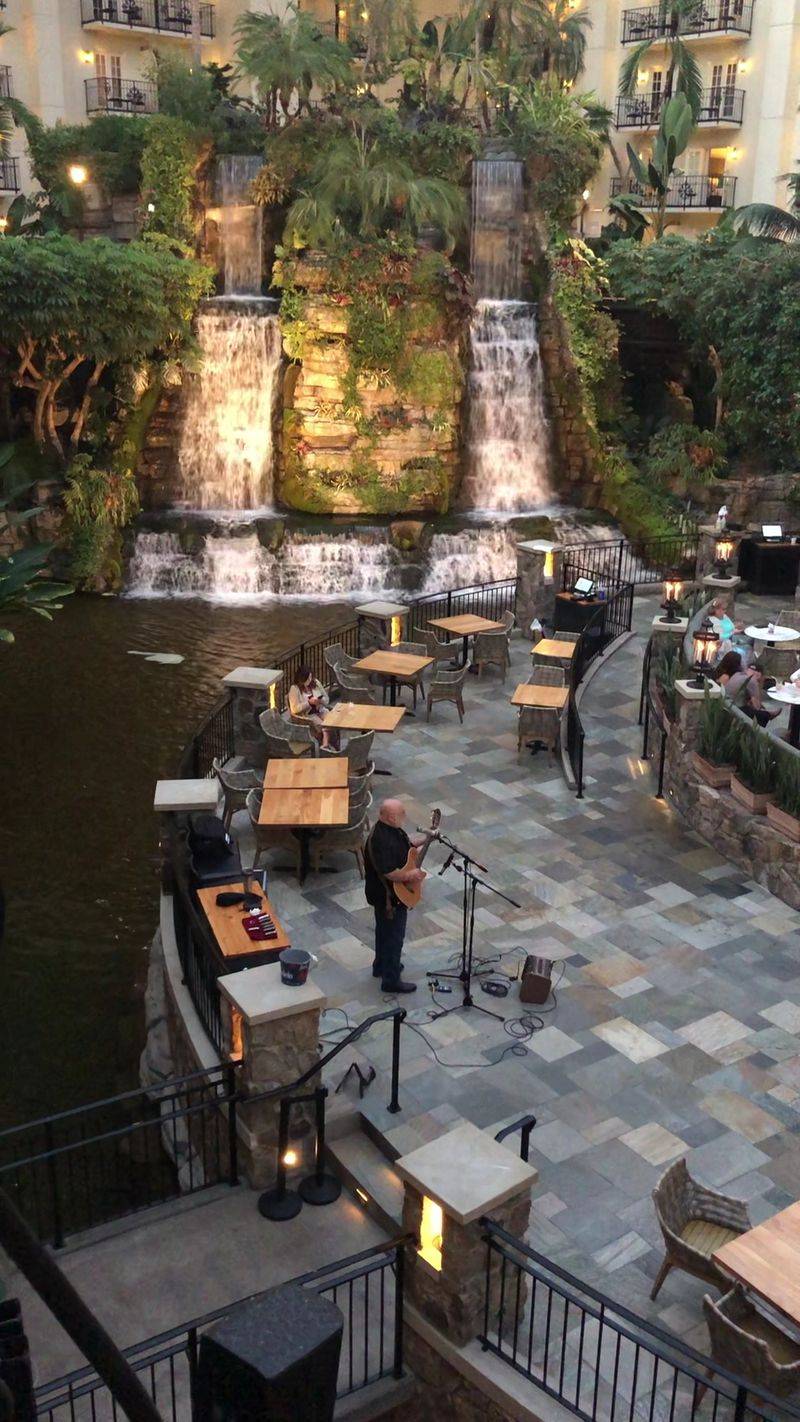
A few pieces of the old magic survive nearby. The Grand Ole Opry House still hosts shows, and the giant Gaylord Opryland Resort sits close by.
Walking that area now feels a little strange if you knew the park. You might catch yourself searching for a coaster track that isn’t there anymore.
Want a fun way to honor the memory? Ask an older relative about their favorite Opryland ride, then compare stories with friends.
You might be surprised how many people still hum the park’s show tunes. Some memories in Tennessee just refuse to clock out.
2. Libertyland
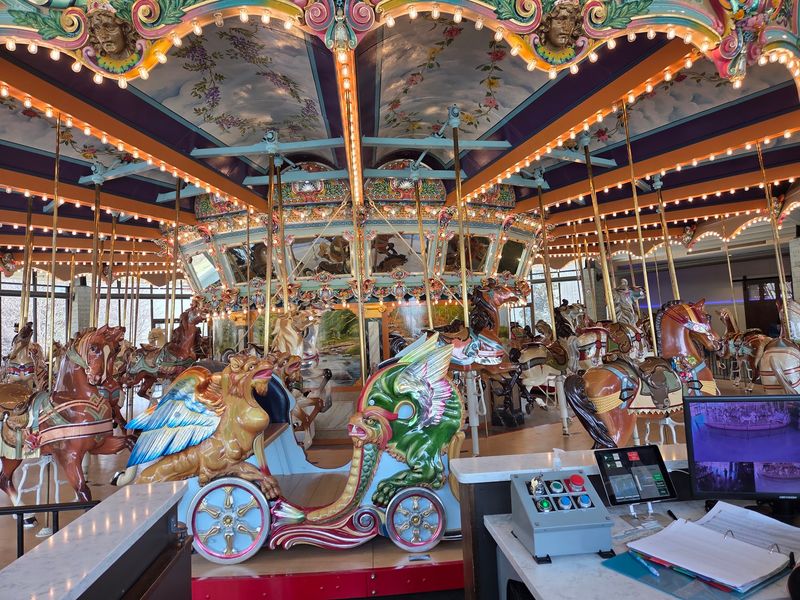
Elvis Presley rented out a Memphis amusement park for a private night of fun in August 1977. That park was Libertyland, and the King’s favorite ride was a wooden coaster called the Zippin Pippin.
Libertyland opened on July 4, 1976, right in time for the nation’s 200th birthday. The theme leaned hard into American history, with red, white, and blue touches around the grounds.
The Zippin Pippin was the star. The wooden coaster dated back to the early 1900s, which made it one of the oldest operating coasters in the country.
Riders loved its rattling turns and old-school drops. It wasn’t the tallest ride around, but it had charm you couldn’t fake.
The park also had the Grand Carousel, built in 1909. Its hand-carved horses gave little kids a gentler way to enjoy the day.
Libertyland sat at the Mid-South Fairgrounds, close to the Mid-South Coliseum. Families could spend a full summer day there without leaving the neighborhood.
The gates closed for good in 2005. Plenty of Memphis families still feel a pang when they drive past the old fairgrounds area.
Here’s a twist worth knowing. The Zippin Pippin found a second life in Green Bay, Wisconsin, where a rebuilt version opened at Bay Beach Amusement Park in 2011.
The Grand Carousel stayed closer to home. It was restored and now spins at the Children’s Museum of Memphis.
That means you can still ride a piece of Libertyland today. Bring the kids and tell them grandma probably rode the same horse decades ago.
The old park land has since become part of Liberty Park, a newer sports and community area. The name keeps a small nod to the past.
3. The 1982 World’s Fair
A giant Rubik’s Cube once sat in Knoxville, and people lined up to see it. Hungary brought it to the 1982 World’s Fair, right when the puzzle craze was at its peak.
The fair ran from May 1 to October 31, 1982. Its theme was Energy Turns the World, which fit the era’s worries about fuel and power.
Countries from around the globe set up pavilions. Visitors could sample cultures and inventions without ever leaving East Tennessee.
Around 11 million people showed up during the six months. For a midsize city, that was a huge deal and a major spotlight.
Some folks doubted Knoxville could pull it off. A famous newspaper even called it a scruffy little city, and locals have never quite let that go.
The fair proved the doubters wrong. Families still pull out old photos, ticket stubs, and souvenir buttons from that summer.
Kids who went remember trying foods they had never heard of. Many also recall riding the gondolas or staring up at the golden tower overhead.
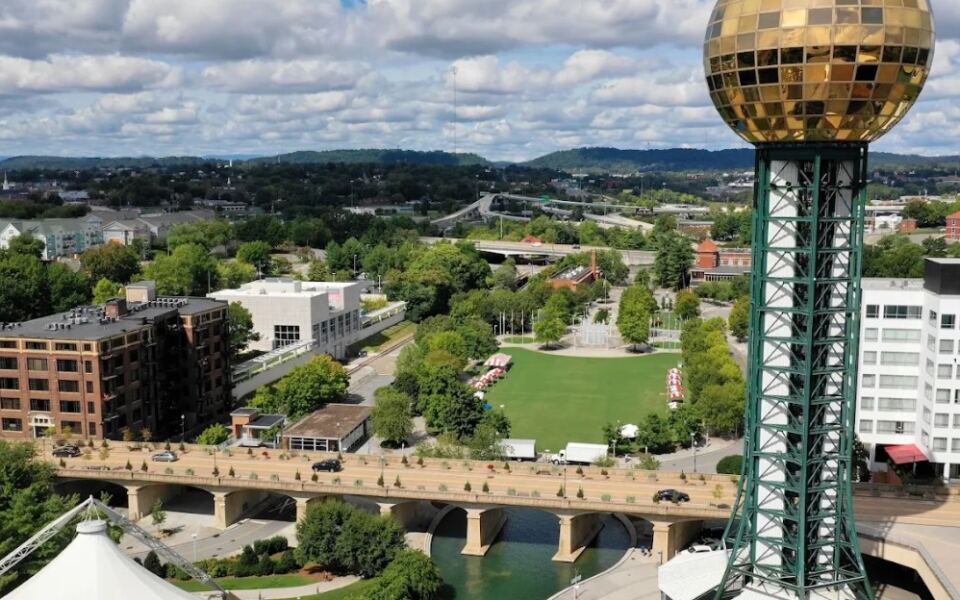
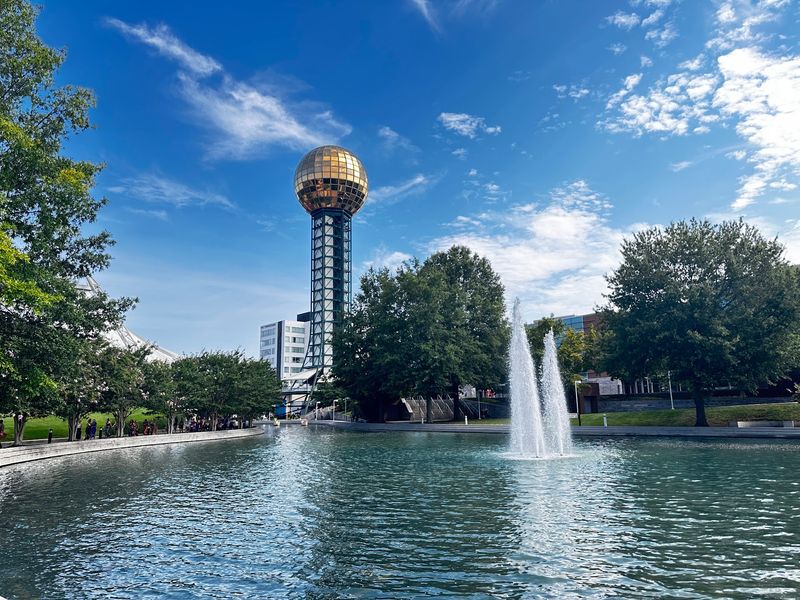
That tower is the Sunsphere, and it still stands at 266 feet tall. It’s the most famous leftover from the whole event.
You can visit the Sunsphere’s observation deck for a view of downtown. The Tennessee Amphitheater, another fair structure, also survives in the park.
The rest of the fair is gone, from the pavilions to the crowds. World’s Fair Park now offers lawns, fountains, and space to stroll.
Planning a visit? Pack a picnic and spend some time on the grass where the world once gathered.
If you find a relative’s old fair souvenir, hang onto it. Those little trinkets carry big stories.
4. The Maxwell House Hotel
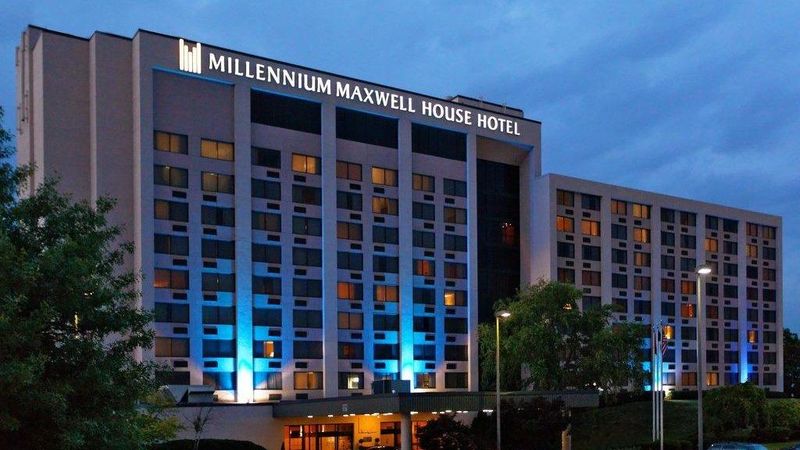
Your morning coffee might have a Nashville birth certificate. The Maxwell House brand took its name from a grand hotel downtown.
The Maxwell House Hotel opened in 1869. It quickly became one of the fanciest places to stay in the city.
A coffee salesman named Joel Cheek supplied the hotel with his special blend. Guests liked it so much that the name stuck to the coffee itself.
The hotel welcomed plenty of big names over the years. Several U.S. presidents stayed there, which added to its fancy reputation.
Picture yourself in the late 1800s looking up at that building. It stood tall and proud at the corner of Fourth Avenue and Church Street.
As the decades rolled by, newer hotels popped up. The old Maxwell House slowly lost some of its shine.
Then came Christmas night in 1961. A fire swept through the building and destroyed it.
That was the end of the hotel. The coffee, though, kept right on brewing in kitchens across the country.
Here’s a fun bit of trivia for your next family dinner. The Good to the Last Drop slogan became tied to the brand, and many stories link it to a presidential visit.
Historians debate the exact details of that story. Still, it’s a great reminder of how one Tennessee building shaped a household name.
Today you won’t find the hotel on that corner. Downtown Nashville looks very different now, with modern buildings and busy streets.
Next time you spot that blue coffee can at the store, give it a nod. You’re looking at a little piece of Music City history.
5. Silver Dollar City Tennessee
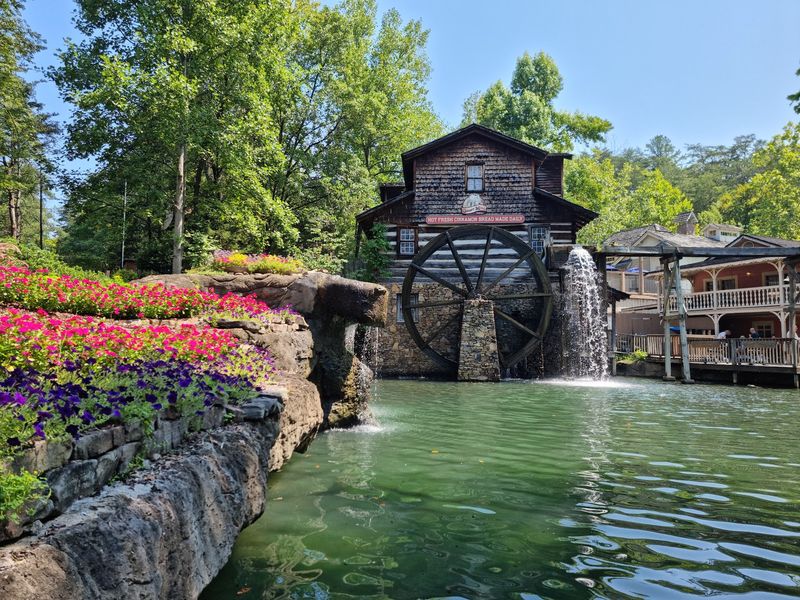
Before Dolly Parton’s name went on the sign, a Pigeon Forge park went by a very different title. From 1977 until the mid-1980s, it was called Silver Dollar City Tennessee.
The Herschend family ran it. They already operated the original Silver Dollar City in Branson, Missouri.
The Tennessee version sat on land that had earlier been home to a park called Goldrush Junction. Earlier still, it was known as Rebel Railroad.
Talk about a place with a few name tags. Each owner added new touches, but the mountain setting stayed the star.
Silver Dollar City leaned into old-time Appalachian crafts and simple fun. A steam train chugged through the hills, giving riders a slow look at the scenery.
Families from the 1970s and early 1980s remember it as smaller and quieter than today’s park. For many kids, it was their first taste of a real theme park.
Then came a big change in 1986. Dolly Parton partnered with the Herschends, and the park reopened as Dollywood.
The new name brought a lot more attention to Pigeon Forge. Over the years, the park grew with bigger rides, more shows, and new areas.
Some pieces of the old days still connect to the present. The steam train tradition carries on with the Dollywood Express.
If you visit now, see if you can spot the craft traditions that started long ago. Blacksmithing and other mountain skills remain part of the experience.
Got an older family member who went before 1986? Ask them what they called it. Odds are they still slip and say Silver Dollar City.
Old habits are tough to shake in East Tennessee.
6. The First Piggly Wiggly
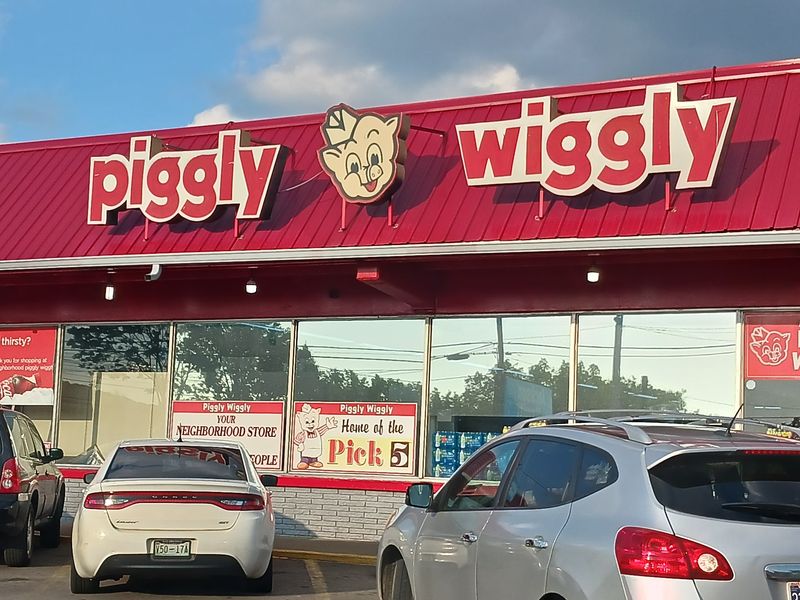
Grabbing your own groceries off the shelf feels normal now. In 1916, it was a wild new idea that started in Memphis.
Clarence Saunders opened the first Piggly Wiggly on September 6, 1916. The store sat at 79 Jefferson Avenue in downtown Memphis.
Before that, shoppers usually handed a list to a clerk. The clerk would then gather the items from behind a counter.
Saunders flipped that system upside down. Customers walked the aisles, picked their own goods, and paid at a checkout.
That idea is the self-service grocery store. It changed how people shop across the country and beyond.
Prices were marked on items, which was another fresh move. Shoppers could compare products without asking anyone for help.
The name itself still makes people grin. Saunders never gave a clear reason for picking it, which only adds to the fun.
The chain grew quickly and spread to many states. Piggly Wiggly stores still operate today, mostly across the South.
The original Memphis building is long gone, though. Downtown has changed a great deal since 1916.
You can still connect with Saunders in a surprising way. He started building a huge pink marble mansion that later became the Pink Palace Museum.
That museum includes a replica of an early Piggly Wiggly store. It’s a fun stop if you want to see how shopping looked over a century ago.
Next time you push a cart down an aisle, thank a Memphis grocer. Tennessee gave the world a whole new way to buy bread and beans.
7. Passenger Trains at Union Station
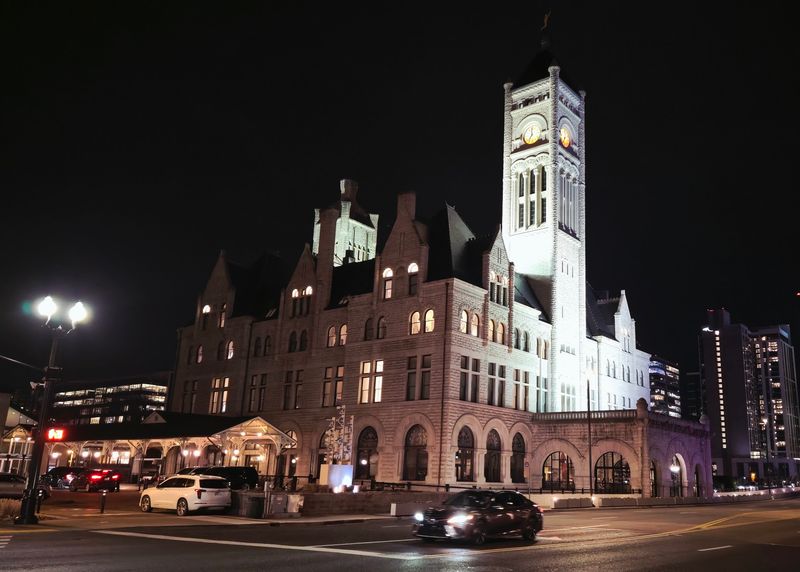
A stone castle with a clock tower once welcomed train travelers to Nashville. Union Station opened in 1900 and served as the city’s grand gateway.
Trains rolled in and out day and night for decades. Soldiers, families, and business travelers all passed through its doors.
The building itself was a showstopper. Its tall tower and stone walls made it look more like a fortress than a depot.
Inside, a big barrel-vaulted lobby greeted travelers. Stained glass added color overhead.
During World War II, the station got especially busy. Many young people said goodbye to loved ones on those platforms.
After the war, cars and airplanes started winning over travelers. Passenger train traffic slowly faded across the country.
Amtrak service to Nashville ended in 1979. After that, the trains stopped calling at Union Station.
For a while, people worried about the building’s future. Thankfully, it was saved and restored instead of torn down.
The station reopened as a hotel in 1986. Today it operates as the Union Station Nashville Yards hotel. You can step into the old lobby and look up at that stunning ceiling.
It’s one of the best ways to feel the city’s railroad past.
Nashville today doesn’t have regular Amtrak passenger service. That surprises a lot of visitors who expect a big city to have a train stop.
Fans of trains still dream of the day it returns. Until then, the old station stands as a handsome reminder of Tennessee’s railroad glory.
8. The Knoxville Market House
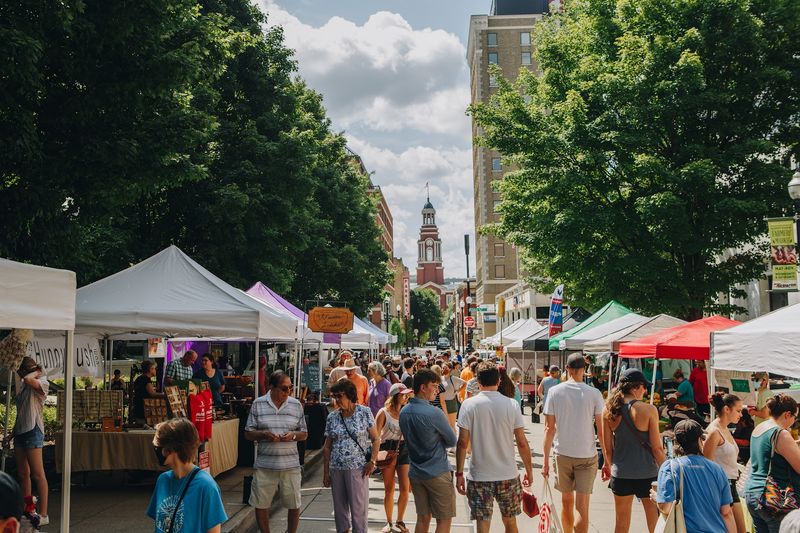
Farmers, butchers, and bargain hunters once crowded around a big brick building in the middle of Knoxville. The Market House sat right in Market Square and served as a shopping hub for generations.
Market Square dates to 1854. The land was donated so the city could host a public market.
Vendors sold fresh produce, meat, and other goods inside and around the building. Farmers from the countryside rolled into town to trade their harvest.
It was more than a place to shop. People caught up on news, met friends, and swapped gossip while buying beans.
Over the decades, shopping habits changed. Supermarkets and suburbs pulled business away from downtown markets.
The Market House was torn down in 1960. Plenty of older Knoxville residents still remember the building and the busy days around it.
The square went through some quiet years afterward. Downtown wasn’t the hot spot it had once been.
Then things turned around. Market Square slowly came back to life with shops, restaurants, and events.
The best part? The market spirit returned too.
The Market Square Farmers’ Market runs seasonally in the square. You can stroll among local growers selling produce, plants, and handmade goods.
It’s a fun way to connect with Knoxville’s past. You’re shopping in the same spot where farmers sold goods back in the 1800s.
Bring a tote bag and some patience for browsing. Ask a grandparent what they bought at the old Market House, and you might get a great story with your tomatoes.
9. Chattanooga Terminal Station Trains
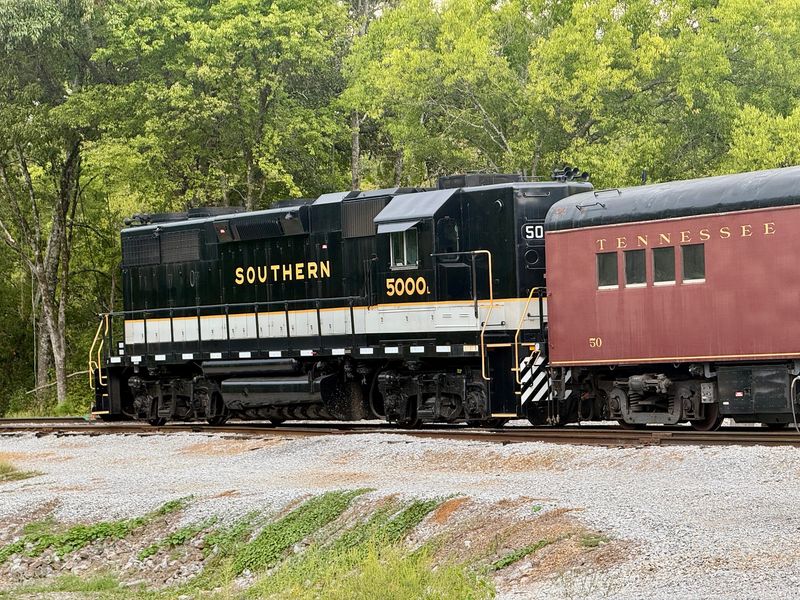
A swing tune turned a Tennessee train stop into a worldwide catchphrase. Glenn Miller’s Chattanooga Choo Choo hit big in 1941.
The real action happened at Chattanooga’s Terminal Station. It opened in 1909 and quickly became a busy rail hub.
Its huge arched entrance made a grand first impression. Inside, a domed ceiling stretched high above the waiting room.
Chattanooga sat at a key railroad crossroads in the South. Trains carried people and goods through the city day after day.
Like so many stations, it slowed down after World War II. Highways and air travel pulled riders away from the rails.
The last passenger train left Terminal Station in 1970. After that, the platforms went quiet.
That could have been the end of the story. Instead, the building got a fresh start.
It reopened in 1973 as the Chattanooga Choo Choo hotel and entertainment complex. The song’s name became the station’s new identity.
Today the complex includes a hotel, shops, and gardens. Vintage rail cars sit on the property, giving visitors a peek at old train style.
You can still stand under that big dome and look around. It’s a great photo spot, especially for train fans.
Want to make the visit extra fun? Play the Glenn Miller song on your phone as you walk in. Kids might roll their eyes.
Grandparents will probably start tapping their feet before the first chorus ends.
10. Concerts at the Mid-South Coliseum
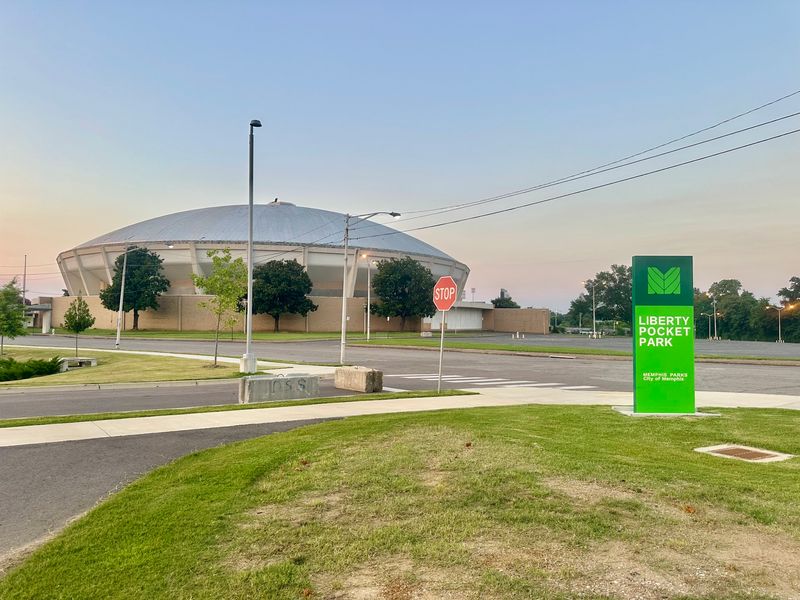
The Beatles played Memphis in 1966, and they did it at a round concrete arena near the fairgrounds. That arena was the Mid-South Coliseum.
The Coliseum opened in 1964. It quickly became the city’s main spot for concerts, sports, and big events.
Elvis Presley performed there in the 1970s. For Memphis fans, seeing the hometown King in that building felt extra special.
Plenty of other stars came through over the years. Rock bands, country singers, and soul acts all took the stage.
Sports fans have their own memories. Wrestling nights at the Coliseum built a loyal crowd, and many locals still talk about them.
The arena also hosted basketball, hockey, and other events. It was the kind of building where a kid might see a concert one week and a wrestling match the next.
Newer arenas eventually took over the big shows. The Coliseum closed in 2006.
Unlike some lost spots, the building itself still stands. The concert nights and roaring crowds, though, are long gone.
Fans formed groups to push for saving the structure. Its round shape and history make it a beloved Memphis landmark.
You can still drive by and see the outside. It sits close to the old Libertyland grounds, so one trip covers two memory lanes.
Do you have an old ticket stub tucked in a drawer? Snap a photo and share it with family.
Someone will likely reply with their own story about a wild night in that round room. Tennessee memories love company.
Share this story