In one Pennsylvania city, trains have been swinging around a giant horseshoe-shaped bend in the mountains since 1854. You can stand right beside it and watch them go. I find it wild that a piece of track counts as a tourist attraction.
That same state also has a town where a groundhog predicts the weather every February. Another spot is where the modern oil industry started back in 1859. Pennsylvania is packed with surprises like these, and many of them sit in places where daily life costs less.
That is the part I love most. Lower housing costs mean more money for weekend trips, hobbies, and fun. You get history, nature, and small-town charm without the big-city bills.
So which towns make it easy to save money and still have a great time? I picked eleven that really stand out. Your next move might be closer than you think.
1. Erie
Ocean views without the ocean prices?
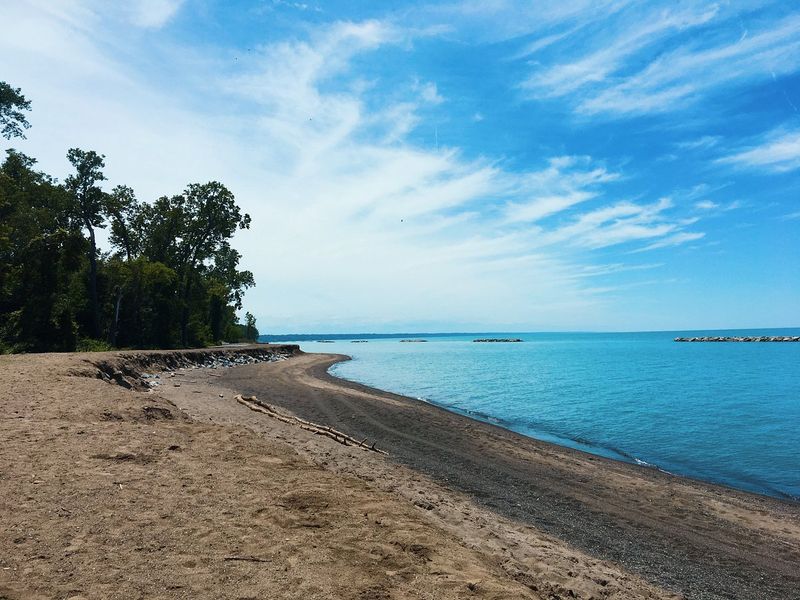
Erie pulls off that trick with a lake so big you can barely see across it.
The city sits on the southern shore of Lake Erie, and it serves as the county seat of Erie County.
Living costs in the metro area run about 9% below the national average, which gives your budget room to breathe.
Housing is where Erie really shines.
Housing costs land far under the national average, and groceries come in a bit cheaper too.
Utilities can run a little higher, so plan for those winter heating bills.
Still, the savings on rent or a mortgage usually make up the difference.
Now for the fun part.
Presque Isle State Park is a 3,200-acre sandy peninsula that curves out into the lake.
The park opened in 1921 and is a National Natural Landmark.
It has 11 beaches and 13 miles of trails for hiking and biking.
You can swim, fish, go boating, or try in-line skating on a sunny day.
Mobi Mats at Beaches 1, 3, 8, and 11 help people with mobility needs reach the sand.
Beach wheelchairs are free at Beach 8 during swimming season.
That is a thoughtful touch for families who need them.
Right at the park entrance, the Tom Ridge Environmental Center doubles as the Erie Visitor Center.
The building covers 65,000 square feet and was designed with green features.
Inside, you will find hands-on exhibits about the local ecosystems.
A 75-foot tower gives you a wide look at the lake and the peninsula.
History fans can head to the Erie Maritime Museum on East Front Street.
It is the homeport of the U.S.
Brig Niagara, a rebuilt flagship from the War of 1812.
The museum building used to be a power station that served Erie from 1917 to 1991.
You can still spot an original steam turbine and gantry crane inside.
Erie also has a long naval story.
Ships built on Presque Isle Bay helped Commodore Oliver Hazard Perry win the Battle of Lake Erie on September 10, 1813.
2. Altoona
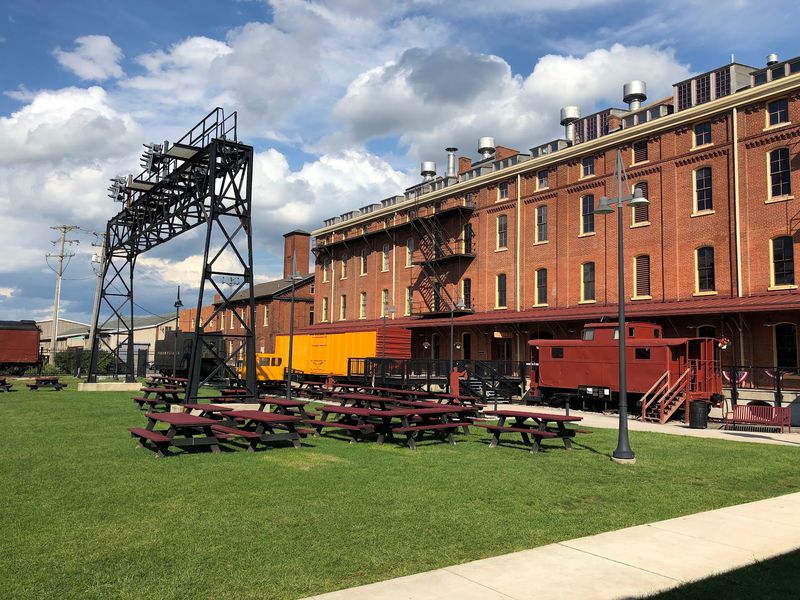
Trains are basically the local celebrities here.
Altoona grew up as a railroad town, and it still wears that badge proudly.
The Pennsylvania Railroad built huge shops in this city back in the 1800s.
Thousands of workers once fixed and built locomotives here.
The star attraction is the Horseshoe Curve, which opened in 1854.
The track bends in a giant U shape so trains can climb the Allegheny Mountains.
It is still an active rail line today.
You can stand at the viewing area and watch long freight trains slowly wrap around the hillside.
Kids usually go nuts for it.
Honestly, plenty of adults do too, and nobody will judge you for waving at the engineer.
Back in town, the Railroaders Memorial Museum tells the story of the people behind the trains.
The exhibits focus on workers and families, not just the machines.
That human angle makes the history easy to connect with.
You learn how a whole community formed around the rail yards.
So why live here instead of just visiting?
Altoona offers home prices that sit well below what you will find in bigger Pennsylvania cities.
That means first-time buyers can actually get a foot in the door.
Renters often find more space for their money too.
The city sits in Blair County, close to plenty of outdoor fun.
Hills, forests, and state game lands surround the area.
Hiking and fishing are easy weekend plans.
You do not need to drive hours to escape into nature.
Penn State Altoona brings a college crowd and campus events to town.
That adds energy without the cost of a big college city.
Food lovers will notice plenty of family-owned diners and pizza shops.
Small local businesses give the downtown a friendly, neighborly feel.
Altoona works best for people who like a slower pace with real character.
You get mountain views, railroad stories, and bills that will not make you wince.
3. Johnstown
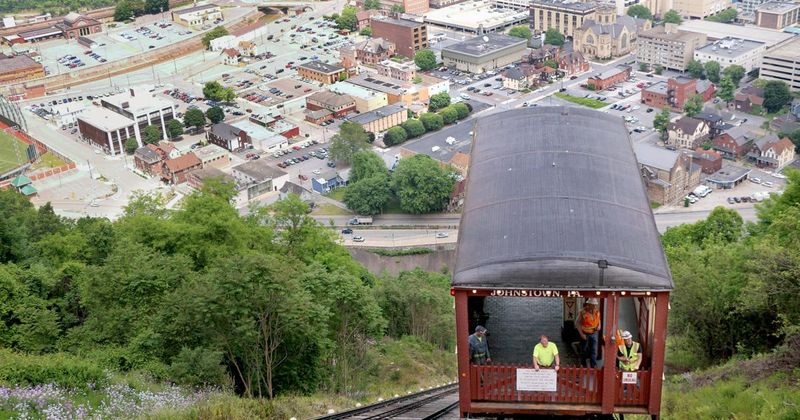
Your daily commute could include riding a cable car up a mountain.
Johnstown has one of the steepest vehicle inclines in the world, and people still use it.
The Johnstown Inclined Plane opened in 1891.
It connects the downtown area with the hilltop neighborhood of Westmont.
The cars are big enough to carry people and even vehicles.
At the top, an observation deck gives you a sweeping view of the river valley.
That incline has a serious backstory.
It was built after the Great Flood of 1889, when a dam upstream failed and water rushed through the city.
The incline gave residents a quick way to reach higher ground.
Today it is both handy transportation and a piece of living history.
Johnstown also has several museums that tell the flood story with care.
The Johnstown Flood Museum and the Johnstown Flood National Memorial both help visitors understand what happened.
Besides history, the city has a real outdoor streak.
Rivers wind through the valley, and the hills invite hikers and bikers.
The Stonycreek River is known for whitewater paddling.
Releases from upstream dams create exciting runs for kayakers and rafters.
Now, about your wallet.
Johnstown has some of the lowest home prices in Pennsylvania, which makes it popular with budget-minded buyers.
You might find an older home with charm and space for far less than in larger cities.
Many houses here have the classic look of a former steel town.
Steel built this city, and you can still see its industrial roots.
Old mills and brick buildings give the area a sturdy, hardworking feel.
The University of Pittsburgh at Johnstown adds students, sports, and cultural events.
Concerts and performances at the campus keep the calendar interesting.
Johnstown is great for folks who want history with a side of adventure.
Low costs plus a ride up a mountain?
That is a pretty fun combination.
4. Williamsport
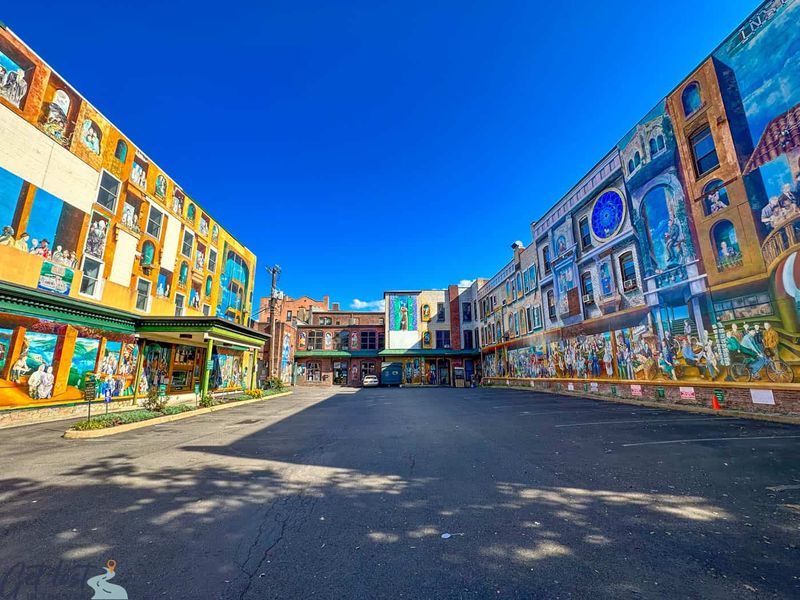
Baseball dreams start young in this river city.
Williamsport is the birthplace of Little League Baseball, founded here in 1939.
Each August, the Little League World Series brings teams from around the globe to nearby South Williamsport.
Kids play on a big stage while fans spread blankets on the grassy hill.
The best part for many families is that the games are free to attend.
That fits nicely into an affordable lifestyle.
You can also visit the World of Little League Museum near the stadium.
It shares the history of the league and its famous players.
Long before baseball, Williamsport was all about lumber.
In the late 1800s, the logging boom made some local families incredibly wealthy.
Those families built grand homes along West Fourth Street.
The area is still known as Millionaires’ Row, and the houses are fun to admire on a stroll.
Here is a fun twist.
A city once famous for its millionaires is now a place where regular folks can afford a home.
Housing costs in Williamsport are friendlier than in many parts of the state.
That gives you a chance to own a home near both nature and city comforts.
The West Branch of the Susquehanna River runs right past town.
It is a nice spot for paddling, fishing, or a peaceful walk along the riverwalk.
Outdoor lovers also get easy access to the Pine Creek Rail Trail area to the west.
Forests and mountains roll out in nearly every direction.
Downtown has a restored theater called the Community Arts Center.
It hosts concerts, shows, and movies throughout the year.
Pennsylvania College of Technology and Lycoming College both call the city home.
Students add youthful energy to the streets and local shops.
Williamsport is a smart pick for sports fans and history buffs alike.
Few places let you cheer at a world series without paying for a ticket.
5. Scranton
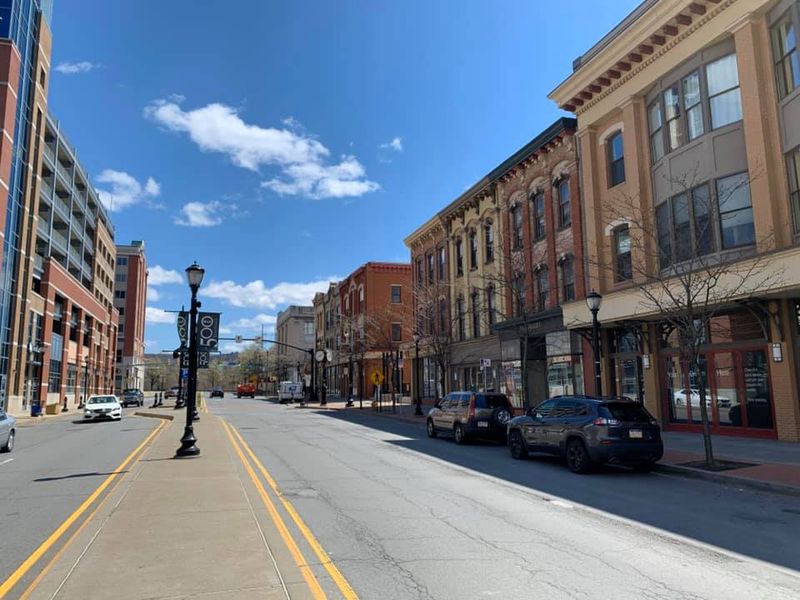
Yes, this is the city from the TV show The Office.
But Scranton has a lot more going on than paper companies and sitcom jokes.
Scranton earned the nickname The Electric City in the 1880s.
It was one of the first cities in the country to run electric streetcars.
Steamtown National Historic Site is a must-see for train fans.
It sits in an old rail yard and shows off historic steam locomotives.
You can explore the roundhouse and learn how trains shaped the region.
The site is run by the National Park Service, so the exhibits are well presented.
Right next door, the Electric City Trolley Museum continues the transportation theme.
It tells the story of the streetcars that gave the city its nickname.
Coal mining also played a huge role here.
The Lackawanna Coal Mine tour takes you deep underground to see what miners faced.
Wear a jacket, since mines stay cool year-round.
It is a memorable way to understand the hard work that built northeastern Pennsylvania.
So how affordable is it?
Scranton offers homes and rentals at prices that beat many cities on the East Coast.
That is a big deal, because New York City is only a few hours away.
You can enjoy small-city living and still plan a big-city day trip.
The University of Scranton brings students and events to the area.
Local shops and restaurants benefit from that steady crowd.
Nay Aug Park offers trails, gorges, and a treehouse for exploring.
It is a handy escape without leaving the city.
Mountains surround the Lackawanna Valley, so scenic drives are easy.
In fall, the colorful hillsides look like a painting.
Scranton is a strong choice if you want history, culture, and lower costs.
Plus, fans of the show will have plenty of photo spots to hunt down.
6. Indiana
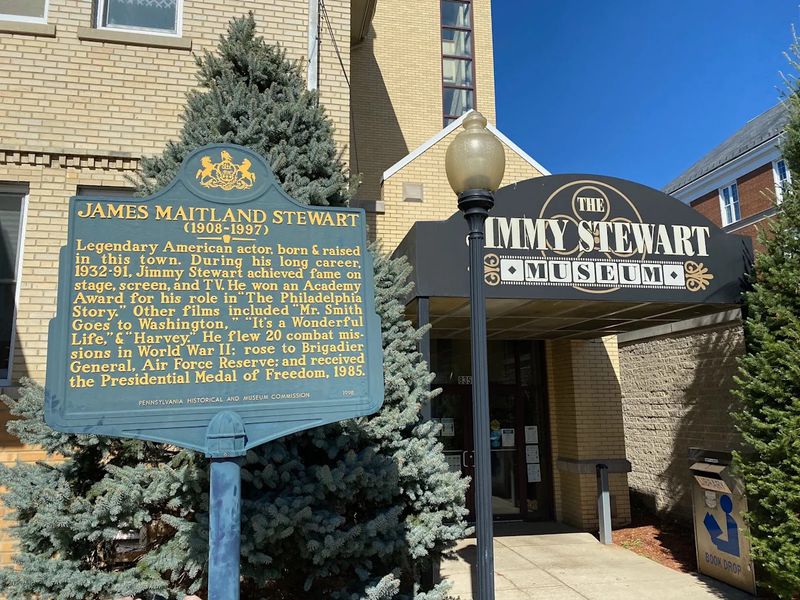
Hollywood legend Jimmy Stewart grew up right here.
Indiana, Pennsylvania, still celebrates its hometown hero with a museum downtown.
Stewart was born in Indiana in 1908.
He went on to star in classics like It’s a Wonderful Life and Mr. Smith Goes to Washington.
The Jimmy Stewart Museum shares photos, movie items, and stories from his life.
It is a sweet stop for old movie fans and curious kids alike.
A statue of Stewart stands near the county courthouse.
It makes for a fun photo, especially during the holiday season.
Speaking of holidays, Indiana County calls itself the Christmas Tree Capital of the World.
The area has a long history of growing Christmas trees.
That gives the town a festive feel each winter.
With a famous Christmas movie star from town, the theme fits perfectly.
Indiana is also home to Indiana University of Pennsylvania, often called IUP.
The college gives the town sports, concerts, and a lively downtown.
Here is the budget bonus.
College towns can get pricey, but Indiana keeps housing costs fairly reasonable for the region.
You can rent near campus or buy a home in a quiet neighborhood nearby.
Either way, you are close to the action without big-city bills.
Outdoor fun is close too.
The Hoodlebug Trail runs between Indiana and the nearby town of Homer City.
It is a paved path that works well for walking, running, and biking.
Yellow Creek State Park is also a short drive for swimming and boating.
Indiana County has more covered bridges than many people expect.
Hunting them down makes a lovely weekend road trip.
Small shops and local eateries line Philadelphia Street, the main road downtown.
It is easy to spend an afternoon just browsing.
For families, students, and movie lovers, Indiana is a pleasant find.
Life here feels a bit like a classic film, minus the pricey ticket.
7. Punxsutawney
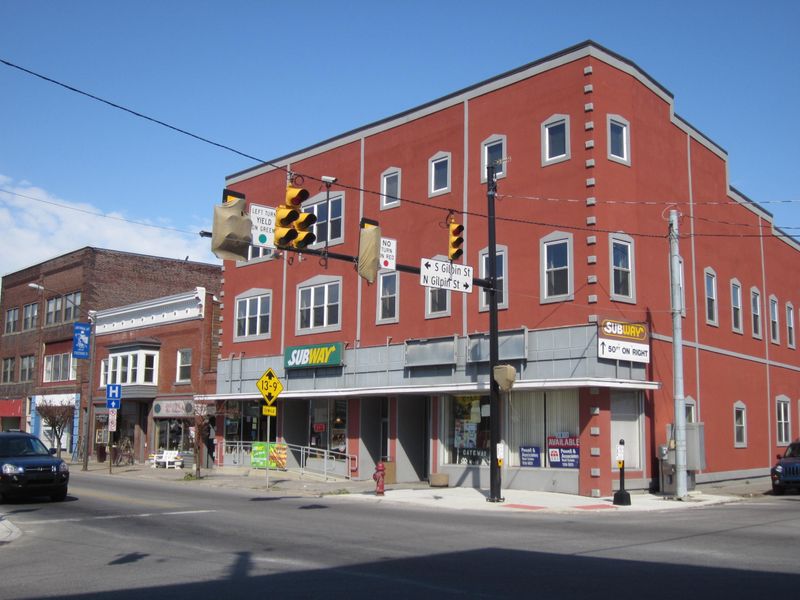
Where else does a groundhog have a bigger fan club than most rock stars?
In Punxsutawney, a furry forecaster named Phil runs the show every February 2.
Groundhog Day has been celebrated here since 1887.
Thousands of visitors gather at Gobbler’s Knob before sunrise to hear the big prediction.
If Phil sees his shadow, the legend says winter sticks around six more weeks.
If not, an early spring is on the way.
The 1993 movie Groundhog Day made the tradition famous worldwide.
Even though much of the film was shot elsewhere, Punxsutawney is the real home of Phil.
You can visit Phil year-round at his burrow in the town library area.
It is a fun stop that costs nothing and makes kids giggle.
Around town, you may spot colorful groundhog statues.
They are decorated in all sorts of creative ways.
Hunting for them is like a scavenger hunt.
It is a cheap and cheerful way to explore downtown.
The Punxsutawney Weather Discovery Center teaches kids about weather science.
It ties the town’s famous tradition to real learning.
So what about everyday life?
Punxsutawney is a small town with home prices that stay very friendly.
If you crave a quiet life with a quirky twist, this could be your spot.
Neighbors tend to know each other, and the pace is relaxed.
The town sits in Jefferson County, surrounded by forests and rolling hills.
Outdoor fans can find hiking, hunting, and fishing nearby.
Mahoning Creek runs through the area too.
It is a nice backdrop for a walk or a lazy afternoon.
Life here is not all about the groundhog, of course.
Summer brings festivals and community events that keep the calendar full.
Punxsutawney proves a small town can still have a big personality.
And honestly, who would not want a weather-predicting celebrity as a neighbor?
8. Titusville
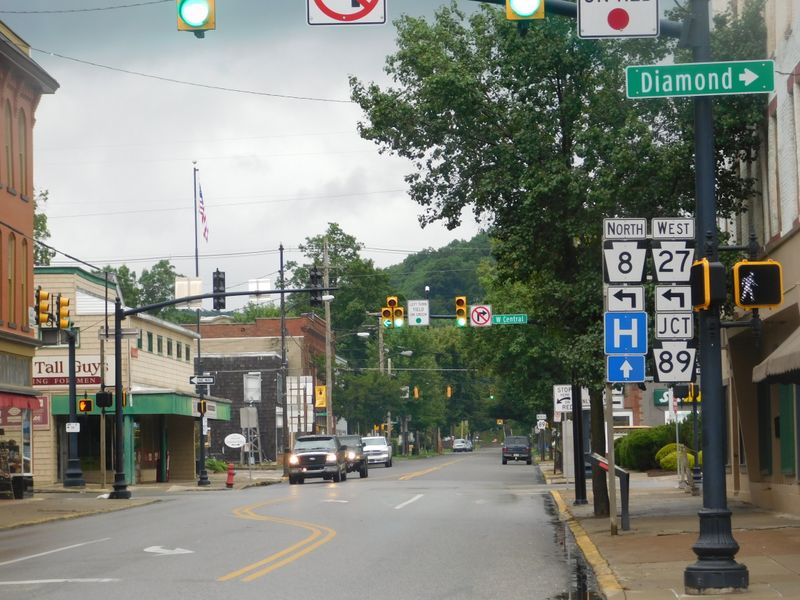
The modern oil industry got its start in a quiet patch of woods here.
In 1859, Edwin Drake struck oil near Titusville, and the world changed fast.
His well was the first commercial oil well in the United States.
Soon, towns across the region filled with drillers hoping to get rich.
The Drake Well Museum and Park sits on the site of that famous discovery.
You can see a replica of the original well and engine house.
Exhibits explain how oil was found, moved, and used.
It is a surprising history lesson that most people never learned in school.
Oil Creek runs nearby, and the scenery is lovely.
The Oil Creek State Park area offers trails and a paved bike path through the valley.
The bike trail follows the creek for miles.
It passes old oil boom spots that are now covered with forest.
History buffs can also ride the Oil Creek and Titusville Railroad.
The train rolls through the valley and tells stories of the boom days.
Now, for your budget.
Titusville is a small city with home prices that sit well below the state average.
That makes it attractive for retirees and young families.
You can enjoy lots of space and a slower pace.
The downtown has older brick buildings that hint at its wealthy past.
Some grand homes from the oil era still stand today.
Walking past them feels like a trip back in time.
You can picture the town buzzing with new money and big plans.
The University of Pittsburgh at Titusville campus has been part of the town for decades before closing in 2023.
Its former campus remains part of Titusville’s educational history.
Titusville is a perfect fit if you love history and quiet trails.
Life here is simple, affordable, and full of fun stories.
9. Bradford
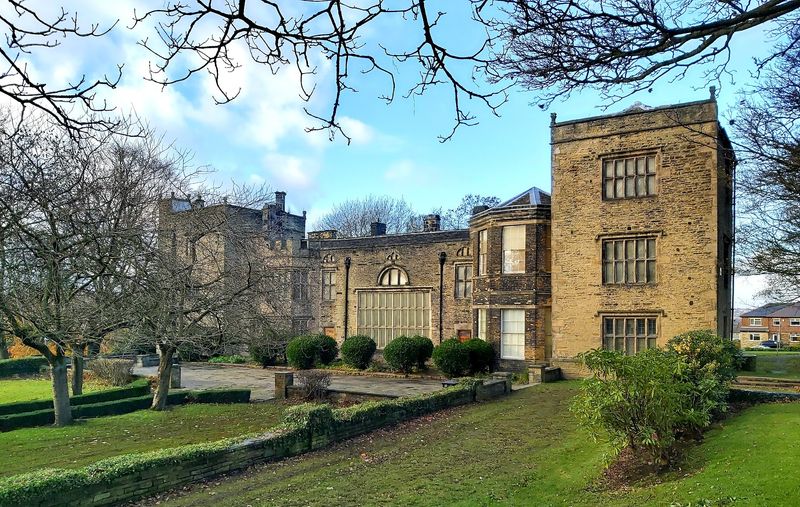
Giant lighter-shaped street lamps greet visitors outside one of this town’s most famous stops.
Bradford is the hometown of Zippo, and it shows.
Zippo was founded here in 1932 by George G.
Blaisdell.
The company still has its headquarters in Bradford today.
The Zippo/Case Museum showcases the history of Zippo lighters and Case knives.
You can see rare designs, fun ads, and creative displays.
One cool feature is the repair clinic, where workers fix lighters sent in by owners.
Visitors can watch the process through a window.
Bradford also has deep oil roots, just like Titusville.
The area was a major oil producer in the late 1800s.
The Penn-Brad Oil Museum shares that story with old equipment and displays.
It gives you a sense of how hard the early oil workers labored.
Nature is a huge perk here.
The Allegheny National Forest sits just south of town with miles of trails and woods.
Hikers, campers, and anglers will have plenty to explore.
Fall colors in the forest are a real treat.
Kinzua Bridge State Park is a scenic drive away.
Its skywalk lets you walk out on a remaining section of an old railroad bridge with a glass viewing area.
So how affordable is Bradford?
Housing here ranks among the more budget-friendly options in Pennsylvania.
You can find older homes with character for much less than in large metro areas.
That leaves extra cash for camping gear or weekend getaways.
The University of Pittsburgh at Bradford adds college events and sports.
It also helps keep the town lively during the school year.
Downtown has historic buildings and small local shops.
It is a pleasant place for a slow afternoon walk.
Bradford fits outdoor lovers who also enjoy quirky museums.
Few towns can boast both a national forest and lighter-shaped lamps.
10. Wellsboro
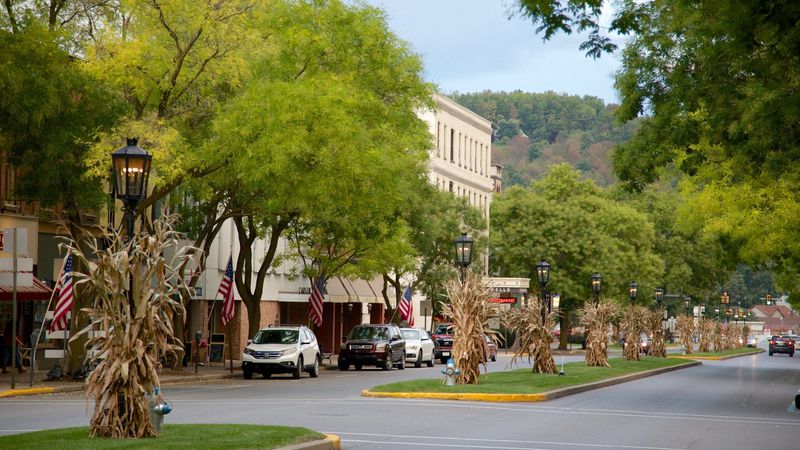
Gas lamps still glow along Main Street at night.
Wellsboro looks like a page from an old storybook, and it is a real working town.
The gas street lamps line the center of town and give evenings a soft, old-time glow.
A tree-lined boulevard and historic storefronts add to the charm.
Many people know Wellsboro as the gateway to the Pennsylvania Grand Canyon.
The canyon is officially called Pine Creek Gorge.
The gorge stretches for miles and drops hundreds of feet deep in spots.
Leonard Harrison State Park, just outside town, offers overlooks with stunning views.
You can hike the Turkey Path trail down toward the creek.
It is steep, so bring good shoes and plenty of water.
Colton Point State Park sits on the other side of the gorge.
Visiting both sides gives you two different looks at the canyon.
The Pine Creek Rail Trail follows the canyon floor.
It is a flat, easy path for biking and walking through gorgeous scenery.
Each June, the town hosts the Pennsylvania State Laurel Festival.
The event includes a parade and celebrates the state flower.
So is it really affordable?
Wellsboro offers small-town living with home prices that are gentle compared to larger cities.
Life moves at an easy pace here.
You might trade traffic jams for scenic drives on country roads.
The Arcadia Theatre on Main Street shows current movies.
It is a fun and simple night out in town.
Shops and family-run eateries keep downtown busy with visitors.
Locals benefit from the tourism without big-city costs.
Tioga County is known for dark night skies too.
On clear nights, the stars can be amazing.
Wellsboro suits anyone who craves nature and a classic Main Street.
It is hard to beat canyon views right outside your door.
11. Bloomsburg
Here is a fun bit of trivia to pull out at parties.
Bloomsburg is the only incorporated town in Pennsylvania.
Every other community in the state is labeled a city, borough, or township.
Bloomsburg holds that special town title all by itself.
Each fall, the Bloomsburg Fair takes over the fairgrounds.
It ranks among the biggest fairs in the state and dates back to 1855.
You can expect farm animals, rides, concerts, and plenty of fair food.
It is a classic slice of small-town America.
Bloomsburg University is part of Commonwealth University of Pennsylvania.
The school brings students, sports, and arts events to town.
Downtown Main Street has historic buildings, small shops, and local restaurants.
It feels friendly and easy to walk.
The Bloomsburg Theatre Ensemble performs at the Alvina Krause Theatre downtown.
Live theater in a small town is a real treat.
So what about money?
Bloomsburg offers housing that is far easier on the wallet than in big Pennsylvania cities.
Renters and buyers both have solid options.
It is especially appealing for families and university staff.
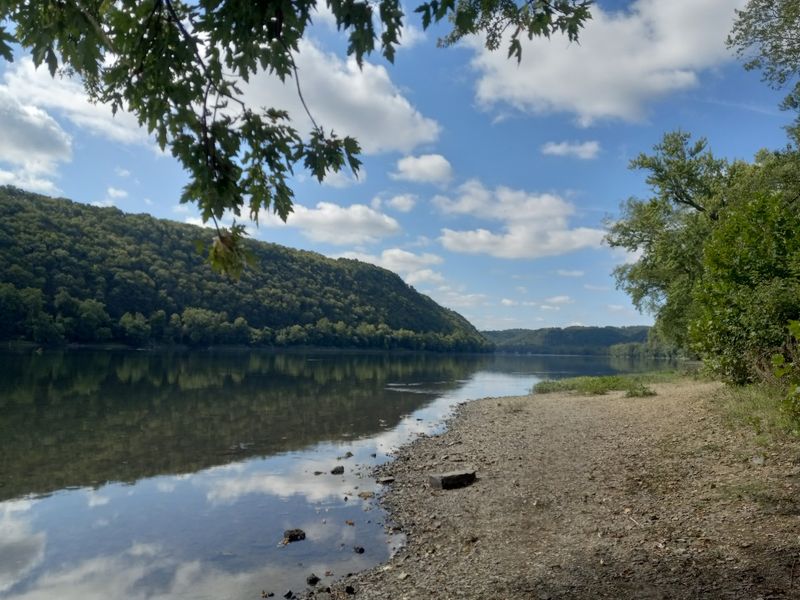
The Susquehanna River flows along the edge of town.
Kayaking, fishing, and riverside walks are all popular.
Nearby covered bridges make for pretty drives.
Columbia County has many of them scattered across the countryside.
Ricketts Glen State Park is within driving distance too.
It is famous for its many waterfalls along a scenic trail.
The hike can be steep and slippery, so take your time.
The views are well worth the effort.
Bloomsburg mixes college energy with country charm.
Plus, you get to brag about living in the only town in the whole state.
Share this story