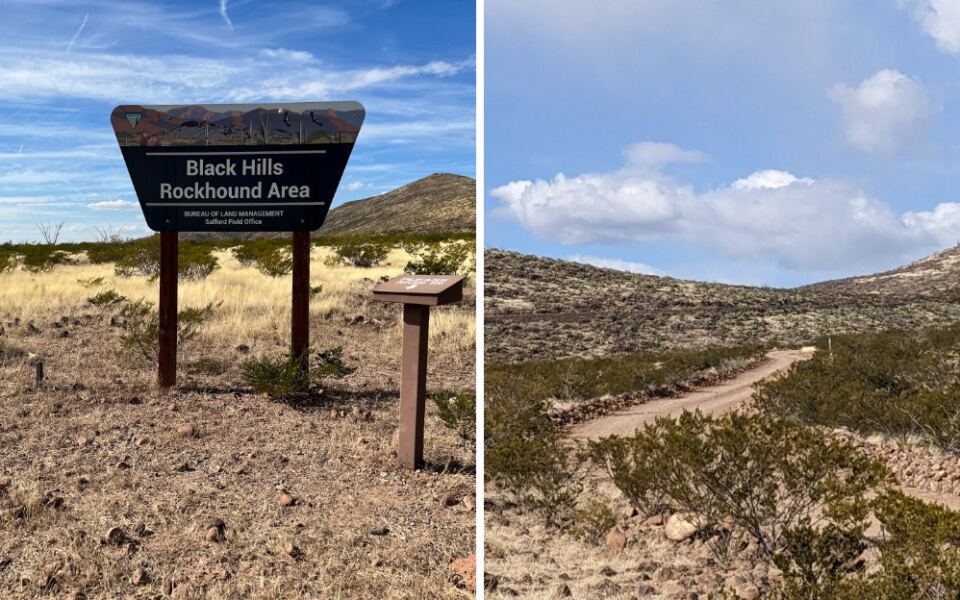
Some treasure hunts need a map, a shovel, and a lot of luck. This one mostly needs a water bottle and a decent pair of eyes. Out in the desert near Safford, people step out of their cars and start finding fire agates within a few feet of the bumper.
These are the stones that flash red, orange, and green when the light hits them just right, and collectors pay real money for good ones. Here, there is no entry fee, no permit for rock collecting, and no closing time. The catch is a bumpy dirt road, a lot of cactus, and zero restrooms.
Keep reading to learn which entrance to use, where the bigger stones tend to hide, and how to plan a weekend run from Phoenix or Tucson that pays off in shiny rocks.
1. A Free Rock Hunt Off Highway 191
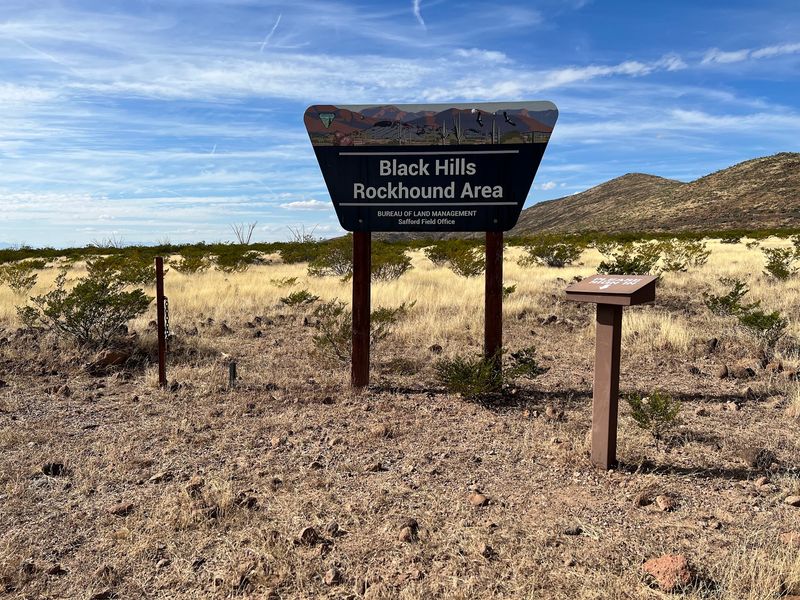
Out past the farm fields of Graham County sits the Black Hills Rockhound Area, Safford, AZ 85546, United States. It is managed by the Bureau of Land Management and set aside for people who like to pick up pretty rocks.
The site is about two miles off Highway 191 on a dirt road. That short distance keeps it close enough for a quick trip from Safford, yet remote enough that crowds rarely show up.
The big draw is fire agate, a type of chalcedony known for rainbow-like color inside the stone. Regular agates, quartz, and chalcedony also turn up across the ground here.
Collecting is free, and no permit is needed for rock collecting. The area is open 24 hours a day, every day of the week.
For Valley and Tucson folks, this is the kind of spot that sounds too easy to be real. People park, open the door, look down, and start finding pieces.
Of course, a few details make or break the trip, starting with which gate you choose.
2. The Second Entrance Secret
Two entrances lead in from Highway 191, and regulars have a clear favorite. Heading up 191, many skip the first turnoff and use the second entrance, roughly a mile farther down the road.
Both are clearly marked, so there is little risk of missing them. The second route leads toward a canyon area where the ground is often littered with good finds.
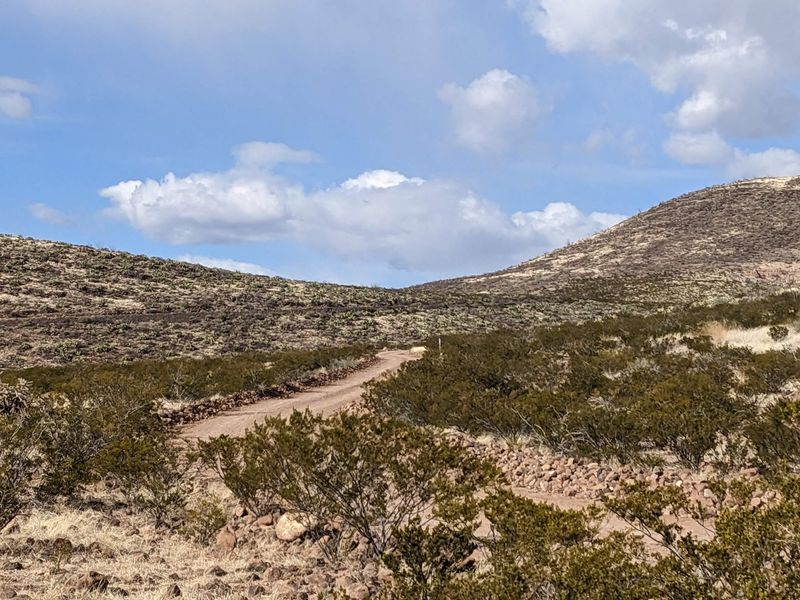
From the highway, expect about two miles of dirt road. It runs rough and rutted in places, with a few slow stretches.
The drive along 191 itself is a pleasant part of the day. The highway is in good shape, and the rockhound area also connects to the wider Black Hills Back Country Byway for anyone who wants to keep exploring.
A simple tip saves time here. Note the mileage once you leave the pavement so you know when you are getting close to the main collecting zones.
Choose the right gate, and half the battle is already won before a single rock gets picked up.
3. What Your Car Can Handle
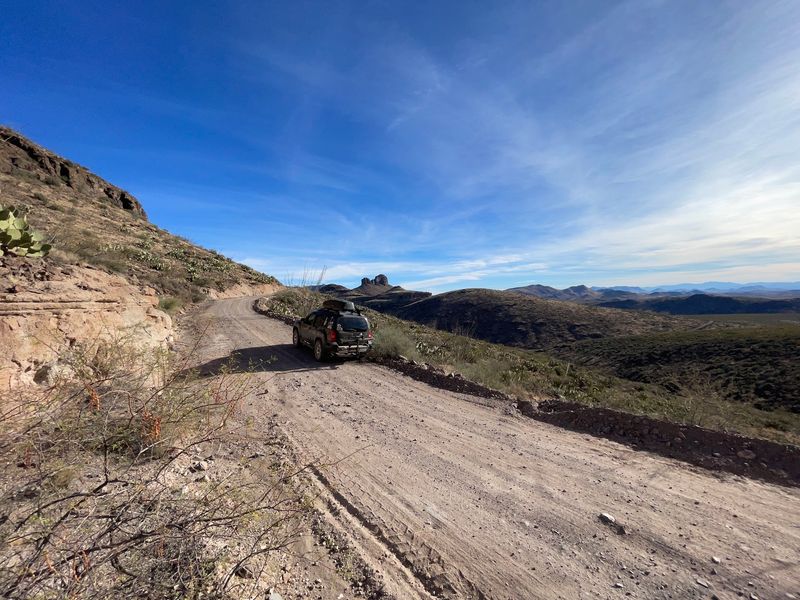
Good news for sedan owners: plenty of people have made it in without four-wheel drive. A 2008 Honda Civic, a Honda CRV, and a Chevy Traverse full of passengers have all handled the road with slow, careful driving.
The road is described as okay, not great. Ruts and a few sketchy patches appear, especially in the last half mile before some collecting spots.
One easy move is to park in the big open area on the left near that rough section. From there, walk the final stretch instead of risking the car.
Pickups and high-clearance SUVs can go deeper into the trail without much trouble. That matters, since the spots farther back tend to be less picked over.
Standard RVs are a different story. Many would think twice before dragging a big rig down this road.
One more caution: broken glass sometimes shows up in the main area. Tires are not cheap, so keep an eye on where you park and roll.
4. Fire Agates at Your Feet
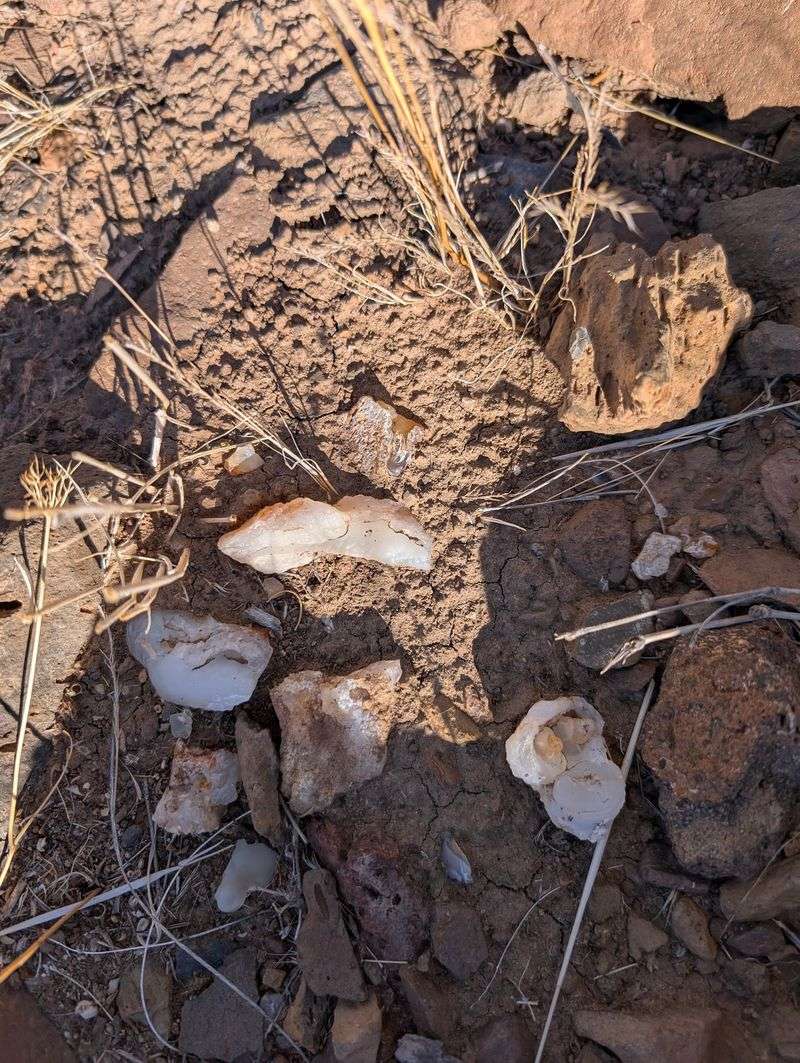
Here is the headline fact: fire agates can turn up as soon as you step out of the car. The main parking area alone gives up plenty of small pieces.
Most of the surface stones are small, often pebble or fingernail size. Many still carry beautiful color, which is the whole point of fire agate.
Stones show up on the road, on the open ground, along the slopes, and down in the washes. Berms left from road grading are another spot worth scanning.
Plenty of material looks clear or white. Some pieces carry red and orange tones, and a few even glow under a black light.
Beginners sometimes wonder whether they found agate or plain quartz. Both are common here, so bring a few home and sort them out later.
Small stones are only the warm-up, though, because the bigger ones play hard to get.
5. Where the Big Ones Hide
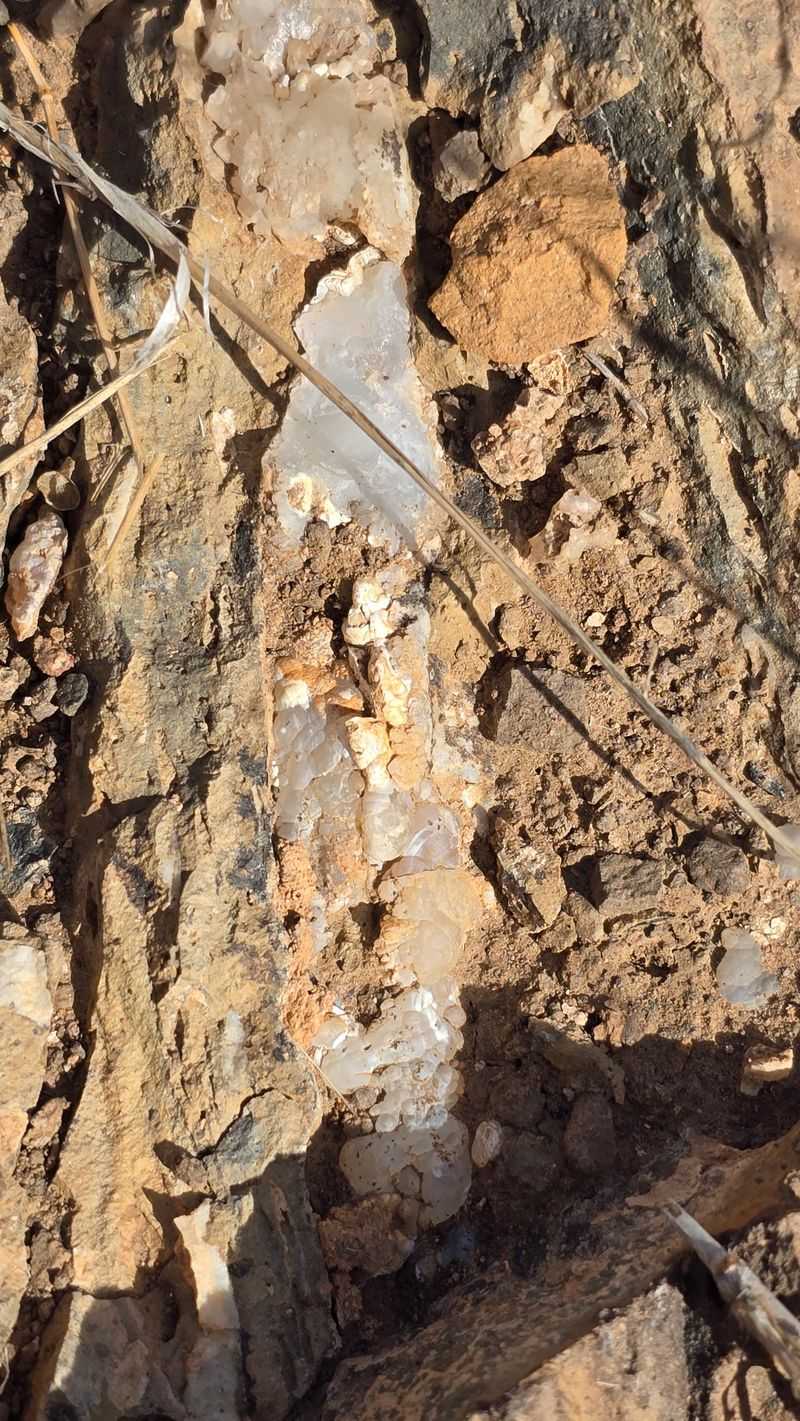
Want a lemon-size agate? Be ready to work a little harder for it.
The closest hill on the east side of the road has produced some nice fire agates. Crossing the road and climbing that slope has rewarded people with larger pieces worth the effort.
Golf ball-size stones and bigger ones are out there. Many sit under thorny plants that most folks would rather avoid.
A short drive deeper on the dirt road, then down the hill, leads to a small ravine. In that area, agate and quartz can still be found embedded in rock, which suits anyone carrying tools.
The canyon area past the second entrance has produced palm-size finds too. The farther you go from the first parking spots, the better the odds tend to get.
Being a bit of a billy goat helps here, in the most literal sense.
6. Digging, Sifting, and Animal Helpers
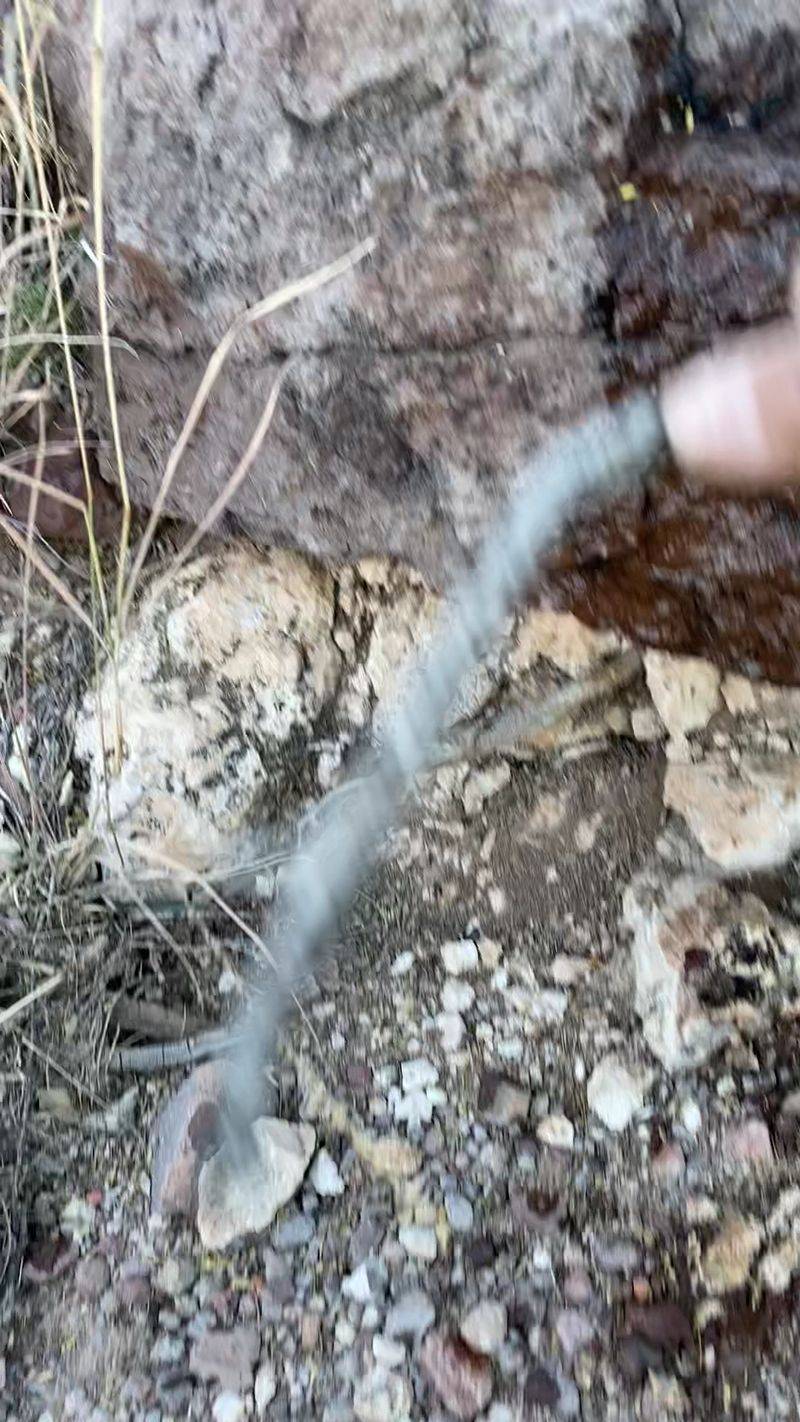
Some of the best helpers at this site are small desert animals. Their burrows push loose dirt to the surface, and that dirt often holds agates.
Surface hunting works well for small stones. For bigger specimens, a little digging usually pays off.
A sifting screen is handy for pieces at or near the surface. It lets you work through loose soil quickly without missing the tiny colorful ones.
Larger agates were mostly buried in at least one hour-long hunt. Going out after a heavy rain may help, since water can wash fresh material into view.
Simple gear covers most needs:
A small shovel or trowel, a sifter, a bucket, and gloves for working near cactus.
Keep the digging modest and fill holes back in, so the next family has as much fun as yours did.
7. Is It Picked Over
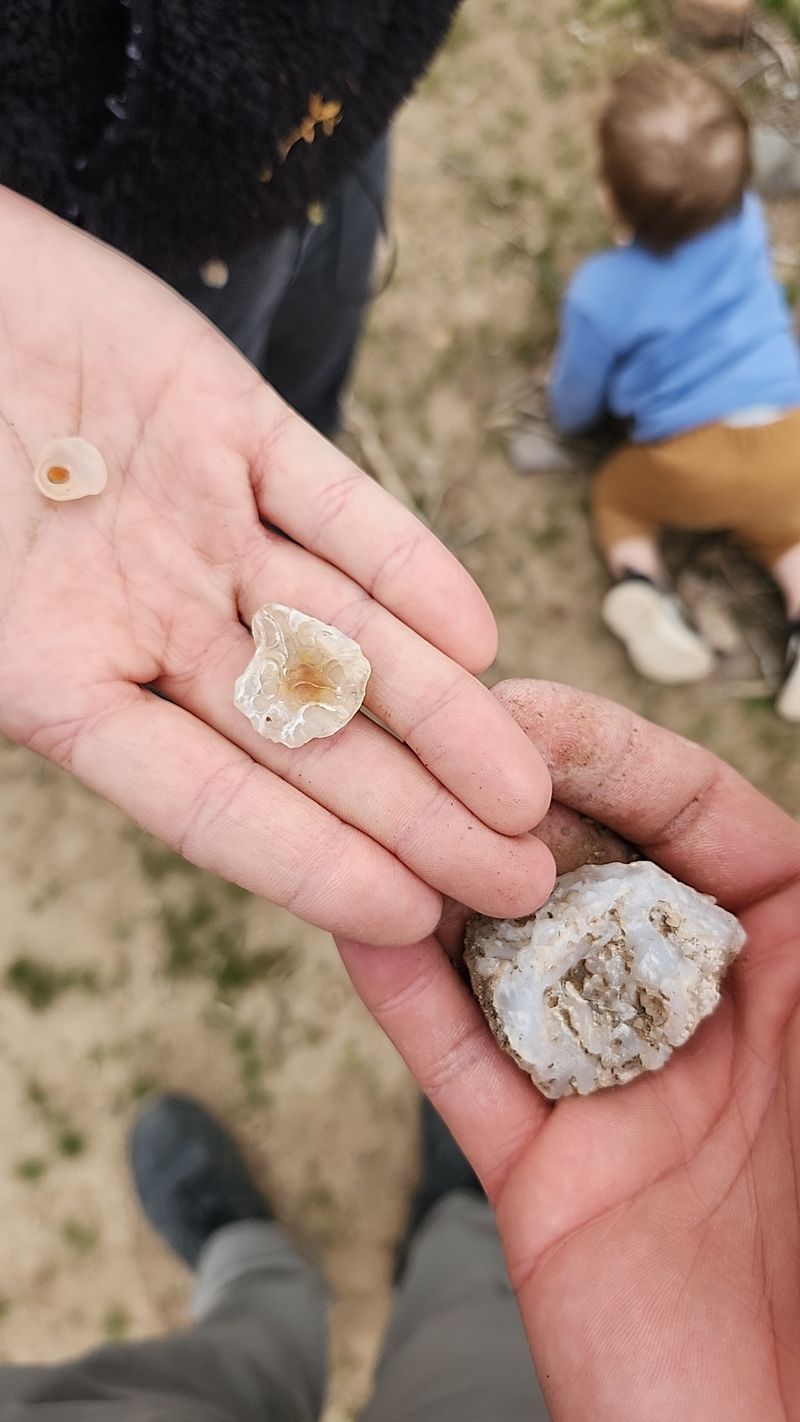
Fair question, and the honest answer is: partly. The easiest spots near the parking areas have been searched hard for years.
Large stones with strong color, bigger than a quarter, are harder to find near the entrance. Small pieces with lovely color are still abundant.
Plenty of collectors push past that and do just fine. Wandering deeper into the trail, climbing hills, and checking washes has turned up treasures all over.
Some folks compare it with the Round Mountain BLM Rockhound Area and prefer that one. Others rate the Black Hills site as a sure bet for leaving with something pretty.
Expectations make the difference. A family wanting a bag of small, colorful stones should be happy, while a serious hunter chasing big specimens should plan to roam.
Two hours here can feel well spent either way.
8. Easy Ground for Every Age
Not every rock hunt asks for a steep hike. Here, the ground and trail near the parking areas are mostly flat.
That makes the site a solid pick for small children. It also works for people with mobility issues, including arthritis, or anyone who cannot handle strenuous trails.
You do not have to walk far to find agates. The road itself is walkable, and finds sit right along it.
Kids tend to love the instant payoff. Few outings let a child pick up a colorful stone within minutes of arriving.
Dogs have enjoyed running around the open camping area too. Just keep an eye on them near cactus and wildlife.
Groups with mixed energy levels can split up easily. Some search near the car while others tackle the hills across the road.
9. Cactus, Snakes, and a Friendly Tarantula
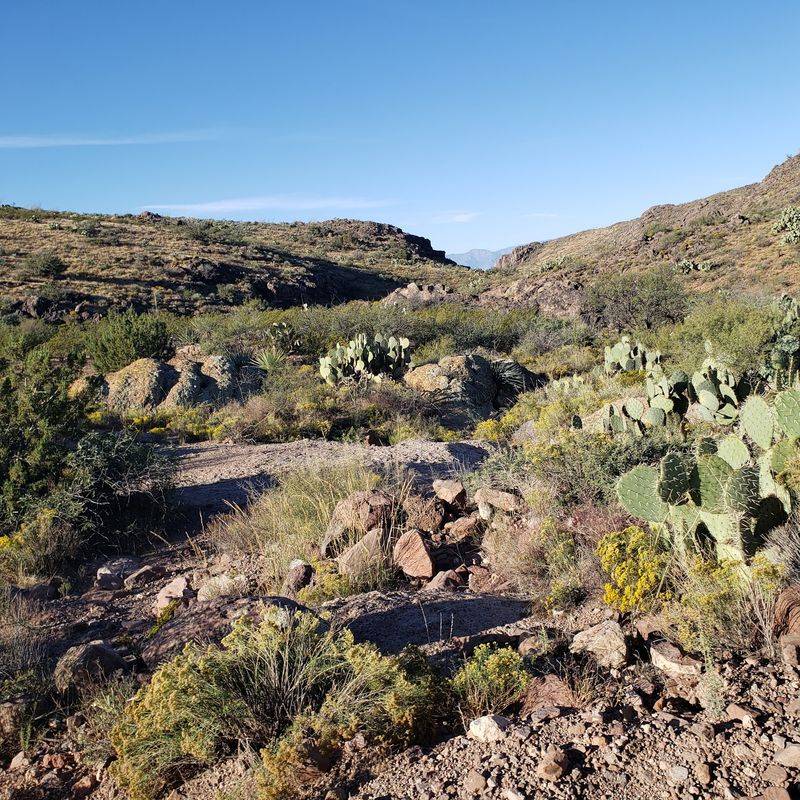
Count the cactus and you will run out of numbers. The area is covered in them, so careful steps matter.
Snakes are part of the scene as well. Watch where hands and feet go, especially when reaching under brush for stones.
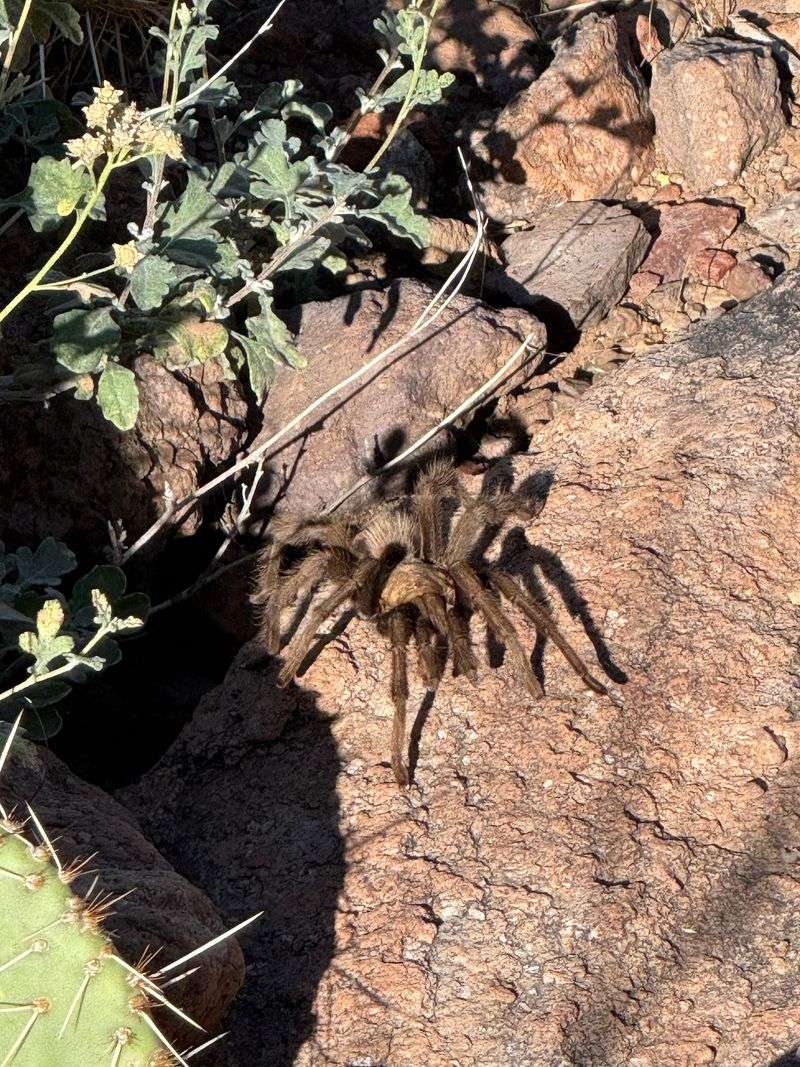
A tarantula has been spotted here, and they sometimes walk straight toward people. Curious, yes, but best left alone.
Rocky terrain covers much of the site. Sturdy shoes beat sandals by a wide margin.
Gloves help when you go after agates tucked under thorny plants. That is often where the better stones sit, since many people skip those spots.
Respect the wildlife and the plants, and the desert will hand over its rocks without complaint.
10. Fourteen Free Nights Under Desert Skies
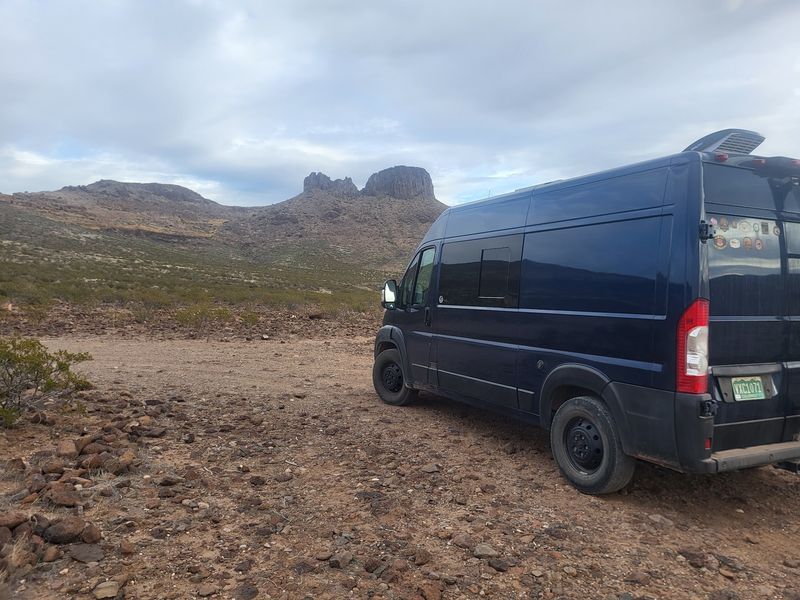
Why rush home when you can stay? Free dispersed camping is allowed here, with a 14-day limit like other BLM spots in Arizona.
There is a big open camping area near the road. Car camping, camper shells, vans, and RVs that can handle the road all suit the site.
Tent campers should know the ground is full of volcanic rock. Clearing a flat dirt patch can take real effort.
Plenty of folks come to boondock for a few days. The quiet and the open views are part of the appeal.
Very few people show up on most days. Sharing the area with only a few other vehicles is common.
An overnight stay also gives you early morning hours to hunt before the heat climbs.
11. Plan for No Restrooms and Spotty Signal
Self-sufficiency is the price of admission, since the actual price is zero. The area has no restrooms.
Cell service is spotty at best. Download maps before leaving Safford and let someone know your plans.
Bring plenty of water, hats, and some form of shade. The site is remote, and summer days in the region run hot.
Trash and broken glass sometimes appear in the main area. Packing out your own trash, and maybe a little extra, keeps the spot nice.
Fall, winter, and spring make the most comfortable seasons for long hunts. In summer, aim for early morning hours.
Because the site is open 24 hours, timing is entirely up to you. For questions, the BLM website for the Black Hills Rockhound Area is the best place to check current conditions.
12. A Worthy Weekend Bragging Right
Few outings in Arizona hand you free souvenirs this easily. Fire agates, quartz, and chalcedony wait across the ground, and the only cost is gas and a little patience.
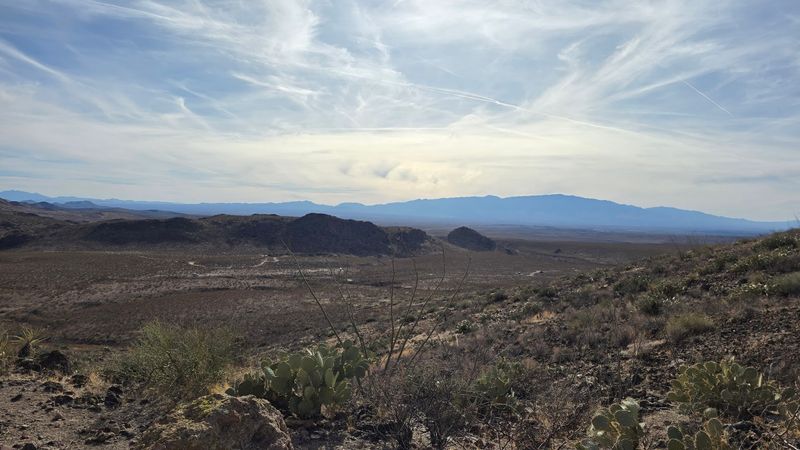
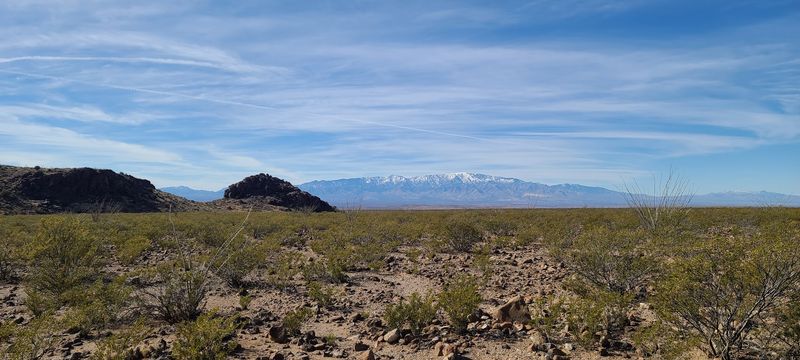
The scenery adds to the deal. Wide desert vistas and views of Mt. Graham make the drive worthwhile even for people new to rocks.
Families with kids, folks who prefer flat ground, and campers looking for quiet all fit right in. Serious collectors can push into the hills and ravines for bigger pieces.
Expect small stones near the parking areas. Expect effort, and maybe some cactus scratches, for the big ones.
Many people leave planning their next run. With free camping, open-all-day access, and color hiding under every bush, that return trip comes easy.
Pack water, pick the second entrance, and go see what flashes back at you.
Share this story