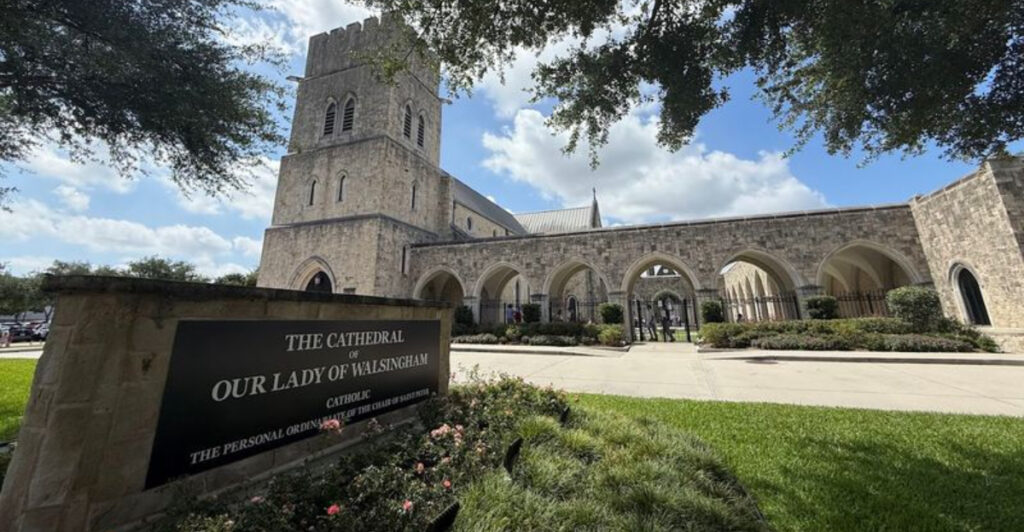
Tucked away in northwest Houston sits a cathedral so striking it could fool you into thinking you’ve stepped into medieval Europe. The Cathedral of Our Lady of Walsingham blends Spanish Colonial architecture with English Catholic tradition, creating something you simply won’t find anywhere else in Texas. With its soaring bell towers, peaceful courtyards filled with roses, and jaw-dropping interior details, this hidden gem has locals and visitors alike doing double-takes as they drive past on Shadyvilla Lane.
1. Spanish Colonial Architecture Transports You Across Centuries
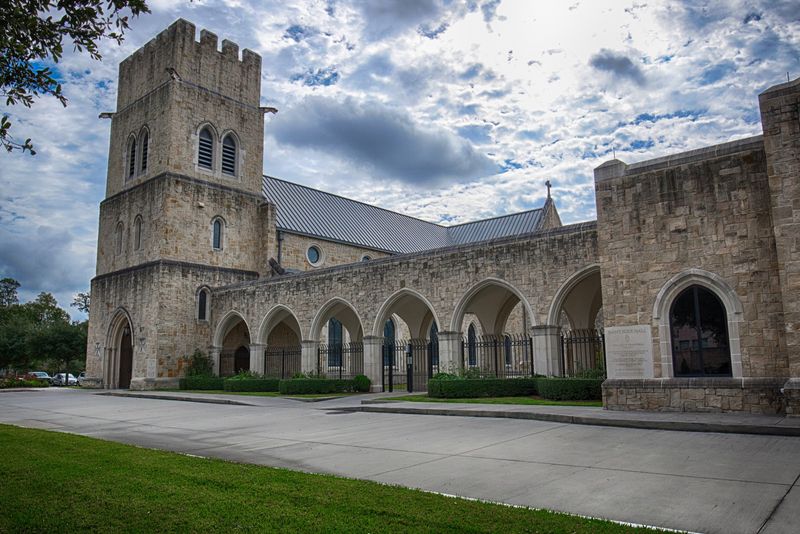
Walking up to this cathedral feels like opening a portal to another time and place. The creamy stucco walls rise gracefully against the Texas sky, topped with terra cotta tiles that glow warm in the afternoon sun. Arched doorways and windows echo the missions of old California and New Spain, while the bell tower stands as a proud sentinel visible from blocks away.
What makes this design choice so remarkable is its rarity in Houston’s architectural landscape. While the city boasts plenty of modern glass towers and suburban ranch homes, finding authentic Spanish Colonial Revival work of this caliber requires some serious hunting. The cathedral’s designers clearly studied the classics, incorporating details like carved wooden doors and wrought iron fixtures that would feel right at home in Santa Barbara or San Antonio’s historic missions.
The scale surprises first-time visitors who expect something more modest. This isn’t a chapel or a parish church trying to look grand. Every proportion feels deliberate and confident, from the width of the facade to the height of the tower.
Parishioners often mention feeling transported the moment they turn into the parking lot, leaving behind strip malls and traffic lights for something that whispers of faith, history, and craftsmanship from centuries past.
2. European-Style Interior Defies Houston Expectations
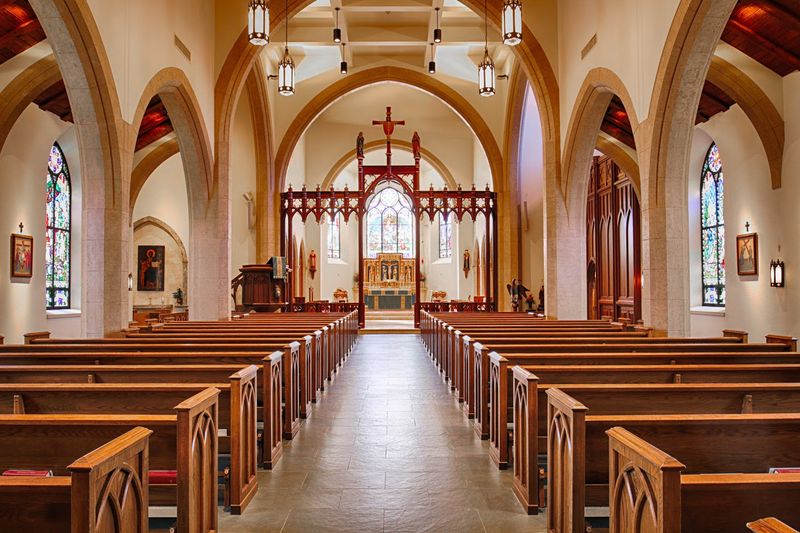
Step through those heavy wooden doors and prepare for your jaw to drop. The interior doesn’t just hint at European influence—it commits fully to a design language Houston rarely sees. Vaulted ceilings soar overhead, creating the kind of vertical drama that medieval builders perfected centuries ago.
The space feels expansive yet intimate, a trick of proportion that modern architects study but rarely achieve.
Reviewers consistently use words like “incredible” and “blown away” when describing their first glimpse inside. One visitor admitted it felt heretical to suggest, but argued the space could charge admission just for the architecture alone. That’s high praise in a city with world-class museums and cultural institutions competing for attention.
The attention to detail separates this cathedral from typical American church buildings. Carved woodwork, religious statuary positioned with care, and an overall sense of reverence in the design itself all contribute to the effect. Natural light filters through stained glass, painting the interior in shifting colors throughout the day.
Many lifelong Houstonians confess they had no idea this place existed until someone dragged them along, then immediately wondered how they’d missed it for so many years.
3. Stained Glass Windows Create Kaleidoscope of Sacred Light
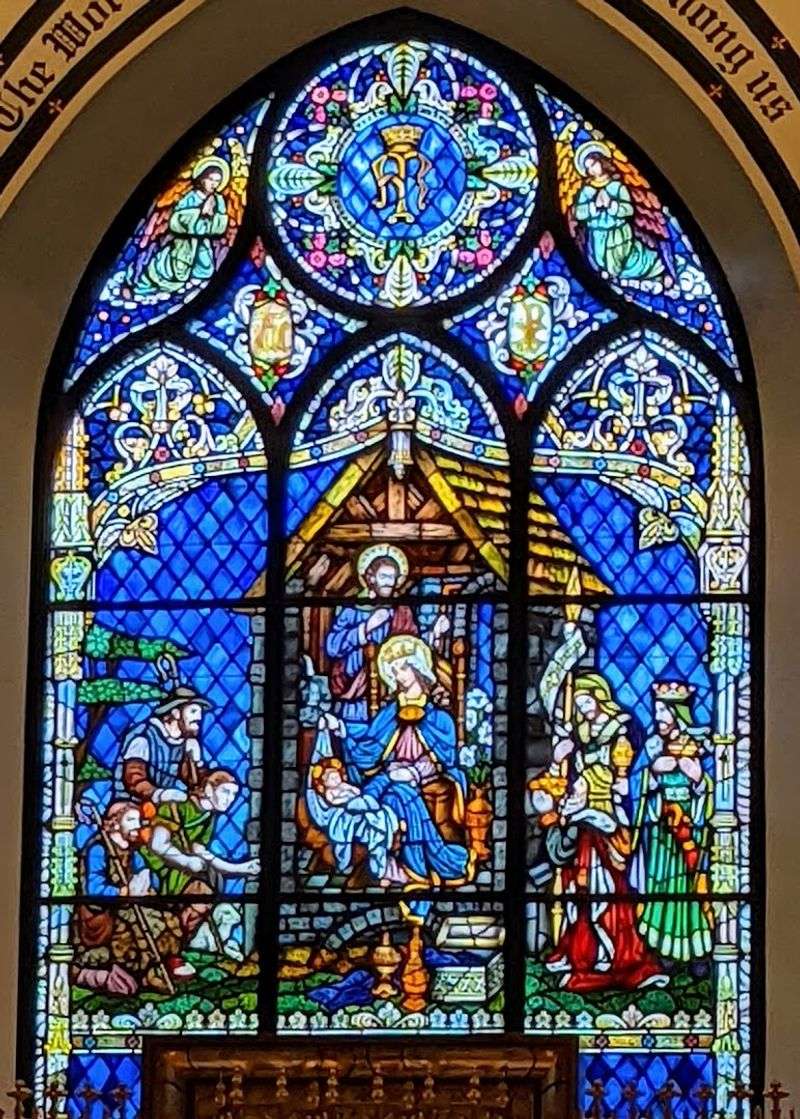
Sunlight in Texas can be harsh and unforgiving, but inside this cathedral it transforms into something magical. The stained glass windows don’t just decorate the walls—they’re storytellers, educators, and mood-setters all at once. Each panel depicts biblical scenes or saints with a level of craftsmanship that belongs in art history textbooks.
The colors shift throughout the day as the sun moves across the sky, creating an ever-changing light show that never gets old.
Multiple reviewers specifically call out these windows as highlights of their visit. One woman who’d lived in Houston her entire life expressed pure gratitude for discovering them, noting their beauty with multiple exclamation points in her review. That enthusiasm isn’t exaggerated—stained glass of this quality requires specialized artisans who understand both the technical aspects of leading glass and the artistic vision needed to create cohesive, meaningful compositions.
The windows serve a practical purpose beyond beauty. In the Catholic tradition, they’ve historically helped teach scripture to congregations, acting as visual aids when literacy rates were low. Here they continue that mission while also creating an atmosphere of peace and contemplation.
Photography enthusiasts love visiting at different times to capture how the light plays across the pews and floor, though no camera quite captures the experience of standing beneath them in person.
4. Rose-Filled Courtyard Offers Peaceful Meditation Space
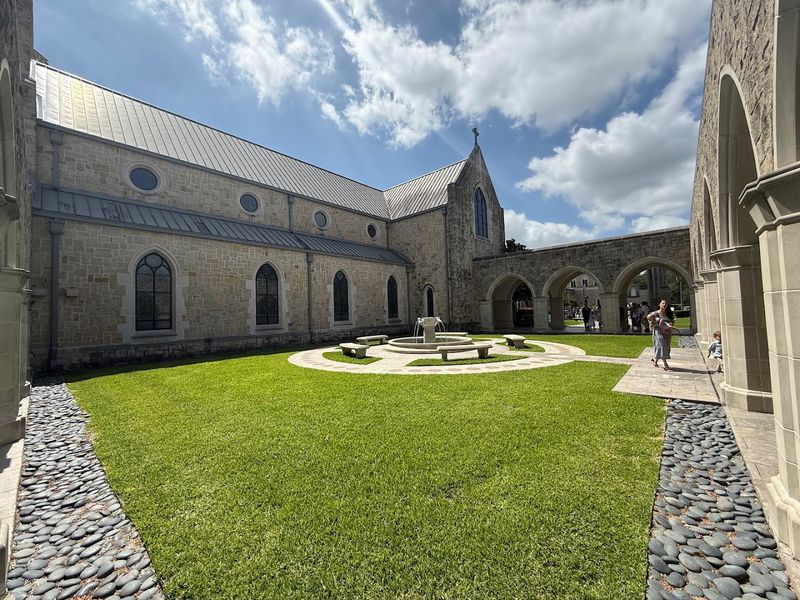
Behind the cathedral lies a secret garden that could make even non-gardeners stop and smell the roses—literally. The open courtyard sprawls across the grounds, filled with carefully tended rose bushes that bloom in waves of color and fragrance. Stone pathways wind between the plantings, inviting visitors to slow down and walk without any particular destination in mind.
It’s the kind of space that makes you forget you’re in the middle of a major American city.
Reviewers consistently praise the outdoor areas as “gorgeous” and “peaceful,” with one noting the cathedral stays open for private prayer from 9 AM to 4 PM daily. That accessibility matters because not everyone processes faith or finds peace in the same way. Some folks need the quiet of an empty sanctuary, while others connect better with nature and open air.
This courtyard accommodates both types beautifully.
The garden includes an outdoor altar and stations of the cross, allowing for traditional Catholic devotional practices in fresh air and natural beauty. One reviewer specifically mentioned it as an ideal spot for meditating on the rosary, a prayer practice that involves repetition and contemplation. The combination of roses, religious art, and thoughtful landscaping creates layers of meaning—the rose itself carries rich symbolism in Christian tradition, representing everything from the Virgin Mary to divine love and martyrdom.
5. Magnificent Organ and Choir Elevate Every Service
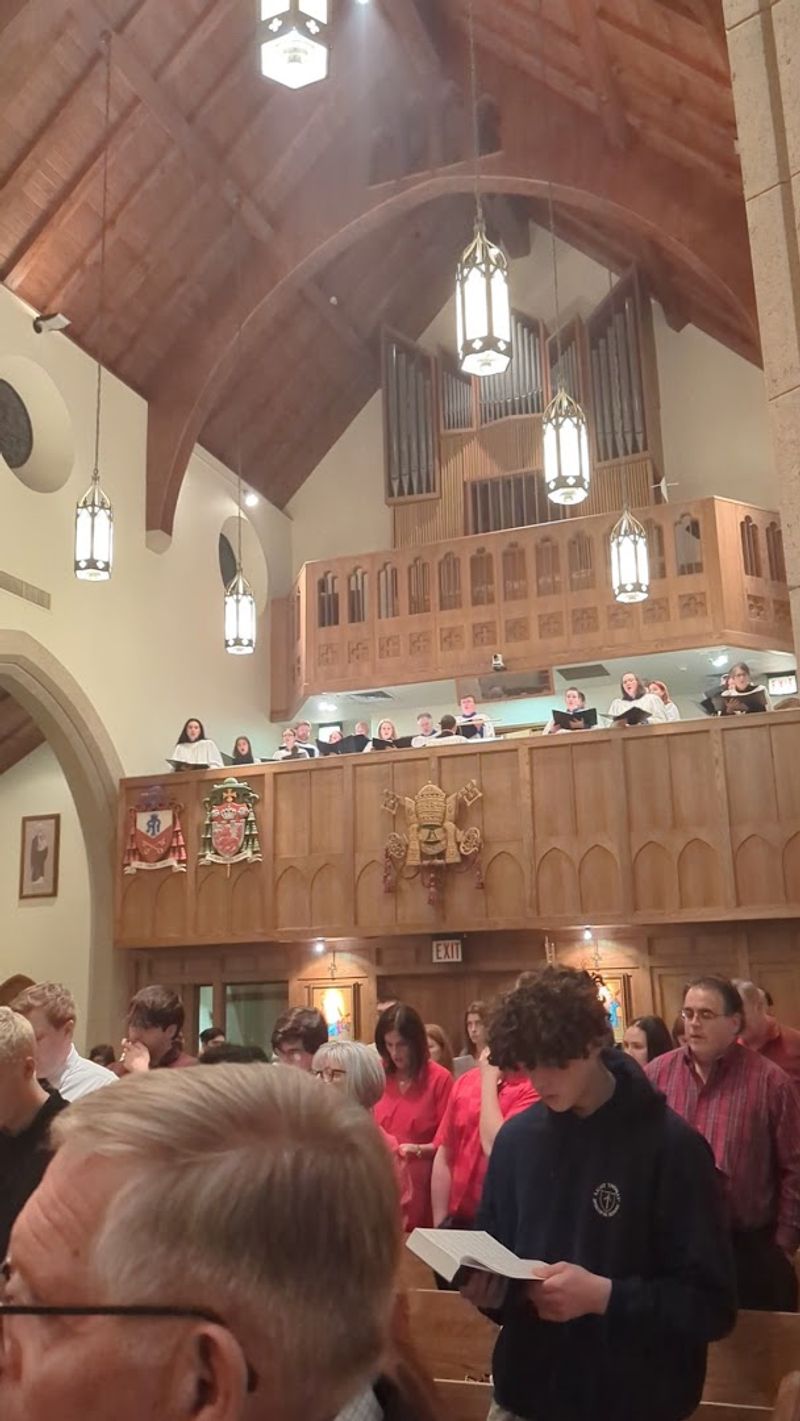
When the organ thunders to life at the start of Mass, you feel it in your chest before your ears fully process the sound. This isn’t some electronic keyboard pretending to be a pipe organ—it’s the real deal, with ranks of pipes that can whisper or roar depending on what the music demands. Combined with a choir that reviewers describe as “magnificent” and “pure,” the musical program here sets a standard that most churches can only dream about reaching.
One visitor’s review stands out for its bold claim: the church could charge admission for the music alone. While that might sound extreme, anyone who’s sat through lackluster church music knows exactly what he means. Quality sacred music transforms a service from routine to transcendent, and this cathedral clearly invests in getting it right.
The acoustics of the space itself help, with those high ceilings and hard surfaces creating natural reverb that makes even simple hymns sound richer.
What impresses locals most is the congregation-dominant singing, with the choir supporting rather than drowning out the people in the pews. That balance requires skill from both the musicians and the music director. It creates a sense of participation that modern Catholic parishes often struggle to achieve, especially in an era when many Americans feel disconnected from traditional liturgy.
Here, the music pulls everyone into the experience together.
6. Shrine to Our Lady of Walsingham Connects England and Texas
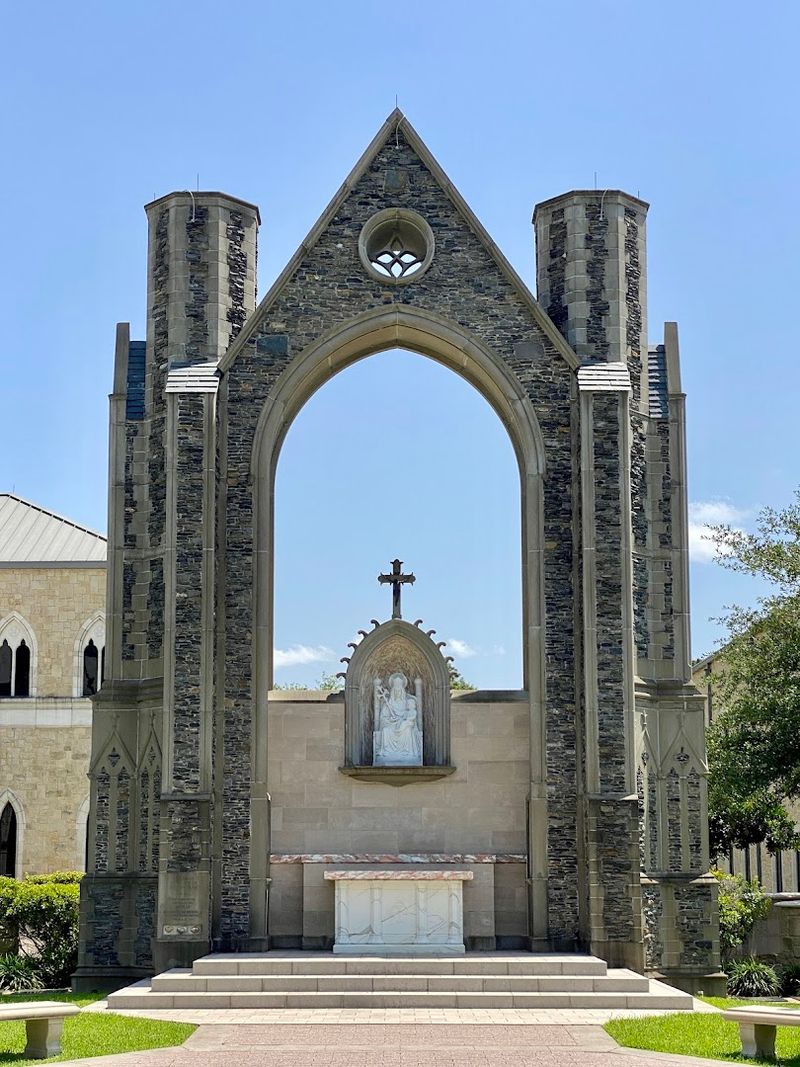
History buffs get an extra thrill from a particular feature tucked into the cathedral grounds: a carefully crafted replica of the ancient Shrine of Our Lady of Walsingham from England. This isn’t just a statue or a generic religious monument—it’s an architectural reproduction that includes three actual stones from the original thousand-year-old shrine across the Atlantic. Those stones carry weight beyond their physical mass, representing an unbroken thread of devotion stretching back to medieval times.
The connection makes sense when you learn this cathedral serves as the official seat for the Personal Ordinariate of the Chair of Saint Peter, a structure within the Catholic Church that accommodates former Anglicans. Walsingham held enormous importance in English religious life before the Reformation, drawing pilgrims from across Britain and Europe. By recreating that shrine here in northwest Houston, the cathedral bridges continents and centuries, offering a tangible link to a spiritual heritage that predates European settlement of Texas by hundreds of years.
Visitors often photograph the shrine, though its significance goes deeper than its photogenic qualities. For those familiar with the Walsingham story, standing before this replica in suburban Texas creates a moment of connection that transcends geography. The surrounding garden provides a contemplative setting that encourages quiet reflection rather than rushed tourism, honoring both the original shrine’s purpose and the devotional practices it inspired across generations.
7. Traditional Liturgy Attracts Those Seeking Reverence
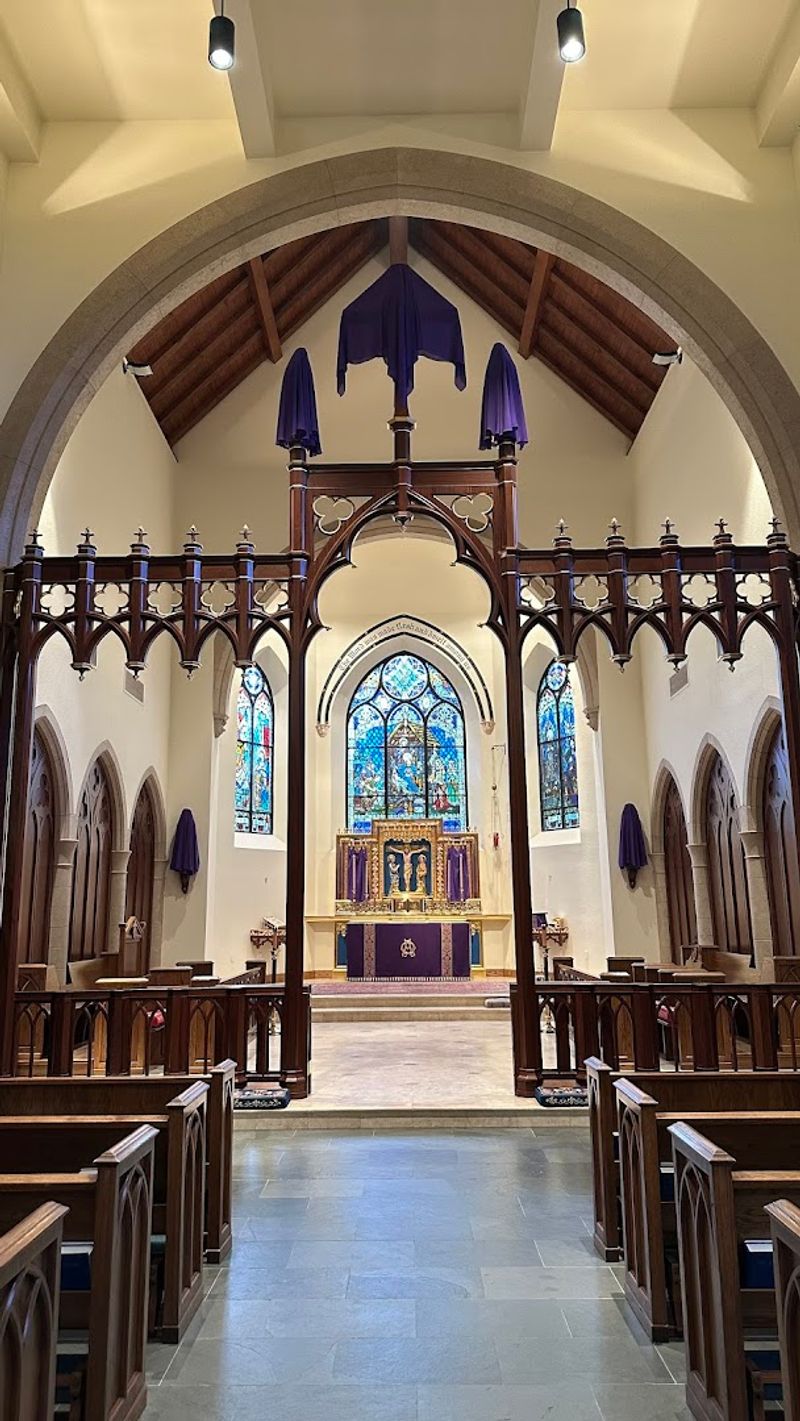
In an era when many Catholic parishes have embraced casual contemporary worship styles, this cathedral charts a different course. The liturgy here leans decidedly traditional, with a reverence and formality that some Catholics thought had vanished after the reforms of the 1960s. One reviewer celebrated this directly, proclaiming that what was lost decades ago has been regained here, adding a prayer hands emoji for emphasis.
The 8 AM Mass particularly appeals to traditionalists by incorporating Latin for the Gloria, Creed, and Agnus Dei, while the main liturgy remains in English. This middle path satisfies those who miss the old Tridentine Mass but also want greater participation in the vernacular. Altar servers dress properly and move with practiced precision, their reverent demeanor noted by multiple visitors.
Incense, traditional vestments, and careful attention to rubrics all signal a commitment to liturgical excellence.
This approach isn’t about nostalgia for its own sake—it reflects a theological and aesthetic conviction that sacred worship deserves sacred treatment. The cathedral regularly fills for Mass, with one observer noting the rector’s success in recruiting servers, choir members, and active parishioners at a time when many churches struggle with participation. Young families show up alongside older Catholics who remember when this style was standard everywhere.
The homilies earn praise for substance and orthodoxy, avoiding watered-down messages in favor of challenging, thoughtful reflections on scripture and tradition.
8. Vibrant Parish Community Defies Declining Church Trends
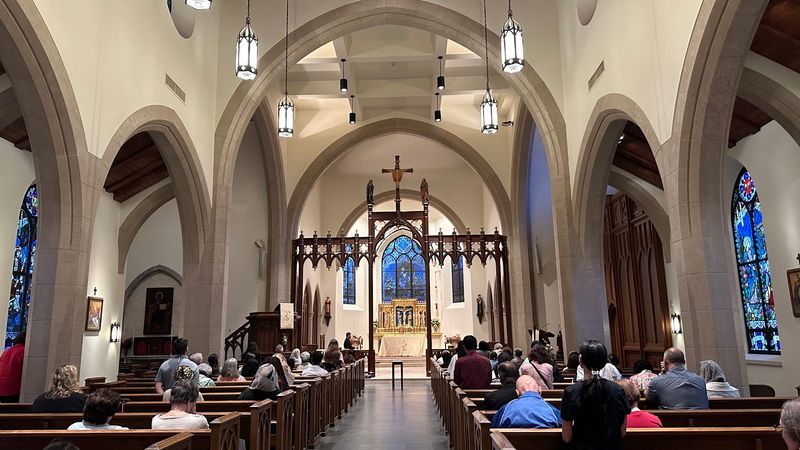
While headlines constantly report declining church attendance across America, someone forgot to tell the folks at this cathedral. The parish buzzes with activity that contradicts every gloomy statistic about religious participation. Families pack the pews, kids serve at the altar, and the confession line runs long—so long that priests stay past the posted times just to make sure everyone gets heard.
That level of engagement doesn’t happen by accident.
Credit often goes to the leadership, particularly Father Hough, the rector whose name appears repeatedly in glowing reviews. One observer suggested anyone complaining about lack of volunteers should visit here to see what’s possible when a parish is well-led. The church regularly fills for services, the choir thrives, and people actually want to get involved rather than treating attendance as an obligation.
Multiple reviewers mention the warmth and friendliness of parishioners, noting how welcoming everyone acts toward visitors and newcomers.
The cathedral hosts events beyond regular Masses, including Knights of Columbus ceremonies, retreats, and even dances for young people that have become annual traditions for some Houston families. That variety of programming creates multiple entry points for engagement, letting people connect with the community in ways that suit their interests and life stages. The parish store offers religious goods, creating another touchpoint for both practical needs and spiritual growth.
This isn’t a dying institution clinging to relevance—it’s a thriving community that’s figured out how to make ancient traditions feel alive and relevant in modern Texas.
9. Ample Parking and Accessibility Welcome All Visitors
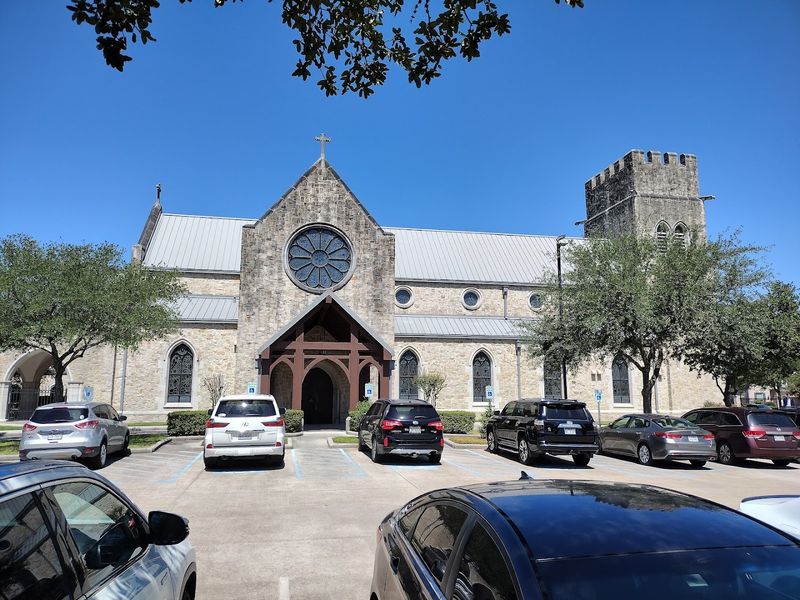
Few things kill a visitor’s enthusiasm faster than circling endlessly for parking, but that’s one worry you can cross off the list here. The cathedral provides expansive parking that handles even the biggest Sunday crowds without forcing anyone to park three blocks away. That practical consideration might not sound glamorous, but it removes a barrier that keeps many people from visiting churches in urban areas.
Families with small children especially appreciate being able to park close and walk straight to the entrance without navigating busy streets.
The grounds themselves feel spacious and welcoming rather than cramped or cluttered. There’s room to breathe, to walk, to let kids stretch their legs before or after services. Multiple reviewers specifically mention the parking and open spaces as positives, suggesting these features contribute meaningfully to the overall experience.
In Houston’s car-dependent culture, easy access matters enormously—if getting there feels like a hassle, many people simply won’t bother regardless of how beautiful the destination might be.
The cathedral welcomes visitors for private prayer throughout the week, staying open from 9 AM to 4 PM Monday through Saturday. That accessibility extends the cathedral’s impact beyond Sunday services, offering a refuge for anyone seeking quiet contemplation during their regular week. Whether you’re a devout Catholic, a curious architecture enthusiast, or someone just needing a peaceful place to think, the doors stand open and parking waits ready.
No appointment necessary, no complicated entry procedures—just show up during posted hours and you’re welcome.
Share this story