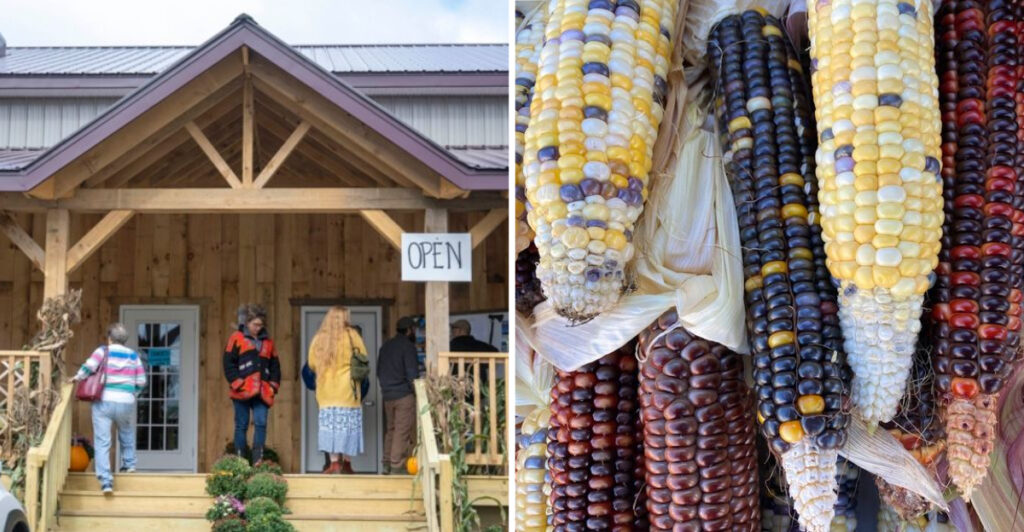
Pull into a gravel lot, step through a simple door, and you’ll feel like you’ve slipped into a slower, more intentional way of living. The Community Market in Unity is one of those rare spots where craftsmanship, fresh-baked goods, and practical everyday items all come together under one roof.
It’s equal parts market, bakery, and local gathering place, with something new to notice each time you visit. The atmosphere feels genuine and unhurried. Read on for a local-insider guide to timing your donut run and making the most of your stop.
The Moment You Realize This Isn’t a Typical Market
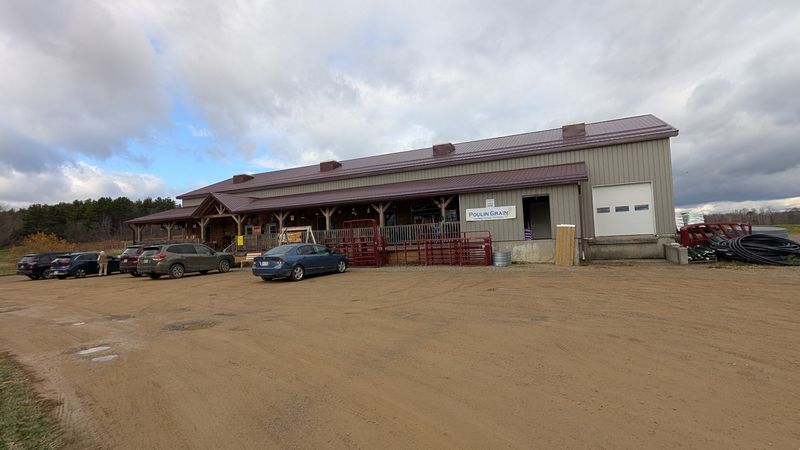
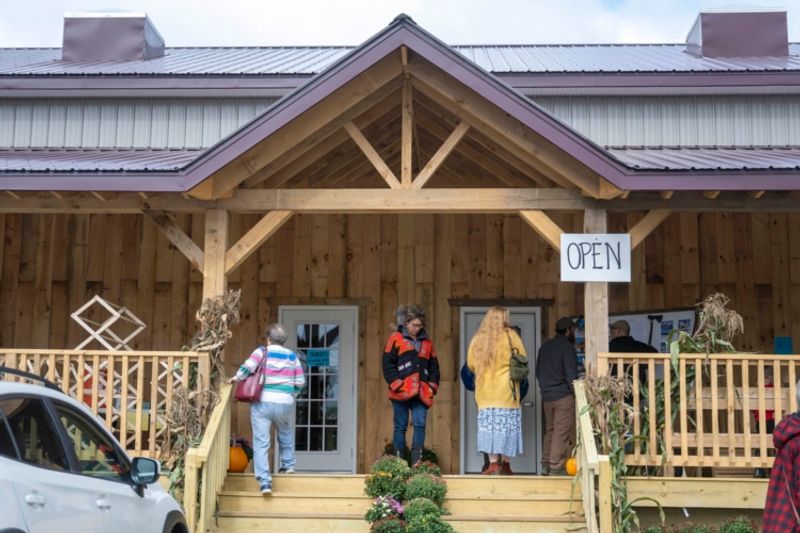
Pulling into the gravel lot, there’s an immediate sense that you’ve stepped slightly outside the usual pace of things. Nothing flashy announces the place—just a modest sign reading Community Market and a few crates of seasonal produce quietly set out front. That simplicity does more than any branding ever could.
It signals that this spot isn’t trying to impress you—it’s simply existing as it always has, ready for whoever shows up. Step through the door and the shift becomes even clearer. The space opens into a warm, slightly cluttered arrangement of wooden shelves, bulk goods, and handcrafted items that feel placed with purpose rather than presentation.
The scent arrives a second later—fresh bread, warm spices, and that unmistakable hint of fried sweetness drifting from the bakery area in the back. It’s the kind of smell that gently redirects your entire plan. What stands out most, though, is the energy of the place.
Staff move at an unhurried pace, greeting you without pressure, ready to help but never hovering. You’ll notice small, meaningful details—a strip of newer trim from the rebuild, a chalkboard note mentioning donut days, quiet conversations between locals who clearly know this place well. Bring cash, take your time, and don’t rush your first lap. This is the kind of entrance that sets the tone for everything that follows.
The Main Feature That Draws You In
You don’t need a sign to tell you where the action is—the bakery pulls you in on instinct alone. Follow the scent, and you’ll find a counter that feels less like a display case and more like a daily ritual for the people who know exactly when to show up.
Around here, donuts aren’t just a treat—they’re a timing strategy, something locals quietly plan their mornings around. On the right morning, trays fill with golden donuts, hand pies, cookies, and fresh loaves that still carry warmth from the oven.
Nothing is overly styled or decorated for attention, and that’s part of the appeal. Instead, everything looks the way good baking should—simple, consistent, and made with practiced hands rather than flashy presentation.
There’s a comforting honesty to it that makes each item feel reliable before you even take a bite. Regulars tend to arrive early, especially midweek or Saturdays, because once the favorites are gone, they’re gone for the day.
There’s a quiet understanding in the line—no rushing, just a shared awareness that timing matters. If you’re unsure what’s fresh, asking is part of the rhythm, and staff are usually happy to point you toward whatever just came out. Beyond the sweets, the bakery blends seamlessly into the rest of the store, tying together jars of jam, sacks of flour, and warm bread into one continuous story that feels rooted in tradition.
The Colorful Corn, Fresh Bakes, and Everyday Essentials That Steal Attention

Somewhere between the bakery and the bulk goods, you’ll notice something that doesn’t show up in most grocery stores anymore—rows of corn in different colors and textures that feel closer to tradition than trend.
Deep yellow, pale white, even hints of red or blue-toned varieties appear in kernels and ground forms, each one suited for a slightly different use. It’s the kind of detail that stops you for a second, not because it’s flashy, but because it feels uncommon in such a practical setting.
That same sense of variety carries over into the baked goods. Beyond the well-known donuts, there’s usually a rotating mix of pies, breads, cookies, and simple pastries that reflect what’s in season or freshly made that day.
Nothing feels mass-produced, and the selection shifts just enough to keep regulars curious about what might be waiting on the counter. Nearby, crates of vegetables and pantry staples round out the experience. Depending on the time of year, you might find fresh produce alongside jars of preserved goods, bulk ingredients, and everyday necessities that lean toward function over presentation.
It all ties together in a way that feels intentional without being curated. What stands out most is how naturally everything fits side by side—food, ingredients, and home goods—each one part of the same practical, well-lived-in system.
The Unexpected Finds That Make You Linger Longer
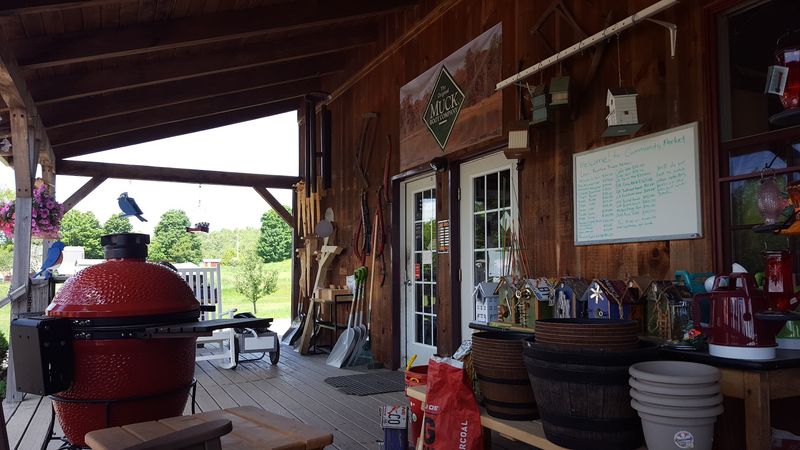
What starts as a quick browse almost always stretches into something slower. The deeper you move into the store, the more it reveals itself in layers—none of them arranged for show, all of them rooted in usefulness. There’s no obvious path or polished display guiding you along, which is exactly what makes it interesting.
Instead, the space invites you to wander a bit, doubling back when something catches your eye. That’s where the real charm starts to take hold. One shelf might hold practical hardware—hinges, tools, and everyday fixes—while the next features hand-stitched quilts or solid wooden furniture built with quiet precision.
It’s not curated in the modern sense, where everything matches a theme. It’s assembled with intention, shaped by real needs rather than trends. You’ll notice items that feel increasingly rare to find together: bulk flours in labeled bins, old-fashioned toys, durable tools, and pieces that clearly took time and skill to create.
Some discoveries feel small but memorable—a metal kaleidoscope tucked between pantry goods, a handcrafted table that invites a second look, jars of preserved foods that shift with the seasons. These details don’t compete for attention, but they reward anyone willing to slow down.
Handwritten notes and chalkboards often hold the most useful updates, especially since information isn’t shared online. A quick conversation with staff can reveal what’s coming out next or what just sold out. Stay a little longer, and the whole place starts to open up.
How To Explore At Your Own Pace
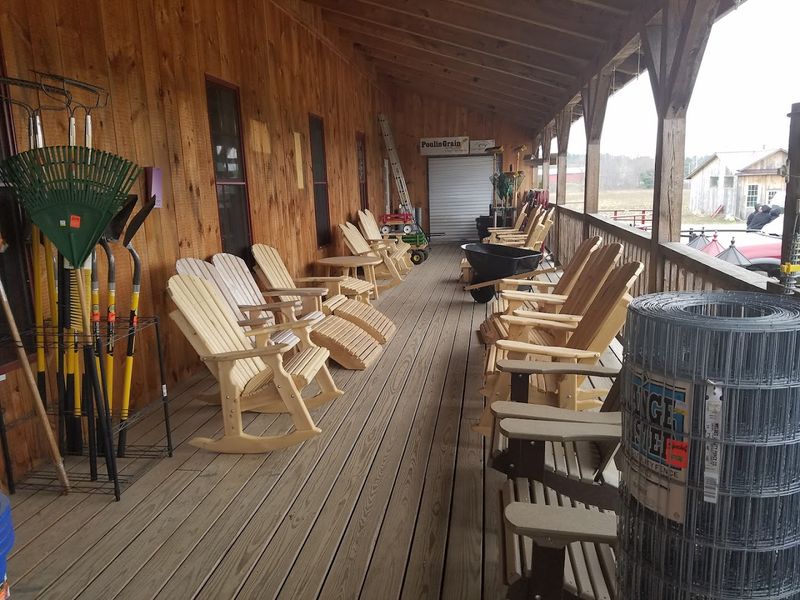
There’s a rhythm to this place, and once you fall into it, everything starts to feel easier. The biggest shift is mental—this isn’t a checklist stop where you grab what you need and head out. Instead, think of it as a slow loop, one that begins with curiosity and gradually builds into a handful of thoughtful, sometimes unexpected finds by the time you’re ready to leave.
Start at the bakery, always. Even if you don’t plan to buy right away, it gives you a quick read on what’s fresh and what might be worth circling back for before it disappears. From there, ease into the produce and pantry staples, then drift naturally toward hardware, home goods, and handcrafted pieces.
Following this kind of loose path keeps things flowing without turning the visit into something overly structured. Take your time with labels, textures, and the small details that are easy to overlook at first glance.
Nothing here is designed for speed, and the experience improves the more you settle into that slower pace. Staff are nearby if you need help, but they won’t interrupt your rhythm, which makes exploring feel relaxed and self-directed.
If you’re coming from Bangor, Augusta, or farther out, arriving earlier in the day gives you a better chance at the most popular items. And since it’s cash or check only, having that ready ahead of time keeps your visit uninterrupted.
What You Should Know Before You Make the Drive
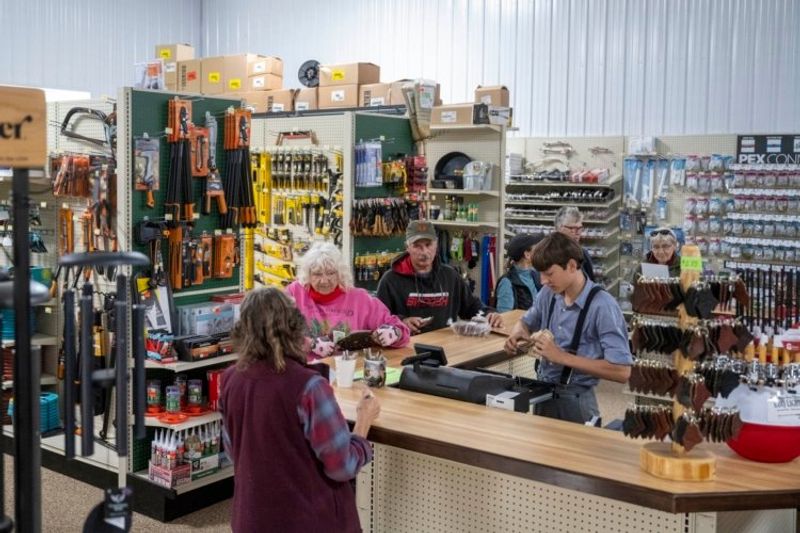
A little preparation makes a noticeable difference here, especially if you’re used to places that run on extended hours and instant convenience. The Community Market follows a more traditional schedule, typically open Monday, Tuesday, Wednesday, Friday, and Saturday from 8 AM to 4 PM, while closing on Thursdays and Sundays.
It’s the kind of rhythm that works perfectly once you know it—but it can catch first-time visitors off guard if you arrive expecting standard retail hours. Calling ahead is a smart move, particularly if you’re making the trip for something specific like donuts or fresh bread.
Availability tends to shift depending on the day and how quickly items sell, so a quick check can save you from missing out. Locals often plan their visits around these details, which is part of what keeps everything running smoothly.
Cash or checks are essential here—cards aren’t accepted. It might feel like a small adjustment at first, but it quickly blends into the overall experience. Once you settle into the slower pace, it stops feeling like a limitation and starts to feel intentional.
Parking is simple, with a gravel lot that makes it easy to pull in, load up, and head out without hassle. The surrounding drive through Waldo County adds something extra, too—quiet roads, open stretches of land, and a sense of calm that mirrors what you’ll find inside the market. Bring a reusable bag, aim for earlier in the day, and leave yourself more time than you think you’ll need.
Why This Market Sticks With You After You Leave

What makes the Community Market stand out isn’t a single headline feature—it’s the way everything comes together without trying too hard. There’s no obvious centerpiece demanding attention, yet the experience lingers long after you leave. It feels cohesive in a way that’s hard to manufacture, built more on consistency than spectacle.
A big part of that comes down to usefulness. Whether you’re looking at baked goods, tools, pantry staples, or handcrafted furniture, everything has a clear purpose. Nothing feels like it’s there just to fill space. That practicality creates a quiet kind of confidence—you’re not being pitched or persuaded, you’re simply choosing from items that are meant to be used, not displayed.
The story of the space adds subtle depth. After rebuilding following a 2022 fire, the market reopened without losing its original character. There’s no dramatic reinvention, no attempt to modernize for the sake of it. Instead, the balance between old and new shows up in small ways—the layout, the materials, the way things are arranged. It’s something you notice gradually rather than all at once.
Even the interactions feel different. Conversations happen naturally, without the usual retail script, and there’s a sense that people come here for more than just errands. It’s a place where slowing down feels normal. That’s ultimately the difference—it doesn’t try to stand out, and somehow that’s exactly why it does.
Share this story