Tennessee is packed with natural beauty that won’t drain your wallet. From towering waterfalls to mountain overlooks that stretch for miles, some of the state’s best outdoor experiences are surprisingly affordable.
Whether you’re exploring misty gorges in the east or cypress swamps in the west, you can fill an entire day with adventure for less than the cost of a concert ticket.
1. Watch the sunset at Snoopers Rock — Chattanooga
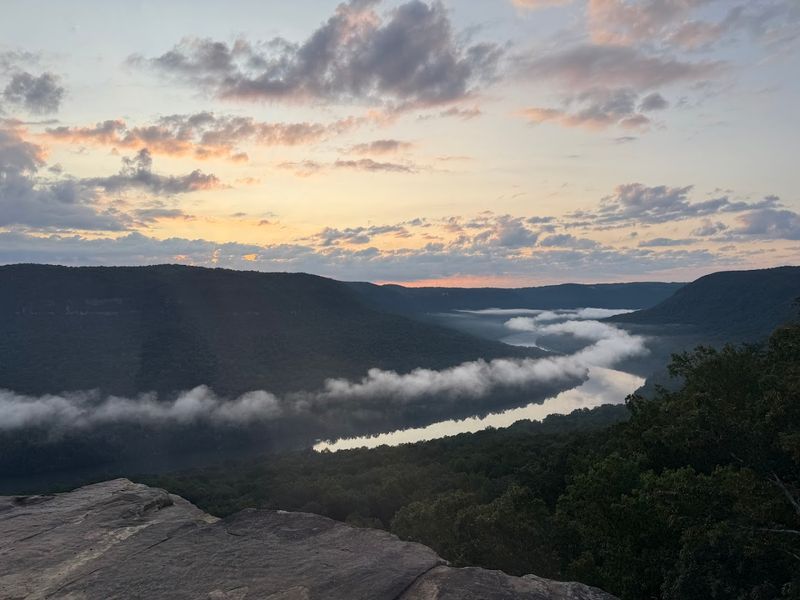
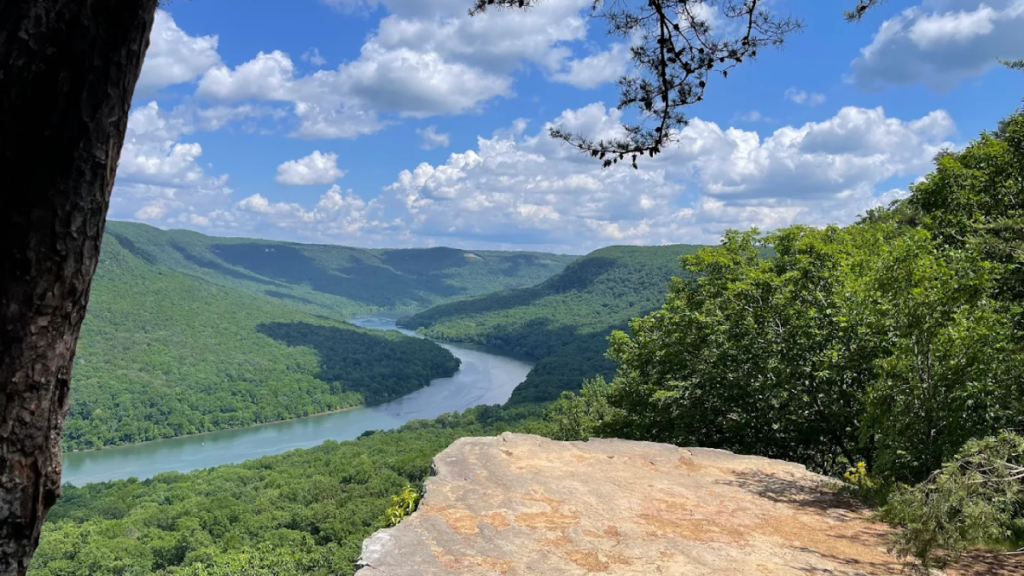
Perched high above the Tennessee River Gorge, Snoopers Rock delivers one of those views that makes you forget you’re just a short drive from the city. The overlook sits on Signal Mountain, where the river bends dramatically below and the surrounding ridges create layers of blue-green ridges that fade into the distance. Most visitors arrive in the late afternoon to catch the golden hour light painting the gorge walls.
Getting there involves a short walk from the parking area, nothing strenuous but enough to make the view feel earned. The rock itself juts out over the gorge, offering unobstructed panoramas in multiple directions. Sunset here is particularly stunning because the light catches the water and illuminates the valley in warm tones that shift by the minute.
Your main expense is gas and maybe a snack for the road. There’s no entrance fee, no ticket booth, just a pull-off and a trail. It’s the kind of place that feels like a secret even though locals have been coming here for decades.
Bring a blanket if you want to sit comfortably, and arrive early if you’re visiting on a weekend. The viewpoint can get crowded during peak sunset times, especially in fall when the foliage adds another layer of color. Even with other visitors, the space feels expansive enough to find your own corner of the overlook and soak in the scene without feeling rushed.
2. See Fall Creek Falls — Spencer
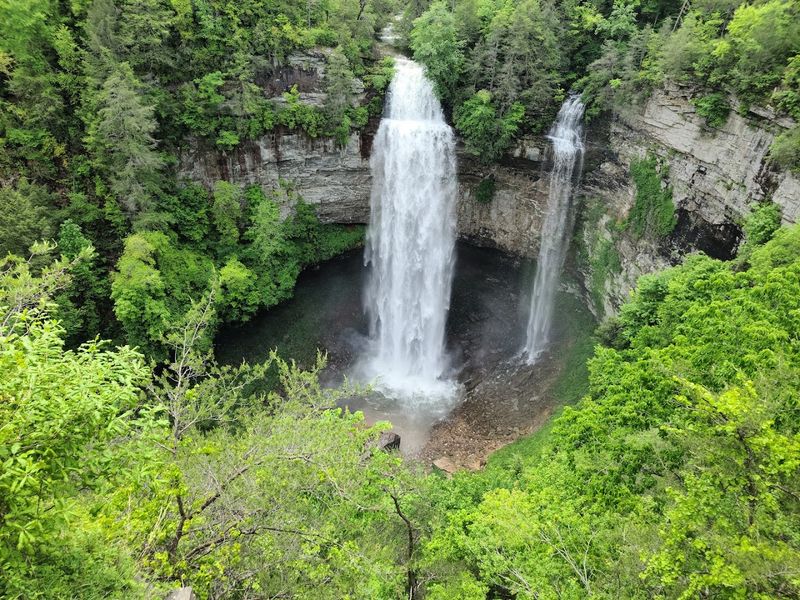
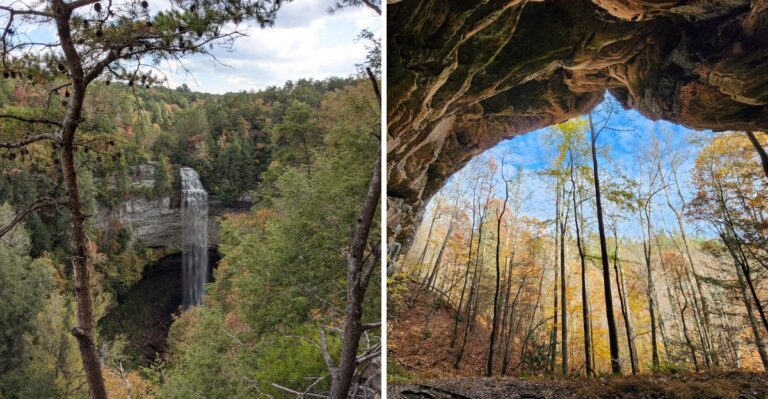
At 256 feet, Fall Creek Falls is one of the tallest waterfalls east of the Mississippi, and seeing it in person is a completely different experience than any photo can capture. The sheer scale of the drop, the mist rising from the plunge pool, and the roar of water hitting rock create a sensory moment that sticks with you.
The main overlook is accessible via a paved path, making it easy for almost anyone to witness this natural spectacle.
Beyond the namesake falls, the park is loaded with other cascades, gorge overlooks, and forest trails that could easily fill an entire day. Cane Creek Falls, Piney Falls, and Cane Creek Cascades are all within the same park, each offering a different perspective on the plateau’s dramatic topography. You can hike down to the base of some falls or stay on the rim trails for easier viewing options.
Tennessee State Parks don’t charge entrance fees, so your visit is essentially free unless you decide to camp or rent a cabin. Pack a lunch and make it a full-day adventure, or just stop by for a quick waterfall fix on your way through the Cumberland Plateau.
3. Walk to Twin Arches — Big South Fork
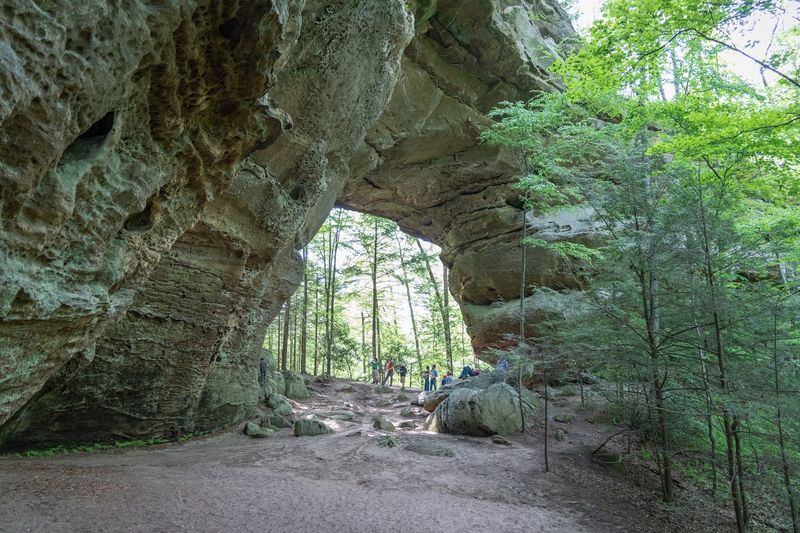
Twin Arches are two enormous sandstone bridges that look like they belong in Utah, not Tennessee. These natural formations span wide enough to hold a small building, and standing beneath them gives you a sense of just how much time and erosion it takes to carve stone into something so graceful. The larger arch stretches about 135 feet, while the smaller one is still impressively massive at around 103 feet.
The hike to reach them is moderate, roughly 1.4 miles one way, winding through hardwood forest and rocky terrain. The trail isn’t overly difficult, but it does have some elevation changes and uneven footing, so wear decent shoes. Along the way, you’ll pass rock shelters, small streams, and moss-covered boulders that add to the backcountry atmosphere.
Spring brings wildflowers and flowing streams, while fall delivers vibrant foliage that contrasts beautifully with the gray sandstone. Summer can be hot and humid, and winter occasionally brings icy conditions that make the trail trickier, so plan accordingly and check conditions before heading out.
4. Explore the cypress boardwalk at Reelfoot Lake State Park — Tiptonville
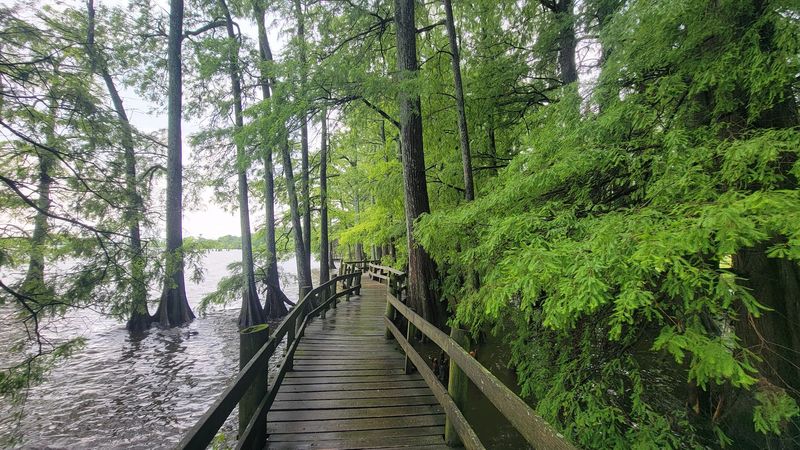
Reelfoot Lake feels like a slice of Louisiana dropped into the northwest corner of Tennessee. Created by a series of earthquakes in the early 1800s, the shallow lake is now surrounded by bald cypress trees draped in Spanish moss, with waterways that twist through flooded forests.
Walking the boardwalk here is like stepping into a completely different ecosystem than what most people associate with Tennessee.
The elevated walkways let you get right into the swamp without wading through mud or disturbing wildlife. You’ll see turtles sunning on logs, herons stalking the shallows, and possibly even bald eagles during winter months when they migrate to the area. The quiet here is profound, broken only by bird calls and the occasional splash of a fish.
Reelfoot Lake State Park is free to enter, though some activities like boat tours have a small fee. The boardwalks themselves cost nothing to explore, and they’re accessible enough for most visitors to enjoy without needing serious hiking experience. Bring binoculars if you’re into birdwatching—this area is one of the best spots in Tennessee for spotting waterfowl and raptors.
5. Take the Roan Mountain scenic route — Roan Mountain
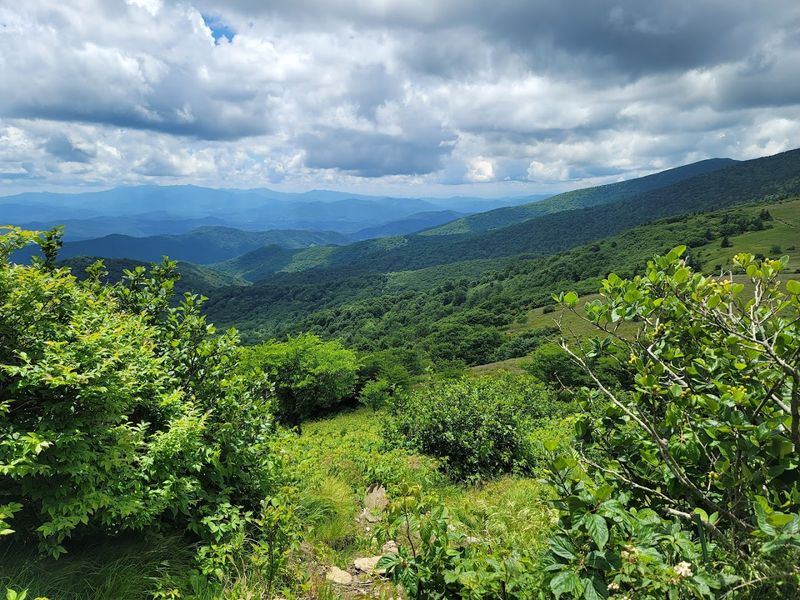
Roan Mountain straddles the Tennessee-North Carolina border and offers some of the most stunning high-elevation scenery in the southern Appalachians. The scenic route takes you up to Carvers Gap, where the landscape opens into grassy balds covered in wildflowers during late spring and early summer. The views stretch for miles in every direction, with rolling peaks and valleys that seem to go on forever.
The rhododendron gardens here are legendary, blooming in mid-June with massive displays of pink and purple flowers that blanket the mountainside. Even outside bloom season, the area is worth visiting for the cool mountain air, hiking trails, and panoramic overlooks.
The Appalachian Trail crosses right through Carvers Gap, so you can say you’ve walked a section of the famous trail without committing to a multi-day trek.
There’s no entrance fee for the scenic route or the surrounding national forest lands, though the state park area may charge a small parking fee. Either way, you’re looking at minimal costs for maximum scenery. Pack layers—temperatures at this elevation can be significantly cooler than in the valleys below, even in summer.
6. Hike to Greeter Falls — Savage Gulf State Park
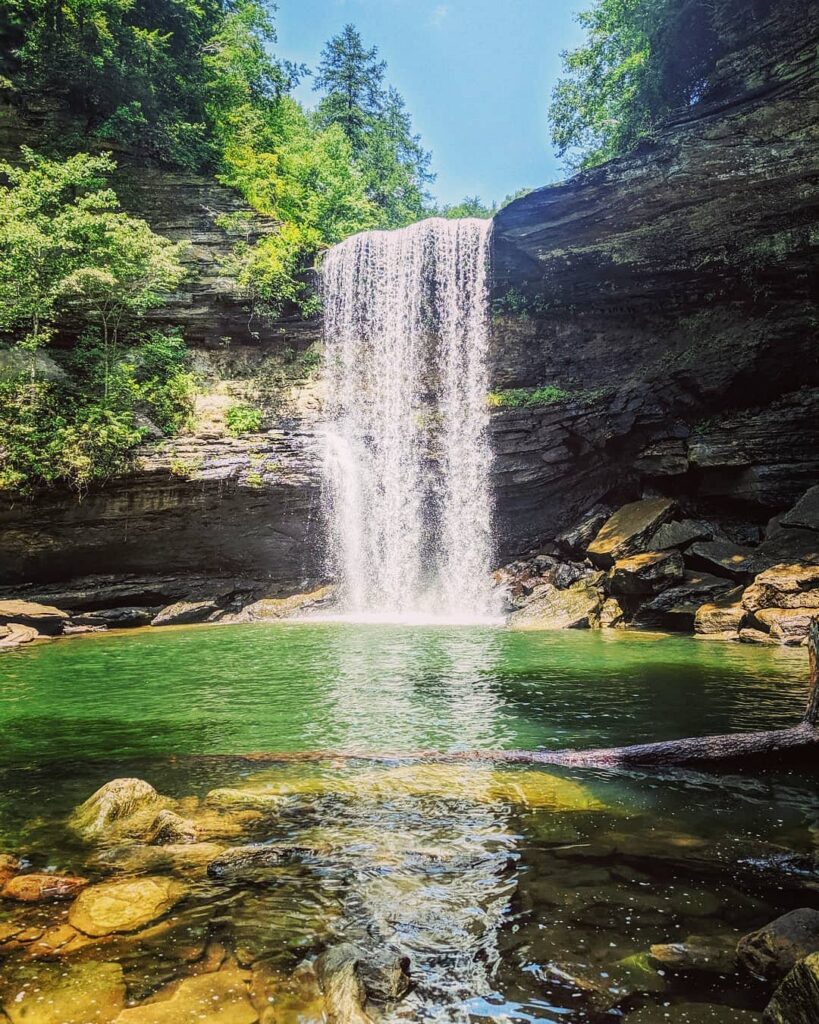
Greeter Falls is actually two waterfalls in one location, with an upper and lower cascade that together create one of the most photogenic waterfall scenes in Middle Tennessee. The upper falls drop about 50 feet over a rocky ledge, while the lower falls tumble another 50 feet into a clear pool below. The trail to reach them is relatively short, around 1.5 miles round trip, but it involves some steep sections and rocky footing.
The hike takes you through a lush hardwood forest with ferns, moss-covered rocks, and the constant sound of rushing water. Once you reach the falls, you can explore the base of the lower cascade or climb up to view the upper falls from different angles. The pool at the bottom is tempting on hot days, though the water stays cold year-round thanks to the shaded gorge environment.
Savage Gulf is part of the South Cumberland State Park system, which doesn’t charge entrance fees. That makes this waterfall adventure completely free except for gas and maybe a post-hike snack. The area can get busy on weekends, especially during peak waterfall season in spring when recent rains keep the flow strong.
Just be respectful of the environment and stay on marked trails to protect the fragile ecosystem around the falls.
7. Visit the Natural Bridge at Pickett CCC Memorial State Park — Jamestown
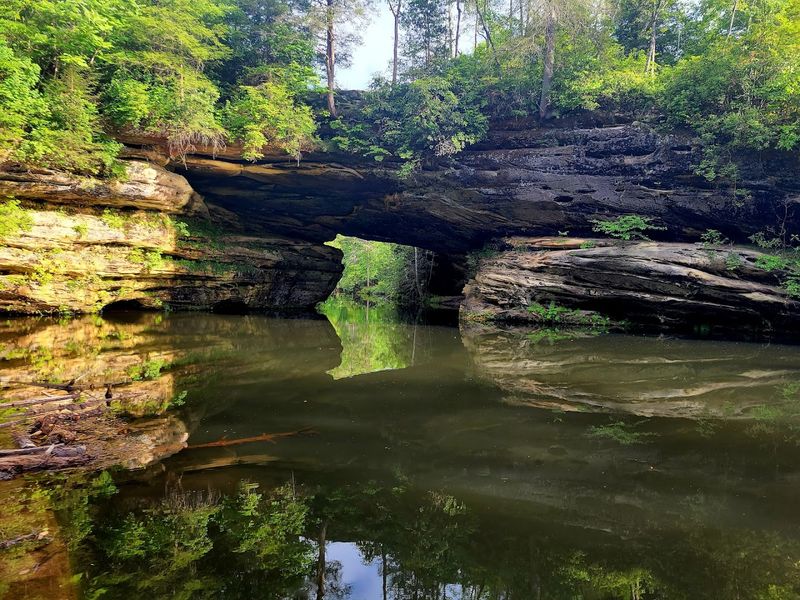
Pickett State Park sits on the Cumberland Plateau, where sandstone formations create natural bridges, rock shelters, and cave-like overhangs that feel like something out of a fantasy novel. The Natural Bridge is the park’s signature feature, a massive stone arch that spans a small ravine with enough clearance to walk underneath. Standing beneath it, you get a real sense of the geological forces that shaped this landscape over millions of years.
The park has over 20 miles of trails that wind through forests, past rock formations, and along the shores of Arch Lake. It’s a quiet, less-visited park compared to the Smokies or other major Tennessee destinations, which means you can often have entire trails to yourself. The CCC history adds another layer of interest—many of the park’s structures and trails were built during the 1930s by the Civilian Conservation Corps.
There’s no entrance fee for day use, so you can explore the trails, rock formations, and lake views without spending anything. If you want to extend your visit, the park offers affordable camping and cabin rentals, but even a quick day trip gives you plenty to see and experience.
8. Walk the Ghost River section — Wolf River, near La Grange
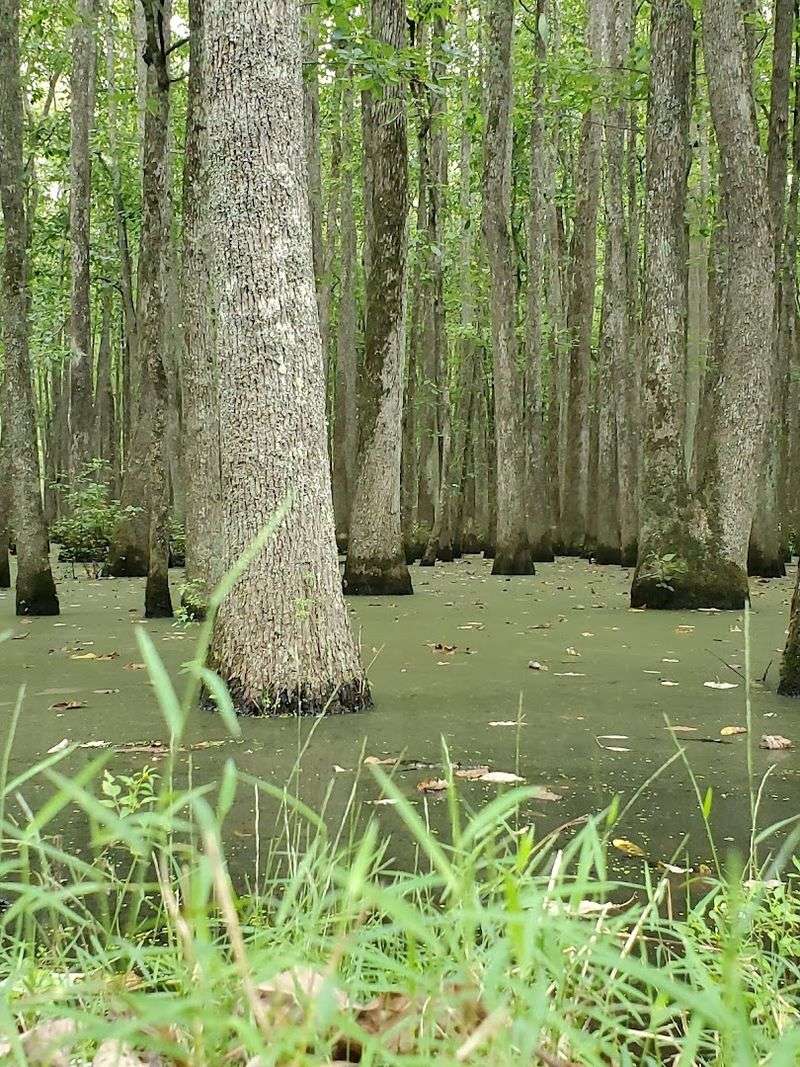
Ghost River is one of West Tennessee’s wildest remaining natural areas, where the Wolf River slows and spreads into a maze of channels, sloughs, and flooded forest. The name comes from the eerie, quiet atmosphere created by standing water, cypress knees, and the filtered light that barely penetrates the dense canopy.
Walking the boardwalks here feels like entering a different world, far removed from the typical Tennessee landscape.
The elevated walkways let you explore the swamp without getting your feet wet, passing through bottomland hardwood forest where water tupelo and bald cypress dominate. You’ll see evidence of beavers, turtles, wading birds, and possibly even river otters if you’re lucky and quiet. The ecosystem here is more similar to the Mississippi Delta than the rest of Tennessee, making it a unique natural experience.
Access to the Ghost River section is free, managed by conservation groups and state agencies that work to protect this rare habitat. There are no fees, no tickets, just a parking area and trails that lead into the swamp. Bring bug spray, especially in warmer months when mosquitoes can be aggressive in the still, humid air.
Spring and fall are the best times to visit, with milder temperatures and active wildlife. Summer can be oppressively hot and buggy, though early morning visits can still be rewarding.
9. Spend a morning at Burgess Falls — Sparta
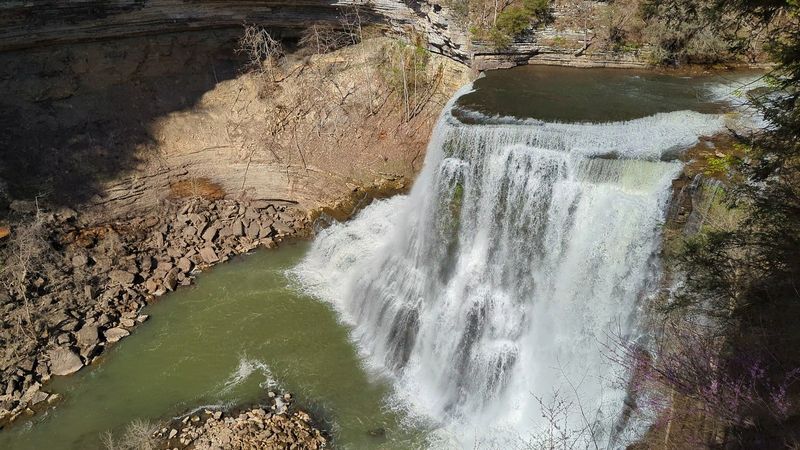
Burgess Falls State Park packs a lot of waterfall action into a relatively short trail. The main path follows the Falling Water River downstream, passing three smaller cascades before reaching the grand finale: a 136-foot waterfall that plunges into a deep gorge. The trail is just over a mile one way, making it an easy half-day adventure that still delivers serious natural beauty.
Each waterfall along the route has its own character. The upper falls are gentle and wide, the middle falls tumble over layered rock, and the lower falls build anticipation before you reach the main event. The final overlook sits at the edge of the gorge, offering a full view of Burgess Falls as it crashes into the pool below with a roar that echoes off the rock walls.
The park doesn’t charge an entrance fee, so your only cost is getting there. It’s a popular spot, especially on weekends and during peak waterfall season in spring, so arriving early helps you avoid crowds and get better parking. The trail is well-maintained and mostly paved or graveled, making it accessible for most fitness levels.
10. Drive the Cherohala Skyway — Tellico Plains area
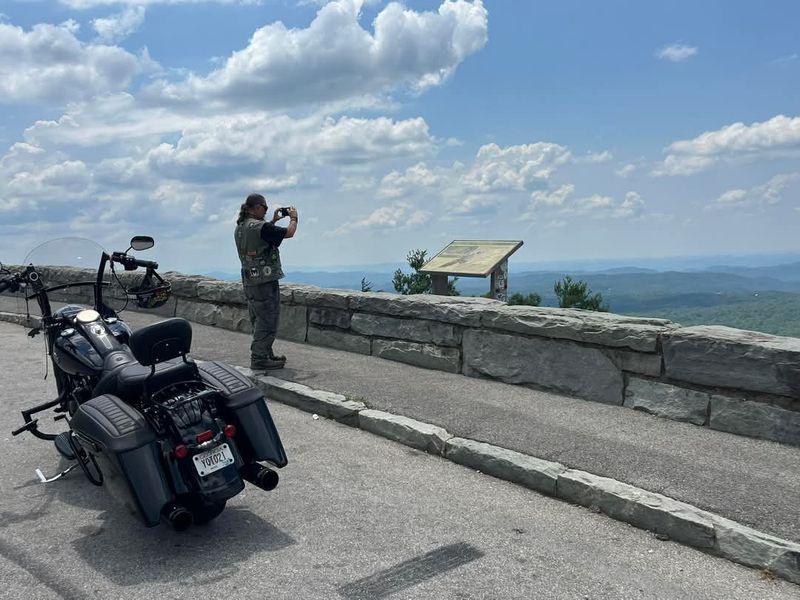
The Cherohala Skyway is a 43-mile scenic highway that climbs through the Cherokee National Forest, crossing the state line into North Carolina and offering some of the best mountain driving in the Southeast. The road reaches elevations over 5,000 feet, with overlooks that showcase wave after wave of mountain ridges fading into the blue distance. It’s the kind of drive that makes you want to pull over every few miles just to take in the view.
Unlike the crowded roads in the Smokies, the Cherohala sees fewer visitors, which means you can enjoy the scenery without bumper-to-bumper traffic. The route passes through old-growth forest, grassy balds, and rocky outcrops, with opportunities to stop and hike or simply sit at a pull-off and soak in the mountain atmosphere.
There’s no toll or entrance fee for the Cherohala Skyway, making it a completely free scenic experience. You’ll just need gas and maybe some snacks for the road. The surrounding Cherokee National Forest offers hundreds of miles of trails, waterfalls, and camping areas if you want to extend your visit beyond just the drive.
11. Explore Cades Cove — Great Smoky Mountains National Park
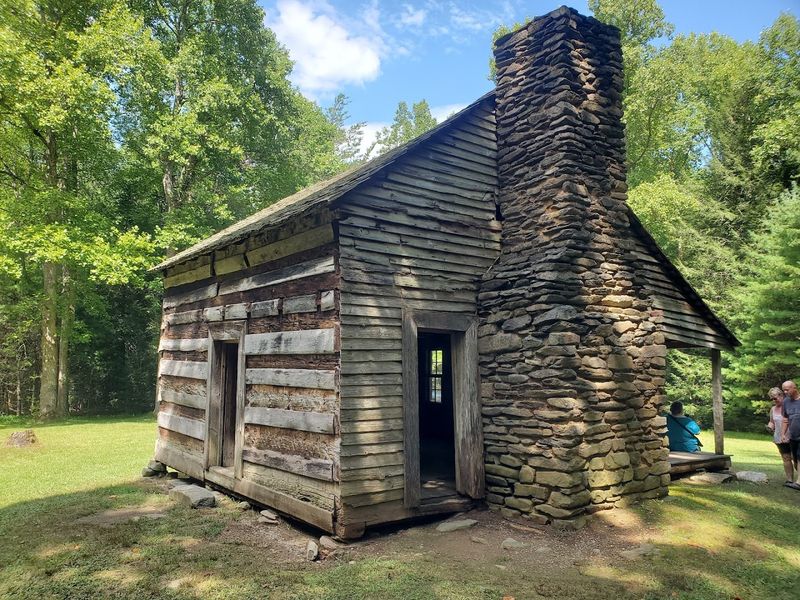
Cades Cove is one of the most visited areas in the Great Smoky Mountains, and for good reason. This broad, mountain-ringed valley preserves historic cabins, churches, and barns from the 19th century, all set against a backdrop of misty peaks and open meadows. The 11-mile loop road takes you past these structures while offering constant opportunities to spot wildlife like deer, turkeys, and black bears.
Early morning is magical here, especially in fall and spring when mist hangs low over the valley and wildlife is most active. The loop can get crowded later in the day, with cars backed up behind wildlife watchers or photographers. Arriving at sunrise gives you a quieter, more intimate experience of the cove before the crowds roll in.
The park doesn’t charge a traditional entrance fee, though you’ll need a parking tag if you park for longer than 15 minutes. These tags are affordable and available at visitor centers or online, keeping your total cost well under $30. You can easily spend half a day or more exploring the loop, hiking side trails, or just sitting in the meadows watching the mountains.
Biking the loop is popular on Wednesday and Saturday mornings before 10 a.m., when the road is closed to vehicle traffic. This gives cyclists and walkers a car-free experience of the valley, making it easier to stop and enjoy the scenery without worrying about traffic.
12. Hike around Old Stone Fort — Manchester
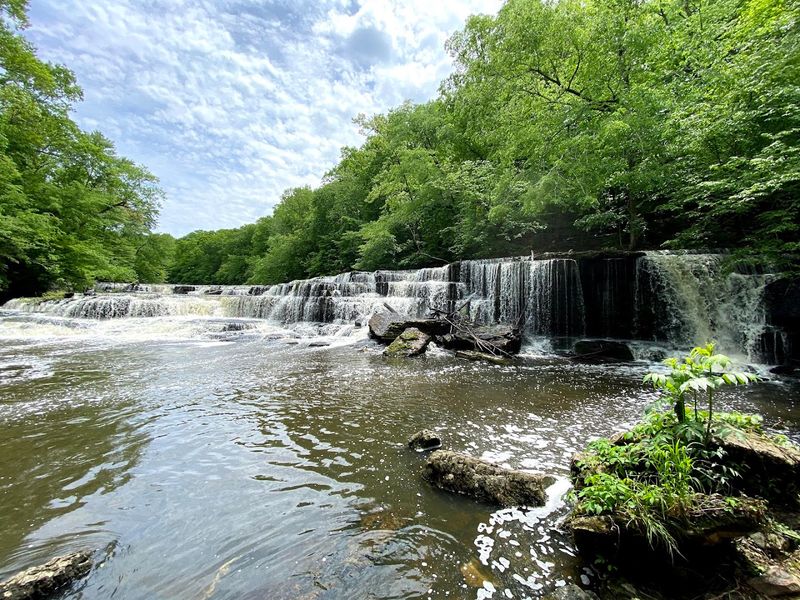
Old Stone Fort combines natural beauty with ancient history in a way that few other Tennessee sites can match. The “fort” isn’t actually a fort at all—it’s a ceremonial site built by Native Americans nearly 2,000 years ago, with earthen walls and mounds perched on a bluff where two rivers meet. The site includes waterfalls, river gorges, and wooded trails that make it feel like both a nature park and an archaeological treasure.
The trails loop around the peninsula formed by the Duck River and the Little Duck River, passing waterfalls, rock shelters, and overlooks. Big Falls and Little Falls are both accessible via short side trails, offering cool spots to rest and enjoy the sound of rushing water. The forest here is lush and green, with ferns, wildflowers, and towering trees that create a peaceful, shaded environment.
There’s no entrance fee for the park, making it a completely free historical and natural experience. The museum on-site offers more context about the ancient peoples who built the earthworks, though even without visiting the museum, the landscape itself tells a powerful story about human connection to this land over millennia.
Spring and fall are ideal times to visit, with comfortable temperatures and active wildlife. Summer can be hot, but the shaded trails and proximity to water help keep things cooler. The park is rarely crowded, even on weekends, giving you plenty of space to explore at your own pace and appreciate both the natural and cultural significance of this unique place.
Share this story