Somewhere between Rome and Oneida Lake, down a country road most GPS units barely acknowledge, sits a golf course that regulars swear can hold its own against fancy clubs charging triple the fee. The greens are fast enough to humble a confident putter.
The fairways are hilly enough to test any pair of legs. And the price, at least on recent rounds, has landed somewhere between forty and sixty dollars.
That combination is getting harder to find anywhere in New York, which is exactly why this little club has earned such a loyal following. Ahead, you will find where it is, what makes the course so tough, why the grounds crew gets so much credit, what the clubhouse offers, a few honest cautions, and the practical details for planning your own round.
1. A Club Hiding in Plain Sight
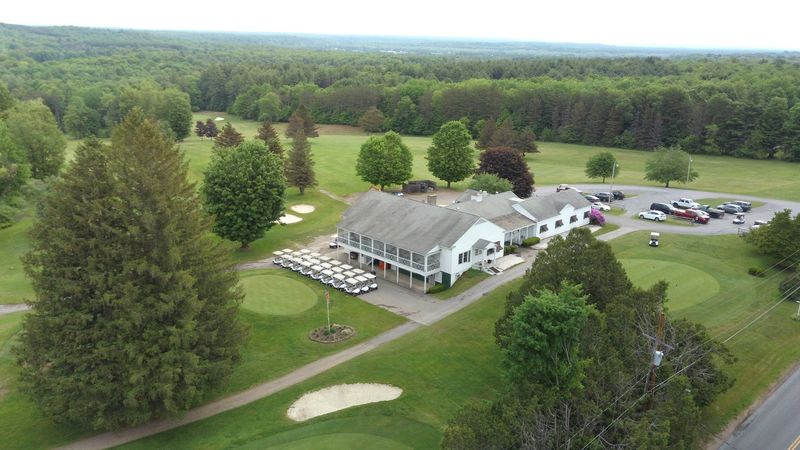
Plenty of great New York golf hides behind gates and waiting lists. This one hides behind cornfields and a modest road sign.
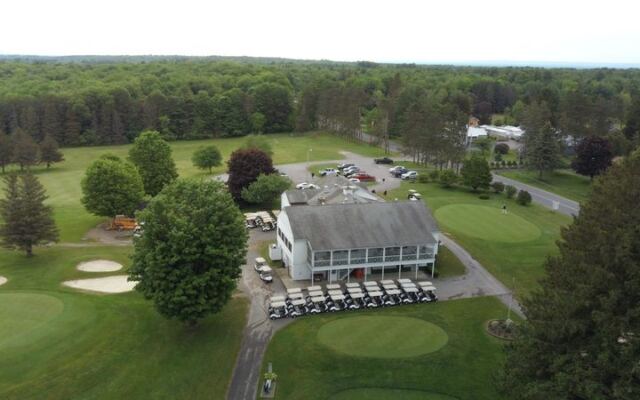
McConnellsville Country Club sits at 3007 McConnellsville Rd, Blossvale, NY 13308, in the Oneida County countryside of Central New York. The nearest bigger names on the map are places like Rome and the shores of Oneida Lake.
Golfers who find it often describe it as a hidden gem, and the phrase fits. It is, as one regular put it plainly, kind of in the middle of nowhere.
That remoteness is part of the deal. There is no strip mall next door and no highway traffic humming in the background of your backswing.
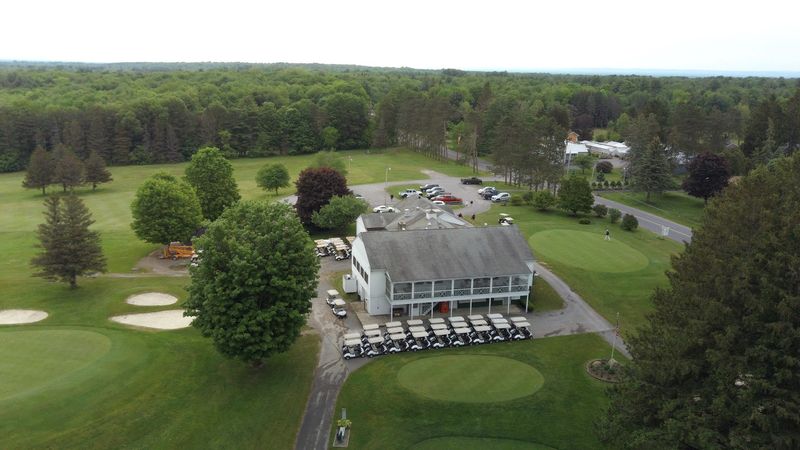
Instead, the club offers an 18-hole course, a clubhouse with a restaurant, and a deck for outdoor dining. Events and banquets also happen here, along with plenty of team tournaments.
The overall standing is strong too, with the club holding a 4.5 out of 5 average across more than 160 public opinions on Google. For a country course without big-city marketing, that is a quietly impressive scorecard.
So how does a club this far off the beaten path earn that kind of loyalty? The answer starts on the greens.
2. Greens With a Reputation

Ask golfers about this course and the word fast comes up again and again. Not quick.
Fast.
The putting surfaces here have built a reputation as firm, smooth and true rolling. Some players compare them to greens at high-end courses, which is a bold claim for a place with a country-road address.
There is a catch, of course. Several greens have steep slopes, so a ball above the hole may refuse to stop anywhere near the cup.
Players also mention breaks that are nearly impossible to read. A putt that looks straight can drift away like it has somewhere better to be.
That mix of speed and slope makes the short game the real test here. Lag putting becomes a survival skill rather than a nice extra.
- Stay below the hole when possible
- Expect more break than you see
- Use a practice putt or two to adjust to the pace
For golfers who enjoy a challenge, these greens are the main attraction. For golfers who three-putt in their sleep, they are a lesson in patience waiting to happen.
3. Long Holes and Big Numbers
Take a look at the scorecard before you tee off. It will tell you a lot.
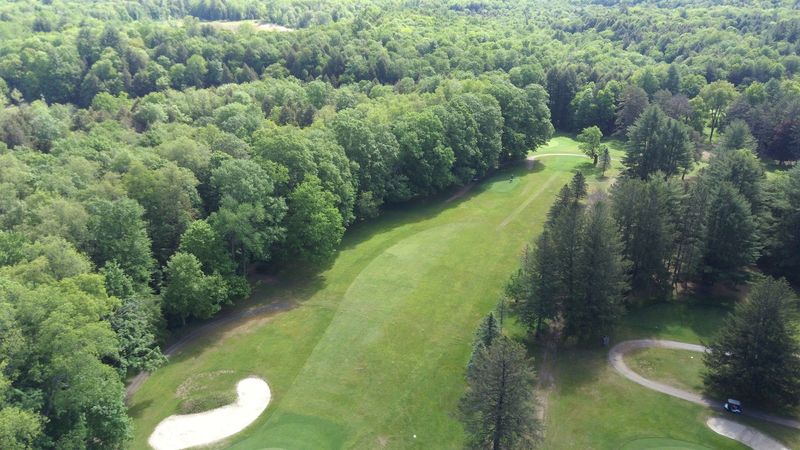
Several par 4s here stretch past 400 yards, and the par 3s are no pushovers either. Golfers describe them as long, which means a mid iron or more is often the club in hand.
The course is regularly called challenging, and that word shows up more than any other when people talk about the layout. It is a fair warning for weekend players hoping for an easy morning.
Opinions on the design vary a little. Some say the layout is solid with a few really good holes, while a handful of others feel certain holes are not as well thought out.
Either way, this is a course that asks for distance and accuracy together. Scores tend to reflect it.
The upside is that the challenge feels earned rather than tricked up. A par here actually means something, and you may find yourself telling people about it on the drive home.
4. Hills, Slopes and Elevation
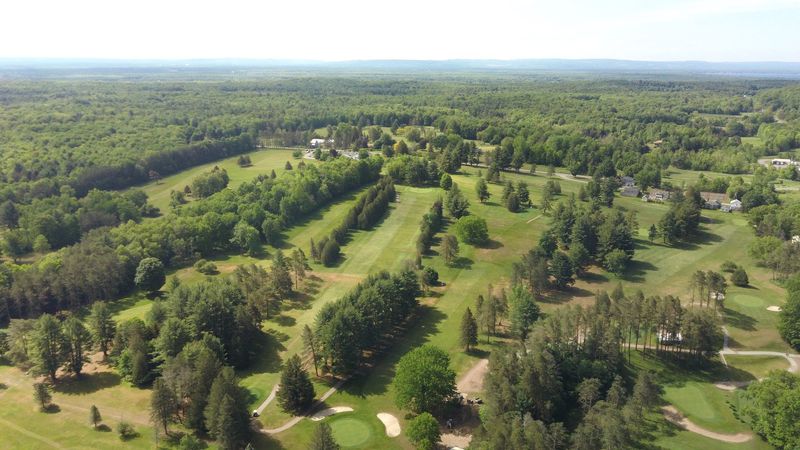
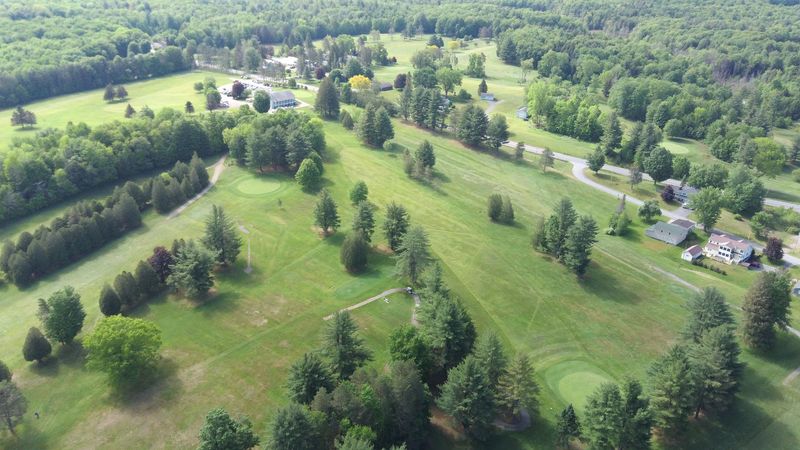
Flat lies are something of a rare treat at McConnellsville. The course is known for being very hilly, with a good amount of elevation change from hole to hole.
Those hills shape almost every shot. Uphill approaches play longer, downhill drives can roll out, and sidehill lies demand a little creativity.
The elevation also explains much of the drama on the greens. Slopes that start on the fairway tend to carry right into the putting surfaces.
Walkers should plan accordingly. Comfortable shoes and a steady pace will help over 18 holes of ups and downs.
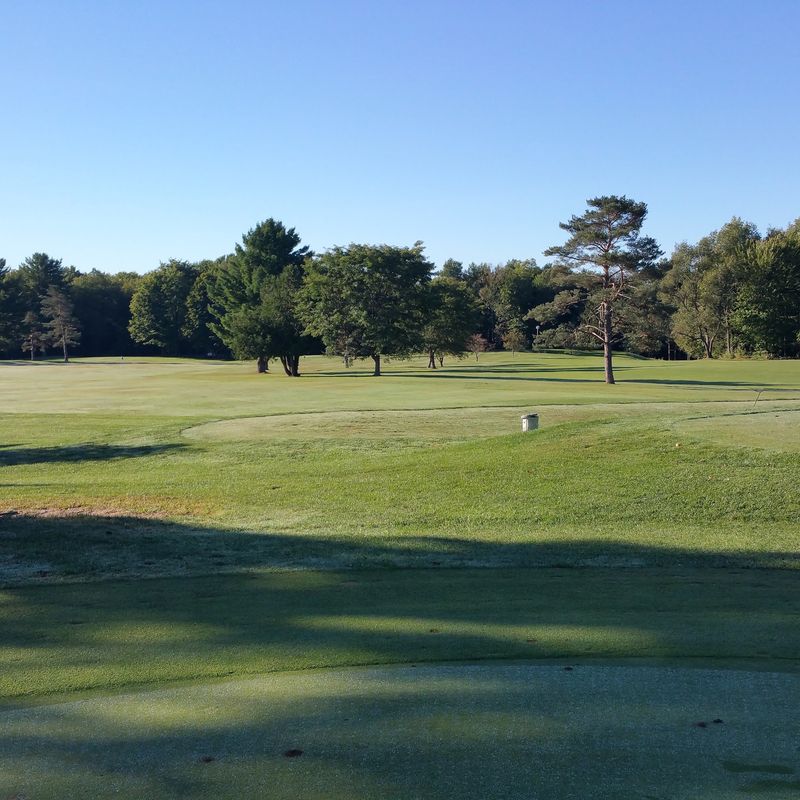
The good news comes at the tee. Tee boxes are described as big and flat, which gives every hole a fair starting point no matter how wild things get afterward.
For players used to manicured flat courses near the cities, this terrain is a refreshing change. It feels like golf that belongs to the land rather than the other way around.
5. The Greenskeeper Legacy
Some clubs are known for a famous designer. This one gets talked about for its greenskeeper.
Longtime players credit John Shannon, who has retired from the greenskeeper role, with setting the standards the course still follows. His ideals, as golfers put it, have lived on.
That kind of continuity is something New Yorkers notice. It is the same reason people keep returning to the bakery where the recipe never changed.
Here, the recipe is course care. Words like well kept and well maintained come up again and again, and course condition is the single most talked about topic.
Even during dry stretches, players have noted the course stayed in great shape. That takes planning, not luck.
The grounds crew is said to have its priorities straight, putting the playing surfaces first. It is a quiet, old-fashioned approach to running a golf course, and it shows up on every hole.
6. Fairways, Bunkers and Tee Boxes
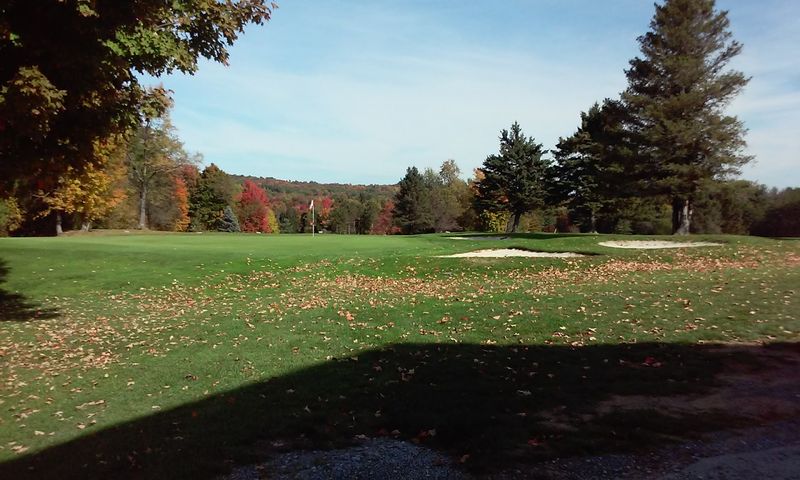
Great greens get the headlines, but the rest of the course pulls its weight too.
Fairways have been described as green as can be, even in a dry season. That is a nice reward for finding the short grass off the tee.
The bunkers also earn credit. Compared with similar courses in the same price range, they are said to be in great shape, which means fewer bad bounces and more fair sand shots.
Tee boxes, as mentioned, are big and flat. It is a small detail that makes a round feel more polished.
Of course, no course is perfect every single day. Some golfers say conditions are great mostly, and tournament days may show a little more wear.
Still, the overall picture is of a course where details get attention. For the money, that consistency is the real headline, even if the bunkers never make the front page.
7. Value That Feels Like Another Era
Here is the part that turns casual players into regulars. The price.
Golfers have reported paying around $40 for a round, with another mentioning roughly $60, and both called it fair for what they got. One player called it easily the best course played at that price.
Prices may change by season, day or package, so checking the club website before your trip is smart. Still, the value story has been consistent for years.
The phrase inexpensive to play considering the conditions comes up more than once. Great prices and fairly priced appear too.
That is the kind of thing New Yorkers love to brag about. A course that plays like a premium club without the premium bill feels like a small win against rising costs everywhere else.
In a state where a round near the big cities can cost far more, this club proves that good golf at a fair price has not completely disappeared.
8. Clubhouse Comeback
A round of golf ends, but the day does not have to.
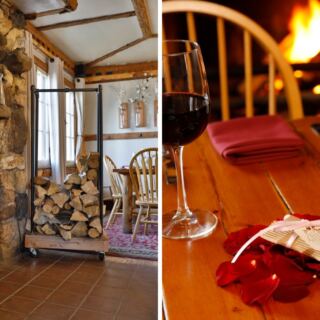
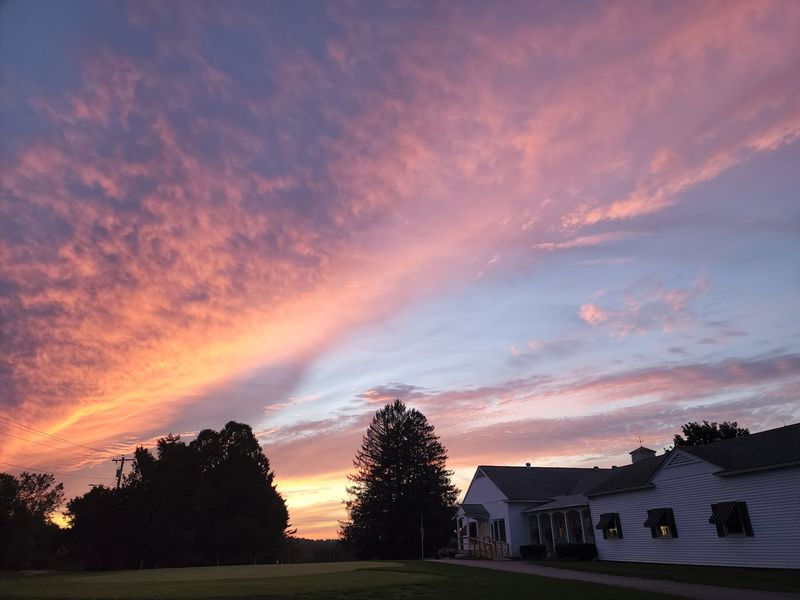
The clubhouse at McConnellsville has gone through real changes. New owners began modernizing it a few years back, and the inside has since been described as completely remodeled.
Guests who have attended banquets mention a gorgeous interior and friendly staff. Food at those events has been called outstanding.
The restaurant serves people beyond the golf crowd too. Some locals have made it their go-to spot for dinner, with good food and great service as the draw.
There is also outdoor dining on the deck, which overlooks the course. It is a popular perch on nice days.
Like many restaurants, it had to work its way back after the pandemic restrictions. Today it stands as one of the club’s strongest selling points, giving non-golfers a reason to make the drive as well.
9. Tournament Days and Generous Gestures

Small gestures stick with people. At one end-of-year tournament, the owner reportedly came out and handed food to players, something not included in their package.
That group was so pleased that it planned to bring its annual tournament back here moving forward. It is the kind of old-fashioned hospitality that still matters in small-town New York.
The club regularly hosts outings, leagues and team events. Its banquet space makes it a practical spot for gatherings after the last putt drops.
Not every tournament experience has been smooth, though. A few groups have reported unpleasant interactions with a club pro, including concerns about how women on their team were treated.
Those reports are worth knowing about. Groups planning an event may want to talk directly with the club about expectations, staffing and format beforehand.
On the brighter side, plenty of others describe clubhouse staff as very friendly and helpful. Results seem to depend on the day and the people involved.
10. The Pace of Play Puzzle

Good golf attracts golfers. That creates its own problem.
Pace of play is the most common frustration here. Some twosomes report rounds lasting three to four hours, with waits of ten to fifteen minutes on certain tees.
Tee times can be booked close together during busy periods. One player described an hour spent on just three holes.
There have also been moments of friction between public groups and members. Some outside parties say they were pushed to speed up or split their group.
None of this ruins the course, but it does shape the experience. A little planning goes a long way.
- Book early in the day if possible
- Avoid peak weekend times
- Bring patience along with your extra balls
As one fan of the course put it, if you have the time, it is worth playing. Just do not schedule anything tight afterward.
11. Hours and Planning Your Visit
Planning a trip here is refreshingly simple. The club lists hours of 8 AM to 7 PM, seven days a week.
Those hours make it easy to fit in a morning round or an afternoon nine. They also leave room for a meal on the deck before heading home.
Getting there takes a car. The course sits along McConnellsville Road in Blossvale, a rural part of Oneida County.
Golfers coming from Syracuse, Utica or Rome will find it a manageable drive. Those from farther away, like Albany or Rochester, may want to pair it with a weekend in the Oneida Lake area.
The official website, mcconnellsvillecountryclub.com, is the best place for current rates, tee times and event details.
Seasonal hours may shift, so double-checking before a long drive is a wise move. Nobody wants to arrive with clubs in the trunk and a locked gate ahead.
12. Worth the Country Drive
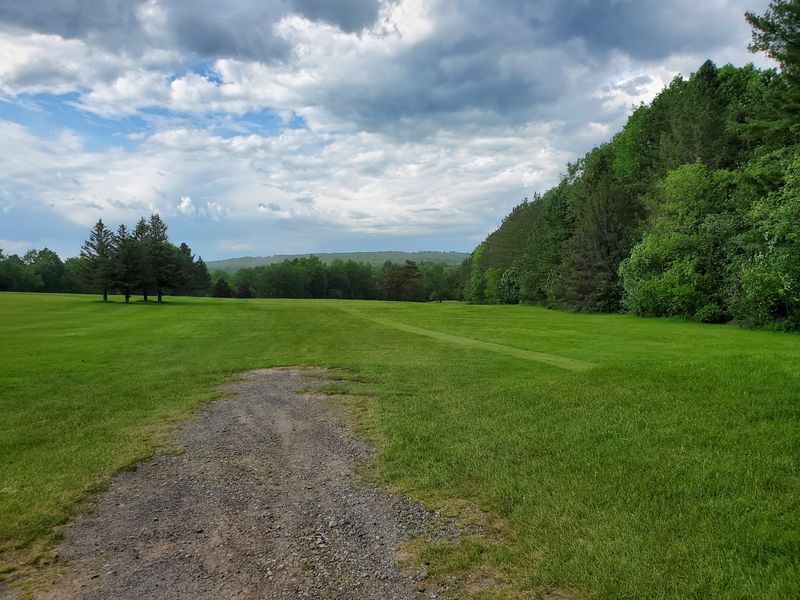
So does this quiet country course really outplay most public courses in New York? For a lot of golfers, the answer is yes.
The greens are fast and tricky, the layout is long and hilly, and the conditions reflect years of careful upkeep. All of it comes at a price that still feels fair.
There are a few bumps. Slow rounds on busy days and some uneven staff interactions are part of the honest picture.
Still, the core of the place has not changed. A greenskeeper’s standards live on, a remodeled clubhouse welcomes diners, and owners have gone beyond the package for their guests.
That is the kind of story New Yorkers recognize. It is proof that good, honest value has not vanished from the map.
Bring a good putter, a little patience and a sense of humor about three-putts. The road to Blossvale might just become a regular part of your season.
Share this story