Across the street from a Costco parking lot in Queens, one of the calmest rooms in New York City is hiding in plain sight. Most people drive past it on their way to bulk paper towels and never guess what sits behind the walls.
Inside, a single artist’s life work fills old factory galleries and a garden built for slowing down. The man behind it designed the space himself, and some of the trees outside were reportedly planted by his own hands.
New Yorkers who love places that hold onto their original spirit will find plenty to admire here. Keep reading to learn what makes this small museum so special, when to go, how to get there, and why a quiet corner of Astoria keeps earning so much praise from art lovers across the city and beyond.
1. A Quiet Corner of Astoria
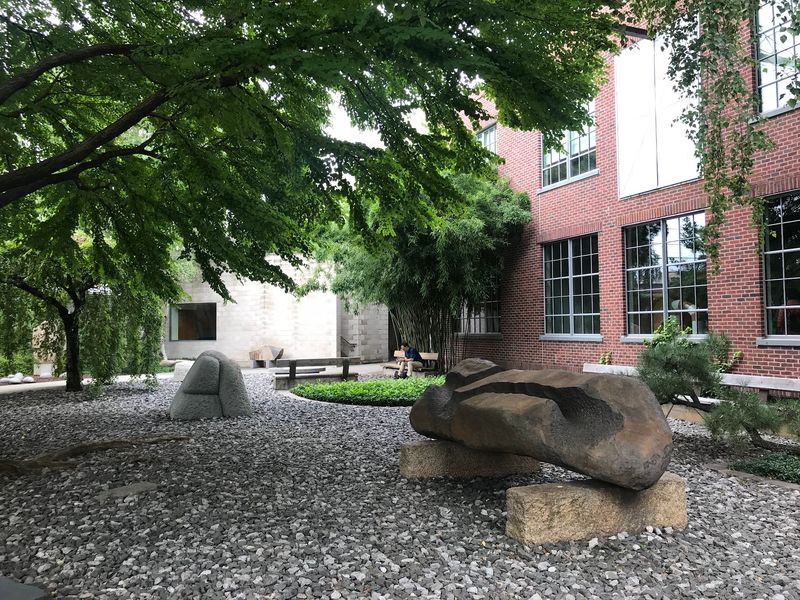
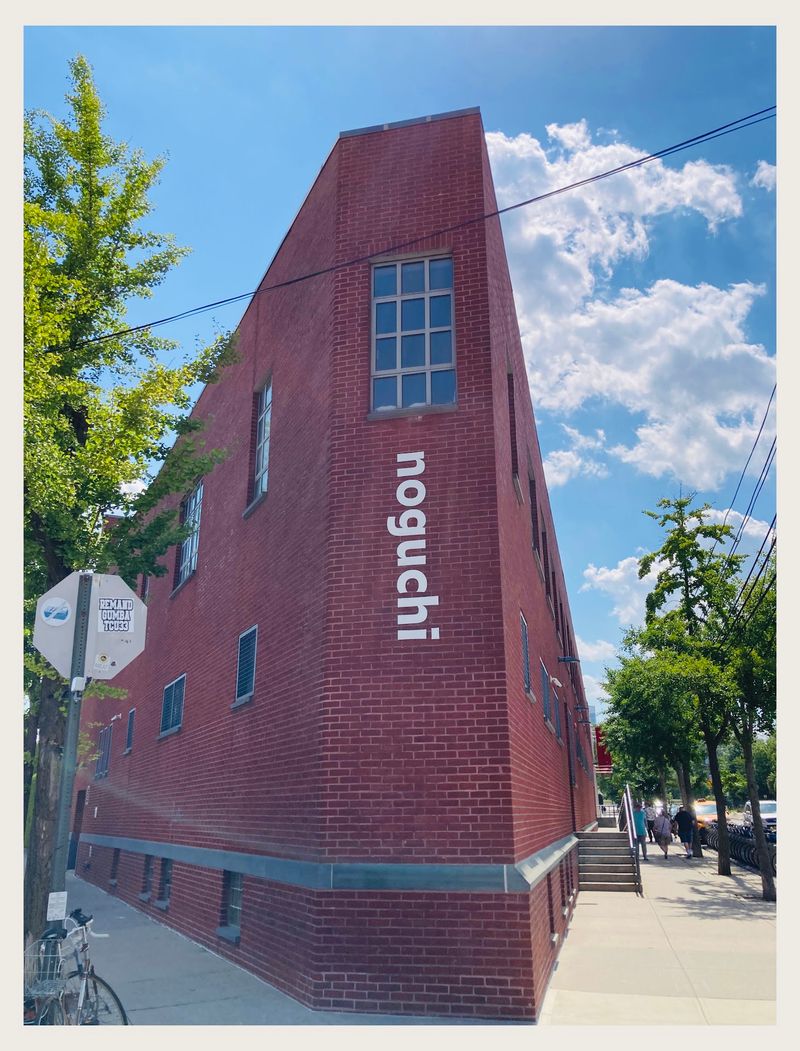
Some of New York’s best surprises sit on ordinary blocks. The Noguchi Museum is one of them, found at 9-01 33rd Rd, Astoria, NY 11106, in the borough of Queens, New York.
From the outside, the building does not shout for attention. It is an art museum dedicated entirely to the Japanese-American artist and architect Isamu Noguchi, with indoor galleries and an outdoor sculpture garden.
The museum holds a 4.7-star average across nearly 1,900 public scores online. That is a strong showing for a place many people still call small.
Small, though, does not mean slight. The museum is often described as small but mighty, and that phrase fits well.
It sits in a part of Astoria close to the East River, near Socrates Sculpture Park and right across from a Costco. That mix of everyday errands and serious art gives the area a very Queens kind of personality.
Locals can treat it as a neighborhood escape. Folks coming from Upstate or other boroughs can make a full afternoon of it.
Either way, the address is the easy part, and the real story begins once the doors open.
2. The Artist Who Built His Own Museum
Few artists get to design the home where their work will live on. Isamu Noguchi did exactly that.
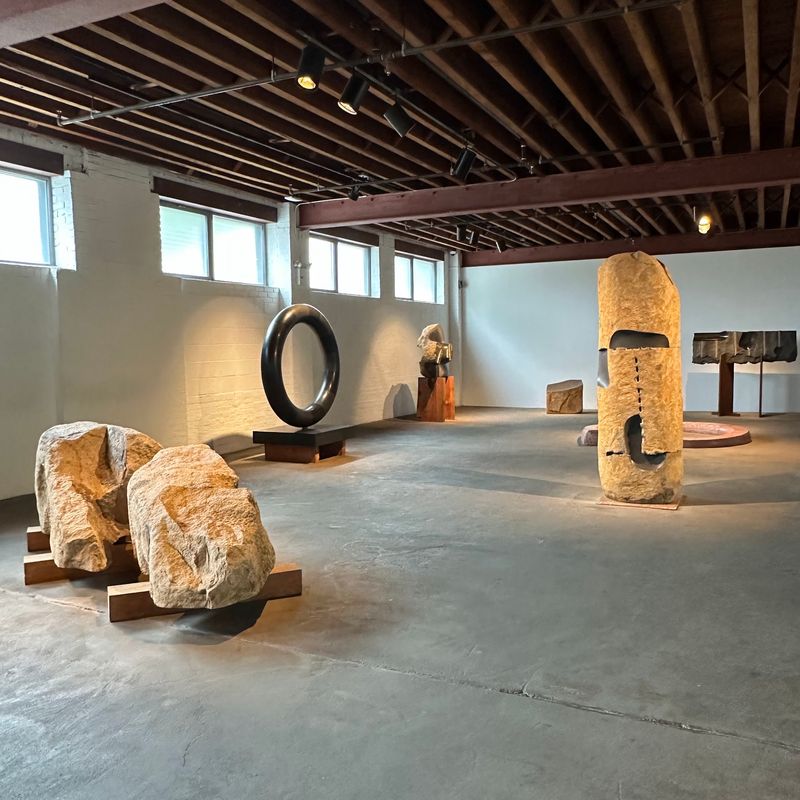
The museum was designed and founded by Noguchi himself, a Japanese-American artist known for stone sculpture, architectural projects, and design. That personal touch shapes nearly everything about the space.
Many people say the presence of the artist feels close here. It makes sense, since he chose how his pieces would be shown.
Noguchi worked across many forms. The galleries include sculptures, drawings, furniture designs, and architectural models, which reveal how wide his creative reach really was.
His story crossed cultures. One popular description captures it neatly: too Japanese for America, too American for Japan, he saw the world his own way.
For first-timers, learning about his range is often the biggest eye-opener. People who walk in knowing only his famous paper lamps tend to leave with a much bigger picture of the man.
Here is a fun bit of history worth remembering on the way in. Some trees in the garden are said to have been planted by Noguchi himself.
3. Old Factory Walls, New Purpose
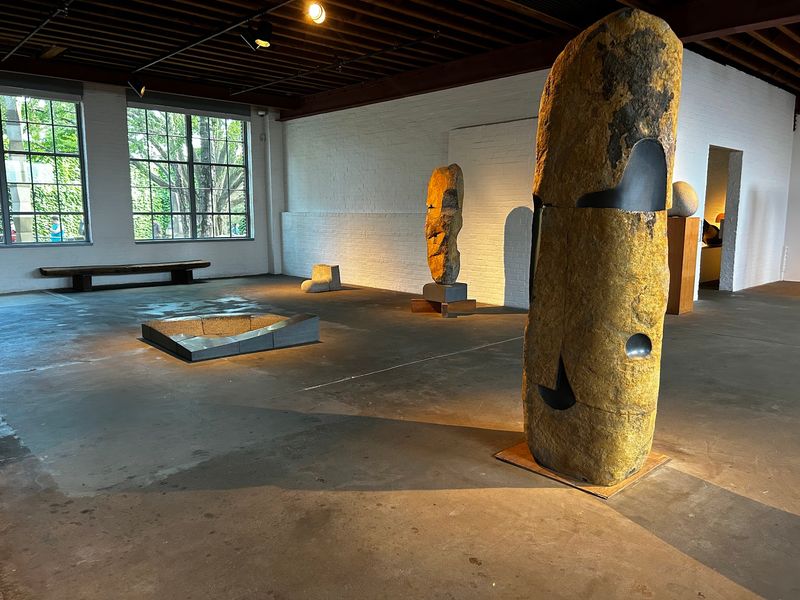
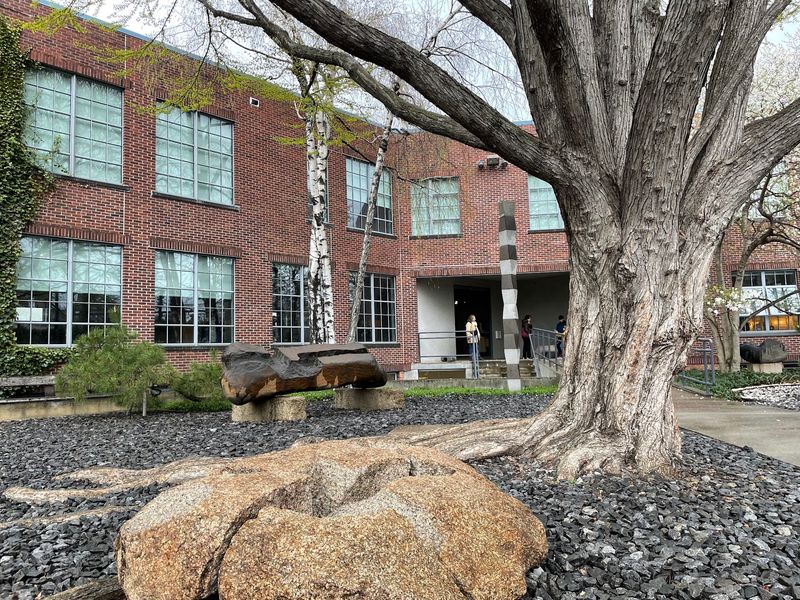
Queens has always known how to give old buildings a second act. The museum is housed in a renovated factory near Noguchi’s former studio.
That industrial past suits the art well. The rooms are spare and open, letting each sculpture stand on its own without clutter.
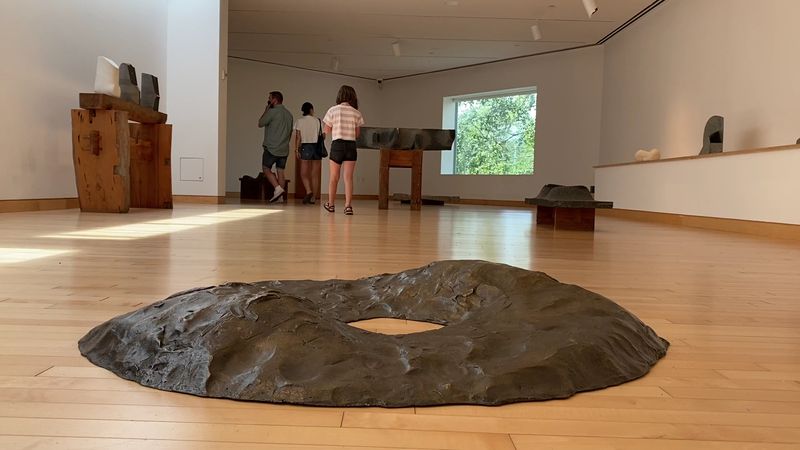
The galleries are often called austere in the best sense. Every piece seems placed with care, with plenty of space around it.
That spacing matters. People can walk all the way around many works and see them from every side.
Even on busier days, the layout tends to feel roomy rather than cramped. That is a welcome change from big-name museums where crowds pile up three deep.
The building spans more than one level, including upstairs galleries and a basement. A few first-timers find the floor plan a little confusing, so grabbing a map or asking staff is a smart move.
There is something satisfying about a working building from the borough’s industrial days now holding a lifetime of art. It is a very New York kind of continuity, and it quietly sets the tone for the rest of the visit.
4. Stone With Something to Say
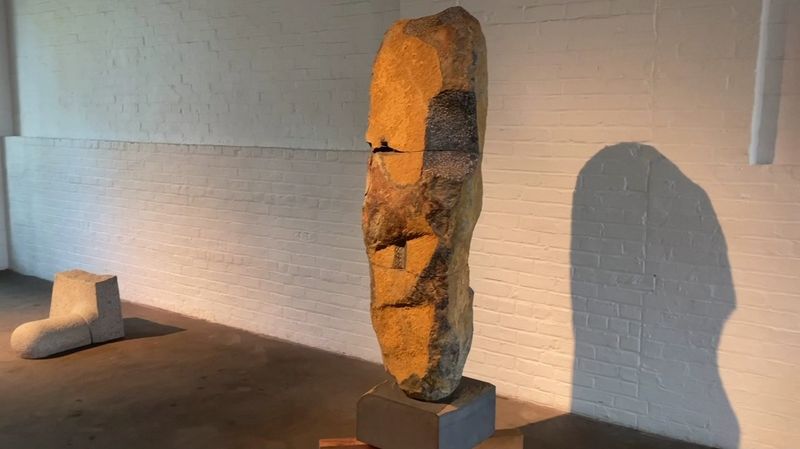
Stone is the headline act here. Noguchi’s stone sculptures are among the most talked-about works in the museum.
Some pieces are rough and raw. Others are carved and polished, and seeing the two side by side shows how he played with the material.
The works often look simple at first glance. Spend a little time, though, and the details start to stack up.
That is part of the appeal. These sculptures reward patience rather than a quick phone snapshot and a fast exit.
Photos are allowed, but without flash. Touching the art is not allowed, and staff keep a close watch on how near people stand.
A few guests have felt that guards can be strict about distance. Giving each sculpture a comfortable buffer keeps things easy for everyone.
Small printed descriptors are available in the rooms. Picking them up and reading as you go turns a stroll into a real lesson, without needing an art degree.
Rock solid art, in every sense, and it sets up the next big draw waiting just outside.
5. The Garden Everyone Talks About
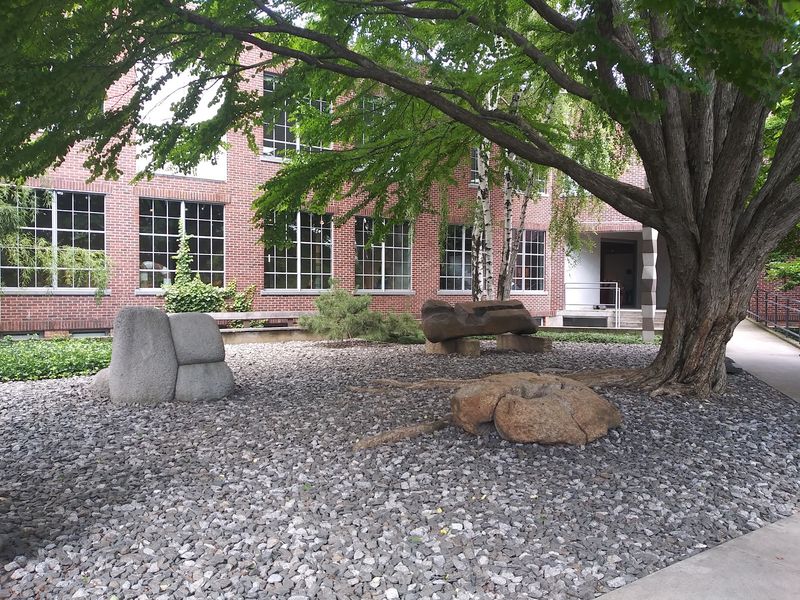
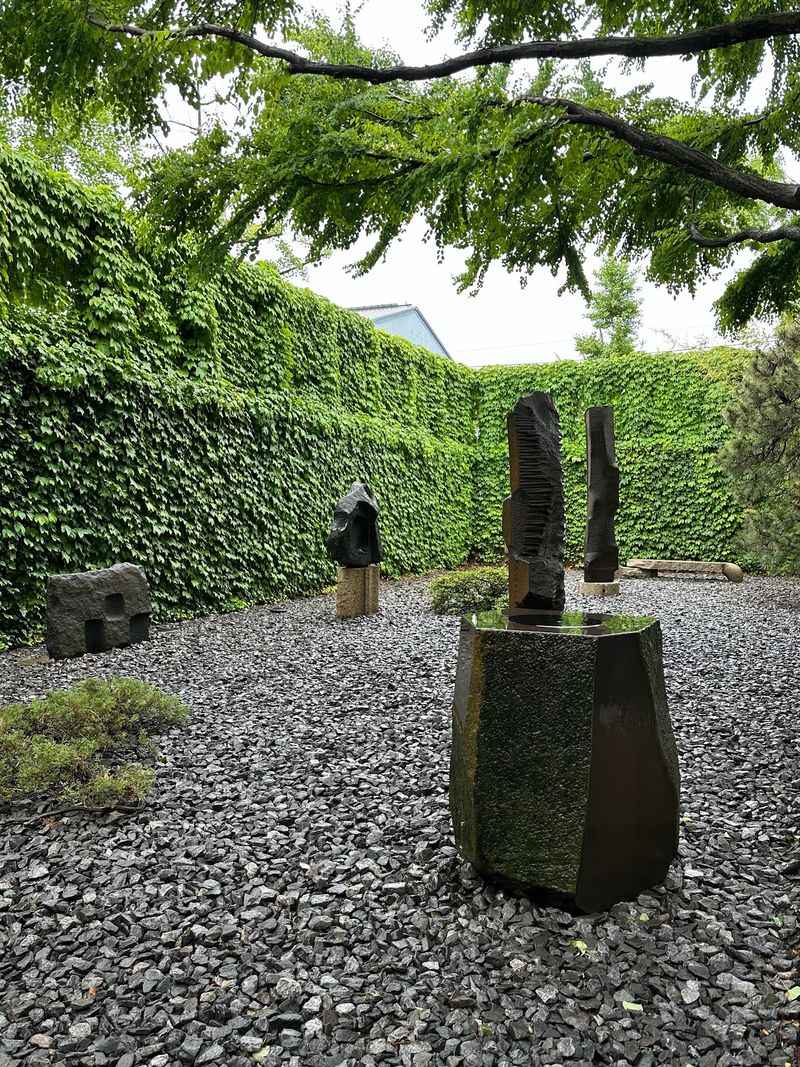
Ask people what they remember most, and the answer is usually the garden. The outdoor sculpture garden is the most mentioned feature of the entire museum.
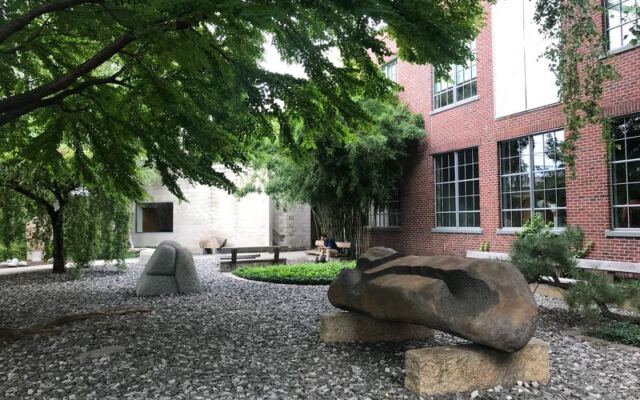
It blends stone sculptures, trees, and open paths into one calm space. Many describe it as a zen garden or rock garden, and it is easy to see why.
Benches give people a spot to sit and stay a while. Plenty of guests end up spending more time here than they planned.
The garden works as a break from city noise and traffic. For a few minutes, Queens traffic seems very far away.
Season matters a lot. On warm days, the outdoor space is at its best, while winter can be too cold to linger on the benches.
Spring and summer are often suggested as ideal times to enjoy the outdoor area. Fall can be a lovely bonus too, if the weather cooperates.
Remember those trees said to be planted by Noguchi himself. Knowing that history adds a personal layer to an already peaceful corner.
6. Calm by Design
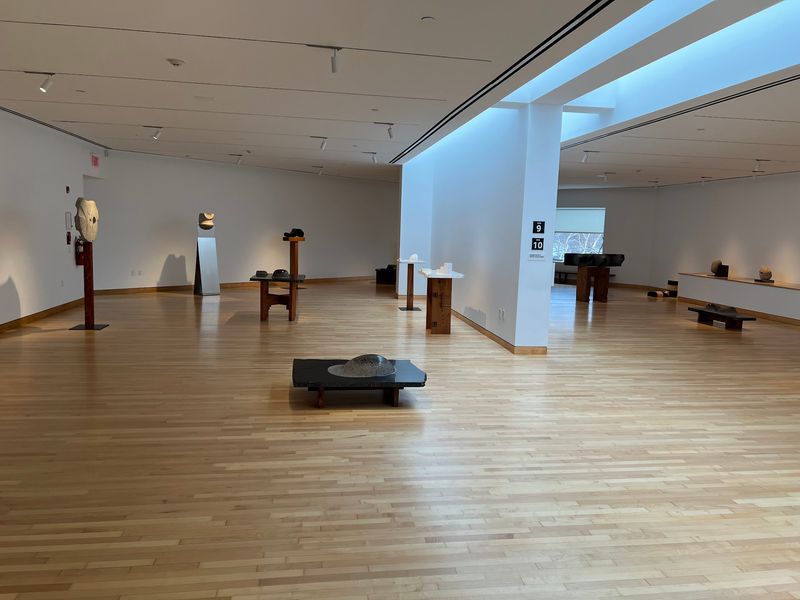
Peace is the word that comes up again and again. The peaceful atmosphere is mentioned more than any other quality, with tranquility close behind.
Plenty of people call the visit meditative. The quiet rooms and careful layout tend to make people slow down without being told to.
Some even describe the museum as a kind of sanctuary. It is a place to sit and simply be, which is rare in New York.
That calm is no accident. The design itself encourages a slower pace, with open space and few distractions.
Guests who admit they know little about sculpture still say they leave feeling more at ease. You do not need to be an expert to appreciate the mood.
The building is air-conditioned, which helps on hot city days. Clean rooms and a tidy layout add to the relaxed feel.
In a city famous for rushing, a museum that teaches people to slow down is quite the trick. Call it the borough’s best-kept chill pill.
7. Lanterns, Furniture and Beyond
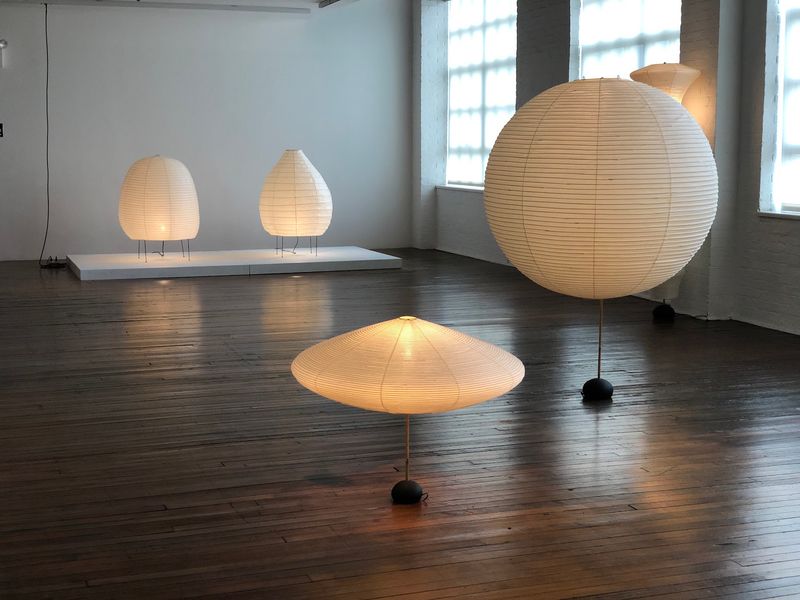
Paper lanterns are one of the surprise favorites. Noguchi’s famous paper lamps show up in the collection and often catch first-timers off guard.
Many people know these lanterns from homes and design shops. Seeing them in the museum connects everyday design to the artist behind it.
The galleries also include furniture designs. That reminds guests how Noguchi moved easily between art you admire and objects you actually use.
Architectural models and design projects round out the picture. One common description calls the place a boutique museum with a strong focus on sculpture and architecture.
For anyone who enjoys interior design, this mix is a real treat. It shows that good design can live in a gallery and a living room at the same time.
The lamps also make a nice bridge to the museum shop, which comes up later. Fans often leave wanting a little of that style at home.
A lot of people walk in for the stones and walk out talking about the lights. Not a bad switch for a single afternoon.
8. Downstairs Screens and Rotating Shows
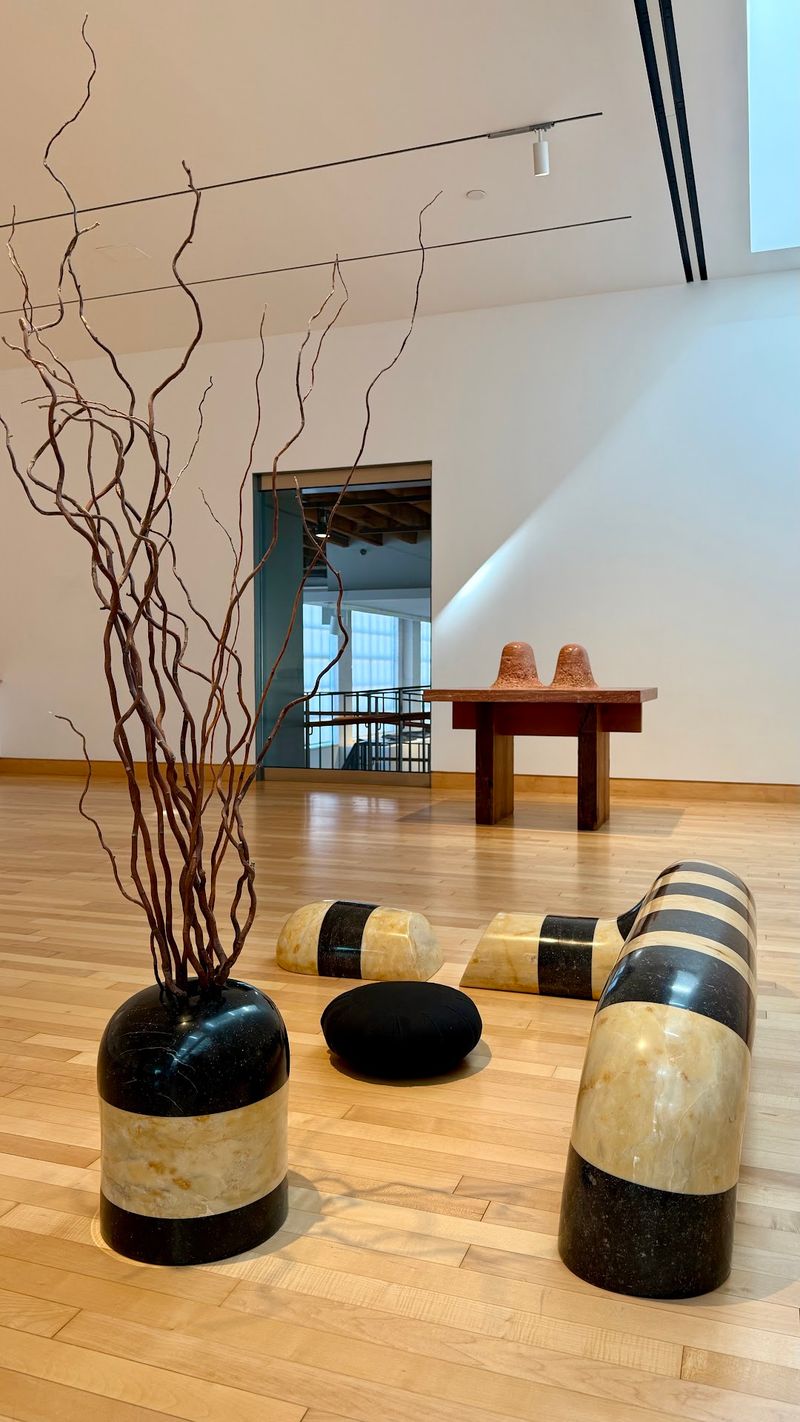
Head downstairs, and the museum shows another side. Video installations in the basement have left some guests completely absorbed.
The immersive setup makes clever use of the lower level. It is a contrast to the open, stone-filled rooms above.
Films about the artist are also available. Some people spend a good stretch of their visit watching them, and they add helpful background.
The exhibits are not frozen in time either. Rotating contemporary collaborations appear alongside Noguchi’s own work.
That means a return trip may offer something new. Regulars have a reason to come back beyond simply revisiting old favorites.
Thought-provoking installations come up often when people describe the indoor spaces. They tend to spark conversation long after the visit ends.
A couple of hours is a common amount of time to spend. Allowing that much keeps the basement from getting rushed at the end of the day.
Save some energy for the lower level. It might turn out to be the part of the trip that sticks around longest.
9. Free Tours Worth Timing
Timing can turn a good visit into a great one. The museum offers free guided tours, and people who catch one often call it a highlight.
Guides are described as kind, welcoming, and knowledgeable. They share stories behind the sculptures and details about Noguchi’s life.
Hearing that background gives many guests a deeper appreciation. Pieces that seemed simple suddenly carry much more meaning.
Tours have been offered in the afternoon. Free tours in both English and Mandarin have been available on some days.
Some guests mention catching a curator talk around 2 PM. Schedules can change, so checking ahead on the museum’s website is a smart move.
An audio tour is also available. It suits people who prefer to learn at their own pace.
Those who know little about sculpture find the tours especially helpful. A little context goes a long way with abstract stone work.
Plan around the afternoon, and luck may be on your side. Free knowledge is still one of the best deals in town.
10. A Shop Full of Small Treasures
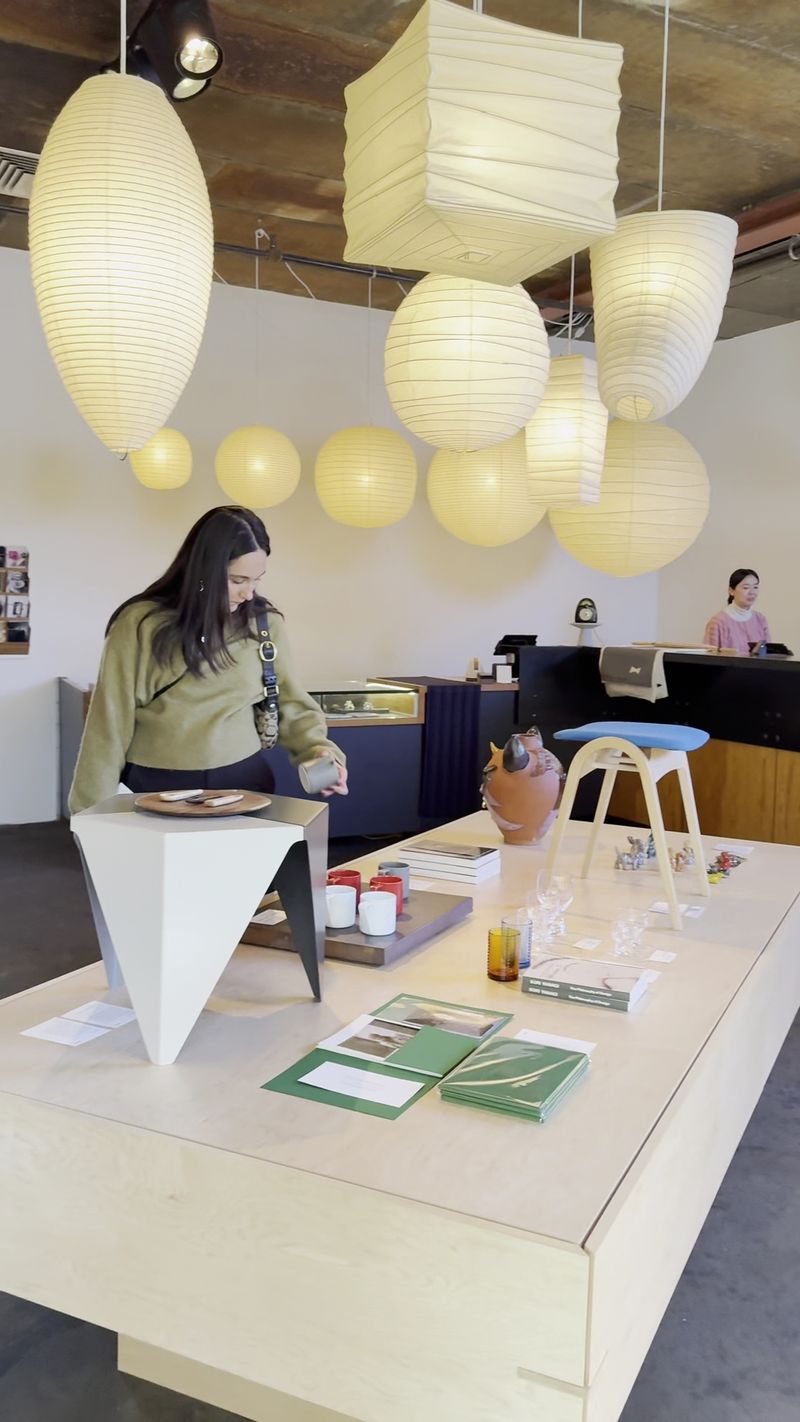
Gift shoppers, take note. The museum shop gets plenty of praise for being interesting and well stocked.
It is small, but the selection goes beyond typical souvenirs. Items have included little bells, miniature ceramic homes, books, and lamps.
Many guests say they found great gifts here. It is a handy stop before the holidays or a friend’s birthday.
Design lovers will likely spend extra time browsing. The lamps, in particular, connect directly to what is shown in the galleries.
Books give a deeper look at Noguchi’s life and work. They suit anyone who leaves wanting to learn more.
The shop rounds out the visit without feeling pushy. It simply lets people bring a bit of the experience home.
Restrooms are available on site as well, which matters before a trip back across the borough.
Leave a little time, and maybe a little room in your bag. The shop has a way of turning a quick look into a longer stay.
11. Hours, Free Fridays and Discounts
Good planning starts with the calendar. The museum is open Wednesday through Sunday, from 11 AM to 6 PM.
It is closed on Monday and Tuesday. That is worth remembering before heading out on a long-weekend whim.
The first Friday of the month has offered free entry, with no advance reservation needed. Some of those days have also included a fun activity.
Students can get a discount. Some guests have also used CulturePass, a library program, to visit.
Arrive with plenty of time before closing. Parts of the building may start closing a bit before 6 PM, so late arrivals can feel rushed.
Lines do happen. On busier weekend afternoons, guests have waited in lines of 10 to 15 people.
Weekdays tend to be quieter. Those who want a calm, focused visit often suggest going midweek.
A rainy weekend morning can also mean almost no wait. Sometimes bad weather is a museum lover’s secret weapon.
12. Getting There Without the Headache
Here is the honest truth about the commute. The museum can be a little tricky to reach from other parts of the city.
Many people combine the subway with a bus. The nearest bus stop is reportedly about a two-minute walk away.
Once you know the route, it becomes much simpler. Some guests say it is not as far as they expected.
Driving is possible, but parking in the area can be tough. Some have parked at the Costco across the street for a limited time.
That Costco is also a helpful landmark. If you spot it, the museum is right there.
Plan your route before leaving home. A quick check of transit apps saves time and stress.
For Queens residents, it is a short local outing. For folks coming from farther away, it can anchor a full day in Astoria.
The extra effort tends to pay off. Most people agree the trip is well worth it once they arrive.
13. Make a Day of Astoria
Smart visitors build a whole afternoon around this stop. Socrates Sculpture Park sits right nearby, across the street.
On nice days, a walk by the water there is a popular add-on. The trees in the park can be a highlight in spring.
Lunch on Broadway in Astoria is another easy plan. Prices there are often a fraction of what Manhattan charges.
That combination says a lot about Queens. Big culture and fair prices still live side by side here.
The museum suits many types of people. Art fans, design lovers, quiet seekers, and curious first-timers all seem to find something.
Those not very into art may want a shorter visit. Pairing up with an equally curious friend helps everyone stay as long as they like.
In the end, this small Astoria museum proves that New York has not traded every quiet corner for speed and noise. It holds onto the vision of one artist, on one block, just as he set it up.
Bring patience, pick a warm day, and let the garden do the rest.
Share this story