A famous English author founded this village so younger sons of British gentry could build new lives. He wrote Tom Brown’s School Days, and his colony arrived in 1880 with tennis courts and big dreams.
That dream landed on the Cumberland Plateau in Tennessee. Today, about 20 original Victorian buildings still stand along a quiet road.
One of them is a library that has kept its original book collection. Visitors can also explore a historic print shop where antique presses demonstrate how printing worked in the Victorian era. I love that the past here isn’t behind glass. It’s still doing its job.
I can’t imagine a better excuse for a slow day trip. Tea, trails, old books, and a few ghost stories make a pretty convincing case. Ready to see what a British dream looks like in the Tennessee woods?
A British Author Built A Colony Here, And Much Of It Survived
Thomas Hughes had a bold idea in 1880. The author of Tom Brown’s School Days wanted a new start for younger sons of English families.
Those sons often couldn’t inherit land back home. Hughes figured the Cumberland Plateau could offer them work, community, and a fresh shot.
The result became Historic Rugby, now a nonprofit-run village and museum site in Tennessee. Around 20 of the original buildings still stand, which is honestly a great survival rate for wooden Victorian structures.
The colony never grew as big as Hughes hoped. Harsh winters, disease, and tough farming conditions slowed things down fast.
Still, the village never fully disappeared. Residents and preservation groups worked for decades to save what remained, and it shows.
Today, Rugby is listed on the National Register of Historic Places. It’s also still a real community, so some homes are private residences.
That mix makes the place feel lived-in rather than staged. You’re not visiting a theme park with costumes and props.
A good tip is to start your visit with the backstory. Knowing why the colony existed makes every porch, gable, and garden fence more interesting. Otherwise, it’s just a pretty road, and Rugby deserves better than that.
Start At The Visitor Center Before You Wander Off
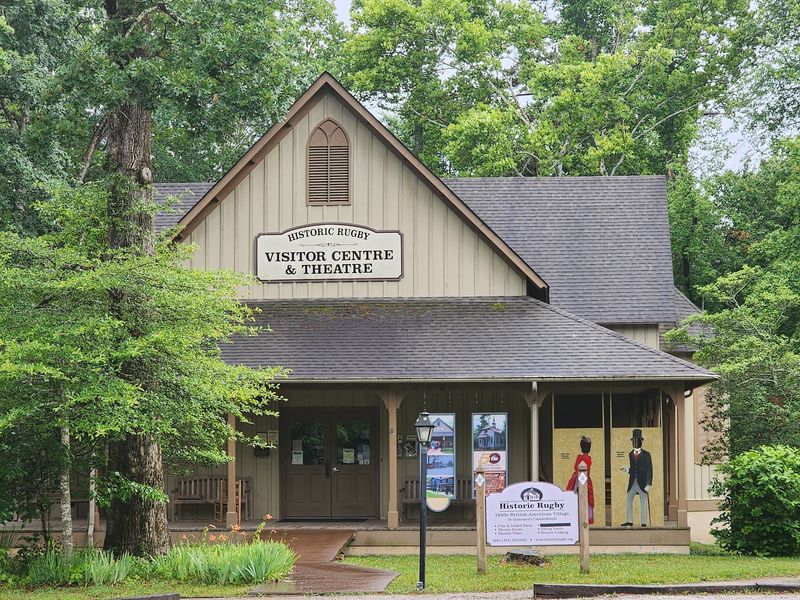
Every good adventure needs a home base. At Historic Rugby, that’s the Visitor Centre, complete with the British spelling on its signage.
You’ll find it at 1331 Rugby Pkwy, Rugby, TN 37733. It’s open Thursday through Saturday from 9 am to 5 pm, plus Sunday afternoons from noon to 5 pm.
Inside, exhibits explain how the colony started and who lived there. There’s also the Johnson Theater, where a short film sets the scene before your tour.
Watching the film first is a smart move. It gives names and faces to the buildings you’ll see later.
The center is also where you book guided tours and pick up maps. Those maps matter, because the village spreads out along the road.
Hours can shift with the seasons. The village tends to slow down in the colder months, so double-check before driving out in winter.
Arriving early also gives you room to breathe. You can browse, take the tour, eat lunch, and still have daylight for a hike. Cramming Rugby into one rushed hour feels a little like speed-reading a Victorian novel. Technically possible, but why would you?
Book Lovers Will Lose Track Of Time In This Library
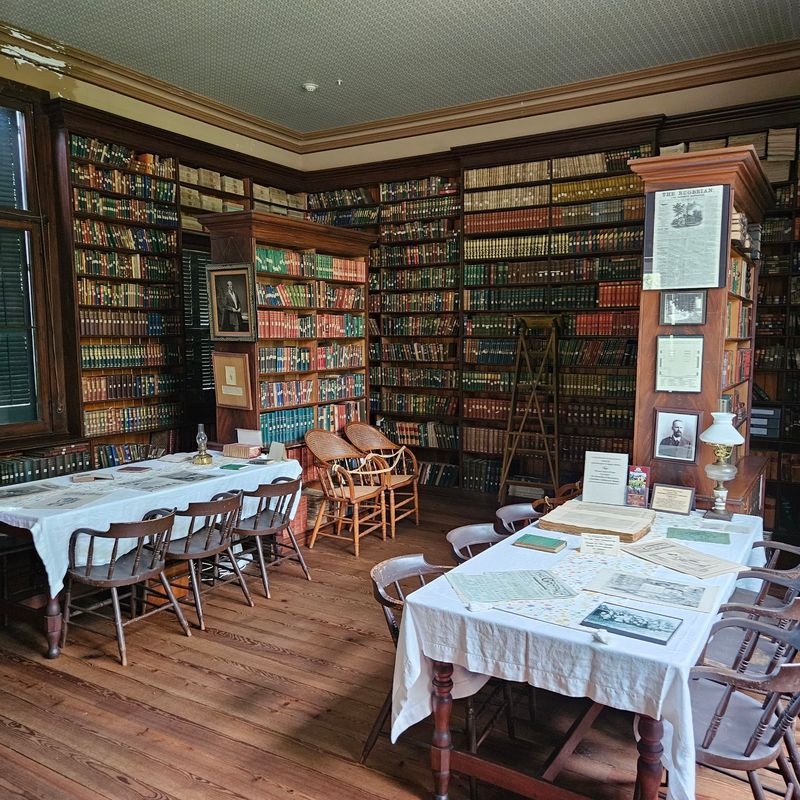
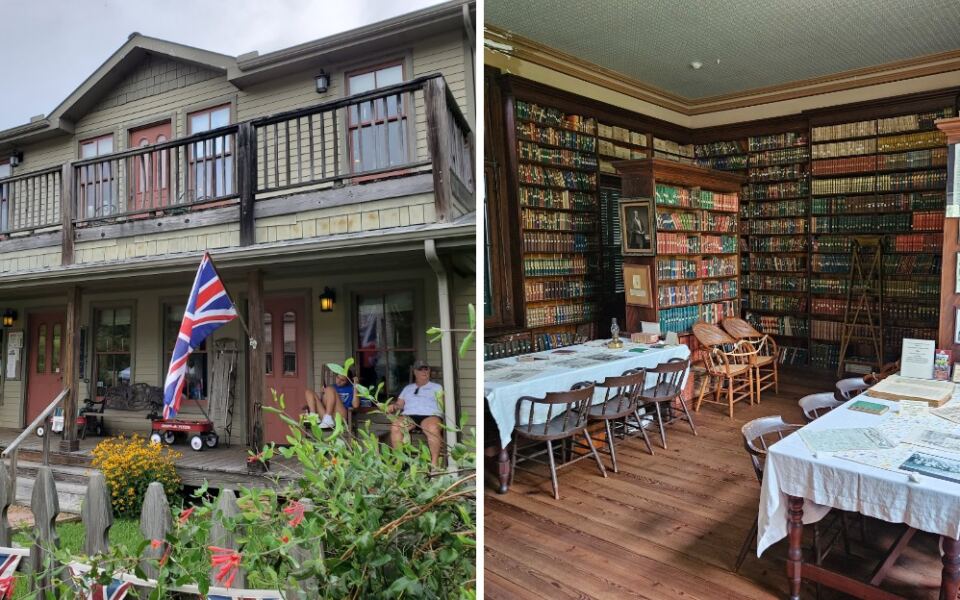
Thousands of Victorian books sit on shelves that haven’t changed much since 1882. That’s the Thomas Hughes Free Public Library, and it’s a showstopper.
The collection holds around 7,000 volumes from the Victorian era. Many were donated by publishers and supporters to help the young colony.
What makes it special is that the library stayed largely intact. Lots of old collections get scattered, sold, or lost over time.
This one stayed put in its original wooden building. Walking past those spines feels like peeking into a reading list from the 1800s.
The library is typically seen on the guided tour. That’s the best way to step inside and hear the stories behind the shelves.
Look closely at the building itself too. Its simple wooden design fits right in with the village around it.
Bookish travelers should budget extra curiosity here. You won’t be checking anything out, of course, but you’ll leave with plenty to look up later. Kids might be surprised that people once waited eagerly for books by mail. It’s a fun way to talk about how reading has changed, and how it hasn’t.
Watch Old Presses Roll At The Print Shop
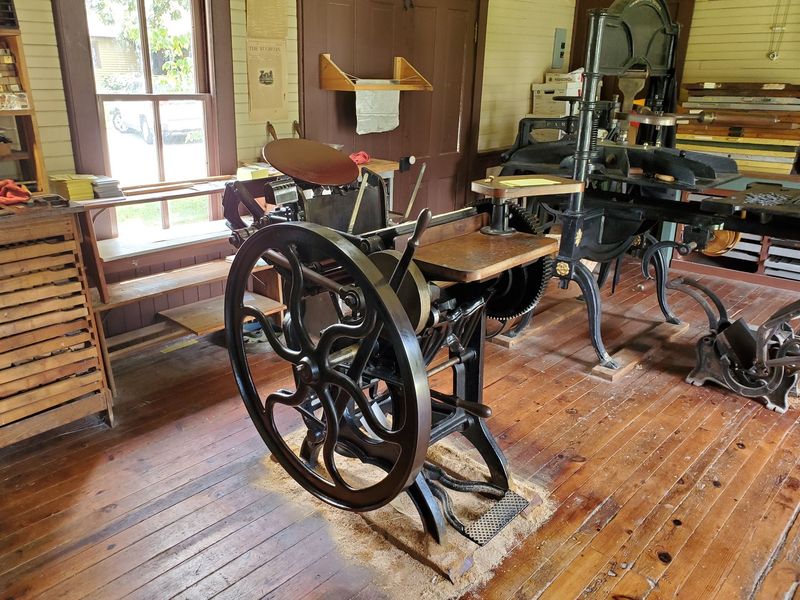
Ink, metal type, and a little elbow grease. That’s how news traveled in Rugby, and the Rugby Printing Works still shows how it worked.
The print shop features working antique presses. On many visits, staff demonstrate how pages were set and printed by hand.
It’s a hands-on lesson in patience. Each letter had to be placed one by one, and backwards, before anything hit the paper.
Try explaining that to someone who complains about slow Wi-Fi. Suddenly, a typo looks like a much bigger deal.
The shop is a favorite stop for good reason. Watching the press in action turns history from a plaque into something you can hear and see.
Kids especially tend to perk up here. Machines with levers and moving parts beat a lecture almost every time.
Ask questions if a demonstration is running. The folks working the presses know their craft, and the process makes more sense when explained step by step.
Demonstrations aren’t guaranteed every hour, so plan with some flexibility. Pairing this stop with the guided tour gives you the best shot at seeing ink actually meet paper.
The Guided Tour Opens Doors You Can’t Open Yourself
Self-guiding has its perks, but Rugby rewards the folks who pay for the tour. Many buildings stay locked unless a guide brings you in.
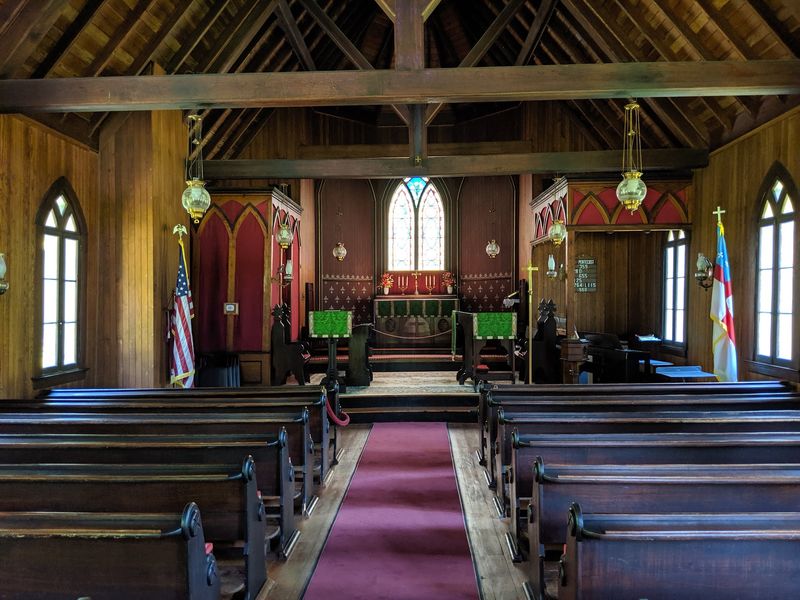
The guided walking tour leaves from the Visitor Centre. It usually covers several key spots, including the library and Christ Church Episcopal.
That church dates to 1887 and still holds services. Its wooden interior and old reed organ are classic Victorian details worth seeing up close.
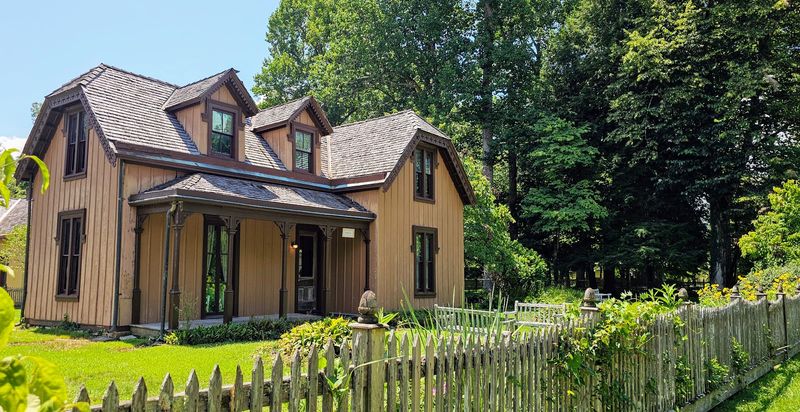
Another stop is Kingstone Lisle, the cottage built for Thomas Hughes himself. Its Gothic-style touches give it a storybook look.
The guides bring the colonists to life with names and stories. Suddenly, those quiet houses feel full of real people with real hopes.
You can still walk the village on your own with a map. Just know you’ll mostly admire buildings from the outside.
Reservations help, especially on weekends or during events. Wear comfy shoes, since the tour involves strolling between buildings along the road.
Think of it as the difference between reading a book jacket and reading the book. Both are nice, but only one tells you how the story actually goes.
Tea, Sandwiches, And A Very Victorian Lunch Break
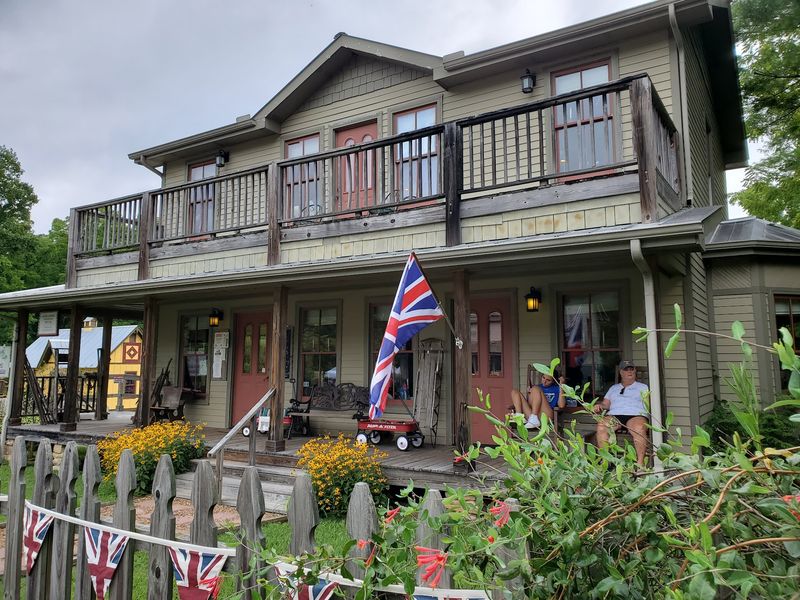
Hungry history buffs, good news. You can eat in Rugby without leaving the village’s old-time vibe behind.
The R.M. Brooks General Store has long served food to visitors and locals. It dates back to the early 1900s and keeps that small-store country charm.
The fried bologna sandwich with hoop cheese is a frequent recommendation here. It’s not exactly English, but nobody seems to mind.
Historic Rugby has also offered tea experiences tied to its British roots. A proper cup of tea feels right in a village founded by an English author.
Food options and hours can change by season. Calling ahead or checking the official site saves you from a growling stomach surprise.
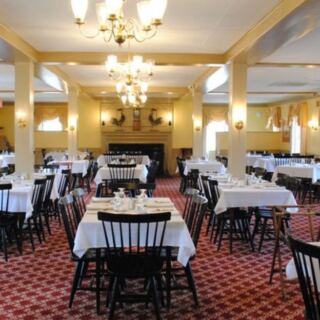
Small village dining doesn’t mean endless choices. That’s part of the fun, though, because you’re eating where the community eats.
Plan your lunch around your tour time. A meal in the middle of the day splits the visit nicely between history and hiking.
Tea and bologna in the same afternoon? Only on the Cumberland Plateau could British manners and Appalachian comfort food share a table so happily.
Spend The Night In A Real Historic Home
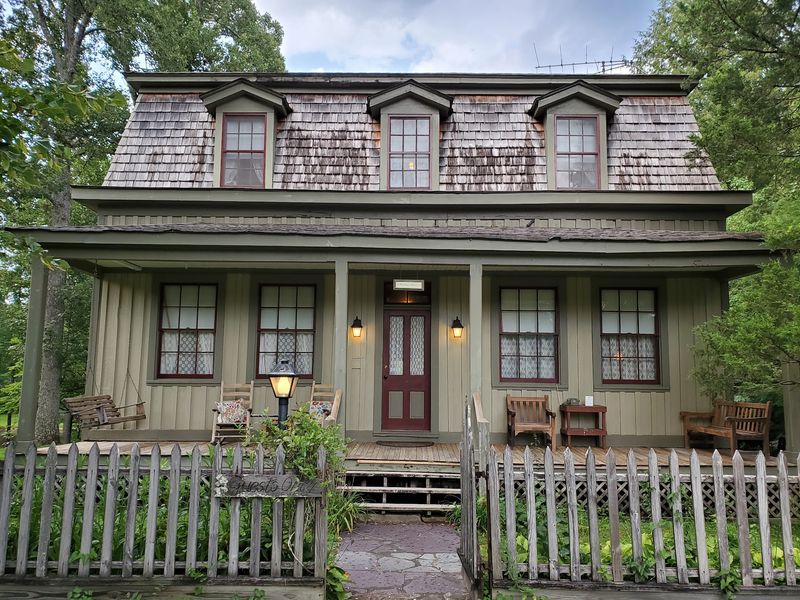
Day trips are fine. Waking up in a Victorian village is better.
Historic Rugby offers lodging in restored historic buildings. The Newbury House is the best-known option, and it once served as the colony’s boarding house.
Staying overnight changes the mood completely. Once the day visitors drive off, the village gets peaceful in a way photos can’t capture.
Mornings are great for quiet walks along the road. You can see the buildings in soft light before the Visitor Centre opens.
Overnight guests also have more time for trails nearby. That means less rushing and more lingering, which suits Rugby’s pace perfectly.
Rooms and availability vary, so book ahead. Popular event weekends can fill up faster than you’d expect for such a small place.
Remember that you’re staying in an old building. Expect historic character rather than a sleek modern hotel.
Bring a book from home, or better yet, something Victorian. Reading Tom Brown’s School Days in the village Hughes founded is the kind of nerdy joy that’s hard to beat anywhere else in Tennessee.
Lace Up For The Gentlemen’s Swimming Hole
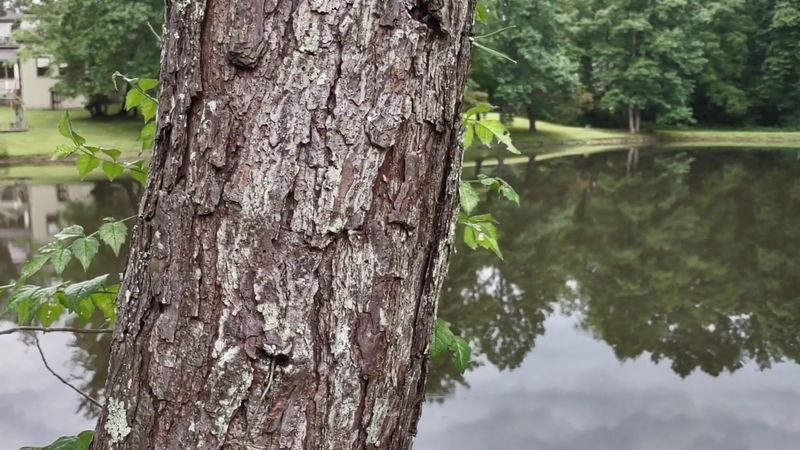
The colonists needed a place to cool off. Their favorite spot still has the old-school name: the Gentlemen’s Swimming Hole.
A trail from the village leads down to the Clear Fork River. Much of the walk follows the water, with rock overhangs and cliffs along the way.
It’s a scenic hike, but it’s still a real trail. Sturdy shoes are a must, and a walking stick helps on uneven ground.
Bug spray is smart too, especially in warmer months. Ticks love the woods as much as hikers do.
Rugby also has other trails worth exploring. Paths lead to old homestead sites and a historic spring, with signs that share local history.
Watch your footing near water and small bridges. Wet wood and mossy rocks can get slippery quickly.
The village sits right beside the Big South Fork National River and Recreation Area. That puts even more trails, gorges, and river views within easy reach.
Pack water and snacks for longer outings. After a morning of Victorian rooms and old books, the fresh forest air feels like the perfect counterbalance.
Time Your Trip For Ghost Stories And Seasonal Events
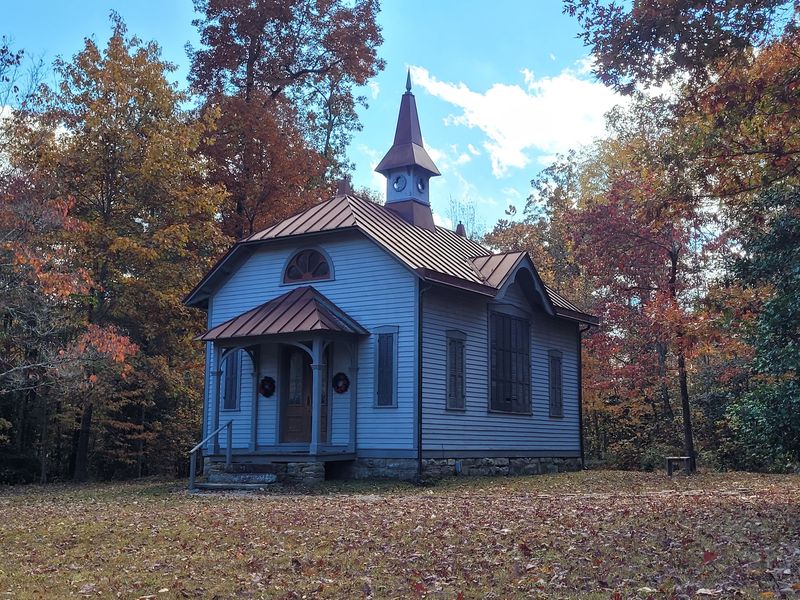
After dark, Rugby gets a little spooky. In the fall, Historic Rugby hosts its Halloween Ghostly Gathering with lantern-lit stories about the village’s past.
It’s a fun twist on a history visit. Old buildings and quiet roads make the perfect setting for tales told after sunset.
Fall is a popular season for events in general. Cooler weather and changing leaves make the plateau especially pretty.
The village also hosts other special gatherings during the year. Christmas events and writer-focused programs have been part of its calendar too.
Event dates and details change from year to year. Checking the official calendar before planning is the easiest way to avoid missing out.
Spaces for popular events can be limited. Book early if your heart is set on something specific.
Visiting during an event shows how lively this small Tennessee village can be. It reminds you that Rugby isn’t frozen in time, even if it looks that way.
Bring a jacket for evening programs. Plateau nights can get chilly, and nobody wants shivering to steal the spotlight from a good ghost story.
Share this story