Giant buildings packed with humming computers want to move next door, and plenty of neighbors are saying, “Hold on a minute.”
Across Texas, data centers are popping up fast. They power apps, cloud storage, and artificial intelligence. They also use huge amounts of electricity and, in some cases, water.
In McLennan County, residents near Ross and Elm Mott have organized against a proposed 520-acre data center associated with Infrakey and Lacy Lakeview, raising concerns about water, electricity, and rural land use. Farmland, small towns, and a busy river city all sit close together. I like how ordinary residents are learning the details and asking sharp questions.
So what exactly are people worried about? And what can a regular neighbor actually do? The answers might surprise you, and they might matter for your own backyard someday.
Why Your Quiet Corner Of Central Texas Suddenly Looks Like Prime Real Estate

Big tech companies don’t pick spots at random. They hunt for cheap land, strong power lines, and room to grow.
McLennan County, Texas, checks a lot of those boxes. It sits along Interstate 35 between Dallas and Austin, two booming tech regions.
Waco is the county seat and largest city. Around it, you’ll find wide stretches of farmland and smaller towns that still feel rural.
That mix is exactly what developers love. Open acres mean space for huge buildings, and nearby cities mean workers and roads.
Most of Texas is served by an independent power grid operated by the Electric Reliability Council of Texas (ERCOT). Many companies see the state as friendly to new business, so interest keeps climbing.
For residents, that attention can feel like a compliment and a warning at once. Growth can bring jobs and tax money to local schools.
It can also change what a place looks and sounds like. That’s why so many neighbors want a seat at the table early.
A smart first step is simple. Check county property records for land purchases and review city planning agendas for proposed zoning changes, where applicable.
The Electric Bill Question Everybody Keeps Asking

Data centers are hungry. A single large campus can use as much electricity as a small city.
That fact makes Texans nervous, and for good reason. Many still remember the February 2021 winter storm, when millions lost power across the state.
When a giant new user plugs into the grid, people wonder if their homes will come second. They also worry about who pays for new lines and equipment.
State lawmakers noticed too. In 2025, Texas passed Senate Bill 6, which set new rules for very large power users connecting to the grid.
The law aims to make big users share more of the costs. It also lets grid managers cut power to some large users during emergencies.
That sounds helpful, but the details still matter a lot. Residents in McLennan County can ask local leaders how any project fits under these rules.
Here’s a handy tip. Ask whether a proposed center will build its own backup power or rely fully on the local grid.
That one question often reveals a lot. It shows how much the project could lean on the same system that keeps your lights on.
Water Is The Worry That Hits Closest To Home
Cooling thousands of hot computers takes serious work. Some data centers use water to keep their machines from overheating.
In a state that knows drought well, that gets attention fast. Central Texas has faced dry spells that pushed water limits on homes and lawns.
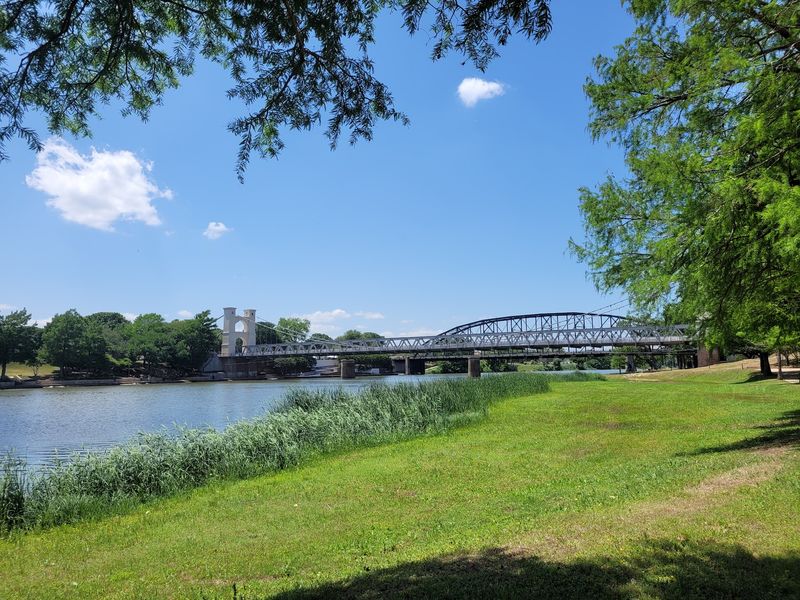
Lake Waco supplies water for the city of Waco and nearby communities. The Brazos River also runs right through McLennan County.
Residents naturally ask a fair question. If a big facility drinks a lot of water, will families face tighter limits during the next drought?
Not every data center uses the same amount. Some newer designs use closed-loop or air cooling systems that need far less water.
So the smart move is to ask specific questions. How much water will the site use each day, and where will it come from?
You can also ask whether the company will use recycled water. Some projects across the country already do this to ease pressure on drinking supplies.
Clear numbers beat vague promises every time. Keep asking until you get real ones in writing.
That Low Hum Might Become Your New Neighbor
Some sounds fade into the background. Others refuse to leave you alone, especially at bedtime.
Data centers run day and night. Their cooling fans and backup generators can create a steady hum that carries across open land.
In other states, nearby homeowners have complained about this constant noise. Rural areas are often very quiet, so even a soft drone can stand out.
Then there’s the view. Many of these buildings are huge, windowless boxes surrounded by fences, lights, and power equipment.
For families who chose country living for wide skies, that change can sting. Nobody moves to the edge of town hoping for a warehouse skyline.
Neighbors can push for practical fixes. Ask about sound walls, tree buffers, distance from homes, and limits on nighttime lighting.
Generator testing schedules matter too. Daytime testing is far easier to live with than surprise rumbles at midnight.
These requests aren’t unreasonable or anti-business. They’re simply good manners between a big new facility and the people who already call the area home.
Tax Breaks Sound Boring Until You See The Numbers
Money talk rarely makes headlines exciting. Yet tax deals can shape a project more than almost anything else.
Texas cities and counties sometimes offer tax abatements to attract big companies. That means a business pays lower property taxes for a set number of years.
Supporters say these deals bring investment that might go elsewhere. A large data center can still add value to the local tax base over time.
Critics see it differently. They point out that data centers often employ fewer permanent workers than people expect once construction ends.
So who’s right? Honestly, it depends on the specific deal and its fine print.
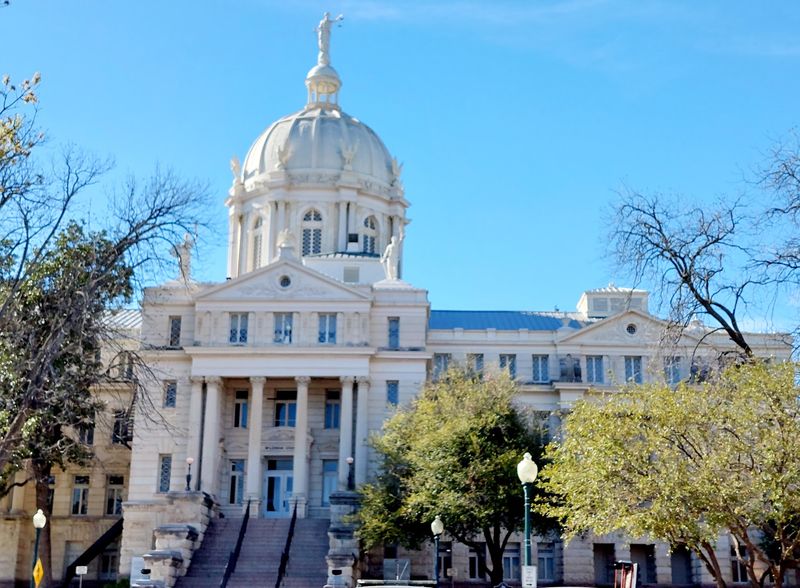
McLennan County residents can read proposed agreements before officials vote. These documents usually appear on public meeting agendas ahead of time.
Look for a few key details. Check how long the break lasts, how many jobs are promised, and what happens if promises fall short.
Some agreements include clawback rules that require companies to repay benefits. Asking for that protection is a smart, fair request that any neighbor can make.
Packed Meeting Rooms Are Where The Real Pushback Happens
Folding chairs, printed agendas, and a microphone at the front. That humble setup is where local decisions often get made.
Public meetings give residents a legal chance to speak. City councils, county commissioners, and planning boards usually allow public comments before votes.
In McLennan County, the Commissioners Court handles many county matters. Each city, including Waco, has its own council and planning process too.
Showing up makes a difference. Officials notice when a room fills with neighbors who’ve done their homework.
Want your comment to land? Keep it short, calm, and specific. Three minutes goes by faster than you’d think.
Share how the project affects your street, your well, or your commute. Personal, local facts often carry more weight than general complaints.
You can also email comments ahead of time. Many governments add written remarks to the official record.
One more tip helps a lot. Sign up for meeting notices so you aren’t the last to hear about a vote that matters to you.
Neighbors Are Teaming Up Instead Of Going It Alone

One voice can be ignored. Fifty organized voices are much harder to brush aside.
Across Texas, residents have formed community groups to track data center plans. They share documents, divide research, and plan who speaks at meetings.
Social media pages and neighborhood chats help news spread fast. Someone spots a zoning notice, and soon dozens of people know about it.
Good groups also stay focused. Instead of saying no to everything, many ask for clear limits on water, noise, and power use.
That approach can win respect from local leaders. It shows residents aren’t against progress, just against being left in the dark.
Starting a group doesn’t require fancy skills. A shared email list and a few committed neighbors can do a lot.
Try assigning simple roles. One person watches agendas, another reads contracts, and someone else talks with local reporters.
Keep things friendly and fact-based. Rumors spread quickly, and one wrong claim can hurt credibility. Checking sources before sharing protects the whole group and keeps your message strong.
Some Folks Actually Want The Jobs, And That Matters Too
Not everyone in town is waving protest signs. Plenty of people see data centers as a chance for growth.
Building one takes many workers for months or even years. Electricians, welders, and equipment operators can find steady work during construction.
After opening, centers need technicians, security staff, and maintenance crews. These jobs often pay well, even if there aren’t huge numbers of them.
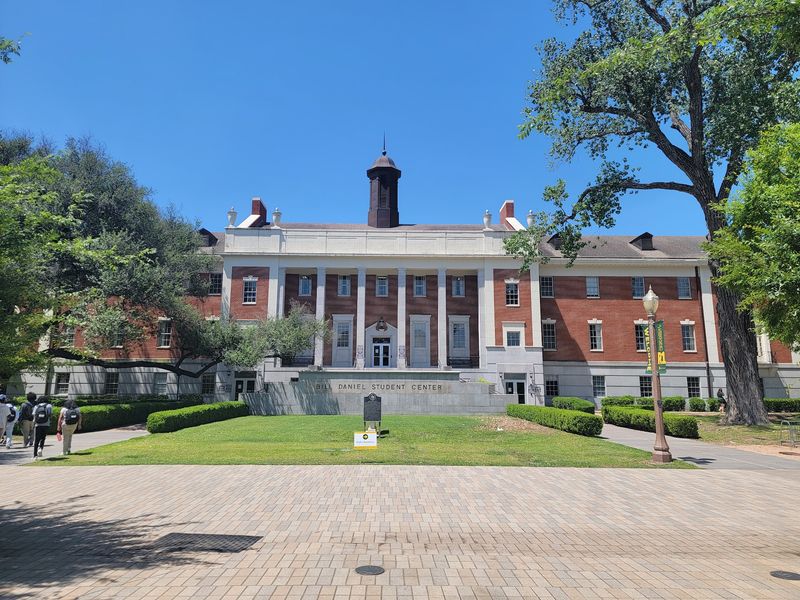
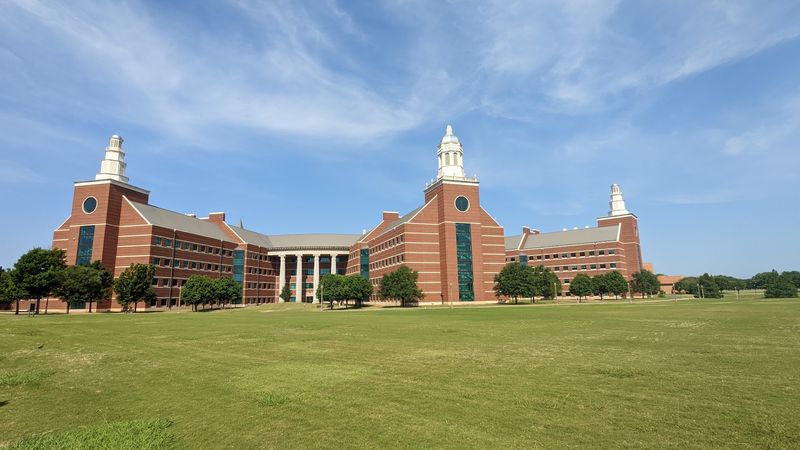
Local schools and colleges may benefit too. McLennan County is home to Baylor University, McLennan Community College, and a campus of Texas State Technical College.
Those schools train students in technology and skilled trades. A nearby employer could offer internships and career paths close to home.
Honest conversations include both sides. Supporters and critics often want the same thing, which is a healthy, thriving community.
The best outcomes usually come from compromise. A project with real local hiring, fair taxes, and strong limits can earn wider support.
So listen to neighbors who disagree with you. You might find more common ground than expected, and better deals often grow from that.
Your Simple Game Plan For Staying One Step Ahead

Feeling a little overwhelmed? That’s normal, and the good news is that small habits add up fast.
Start by bookmarking your county and city meeting pages. Agendas usually post several days early, giving you time to read and react.
Next, follow local news outlets that cover McLennan County government. Reporters often spot big projects before most residents do.
Watch for zoning change notices and public hearing signs near your area. Those yellow or white signs on fences can hint at big plans.
It also helps to learn a few terms. Words like rezoning, abatement, and megawatt show up often in data center debates.
Don’t forget state-level decisions. Agencies like the Public Utility Commission of Texas and ERCOT shape how large power users connect.
Finally, stay respectful and persistent. Officials are your neighbors too, and steady, polite pressure often works better than one angry outburst.
Data centers aren’t going away anytime soon. But informed Texans can help decide where they go, how they operate, and who truly benefits.
Share this story