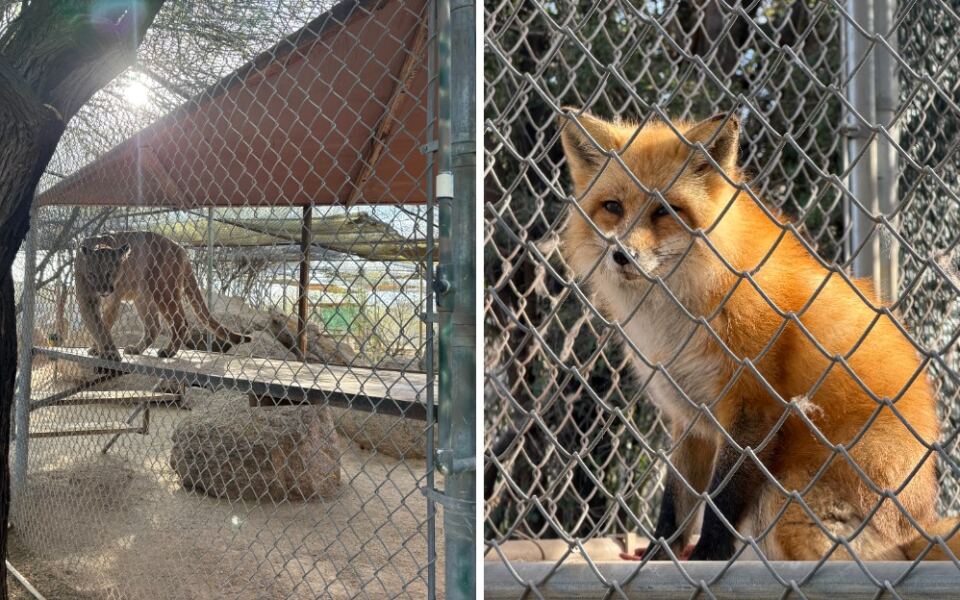
Out past the last big Scottsdale subdivisions, behind a gate you need a reservation to pass, a black bear may be working on a scoop of peanut butter while a guide tells you how it got there. Most Valley residents have no idea this place exists, and that is partly by design. It is not open for casual drop-ins, so the only way in is a guided tour that runs about two hours.
Mountain lions, wolves, bobcats, coyotes, javelina and one very famous tortoise are all part of the lineup, and every animal has a rescue story attached. The money from your ticket goes straight to their care. Keep reading for what the walk covers, which tours stand out, what to bring, and the catch that keeps most locals from ever finding it.
1. A Rescue Hidden on the Edge of North Scottsdale
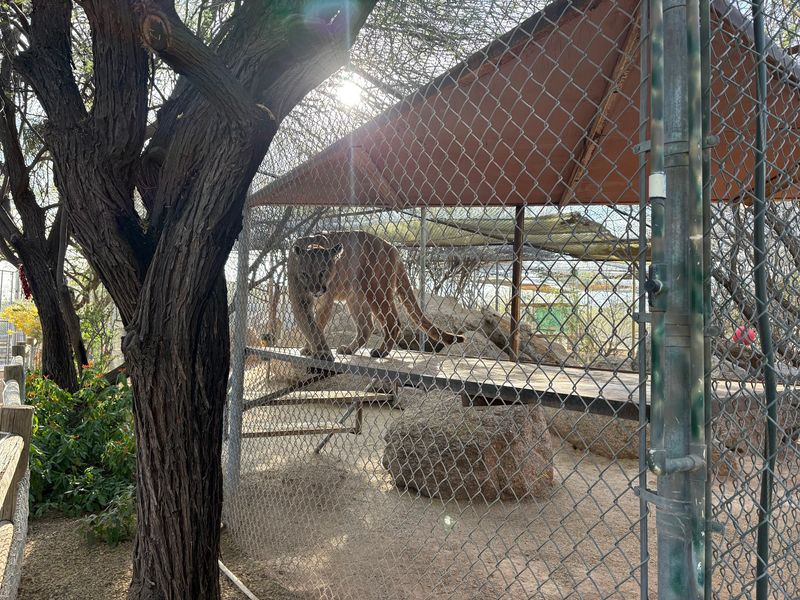
Few places in the Valley manage to stay this quiet while doing this much work.
Southwest Wildlife Conservation Center sits at 27026 N 156th St, Scottsdale, AZ 85262, in the far northeastern stretch of the city. It operates as a wildlife rescue service, not a zoo, and that difference shapes everything about a visit.
The center is tucked off the beaten track, and more than a few people admit it is hard to find the first time. Plug the address in before you leave the pavement-heavy part of town and give yourself extra time.
Here is the catch that keeps it a local secret. The center is not open to the public for walk-ins, so you must make a reservation and join a guided tour.
Groups are kept small, which means you are not jostling for a view behind a crowd of strollers. That small-group setup is a big reason the place earns a 4.9-star standing from over 600 people who have made the trip.
For Phoenix and Scottsdale residents, it is an easy weekend drive. For Tucson folks, it pairs nicely with a longer day in the Valley.
Once the gate closes behind your group, the real story starts.
2. Rescue, Rehabilitate, Release
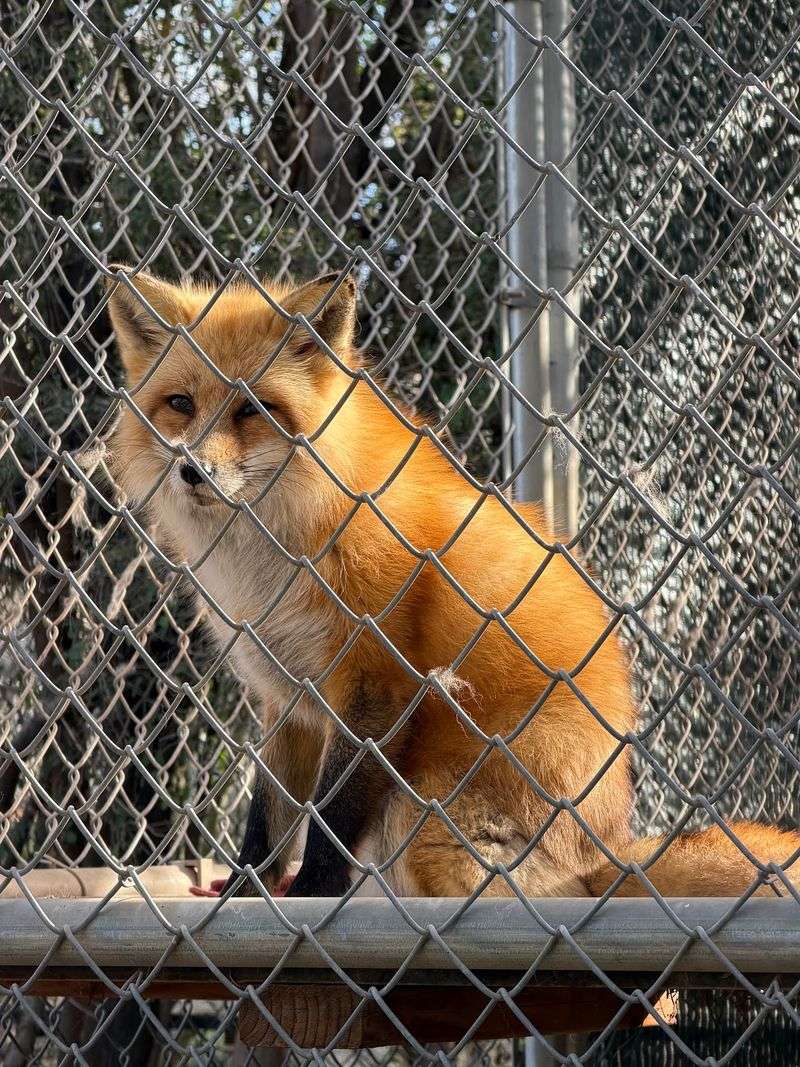
Three words sum up the whole mission, and the staff use them often: rescue, rehabilitate, release.
Injured or orphaned wild animals come in, get care, and head back to the wild whenever possible. Many guests leave surprised by how successful that release work actually is.
You will not meet the animals still on track for release. Keeping them away from people protects their chances of surviving on their own again.
The animals you do see are sanctuary residents. Some are too accustomed to captivity, and others cannot go back because of safety regulations.
For them, the center becomes a forever home. Guides explain why each one stayed, which turns a simple walk into a lesson on how human choices affect wildlife.
One practical takeaway gets repeated on tours. If you come across wildlife in trouble, call the experts before ever trying to handle the animal yourself.
The founder’s commitment is part of the story too. She sold her own property on the grounds to make more room for the animals, a detail that tends to stick with people long after the tour ends.
3. Mountain Lions, Bobcats and Their Wild Cousins
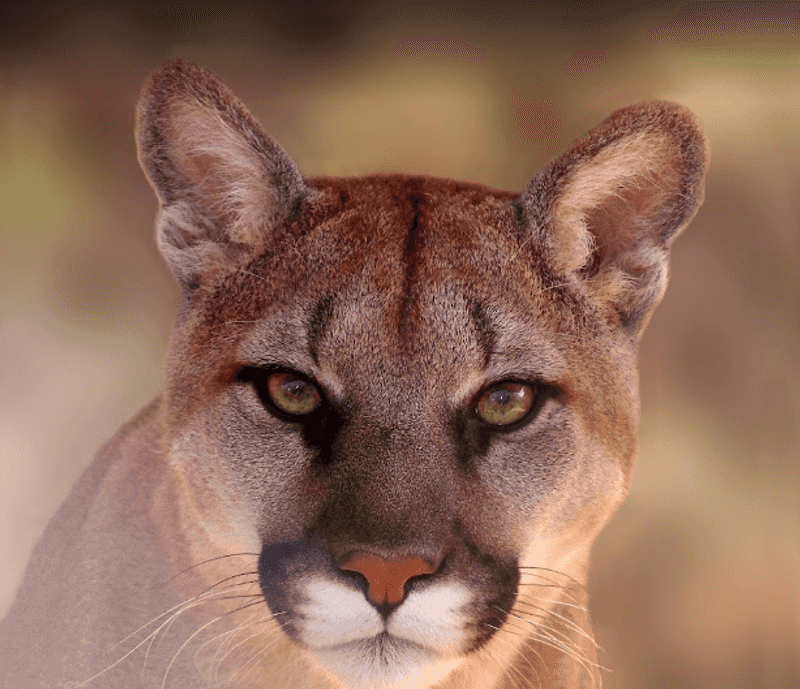
The big cats steal the spotlight, and nobody seems to mind.
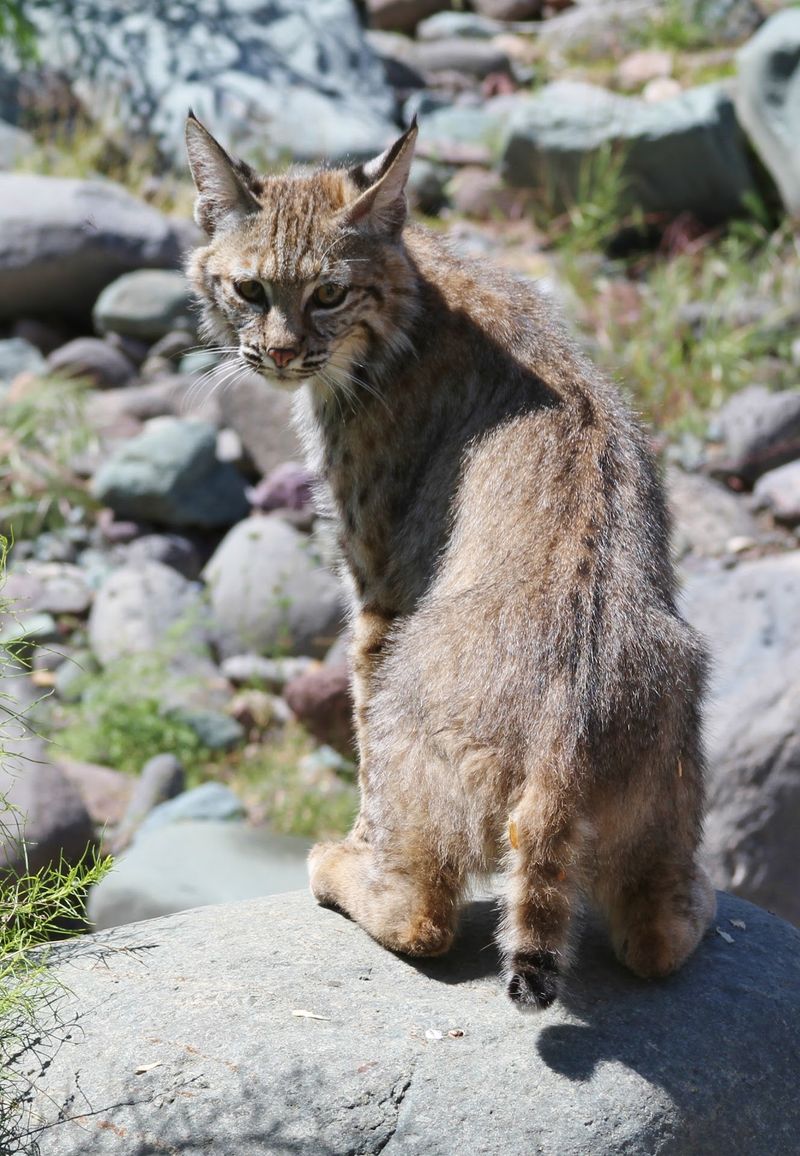
Mountain lions come up more than any other animal when people describe their visit. Bobcats are close behind, and both are seen up close in a way that is hard to match anywhere else in the state.
The roster keeps going from there. Wolves, coyotes, foxes, coatimundi and javelina all have homes on the property.
On some tours you will hear the coyotes sing and the wolves howl. That chorus alone has turned plenty of first-timers into repeat guests.
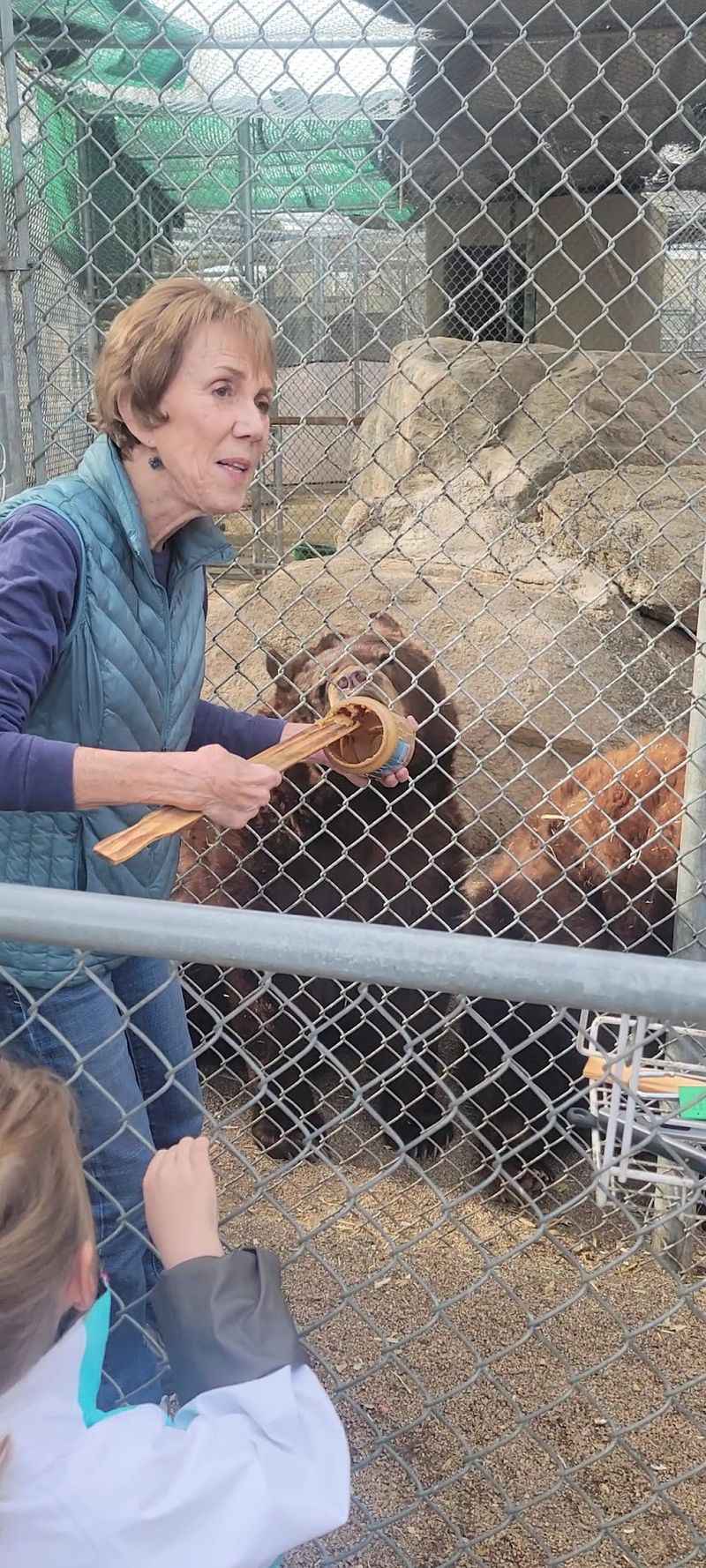
Bears are part of the crew as well. One black bear has been spotted happily eating peanut butter, which is about as relatable as wildlife gets.
Every animal has a backstory, and guides share them one enclosure at a time. Knowing how a coyote or bobcat ended up here changes how you see the ones living in the washes near your own neighborhood.
The animals look healthy and well cared for, and many guests point that out first. It is a sanctuary that feels focused on the residents rather than on putting on a show.
4. Goliath, the Slow-Moving Celebrity
Not every star of the show has fangs.
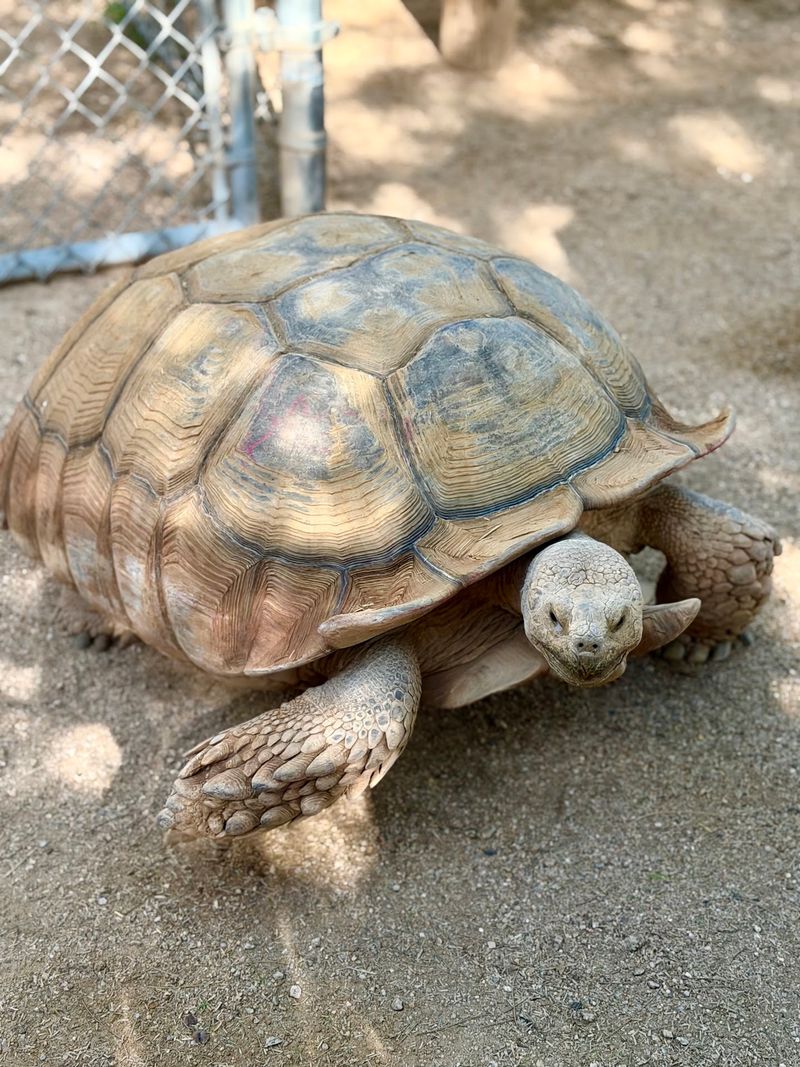
Goliath, the giant tortoise, has a fan club of his own. For some guests, meeting him is the favorite moment of the entire tour, beating out the cats and the wolves.
He is a fun reminder that the center cares for a wide range of creatures. Not all of them are native carnivores with dramatic rescue tales.
Kids especially tend to latch onto him. A tortoise is easy to watch, easy to understand, and moves at a pace that even a three-year-old can keep up with.
Javelina are another surprise hit. Some families get so attached that they donate specifically toward the javelina before heading home.
These quieter residents balance out the tour nicely. After the intensity of the big predators, a pause with Goliath gives everyone a breather.
Slow and steady may not win races, but it clearly wins hearts here.
5. Guides Who Know Every Story
Ask a question, and expect a real answer.
The guides are the heartbeat of this walk. Knowledgeable is the word people use most, along with patient, kind and sometimes downright funny.
Most of the staff are volunteers. Their affection for the animals is obvious, and it shapes the whole experience.
On field trips, guides encourage kids to participate rather than just listen. That makes the two hours move faster for younger crowds.
Small touches stand out too. Guides make sure everyone grabs the water provided so the group stays hydrated during the walk.
Fair warning for some families. The standard guided tour asks you to pay attention for a couple of hours, so it may not suit very young kids or anyone who gets restless quickly.
Still, plenty of parents bring little ones and have a blast. Know your crew, then pick the format that fits.
6. Full Moons, Twilight and Breakfast with Bears
The daytime walk is only the beginning.
The Walk With Wildlife tour is the classic guided option. Beyond that, the center runs a lineup of special tours and events worth planning around.
The full moon tour has a loyal following. Animals tend to be more active after dark, though the bears may still be sleepy.
A twilight tour also lasts about two hours. It is a great pick for hearing coyotes and wolves as the evening cools.
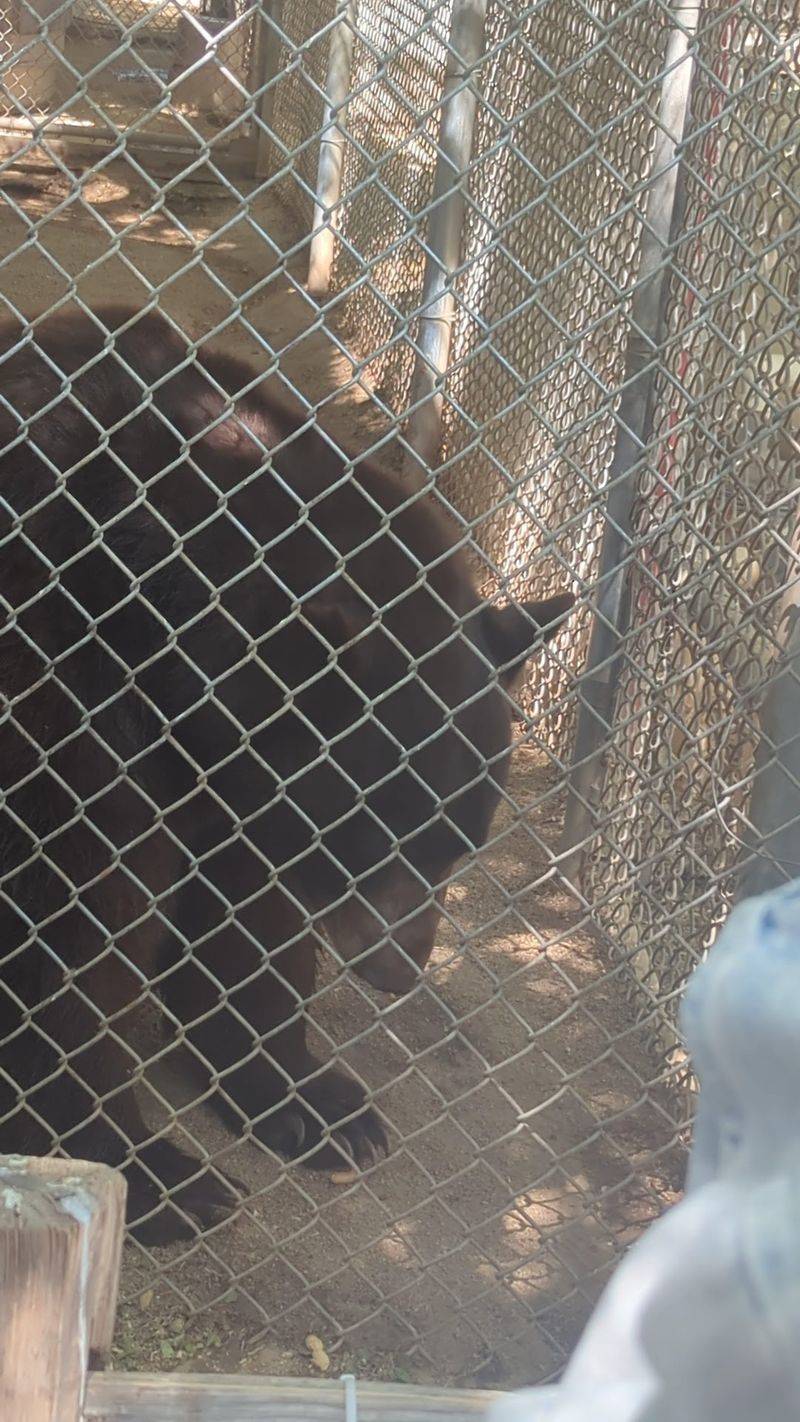
Breakfast with Bears gets some of the most enthusiastic praise. Guests watch the bears go after treats in their enclosures while hearing their stories, then join a tour of the rest of the grounds.
There are also family days, where lots of animals are out and curious. Educational events, such as one focused on bats, bring longtime supporters back again and again.
Some events are described as more interactive and not guided, which can work better for kids. Check the website calendar to see what is coming up.
Seasonal flair shows up too, including fun Halloween decorations around late October.
7. Tickets, Shade and What to Bring
Planning ahead is not optional here, and that is good news for anyone who hates crowds.
Reservations are required, and tours are booked through the center’s website at southwestwildlife.org. A $35 fee has been noted for the tour, with the money going to the nonprofit.
Prices and schedules can change, so confirm the current rate and times online before you go.
The center does not receive outside funding or grant money. Tour fees and gift shop purchases go toward caring for the animals.
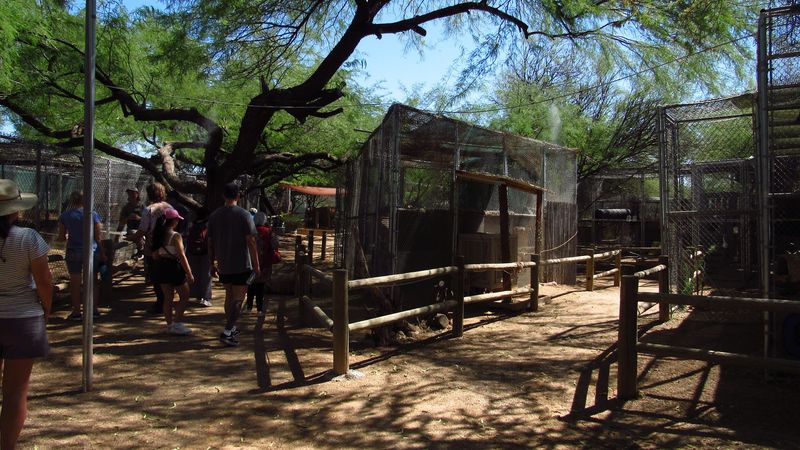
The grounds are easy to walk, even for kids. You will find shady spots, some misters and benches if you need a break.
Pack smart anyway. Water, sunblock and closed-toe shoes are the standard recommendation.
In the hotter months, evening options like twilight and full moon tours can be the easier choice. Cooler seasons make the daytime walk a comfortable weekend outing.
Leave a few minutes for the gift shop on the way out. Every purchase stays in the family, so to speak.
8. Worth the Drive to the Edge of Town
Some outings fill an afternoon, and some change how you see your own backyard.
This one lands in the second group. Families, couples, school groups and longtime supporters all walk away with the same reaction.
It is everything many people wish a zoo could be. Informative, thoughtful and up-close, with rehabilitation over commercialization.
Residents and out-of-state guests both find plenty to love. Still, there is something special about learning the stories of the coyotes and bobcats that share the desert with the Valley.
There is also talk of a move to a new, larger location in the coming years. Visiting now means seeing the center as it is today and supporting what comes next.
Is it flashy? Not at all, and that is the point.
Book a spot, bring water, and let a volunteer guide introduce you to the neighbors you never knew you had. Odds are you will be the one telling friends about it first.
Share this story