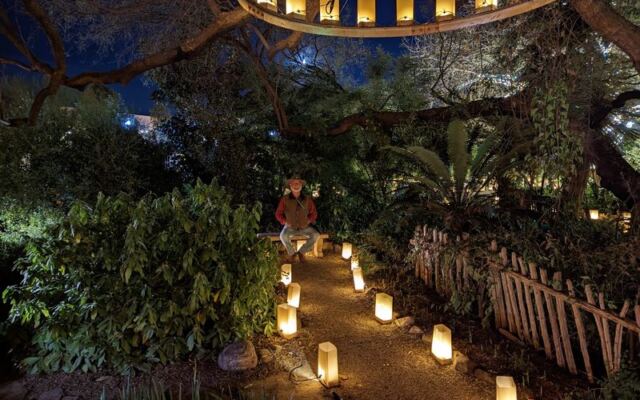
Some Tucson locals drive past this place for years before they finally pull into the lot. Then they find out what they missed: a dozen gardens, a butterfly greenhouse, tiny trains, and a holiday tradition that fills the paths with paper lanterns each December. It sits right in the middle of the city, not out on some long desert highway.
Here is everything you need to plan a visit, from the best season to go to the small details that make a second trip almost certain.
1. A Desert Oasis Hiding in Midtown
The secret is not out in the foothills at all. Tucson Botanical Gardens sits at 2150 N Alvernon Way, Tucson, AZ 85712, tucked into a busy stretch of the city where plenty of drivers never notice it.
Behind the gate are more than 5 acres split into about a dozen separate public gardens. Each one has its own theme, so the grounds feel larger than the acreage suggests.
The staff likes to say they pack a lot into a small footprint, and that is a fair description. Cacti, succulents, flowering beds, fruit trees, art, and exhibits all share the space without feeling crowded.
Plenty of longtime residents admit it took them years to finally visit. One local described waiting five years before stopping by, then wishing the trip had happened sooner.
That is part of the appeal for Phoenix and Tucson day-trippers. It is easy to reach, easy to walk, and still feels like a discovery.
The garden is also completely organic. That choice matters more than you might expect, because it invites a whole cast of wild residents to move in, a story worth saving for a later section.
First, though, a quick look at how this patch of land came to be.
2. Decades of History on Historic Grounds
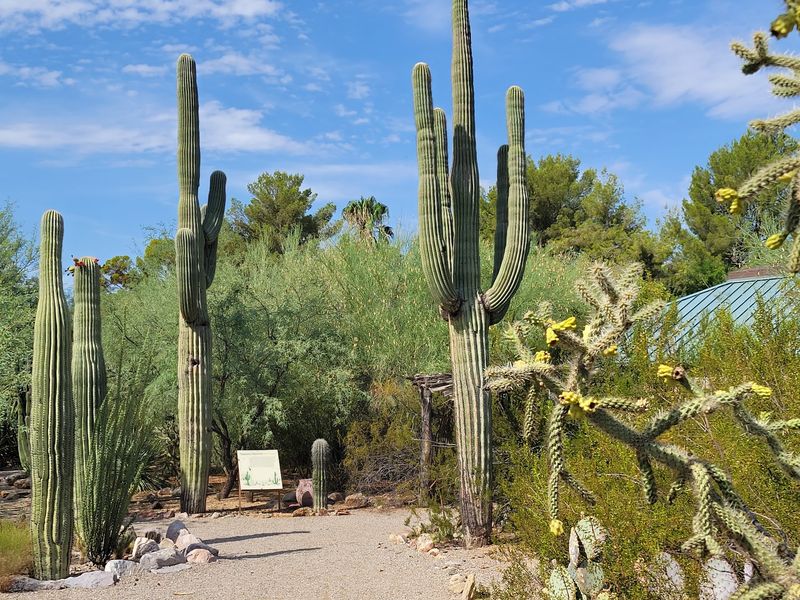
Long before the butterflies and model trains arrived, these grounds already had a story. The gardens sit on historic property, and that sense of age shows up in the layout and the mature plantings.
Decades of care have shaped the place into a showcase for Sonoran Desert plants. It also works as a quiet lesson in how to build your own green space in the Old Pueblo.
Many people who live nearby treat it as a teaching garden. The signs are thorough, and plants are labeled well enough that you can leave with real ideas for your own yard.
Volunteers add another layer. Locals who give their time walk the paths and share background on the gardens, so a casual stroll can turn into a mini history lesson.
The volunteer spirit seems contagious. At least one guest left so impressed that they called afterward to sign up and help out.
Members are a big part of the picture too. Regulars encourage Tucson residents to buy a membership, both for the perks and to support a resource the community clearly values.
All that history sets the stage for the season everyone circles on the calendar.
3. December Nights and Paper Lanterns
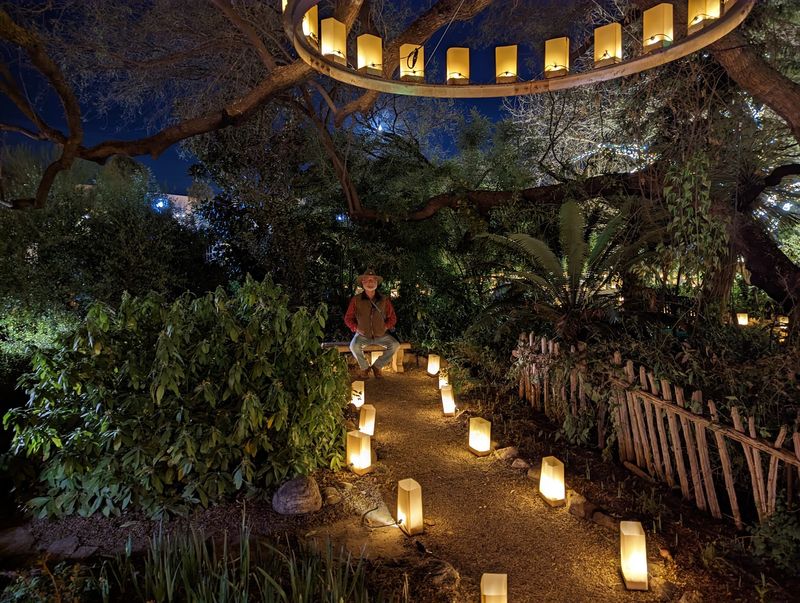
Here is the tradition that gives this garden its holiday reputation. Each December, paper luminarias line the paths beneath tall cacti, turning a daytime garden into an evening event.
The luminaria idea runs deep in Southwest holiday culture. Simple paper bags weighted with sand hold small lights, and when thousands of them trace the walkways, the effect is hard to forget.
Because this is a special evening event, details like dates, ticket rules, and times can change from year to year. Check the official website well ahead of time before you load up the car.
Planning early is smart. Holiday events in Tucson tend to draw crowds, and the best nights may fill up.
Fall and winter also happen to be the friendliest seasons for a desert garden stroll. Cooler weather makes it easier to linger on the paths, whether you come by day or at night.
The staff often hints at new exhibits rolling out each fall, so a December trip can double as a chance to catch something fresh.
Of course, the lanterns are only one reason to go. The garden has a winged headliner that steals the show the rest of the cool season.
4. Butterfly Magic in the Greenhouse
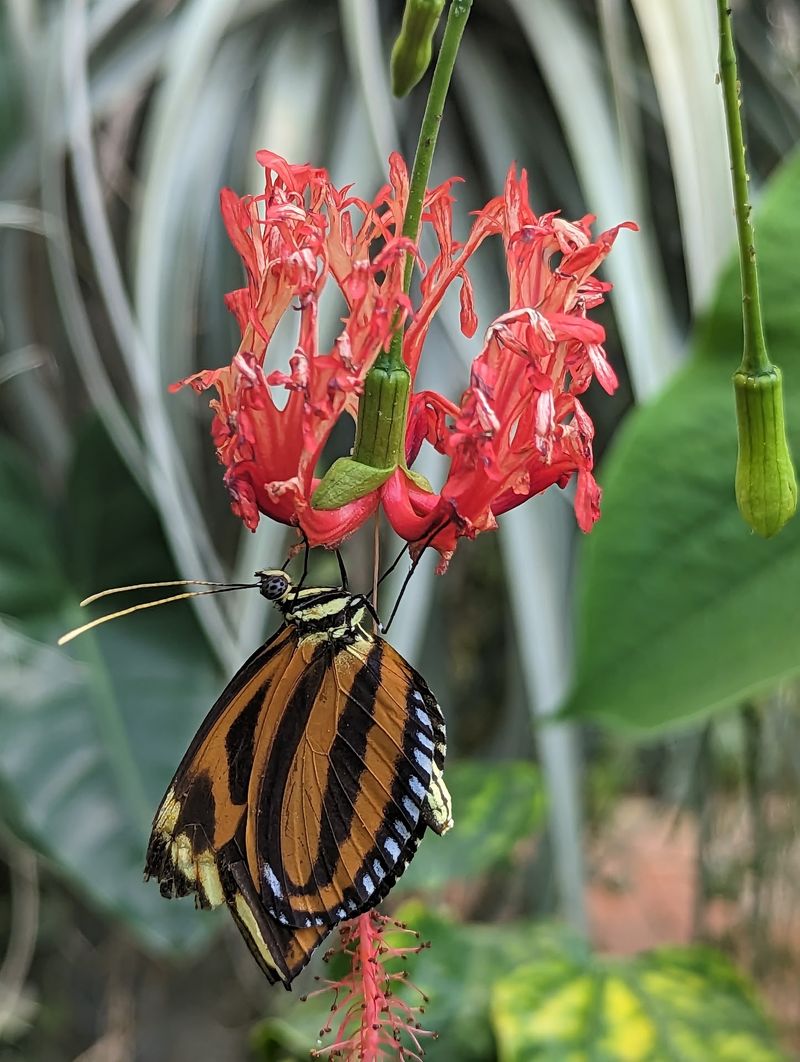
Ask almost anyone what they remember most, and the answer is butterflies. The greenhouse exhibit, called Butterfly Magic, is the single most talked-about part of the gardens.
Inside, butterflies move freely around orchids and large tropical plants. Some land right in front of guests, and a few even land on them.
The Blue Morpho butterflies are a highlight. They can be very active, which makes them a favorite for photographers.
Many people take several laps around the enclosure just to spot every species. It is easy to spend far longer here than planned.
Honest expectations help. The pavilion is smaller than some butterfly houses in other cities and may hold fewer species, but most still call it well worth the stop.
Timing is the real catch. Butterfly Magic closes every summer because the greenhouse gets too hot, and it reopens in October.
The staff uses those closed months for updates and repairs. So if the butterflies are your main reason to go, plan for October through spring, or call ahead to confirm.
Once you leave the greenhouse, a whole different kind of exhibit is waiting on a much smaller scale.
5. Tiny Trains and Miniature Towns
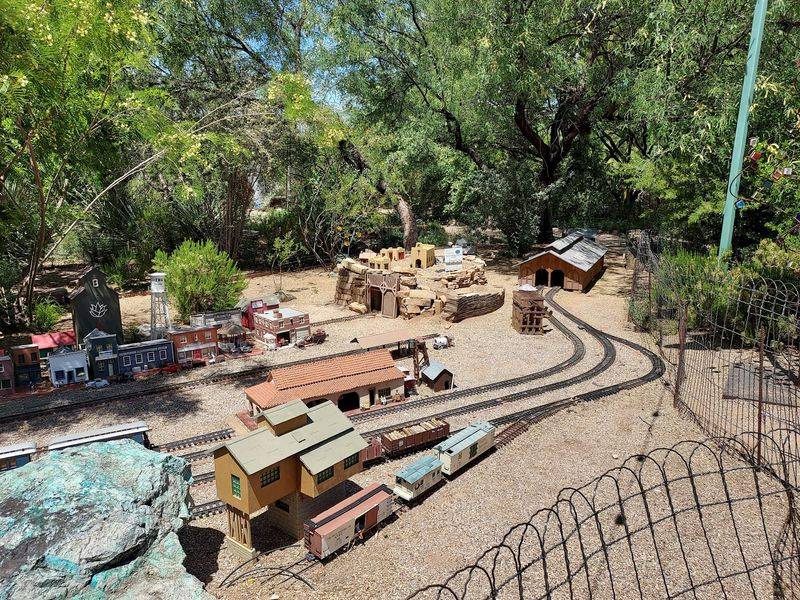
Kids spot it first, but adults tend to stay longest. The Train Garden features model electric trains circling through miniature towns.
The buildings along the track are reproductions of historic rail structures. That detail gives the display a sense of place that goes beyond a simple toy setup.
Small plants, sculptures, and tiny buildings surround the tracks. Some describe a fairy garden feel that makes it a great photo stop.
Here is the insider tip worth remembering. The trains run on a schedule, and it is possible to miss the last run of the day.
Check the run times as soon as you arrive. Even when the trains sit still, the detail is impressive, but seeing them move is the real treat.
The display is one of the reasons the gardens work so well for families. Little ones get something to chase along the track, while grown-ups enjoy the historic touches.
LEGO exhibits have also appeared on the grounds, adding to the hands-on, playful side of the place.
From miniature rails, the paths lead back toward the plants that made this garden famous in the first place.
6. Cacti, Succulents and a Tuscan Twist
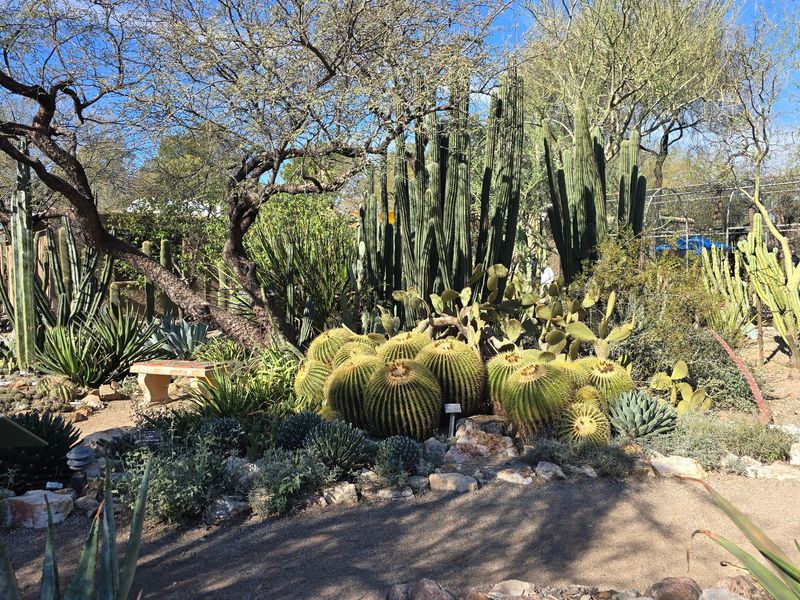
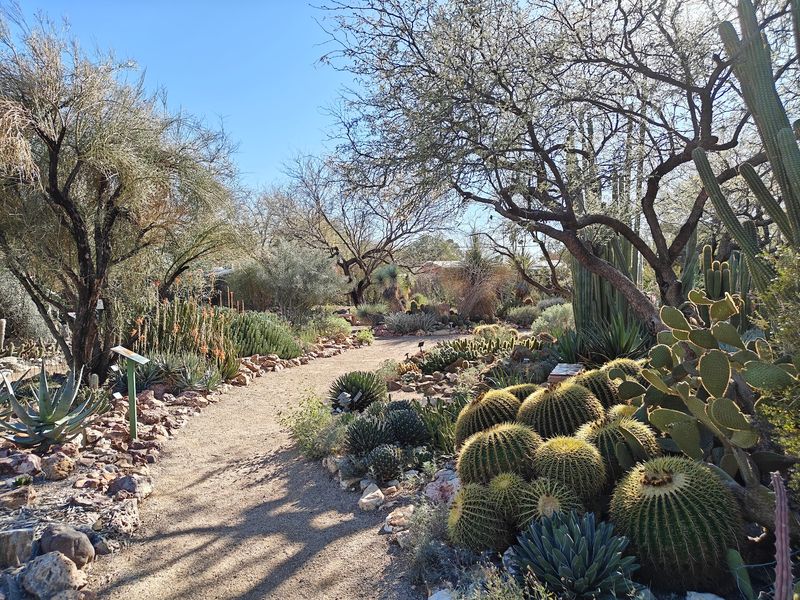
Succulents galore is not an exaggeration here. The cactus garden holds a wide variety of species, and it ranks among the most photographed corners of the property.
Plants are carefully labeled with plenty of information. That makes the walk useful for anyone curious about what grows well in the Sonoran Desert.
The gardening team works to layer the plantings on purpose. Dense foliage means there is something to see in nearly every spot.
Not everything is spiny. Flowering beds and fruit trees appear across the grounds, and some newcomers from wetter states spot blooms they have not seen since moving to Tucson.
The Tuscan garden adds another flavor. It stands out as a favorite for those who want a break from desert themes.
One fair note for out-of-town friends: the focus leans heavily on desert plants. Anyone expecting a collection from every climate on earth may want a heads-up.
For locals, that focus is the point. It is a living catalog of plants that actually thrive here.
All those plants also attract some unexpected neighbors, and they deserve their own spotlight.
7. Lizards, Birds and a Resident Cat
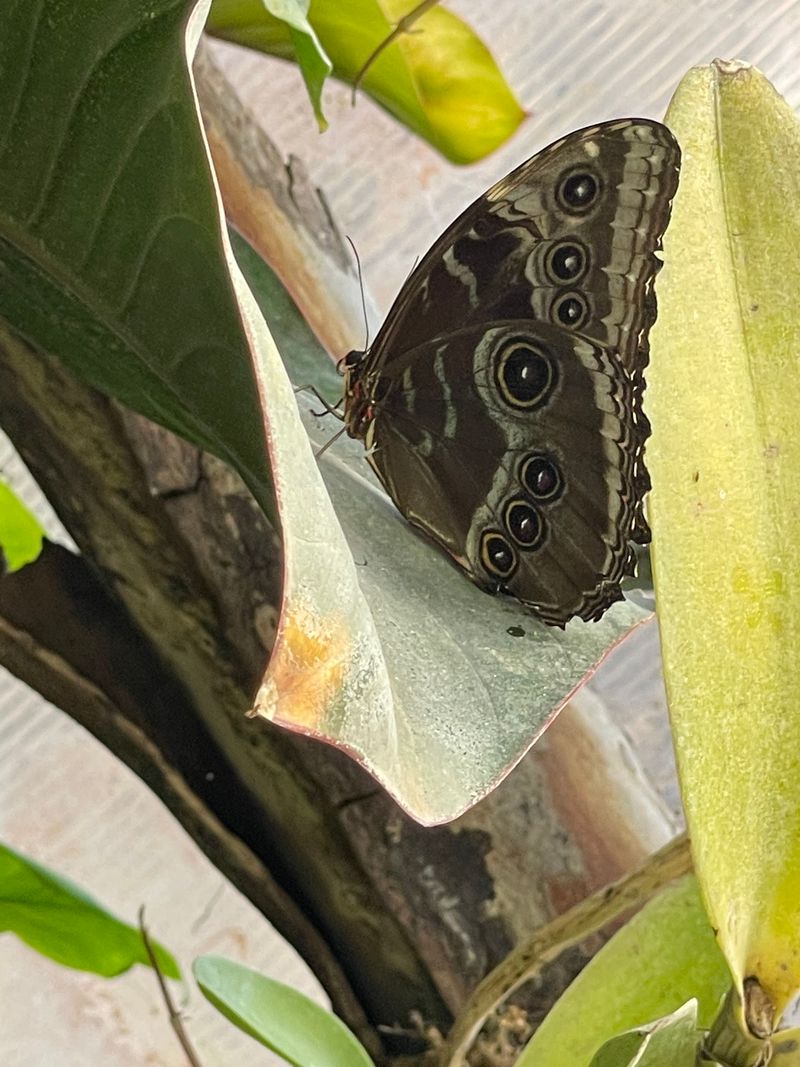
Some of the best moments here are unscheduled. Lizards dart across the paths, birds move through the trees, and butterflies drift beyond the greenhouse walls.
That wildlife is no accident. Because the gardens are 100 percent organic, insects, birds, and reptiles thrive across the grounds.
Kids often treat the lizards as a scavenger hunt. Spotting them becomes its own game between bigger exhibits.
The gardens also have a resident cat. It has a reputation as friendly, and finding it can be a fun surprise.
There is a tortoise on the property too. It does not always make an appearance, which gives people a reason to return.
One small warning comes with the wildlife. After a very wet monsoon, mosquitoes can show up, so bug spray is a smart addition to your bag in late summer.
Pet owners get good news as well. Some guests have strolled the grounds with their dogs and felt welcomed by the staff, though checking current pet rules first is wise.
Between the critters and the calm paths, the gardens offer a mood that keeps people coming back.
8. Art, Frida and a Peaceful Pace
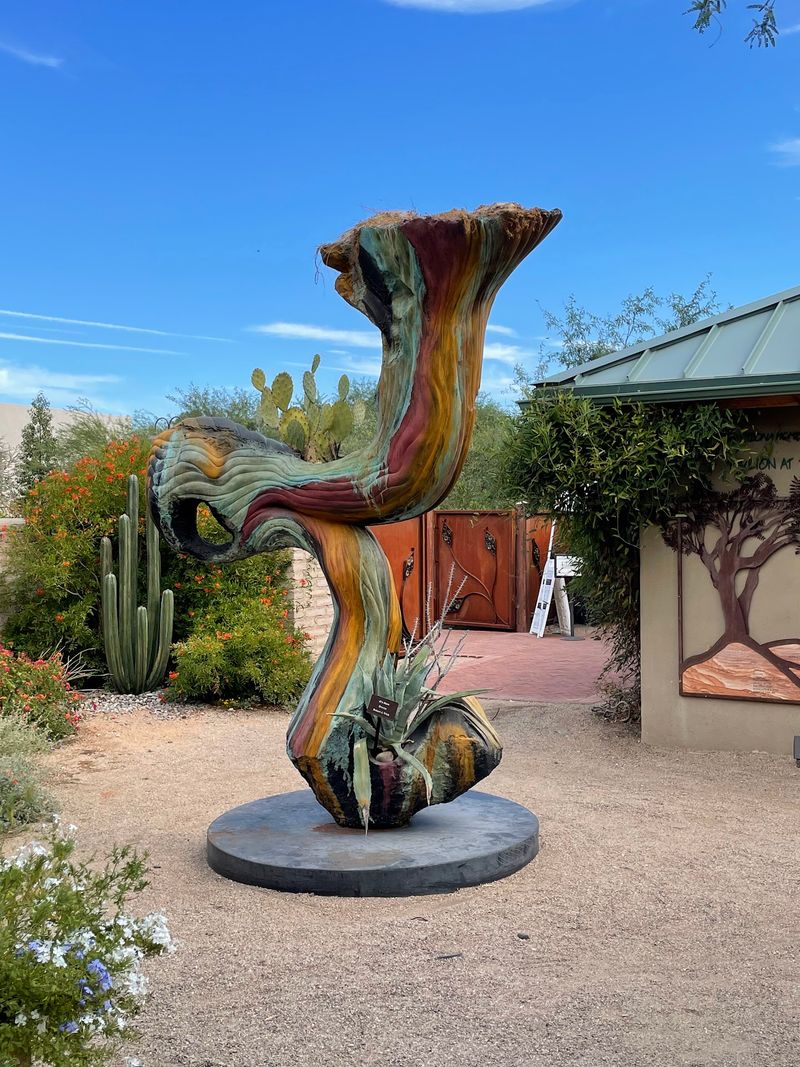
A peaceful atmosphere comes up again and again when people describe this place. Shady pathways and quiet corners make it a calm escape in the middle of the city.
Art is woven throughout the grounds. Sculptures, rotating artists, and exhibits such as quilt shows give each visit a slightly different feel.
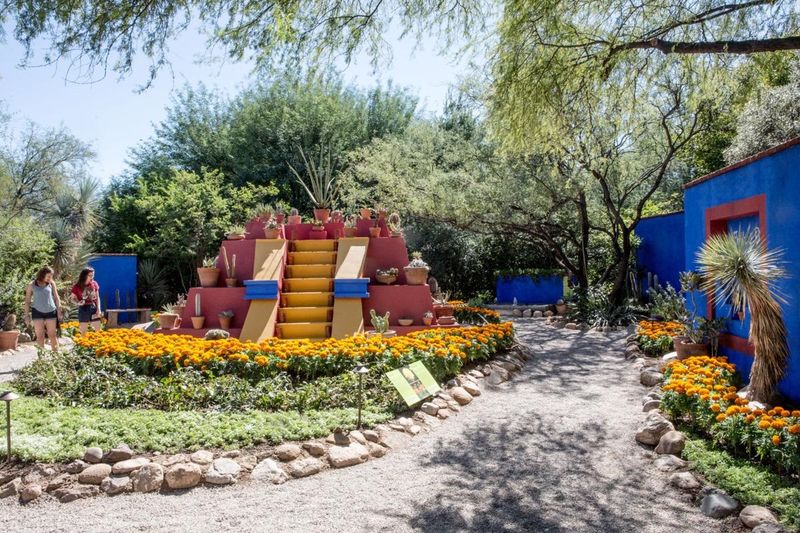
The Frida Kahlo installation, inspired by her blue house in Mexico City, has been a standout. Some fans have returned for every Frida experience the gardens have hosted.
Little alcoves and premier shows add educational value. They suit curious kids and adults equally well.
Some locals stop by on weekdays just to sketch. The slower pace works for anyone wanting a creative reset.
Families find plenty to do, too. Between the trains, butterflies, and wildlife, younger guests rarely run out of things to explore.
Friendly staff members help the mood. They answer questions across the grounds and in the gift shop, which always seems to have a good selection.
With the vibe established, it is time for the practical details that make the trip smooth.
9. Planning Your Trip and the Final Word
Good news for flexible schedules: the gardens open every day from 8:30 AM to 4:30 PM. The special December luminaria evenings run on their own schedule, so check the website for those.
Plan on about two to four hours. A leisurely pace through every exhibit can easily fill an afternoon.
Discounts are available for teachers and military members. Combo tickets that pair this visit with a Japanese inspired garden are also an option worth asking about.
A water bottle refill station sits just past the entrance. Shaded paths help, but bring a bottle anyway.
Edna’s Eatery on site offers a spot for lunch or a break, with a menu many call varied and cost friendly. The gift shop is a fun last stop on the way out.
Pathways are easy to walk and kept clean. That makes the gardens a comfortable outing for most ages.
For Phoenix folks, it pairs nicely with a Tucson weekend, and for Tucson residents it is a quick midtown drive.
Come in December for the lanterns, return in spring for the butterflies, and you will likely understand why so many locals call it their favorite secret.
Share this story