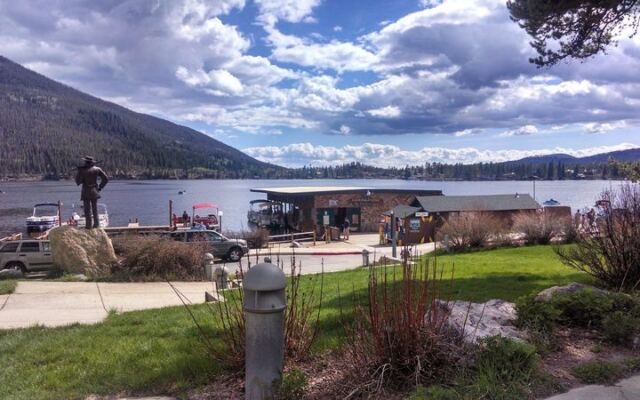
Some Colorado towns stay small on paper even as the traffic grows. One mountain lake town in Grand County counted just 410 residents in the 2020 census, yet its summer weekends can feel far busier than that number suggests. Longtime locals remember when it felt like a secret shared among a few families and cabin owners.
Now more people are finding it, and that shift raises real questions about how to enjoy a quiet place without wearing it out. Keep reading to learn where this town sits, why it draws so many people, and how Front Range residents may still find calmer days there.
1. A Tiny Town in Grand County
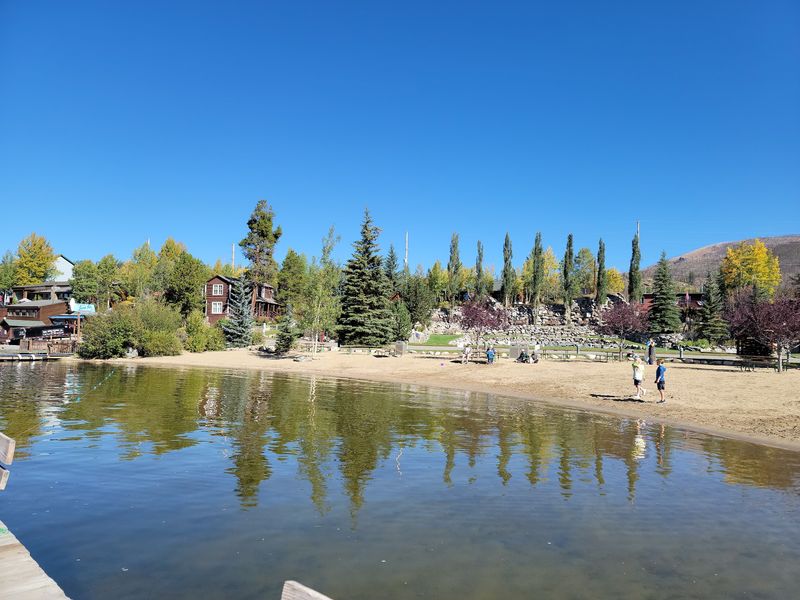
Some places are small enough to fit on a single sign at the edge of town. Grand Lake, Colorado, is one of them.
The Town of Grand Lake is a statutory town in Grand County, Colorado, in the United States. Its population was 410 at the 2020 census.
That number tells only part of the story. A town this size can feel very different on a quiet weekday than on a busy holiday weekend.
The town shares its name with the lake beside it, which makes directions easy. Locals and newcomers alike tend to say they are heading to Grand Lake and mean both the town and the water.
For Front Range residents, it sits on the west side of the mountains. That puts it in a different world from the I-70 resort corridor, even if it is still part of the same big mountain region.
Official town information is available through the town website at townofgrandlake.com. It is a good first stop before any trip.
Small towns run on small budgets and small staffs. Checking ahead may save a wasted drive.
2. Why 410 People Feel Like a Crowd
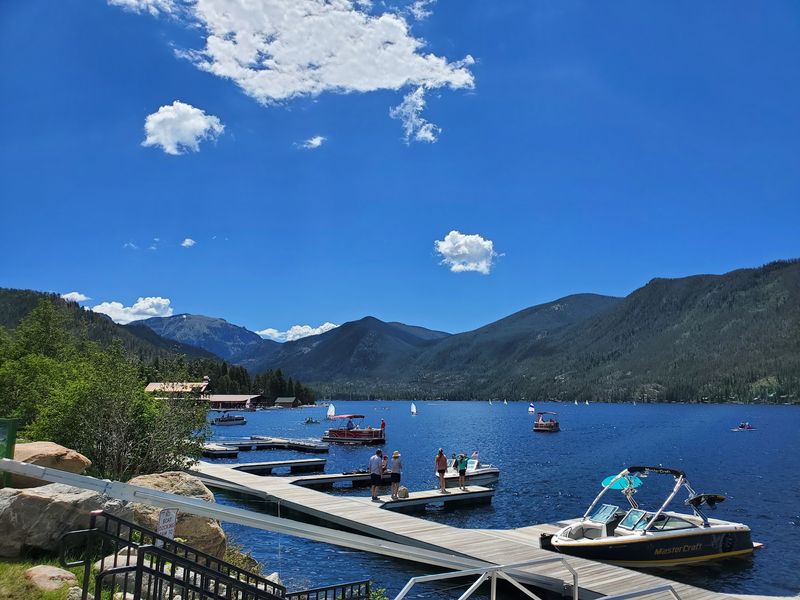
Here is a fun bit of math. When a town has only a few hundred full-time residents, even a modest wave of weekend guests can double the people on the street.
That is the heart of the tension in Grand Lake. The census count stays small, but the town draws people from across Colorado and beyond.
Locals who loved the quiet notice this first. Parking gets tighter, lines get longer, and favorite spots fill up sooner.
None of this means the town has lost its character. It simply means timing matters more than it used to.
Residents of bigger cities often forget how thin small-town systems can be. A handful of shops and services can only stretch so far on a peak weekend.
For readers planning a visit, this is useful to know. The same town can feel calm or crowded depending on the calendar.
Patience, it turns out, is the best travel accessory in a town of 410.
3. A Lake That Gives the Town Its Name
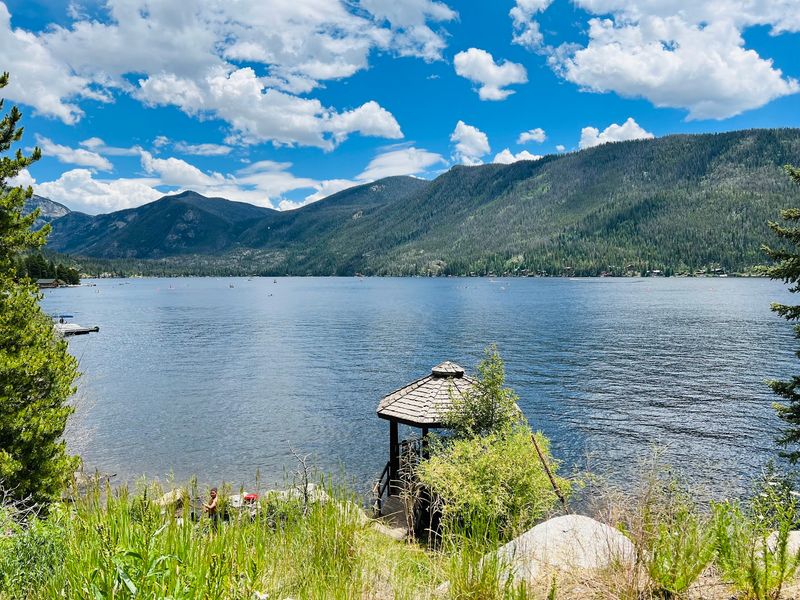
Not every town is named so plainly. Grand Lake took the direct route and named itself after the lake it sits beside.
The lake is the main reason people make the drive. It anchors the town and shapes how locals spend their time.
For many Coloradans, a mountain lake is the easiest kind of escape. It offers a place to sit, walk, and slow down without a big plan.
That simplicity is part of the appeal for retirees and busy families. A day by the water does not require special skills or expensive gear.
It is also part of why the town is getting busier. Easy escapes tend to attract a lot of people at once.
Anyone hoping to keep things calm may want to aim for early hours. Shorelines often feel more relaxed before the day crowd arrives.
The lake was here long before the traffic, and it will likely outlast every busy summer weekend.
4. Life on the West Side of the Divide
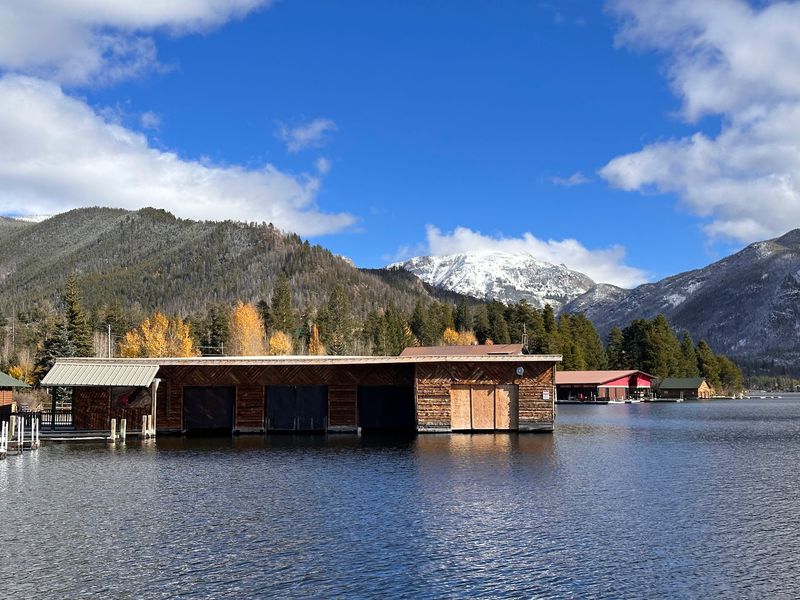
Ask a Denver resident where Grand County is, and you might get a thoughtful pause. It sits on the western side of the high country, away from the busiest Front Range suburbs.
That geography is part of what kept Grand Lake quiet for so long. Getting there takes intention, and it is not the kind of place most people pass through by accident.
Distance can be a filter. Towns that take more effort to reach often stay calmer than towns right off a major highway.
Still, better information and social media have made remote spots easier to discover. A town that once relied on word of mouth now shows up on far more travel lists.
For locals, that is a mixed blessing. More guests can support small businesses, but they can also change the pace of daily life.
Planning the drive with weather and season in mind is wise. Mountain conditions can shift quickly in Colorado.
A little preparation keeps the trip on the road and the stress in the rearview mirror.
5. Statutory Town, Small-Town Rules
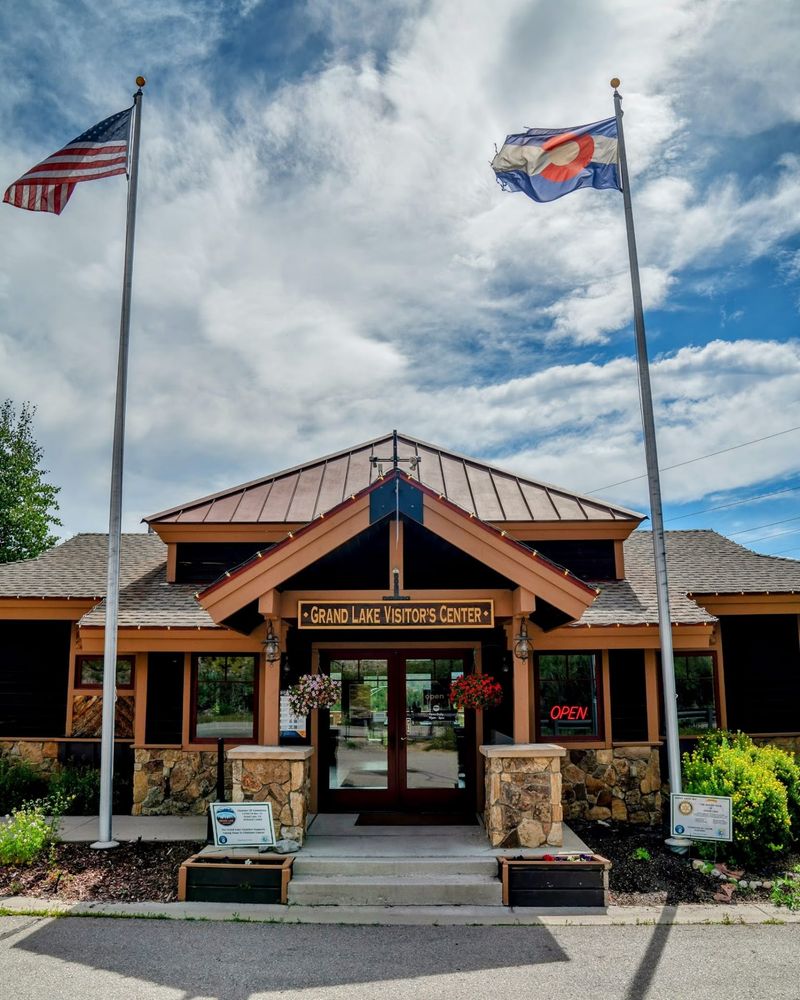
Paperwork rarely makes headlines, but it shapes daily life. Grand Lake is classified as a statutory town, which means it operates under Colorado state statutes rather than its own home rule charter.
For residents, that local government handles the everyday business of a small community. For guests, it is the source of official notices and town updates.
The town website, townofgrandlake.com, is where that information lives. It is the most reliable place to check for current details before a visit.
Small governments also tend to feel personal. In a town of 410, decisions can affect neighbors you see at the post office.
That closeness is part of what longtime locals value. It is also why growth pressure can feel so noticeable there.
Visitors who respect local rules help keep that balance. Simple things like parking where allowed and following posted notices go a long way.
Good manners may be the cheapest way to earn a warm welcome in any small Colorado town.
6. The Quiet Locals Remember
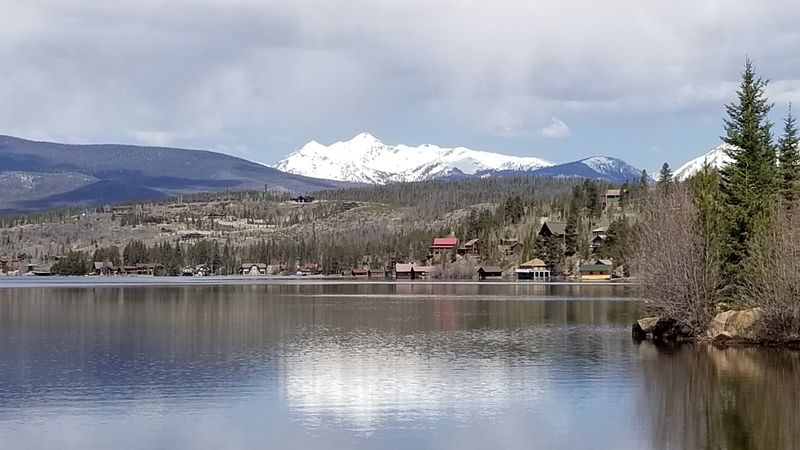
Ask anyone who has known Grand Lake for decades, and the word quiet comes up fast. That is the version of the town many locals fell for.
Quiet in a mountain town means room to move. It means finding a spot by the water without competing for it.
It also means a slower rhythm of daily life. Errands take minutes, and plans rarely need reservations.
That kind of calm is hard to find in much of Colorado today. Popular resort towns have long since traded it for busier seasons.
So when a smaller town starts getting attention, people who love it naturally worry. They have seen what happened elsewhere.
The good news is that quiet has not vanished entirely. It has just become more dependent on when you show up.
Memories of the old pace still shape how locals hope the town will grow next.
7. Who Grand Lake Suits Best
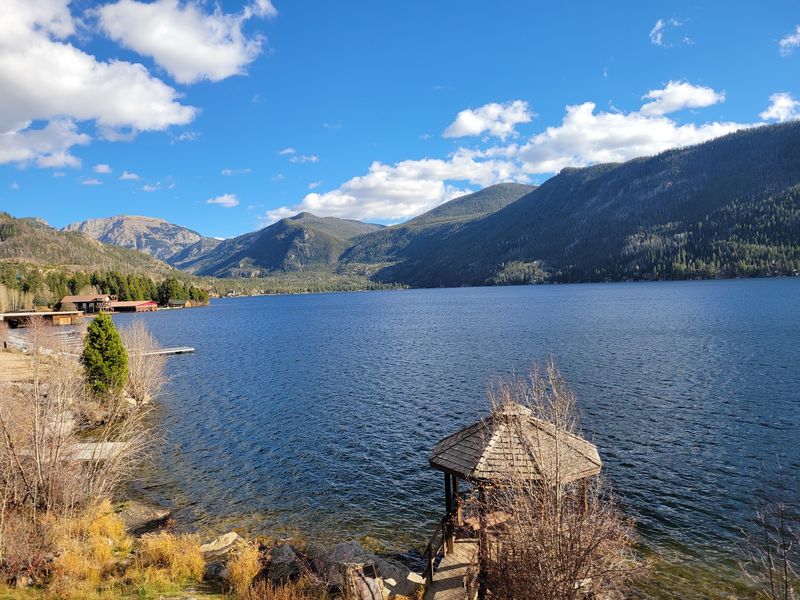
Some towns are built for thrill seekers. Grand Lake tends to suit people who want something slower.
Retirees on fixed incomes may find it appealing for low-key day trips. A lakeside walk and a quiet afternoon do not demand a big budget.
Parents looking for grown-up time can also find a calm escape here. A small town removes much of the planning stress that comes with bigger destinations.
Families with kids can enjoy the lake setting too. Open space and simple outdoor time are easy wins for younger travelers.
People hoping for nightlife or big-city energy may want to look elsewhere. With just 410 residents, this is not that kind of place.
That honesty helps everyone. The right guests tend to leave happy, and the town keeps its gentle pace.
Matching the trip to the town, rather than the other way around, is half the fun.
8. Timing Is the Real Secret
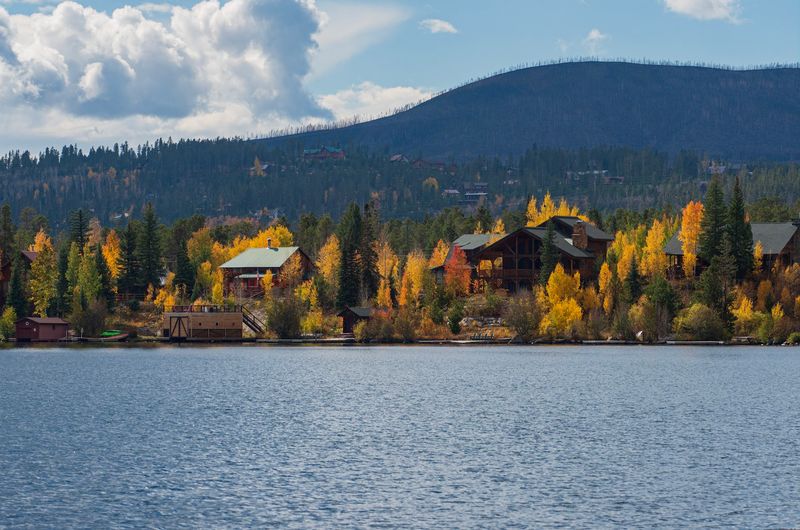
Crowds follow calendars. In Colorado mountain towns, summer and holiday weekends usually bring the biggest waves of people.
For Grand Lake, that means the quietest experience may come outside those peak stretches. Weekdays can be less crowded than Saturdays.
Shoulder seasons are worth a look as well. Late spring and fall often see fewer travelers in many high country towns.
Mountain weather does add a catch. Conditions can change fast, so flexible plans work better than rigid ones.
Early mornings are another simple strategy. Many people arrive later in the day, leaving the first hours calmer.
Front Range residents have an edge here. Living closer makes it easier to pick a good day instead of committing to a fixed vacation week.
Choose the day wisely, and the old quiet may still be waiting.
9. Easy Escapes on a Small Budget
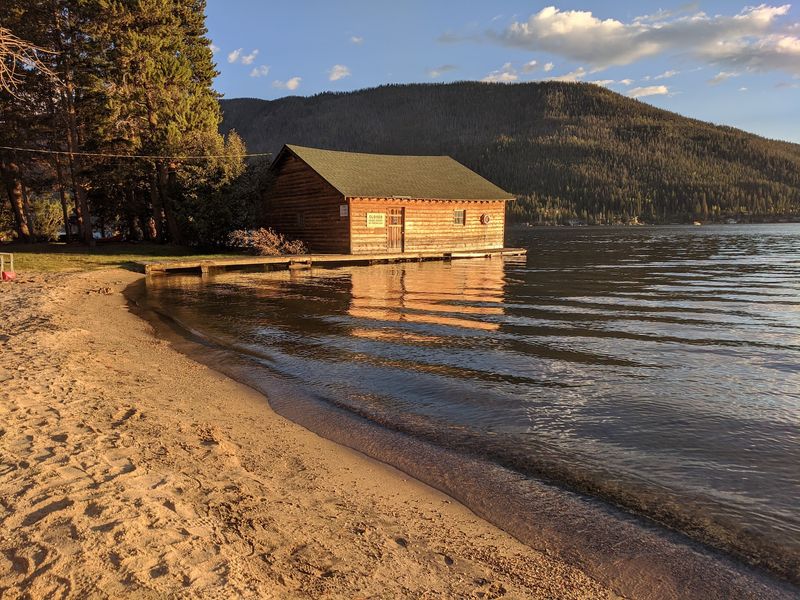
A good getaway does not have to drain a savings account. Grand Lake can work as a simple, low-cost escape for Colorado residents.
The lake itself is the main draw. Spending time near the water can be a cheap way to fill a day.
Packing food from home can trim costs further. A day trip with a cooler and a folding chair keeps spending low.
Fuel is likely the biggest expense for many Front Range drivers. Carpooling with friends or family can help split it.
Overnight stays in busy seasons may cost more in any mountain town. Off-peak dates can help keep things more reasonable.
Exact prices change often, so checking current options before booking is smart. The town website is a helpful starting point for local information.
Sometimes the best value in Colorado is a lake, a free afternoon, and nowhere urgent to be.
10. Being a Good Guest in a Small Town
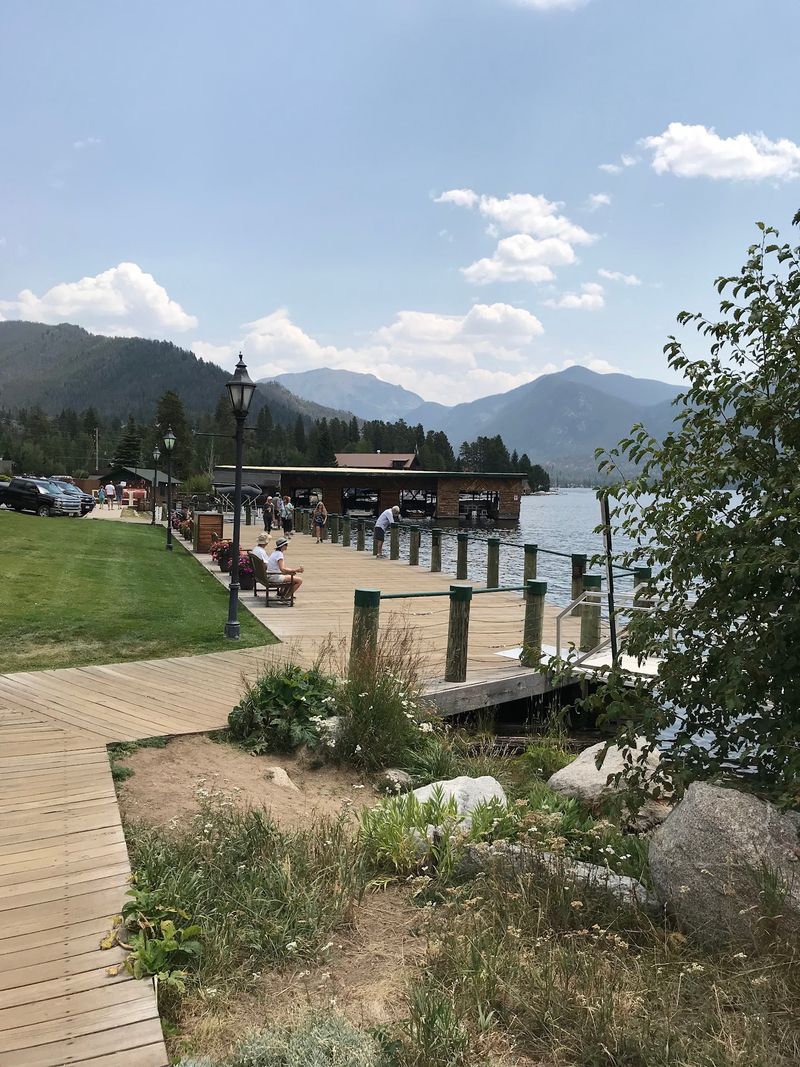
Popularity is not a problem by itself. How people behave once they arrive makes the real difference.
In a town of 410, every guest has an outsized impact. Small choices add up quickly.
Parking in marked areas helps residents get on with their day. Keeping noise down near homes helps too.
Packing out trash is another easy step. Small towns have limited resources for cleanup during busy stretches.
Supporting local businesses can also matter. Spending money in town helps the community benefit from its visitors.
Patience during busy times keeps the mood friendly. Shops and staff in small towns can get stretched thin.
Locals often say they do not mind sharing their town. They just hope people treat it like a neighborhood rather than a theme park.
A little courtesy turns a crowded weekend into a shared one.
11. Growth and the Question of Home
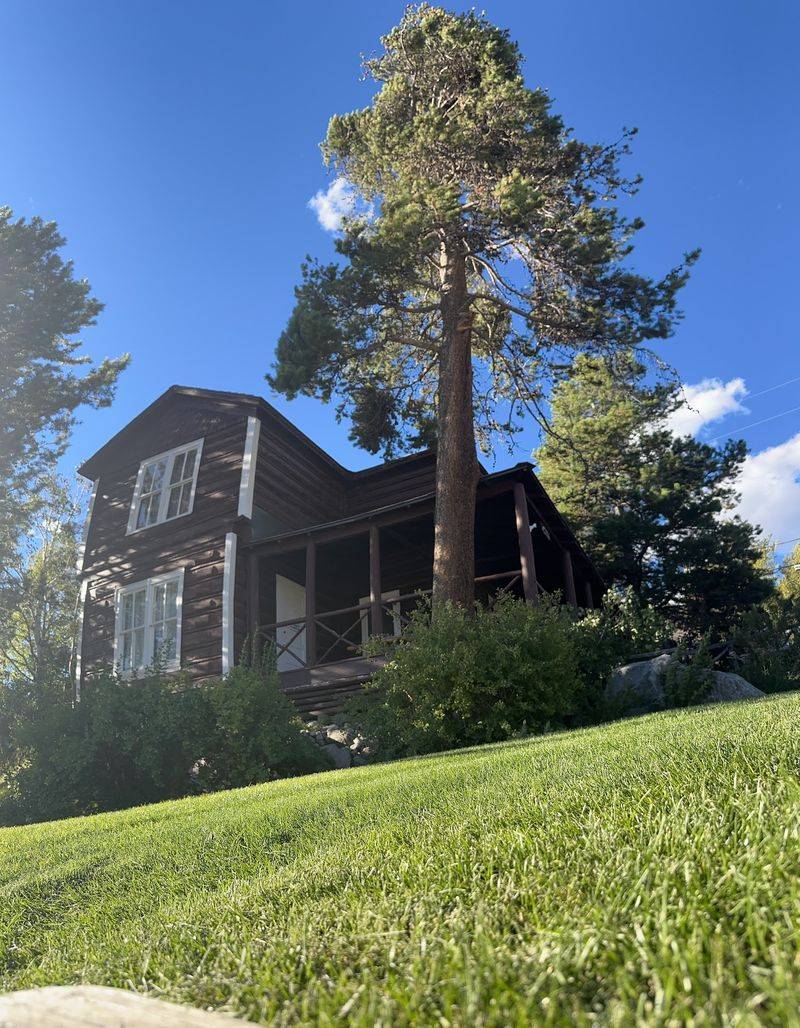
Popular towns attract more than day trippers. They also draw people thinking about buying a home or a second place.
That can be a tough shift for small mountain communities. Housing demand from outside can affect what locals can afford.
Many Coloradans already feel priced out of Denver and resort towns. Seeing a quiet town gain attention can stir worries about the same pattern.
Grand Lake has stayed small so far, with 410 residents in 2020. Whether that changes depends on many factors beyond any one article.
Anyone curious about living there should do careful research. Local market conditions can shift, and small towns have limited inventory.
Talking to people who already live in the area can offer useful perspective. They know the rhythms of each season better than any listing.
Home is more than an address in a mountain town, and residents feel that keenly.
12. Before You Hit the Road
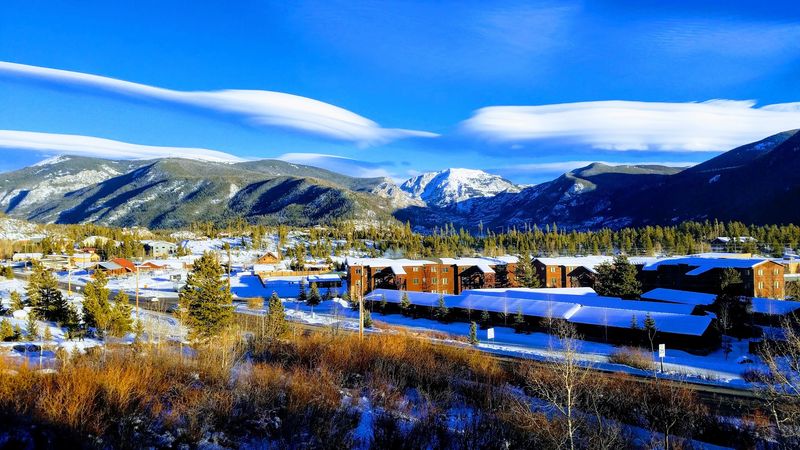
A little homework goes a long way. Grand Lake is in Grand County, Colorado, on the western side of the mountains.
The official town website is townofgrandlake.com. It is the best place to look for current town updates.
Check road and weather conditions before leaving. Mountain routes can be affected by snow, storms, or seasonal closures.
Bring layers, water, and snacks. Small towns may have fewer options than city travelers expect.
Gas up before heading into the high country. Filling the tank early can prevent stress later.
Arriving early helps with parking and calmer conditions. It also leaves more of the day for the lake.
Hours and prices for local businesses change, so confirming them directly is wise. That way, there are no surprises on arrival.
Prepared travelers tend to have the smoothest days, and the town appreciates it too.
13. Still Worth the Drive
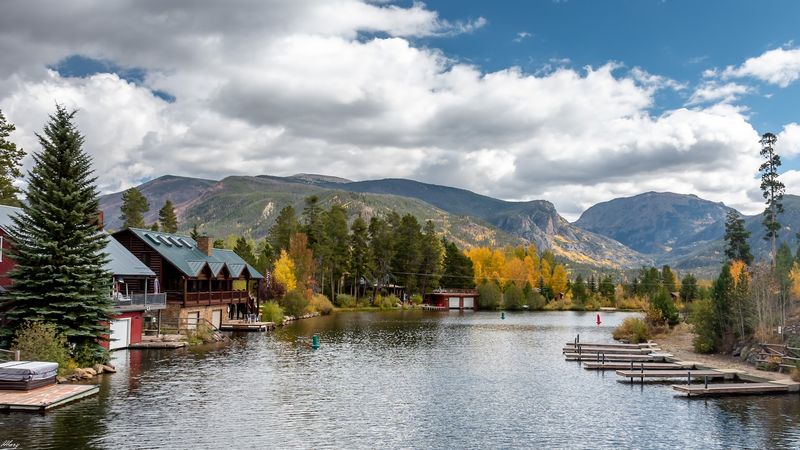
So is Grand Lake too popular now? The honest answer is that it depends on the day.
On busy weekends, locals feel the squeeze. On quiet weekdays and off-peak stretches, the calm many people fell for can still show up.
The town remains small, with just 410 residents counted in 2020. That smallness is its charm and its challenge.
For Colorado residents, it offers an easy lake escape away from the I-70 crush. It rewards those who plan around crowds.
Respecting the town keeps it worth visiting for everyone. Good timing and good manners do most of the work.
Grand Lake has not lost its spirit. It just asks a bit more from the people who come to enjoy it.
Go gently, go early, and the quiet side of Grand Lake may be glad to see you.
Share this story