A big mining company already worked this creek and walked away from the small stuff. That leftover gold is still sitting in the gravel, and regular folks with pans and buckets are still hunting for it. The spot sits on public land near Twin Lakes, it costs nothing to camp, and it never closes.
Here is what to know before you load the shovel, from the rough road in to the rules that keep it open.
1. A Free Gold Creek Near Twin Lakes
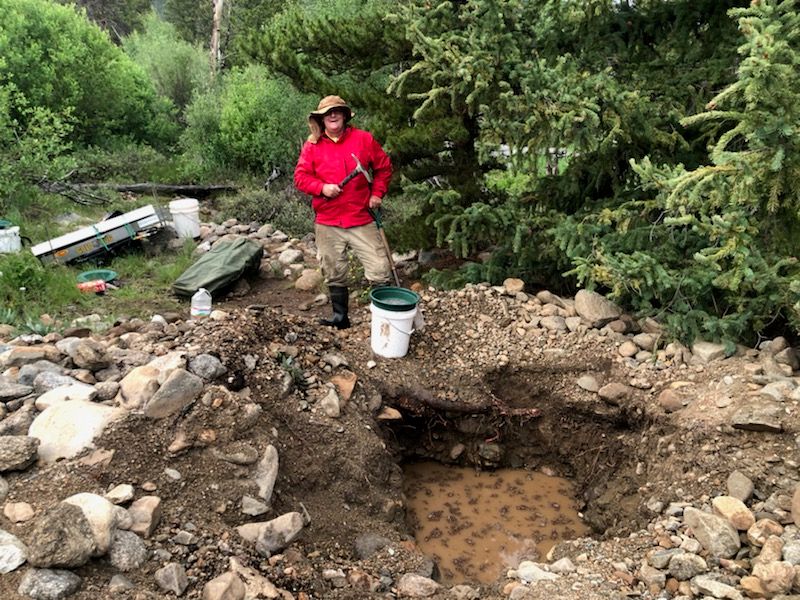
Tucked into the high country of Lake County, the Cache Creek Mining area sits at Twin Lakes, CO 81251. It is a public recreation spot where people come to pan, sluice and camp along a creek with a long mining past.
The land is managed by the Bureau of Land Management. The Colorado Trail also cuts around its western edge, so hikers and prospectors end up sharing the same hillsides.
Nobody sells tickets here. The area is open 24 hours a day, seven days a week, and camping is free.
That combination is rare in Colorado. Most outdoor fun near the resort towns comes with a parking fee, a reservation window or a long line of cars on I-70.
Here, the price of admission is mostly effort. Bring your own tools, your own patience and a willingness to get muddy knees.
The place holds a solid 4.4-star standing across dozens of opinions, which says a lot for a spot with no buildings and no staff. People keep coming back because it delivers a simple thing done well: a real chance to find real gold on land that belongs to everyone.
2. Gold the Big Operators Left Behind
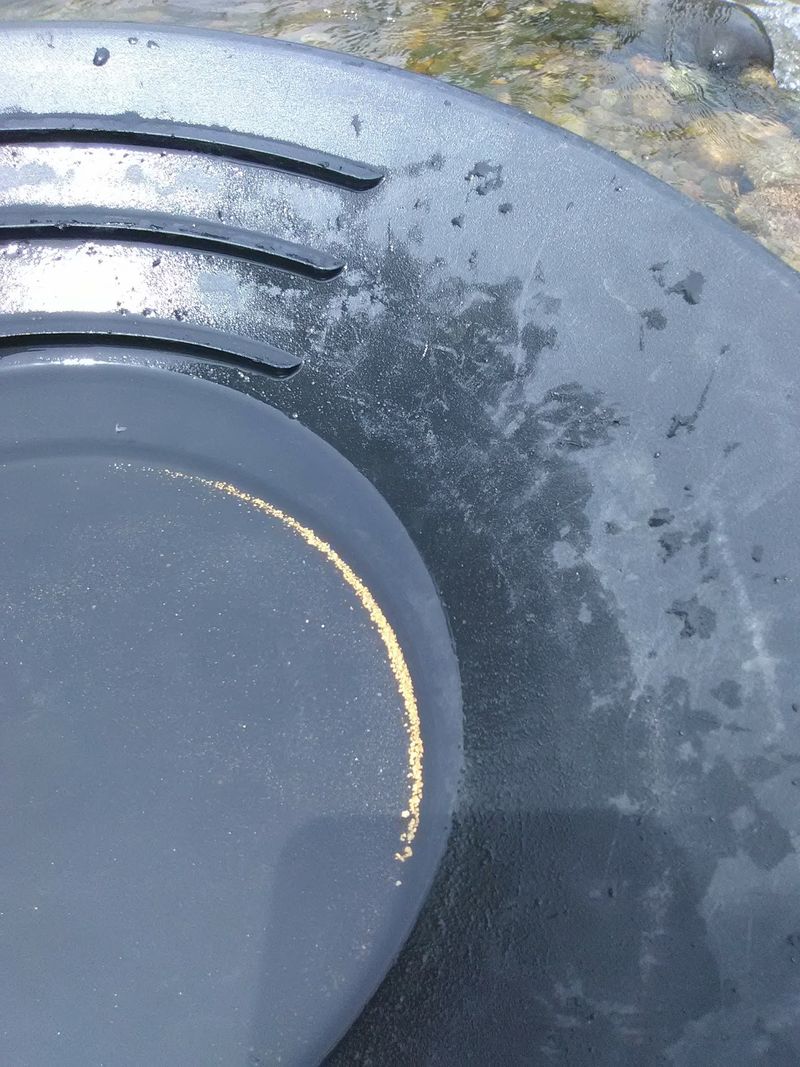
Commercial miners worked Cache Creek long before weekend panners arrived. They pulled out what their methods could handle and moved on.
What stayed behind was gold too small or too tricky for large-scale equipment. For a hobbyist with a pan, that is exactly the good news.
Those fine particles and small flakes still settle into the creek bed. Experienced diggers describe finding small pieces called pickers in nearly every sluice run, along with flakes in every run.
The mine itself was eventually shut down because it contaminated the area. Mercury from the old operation is still part of the story, and it shapes how smart prospectors behave today.
That history makes the creek feel like a second chapter. The first act belonged to companies with heavy machines, and the sequel stars families with buckets.
For Coloradans who love heritage stories, this is one you can actually stand in. The gravel you scoop is the same ground earlier miners churned through, just with the leftovers still waiting.
3. The Rough Road to Pay Dirt
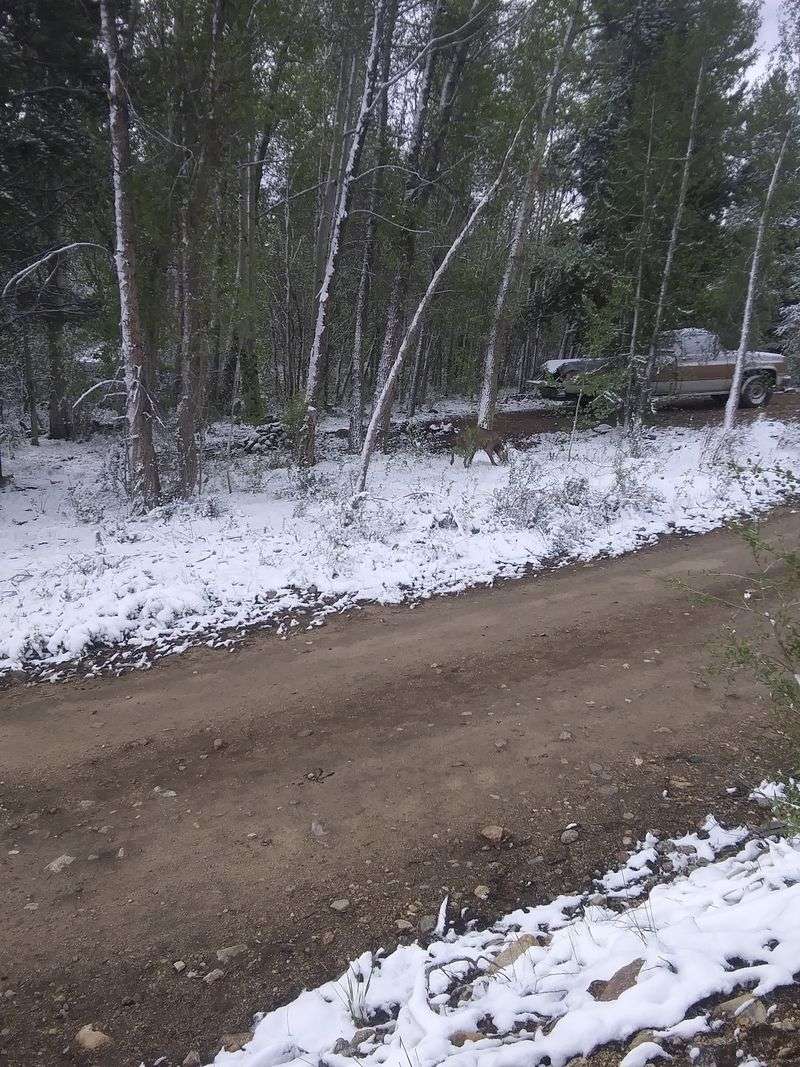
Getting there is the first test. The last few miles are unpaved, and the road has earned some strong opinions.
Some people call it awful. Others say most standard vehicles can make the trip without trouble in dry weather.
After a hard rain, the picture changes. All-wheel drive or 4×4 is the safer bet once the dirt turns slick, and pulling a trailer is not recommended.
Here is a tip worth saving. Keep driving past the point where Google Maps says you have arrived, and the parking and camping areas will show up ahead.
The parking lot sits at about 8,250 feet. That altitude can sneak up on anyone coming from lower elevations, so pace yourself on the first day.
Plan for a slow, bumpy finish to the drive. Nobody wins a prize for reaching the creek first, but your tires will thank you for taking it easy.
4. Pans, Sluices and Sore Shoulders
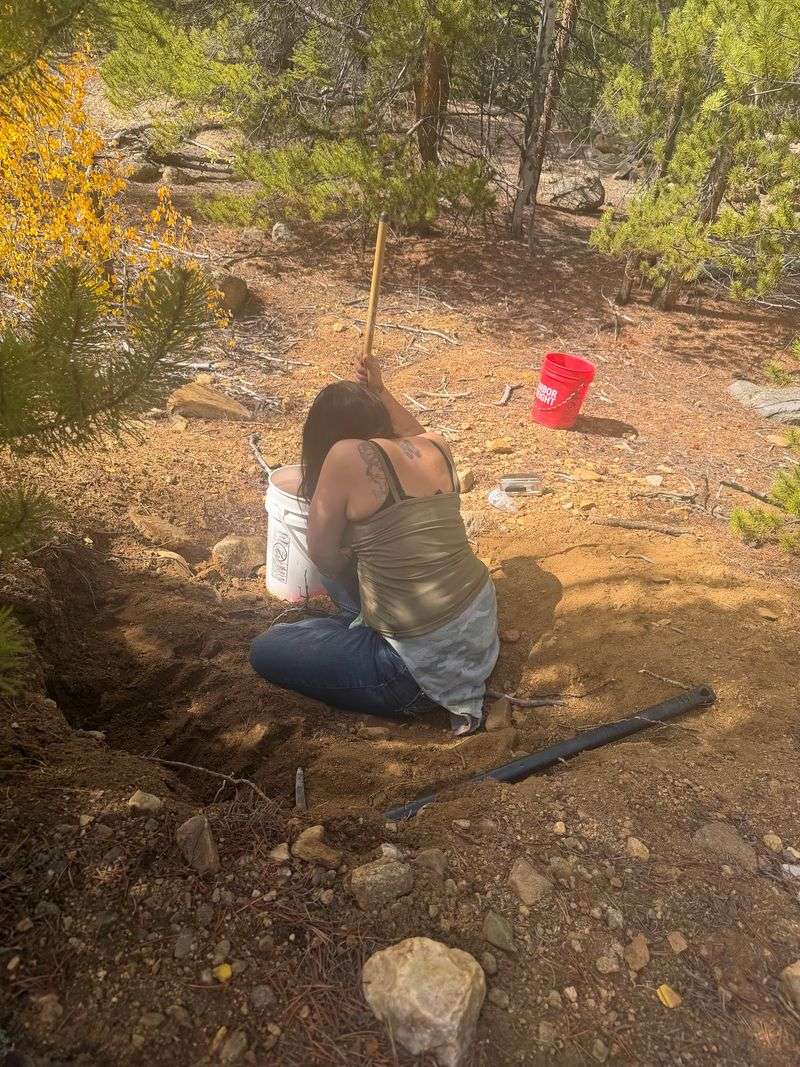
Gold here does not jump into your hand. It takes work, and plenty of it.
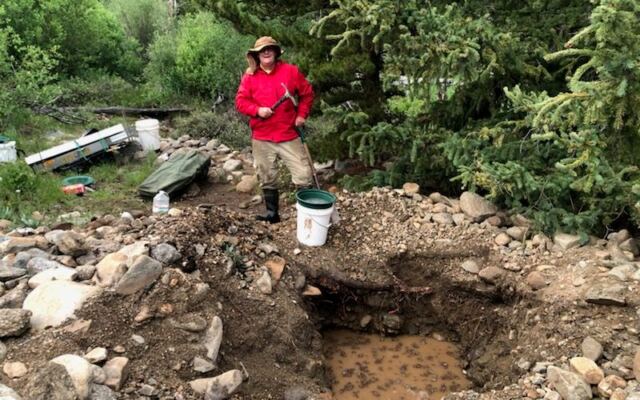
Seasoned diggers estimate that 75 to 100 pounds of pay dirt can yield just a few flakes. That is a lot of shoveling for a little shine.
The basic gear list is short but important:
A gold pan, a sluice, a couple of shovels and a really sturdy bucket. Some folks also bring a snuffer bottle for collecting fine pieces.
Results vary widely. Some groups report flake in every run and small nuggets for the lucky ones.
Others pan for hours across several spots and come home with nothing, or with fool’s gold that fooled them for a minute. Knowing how to read the creek makes a huge difference.
Going with someone experienced is the best shortcut. A good teacher can turn a frustrating afternoon into a pan that finally holds some color.
5. Why the Creek Water Stays in the Creek
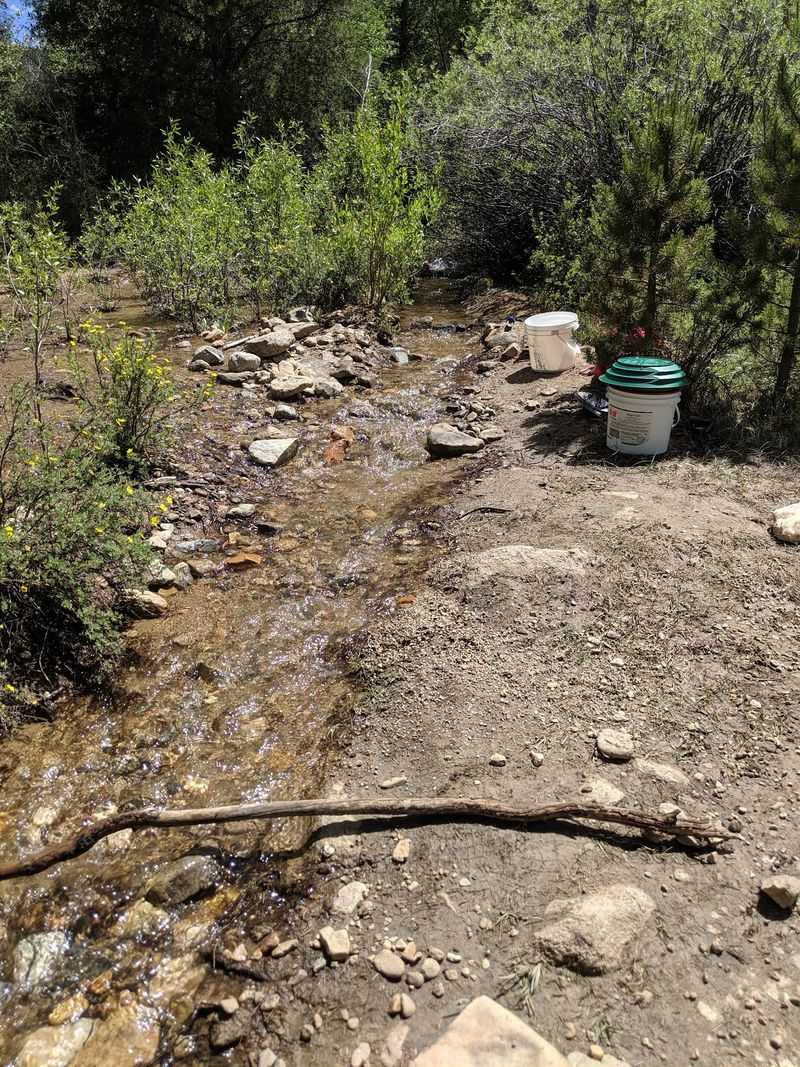
Thirsty after a morning of digging? Do not reach for the creek.
The old mine was closed because it polluted the area, and mercury is still linked to the gold here. Experienced prospectors warn against drinking the water or eating anything from Cache Creek.
That means every drop you drink should come from home. Pack in plenty, because hard work at high altitude burns through water fast.
Mercury also affects how the gold is separated. Getting clean gold may take extra steps, and that process is not something to try casually.
None of this should scare off a careful family. It simply means wash up, keep kids from sipping creek water and treat the stream as a workplace rather than a water source.
A little caution goes a long way. Respect the creek, and it can still hand over a fun day without any unwanted souvenirs.
6. Free Campsites That Fill by Afternoon
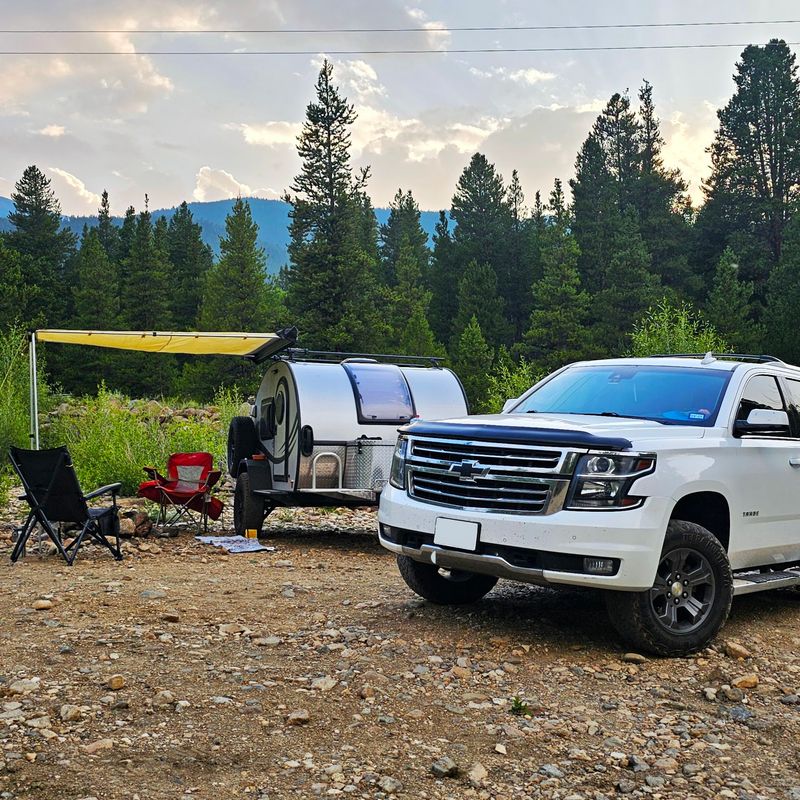
Camping is the most talked-about part of the Cache Creek experience, and the price is hard to beat. It is free.
Several campsites sit right on site. The catch is that many people stay a day or two, so open spots disappear quickly.
Arrive early if you plan to spend the night. Showing up late on a busy weekend could leave you hunting for a site instead of gold.
Shade is limited, and not every spot sits next to running water. Some campers wish for more tree cover on sunny days.
Still, the routine many settle into is hard to top. Dig from first light until early afternoon, eat lunch by the creek and cook dinner over a fire at night.
For retirees and families on a budget, that kind of week costs little beyond gas and groceries. A free campsite near a gold creek is a pretty rich deal on its own.
7. Roughing It Means Packing It All
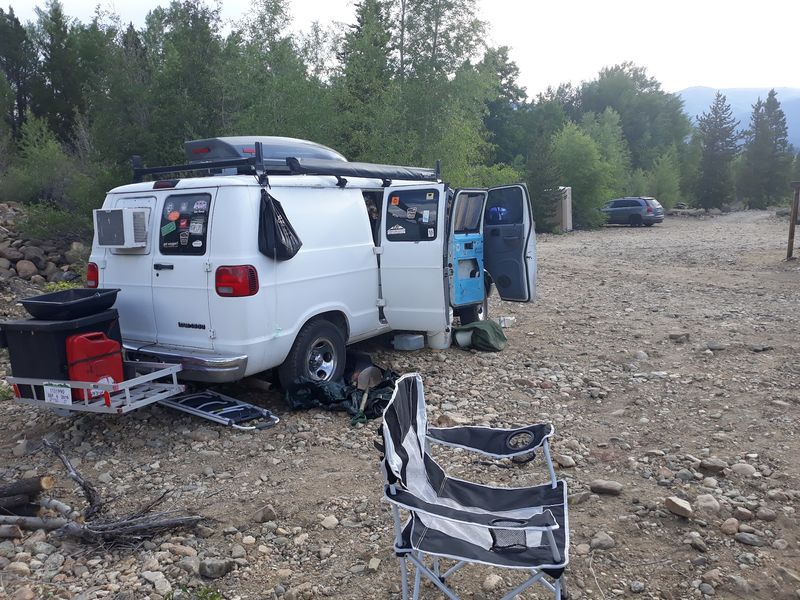
There are no restrooms at Cache Creek. None.
That single fact shapes the whole trip. Everything you need, from water and food to tools, has to be carried in.
And yes, everything has to be carried out again. Trash adds up surprisingly fast, even for campers who think they travel light.
If you need facilities, Clear Creek and Twin Lakes camping areas are both nearby. Clear Creek gets plenty of praise for its good sites.
Staying at Cache Creek itself means handling the basics on your own. Dig a proper latrine and cover it completely before you leave.
Some campers mark their paths with crepe paper ribbons that break down in the first rain. It is a simple trick that helps you find your way without leaving a lasting mess.
Leave your site better than you found it. The next family to pull in will be glad you did.
8. Trails Beyond the Gold Pan
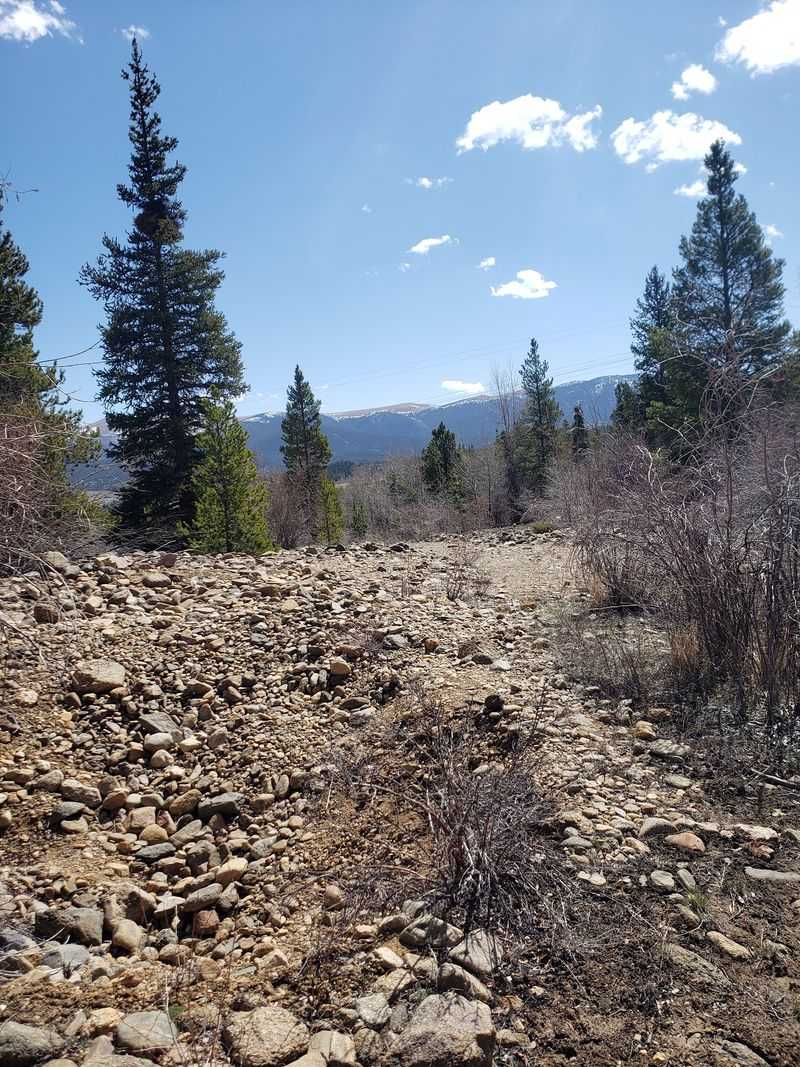
Not every trip has to end with a heavy bucket. Plenty of people come just to walk.
Hiking ranks right behind gold panning and camping as a favorite activity here. Short day hikes reward walkers with wide mountain views.
Trails branch off in several directions, and the Colorado Trail skirts the western edge of the area. That gives hikers options from quick strolls to longer outings.
One caution comes up often. Even if trails seem well marked, set a waypoint at your vehicle or note a clear landmark so you can find your way back.
Watch your footing too. Uneven ground near the creek and on the slopes can trip up anyone focused on the scenery.
A family that brings pans but spends half the day hiking still goes home happy. Sometimes the best find is simply a good trail on a quiet day.
9. Elk, Deer and One Bossy Jay
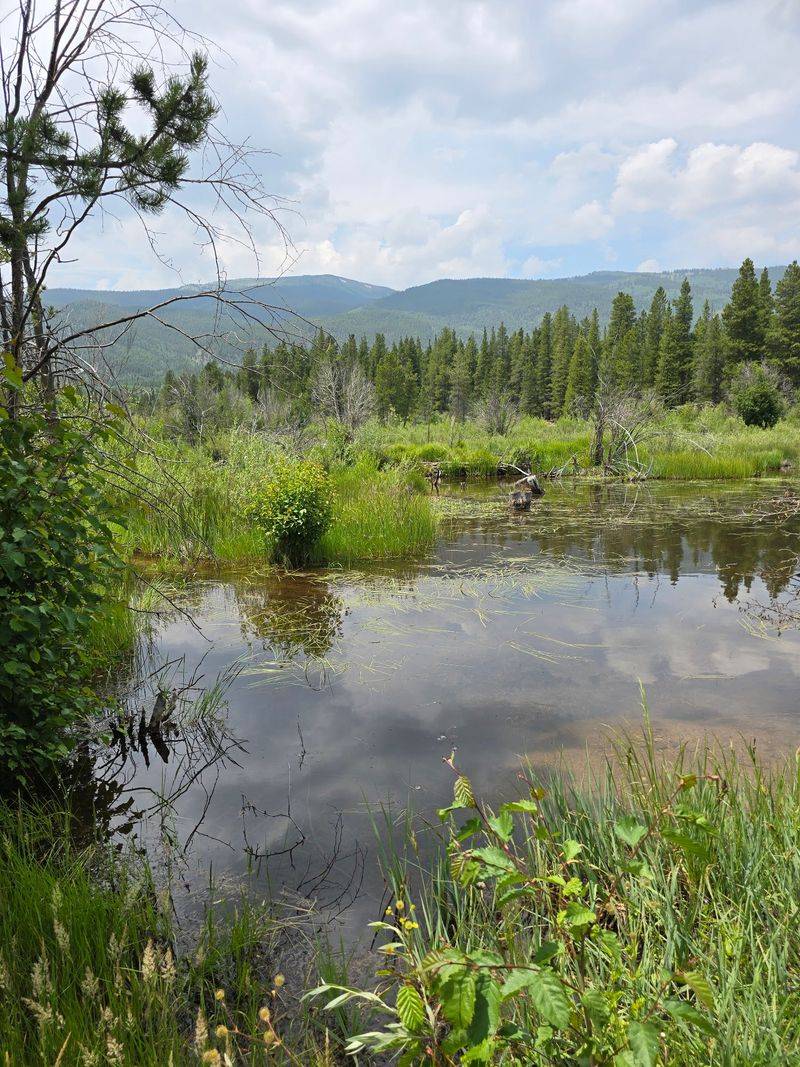
Gold is not the only thing moving around these woods. The local wildlife makes regular appearances.
Campers have spotted deer, elk and chipmunks around the area. One mountain jay reportedly made a habit of scolding a prospector every chance she got.
That kind of company is part of the charm. Spending a week in alpine woods can feel worthwhile even if the pan stays empty.
The scenery earns steady praise as well. People describe the countryside as beautiful again and again.
Keep food stored properly and give animals space. A tidy camp is better for the wildlife and for the next visitors who set up nearby.
Mosquitoes also count as wildlife, technically. They can be bad, so bug spray belongs in the bag right next to the pan.
10. Friendly Diggers and Shared Know-How
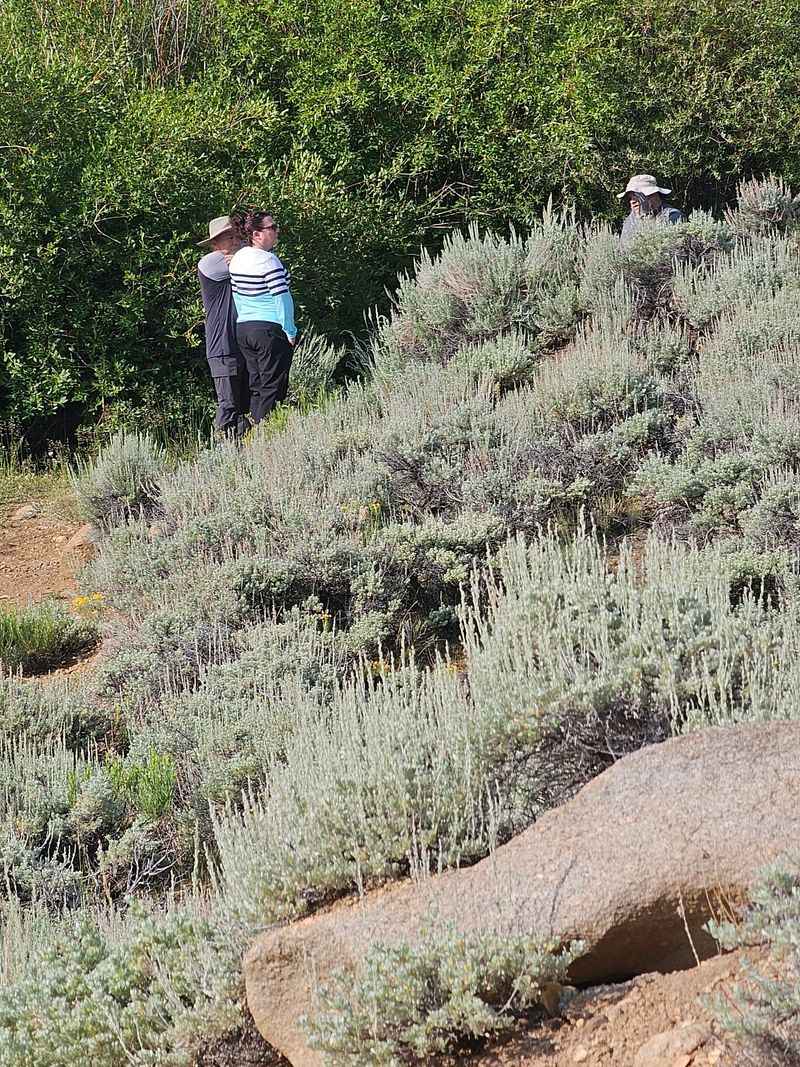
Ask almost anyone about the crowd at Cache Creek, and friendliness tops the list. People here tend to share tips freely.
Newcomers often get help with techniques and information from those who have been at it longer. That makes the learning curve a bit less steep.
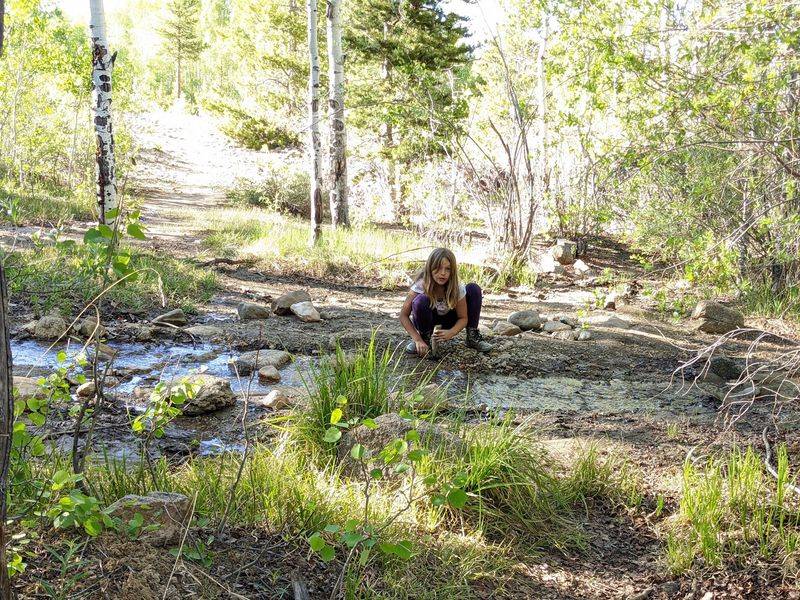
Kids seem to love the place too. Families describe it as cheap fun that children enjoy, with hiking and panning to keep them busy.
The whole spot carries a not-touristy feel. There are no gift shops or guided tours, just people working the creek side by side.
Courtesy matters because the resource is shared. Being thoughtful and kind when meeting others on the mountain keeps the mood easygoing.
Bring a good attitude and a willingness to ask questions. Gold may be scarce, but advice around here is usually plentiful.
11. Rules That Keep the Creek Open
Cache Creek has a worry hanging over it. Many regulars fear the area could be shut down if rule-breaking continues.
Concerns include highbankers, a dredge, diverted water, fake campsites and motorbikes in areas where they do not belong. These activities can damage the creek and put access at risk for everyone.
There is also a stay limit of about two weeks. Some campers have complained that long-term occupants stretch past it.
Locals say they watch closely and report problems to BLM officers, Forest Service officers and the sheriff. Taking photos as proof is part of that effort.
The message is simple. Hand tools, honest stays and clean campsites help keep this free spot open.
Following the rules is not just about avoiding trouble. It is the easiest way to make sure your grandkids can pan here someday too.
12. Smart Moves Before You Go
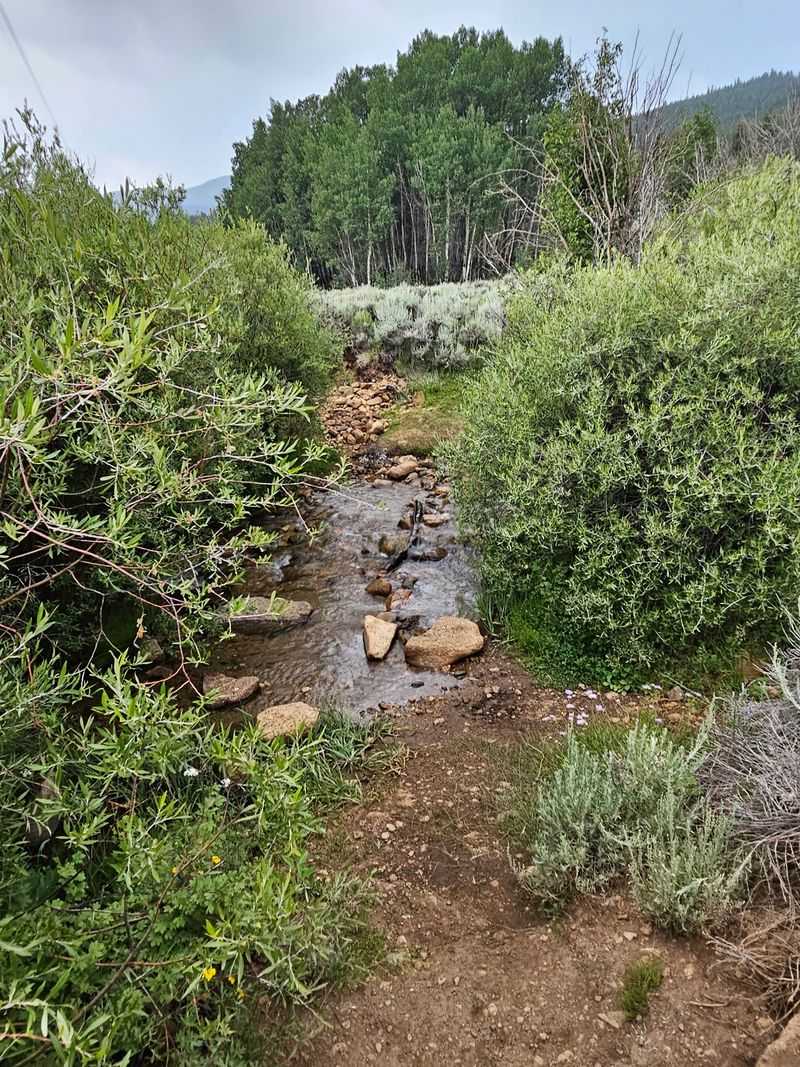
A little planning saves a lot of grief at 8,250 feet. Start with your vehicle and lock it every time you walk away.
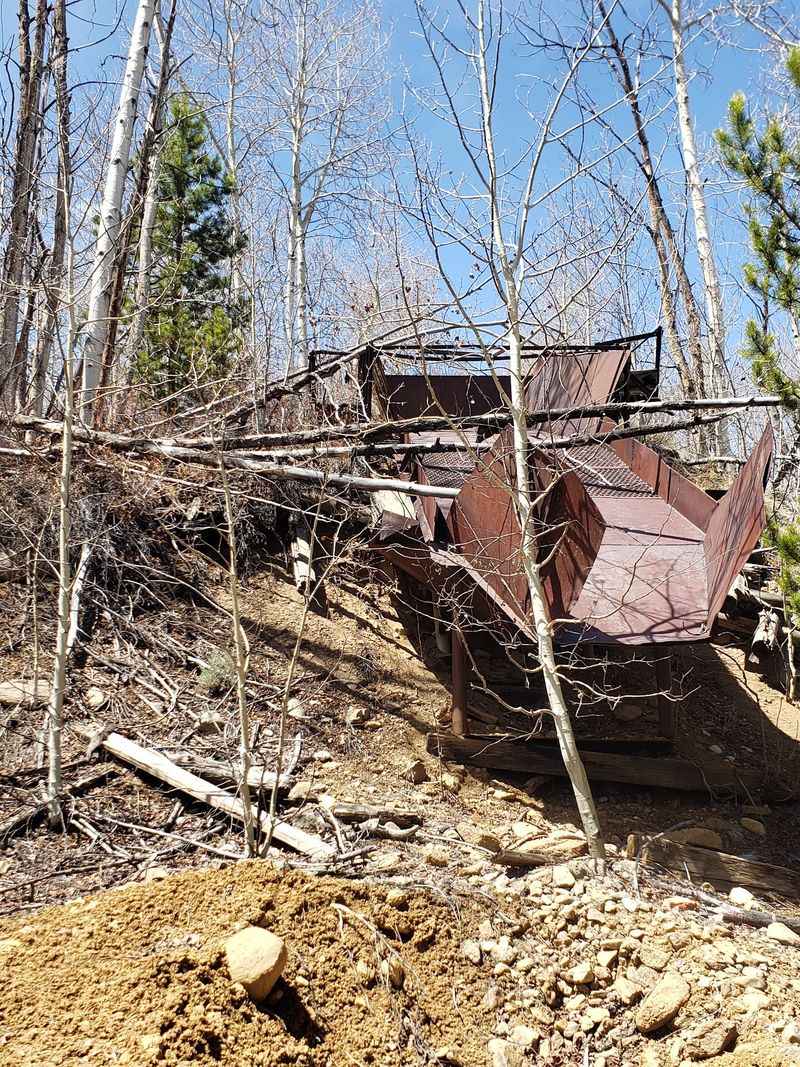
Some people have reported people living on site for long stretches, leftover equipment and litter around the dig areas. A few have also warned about others taking gold, so keep your finds close.
Pack these basics:
Water shoes for wading the stream, bug spray, plenty of drinking water and food for every meal. Sun protection helps too, since shady campsites are limited.
Weather matters for the drive. After heavy rain, AWD or 4×4 makes the last stretch far easier.
The area never closes, so timing is up to you. Arriving early is the best way to grab a campsite before the day gets busy.
Leadville is in the same region as well. Some folks pair a creek trip with a scenic, rough mountain drive nearby for extra views.
13. Worth the Dirt Under Your Nails
So is Cache Creek worth the bumpy road and the heavy buckets? For the right person, the answer looks like yes.
Anyone expecting easy riches may leave disappointed. The gold is small, the work is hard and some days end with nothing but sore arms.
Yet the trade-off is appealing. Free camping, open access all day and night, friendly neighbors and wide mountain views cost almost nothing.
Families, retirees and curious beginners can all find something here. Experienced prospectors may find pickers and the occasional nugget.
The spot asks for respect in return. Pack it in, pack it out, skip the creek water and follow the rules.
Treat it well, and this old mining creek can keep paying out small rewards for years. Sometimes the best leftovers in Colorado are the ones you dig up yourself.
Share this story