Tennessee is packed with hiking trails that won’t wear you out before lunchtime. Whether you’re looking for waterfalls, lakeside strolls, or mountain views, the state offers plenty of paths that deliver big scenery without requiring all-day commitment.
These trails are perfect for families, casual hikers, or anyone who wants to enjoy nature without the stress of a marathon trek.
1. Cataract Falls Trail — Gatlinburg
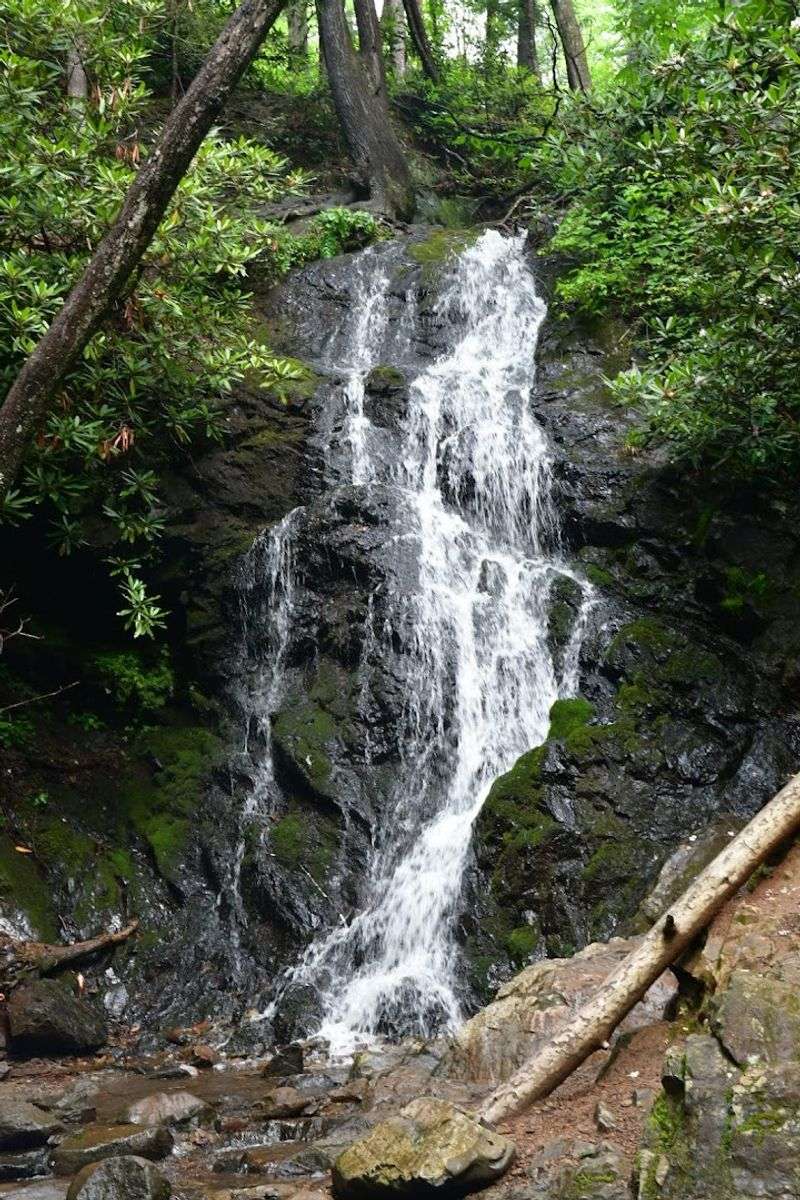
If you’ve ever wanted to see a waterfall without spending half your day getting there, this trail is your answer. Cataract Falls sits just off the main road near Gatlinburg, and the walk to reach it is barely over a mile round trip. The path winds through thick woods filled with ferns and rhododendrons, making it feel more remote than it actually is.
What makes this spot stand out is how quickly you’re rewarded. Within minutes of starting, you’ll hear the water rushing ahead, and soon enough, you’re standing in front of a beautiful cascade tumbling down a rocky ledge. It’s not the tallest waterfall in the Smokies, but it’s photogenic and peaceful, especially on weekday mornings when fewer people are around.
The trail itself is fairly gentle, though there are a few tree roots and rocks to step over. Wear shoes with decent grip, especially if it’s been raining recently. The area can get slippery near the falls, so watch your footing if you venture close to the water.
Because it’s so short and accessible, Cataract Falls tends to attract families with young kids and visitors who are new to hiking.
2. Gatlinburg Trail — Gatlinburg
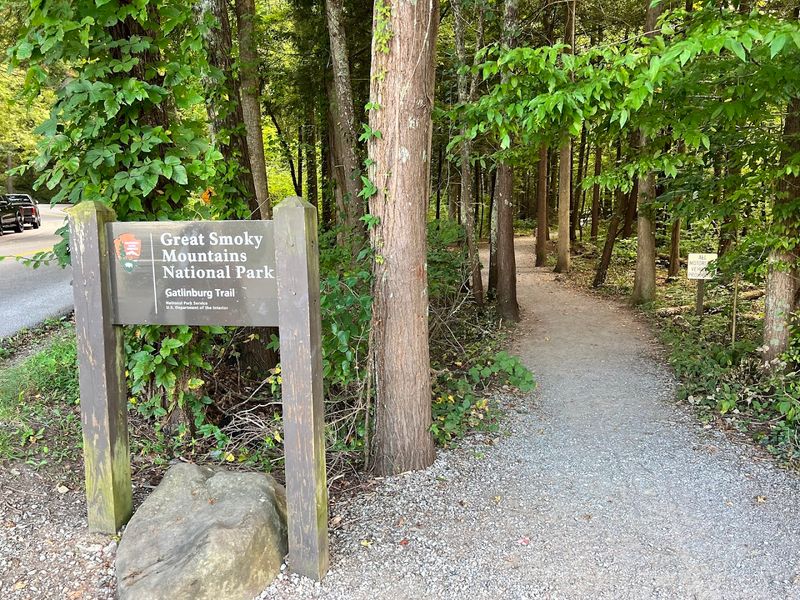
Most trails in the Smokies come with a long list of rules, but Gatlinburg Trail breaks the mold. This nearly four-mile path is one of the few places in the park where you can bring your dog and even ride a bike. It follows the Little Pigeon River from downtown Gatlinburg all the way to the Sugarlands Visitor Center, offering a relaxed outdoor experience that feels more like a riverside stroll than a workout.
The trail is mostly flat and paved in sections, making it accessible for strollers, wheelchairs, and anyone who prefers an easygoing pace. You’ll pass old homesites, stone walls, and chimneys left over from the families who once lived in these mountains before the park was established. It’s a nice reminder that this land has a deep human history alongside its natural beauty.
Because it runs parallel to the road for part of the way, you’ll hear some traffic noise, but the river sounds usually drown it out. Wildlife sightings are common here—deer, wild turkeys, and songbirds are regulars, and if you’re lucky, you might spot a salamander near the water’s edge.
3. Radnor Lake Trail — Nashville
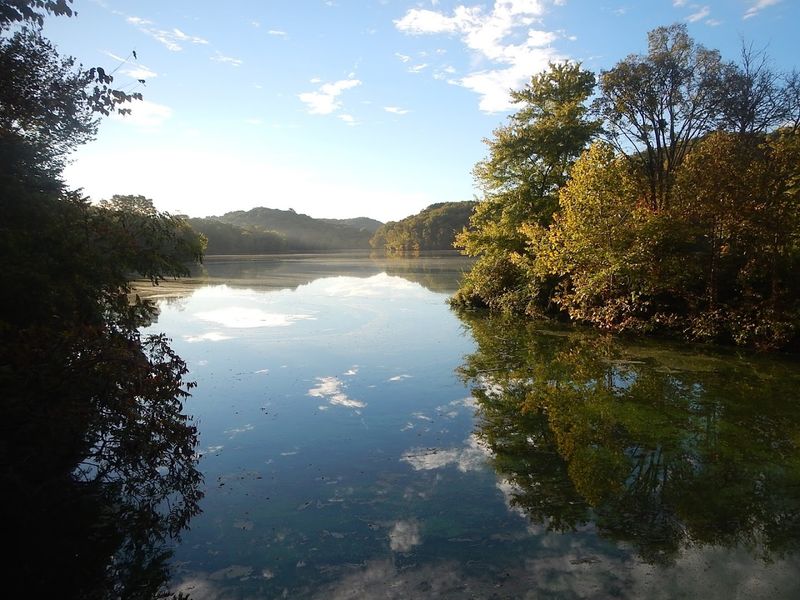
Radnor Lake sits just a few miles from downtown Nashville, but it feels like a different world entirely. The main loop trail stretches about three miles around the lake, offering a quiet escape where the only sounds are birdsong, rustling leaves, and the occasional splash of a turtle sliding into the water. It’s one of the best places in Middle Tennessee to disconnect without driving far.
The trail itself is wide, well-maintained, and mostly flat, making it ideal for walkers of all ages. You’ll pass through hardwood forests, wetlands, and open shoreline, with plenty of spots to pause and take in the view. Wildlife is everywhere—great blue herons, Canada geese, white-tailed deer, and otters are all common sights, and birdwatchers come here year-round to spot migratory species.
Because Radnor Lake is a state natural area, there are some restrictions to keep in mind. Dogs aren’t allowed on the trails, and neither are bikes or jogging strollers. The goal is to preserve the habitat and keep the experience peaceful for both visitors and wildlife.
The trade-off is a genuinely serene environment that feels protected and unhurried.
4. Burgess Falls Trail — Sparta
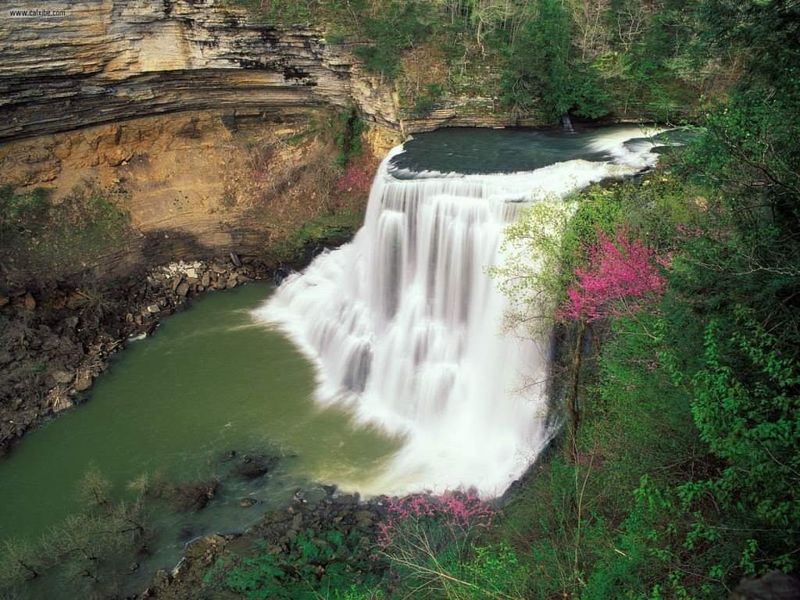
Burgess Falls packs more scenery into 1.3 miles than some trails manage in ten. Starting from the parking area, the path follows Falling Water River downstream, passing three smaller waterfalls before reaching the main event—a thundering 136-foot cascade that plunges into a deep gorge. The payoff at the end is worth every step, and the walk itself is easier than you’d expect for such a dramatic destination.
The trail is paved for the first section, then transitions to a packed dirt path with a few staircases and wooden bridges. There’s some elevation change, but it’s gradual enough that most people handle it without much trouble. Benches are scattered along the way, so you can rest and enjoy the smaller falls before continuing downriver.
When you reach the final overlook, you’ll understand why this place draws visitors from all over Tennessee. The main waterfall is massive and loud, especially after heavy rain, and the viewing platform gives you a front-row seat to the action. Mist rises from the pool below, and rainbows often appear in the spray on sunny afternoons.
This is one of those hikes that delivers exactly what it promises: big waterfalls, minimal effort.
5. Mouse Creek Falls — Great Smoky Mountains National Park
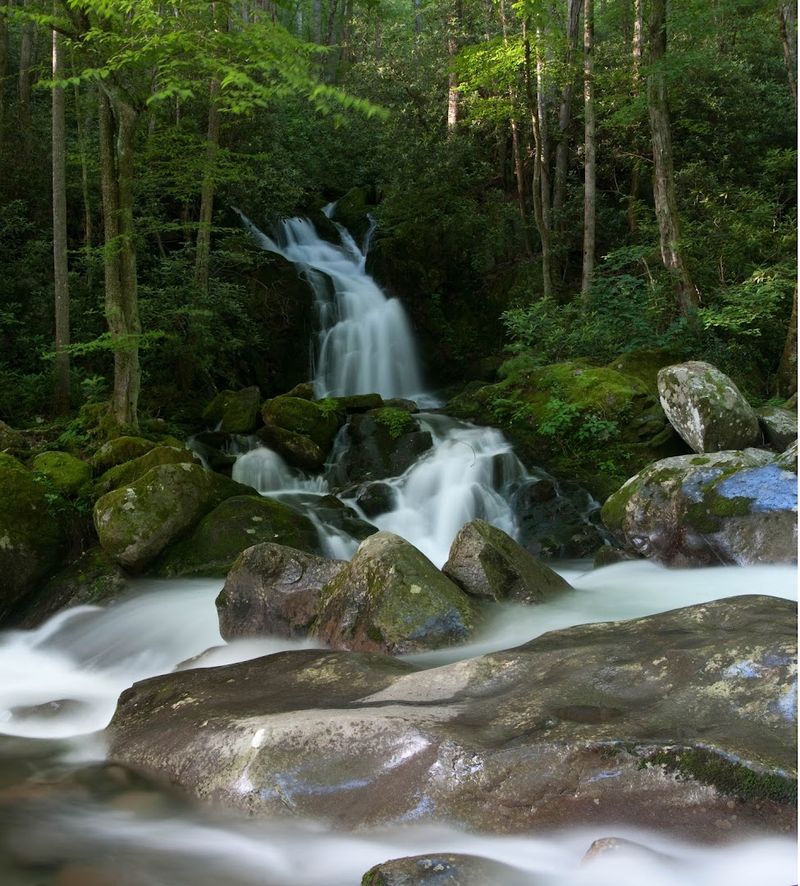
Mouse Creek Falls might not be the most famous waterfall in the Smokies, but it’s one of the easiest to reach. The four-mile round-trip trail follows an old roadbed, which means it’s wide, relatively flat, and simple to navigate. You’ll walk alongside Big Creek for most of the way, with the sound of rushing water keeping you company the entire time.
The trailhead is located in the Big Creek area of the park, which tends to be quieter than the more popular spots near Gatlinburg and Cades Cove. That means you’ll likely share the path with fewer people, giving the hike a more secluded feel. The forest here is thick with hemlocks, maples, and oaks, and in spring, wildflowers line the trail in colorful clusters.
Mouse Creek Falls itself is a gentle cascade rather than a dramatic plunge, but it’s still a lovely sight. Water spills over a series of rocky ledges into a clear pool, creating a peaceful spot to sit and rest before heading back. The area around the falls can be muddy, so watch your step if you want to get closer to the water.
6. Kuwohi Observation Trail — Great Smoky Mountains National Park
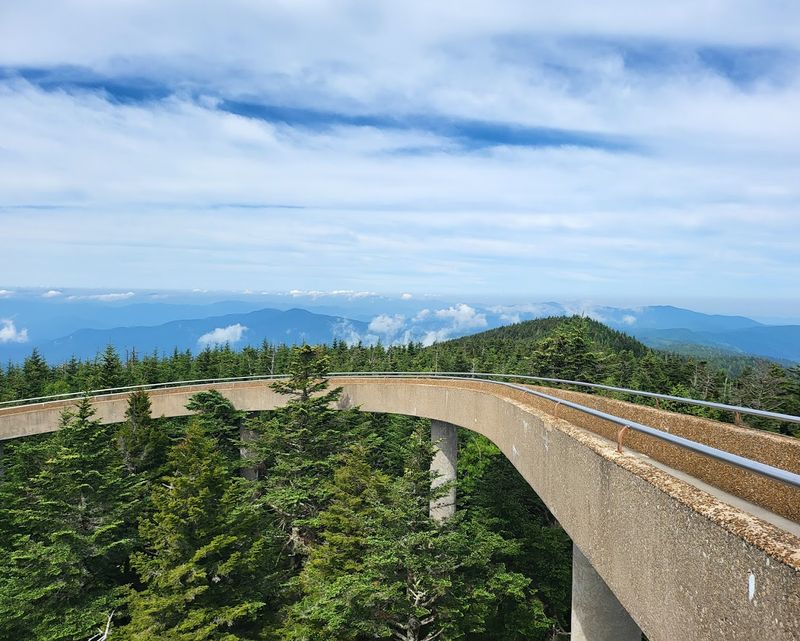
Standing at 6,643 feet, Kuwohi—formerly known as Clingmans Dome—is the highest point in the Great Smoky Mountains and the third-highest peak east of the Mississippi. The observation trail leading to the summit is only half a mile long, but it’s steep and paved, climbing roughly 300 feet in elevation. The payoff is a 360-degree view that stretches across seven states on clear days.
The trail ends at a unique spiral ramp that leads to an observation tower. From the top, you’ll see wave after wave of blue-green mountains rolling into the distance, with clouds often drifting below you. It’s one of those views that reminds you just how big and wild this part of the country still is.
Because of the elevation, the weather here can be unpredictable. Even in summer, temperatures at the summit are often 10 to 20 degrees cooler than in the valleys below. Fog and clouds are common, and they can roll in quickly, sometimes obscuring the view entirely.
Check the forecast before you go, and bring a jacket even if it’s warm at the trailhead.
The parking area fills up fast during peak season, especially on weekends. Arriving early in the morning or later in the afternoon can help you avoid the crowds. The trail is accessible, but the steep grade can be challenging for some visitors.
Take your time, rest if you need to, and enjoy the fact that you’re hiking to the rooftop of Tennessee.
7. Cedar Forest Trail — Cedars of Lebanon State Park
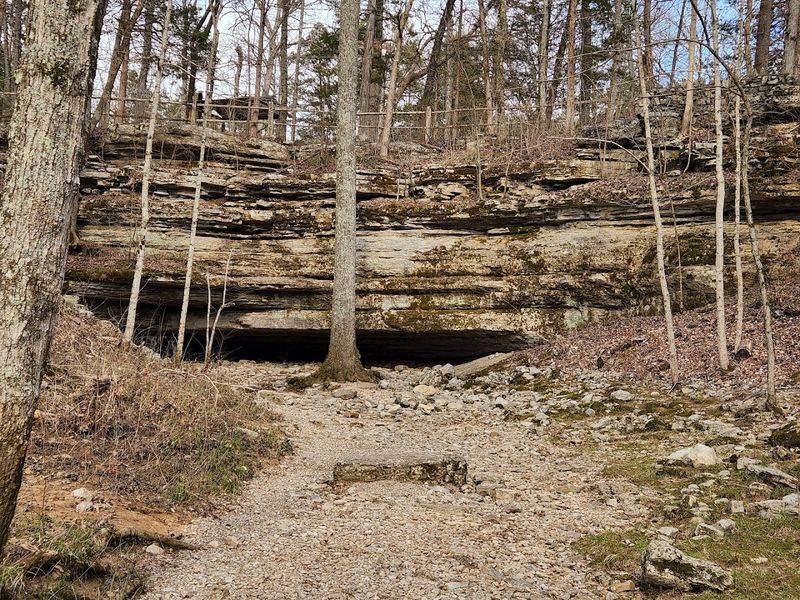
Cedars of Lebanon State Park sits about an hour east of Nashville, and its trails offer something you won’t find in most of Tennessee—a true cedar glade ecosystem. The Cedar Forest Trail is an easy loop between 1.8 and 2 miles, depending on which spur paths you take, and it winds through rocky terrain dotted with eastern red cedars and unusual limestone formations.
The landscape here is surprisingly different from the lush forests typical of Middle Tennessee. The soil is thin and rocky, and the vegetation is sparse in places, giving the area an almost desert-like feel. In spring, wildflowers adapted to these harsh conditions bloom in vibrant colors, and you’ll see plants and insects that thrive nowhere else in the state.
The trail itself is well-marked and relatively flat, making it accessible for families and beginner hikers. You’ll pass through shaded woods, open glades, and areas where limestone bedrock is exposed underfoot. Interpretive signs along the way explain the unique ecology of the cedar glades and the species that depend on them for survival.
Because the park is less crowded than some of the more famous state parks, you can often hike here without seeing many other people. It’s a peaceful spot for a morning walk or an afternoon escape from the city. Just bring water and wear sun protection—the open glades offer little shade, and it can get hot during the summer months.
8. Stinging Fork Falls Trail — Spring City
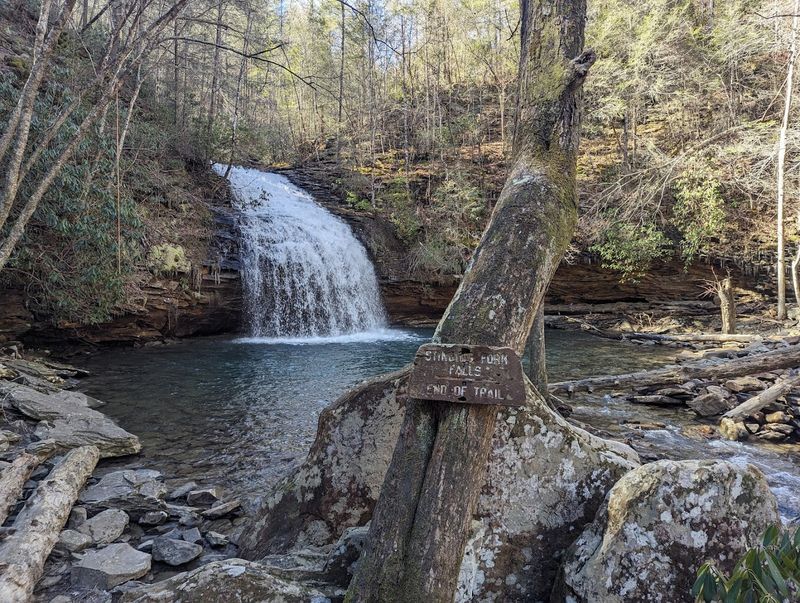
Stinging Fork Falls is one of those places that feels like a local secret, even though it’s open to the public. The trail to reach it is just 1.9 miles round trip, making it a quick and easy outing that delivers a surprisingly beautiful waterfall at the end. The path cuts through dense forest, with plenty of shade to keep you cool even on warm days.
The trailhead is located off a quiet backroad near Spring City, and parking is limited to a small gravel lot. Once you start walking, the path follows a creek for most of the way, with the sound of water growing louder as you get closer to the falls. The terrain is mostly flat, with a few gentle ups and downs, and the trail is well-worn enough that it’s easy to follow.
Stinging Fork Falls itself is a graceful cascade that spills over a mossy ledge into a shallow pool. The area around the falls is shaded and peaceful, making it a great spot to sit and relax before heading back. Depending on recent rainfall, the flow can vary from a gentle trickle to a more impressive rush of water.
This trail doesn’t see as much foot traffic as some of the more famous hikes in Tennessee, so you’ll often have the place to yourself. It’s a good choice if you’re looking for solitude and don’t mind a slightly more rustic experience. Wear shoes that can handle mud and wet rocks, and bring bug spray if you’re hiking in spring or summer.
9. Spring Creek Trail — Mousetail Landing State Park
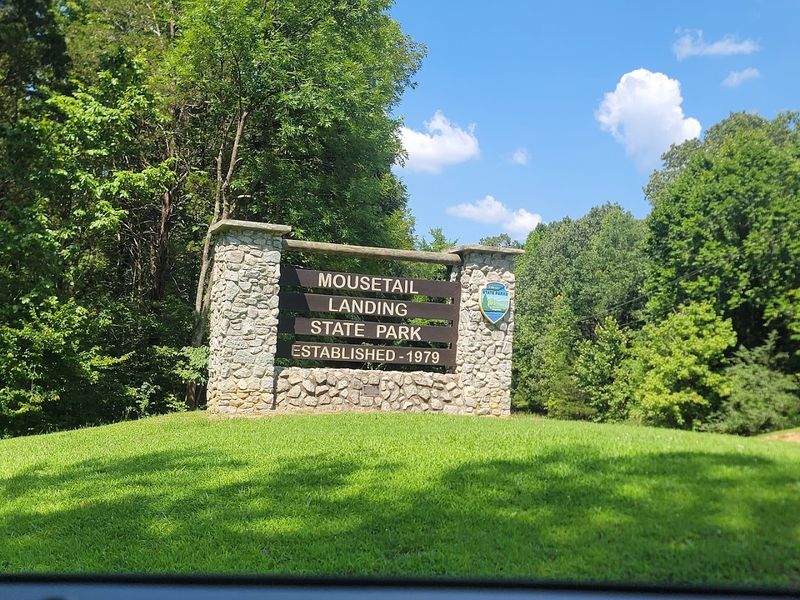
Sometimes the best hikes are the shortest ones. Spring Creek Trail at Mousetail Landing State Park is only half a mile long, but it packs in plenty of scenery for such a quick walk. The trail follows a narrow peninsula that juts into the Tennessee River, offering water views on both sides and a peaceful atmosphere that makes it hard to believe you’re only minutes from the parking lot.
The path is wide and mostly flat, making it accessible for families with small children or anyone looking for an easy stroll. You’ll walk through a mix of hardwood forest and open areas, with the river visible through the trees at several points. The trail loops back on itself, so you can take your time and enjoy the surroundings without worrying about retracing your steps.
Wildlife is a big draw here. The park is home to deer, wild turkeys, and a variety of waterfowl, and the quiet nature of the trail means you’re more likely to spot them. Bring binoculars if you’re into birdwatching—the riverbanks and woods are excellent habitat for both resident and migratory species.
Because the trail is so short, it’s easy to combine it with other activities at the park, like fishing, picnicking, or exploring the nearby riverfront. The park itself is less crowded than some of Tennessee’s better-known state parks, so you’ll often have the trail to yourself.
10. Cub Lake Trail — Natchez Trace State Park
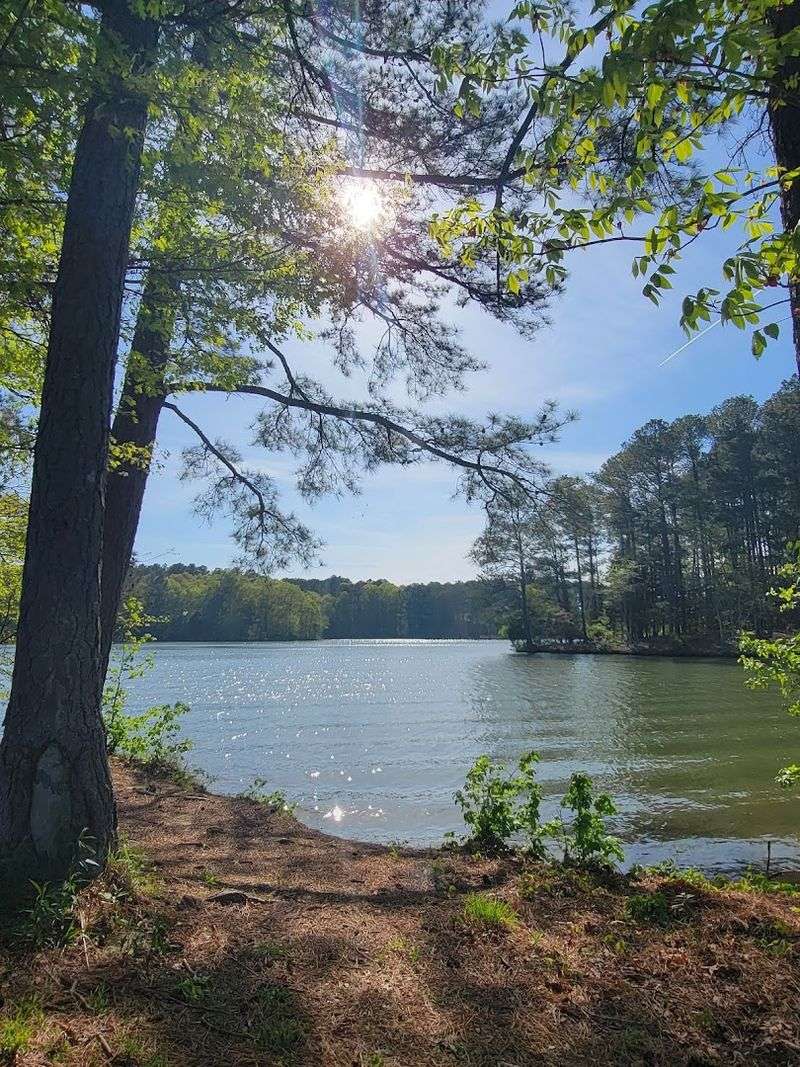
Cub Lake Trail offers 2.1 miles of lakeside walking that’s more about enjoying the view than breaking a sweat. The path circles the shoreline of Cub Lake, a quiet body of water tucked into Natchez Trace State Park, and it’s designed for slow, relaxed exploration rather than speed. If you’re looking for a place to unwind and watch for wildlife, this trail delivers.
The terrain is mostly flat, with a few gentle rises and dips as the trail follows the contour of the lake. The surface is a mix of packed dirt and short grassy sections, and it’s well-maintained enough that you won’t have to worry about getting lost or fighting through overgrowth. Benches are placed at intervals along the way, giving you plenty of spots to sit and soak in the scenery.
Birdwatching is one of the main attractions here. The lake attracts herons, kingfishers, wood ducks, and a variety of songbirds, and the quiet atmosphere makes it easy to observe them without scaring them off. Early morning and late afternoon are the best times to see wildlife, when the light is soft and the animals are most active.
Because the trail is relatively short and easy, it’s a good option for families with young kids or anyone who wants a gentle outdoor experience. The park itself is less crowded than some of Tennessee’s busier destinations, so you’ll often have the trail mostly to yourself.
11. Henry Hollow Loop — Beaman Park, Nashville Area
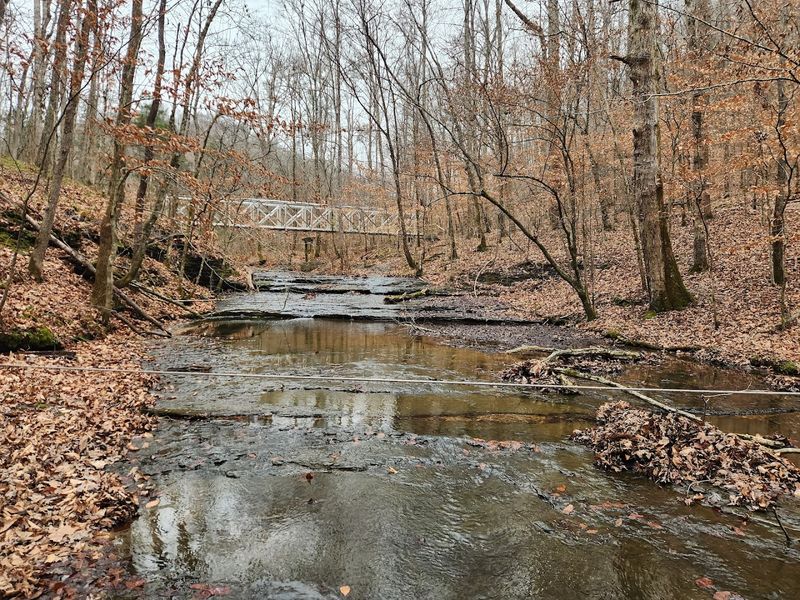
Beaman Park sits on the northern edge of Nashville, offering a quick escape into the woods without leaving the metro area. Henry Hollow Loop is roughly two miles long, winding through a quiet forest filled with wildflowers, creek crossings, and the kind of peaceful solitude that’s hard to find so close to the city. It’s a favorite among locals who want a nature fix without a long drive.
The trail follows Henry Hollow Creek for part of the way, crossing it several times on wooden footbridges. The sound of running water is constant, and in spring, the creek swells with runoff, making the crossings more dramatic. The path itself is moderately rocky in places, with a few short climbs, but nothing too strenuous.
Wildflowers are a highlight here, especially in late spring and early summer when the forest floor erupts in color. Trilliums, violets, and jack-in-the-pulpits are common, and if you’re lucky, you might spot a patch of rare orchids tucked among the ferns.
Because the park is less well-known than Radnor Lake or Percy Warner Park, it tends to be quieter, even on weekends. You’ll likely encounter a few other hikers, but it’s rarely crowded. The trail is well-marked with blazes, so navigation is straightforward.
12. Twin Arches Loop — Big South Fork National River & Recreation Area
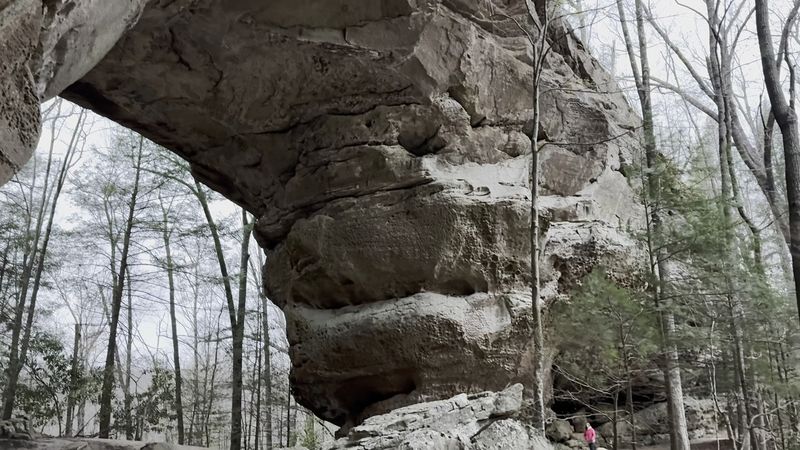
Twin Arches Loop is one of the most impressive short hikes in Tennessee, and it’s hard to believe you can reach two of the largest natural stone arches in the eastern United States in less than five miles. The trail is actually a double loop, with options to see both arches or just one, depending on how much time you have. Either way, you’ll be walking through a landscape that feels ancient and untouched.
The trailhead is located near the Tennessee-Kentucky border, and the path descends into a forested valley before climbing up to the arches. The terrain is moderately challenging, with some rocky sections and staircases, but the effort is manageable for most hikers. The forest here is thick with hemlocks, rhododendrons, and hardwoods, and the trail feels remote despite being relatively accessible.
The arches themselves are massive—North Arch spans 93 feet, and South Arch stretches 135 feet across. Standing beneath them, you get a real sense of the geologic forces that shaped this region over millions of years.
Because the trail is part of a national recreation area, it’s well-maintained and clearly marked. Parking is available at the trailhead, and there are restrooms nearby. The loop can get busy on weekends, especially in fall when the foliage is at its peak, so plan accordingly.
Bring water, wear good hiking shoes, and give yourself enough time to explore both arches—they’re too impressive to rush past.
Share this story