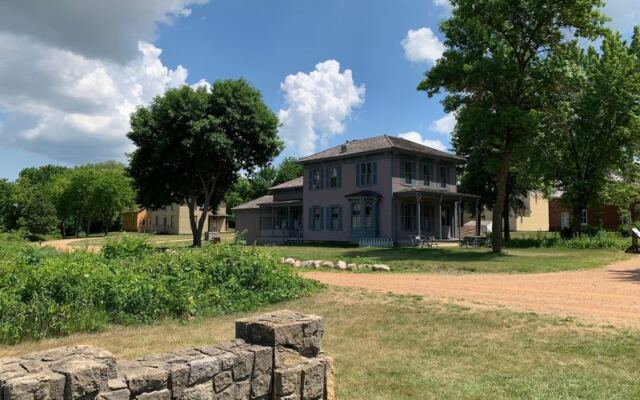
Just off a busy highway in Shakopee, a whole village from the 1800s sits quietly beside the Minnesota River. Old houses, shops, and sheds line the paths as if their owners just stepped out for a moment.
Farm animals, river trails, and costumed guides help turn a simple walk into a lesson you will actually remember. Many people drive past without knowing it exists, and the ones who find it often call it a lucky accident.
Best of all, wandering the grounds costs nothing. History lovers, photographers, families, and anyone hunting for an easy day trip will find plenty to explore here.
Keep reading to learn where this village hides, what you can see inside and out, which seasons bring it to life, and the practical tips that will help you plan a smooth visit.
A Pioneer Village Beside the River
Few places hide in plain sight quite as well as The Landing – MN River Heritage Park. The official address is 2187 County Rd 101, Shakopee, MN 55379.
The park belongs to the Three Rivers Parks system, which manages a large network of outdoor spaces around the Twin Cities area. Here, the focus is a recreated 19th-century settlement set right along the Minnesota River.
Many people never realize the village is there. Plenty of guests admit they had no idea all of this sat on the other side of that small highway.
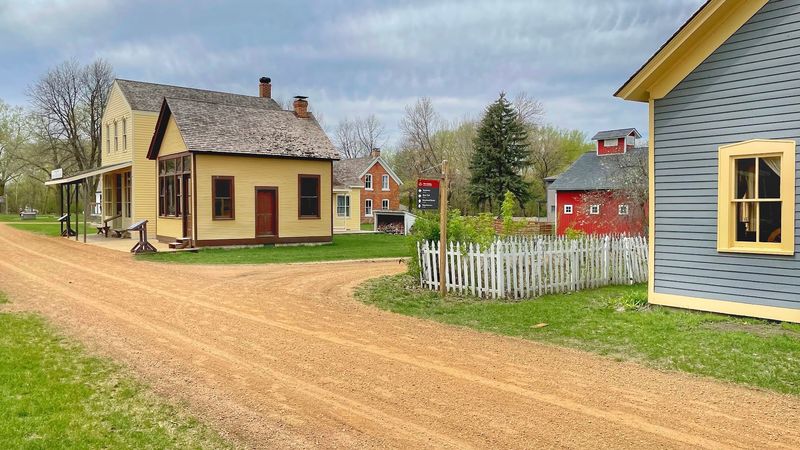
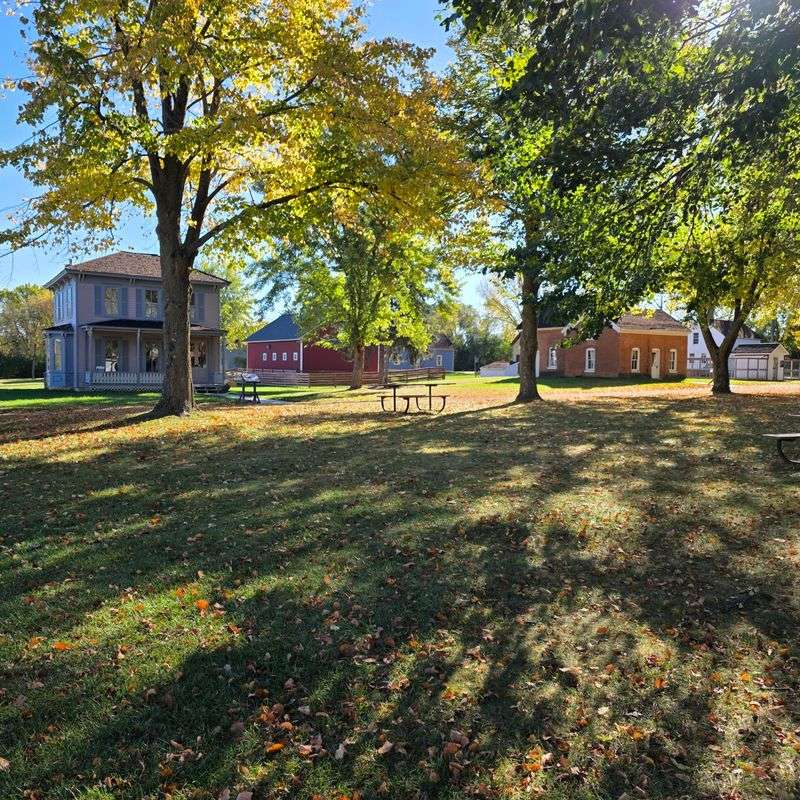
Once you arrive, the scene changes fast. Historic homes, shops, and outbuildings are arranged like a small town, connected by paths that invite slow wandering.
It is a pioneer park with costumed guides who help bring daily life from the 1800s into focus. During special times of year, period re-enactments let you see how settlers worked, traveled, and spent their days.
The park also offers trails, river views, and open green space. That mix makes it part history lesson and part nature escape.
Admission to the grounds is free, which removes one more excuse for skipping it. A quick stop can easily turn into a few relaxed hours.
Consider this your sign to finally take that turn off the highway.
Streets That Look Like a Movie Set
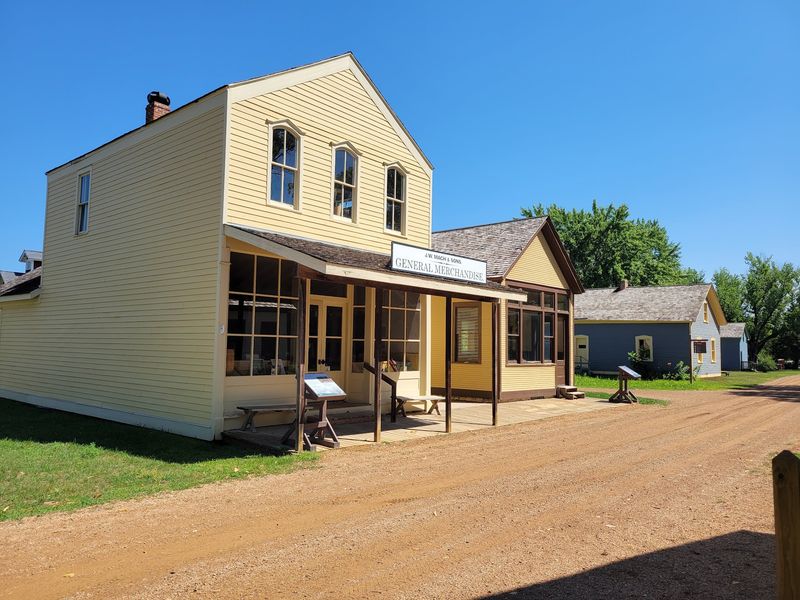
Some guests say the village could double as a film set for an old Western or a Little House on the Prairie episode. That comparison comes up for good reason.
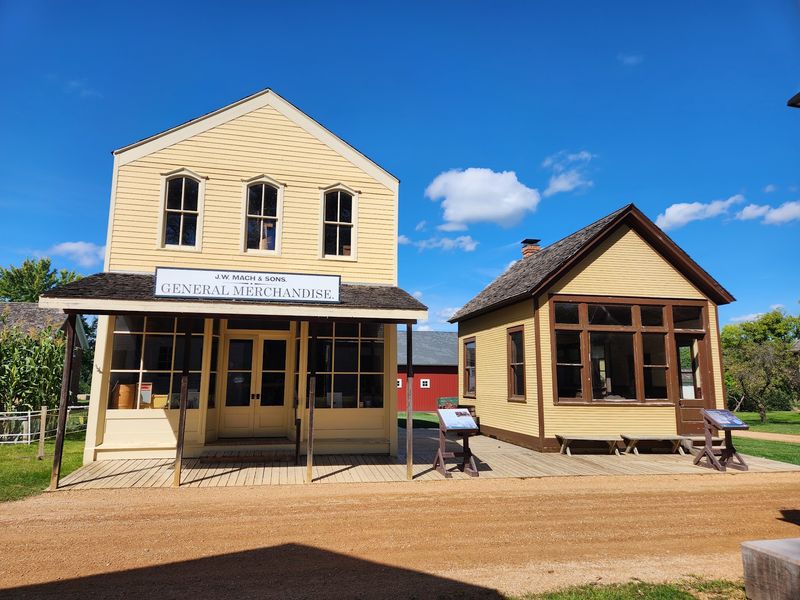
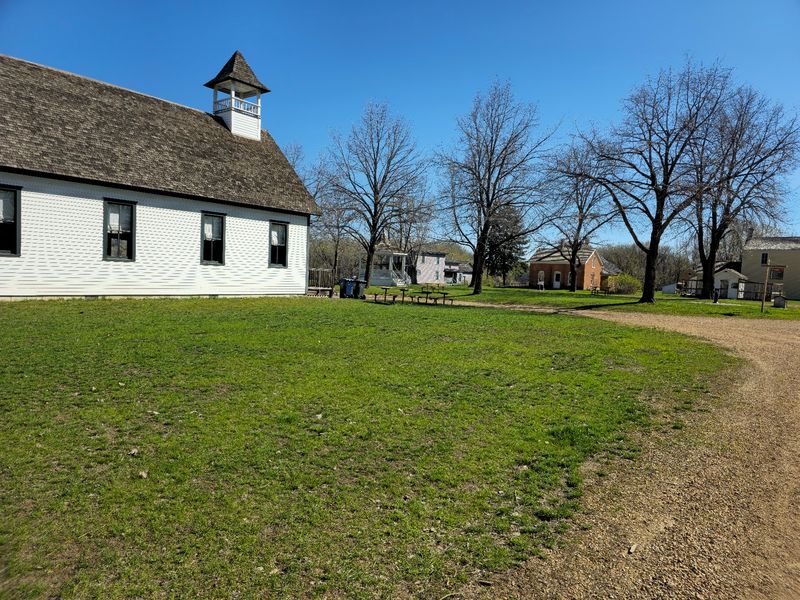
The historic buildings are grouped together like a real settlement. Homes stand near shops, and sheds sit close to the working spaces where pioneer chores once happened.
Everything is kept in very good condition. Regulars often point out how well preserved and tidy the grounds look, season after season.
Walking the paths feels like a quiet trip back to the 1800s. There are no flashy signs or modern distractions crowding the view.
Each structure has its own small plaque explaining its history. These short notes give context without turning the visit into homework.
Photographers love the setting, too. Some people come just for a photo session, since the old buildings make a ready-made backdrop.
For vintage lovers and anyone who enjoys old architecture, the details are the real reward. Porches, doors, and rooflines all hint at how people built and lived long ago.
Bring a camera and some patience, because every corner seems to offer another frame worth saving.
Costumed Guides and Living History
History hits differently when someone in period clothing can answer your questions on the spot. That is the heart of what makes the guided seasons here special.
The park is known for costumed guides who share stories about life in the 19th century. During open events, period re-enactments bring the settlement back into motion.
Past guests have described the actors as knowledgeable, friendly, and engaging. They are able to handle plenty of questions, which is great news for curious kids and adults alike.
Inside the buildings during these events, wood-burning stoves keep the rooms warm. That detail alone shows how much effort goes into making the experience accurate.
This is where the blacksmiths, crafts, and daily chores of the era come into the picture. It is hands-on history rather than a display behind glass.
Crafters in particular may find these demonstrations rewarding. Seeing old-fashioned skills performed in a real setting adds meaning to modern hobbies.
Keep in mind that the houses are only open a few times a year. Checking the Three Rivers Parks website before your trip is the smartest move.
Timing your visit right turns a pleasant walk into a full living-history adventure.
Horse-Drawn Rides in Winter
Winter does not shut down the fun at this riverside village. In fact, some guests consider the cold months one of the best times to come.
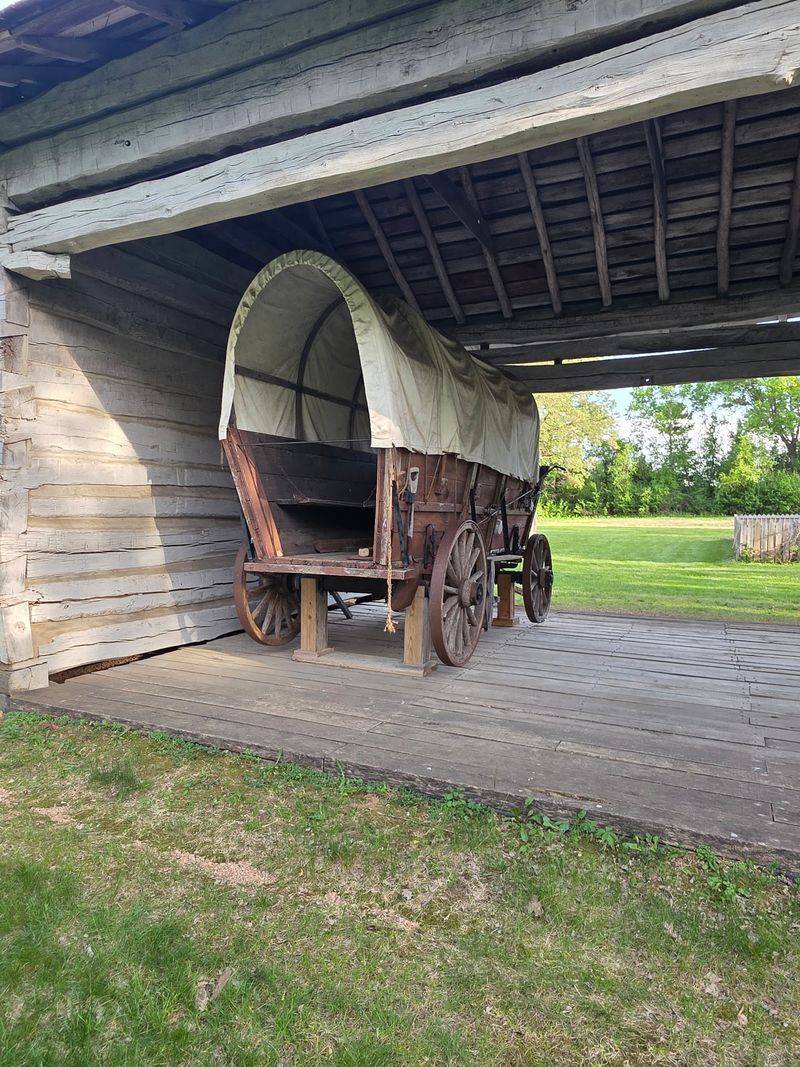
During special winter events, a horse-drawn trolley has carried guests around the grounds. It is a ride that fits the 1800s theme perfectly.
Horses were the main way people moved goods and families back then. Riding behind them today offers a small taste of travel before cars took over.
After the ride, the warm buildings with wood stoves make a welcome stop. Guides inside share stories while you thaw out.
Families with young kids often find this kind of outing easier than a long summer hike. The ride covers ground without tired legs complaining.
Because these events are seasonal, they are not available every day. The schedule can change from year to year, so check ahead.
Minnesotans already know how to handle snow. Pairing that toughness with a trolley ride and pioneer history makes for a winter memory that beats another weekend indoors.
Dress warmly, and let the horses do the hard work.
Farm Animals, Apples, and a Honey Bee House
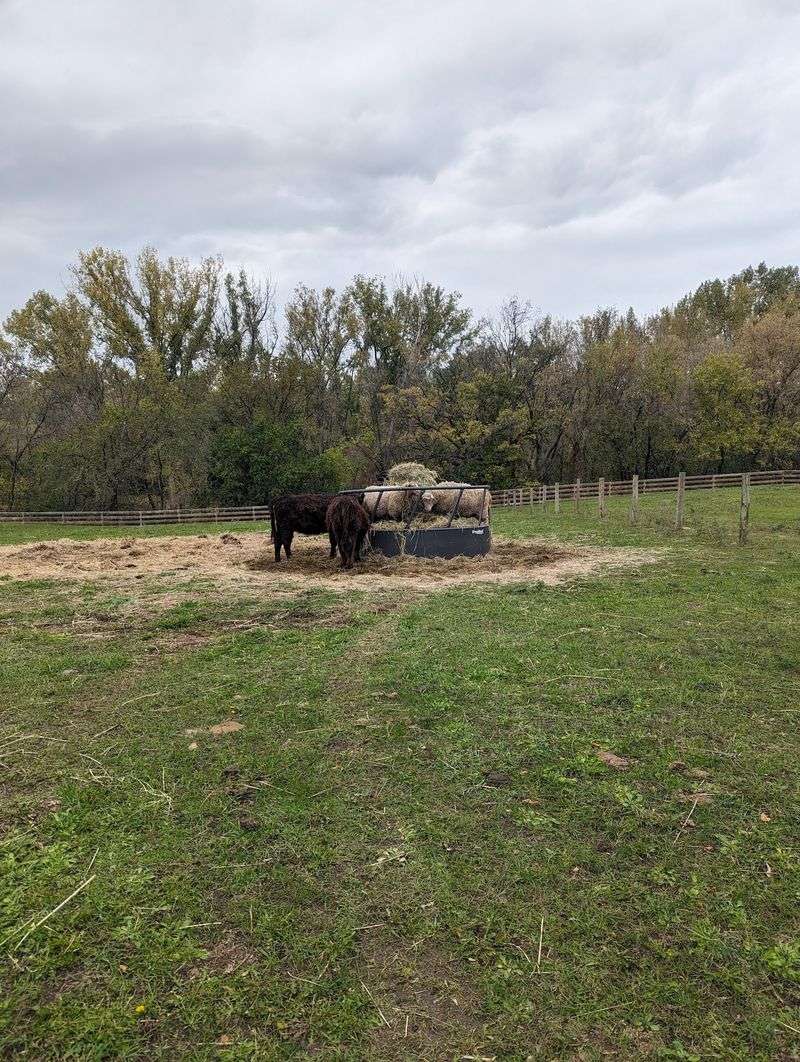
Kids tend to ask one question first: where are the animals? Luckily, the village has an answer.
A farm animal exhibit sits on the grounds, including hogs that are often a favorite stop. Seeing livestock helps explain how settlers fed their families and earned a living.
An apple tree also grows near the historic houses and shops. In the right season, fallen apples may be scattered on the ground.
Here is a helpful tip. A honey bee house is part of the property, and the apples draw bees nearby.
Anyone with a bee allergy should stay alert. Watching your step around fallen fruit is a simple way to avoid surprises.
While many of the main buildings stay locked outside of events, some of the old sheds can be entered. These smaller spaces still offer a peek at the working side of farm life.
Together, the animals, tree, and bees show that pioneer life was about much more than houses. Food, tools, and daily chores all mattered.
It is a small corner of the park that leaves a big impression on young explorers.
Self-Guided History With QR Codes
Locked doors do not have to mean a missed experience. The park found a clever workaround.
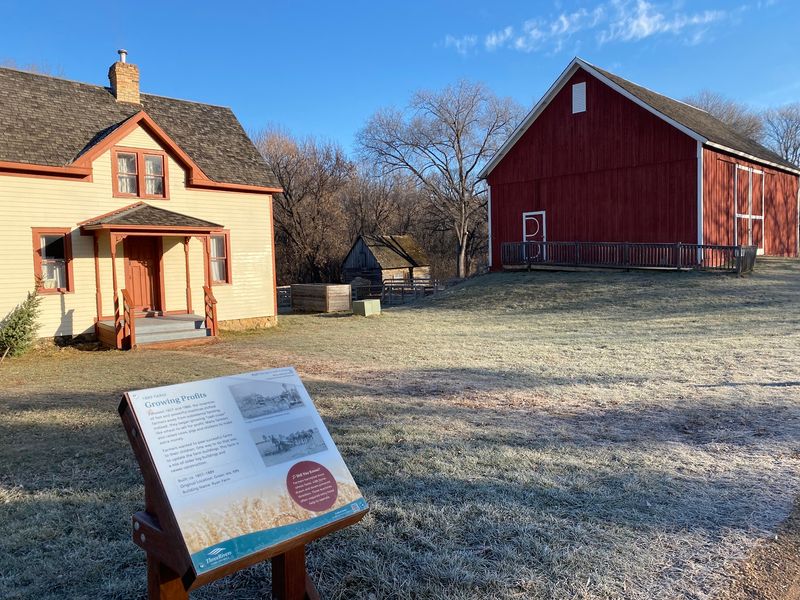
Outside of special events, most buildings are closed to tours inside. Still, posted info placards include QR codes that show what the interiors look like.
Scan the code with your phone, and you can explore rooms without stepping through the door. It is a practical way to keep history open year-round.
Each building also carries a small plaque explaining its background. These notes make a self-guided history tour easy to follow at your own pace.
Some guests also find they can see inside through windows. Even from the outside, the care given to each home is clear.
Several memorial sites are on the grounds as well. They add another layer of meaning for those who take time to read.
This approach works well for late fall visits, when the buildings may be closed for the season. You still leave knowing more than when you arrived.
Charge your phone before heading out, since it becomes your personal tour guide here.
Trails Along the Minnesota River
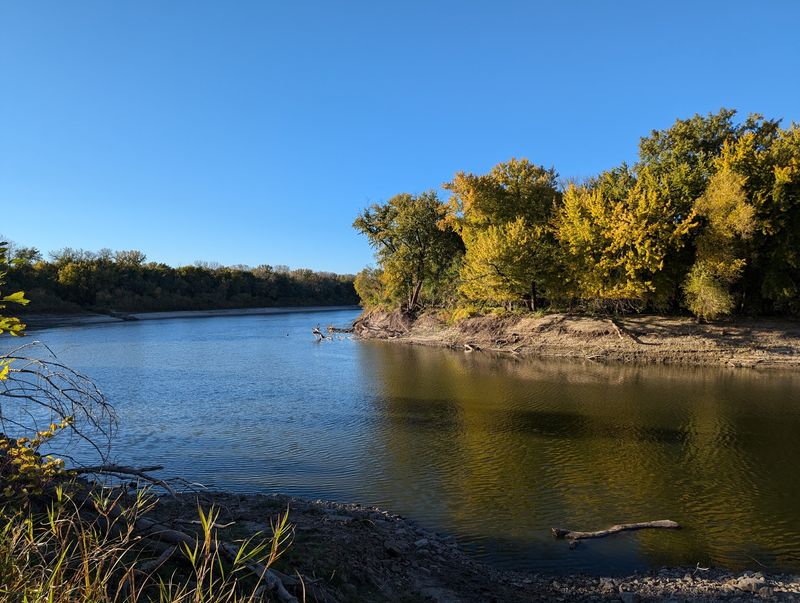
History may draw people in, but the trails keep them around longer. The park sits right on the Minnesota River Valley bike trail.
Both paved and unpaved trails wind through the property. Hikers, walkers, and cyclists all have room to roam.
A walk along the river offers wide views of the Minnesota River. Looping back along the bike path then brings you past more of the historic buildings.
Springs and wildlife add surprise along the way. Many first-timers do not expect so much nature tucked beside a historic village.
Beyond the pavilion, a large wooded area sits in a zone that often floods with river overflow. When it is dry, exploring it can feel like a real adventure.
That flooding is worth remembering. Trail conditions can change with river levels, so plan accordingly in wetter seasons.
Families with very small children might want a stroller. The grounds are good-sized and involve a fair amount of walking.
Lace up comfortable shoes, because the river has a way of convincing you to go one more bend.
Food Trucks, Weddings, and Summer Camp
A quiet village by day can turn into a lively gathering spot when events roll in. The calendar here goes well beyond historical demonstrations.
A food truck festival has become a popular event at the park. Food-focused day-trippers may want to keep an eye out for future dates.
Weddings are another big draw. Couples have held ceremonies here, praising the staff for setting everything up in advance and being easy to work with.
Even on cooler evenings with little sun, celebrations here have gone smoothly. The historic setting gives photos a timeless look.
Children can also attend summer camp on the grounds. Kids who go tend to love it, which says a lot about how engaging the setting is.
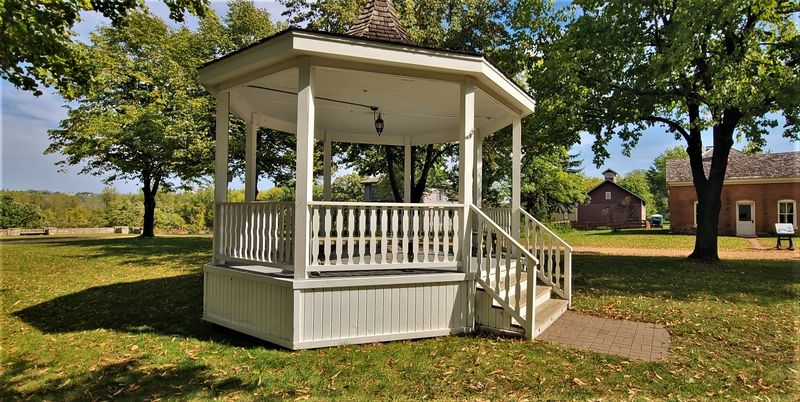
Behind the village, a pavilion with a concrete floor can be rented. A barbecue area sits nearby for group gatherings.
These events show how the park works as both a history site and a community space. It brings neighbors together in a meaningful place.
Check the Three Rivers Parks event listings to catch the next big happening.
Hours, Costs, and Practical Tips
Planning ahead makes a good trip even better. Here are the basics to know.
The park is open daily from 5 AM to 10 PM. That long window works well for early walkers and evening strollers.
Access to the paths and village is free. Paid or special events may follow their own rules, so verify details before you go.
A modern bathroom and shelter stay open year-round. That is a welcome bonus during cold months.
Remember that the houses are open only a few times each year. Sunday afternoon or late-season visits may find buildings closed, though you might enjoy the grounds nearly to yourself.
Accessibility is a real concern. Vehicles are not allowed on the premises, which can make it hard for those with walking limitations.
Please pack out everything you bring. Litter left behind has been a frustration for regular guests who care about the river.
The park can be reached at 763-694-7687 through the Three Rivers Parks system, and its website lists current events.
A little preparation keeps the focus where it belongs, on the history.
Worth the Detour Off the Highway
Some of the best finds happen by accident. More than one person has stumbled onto this village while looking for something else entirely.
The appeal is easy to understand. A well-kept 1800s settlement, river views, trails, and farm animals all share one free space.
History buffs get plaques, memorial sites, and seasonal guides who know their stuff. Crafters and vintage fans get a close look at old-fashioned skills and buildings.
Families get room to roam and animals to visit. Couples and groups get a setting for celebrations that feels truly different.
It is not perfect for everyone. Limited interior access and walking-heavy grounds may disappoint some guests.
Still, many people leave planning a return trip. Spending a few hours here tends to feel like time well spent.
The Landing proves that history does not need to live only in textbooks. Sometimes it sits right across a small highway in Shakopee.
Next time you drive by, take the turn and let the 1800s say hello.
Share this story