Some Oregon towns make headlines for rising rents and long commutes. This one makes almost no headlines at all, and that quiet might be part of its appeal. Tucked into the rural east side of the state, it is a small county seat with a big-sounding name and a population you could nearly fit inside a high school gym.
Everyday living costs here are often described as running well below the Oregon average, which matters to anyone tired of watching household budgets stretch thin. The town is not flashy or trendy. It is a working place where the courthouse, the highway, and the neighbors all sit close together.
Keep reading to learn where it is, why it stays affordable, who it suits best, and what to know before making the drive or the move.
A County Seat Hiding in Plain Sight
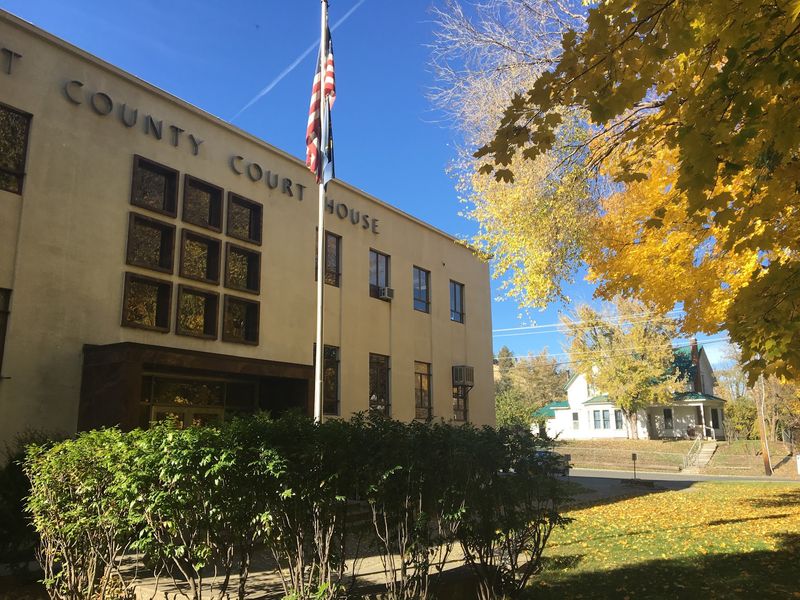
Small towns rarely get to hold the keys to a whole county, but this one does. Canyon City, Oregon 97820, USA, serves as the county seat of Grant County in the eastern part of the state.
The town sits about 2 miles south of John Day along U.S. Highway 395. That short gap means the two communities feel closely linked, while each keeps its own identity.
As of the 2010 census, Canyon City counted a total population of 703 people. That number puts it firmly in the category of places where a quick errand can turn into a conversation.
Being the county seat gives the town a weight beyond its size. Official county business runs through here, so residents from across Grant County have reasons to visit.
For anyone tracking affordability, that combination is worth noting. A town with civic importance and a tiny population does not behave like a crowded city market.
The real story starts with how such a small place earned such an important role.
Why the Budget Breathes Easier Here
Money talk tends to get abstract fast, so here is the concrete version. Everyday living costs in this area are often cited as roughly 29 percent below the Oregon average.
That gap shows up in the things households pay for every month. Housing, routine bills, and the general rhythm of rural life tend to carry smaller price tags than in the western cities.
Part of the reason is simple geography. Canyon City sits far from the busy Interstate 5 corridor, where demand pushes prices upward year after year.
A population of a few hundred people also changes the math. There is less competition for homes and less pressure on local prices.
None of this means life is free of costs. Distance from larger shopping centers and specialty services can add travel time and fuel to the monthly plan.
Still, for Oregon residents who want daily life to remain manageable, a lower baseline matters. A smaller number on the monthly ledger can make room for savings, family, or simply a little breathing space.
Roots in Grant County History
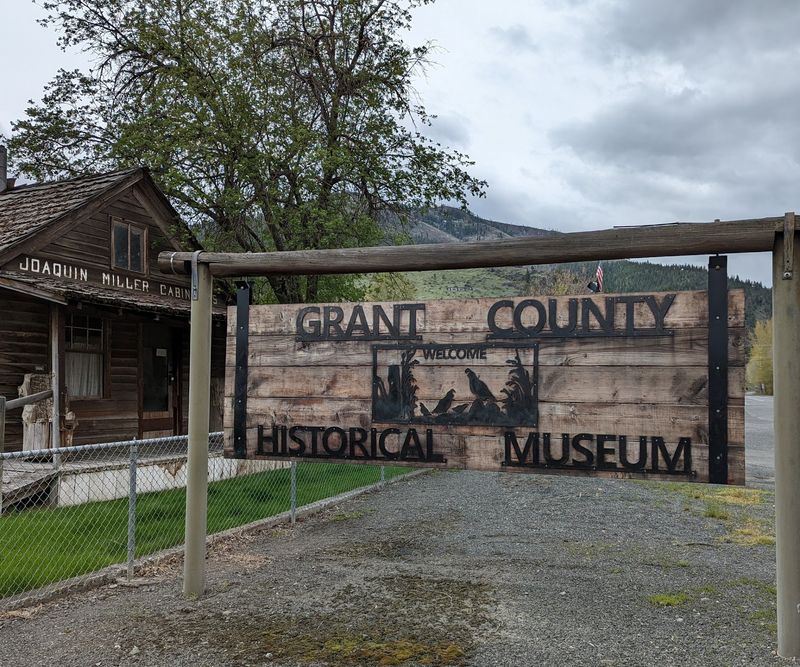
Towns do not become county seats by accident. Canyon City carries the title for Grant County, a role that reflects its long standing as a center of local life.
That civic status has shaped the town in quiet ways. Public offices and county functions give it a steady purpose that many tiny communities lack.
Residents of a county seat often live close to the decisions that affect their region. Records, local government, and community business all have a home base here.
The town’s name itself hints at its setting. It sits in a canyon south of John Day, a placement that defines both its layout and its feel.
For people who care about familiar places surviving, a town like this is worth paying attention to. Small county seats hold a lot of shared memory and practical importance for the surrounding area.
History here is less about grand monuments and more about continuity. The courthouse role keeps the town relevant, generation after generation.
The Highway 395 Connection
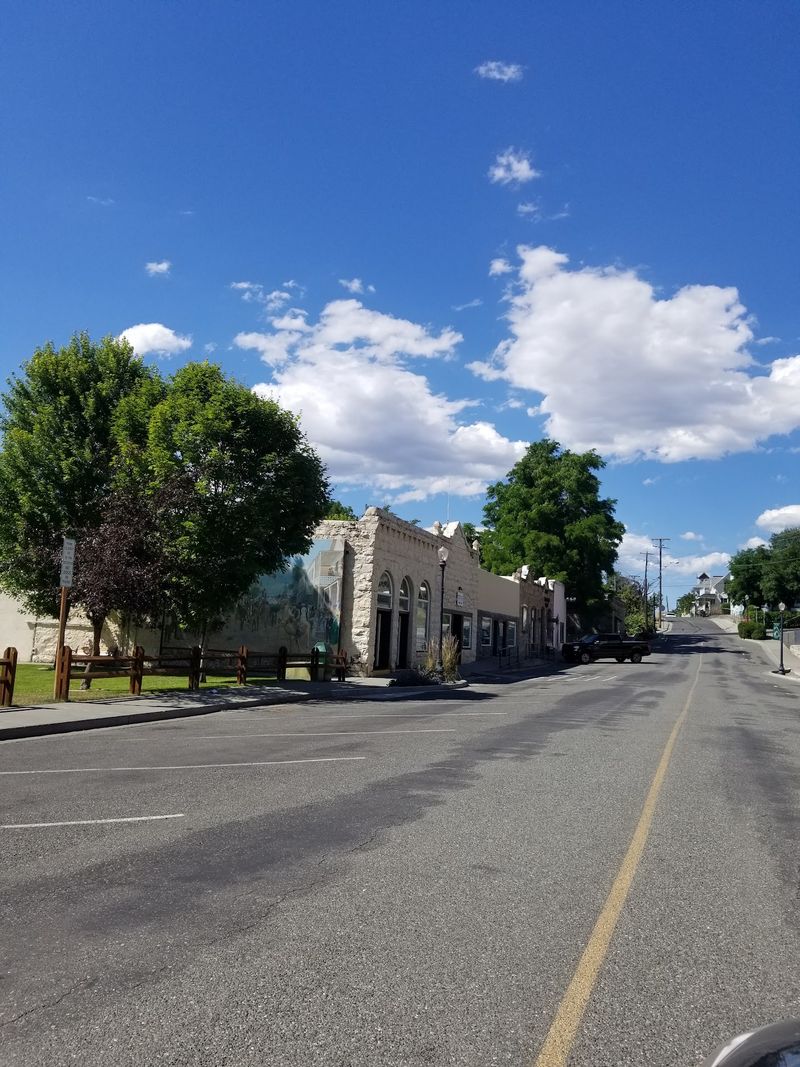
Every small town needs a lifeline, and this one has a numbered route. U.S. Highway 395 runs right through the area, linking Canyon City to John Day about 2 miles to the north.
That short stretch matters more than its length suggests. It lets residents reach a larger neighboring community for shopping and services without a long haul.
Highway 395 is a major north to south route in eastern Oregon. It ties the region to other towns and helps travelers pass through this part of the state.
For daily life, the road works like a practical bridge. People can enjoy lower costs at home while still reaching what they need nearby.
Drivers heading here should plan for rural travel conditions. Distances between larger towns in eastern Oregon can be significant, so keeping a full tank is a smart habit.
The road is both the way in and the reason the town never feels completely cut off.
Next Door to John Day
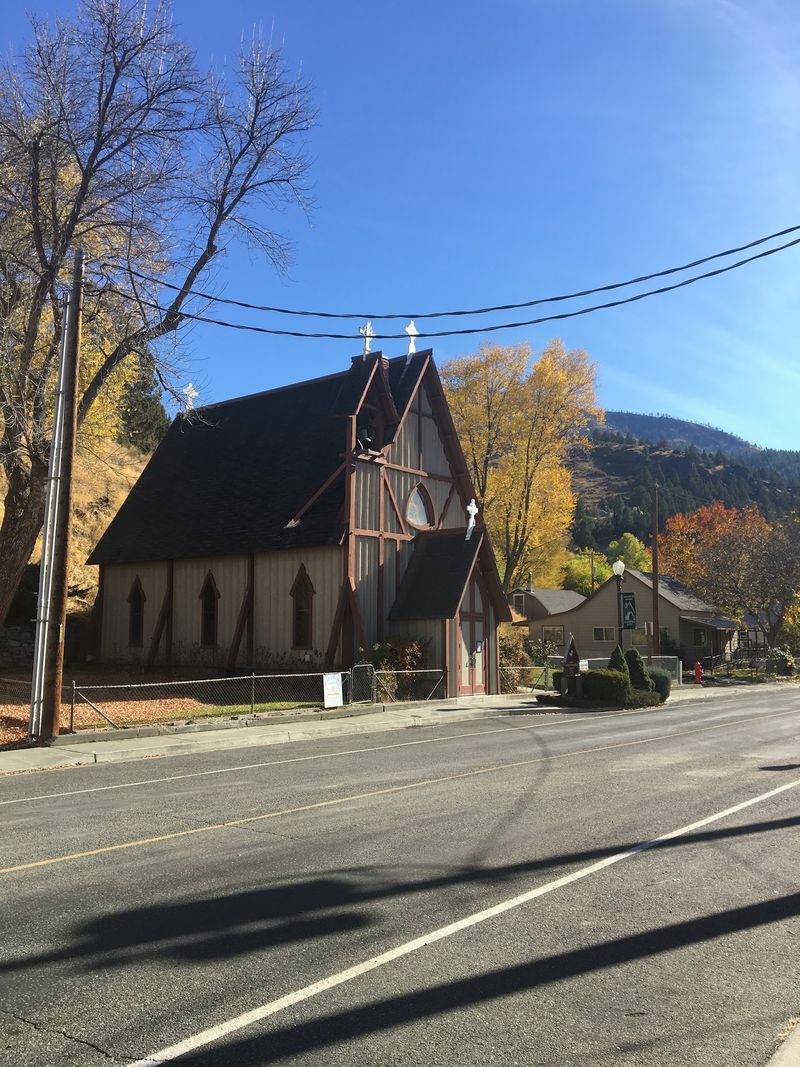
Two miles is about the distance of a short walk for some and a quick drive for most. That is all that separates Canyon City from John Day.
The closeness gives residents a useful setup. Canyon City offers its own quiet streets and county seat role, while John Day sits close enough for additional errands.
Neighboring towns like these often share more than a highway. Daily routines, school trips, and weekend plans can move easily between them.
For someone weighing a move, this pairing changes the picture. A tiny population does not have to mean isolation when a neighboring town is just up the road.
The arrangement also helps keep costs reasonable. Residents can live in the smaller community and still tap into services nearby.
Think of the two towns as partners rather than rivals, each making the other more practical to call home.
Life With 703 Neighbors
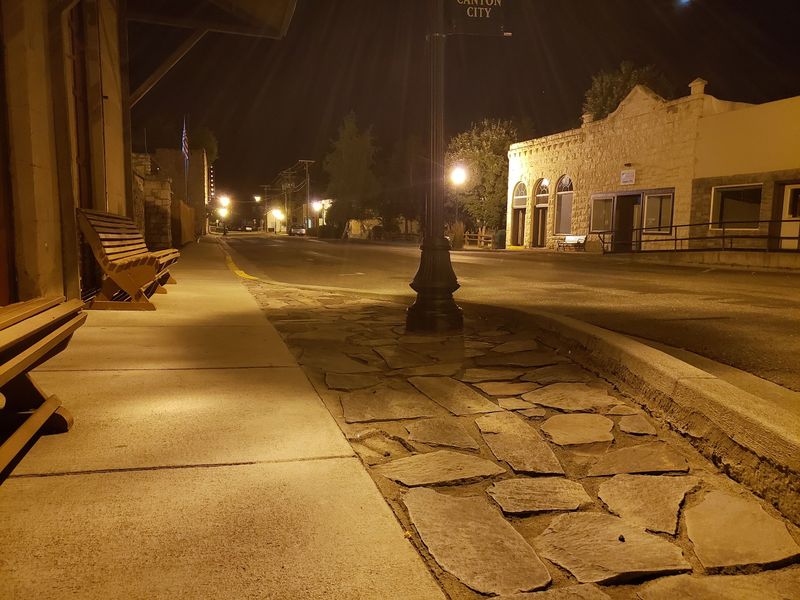
Numbers tell a story here. With 703 residents counted in the 2010 census, Canyon City is the kind of place where faces become familiar quickly.
A small population shapes daily life in practical ways. Lines tend to be short, traffic stays light, and community events involve people who actually know each other.
That scale suits people who prefer a slower pace. Retirees, remote workers, and families seeking a calmer routine may find the size appealing.
It also comes with tradeoffs. Fewer residents usually means fewer businesses, so some needs will send people to John Day or farther.
Still, small numbers can build strong connections. In towns like this, neighbors often notice when something needs fixing or someone needs a hand.
The headcount is modest, yet the sense of belonging can feel surprisingly large.
Courthouse Town Character
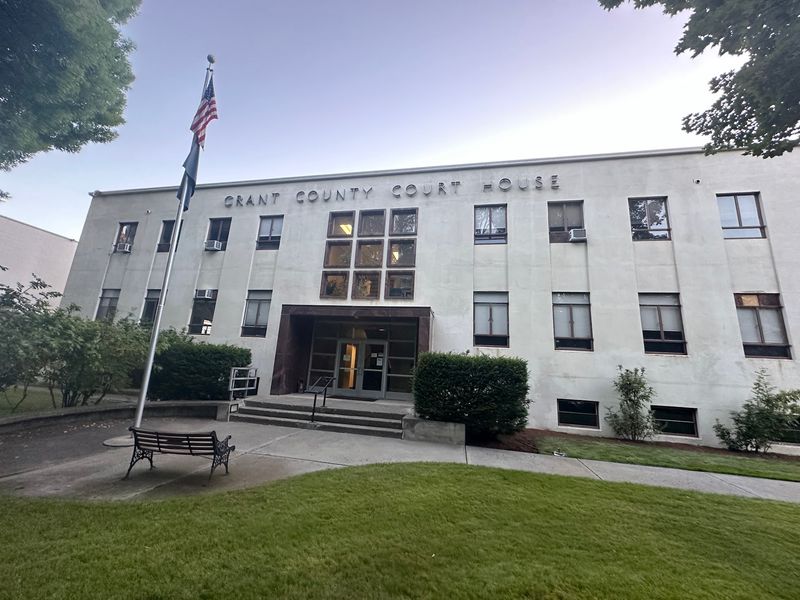
Here is a fun fact for trivia night. A town of just a few hundred people serves as the official seat of an entire Oregon county.
That role gives Canyon City a steady flow of purpose. County business brings people into town from across Grant County.
The county seat status also lends the town a certain civic character. It is a place where local records and public services are rooted.
For residents, living near county offices can be convenient. Handling official matters does not require a long drive to a distant city.
That stability matters in rural Oregon. Towns anchored by government functions often keep their footing even when other small communities shrink.
Canyon City may be small in size, yet it carries real responsibility for the region around it.
Canyon Setting, Wide Horizons
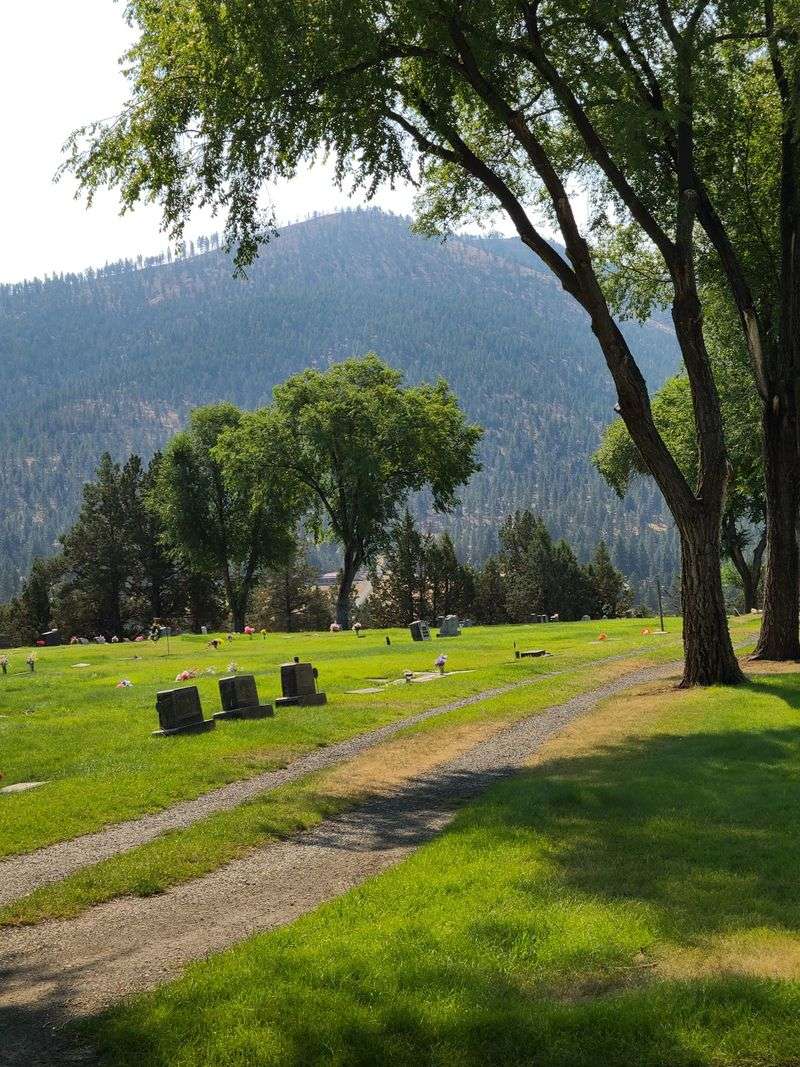
The name says a lot before anyone arrives. Canyon City sits in a canyon setting in eastern Oregon, south of John Day.
That geography gives the town a defined, tucked-in layout. Hills and open country surround the community, a sharp contrast to the dense valleys of western Oregon.
Eastern Oregon is known for wide open spaces and a rural pace. Living here means trading city convenience for room to spread out.
For outdoor-minded people, the setting offers plenty of space to explore the broader region. Grant County has a lot of land and relatively few people.
The landscape also helps explain the lower costs. Remote, rural locations rarely face the same housing pressure as busy metro areas.
Scenery and savings can share the same address, and here they do.
Who Fits the Canyon City Lifestyle
Not every town fits every person, and that is fine. Canyon City suits a particular kind of resident.
People who value lower everyday costs will find a strong reason to look here. A budget that feels tight in Portland or Bend may stretch further in Grant County.
The town also fits those who enjoy quiet routines. With a few hundred residents, life moves at a relaxed pace.
Remote workers may appreciate the setup, though checking internet options before moving is wise. Retirees seeking calm surroundings and civic convenience could find the county seat role useful.
Anyone who craves nightlife, large shopping centers, or constant variety might feel underserved. Those amenities usually require a longer drive.
The best match is someone who sees small-town simplicity as a feature rather than a sacrifice.
Practical Notes Before the Trip
A little planning goes a long way in rural Oregon. Canyon City is reached by U.S. Highway 395, about 2 miles south of John Day.
Travelers should map their route ahead of time. Eastern Oregon distances can be long, and services may be spaced far apart.
Fuel up before leaving larger towns. Carrying water and basic supplies is also a sensible habit for rural drives.
Those exploring a possible move should spend time in both Canyon City and John Day. Seeing how the two towns work together helps paint an honest picture.
Checking weather conditions before travel is smart, especially in colder months. Mountain and high desert areas can change quickly.
Arrive prepared, and the trip feels easy rather than improvised.
A Small Town Worth Keeping
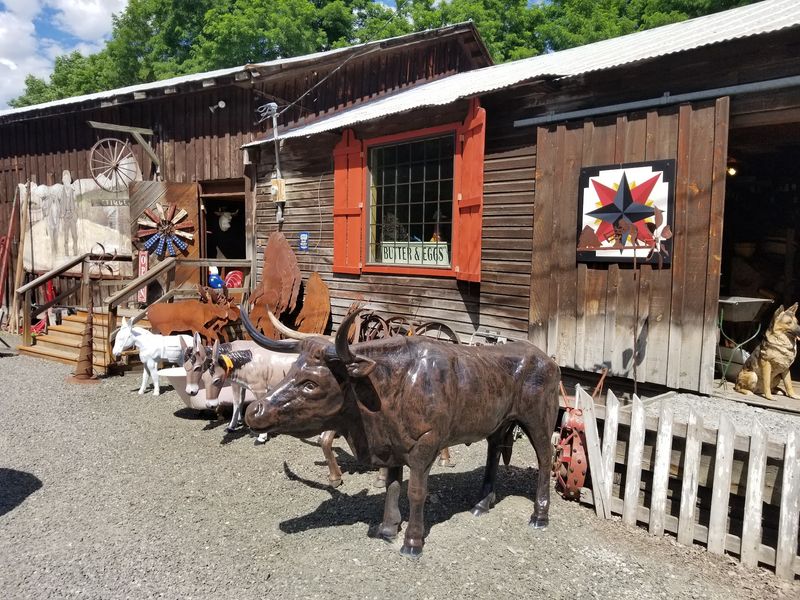
Some places earn attention by shouting. Canyon City earns it by simply staying steady.
As the Grant County seat with a few hundred residents, it offers a rare mix of civic purpose and small-town scale. Its location on Highway 395, close to John Day, keeps it connected.
The lower everyday living costs are the headline grabber. Yet the deeper value is a community that still functions, still serves its county, and still feels familiar.
For Oregonians who want everyday life to stay affordable, towns like this deserve a closer look. They show that manageable living still exists within the state.
Canyon City will not suit everyone. For the right person, it may be exactly the quiet, affordable corner they have been searching for.
Sometimes the best discoveries are the towns that never asked to be found.
Share this story