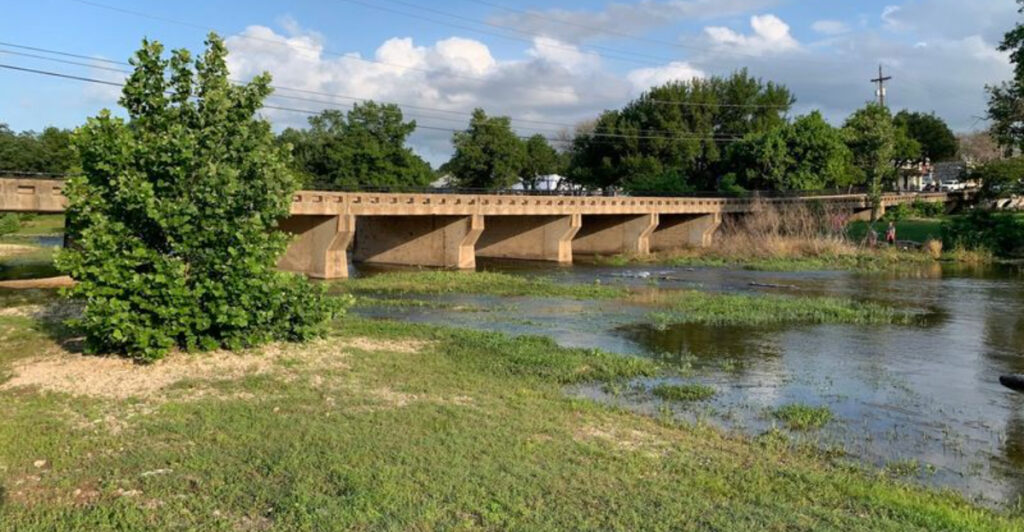
Texas stretches out like a giant patchwork quilt, with hundreds of small towns stitched between the big cities most travelers rush through. Many road trippers stick to the interstate, missing the weird art installations, natural swimming holes, and dance halls where locals still two-step on Saturday nights. These twelve towns offer experiences you won’t find anywhere else in the Lone Star State, from ghost-hunting adventures to stargazing under some of the darkest skies in North America.
1. Marfa
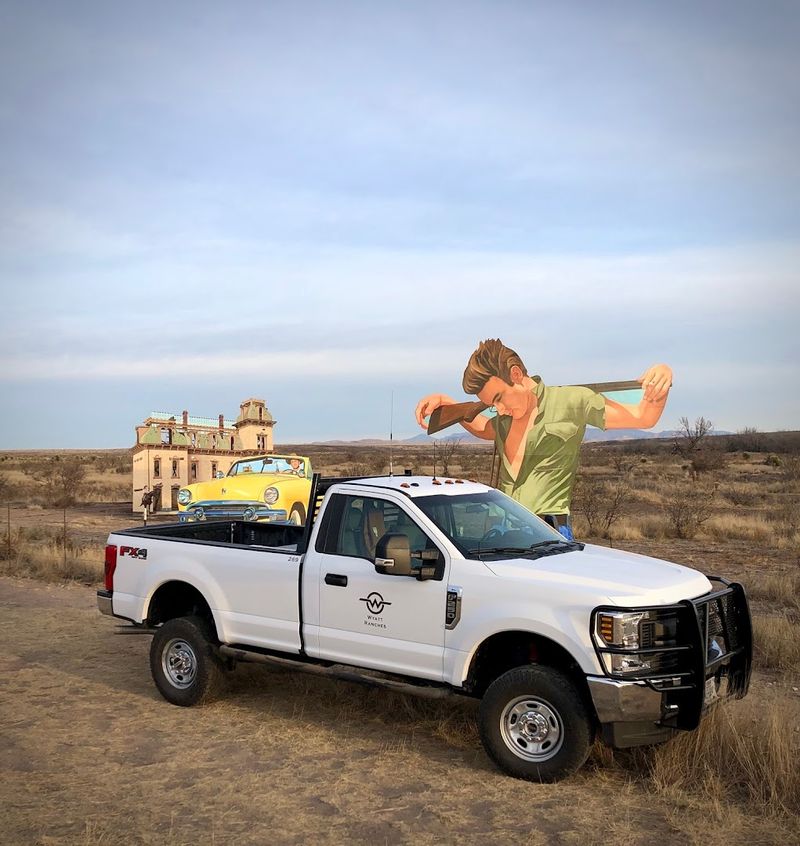
Out in the high desert of West Texas sits a town that somehow became one of the coolest art destinations in America. Marfa feels like stepping onto another planet, where tumbleweeds roll past cutting-edge galleries and vintage Airstreams serve gourmet food. The population hovers around 1,700, but the cultural impact punches way above its weight.
Artist Donald Judd put this place on the map back in the 1970s when he transformed old military buildings into permanent art installations. Today his concrete boxes scattered across the desert draw visitors from around the world. The Chinati Foundation campus sprawls across 340 acres, offering guided tours that’ll change how you think about art and space.
After dark, people gather just outside town hoping to spot the famous Marfa Lights, mysterious glowing orbs that have baffled observers since the 1800s. Scientists offer theories about atmospheric reflections, but locals prefer the mystery. There’s even a designated viewing area with historical markers.
The town square looks straight out of a Western movie because it actually is one. Giant was filmed here in 1955, and that old Hotel Paisano still stands proud. Prada Marfa, a permanent sculpture that looks like a luxury boutique in the middle of nowhere, makes for Instagram gold about 20 miles northwest.
Food Shark serves Mediterranean street food from a truck that shouldn’t exist in cattle country but absolutely does. The stargazing here ranks among the best in the continental United States thanks to minimal light pollution. Marfa defies every expectation you might have about small-town Texas, blending cowboy culture with contemporary art in ways that shouldn’t work but totally do.
2. Glen Rose
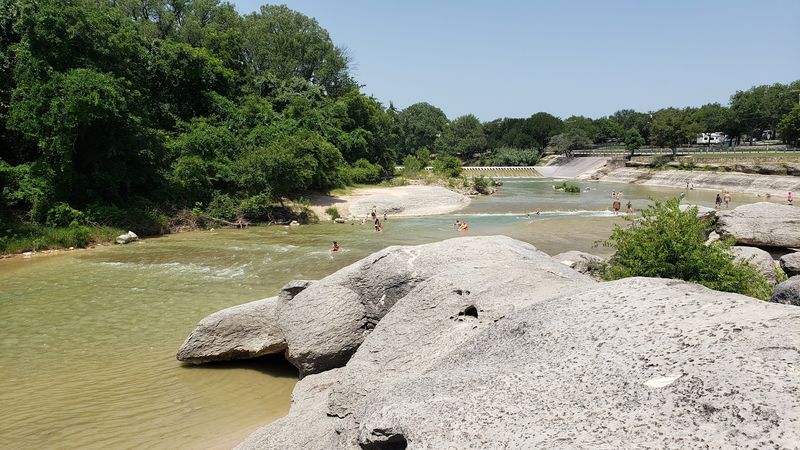
Dinosaurs once stomped through what’s now Glen Rose, leaving footprints you can still touch in the Paluxy River. Kids lose their minds when they realize they’re standing where a massive sauropod walked 113 million years ago. Dinosaur Valley State Park protects some of the best-preserved tracks anywhere on Earth, right in the riverbed where you can wade and explore.
The park covers over 1,500 acres of rugged beauty with camping, hiking trails, and those incredible fossils. Life-size dinosaur models greet you near the entrance, giving everyone a sense of scale. During summer, the river becomes the main attraction as families splash around hunting for three-toed theropod prints and the giant round impressions left by long-necked plant-eaters.
Beyond prehistoric wonders, Glen Rose serves up small-town charm with antique shops lining the courthouse square. Fossil Rim Wildlife Center lets you drive through 1,800 acres where giraffes, zebras, and rhinos roam freely. Animals walk right up to your car window, and feeding them from your hand creates memories that stick with kids forever.
The historic Somervell County Museum occupies an old building downtown, packed with local artifacts and dinosaur exhibits. Big Rocks Park offers free swimming in natural pools formed by massive boulders, perfect for cooling off after a day of exploration. Barnard’s Mill Art Museum showcases regional artists in a restored 1860s gristmill.
Creationists built a controversial museum here too, making Glen Rose an unlikely battleground between science and faith. Most visitors just come for the dino tracks and leave happy. The town strikes a balance between educational tourism and pure fun, offering something genuine you won’t find in theme parks or big cities.
3. Salado
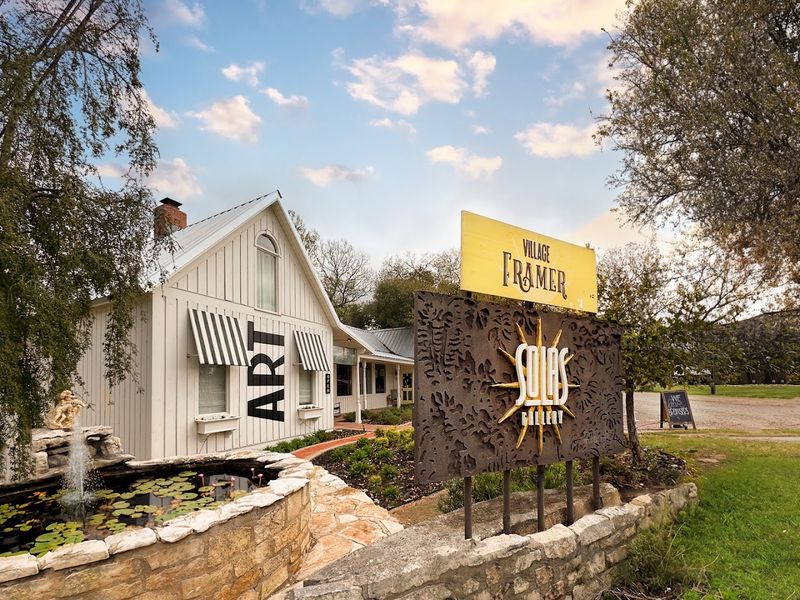
Salado Creek runs right through the heart of this village, creating a green oasis that artists and craftspeople have claimed as their own. More than forty galleries, studios, and boutiques pack into a few walkable blocks, making it a treasure hunter’s paradise. The whole town feels like it was designed for leisurely afternoon strolls, with giant oak trees providing shade and historic buildings housing everything from handmade jewelry to custom furniture.
Founded in 1859, Salado attracted settlers because of the reliable spring-fed creek that never runs dry. That same water still draws people today, whether they’re browsing art or just escaping the Texas heat. Sculpterra Winery offers tastings in a space filled with contemporary sculpture, perfectly capturing the town’s artistic vibe.
The Stagecoach Inn dates back to the 1860s when it served travelers on the Chisholm Trail. Today it operates as a restaurant where you can eat hush puppies and chicken-fried steak in rooms where cowboys once slept. The Inn on the Creek provides luxury accommodations right on the water, with balconies overlooking the gentle flow.
Salado Sculpture Garden displays works from Texas artists in an outdoor setting that changes with the seasons. Table Rock, a flat limestone outcropping, offers views over the surrounding countryside and has been a local landmark forever. Shopping here means discovering one-of-a-kind pieces instead of mass-produced souvenirs.
First Saturday each month brings special events, live music, and extended gallery hours. The Christmas season transforms Salado into something magical, with luminarias lining the creek and shops staying open late. Pace Park provides picnic areas right along the water, perfect for grabbing sandwiches from a local deli and watching the current drift by.
4. Port Aransas
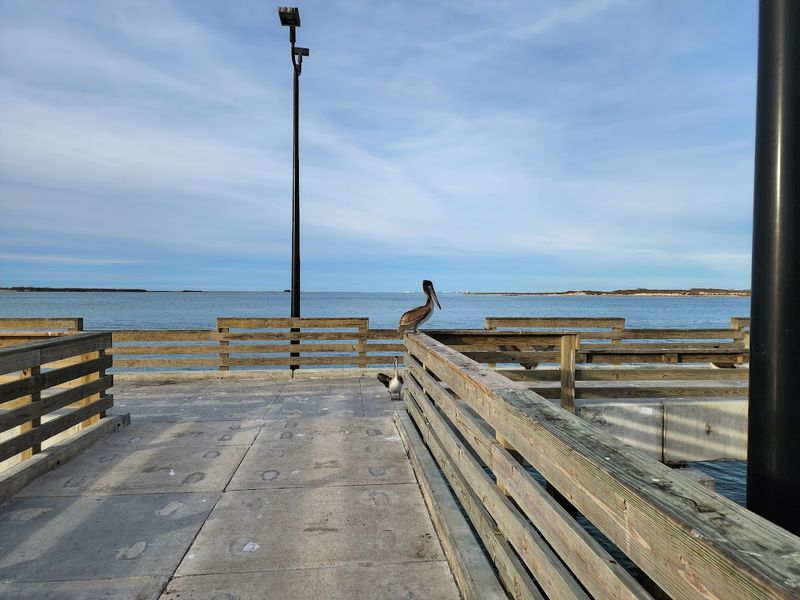
This barrier island fishing village keeps things refreshingly low-key compared to other Texas beach towns. Port Aransas, or Port A as everyone calls it, prioritizes actual beach life over high-rise condos and chain restaurants. Golf carts outnumber regular cars, and people drive right onto the sand at certain access points, setting up chairs and umbrellas wherever they please.
The 1,200-foot fishing pier stretches into the Gulf, giving anglers a shot at redfish, speckled trout, and tarpon without needing a boat. Sunrise here draws photographers and early risers who watch dolphins hunting in the surf. The University of Texas Marine Science Institute offers free aquarium exhibits showcasing local sea life, from seahorses to small sharks.
Mustang Island State Park provides five miles of unspoiled coastline where you can camp steps from the waves. Birders flock here during migration seasons when hundreds of species pass through, including rare sightings that get the whole community buzzing. The dunes and wetlands create diverse habitats you won’t find at more developed beaches.
Downtown consists of a few blocks packed with seafood shacks, surf shops, and bars where locals and visitors mingle easily. Fisherman’s Wharf serves fresh-caught shrimp and oysters with views of working boats coming and going. The ferry ride from Aransas Pass is free and takes just a few minutes, but it signals you’re entering island time.
Deep-sea fishing charters leave daily, pursuing kingfish, mahi-mahi, and even billfish in deeper waters. Sandcastle competitions, fishing tournaments, and the annual Whooping Crane Festival fill the calendar with community events. Port Aransas proves Texas beaches don’t need glitz to be great, just good fishing, soft sand, and people who remember why they came to the coast in the first place.
5. Jefferson
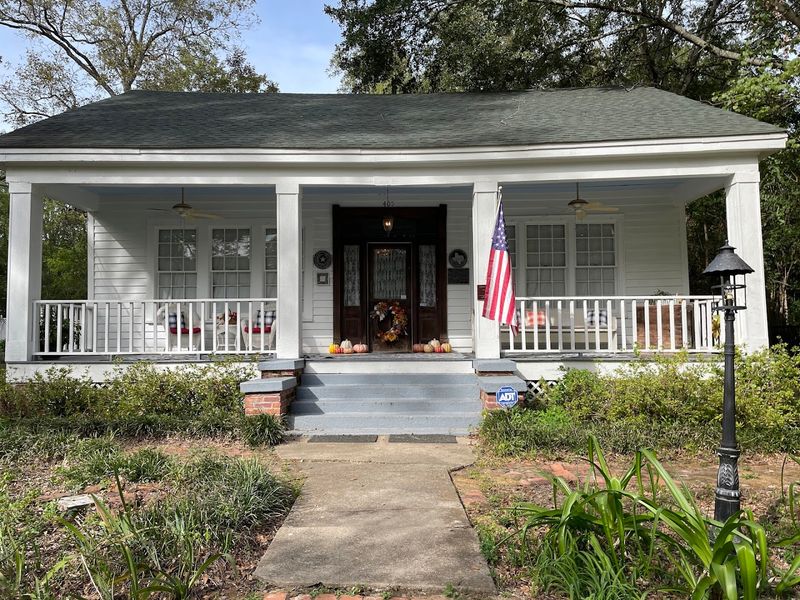
Spanish moss drapes from ancient cypress trees lining brick streets where riverboats once made Jefferson the second-busiest port in Texas. Hard to imagine now, but this quiet town of 2,000 people was a major commercial hub in the 1870s. When the Red River log jam cleared and steamboat traffic shifted elsewhere, Jefferson basically froze in time, preserving dozens of antebellum and Victorian buildings that now make it a living museum.
Ghost stories seep from every creaky floorboard in this place. The Jefferson Hotel, Grove, and Excelsior House all claim resident spirits, and nighttime ghost tours book up fast. Whether you believe in paranormal activity or not, walking these old streets after dark definitely creates an atmosphere.
Local guides tell tales of Civil War soldiers, jilted brides, and mysterious happenings that supposedly continue today.
Caddo Lake sits just northeast of town, a mystical waterway draped in moss and filled with bald cypress trees rising from tea-colored water. Kayaking through the bayous feels like entering prehistoric Louisiana, not Texas. The lake sprawls across 25,000 acres of channels and sloughs where alligators sun themselves and great blue herons hunt.
Historic home tours let you peek inside restored mansions filled with period furniture and family stories spanning generations. The Jefferson Railway runs vintage train cars through the piney woods on weekends. Auntie Skinner’s Riverboat Club serves Cajun food in a building that once housed a notorious brothel, complete with original tin ceilings and a colorful past.
Antique shopping here means serious business, with entire warehouses full of furniture, glassware, and collectibles. The annual Pilgrimage and Spring Festival in May opens private homes not usually available for tours. Jefferson rewards visitors who slow down enough to appreciate layers of history most Texas towns paved over decades ago.
6. Luckenbach
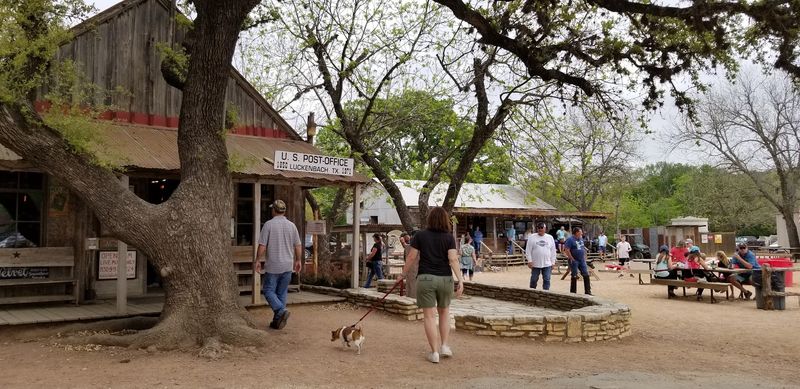
Population three. That’s the official count for Luckenbach, though on any given weekend hundreds of people gather under the oak trees to drink cold beer and listen to live music. Waylon Jennings made this tiny community famous with his 1977 hit, and it’s been a pilgrimage site for country music fans ever since.
There’s not much here except a dance hall, a general store, and a whole lot of Texas spirit.
The general store sells everything from harmonicas to Luckenbach t-shirts, with walls covered in business cards and photographs left by visitors from around the world. Out back, musicians gather for picking circles under the trees, where anyone can join in if they brought an instrument. No stage, no fancy sound system, just people making music together the way it’s been done for generations.
Weekend concerts in the dance hall feature both established acts and up-and-coming songwriters. The space holds maybe 200 people packed tight, creating an intimate atmosphere you can’t replicate in big venues. Beer flows from coolers, boots scuff the worn wooden floor, and strangers become friends by the second verse.
Hondo’s on Main, the outdoor stage area, hosts bigger shows under the stars with food trucks and more room to spread out. The whole place operates on a cash-only, laid-back philosophy that feels like stepping back to simpler times. Bring your own lawn chair, grab a beverage, and settle in.
Willie Nelson drops by occasionally, as do other Texas music legends who appreciate the no-frills authenticity. The annual Mud Dauber Festival and Ladies State Chili Bust draw crowds for quirky competitions and live entertainment. You can get married here too, with the postmaster serving as officiant in one of Texas’s most unconventional wedding venues.
Luckenbach proves you don’t need much infrastructure to create something memorable, just good music and genuine hospitality.
7. Fredericksburg
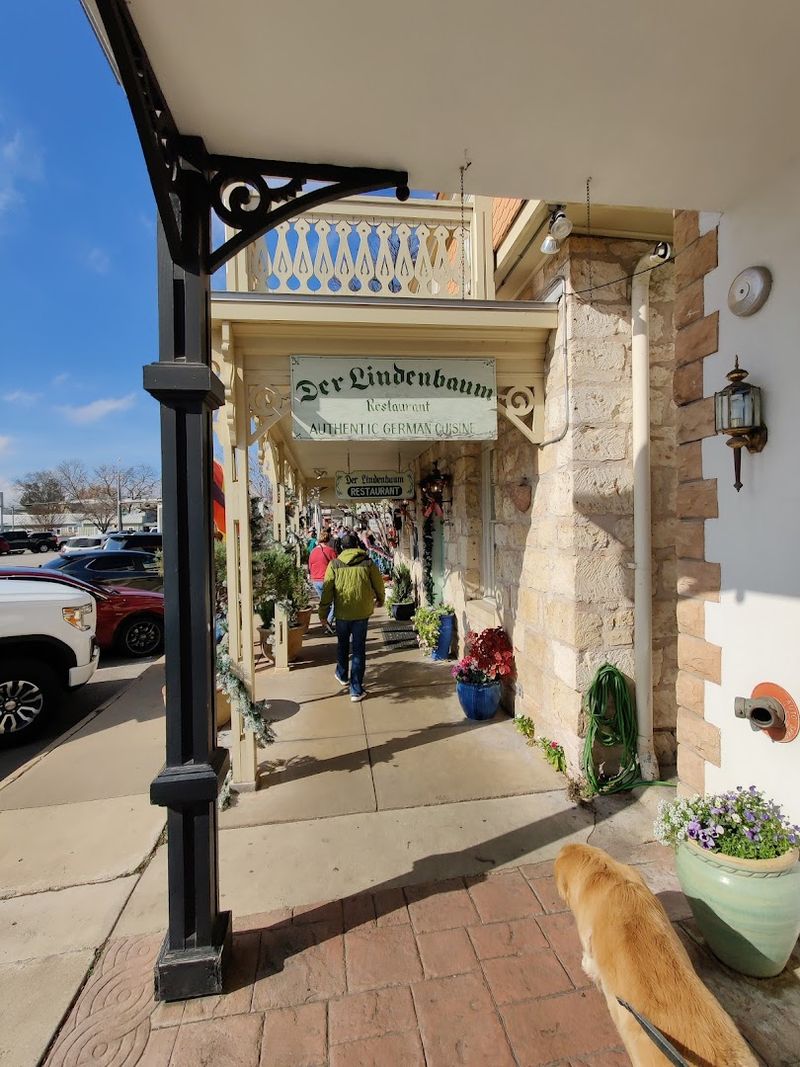
German heritage runs deep in Fredericksburg, where you can still hear conversations in German and Sunday houses line the historic district. Founded in 1846 by German immigrants, the town maintains traditions through food, architecture, and festivals that celebrate its roots. Schnitzel, strudel, and sausage appear on menus throughout town, alongside Hill Country barbecue and modern farm-to-table cuisine.
Main Street stretches for blocks, packed with over 100 specialty shops, galleries, and tasting rooms. Wine tourism exploded here over the past two decades, with the surrounding area now home to more than fifty wineries. You can spend entire days hopping between tasting rooms, sampling Texas wines that surprise people who assume good wine only comes from California or Europe.
The National Museum of the Pacific War honors Admiral Chester Nimitz, who was born here, with exhibits covering the entire Pacific theater of World War II. The complex includes the restored Nimitz Hotel, outdoor history walk, and Memorial Courtyard with artifacts from Japan. It’s one of the most comprehensive Pacific War museums anywhere, surprisingly located in the Texas Hill Country.
Enchanted Rock State Natural Area rises just north of town, a massive pink granite dome that draws hikers and rock climbers. The summit trail covers about a mile with steady climbing, rewarding you with 360-degree views across the Hill Country. Camping here means sleeping under incredibly dark skies perfect for stargazing.
Peach season in June and July brings U-pick orchards into full swing, with roadside stands selling fresh fruit and homemade ice cream. Oktoberfest transforms the town each fall with polka music, beer, and traditional dancing that goes on for days. Christmas brings the Lights of Fredericksburg, decorating the entire Main Street in thousands of twinkling bulbs.
The town balances tourist appeal with authentic local culture better than most Hill Country destinations.
8. Bandera
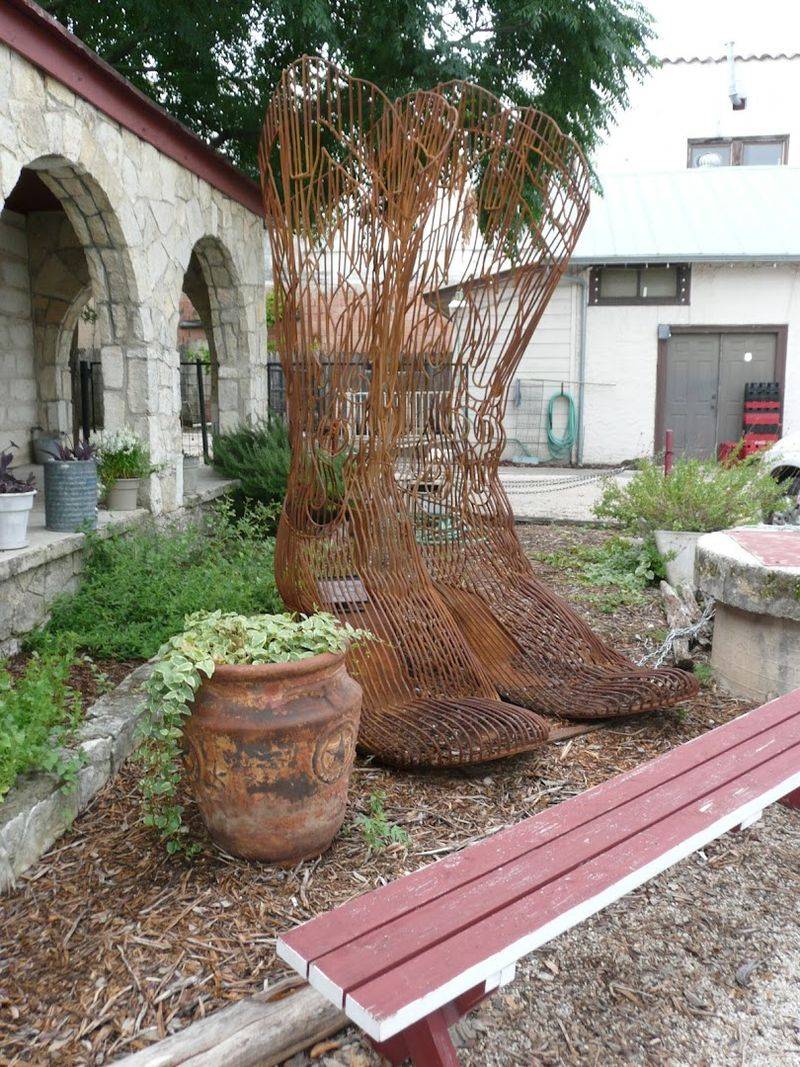
Bandera calls itself the Cowboy Capital of the World, and unlike most self-proclaimed capitals, this one actually delivers. Working dude ranches surround the town, offering guests the chance to ride horses, rope cattle, and sleep in bunkhouses under star-filled skies. This isn’t some sanitized theme park version of cowboy life but rather the real deal, where ranches have operated for generations and cowboys still work cattle the traditional way.
The Frontier Times Museum houses an eclectic collection of Old West artifacts, from antique firearms to a shrunken head that may or may not be authentic. Downtown Bandera consists of a few blocks with saloons, Western wear stores, and cafes serving chicken-fried everything. The whole place feels like a movie set, except people actually live and work here.
Bandera County sits in the heart of the Texas Hill Country, with the Medina River flowing through town and creating swimming holes locals guard like secrets. Cypress trees line the banks, providing shade for tubers and swimmers escaping the brutal summer heat. Hill Country State Natural Area offers 5,400 acres of rugged terrain for horseback riding, hiking, and primitive camping with minimal development.
Thursday through Saturday nights, Arkey Blue’s Silver Dollar Saloon fills with two-steppers moving across the wooden dance floor. Live music starts around eight, and by nine the place is packed with a mix of tourists and locals who’ve been coming here for decades. The jukebox plays classic country, and the walls display photos of country music legends who’ve performed on the small stage.
Several ranches offer packages ranging from a few hours to full weeks, including meals and all activities. You’ll mend fences, move cattle, and learn skills most people only see in movies. Bandera proves cowboy culture is alive and well in Texas, not just preserved for tourists but actually practiced by people who couldn’t imagine living any other way.
9. Gruene
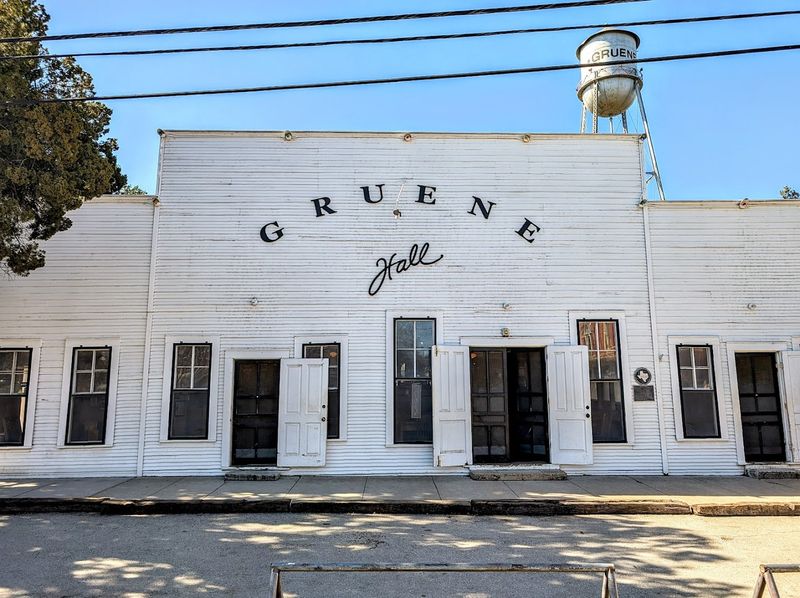
The entire historic district covers just a few acres, but what’s here matters. Gruene Hall, Texas’s oldest continually operating dance hall, anchors the community and draws music lovers from across the state.
Built in 1878, Gruene Hall has hosted everyone from Willie Nelson to George Strait, with shows almost every night of the week. The building has no air conditioning, just open windows and ceiling fans, creating an authentic atmosphere modern venues can’t replicate. Worn wooden floors, old beer signs, and thousands of names carved into the walls tell stories of generations who danced here.
The Guadalupe River flows right past Gruene, making it a prime spot for tubing during hot summer months. Outfitters rent tubes and shuttles, letting you float downstream for a few hours before pulling out at designated spots. The water runs clear and cool, fed by springs that keep temperatures refreshing even in August.
Antique shops and boutiques occupy restored buildings along the main drag. The Gristmill Restaurant serves burgers and catfish in an old cotton gin overlooking the river, with outdoor seating on multiple levels. Gruene Mansion Inn offers bed-and-breakfast accommodations in historic buildings with period furnishings.
Technically part of New Braunfels now, Gruene maintains its own identity and refuses to modernize beyond necessary updates. Weekends bring crowds, especially when big-name acts play the hall, but weekday visits offer a quieter experience. Market Days on the third Saturday showcase local artisans and craftspeople.
The whole place feels like a movie set, but it’s completely real, just preserved by people who recognized what they had before it disappeared. Gruene represents small-town Texas done right, celebrating history without turning it into a sanitized theme park.
10. Terlingua
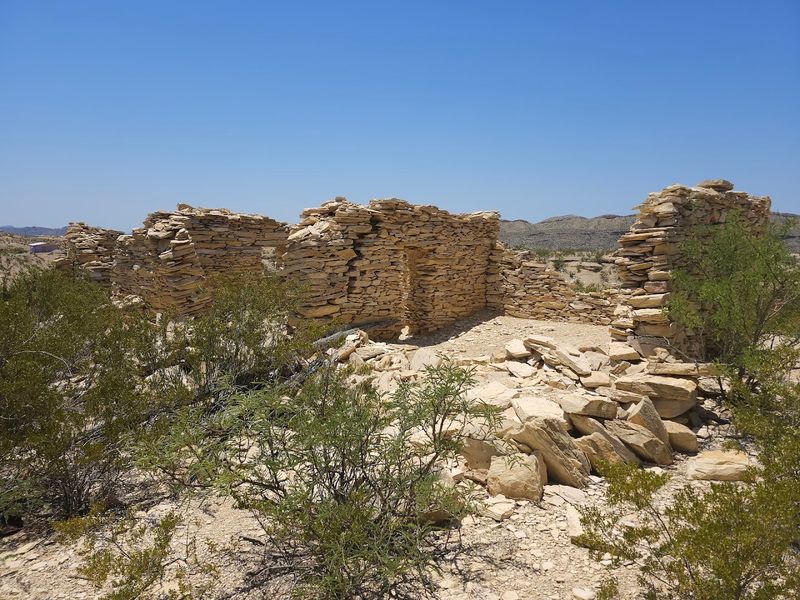
This former mercury mining town died when the mines closed in the 1940s, leaving behind crumbling adobe buildings and rusted equipment scattered across the Chihuahuan Desert. Then artists, river guides, and folks seeking isolation started moving in, creating one of Texas’s most unique communities.
The Starlight Theatre serves as the social hub, offering surprisingly good food in a restored movie theater with an open-air patio. Live music most nights brings together locals and Big Bend visitors in a space that feels both rough around the edges and welcoming. The bar stays busy, and conversations with strangers happen naturally when you’re this far from anywhere else.
Big Bend National Park sits just down the road, making Terlingua a base camp for exploring one of America’s most remote national parks. The Rio Grande carves through limestone canyons, creating dramatic landscapes where desert meets river. Hiking, rafting, and wildlife watching opportunities here rival anywhere in the Southwest.
Terlingua hosts the original Chili Championship every November, drawing thousands of people to the desert for cooking competitions, live music, and general mayhem. Two competing chili cookoffs actually happen now due to a long-standing feud, giving you twice the excuse to visit. The population might be under 100 normally, but during chili week it explodes into temporary chaos.
Terlingua Ghost Town, the original mining settlement, sits just up the road with ruins you can explore freely. The old cemetery tells stories through weathered headstones and handmade markers. Night skies here rank among the darkest in the Lower 48, with the Milky Way visible to the naked eye and meteor showers putting on spectacular shows.
Christmas Mountains Oasis offers glamping accommodations in restored structures and vintage trailers. La Kiva, a bar literally built into the ground, creates an underground speakeasy vibe unlike anywhere else. Terlingua attracts people who don’t quite fit elsewhere, creating a community bound by independence and appreciation for vast, empty spaces.
11. Granbury
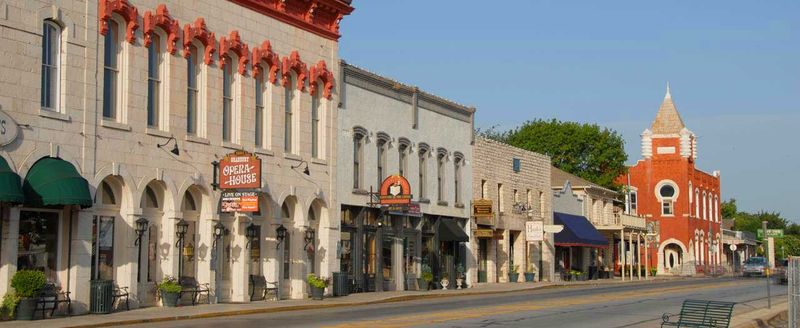
Looking like something straight out of a classic small-town movie, Granbury’s town square is the real deal—dating all the way back to the 1880s. The Hood County Courthouse sits at the center, a Second Empire masterpiece with a clock tower that still keeps time. Shops and restaurants ring the square in beautifully restored buildings, creating a walkable downtown that actually functions as a community gathering place.
Lake Granbury wraps around three sides of town, providing 8,300 acres of water for boating, fishing, and lakeside living. The Brazos River was dammed to create the reservoir, transforming Granbury from a quiet farm town into a recreation destination. Marinas rent boats and jet skis, while public beaches offer swimming and picnicking spots with shade trees.
Granbury Opera House has staged live performances since 1886, making it one of the oldest continuously operating theaters in Texas. The season runs year-round with musicals, comedies, and dramas performed by professional actors. The intimate 320-seat venue means no bad sightlines, and the Victorian interior maintains period details.
The square comes alive during monthly events like the Fourth Monday Trade Days, when vendors set up booths selling antiques, crafts, and food. Wine Walk lets you sample wines from local shops while strolling the historic district. Harvest Moon Festival of the Arts in October brings juried artists from across the region.
Revolver Brewing crafts small-batch beers in a facility just off the square, with a taproom serving flights and pints. The Nutshell Eatery occupies a tiny historic building, somehow producing elevated comfort food from a kitchen the size of a closet. Multiple bed-and-breakfasts operate in restored Victorian homes, offering period accommodations steps from the square.
Fossil Rim Wildlife Center sits about thirty minutes away, making Granbury a good base for exploring the area. The town strikes a balance between tourist appeal and authentic community life, where locals actually shop and eat downtown instead of just working there.
12. Wimberley
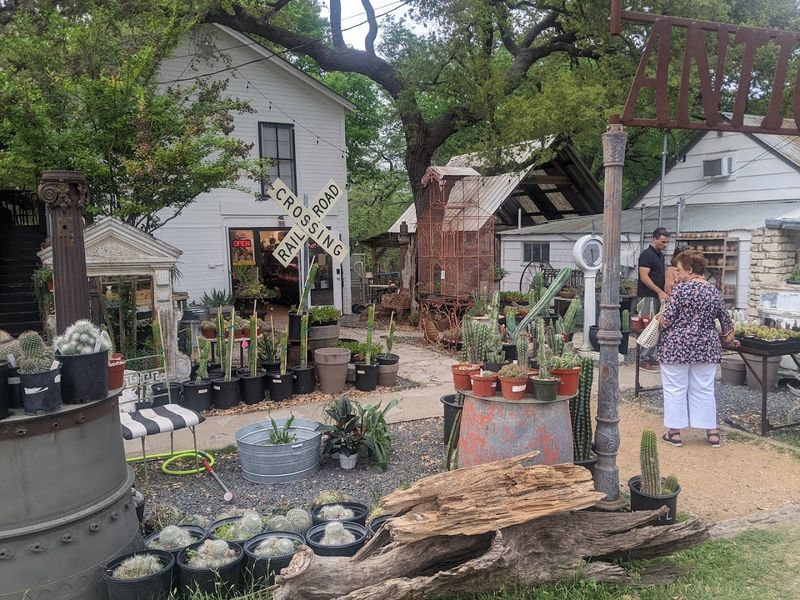
Wimberley hides in the Hill Country between Austin and San Antonio, where Cypress Creek and the Blanco River meet to create some of the best swimming holes in Texas. Blue Hole Regional Park protects a stunning natural pool surrounded by towering cypress trees, where water stays cool even when temperatures hit triple digits. The swimming area gets crowded on summer weekends, but weekday visits offer more space to enjoy the pristine spring-fed water.
Artists discovered Wimberley decades ago, and now galleries and studios fill the downtown area and surrounding countryside. The First Saturday Market on Lions Field brings hundreds of vendors selling handmade goods, from pottery to paintings to custom furniture. This isn’t your typical flea market but rather a juried show featuring serious artisans who’ve been coming here for years.
The town square maintains a low-key vibe despite growing tourism, with local shops and cafes that don’t feel corporate or manufactured. Wimberley Glass Works offers glassblowing demonstrations and sells stunning pieces made on-site. Corral Theater shows first-run movies in an intimate setting that beats any multiplex.
Jacob’s Well, a few miles outside town, draws divers to an artesian spring that plunges over 100 feet deep. The crystal-clear water flows at thousands of gallons per minute, creating a magical swimming spot when it’s open to the public. Access is limited now due to conservation efforts, requiring advance reservations through the preserve.
Old Baldy, a prominent hill overlooking the area, offers hiking trails and panoramic views after a moderately challenging climb. The Wimberley Valley Winery provides tastings in a relaxed setting with outdoor seating. Devil’s Backbone Tavern, perched high on the ridge between Wimberley and Dripping Springs, serves cold beer with some of the best sunset views in the Hill Country.
Cypress Creek runs right through town, creating additional swimming and tubing opportunities at various access points. Wimberley keeps things authentic, resisting the urge to overdevelop and maintaining the natural beauty and artistic spirit that made it special in the first place.