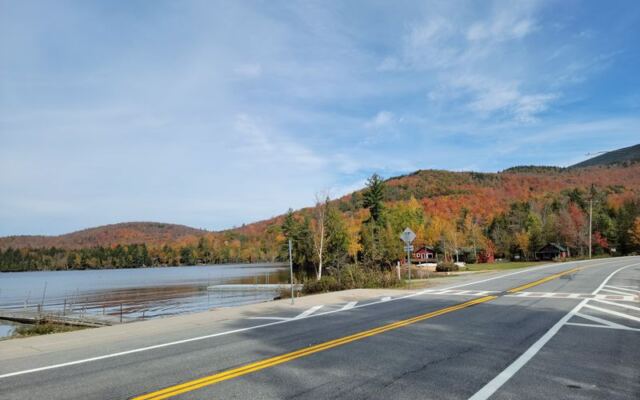
Three state highways walk into the Adirondacks, and they all stop at the same tiny crossroads. That crossroads sits beside a lake and beneath a mountain, and it is home to fewer people than many city blocks in Queens or Buffalo.
It has no traffic lights, no mall, and no reason to hurry. What it does have is a name that does double duty and a setting that keeps New Yorkers coming back year after year.
The pages ahead explain where it is, how the roads shape it, and why this quiet corner of Hamilton County earns its spot on any list of the best places in the state.
1. A Hamlet Hiding in Hamilton County
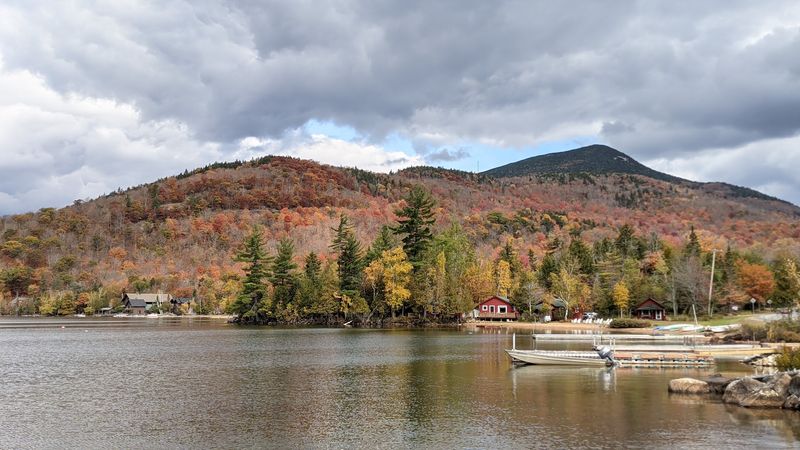
Some places announce themselves with billboards. This one simply appears where the pavement meets.
The spot is Blue Mountain Lake, a scenic hamlet in the town of Indian Lake, Hamilton County, New York, in the United States. Its address is simply listed as Indian Lake, NY, which fits a community that prefers to keep things low key.
Hamilton County sits deep in the Adirondack region of Upstate New York. It is a land of forests, water, and long stretches of road between settlements.
The hamlet is not a town in the legal sense. Instead, it is a smaller community within the larger town of Indian Lake, which is common across the North Country.
That arrangement gives the place a village feel without village bureaucracy. Residents and travelers share a compact cluster of buildings tucked between shoreline and slope.
For readers in Albany, Rochester, or Syracuse, the name may ring a faint bell from a childhood road trip or a postcard on a grandparent’s fridge. For many others, it is a fresh discovery waiting at the end of a long drive.
Either way, the first fact worth remembering is the simplest one. Blue Mountain Lake is a real place on the map, and it has held its ground in the woods for generations.
2. Where Routes 28, 28N and 30 Shake Hands
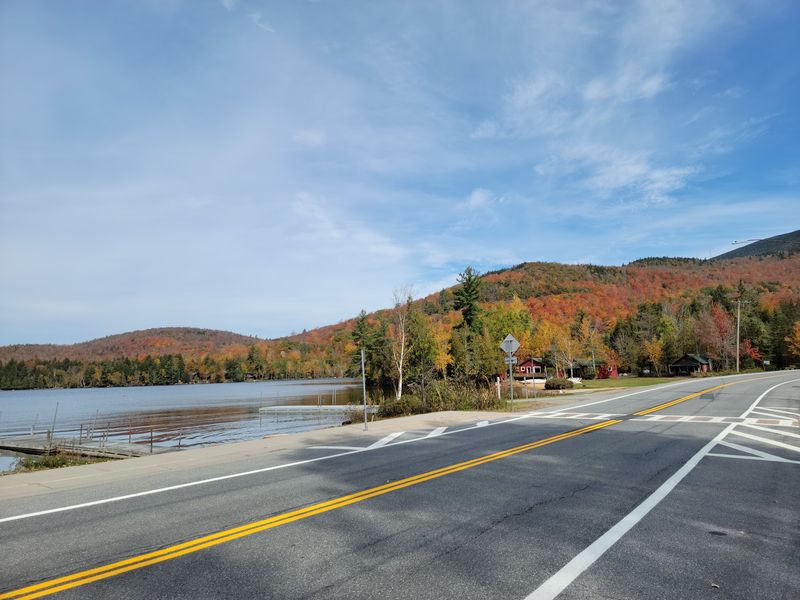
Count them: one, two, three. Three numbered state routes converge here, and that is no small feat for a community this size.
The hamlet sits at the intersection of New York Routes 28, 28N and 30. In the Adirondacks, where roads are few and far apart, a junction like this matters a great deal.
Route 28 is a long east-west corridor through the central Adirondacks. Route 30 runs north and south, and Route 28N offers its own path through the mountains.
When all three meet, the meeting point becomes a natural stopping place. Travelers check maps, stretch legs, and decide which direction comes next.
That role as a crossroads has shaped the hamlet’s identity. It is less a destination tucked at a dead end and more a hinge that swings travelers toward different corners of the park.
For drivers coming from the Capital Region or from Western New York, the junction makes the hamlet surprisingly easy to work into a larger loop. It rewards a slower pace, though, so it helps to budget extra time.
Three roads, one little dot on the map. The math may be simple, but the choices it opens up are anything but.
3. One Name, Two Meanings
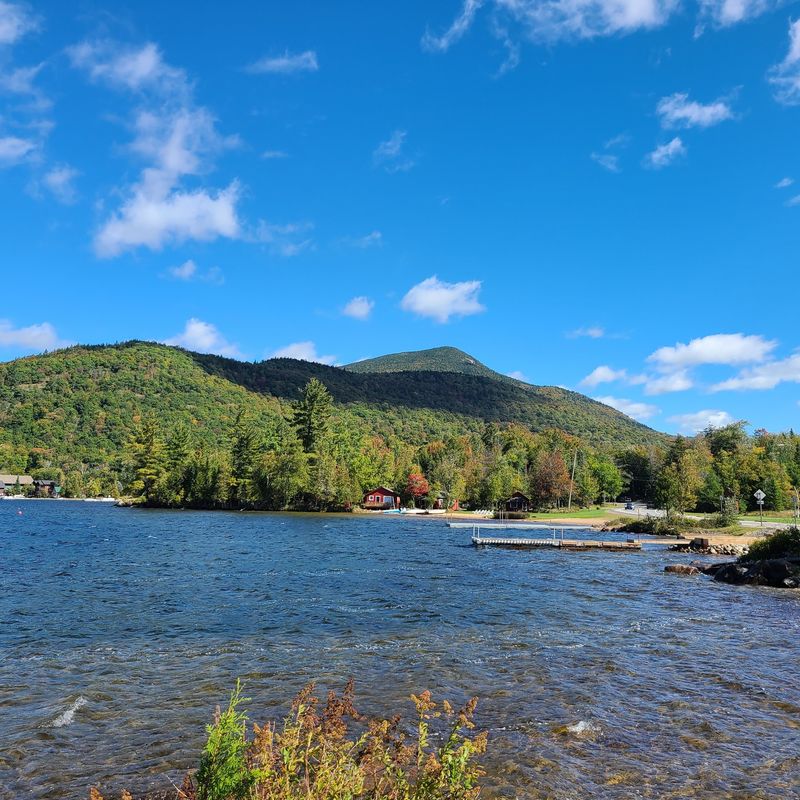
Here is a bit of trivia to bring up at the next family dinner. Blue Mountain Lake is both a hamlet and a lake.
The name refers to the community and also to the body of water on whose banks the hamlet sits. Locals and travelers use it both ways, and context usually clears things up.
That double meaning tells a story of its own. The settlement grew around the water, and the water gave the settlement its identity.
Plenty of Upstate communities borrow their names from nearby features. Few tie themselves so closely to a single shoreline that the two become almost interchangeable.
For first-timers, it helps to know which one is being discussed. Directions to the hamlet lead to the crossroads, while plans for the lake usually involve the shoreline and the water itself.
The overlap is part of the charm. It reminds anyone passing through that this is a place defined by its setting rather than by any single building or business.
So when someone says they spent the weekend at Blue Mountain Lake, the honest follow-up question is a fun one. Did they mean on the water, in the hamlet, or both?
4. Squeezed Between Water and Summit
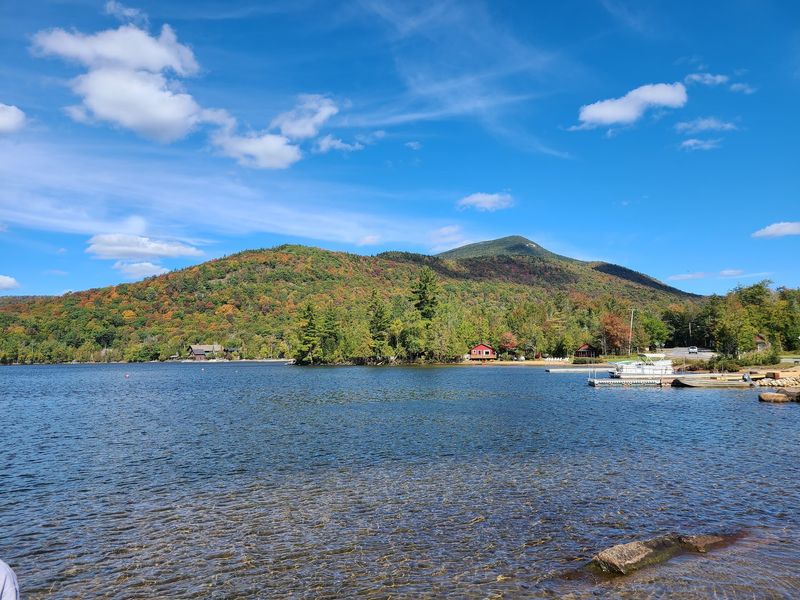
Geography did the planning here long before any surveyor arrived. The hamlet sits between a lake and a mountain, and that tight setting defines nearly everything about it.
On one side lies the lake that shares its name. On the other rises the mountain landscape that gives the whole area its title.
That position creates a natural frame. Buildings cluster in the space the land allows, which keeps the community compact and close to the shore.
It also means the scenery is never far away. Travelers do not need to hunt for a viewpoint, because the setting is right there at the crossroads.
For those who love the Adirondacks, this arrangement is a big part of the appeal. It packs water, woods, and high ground into a single stop.
Hamilton County is known for its wild character, and the hamlet offers an easy introduction to it. A short visit gives a taste of the region without a long hike into the backcountry.
Call it a front-row seat to the park. The lake handles the foreground, the mountain handles the backdrop, and the hamlet gets to sit right in the middle.
5. Small Size, Big Staying Power
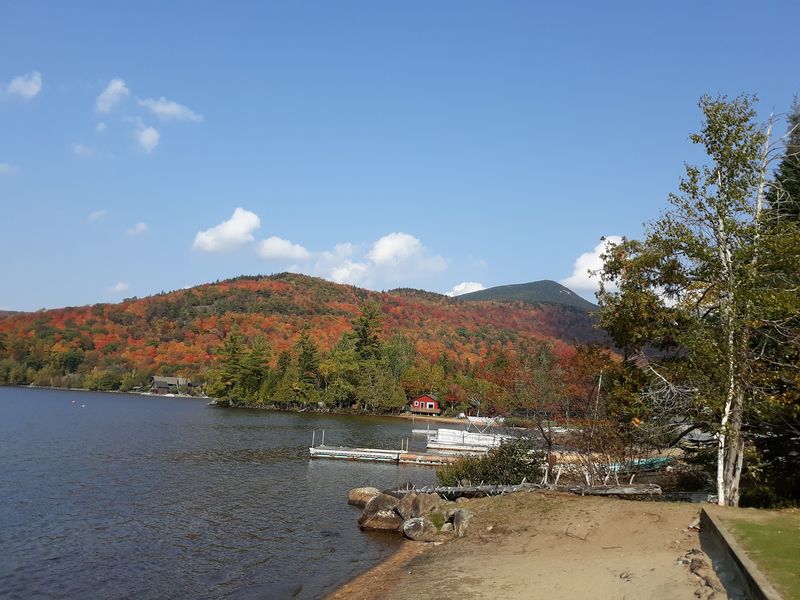
New York has not handed every quiet corner over to strip malls and self-checkout lanes. This hamlet is proof.
Blue Mountain Lake remains a small community, part of the broader town of Indian Lake. Its scale has stayed modest, and that modesty is exactly what many travelers come looking for.
There is real pride in that for Upstate readers. Places like this carry the feel of the North Country that older generations remember from summer trips and family drives.
The hamlet has reportedly drawn travelers for a long time, thanks in large part to its scenery and its location on major park roads. It continues to serve as a familiar waypoint for people heading deeper into the mountains.
Nothing here needs to be flashy to matter. The crossroads, the shoreline, and the slopes do the heavy lifting.
For a reader in the Bronx or Staten Island used to constant motion, the slower rhythm can feel like a different state entirely. Yet it is still New York, a few hours up the road.
Staying small has turned out to be a strength. The hamlet has kept its character by simply refusing to outgrow its setting.
6. Life on the Lakeshore
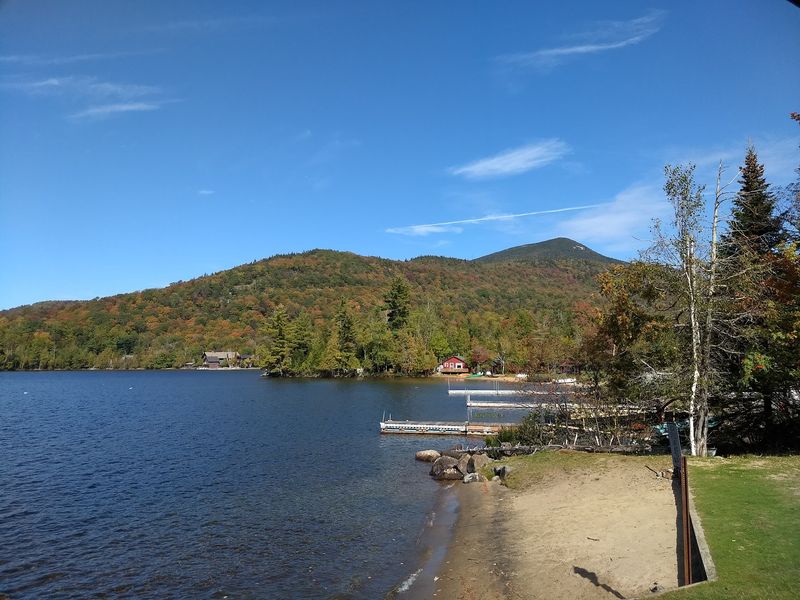
Water is the headline act in this part of Hamilton County. The lake that shares the hamlet’s name sits right alongside the community.
Its banks are where the hamlet took shape. That closeness makes the shoreline an everyday part of life rather than a distant attraction.
For travelers, the lake offers an easy reason to pause. Even a brief stop at the crossroads puts the water within view.
Many Adirondack lakes are popular with paddlers, and Blue Mountain Lake is commonly associated with canoes and kayaks. Anyone planning time on the water should check current local guidance before setting out.
The shoreline also suits slower plans. Sitting by the water with a thermos of coffee and a paperback is a perfectly respectable afternoon here.
Families from Rochester or Buffalo who grew up with lake weekends will recognize the appeal. It is the kind of spot where a day can unfold without much of a schedule.
Bring patience and a camera. The lake does not ask for much, but it does reward anyone willing to linger a little longer than planned.
7. The Mountain Behind the Name
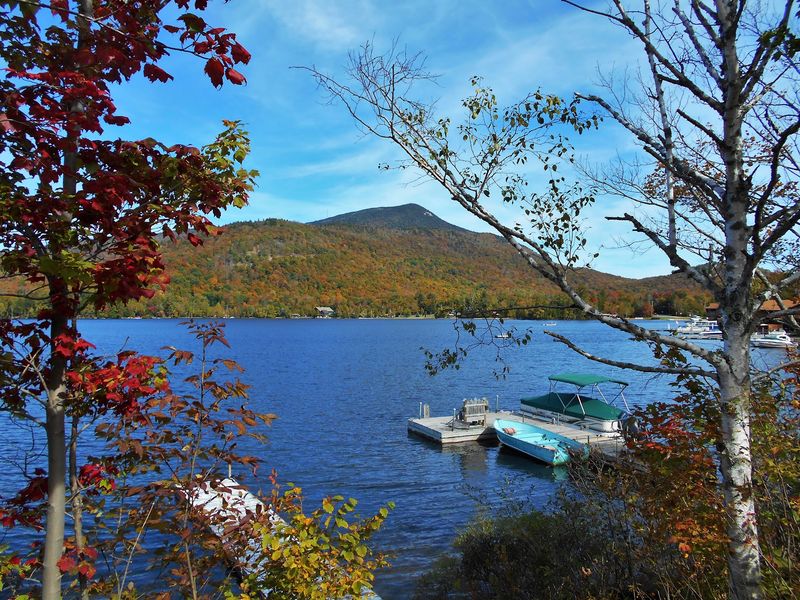
Every good name has a backstory, and this one points straight uphill. The mountain rising near the hamlet helps explain the label on the map.
Blue Mountain looms over the area and gives the lake and the hamlet their shared title. It is a constant presence for anyone passing through the crossroads.
Hikers often know the mountain as a destination in its own right. Trail conditions and access can change, so checking current information before a climb is a smart move.
Even without hiking boots, the mountain adds to the experience. It anchors the setting and gives the hamlet a recognizable profile.
The Adirondacks are full of peaks, but few are tied so neatly to a community’s identity. Here, the mountain feels less like scenery and more like a neighbor.
For photographers, the pairing of summit and lake makes for a classic North Country composition. It is the kind of shot that ends up framed in a hallway back home.
The mountain does not need to shout. It simply stands there, season after season, reminding travelers how this little place got its name.
8. A Mood Built for Slowing Down
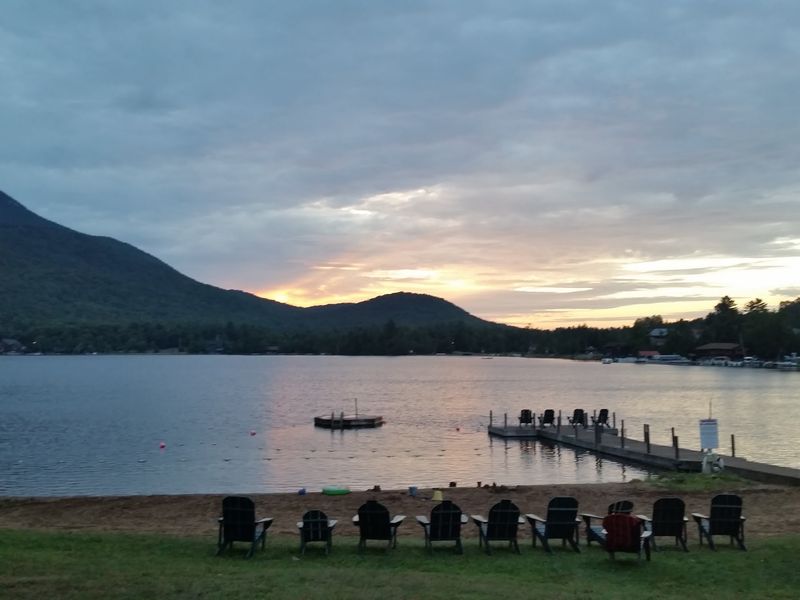
Some towns sell excitement. This hamlet trades in something rarer, which is a reason to take a breath.
The atmosphere is shaped by size and setting. A small community, a quiet crossroads, and wide natural surroundings combine into an unhurried pace.
That pace suits a specific kind of traveler. Couples on a weekend escape, retirees on a scenic loop, and families who want a break from screens will likely feel right at home.
Thrill seekers looking for nightlife may want to adjust expectations. The main attractions here are the lake, the mountain, and the open road.
For many New Yorkers, that simplicity is the point. A stop in the hamlet can feel like a reset after a busy week in the city or the suburbs.
Conversations tend to stretch out. Plans become flexible, and nobody seems to mind.
It is a place that asks very little and gives back a sense of calm. That trade has kept people returning for years, and it shows no sign of going out of style.
9. Seasons on the Crossroads
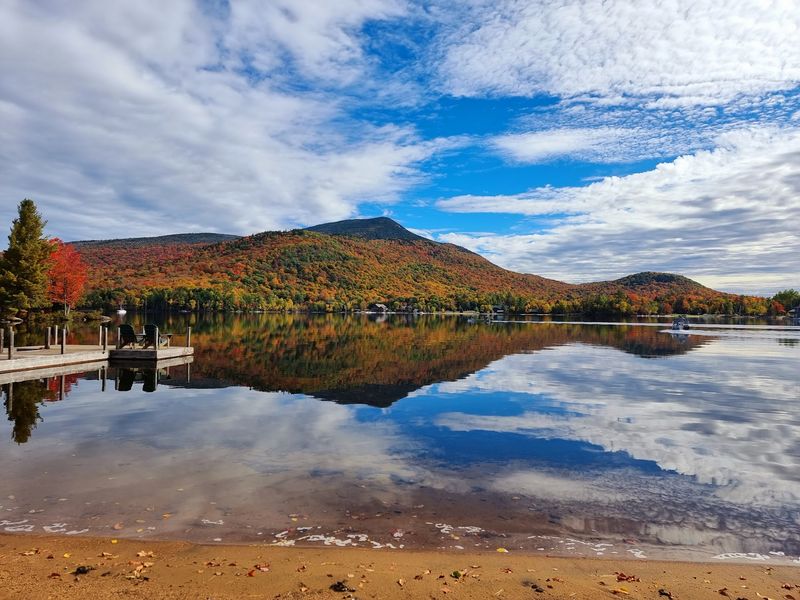
Timing a trip here is a bit like picking a favorite chapter. Each season changes the look of the lake, the mountain, and the roads that meet between them.
Summer is a natural fit for time by the water. Longer days give travelers more room to explore the area around the hamlet.
Fall brings Adirondack foliage, and Routes 28, 28N and 30 make the hamlet an easy stop on a color drive. Peak timing varies year to year, so checking foliage reports helps.
Winter turns Hamilton County into a quieter, snowier world. Road conditions in the mountains can change quickly, so preparation matters.
Spring is a transitional stretch in the North Country. It can be muddy and unpredictable, though it also tends to be calm.
The beauty of a crossroads location is flexibility. No matter the season, the three highways bring travelers in and send them back out toward other corners of the park.
Pick the season that suits the mood. The lake and the mountain will be waiting either way.
10. Smart Tips Before the Drive
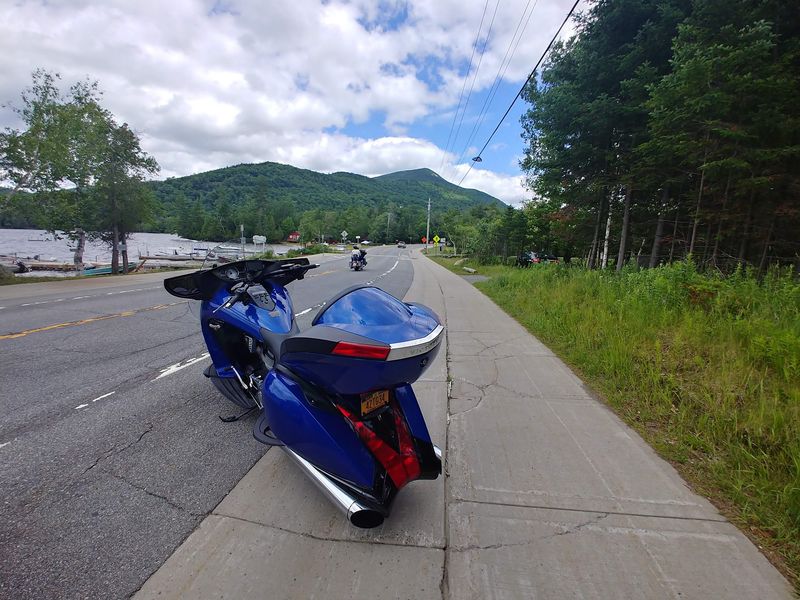
A little planning goes a long way in the Adirondacks. Distances look short on a map, but mountain roads take their time.
The hamlet is reached by New York Routes 28, 28N or 30, which meet right in the community. Drivers from Albany, Utica, or Syracuse can map a route using any of these highways.
Because the hamlet is a natural area rather than a single attraction, there are no set hours or admission prices listed for it. Individual businesses or facilities may have their own schedules, so it is wise to confirm ahead.
Fill the gas tank before heading into Hamilton County. Services can be spread out in this part of the state.
Cell coverage in the Adirondacks is often spotty. Downloading offline maps before leaving home can save a lot of guesswork.
Pack layers, since mountain weather can shift during the day. Sturdy shoes are helpful for anyone planning to explore the shoreline or nearby trails.
Finally, leave room in the schedule. The best part of this crossroads is often the unplanned pause, and that pause deserves a little breathing space.
11. Why This Crossroads Earns the Crown
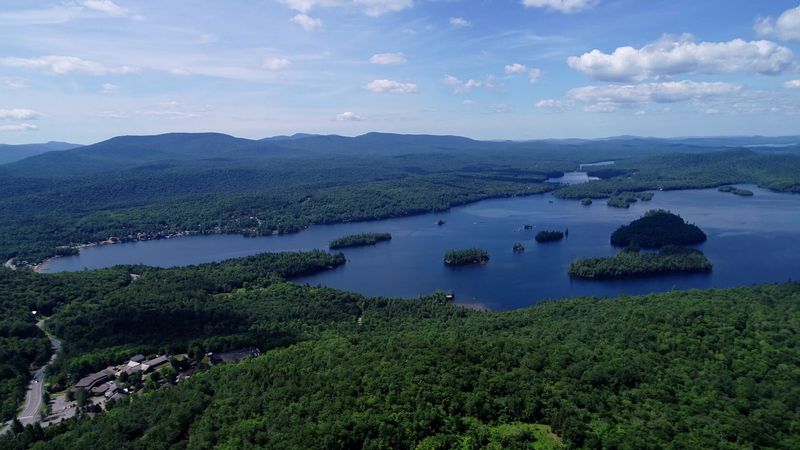
Best in New York is a bold label for a hamlet most people could drive past in a minute. Yet the case for it is surprisingly strong.
Blue Mountain Lake combines three things that rarely line up so neatly. It has a lake at its doorstep, a mountain at its back, and three state highways meeting at its center.
It has also held onto its small size and quiet character. In a state where so much keeps changing, that steadiness carries real weight.
For Upstate families, it is a reminder of road trips past. For outer borough readers, it is proof that a different pace of New York life is only a drive away.
No single attraction carries the whole load here. The setting itself does the work, and the crossroads makes it easy to reach.
That is the quiet magic of the place. It does not try to be the biggest or the busiest, and it does not need to.
Three roads meet between a lake and a mountain, and that turns out to be more than enough. Some winners simply earn the title by staying exactly who they are.
Share this story