Some school days never really end. Just off Interstate 35 in north central Oklahoma, a one-room schoolhouse still holds class, a teacher still calls the roll, and kids still learn to mind their manners the old-fashioned way.
Out back sit a church, a home that more than a few folks are pretty sure is haunted, and a building that dates to the land runs that shaped this corner of the state. Inside, a film retells the race for land that gave the area its name, and displays cover local history, industry, and a surprise exhibit about a hometown fast-food legacy.
It is small, friendly, and easy on the wallet, with a shady lawn made for picnics and an old merry-go-round that teenagers refuse to outgrow. Here is what to know before loading up the car this weekend.
1. A Frontier Museum Off Interstate 35
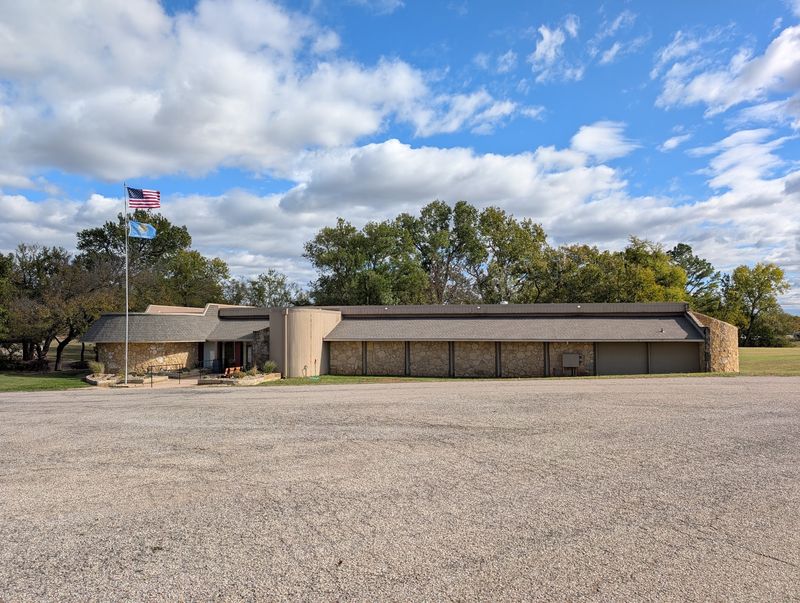
Tucked beside the interstate in a town of roughly 5,000 people, the Cherokee Strip Museum sits at 2617 Fir St, Perry, OK 73077. It is easy to reach from Oklahoma City or Tulsa for a simple day trip.
The museum is right off Interstate 35, so the detour costs almost nothing in drive time. Landmarks help too, since it sits across from the Braum’s in Perry.
Inside the main building, exhibits focus on the people and places of the Cherokee Strip region. Outside, a cluster of historic buildings spreads across the grounds.
That mix is what makes the stop work. The indoor galleries handle the big picture, while the outdoor buildings let families walk right into it.
It is not a sprawling complex, and it does not pretend to be. The collection is compact, yet what it has, it presents well, and staff treat each guest like someone worth knowing.
For a town this size, the effort shows in every room. Small museums like this one often carry the biggest local pride.
2. The Land Run That Named a Region
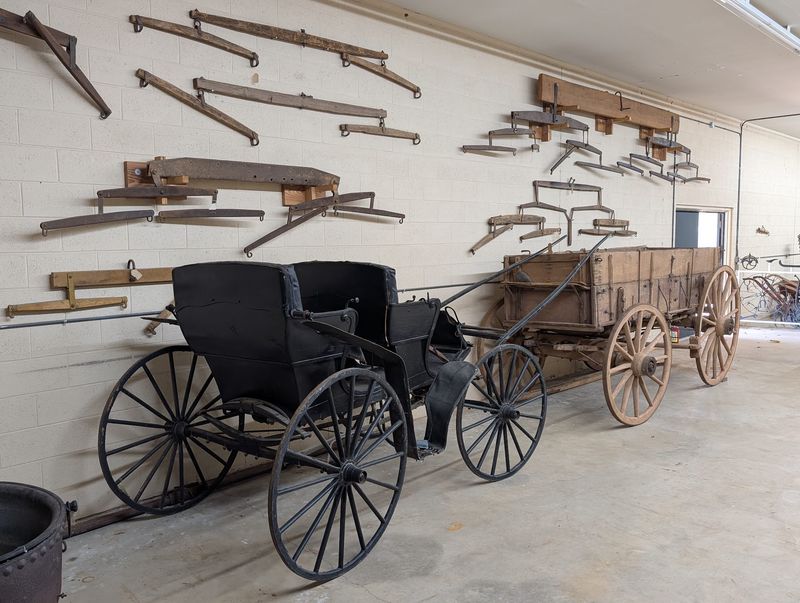
History in Perry starts with a starting line. The Cherokee Strip, also called the Cherokee Outlet, opened to settlement in a land run in 1893, and towns like Perry grew up almost overnight.
The museum treats that moment as its foundation. A film shown on site walks guests through the land run history of the area, which makes a smart first stop before exploring anything else.
Watching it early gives the rest of the visit context. The schoolhouse, the church, and the old building out back all make more sense once the backstory is clear.
It is worth knowing what the museum covers and what it does not. The focus is on the region and its settlers rather than a deep study of the Cherokee Nation itself, though a few items connected to Native people are part of the collection.
That framing matters for families planning a heritage outing. Think of this stop as the story of a town and its frontier years, told by the community that still lives there.
A good film and a little curiosity go a long way here.
3. Galleries of Local Grit
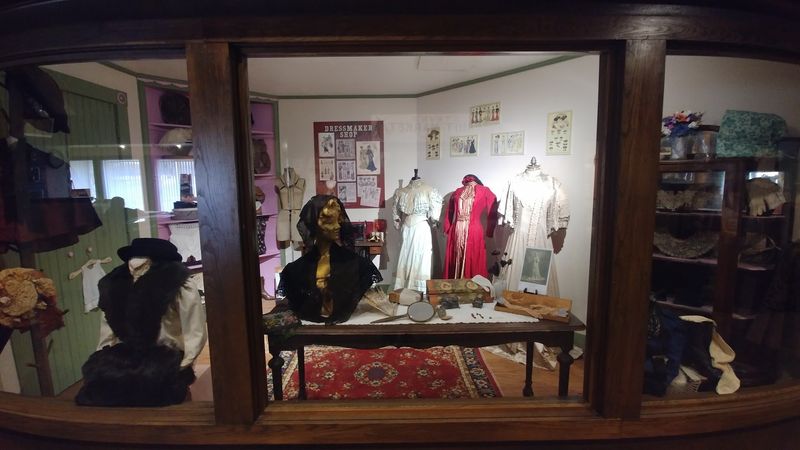
Plenty of small-town museums stop at old photos. Here, the indoor displays branch out into local history, industry, and the economy that kept Perry going after the land rush settled down.
That approach gives the galleries some range. Exhibits trace early life and frontier times, along with school history that ties directly to the buildings outside.
Plan on a couple of hours if every case gets attention. The pace is relaxed, so nobody needs to rush from room to room.
The galleries are not huge, and some guests leave wishing there were more. That is a fair complaint, and also a quiet compliment.
Wanting more usually means the material landed. The collection does a solid job explaining how a land run town turned into a lasting community.
A handful of items connected to Native people also appear among the displays. They add another layer to the regional story without claiming to be the full picture.
Short on square footage, long on hometown detail, the indoor museum sets the stage nicely for the walk outside.
4. A Surprising Sonic Connection
Here is a twist most travelers do not see coming. Among the frontier artifacts sits an exhibit about Sonic, the drive-in chain with deep Oklahoma roots.
For nostalgia fans, that is a fun detour. Drive-in culture runs deep in this state, and seeing it in a history museum gives it a little extra respect.
Kids tend to latch onto this one. Young guests as small as six and eight have walked away from the Sonic exhibit having actually learned something, which every parent counts as a win.
It also helps bridge generations. Grandparents can talk about the drive-ins they knew, while kids connect it to the spots they visit today.
The museum does not go into exhaustive detail here, and that is fine. It works as a bright, friendly break between heavier frontier topics.
Consider it proof that history does not always wear a bonnet. Sometimes it comes with a carhop tray and a story about Oklahoma business.
5. Rose Hill School, the Star of the Grounds
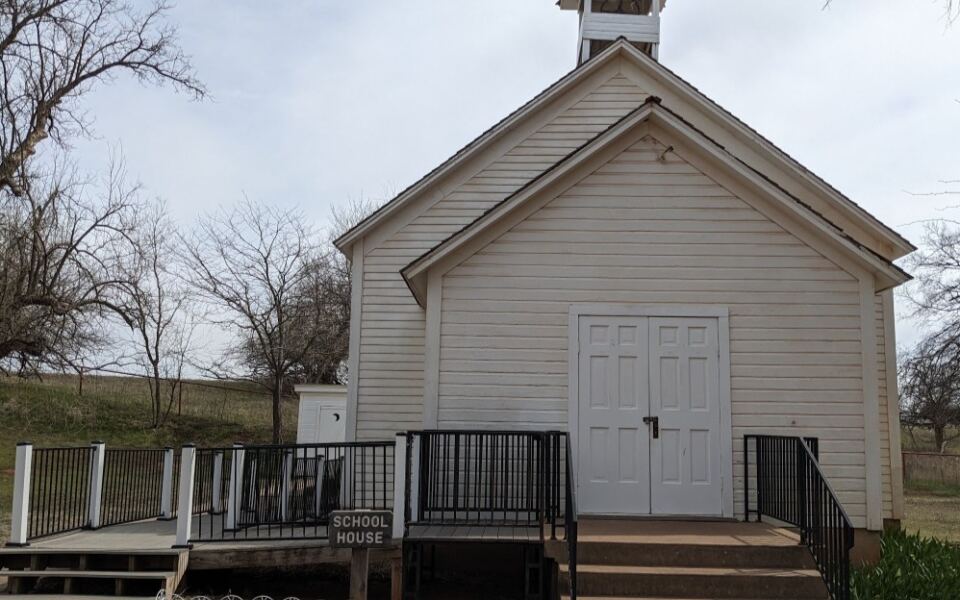
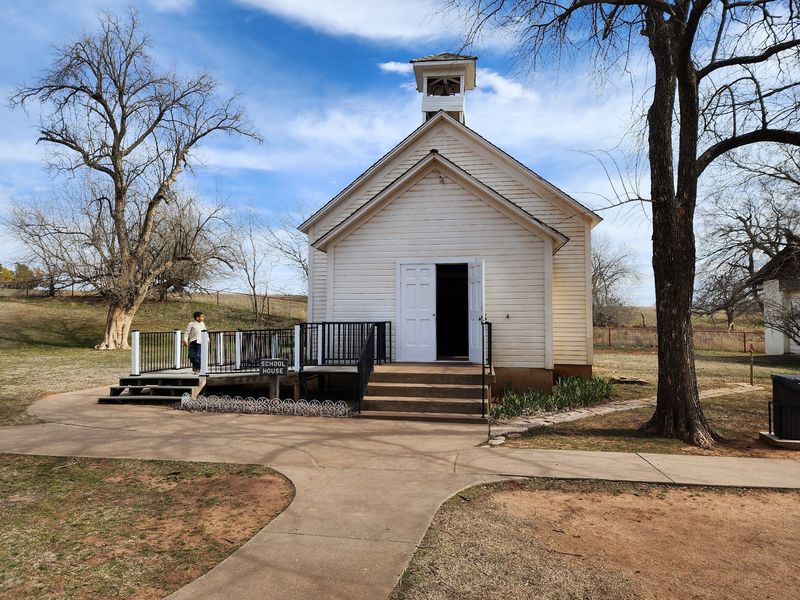
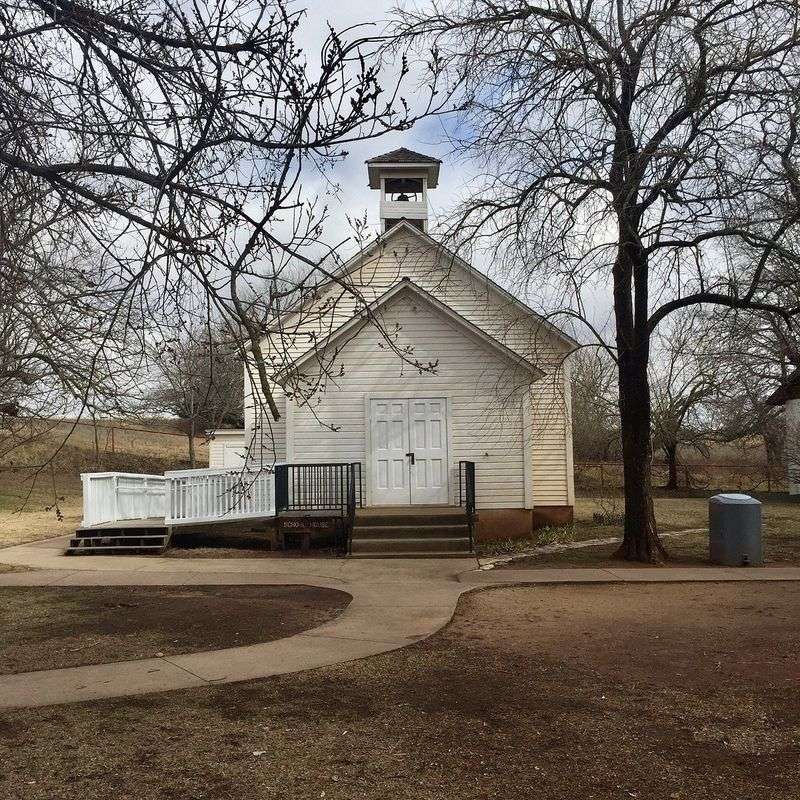
Ask anyone which building to see first, and the answer is usually the same. Rose Hill School, the one-room schoolhouse on the museum grounds, is the headliner.
The building now serves as its own museum. Staff do a wonderful job reflecting what school looked like for students in the early era, back when the state was just beginning.
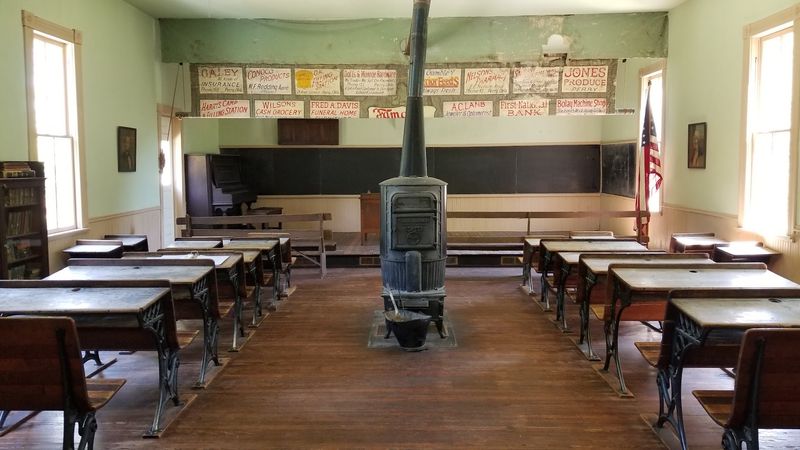
Inside, rows of desks and old classroom details make the past feel close. There is no need for a big imagination to understand how different a school day once was.
The schoolhouse also has a living element. A teacher, often called the school marm, has been known to greet guests and talk about classroom life.
Chatting with her ranks among the most memorable parts of a trip. It turns a quiet building into a conversation.
Families who skip the schoolhouse miss the heart of the place. Locals and returning teachers say the same thing in plain terms: do not leave Perry without stopping at Rose Hill.
Class, it turns out, is still very much in session.
6. Mock School Days and Old-Time Manners
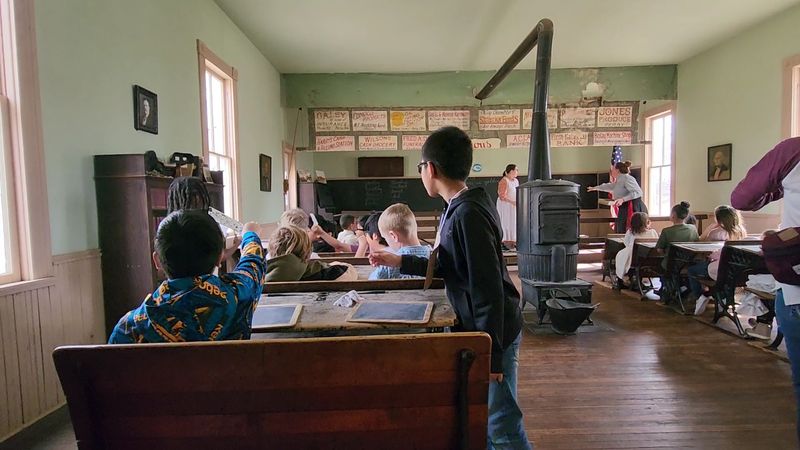
Few field trips come with a dress code for behavior. At Rose Hill School, groups can book a mock school day, and students act out lessons the way children did more than a century ago.
Homeschool groups and public school classes both make the trip. Students around ages 8 to 13 have spent the day role-playing, learning history, and having a genuinely good time.
The teacher leading these sessions earns steady praise for being informative and engaging. Some educators have brought classes back four times or more, which says plenty.
One piece of advice comes up often. Be prepared to exhibit manners, because the old rules apply once the bell rings.
Families visiting on their own can still tour the schoolhouse. They just will not be able to take part in the full school day, which is reserved for booked groups.
Teachers planning a trip should contact the museum ahead of time to arrange a date. Kids often remember these lessons long after the bus ride home.
7. The House With a Reputation
Every historic site seems to have one building that gets people talking. Here, it is the old home out back.
Some guests leave fairly convinced the house is haunted. Nobody hands out ghost certificates at the door, but the whispers have followed the property for a while.
Part of the fun is the setting. An old house standing near a one-room school and a country church naturally sparks a few campfire-style stories.
The museum itself does not market ghost tours based on the information available. So treat the spooky angle as local lore rather than a scheduled attraction.
That still makes for a great family conversation. Kids love deciding for themselves whether a creaky old building has a few lingering stories.
Whatever anyone believes, the home offers a real look at frontier-era living. The history inside is authentic, even if the spirits are up for debate.
Skeptics and believers can agree on one point: it is worth a look.
8. A Church and a Land Run Original
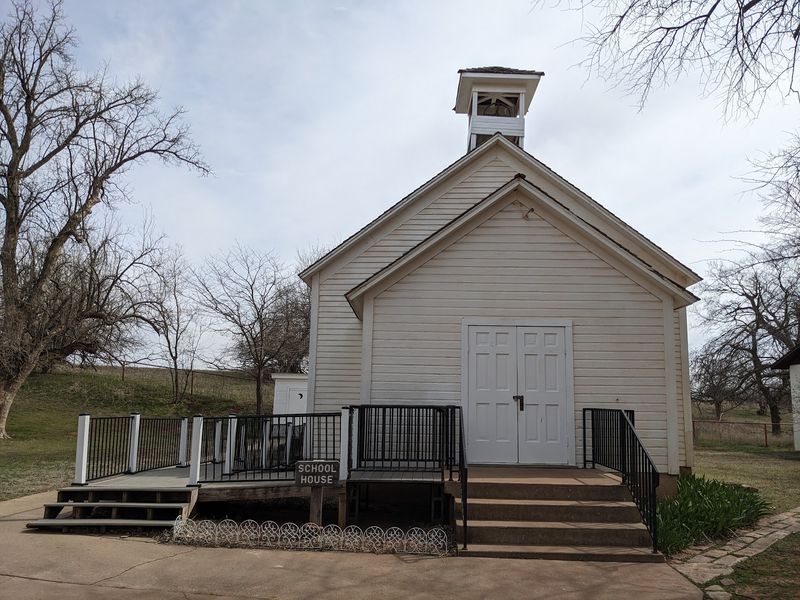
Beyond the schoolhouse, the grounds keep going. A church and an original building from the land run era round out the outdoor collection.
The land run building carries special weight. It connects directly to the 1893 rush that created Perry, so it stands as a physical piece of that famous day.
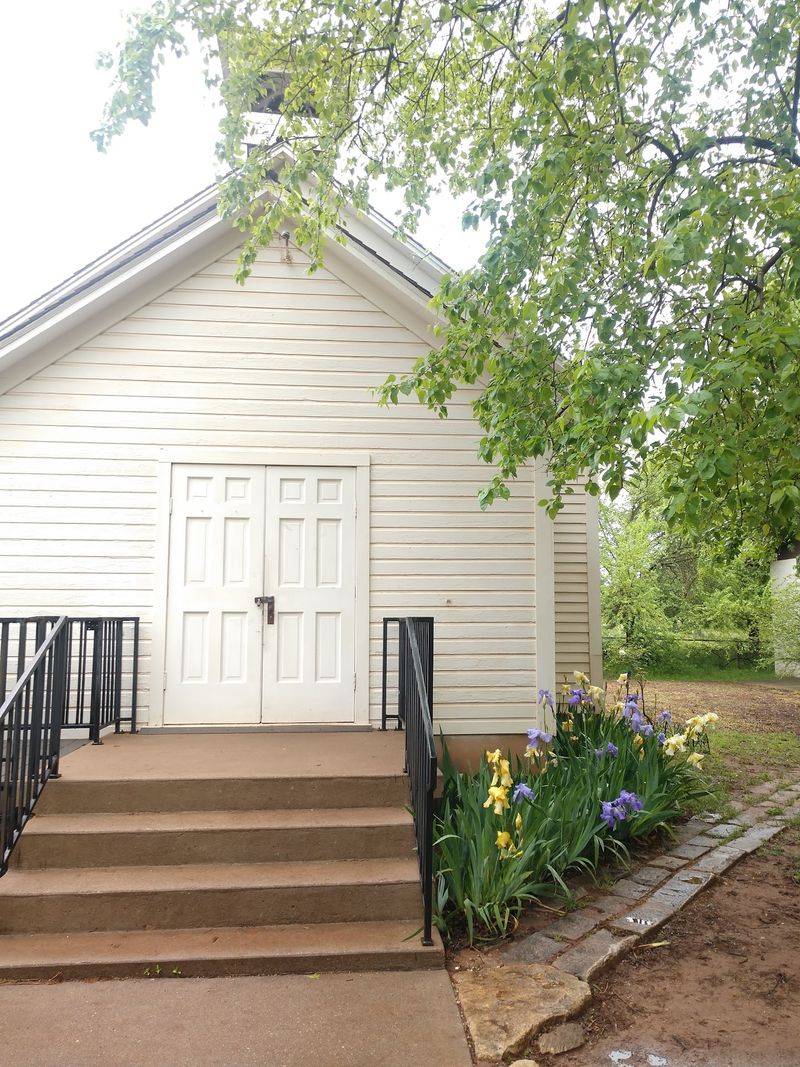
The church adds a community angle. On the frontier, churches and schools were the places where new neighbors became a town.
Seeing these structures side by side helps tell that story. Faith, education, and home life all appear within a short stroll.
The outdoor buildings also give the visit some breathing room. After the galleries, a walk across the grounds keeps younger guests from getting restless.
Bring comfortable shoes, though nothing here requires a long hike. The layout is compact and friendly for strollers and grandparents alike.
Small buildings, big stories, and plenty of chances to ask questions along the way.
9. Blacksmith Demonstrations Worth Timing
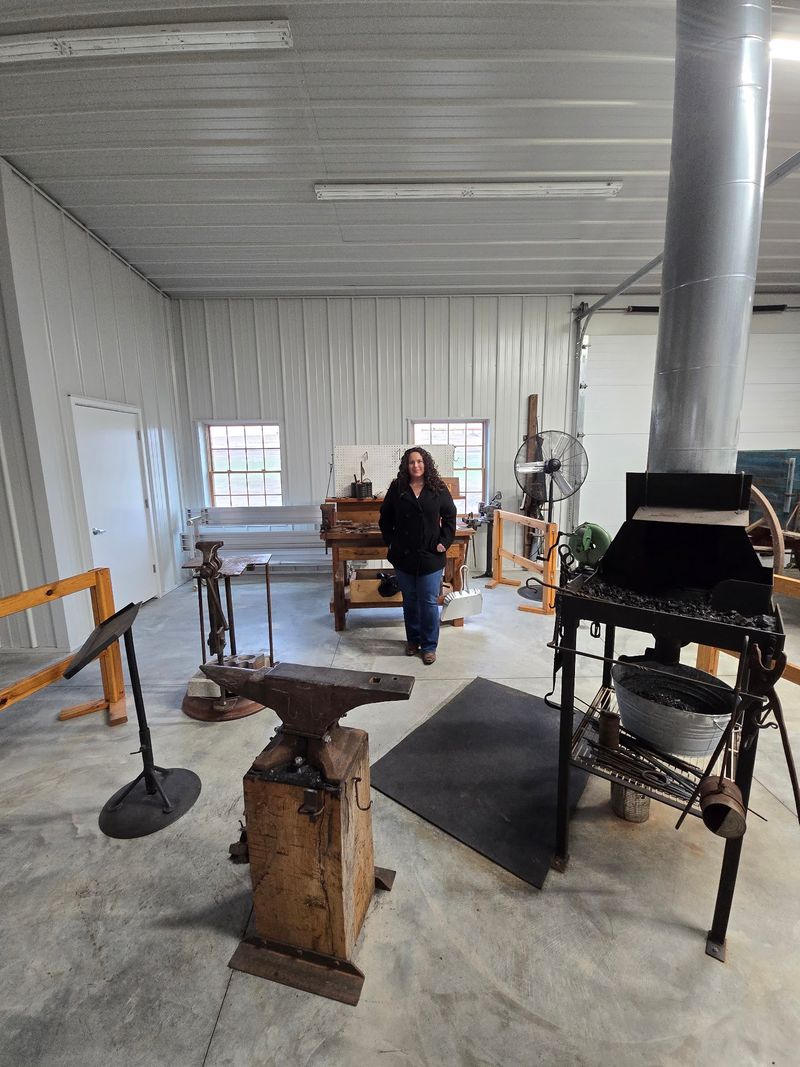
Hammers and anvils add a hands-on twist to the grounds. A working blacksmith exhibition sits next to the museum, showing a trade that frontier towns could not live without.
Timing matters with this one. The blacksmith exhibit is not always running, so check the museum’s website or social media pages before planning the day around it.
When it is open, it ranks among the most popular stops. Kids get to see how tools and hardware were made long before hardware stores existed.
It also fits the frontier theme neatly. Settlers who arrived in the land run needed a smith for wagons, horseshoes, and farm repairs.
A quick call to the museum can help confirm demonstration days. That small step saves disappointment for families driving in from Tulsa or the metro.
Catching the forge in action can turn a nice visit into a standout one. Few outings strike the iron quite like this.
10. Farm Equipment and a Classic Merry-Go-Round
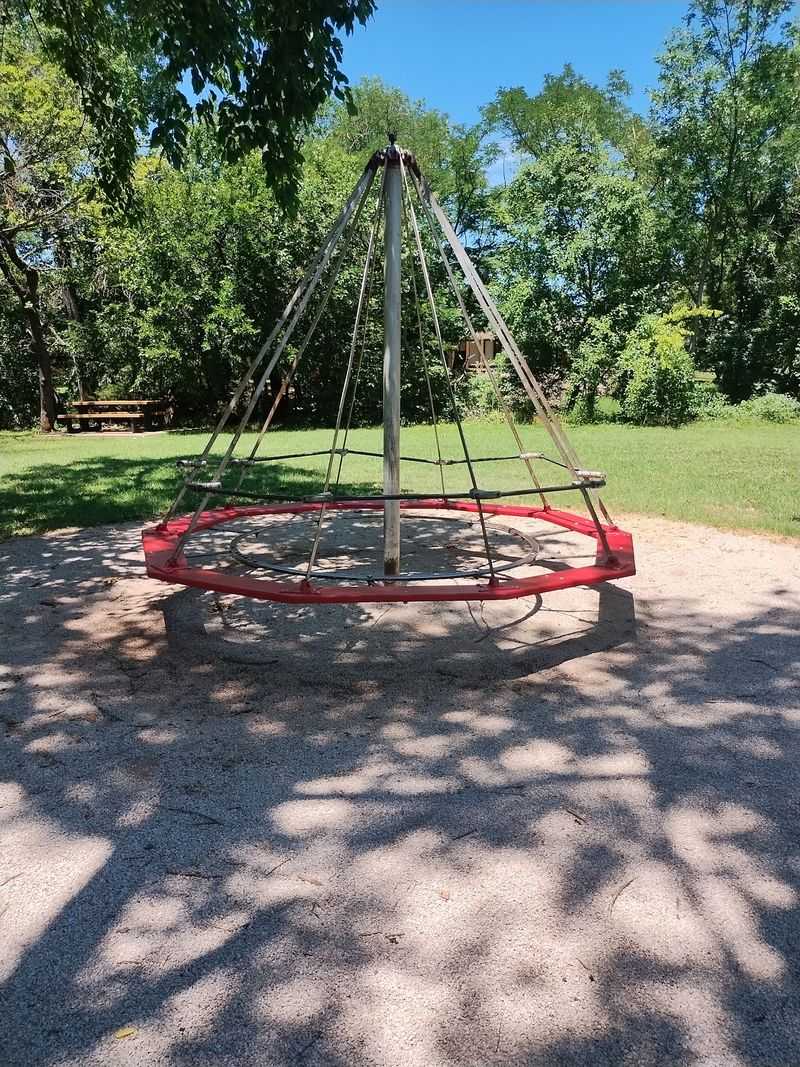
Teenagers are notoriously hard to impress. The old playground equipment here manages it anyway.
A vintage school merry-go-round sits on the grounds, and kids of all ages tend to find their way to it. Older teens have been known to enjoy it as much as the little ones.
Nearby, antique farming equipment shows how families worked the land after the run. It pairs well with the schoolhouse, since farm life and school life were tightly linked.
There is also a small area set up for younger children. It gives them something to do while adults linger over displays.
Some guests wish the outdoor collection had even more ranching and farming tools. That wish is understandable, though what is there makes for a good walk.
Let the kids burn off energy, then circle back to the buildings. Everyone leaves happier when the merry-go-round gets its turn.
11. Shade, Lawn, and Picnic Plans
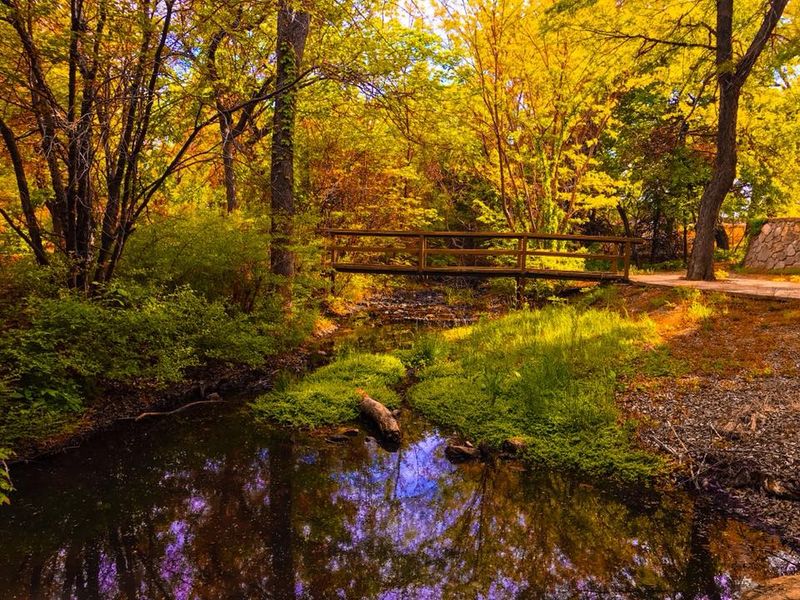
Packing a lunch is a smart move here. The open area under the trees between the museum and the schoolhouse makes a natural picnic spot.
Families like to spread out and let kids roam. The space is roomy enough for running around without wandering far.
The grounds also work as a rest stop for interstate travelers. Couples passing through on holidays have used the outdoor exhibits to stretch their legs even when the main building was closed.
That flexibility is handy. Parking is available, and the outdoor buildings can still be viewed from the grounds when doors are shut.
A picnic keeps the outing cheap too. Pair a free lawn with modest museum costs, and the day stays friendly on the budget.
Just remember to tidy up before leaving. Good picnic manners match the school-day spirit nicely.
12. Hours, Timing, and Smart Planning
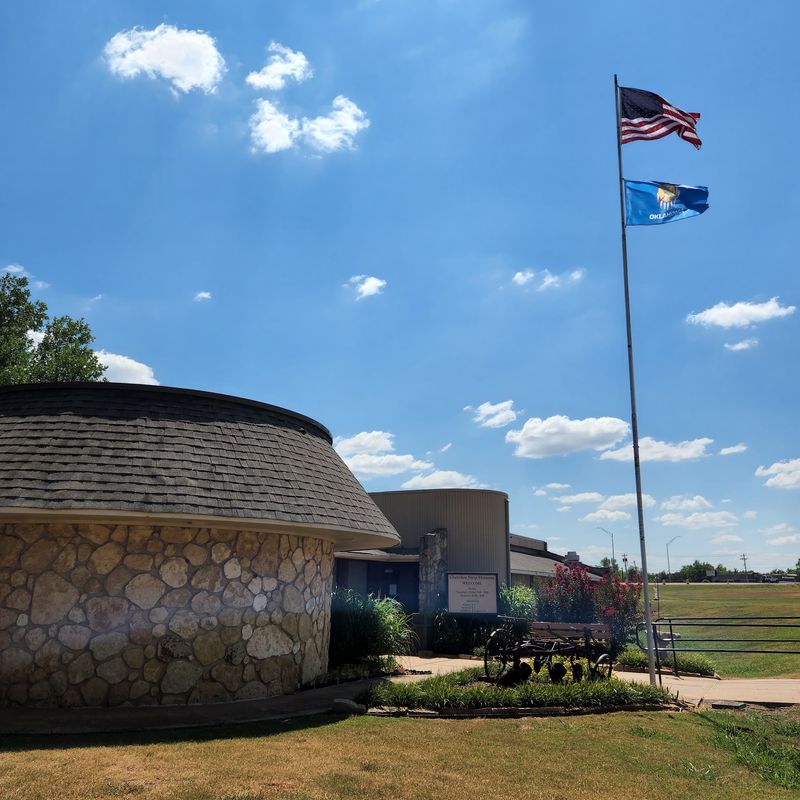
A little planning goes a long way with this stop. The museum opens Tuesday through Friday from 9 AM to 5 PM, and Saturday from 10 AM to 4 PM.
It stays closed on Sunday and Monday. Holidays may also bring closures, so plan accordingly.
Here is the honest part. Some travelers have arrived during posted hours and found the doors locked, and the museum has closed in the past for renovations.
So calling ahead is the wisest move. Hours and openings may change, and a quick check before driving saves frustration.
The museum’s website, cherokee-strip-museum.org, is another resource. Social media pages can also help confirm blacksmith days and special events.
Even on an off day, the grounds remain a decent consolation. Parking is available, and the outdoor buildings can be viewed from outside.
Plan on about two hours for a full visit. That leaves time for the film, galleries, schoolhouse, and a picnic.
13. Why Perry Earns a Spot on the Weekend List
Not every great outing needs a giant building and a big ticket. Sometimes a small town museum with a schoolhouse and a few good stories does the job perfectly.
The Cherokee Strip Museum delivers frontier heritage in a compact, family-friendly package. It covers the land run, local industry, school history, and even a nod to Oklahoma drive-in culture.
Families get room to roam, teachers get a field trip that sticks, and road-trippers get a meaningful break off I-35. Everyone gets a shot at deciding whether that old house really has company.
It suits history lovers, homeschool groups, curious kids, and anyone proud of how this state came together. It is less suited to travelers who want an all-day mega museum.
Check the hours, pack a lunch, and maybe book that mock school day. Rose Hill School is waiting, and the teacher would like everyone seated with good posture, please.
Share this story