Imagine a place where thousands of ducks fill the winter skies, bald eagles soar above quiet waters, and breathtaking scenery doesn’t cost a single dollar to enjoy. Hidden along Tennessee’s Cumberland River, Cross Creeks National Wildlife Refuge is one of those rare destinations that feels like a secret waiting to be discovered.
Spanning roughly 8,800 acres of wetlands, forests, open fields, and peaceful shorelines, this incredible refuge offers far more than beautiful views. It’s a wildlife lover’s paradise where herons stalk the shallows, deer wander through wooded trails, and migrating birds transform the landscape with every changing season.
Whether you’re hoping to photograph a majestic eagle, cast a fishing line into calm waters, or simply escape the noise of everyday life, there’s something wonderfully refreshing about this untouched corner of Tennessee.
And the best part? Admission is completely free.
Just a short drive from Dover, this natural treasure invites visitors to explore at their own pace, discover remarkable wildlife, and enjoy the kind of tranquility that’s increasingly difficult to find.
Here’s why Cross Creeks National Wildlife Refuge deserves a spot on your Tennessee adventure list—and what makes it special throughout the year.
A Free Ticket To One Of Tennessee’s Wildest Shorelines
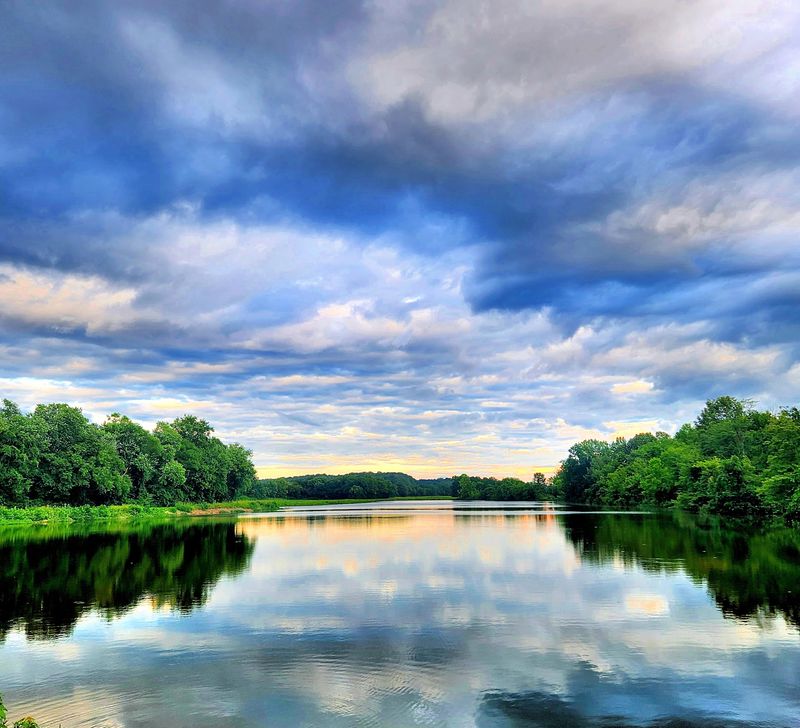
Free admission and miles of river views make a pretty strong opening offer. Cross Creeks National Wildlife Refuge charges nothing to enter, and the scenery feels like it should cost something.
The refuge stretches along the Cumberland River, part of the Lake Barkley system. It covers roughly 8,800 acres of water, fields, and forest.
That’s a lot of room for wildlife to spread out. It’s also a lot of room for you to find a quiet corner all to yourself.
The U.S. Fish and Wildlife Service manages the land. Its main job is protecting habitat for migrating birds and other wildlife.
Humans get to tag along as guests. Fishing, wildlife watching, photography, hiking, and hunting are all allowed in the right areas and seasons.
Here’s a fun origin detail. The refuge was created in 1962 to help make up for wildlife habitat changed by the building of Barkley Dam.
So the dam reshaped the river, and the refuge gave nature a safe landing zone. Decades later, that trade looks like a pretty good deal.
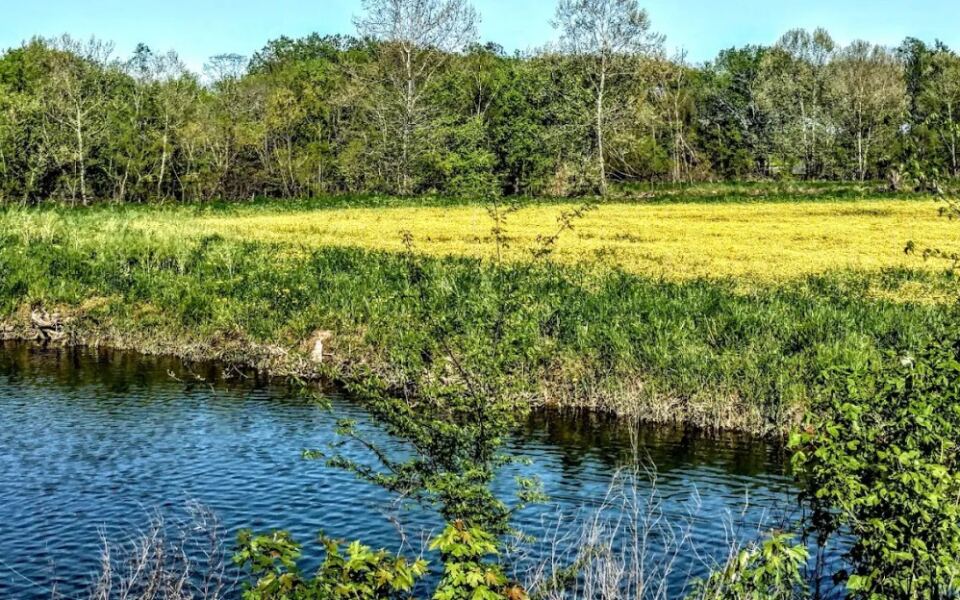
The landscape mixes several worlds together. You’ll see open water, marshy shallows, farm fields grown for wildlife, and wooded hills rising above it all.
Each habitat attracts different creatures. That variety is what makes every drive or walk feel a little unpredictable in the best way.
Expect a wild place, not a theme park. The roads are mostly gravel, and services are limited, so plan like an outdoor person.
Fill your gas tank in town and pack water and snacks. Bring a trash bag too, because leaving it cleaner than you found it is the unwritten rule.
Do that, and you’ve got a free pass to one of the most peaceful corners of the state. Not bad for zero dollars.
Winter Turns The Ponds Into A Giant Duck Convention
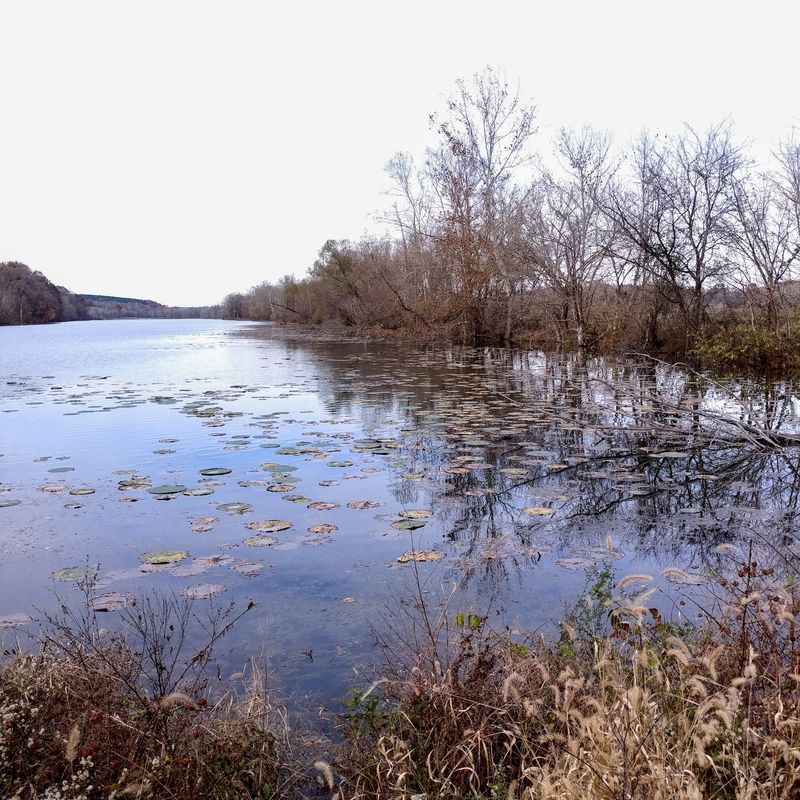
Cold weather sends most people indoors. At this refuge, it sends in the crowds, as long as you count feathers.
Waterfowl are the main reason the refuge exists. Each winter, huge numbers of ducks and geese stop here to rest and feed along their migration route.
Peak counts can reach tens of thousands of birds. Mallards, gadwalls, wigeons, and Canada geese are among the regulars you might spot on the ponds.
The refuge plants crops and manages water levels to help them. Think of it as an all-you-can-eat buffet that the staff carefully stocks every fall.
The timing matters if you want the full show. Late fall through winter brings the biggest numbers, with December and January often especially busy.
One important rule comes with that season. The refuge’s roads and lands close to the public from November 15 through March 15 to protect wintering waterfowl, although the observation deck near the visitor center remains open.
Don’t let that discourage you. During the winter closure, visitors can still watch waterfowl from the observation deck near the refuge visitor center.
A spotting scope makes things even better. Suddenly that brown blob on the far shore becomes a pintail with a fancy tail.
Sound is half the fun here. A whole pond of geese lifting off at once is loud enough to make you laugh out loud.
Dress warmly and stay patient. Birds tend to move around early and late in the day, so sunrise trips are often worth the effort.
Keep a field guide or a birding app handy. You’ll learn more names in one cold morning than in a whole year of backyard watching.
And yes, the hot cocoa in your thermos counts as essential equipment. Nobody here will argue with that choice.
Keep Your Eyes Up Because Eagles Rule These Skies
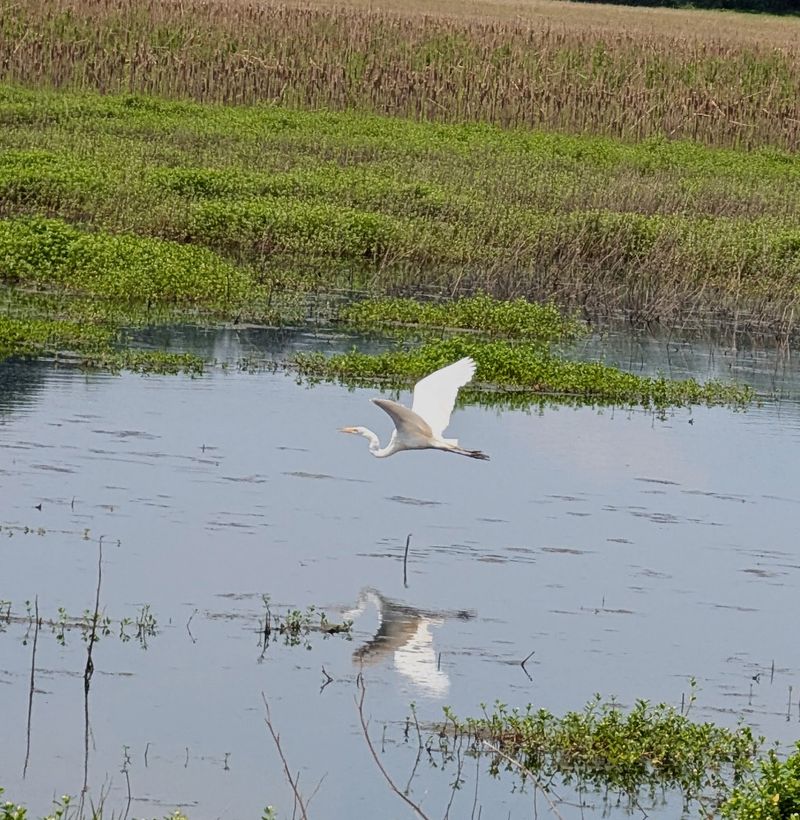
Nothing wakes up a sleepy drive faster than a white head flashing across the sky. Bald eagles are some of the refuge’s most famous residents.
Cross Creeks National Wildlife Refuge has supported nesting bald eagles for years. Winter can bring even more as birds from farther north arrive.
All those ducks and fish make this area a smart place for an eagle to live. Big predators follow big food supplies, and this refuge has plenty.
Look for them on tall dead trees near the water. Eagles like perches with a clear view, so scan the treetops along shorelines and pond edges.
Ospreys are another treat in warmer months. They hover over the water, then plunge feet first to grab a fish.
Herons and egrets work the shallows at a much slower pace. Great blue herons can stand so still you’d swear they were lawn ornaments.
Owls, hawks, and woodpeckers add even more variety. Songbirds fill the woods in spring and summer, when migrants pass through the area.
Bird lists for the refuge include well over two hundred species. That makes it a fantastic place for beginners and serious birders alike.
Patience is your best tool here. Pull over safely, turn off the engine, and wait a few minutes.
Your car can work as a handy bird blind. Many birds ignore a parked vehicle but fly off the moment a person steps out.
A camera with a zoom lens helps a lot. Even a phone pressed to binoculars can grab a fun shot if you’re steady.
Always keep a respectful distance from nests. If a bird changes its behavior because of you, you’re simply too close.
Grab A Rod Because The Fish Are Biting Somewhere
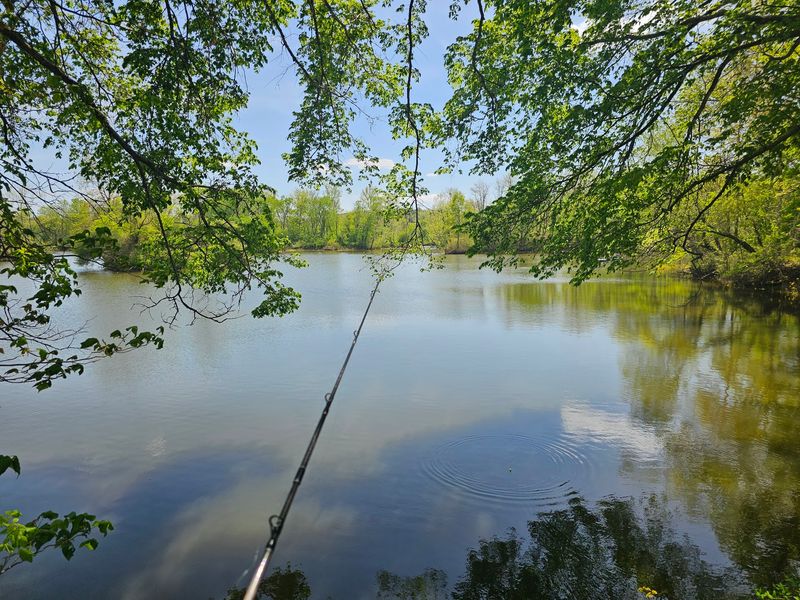
Fishing is the activity that pulls in the most visitors. Bank anglers especially love the long shoreline, since a boat isn’t required to get in on the action.
The refuge offers both river fishing and pond fishing. The Cumberland River side is open year-round, while the interior ponds follow a seasonal schedule.
Ponds generally open for fishing from mid-March to mid-November. They close in winter to protect the resting waterfowl, so check current rules before you go.
Species vary depending on where you cast. Bass, crappie, bluegill, and catfish are all popular targets in refuge waters.
Small bridges and culverts can be great places to try. Fish like structure, and lily pad edges often hold bluegill and bass.
Bait doesn’t have to be fancy. A simple worm under a bobber has made plenty of kids, and grown-ups, very happy here.
Bring a valid Tennessee fishing license. State fishing regulations apply, along with any special refuge rules posted on site.
Some areas have boat ramps for reaching the river. Kayaks and canoes also work nicely on calmer waters, letting you slip into quiet coves.
Popular spots can fill up on nice days. If your favorite bank is taken, just keep driving, because there’s lots of shoreline to explore.
Pack out everything you bring in. Fishing line left behind can tangle birds, so take every scrap home with you.
Morning and evening are usually the most comfortable times in summer. The heat and bugs settle down, and the fish often wake up.
Even if nothing bites, the view makes up for it. Few things beat watching an osprey out-fish you while you sip cold water.
Gravel Roads Make The Best Slow-Motion Safari
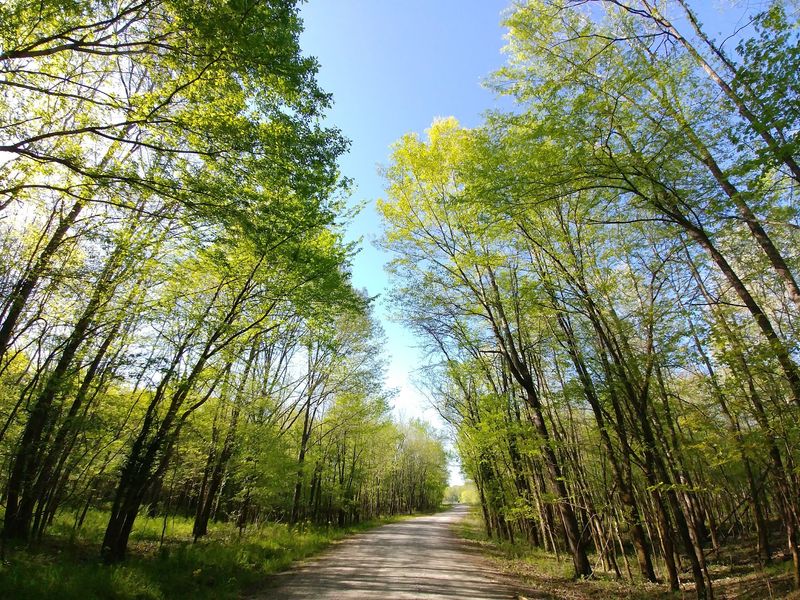
Some of the best wildlife watching happens from the driver’s seat. The refuge’s gravel roads loop past ponds, fields, and woods at a gentle pace.
Think of it as a safari with fewer zebras. Instead, you might spot white-tailed deer, wild turkeys, foxes, and wading birds.
Drive slowly, both for safety and for spotting. Animals often appear near field edges, where the woods meet open ground.
Most roads are gravel and conditions can change. A regular car may handle many areas, but higher clearance helps on rougher stretches.
Cell service and navigation can be patchy in some spots. Downloading a map before you leave saves a lot of guessing at intersections.
The refuge has several separate access points around its edges. They aren’t always easy to find, so a little planning goes a long way.
Gas up before you head out. Services inside the refuge are minimal, and the countryside around it is wonderfully rural.
Restrooms are limited, so plan stops in town. It’s nature in its true form, which is part of the charm.
Bring binoculars within easy reach of the front seat. When a heron lifts off, you won’t want to dig through a backpack.
Pull completely off the road when you stop. Other drivers will appreciate it, and you’ll be safer while you watch.
Windows down is the move on a nice day. You’ll hear frogs, birds, and wind through the fields, which feels far better than any car radio playlist.
Lace Up Your Boots For A Woodsy Ramble
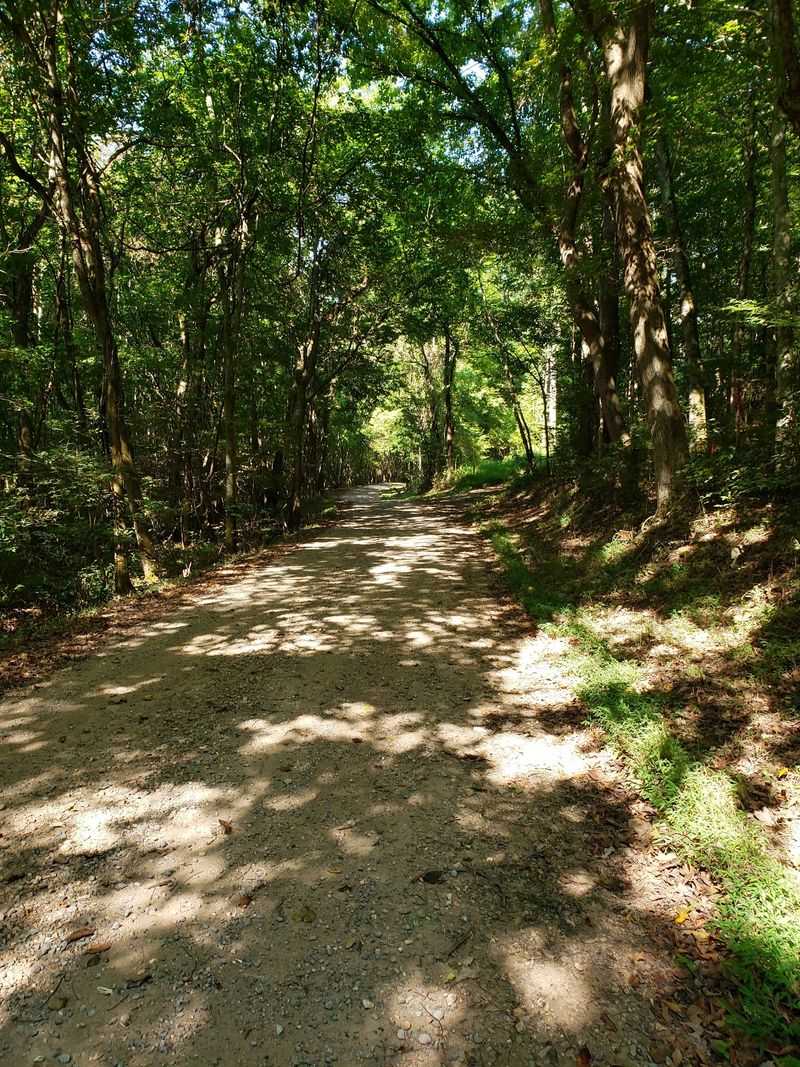
Hikers, this part is for you. The refuge offers walking opportunities through woods and along the edges of wetlands.
The ridges around the ponds are covered in hardwood forest. In autumn, the colors reflect off the water and make the whole place glow.
Trails here feel natural rather than polished. Expect dirt paths, roots, and maybe a muddy patch after rain.
Sturdy shoes are your best friend. Waterproof boots are even better if you want to explore near the water’s edge.
Walking lets you notice the small stuff. Turtles on logs, dragonflies over the shallows, and wildflowers along the path all show up at foot speed.
Spring is a great hiking season. Songbirds sing loudly, trees leaf out, and temperatures stay comfortable for longer walks.
Summer brings heat, humidity, and bugs. Bug spray, a hat, and plenty of water will keep the day enjoyable.
Ticks are common in Tennessee woods. Check yourself and your kids after a hike, especially around the ankles and waistband.
Snakes live here too, since this is wild land. Watch where you step, and give any snake plenty of space to go its own way.
Tell someone your plans before heading out. Cell service can be spotty, so a simple heads-up adds peace of mind.
Carry out all your trash, including snack wrappers. The next hiker should find the trail just as lovely as you did.
Remember the seasonal closures in winter. Some walking areas close so ducks and geese can rest undisturbed, and those signs matter.
A quiet walk here can reset a stressful week. Sometimes the best plan is just following a path and seeing what flies by.
Plan Around The Seasons And You’ll Never Miss The Good Stuff
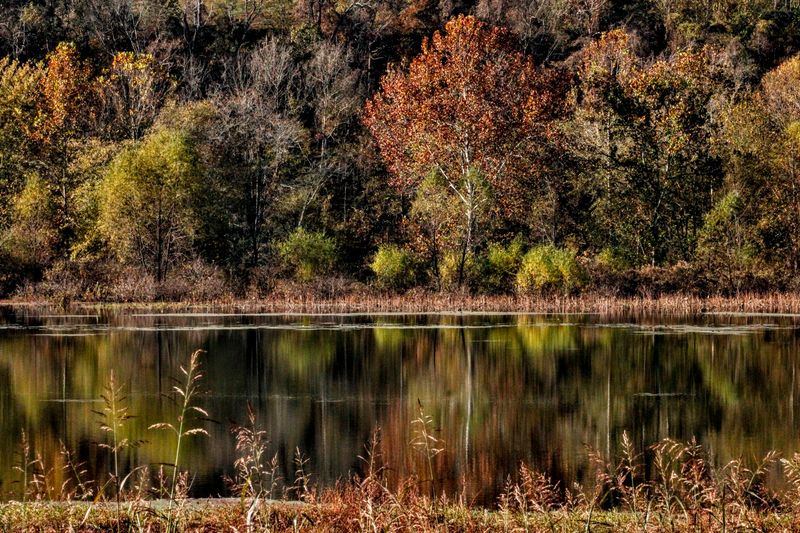
Timing changes everything at this refuge. Each season brings different wildlife, different rules, and a different mood.
Winter brings large flocks of ducks and geese, along with bald eagles. However, refuge roads and lands are closed from November 15 through March 15, so visitors must observe wildlife from permitted locations, including the observation deck near the visitor center.
Spring opens things back up. Ponds reopen to fishing, migrating songbirds pass through, and the woods turn bright green.
Summer is lush and lively. Herons, egrets, and ospreys stay busy, and early mornings are the comfortable sweet spot.
Fall might be the prettiest season of all. The hardwood ridges change color, and the first waves of migrating ducks start arriving.
Regulated hunting takes place during designated seasons, but refuge hunting ends by mid-November, before the winter sanctuary closure begins.
Hunting rules come from both the refuge and the state. Hunters need the proper Tennessee licenses and should review current refuge regulations every year.
The refuge is generally open during daylight hours. Arriving early gives you the best light and often the most active wildlife.
Sunrise over the water is a real reward for early risers. Mist on the ponds and birds waking up feel almost cinematic.
Check the official refuge page before any trip. Rules, closures, and seasonal dates can change from year to year.
Weather can shift quickly too. A light jacket in the car is never a bad idea, even on mild days.
Visiting in more than one season is the real secret. It’s like getting four different refuges for the same unbeatable price of nothing.
Finding The Front Door Is Half The Adventure
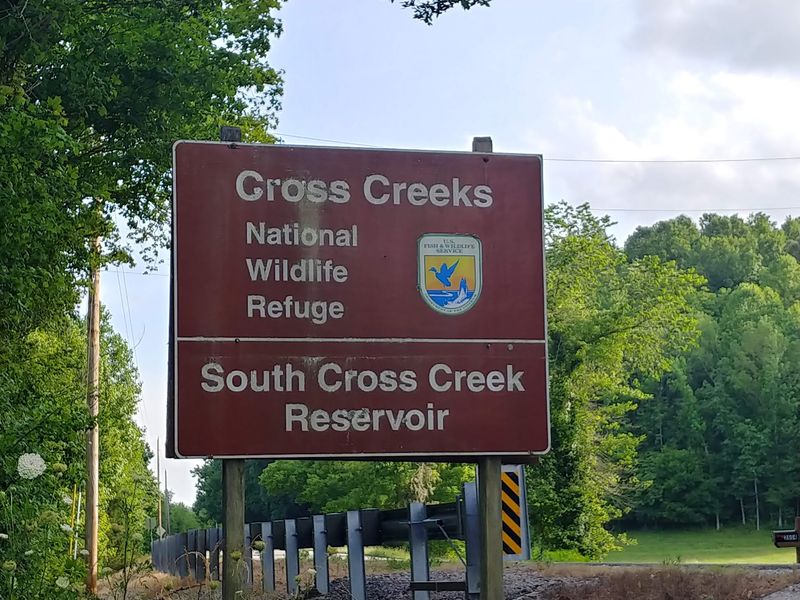
Directions matter here more than you’d expect. The refuge has several access points, and it’s easy to take a wrong turn on country roads.
The main address is 643 Wildlife Rd, Dover, TN 37058. That’s the refuge headquarters area, a few miles east of downtown Dover.
Dover is a small town in Stewart County, Tennessee. It sits along the Cumberland River in the northwest part of the state.
Clarksville is the closest larger city. Nashville is farther away, making this an easy day trip for a lot of Middle Tennessee families.
Once you arrive, take a moment to get your bearings. Signs and maps help, but the refuge is spread out over a wide area.
Downloading offline maps before leaving town is wise. Signal can fade in the low areas near the river.
Some facilities may be limited or closed, so don’t count on finding a staffed desk. Plan to be self-sufficient for your visit.
Pack the basics in your vehicle. Water, snacks, bug spray, sunscreen, binoculars, and a trash bag cover most needs.
Parking areas are scattered near fishing spots and boat ramps. Some are roomy enough for trucks pulling boats.
Respect posted closures and gates. They protect wildlife and sometimes mark areas used for refuge management.
Don’t rush the drive in. Rolling hills and farmland make the approach pleasant, especially in spring and fall.
Getting slightly lost isn’t a disaster here. You might just stumble onto a pond full of herons you never planned to see.
Stretch The Day Into A Full Outdoor Getaway
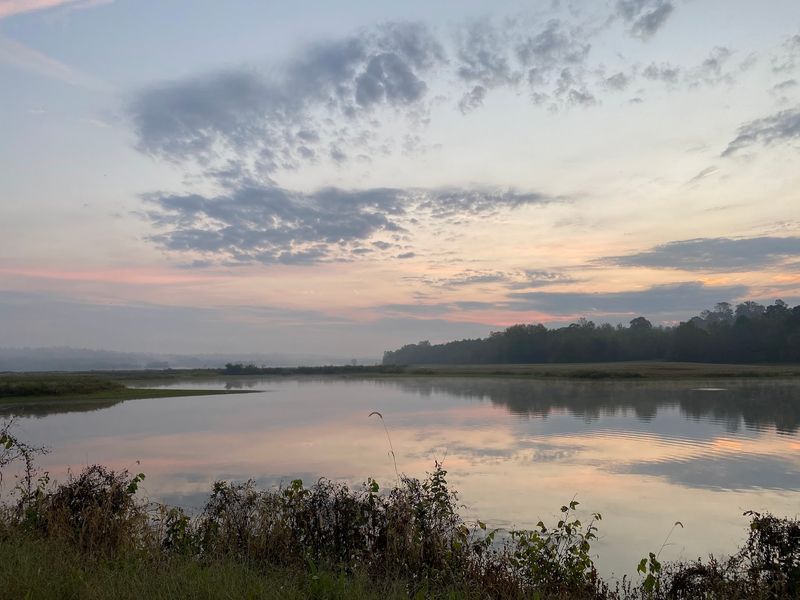
One visit to the refuge often turns into a whole weekend plan. The surrounding area is packed with outdoor and historic stops.
Fort Donelson National Battlefield sits right in Dover. It’s managed by the National Park Service and offers trails, river views, and plenty of history.
Pairing it with the refuge makes an easy day. Wildlife in the morning and history in the afternoon keeps everyone interested.
Land Between the Lakes National Recreation Area is also nearby. That huge area stretches between Kentucky Lake and Lake Barkley, with even more trails and wildlife.
Lake Barkley itself is a playground for boaters and anglers. Many folks bring a boat and split time between the big lake and refuge waters.
Dover makes a handy home base. It has places to grab a meal, fill up on gas, and stock up on supplies.
Families will find plenty to keep kids busy. A junior birding checklist or a simple scavenger hunt turns the refuge into a game.
Photographers might want two days instead of one. Sunrise at the refuge and sunset over the lake both deserve your camera.
Keep your trip relaxed. This part of Tennessee rewards slow travel more than packed schedules.
Bring layers, a cooler, and a flexible attitude. Weather, wildlife, and fishing luck all have their own plans.
And remember the best part. Cross Creeks National Wildlife Refuge stays free, so you can return again and again without guilt.
Each trip will feel a little different from the last. Maybe the eagles show up, maybe the bass finally bite, or maybe both finally happen on the same lucky day.
Share this story