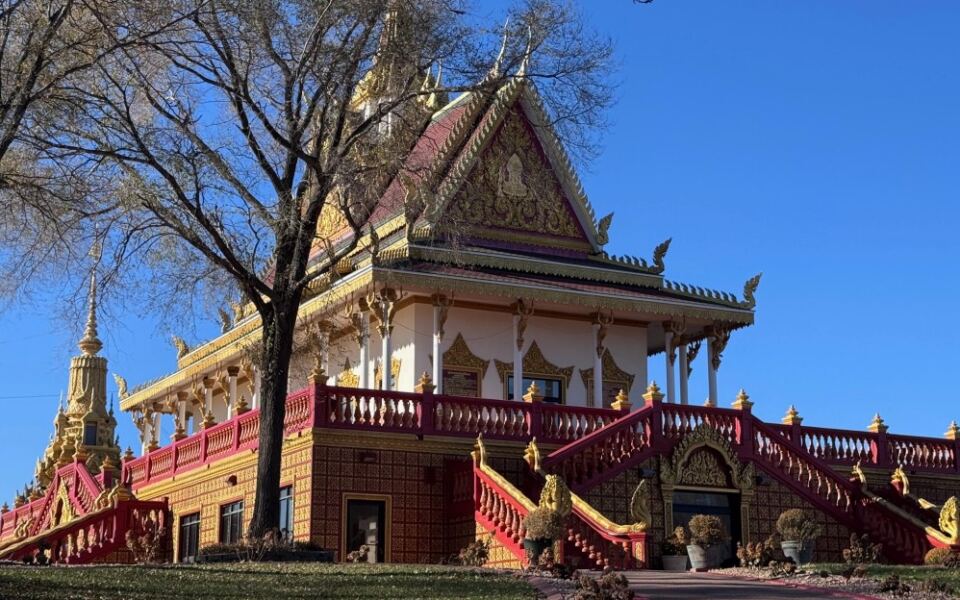
South of the Twin Cities, past farm fields and quiet county roads, golden rooftops rise where most people expect only barns and silos. It looks like a scene lifted straight out of Cambodia, yet it sits in rural Minnesota.
Monks walk the grounds in saffron winter coats and boots, which is about as Minnesota as a Buddhist monastery can get. The complex spreads across many acres, with a lotus pond, serpent bridges, a giant reclining Buddha, and a main hall with two full levels.
Everyone is welcome here, no matter their faith or lack of one. Ahead, you will learn where it is, what to see, when to go for the big festivals, and the simple rules that make a visit go smoothly.
Plan on staying a while, because this place tends to stretch an afternoon.
A Cambodian Temple Off a Farmington Road
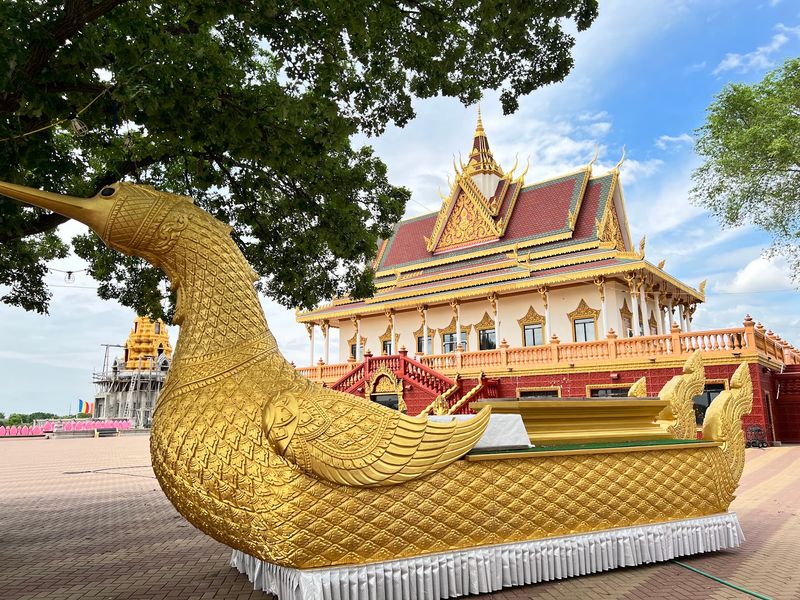
The address reads like any other rural Minnesota stop: 2925 220th St E, Farmington, MN 55024. What sits there is anything but ordinary.
Watt Munisotaram is a Cambodian Buddhist temple and monastery set in the countryside south of the Twin Cities. The drive from the metro takes about half an hour.
Many people first spot it while driving past and do a double take. Ornate buildings, golden trim, and towering spires appear in a landscape better known for cornfields.
The temple is often described as one of the largest in the United States. Its grounds cover many acres, and the complex keeps growing.
For Minnesotans who love a day trip with a real payoff, this one delivers. There is no ticket booth listed in the available details, no theme park feel, and no rush.
Instead, there is a working monastery where monks live, ceremonies take place, and the public is invited to wander. It is a spiritual home first and an attraction second.
That balance shapes everything about a visit. Keep that in mind as the gates come into view.
Roots of a Community in Minnesota
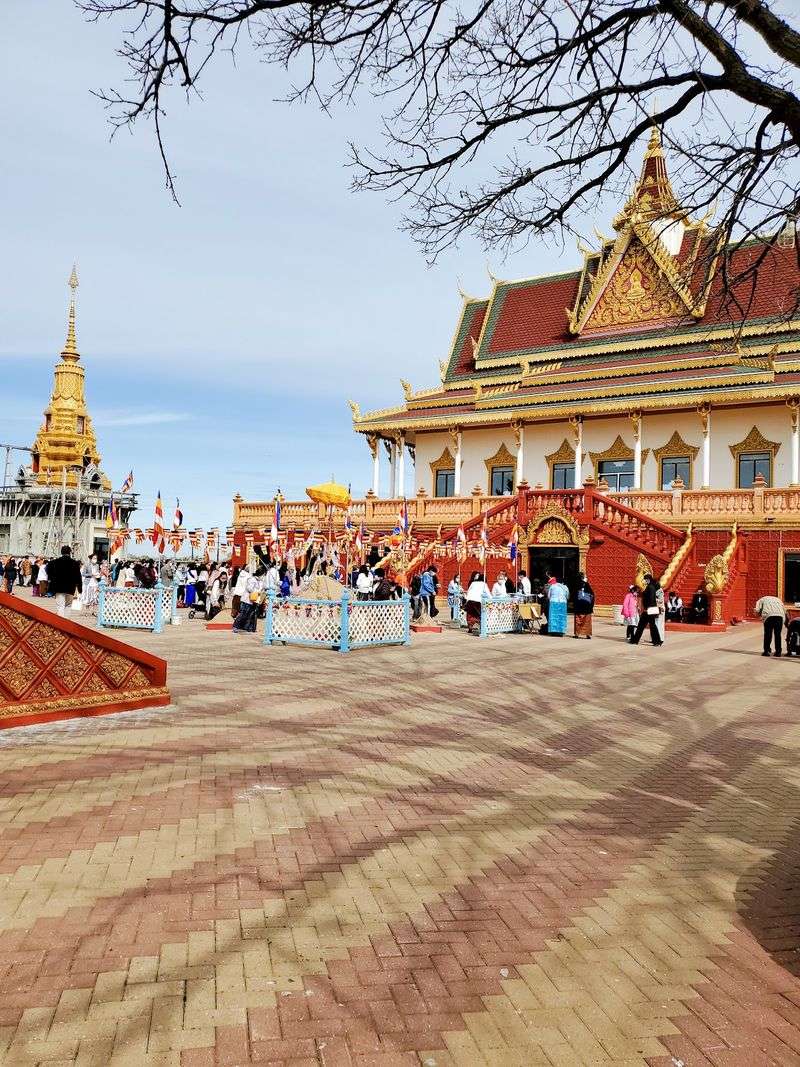
Every temple has a backstory, and this one is tied to the Cambodian community that built a life in Minnesota. The grounds serve as a cultural anchor as much as a place of worship.
Many Cambodian families came to the United States after fleeing the Khmer Rouge regime. A temple like this one helps keep language, faith, and tradition alive for new generations.
Good signage across the property explains the history of the temple grounds and the Buddhist community in Minnesota. It is worth slowing down to read it.
Those signs add context that turns a pretty walk into a meaningful one. They help newcomers understand why this place matters so much to the people who gather here.
The complex also appears to be a work in progress. New structures and updates have been part of the story for years.
That ongoing building reflects a community still investing in its future. Each addition becomes another chapter in a long and very local tale.
The Grand Gateway Makes an Entrance
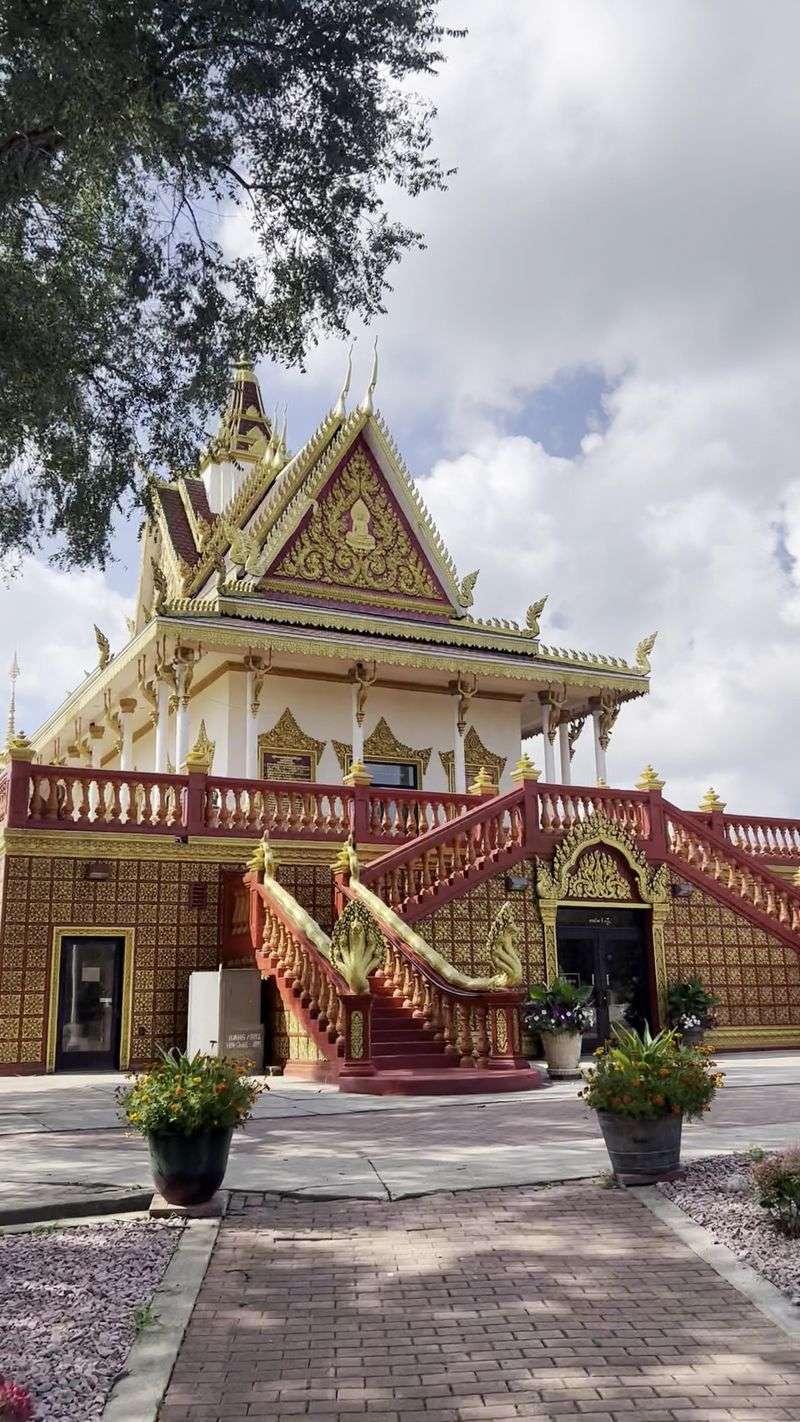
First impressions count, and the entrance here does a lot of heavy lifting. The Grand Gateway is a showpiece of Cambodian art and heritage.
Many people say they knew the visit would be special just from the look of the entrance. It sets the tone before a single shrine comes into view.
The gateway is detailed, colorful, and clearly built with care. It signals that the grounds beyond follow Cambodian Buddhist traditions closely.
Photographers tend to linger here. Pictures are allowed on the grounds, so it is fine to grab a shot or two.
Give it a few minutes before moving on. Craft lovers and anyone who appreciates handwork will find plenty of detail to study.
Consider it the opening act. The headliners are still waiting inside.
Two Floors of Main Hall
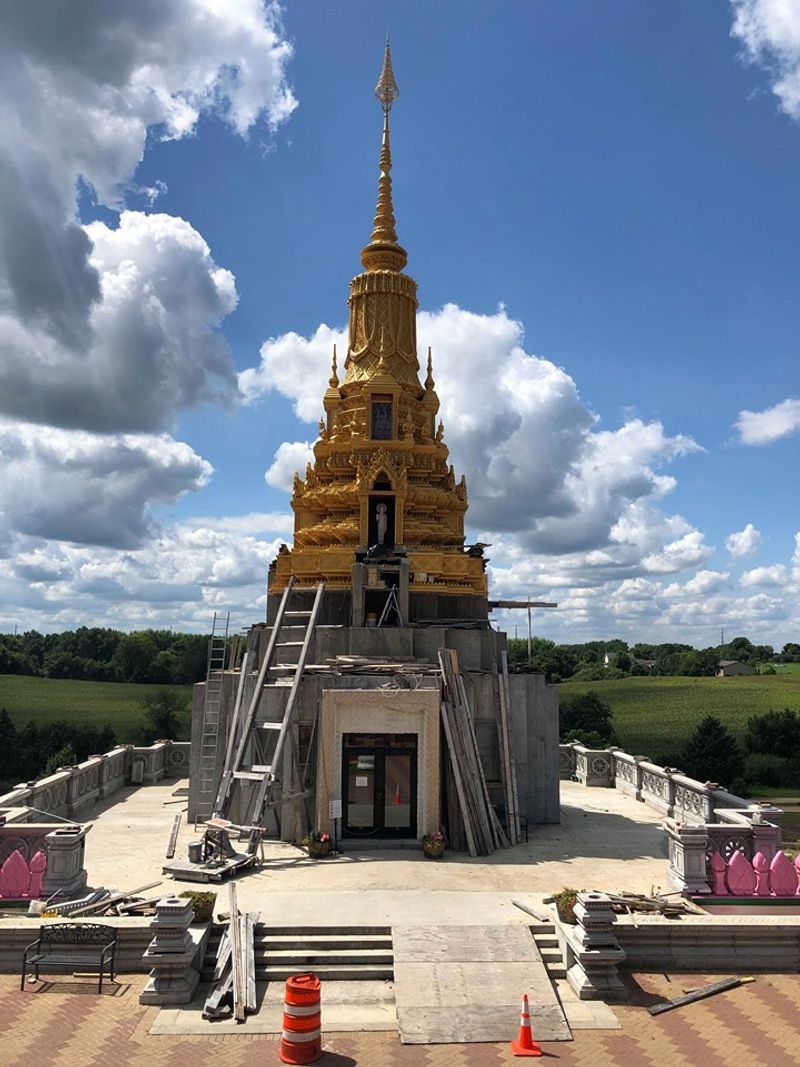
Size is the headline at the main hall. It is huge, and it has both an upstairs and a downstairs.
The lower level is noticeably bigger than many expect. That surprise is part of the fun for first timers.
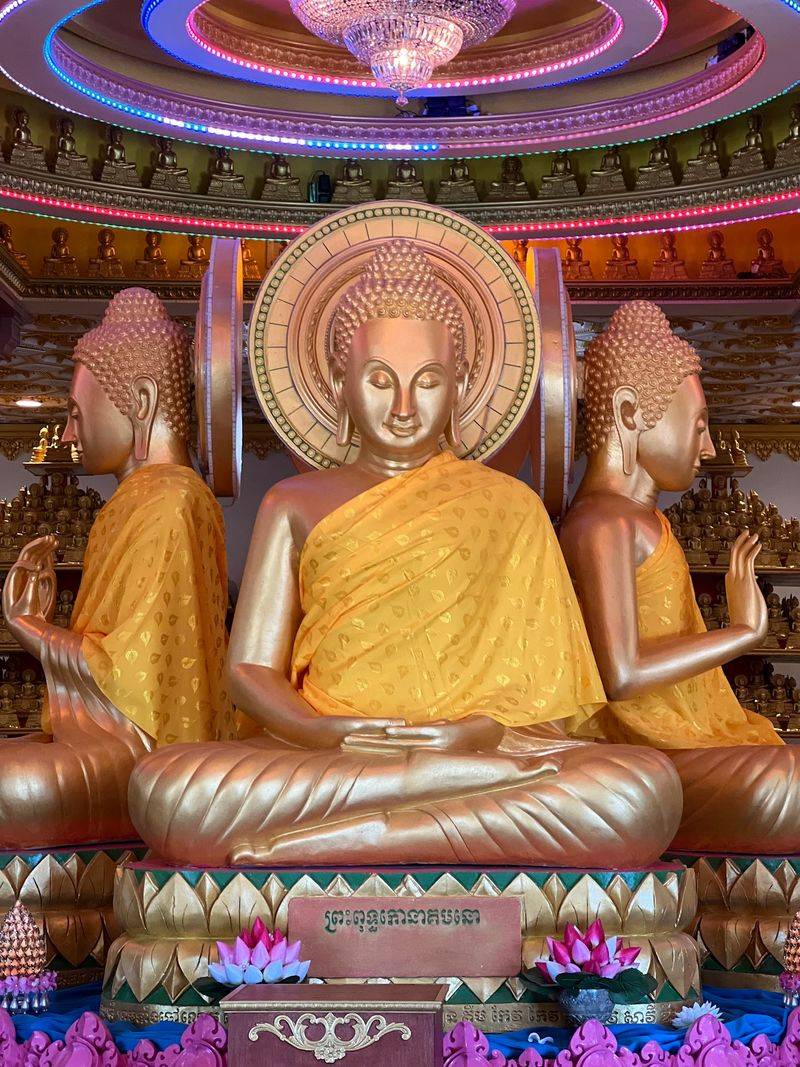
Inside and out, the building features intricate details and vibrant colors. Golden accents appear throughout the complex, and the main hall is no exception.
Most buildings are accessible to the public. One rule matters here: shoes come off before going inside.
Wear socks and shoes that slip on and off easily. It saves time and a little awkward hopping at the door.
The hall is a sacred space, so a calm, respectful attitude fits best. Quiet voices go a long way.
Once inside, take your time. The architecture rewards a slow look rather than a quick lap.
The Reclining Buddha Steals the Show
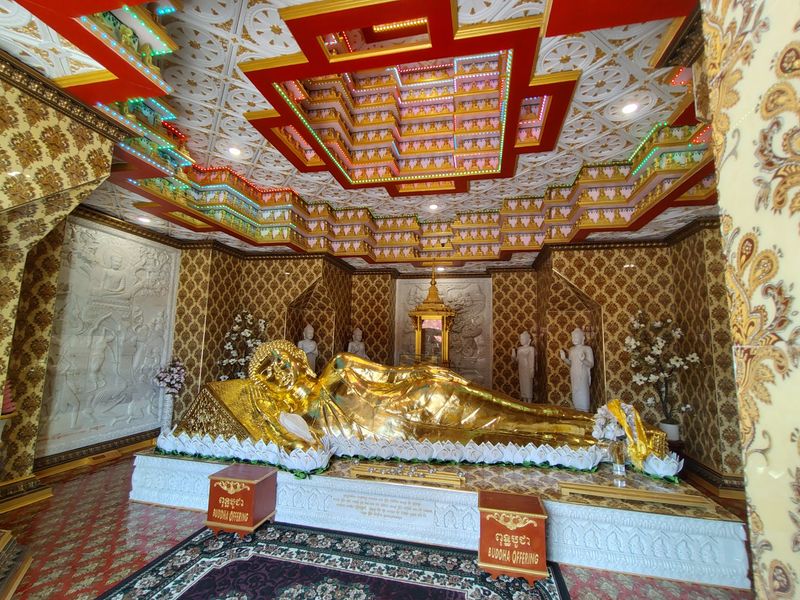
Some statues ask for attention, and this one simply has it. The large reclining Buddha is one of the most memorable sights on the grounds.
It is impressive in scale and calm in presence. Many people name it as the moment the trip truly clicked.
The reclining pose is a traditional image in Buddhist art. Seeing it at this size in Minnesota feels a little unreal.
Around the grounds, you will also find a large variety of other Buddhist statuary. Some pieces tell stories, adding layers of meaning as you walk.
Smaller shrines and sculptures fill the spaces between buildings. Each invites a pause for quiet thought.
Bring your patience along with your camera. The Buddha is not going anywhere, and neither should you for a few minutes.
Lotus Pond and Serpent Bridges
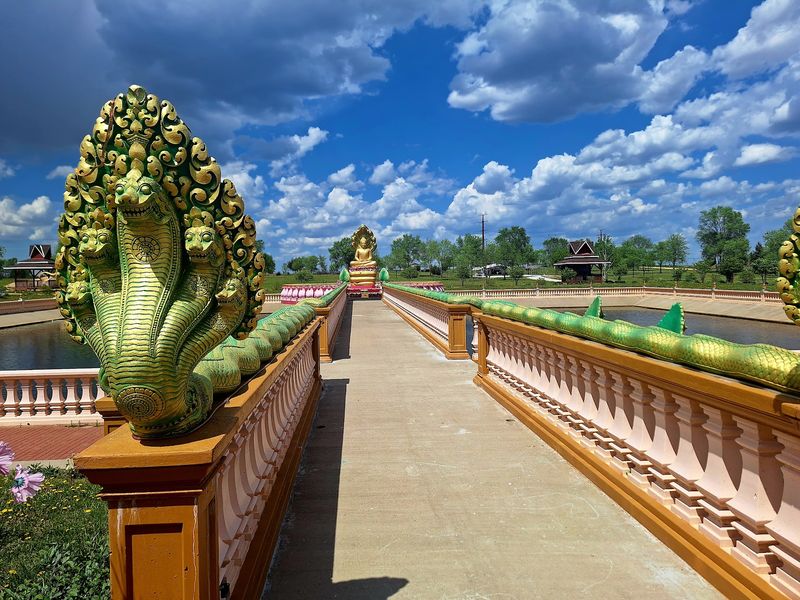
Water plays a starring role on these grounds. A large lotus pond sits within the complex and gives the layout a sense of openness.
Crossing over it are Naga serpent bridges. The Naga is a serpent figure common in Cambodian temple design, often shown guarding sacred spaces.
These bridges are a favorite stop for photos. They also connect the main temple to detached pavilions around the property.
Exploring this area takes longer than you might think. The grounds are spread out, and each turn reveals another structure or statue.
A full visit can easily last about three hours. Comfortable walking shoes, the slip-off kind, make life easier.
Warm weather is the sweet spot for this stretch. Nice days invite slow wandering from one side of the pond to the other.
Monks, Welcome, and Open Doors
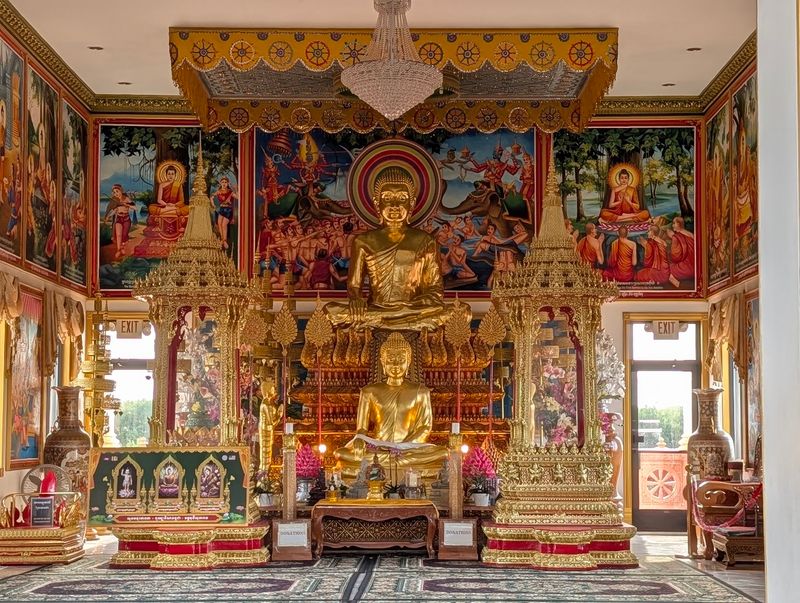
Hospitality here comes with saffron robes. The monks are known for being friendly and welcoming to guests.
Some have taken time to share stories about temples in Cambodia. A short chat can teach more than any guidebook.
Meeting a monk is not guaranteed, though. Some trips include it, and others do not, so treat it as a bonus.
The staff are also helpful and supportive of guests. People of every background are treated with kindness and respect.
Faith is not a requirement. You can take part in activities as much or as little as you feel comfortable.
One more tip: look up the temple rules before arriving. A little homework shows respect for the space and the culture it protects.
Cambodian New Year on the Grounds
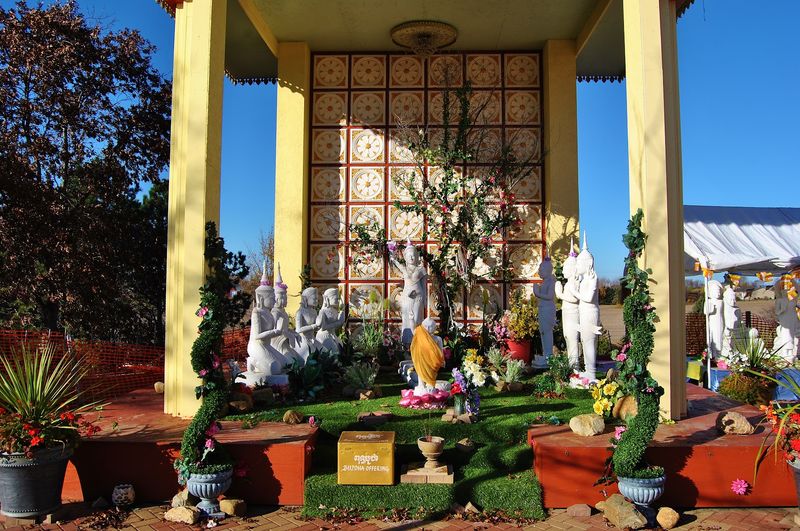
Festival days turn the volume up on this peaceful place. Cambodian New Year is the big one, and it draws crowds.
Festivities run mainly on Saturday, with more activity on Sunday too. Friday can be the first day, but things may still be setting up early in the afternoon.
Food-focused day-trippers, take note. Vendors set up behind the temple during major events, selling Cambodian food and cultural items.
Arrive too early on opening day, and the food stands may not be ready yet. Timing matters if lunch is part of the plan.
Traditional music, ceremonies, and Cambodian clothing add to the scene. Many say a celebration here feels like visiting temple grounds in Cambodia.
Other ceremonies happen through the year, including one held in late August. Check the temple website for event dates before heading out.
Quiet Days and Who Will Love Them
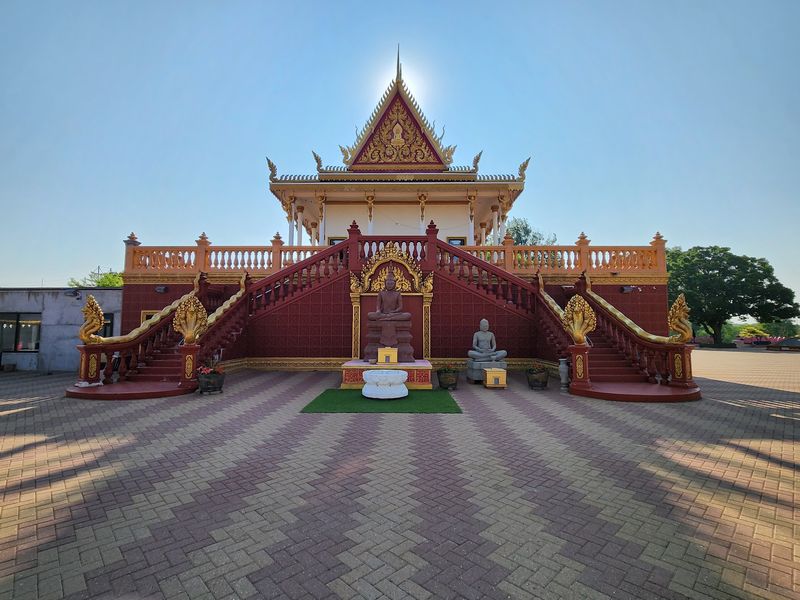
Not a festival person? Good news, because the ordinary days might be the real treat.
Quiet days bring a calm that makes it easy to slow down. Some have visited on Thanksgiving and found it far from busy.
The tour is fully self guided. You set the pace, pick the route, and stay as long as you like within open hours.
Families enjoy it, with several generations often exploring together. Culture lovers find a rare chance to learn about Cambodian traditions close to home.
Artists and crafters will appreciate the ornate decoration on nearly every building. There is a lot of handiwork to study.
A small gift shop has also earned praise. It makes a nice final stop before the drive home.
Hours, Seasons, and Smart Timing
Calendars matter here. The temple is open Thursday through Sunday, from 9 AM to 5 PM.
Monday, Tuesday, and Wednesday are closed days. Plan around that, or face a disappointing U-turn.
Arriving after 5 PM means missing public hours. Leave enough time to explore, since three hours can vanish fast.
Season makes a big difference. Winter trips may find the temple closed and many walkways shut.
Cold days also cut tours short. Warmer months make it much easier to roam the grounds at leisure.
Construction and renovation have been ongoing in parts of the property. Some areas may be off limits depending on the timing.
Checking the official website before the drive is the simplest fix. It keeps surprises to the pleasant kind.
Worth the Drive South
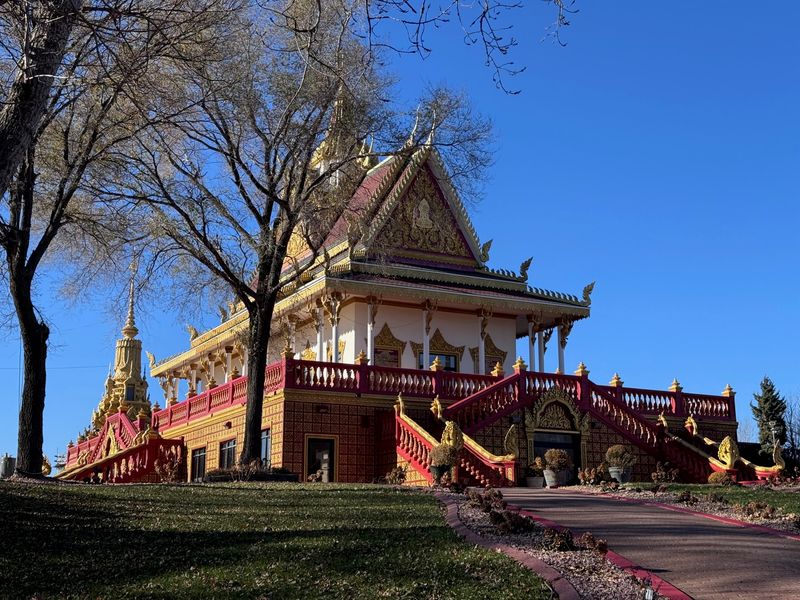
Some day trips fade from memory by Tuesday. This one tends to stick.
A Cambodian monastery rising from Minnesota farmland is surprising enough. Add a reclining Buddha, serpent bridges, and festival food, and the case gets strong.
Parking is spacious, so arriving is easy. The rest comes down to choosing the right day and season.
Go in warm weather for long walks. Go during New Year for food, music, and celebration.
Go on a quiet weekday-style afternoon for calm reflection. Each version offers something different.
Bring slip-on shoes, respect the rules, and leave room in the schedule. The temple asks for little and gives back plenty.
Southeast Asia is only about half an hour from the Twin Cities. Few road trips can make that claim.
Share this story