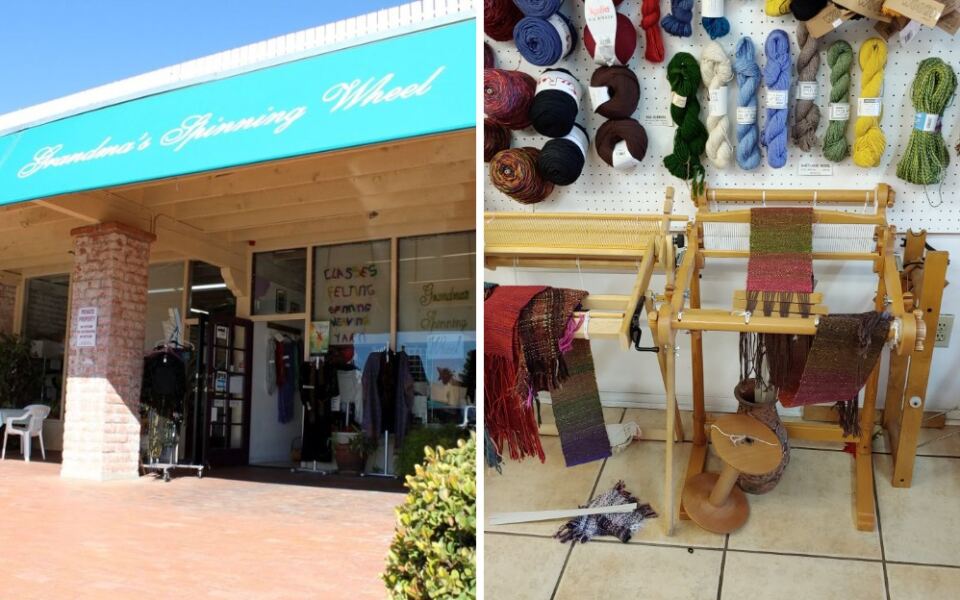
Most Tucson locals have driven down Tanque Verde Road a hundred times without knowing what sits tucked along it. Behind one modest storefront, there is a back room stacked with spinning wheels, spindles, looms, and bins of raw fiber waiting to become yarn. The people who run it will happily put a spindle in your hands and show you how it works.
That is not the usual craft store routine. This family-run shop has quietly built a following among knitters, crocheters, weavers, felters, and spinners who travel in from other states just to browse. Locals, meanwhile, often have no idea it exists.
Keep reading to learn where it is, what you can try before you buy, which days it stays open late, and why so many fiber fans call it the best shop of its kind they have ever found.
1. A Fiber Shop Hiding on Tanque Verde Road
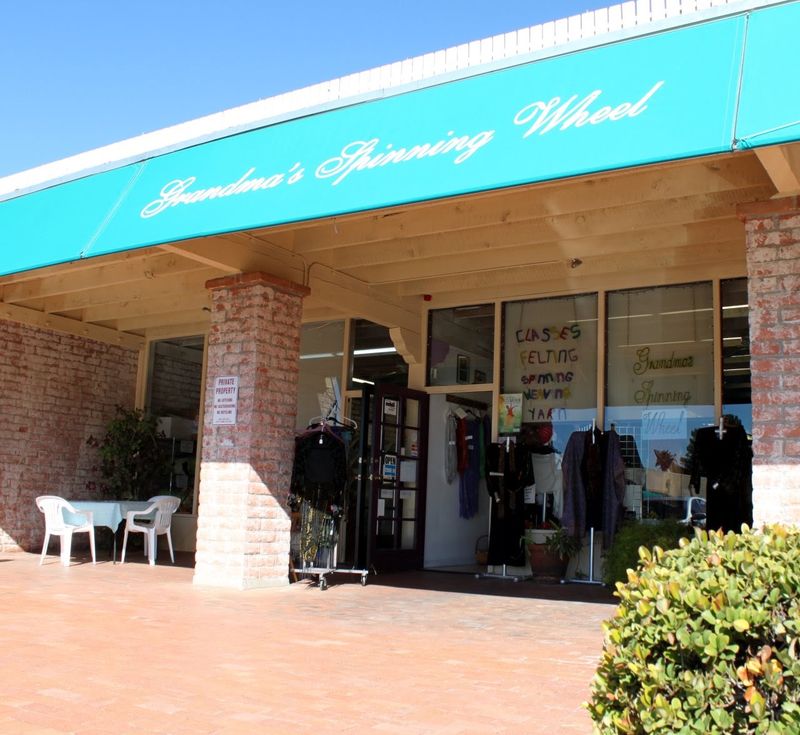
Some of the best finds in Tucson do not announce themselves with giant signs. Grandma’s Spinning Wheel sits at 6544 E Tanque Verde Rd, Tucson, AZ 85715, on the east side of the city in southern Arizona.
Officially, it is listed as a craft store. In practice, it is a full fiber arts shop that covers yarn, spinning, weaving, felting, and every tool those hobbies need.
The location makes it an easy stop for east side residents running errands. Folks coming from Phoenix can fold it into a Tucson day trip without much trouble.
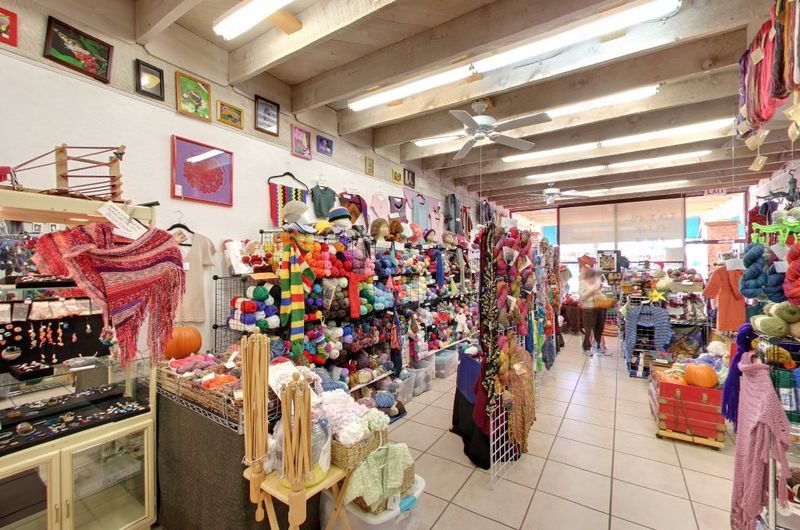
What makes the address worth saving is what happens once you get inside. Shelves hold hundreds of styles, colors, and fiber options, from familiar national brands to small-batch yarn dyed right here in town.
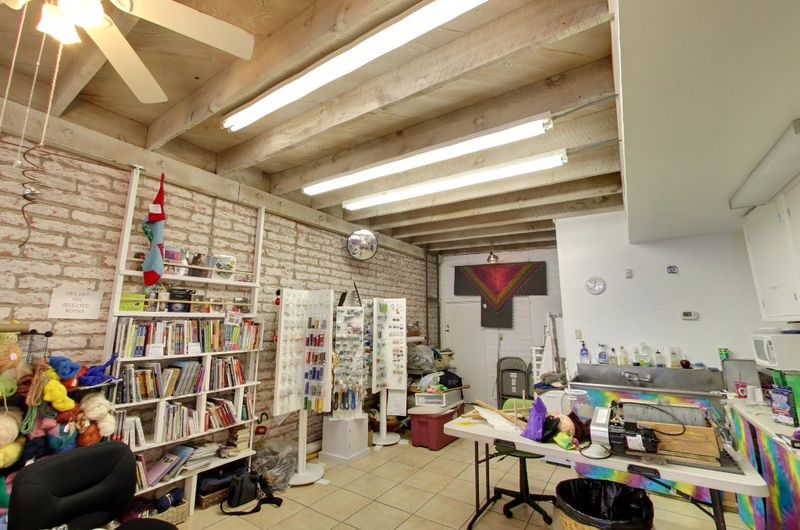
There is also that back room. It holds spinning wheels, spindles, looms, raw fiber, and dyes, which turns a quick yarn run into something closer to a workshop visit.
Many people who live a few miles away have never set foot in it. Out-of-town knitters, on the other hand, often plan their Tucson trips around a stop here, which says a lot about how a small shop can build a big reputation.
2. The Real Grandma Behind the Counter
Yes, there is an actual Grandma. The owner, Vicky, signs some of her online replies as Grandma, and she runs the place as a family business.
Her daughter is part of the operation too. That family thread shows up in how the shop treats people, with a stated goal of treating everyone like family.
Vicky also has a sense of humor about being the boss. When the shop stayed open late one Friday so a group could keep browsing, she joked that the CEO insists on staying late for customers, then pointed out that the CEO is her.
That kind of personal touch is rare in retail now. Shoppers who return year after year often mention Vicky by name and say she has built a real community of weavers, knitters, crocheters, and spinners.
A family shop like this has staying power because people come back for the people. The yarn is great, but the welcome is what turns a one-time stop into a habit.
3. Spinning Before Buying
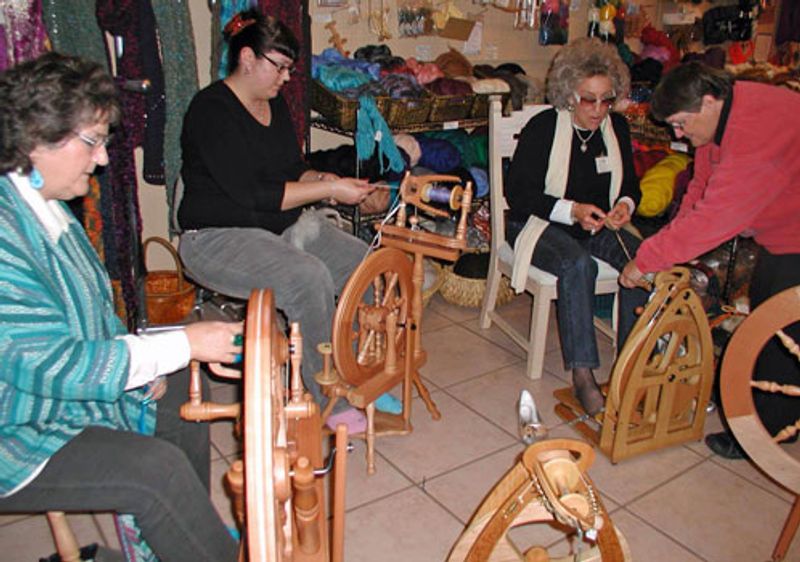
Here is the headline perk. Spinning is not just something sold here, it is something you can try.
Staff have been known to give impromptu spinning lessons to curious shoppers. One group that came in on a Friday ended up with a quick lesson thrown in while they explored the fiber.
Beginners interested in a drop spindle get real help too. Staff will pick out a spindle suited to a newcomer, show which fiber works well for starting out, and point toward affordable classes.
That hands-on approach matters when the tools are an investment. A spinning wheel is not a small purchase, and getting a feel for one before committing can save plenty of second-guessing.
Availability of a lesson on any given day may depend on who is working and how busy the shop is. Calling ahead or asking at the counter is the smart move.
Either way, few shops in Arizona let people put their hands on the craft this directly, and that alone makes the trip worthwhile.
4. Wheels, Spindles, and Looms Galore
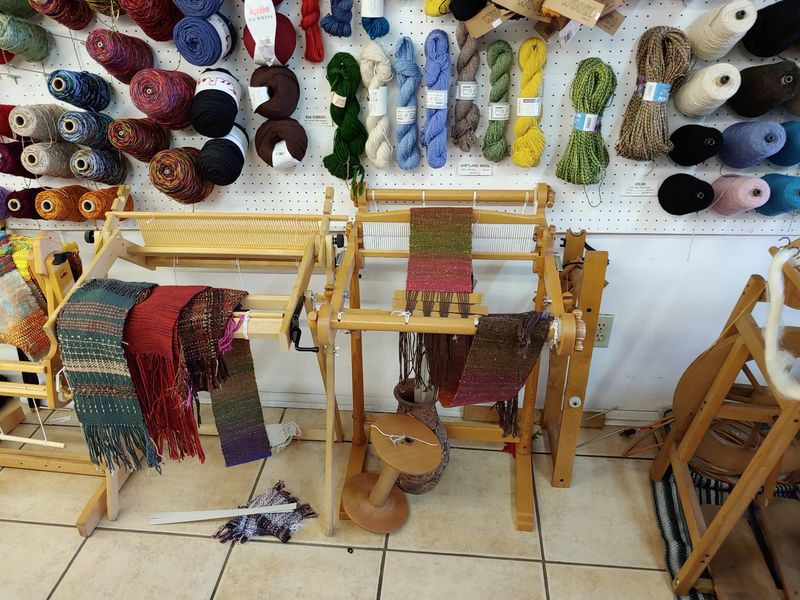
Most yarn stores stop at yarn. This one keeps going, right into a back room that fiber fans talk about long after they leave.
Spinning wheels, drop spindles, and looms fill the space. Bins of fiber and dyes round out the collection, so a person could walk in knowing nothing and leave with everything needed to make yarn from scratch.
Weavers get real attention here. The shop carries a strong lineup of weaving supplies, which is not common in smaller local stores.
Spindles come up often as a highlight. They are a low-cost way to start spinning, and staff can help match one to your skill level.
For anyone who has only seen spinning wheels in museums or old photos, browsing a room full of working models is eye-opening. The equipment is meant to be used, not just admired.
It is the kind of room that makes a quick visit stretch into an hour, so plan accordingly.
5. Roving by the Bin
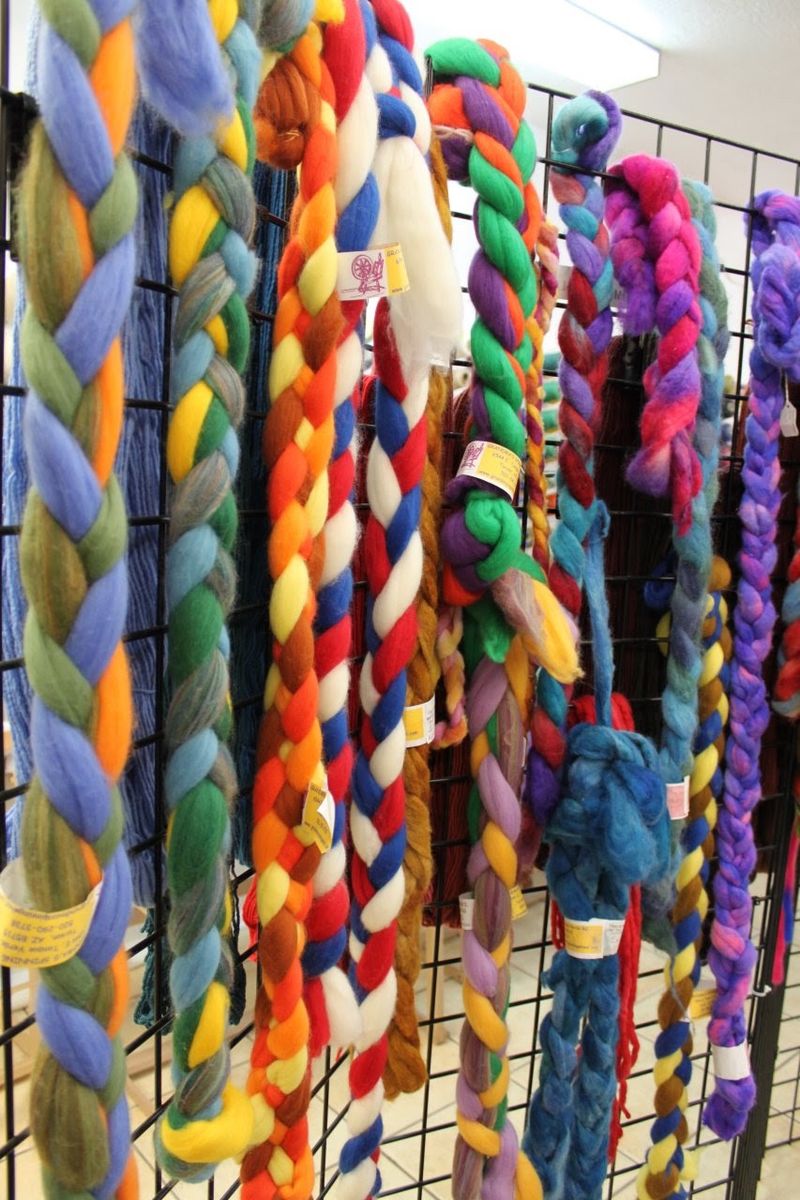
Roving is the fluffy prepared fiber that spinners twist into yarn and felters shape into everything from ornaments to figures. The shop has loads of it.
Fiber selection is one of the most praised parts of the store, right behind yarn. Spinners and felters both find plenty to work with.
Some fiber is dyed by local artisans, which gives Tucson crafters a chance to spin something made close to home. Those pieces also make a memorable souvenir for out-of-towners.
Felting has a following here as well. One parent came in to shop for a daughter’s felting summer camp and was connected with a staff member who teaches a children’s felting class herself.
That kind of match only happens when the team actually practices the crafts they sell. It turns a supply run into a short consultation.
Whether the goal is a first skein of handspun or a felted project with a kid, the fiber aisle is the place to start.
6. Hundreds of Yarns, Including Rare Finds
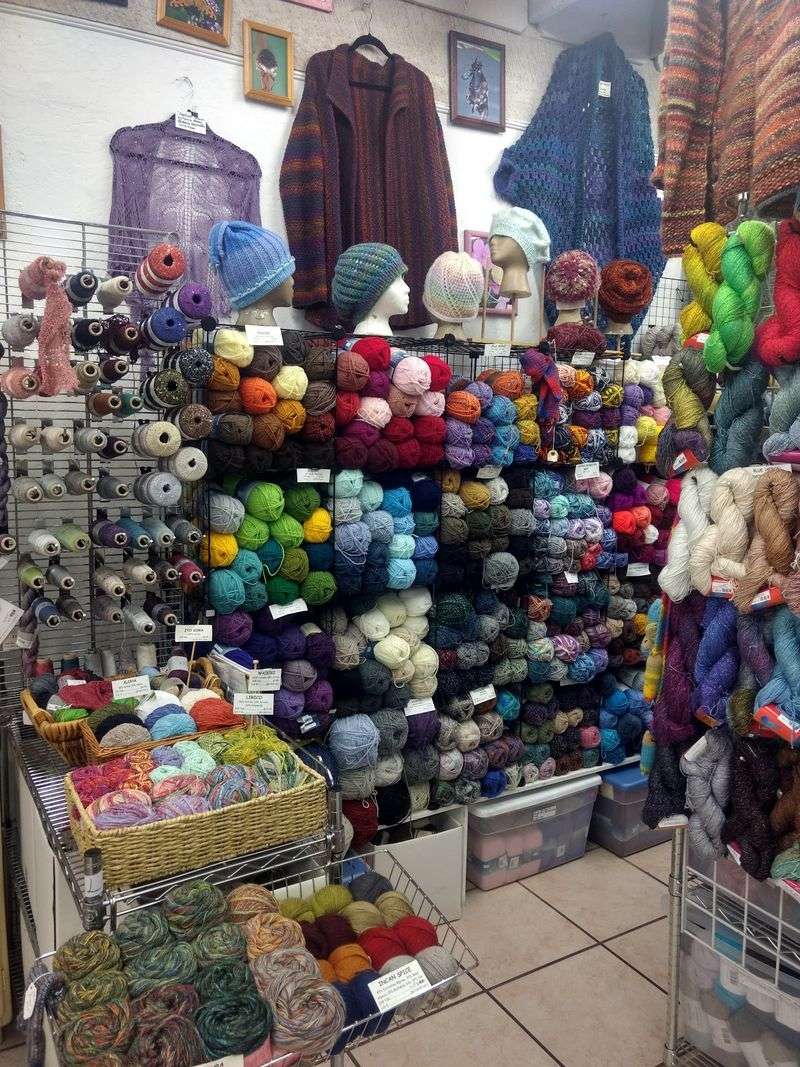
Yarn selection is the single most praised thing about this shop, and it is easy to see why. There are hundreds of styles, colors, and fiber options on hand.
National brands share shelf space with handmade and hand-dyed skeins. Some shoppers say they found yarns they had never seen in any store before.
Range matters for budgets too. There is something for nearly every price point, and regulars describe the pricing as reasonable.
One crocheter who had used only inexpensive acrylic yarn for a decade came in looking for quality sock yarn and found exactly that. It is a common path for people ready to level up their projects.
Staff can also help match colors using a photo. One shopper picked out Juniper Farm’s Marilyn yarn for a prom shrug that way, getting the shade just right.
New arrivals and seasonal colors keep the shelves changing, so even frequent shoppers tend to discover something new.
7. Local Dyers, Tucson Souvenirs
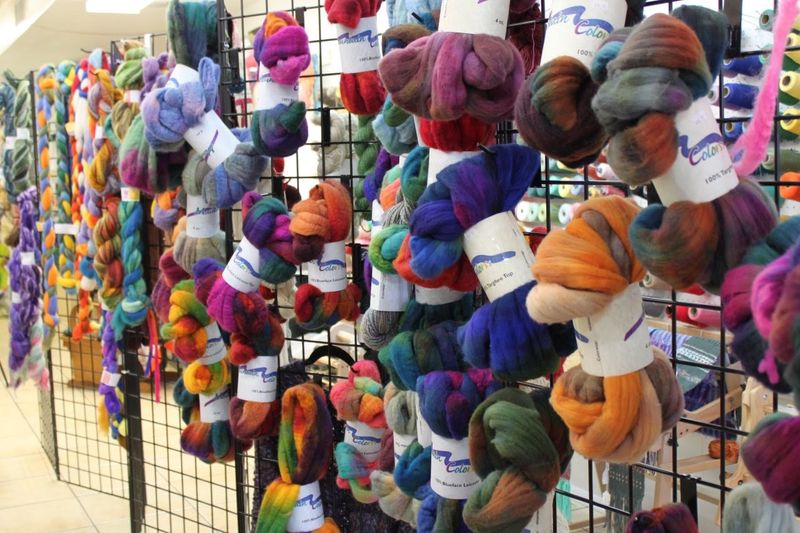
Forget the keychain. Plenty of out-of-town crafters leave Tucson with yarn as their souvenir.
The shop stocks yarn and fiber from local artisans, including indie dyer Twisty Desert Dames. One traveler bought three hanks from that line as a keepsake of the trip.
Locally dyed yarn gives Arizona knitters a way to support small makers in their own city. It also means the colors on the shelf often cannot be found at chain stores.
For residents, this is a handy gift option too. A skein made in Tucson is a thoughtful present for a crafty friend who lives elsewhere.
Stock from small dyers can sell through, and certain lines may come in less often than big brands. If a specific colorway catches your eye, it may be wise to grab it rather than wait.
Shopping local rarely gets more literal than yarn dyed a few miles from the register.
8. Needles, Hooks, and Clever Notions
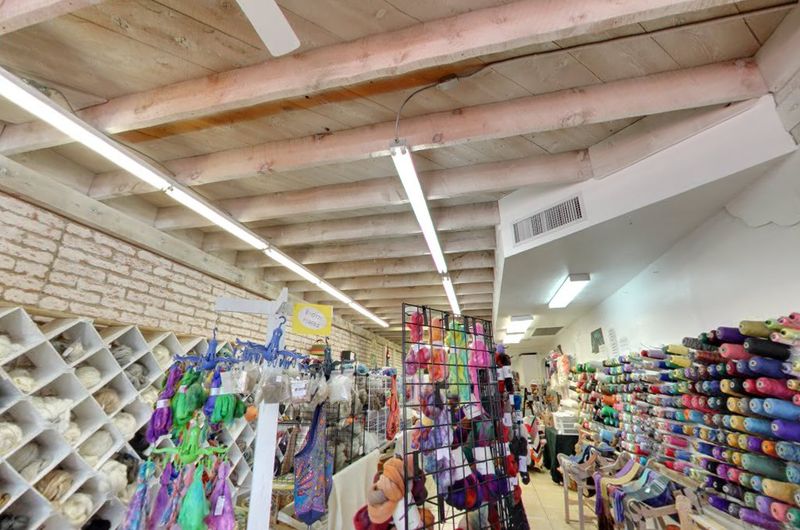
Great yarn needs the right tools, and the shop treats that side of the hobby seriously. Needle selection gets steady praise.
Hooks, needles, and notions are described as well curated. Knitters and crocheters can find accessories that go beyond the basics.
Service extends to the tools after the sale. One knitter had trouble with a tip from an interchangeable ChiaoGoo circular needle set and got an exchange right away.
That kind of follow-through builds trust. People are more willing to spend on quality tools when they know the shop will help if something goes wrong.
Beginners benefit most from the guidance. Staff can explain which needle sizes or hook styles suit a pattern, saving guesswork and returns.
A well-stocked tool wall may not be the flashiest part of the store, but it is often the part people come back for most.
9. Help With the Tricky Stitches
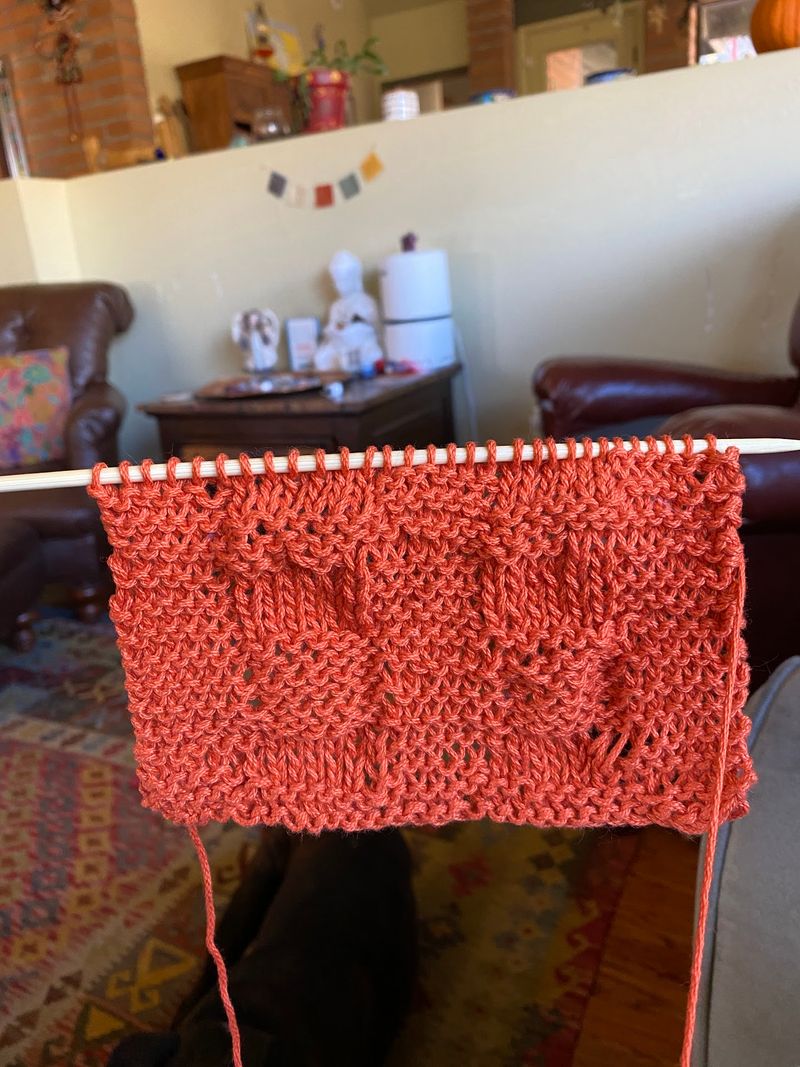
Every knitter hits a wall eventually. A dropped stitch, a confusing pattern, or a brand-new technique can stall a project for weeks.
Here, people bring those problems in. One shopper working on a knit-along shawl brought the project to the store and got patient, step-by-step help learning a new stitch.
Self-taught knitters lean on the shop as a question desk. When something goes sideways, this is where they head first.
Classes and workshops add more structure for those who want it. Options cover the crafts the shop supports, and newcomers are often pointed toward affordable starter classes.
Topics change, so checking the shop website for the current lineup is the best way to plan. Spinning classes in particular draw interest.
Having experienced hands nearby turns frustration into progress, and that may be worth more than any single skein on the shelf.
10. Knit Night and a Community Feel
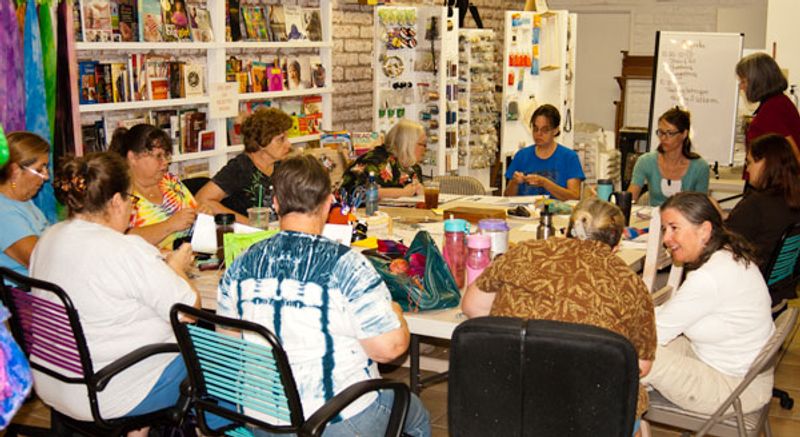
Wednesday is the shop’s late day, open until 8 PM, and that extra time is part of what makes a knit night possible.
The atmosphere is colorful and lively, with a craft community vibe that comes up again and again. A welcoming feel is one of the most mentioned qualities of the place.
Even travelers passing through say they left feeling like part of a community. That is a tall order for any store, let alone one visited once.
Groups are welcome too. A knitting shuttle from a local community once arrived at a mixed-up time, and the staff greeted them warmly with cookies and tea anyway.
Newcomers often get a brief tour of where everything sits, then plenty of time to browse without pressure. It is a balance of help and space that many shoppers appreciate.
For anyone looking to make crafty friends in Tucson, an evening here is a low-key way to start.
11. Hours, Ordering, and Handy Tips
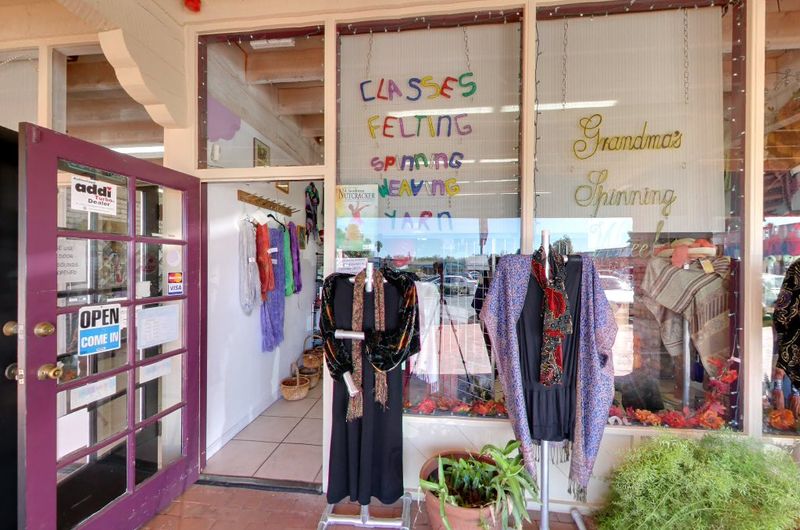
Timing is the main catch. The shop is closed Sunday and Monday.
Tuesday, Thursday, Friday, and Saturday hours run from 10 AM to 4 PM. Wednesday stretches from 10 AM to 8 PM, which is the best bet for after-work shoppers.
Those early afternoon closings matter for Phoenix day-trippers. Leaving the Valley early gives plenty of browsing time before doors shut.
Ordering yarn that is not in stock is possible, but patience helps. Some suppliers are ordered from only once or twice a year, so special requests can take a while.
Online orders ship in hanks rather than wound balls, which is standard for local yarn stores. The shop is happy to wind yarn for you if requested, so mention it when ordering or bring it in.
The website at grandmasspinningwheel.com is the place to check classes and updates before making the drive.
12. Worth a Spot on the Weekend List
A 4.8-star standing across 87 opinions is hard to argue with. Nearly every comment lands on the same points: great selection, kind staff, and a sense of belonging.
One longtime knitter who served nine years in the Navy and visited yarn shops in cities across the country called it the best one yet. That is serious praise from someone with plenty to compare.
For Tucson locals, the real win is access. A family shop with spinning wheels, looms, local dyers, and hands-on help is sitting right on the east side.
Phoenix crafters can easily build a day around it. Shop, maybe catch a class, and head home with a new skill along with the yarn.
Beginners will find patience here. Experienced fiber artists will find depth.
Grandma’s Spinning Wheel proves that a small storefront can hold a whole craft world, and the next project might start the moment a spindle lands in your hand.
Share this story