Some Oklahoma road trips end with a gift shop. This one starts with a bison parked beside your bumper.
Just outside Lawton, granite peaks rise out of the plains, and the locals living there weigh more than your car. Bison wander the roadsides, longhorns graze near parking lots, and prairie dogs pop up like they own the place, because they kind of do.
The best part is that the entry is free, and the whole adventure can fit into a single day trip from Oklahoma City or Tulsa. Still, smart explorers make one stop before chasing horns down the highway.
The building that unlocks this wild corner of the state comes with maps, movies, exhibits, and staff who might draw you a custom route by hand. Keep reading to find out where it is, what is inside, and how to see the most wildlife without spending a dime.
1. A Mountain Range Welcome Desk Off OK-49
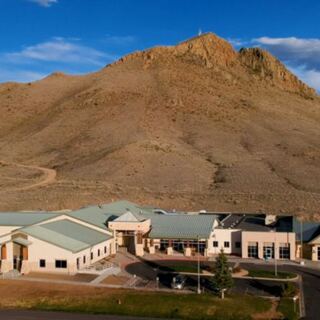
Granite mountains in southwest Oklahoma surprise plenty of people who still think the state is flat from end to end. The Wichita Mountains Wildlife Refuge Visitor Center sits right in the middle of that proof.
You will find it at OK-49 #49, Lawton, OK 73507, United States, along the main road that crosses the refuge. It serves as the front door to the Wichita Mountains Wildlife Refuge, which is managed by the U.S.
Fish and Wildlife Service.
Lawton sits close by, and the town of Medicine Park is also nearby for anyone who wants a small-town stop on the same trip. Fort Sill is a neighbor too, so military families often find their way here on weekend outings.
The center itself is a visitor center, not a sprawling complex. Think of it as the command post for everything else you plan to do.
Inside, you get maps, exhibits, a short film, a gift shop, and restrooms. Outside, you get a landscape where wildlife roams across open ground and right up to the edges of the road.
For a day-tripper, that combination matters. One stop sets up an entire afternoon of exploring, and you leave knowing exactly where to point the car next.
2. The Free Admission Surprise
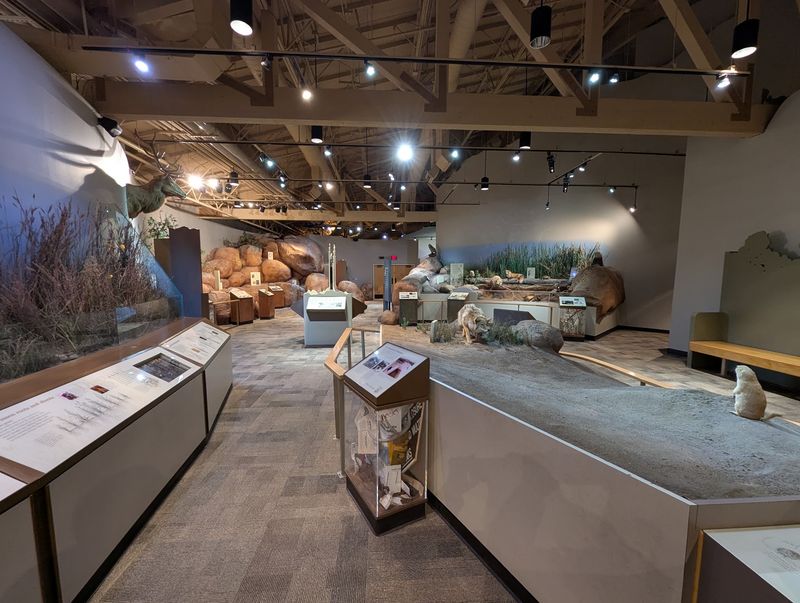
Budget travelers, take note. Everything at this stop, from the museum to the scenic drive beyond it, can be enjoyed without paying an entry fee.
The visitor center is free to enter, and the exhibits inside cost nothing either. Families regularly point out that their entire day in the refuge, from driving to hiking to picnicking, did not require any spending at all.
That makes it a rare find in a time when even a simple outing can add up fast. Gas money and snacks might be the biggest line items on the trip.
There is a donation box inside for those who want to support the place. Bringing a little cash for it is a kind gesture, and it helps keep the center running well for the next carload of curious kids.
One practical tip deserves attention. The building does not have an ATM, so grab any cash you might want before heading in.
Vending machines and a water fountain are available, which helps when the kids suddenly need a drink right after the car doors close. Policies and fees can change over time, so a quick check before the drive is always a good habit.
3. Bison With No Interest In Your Schedule
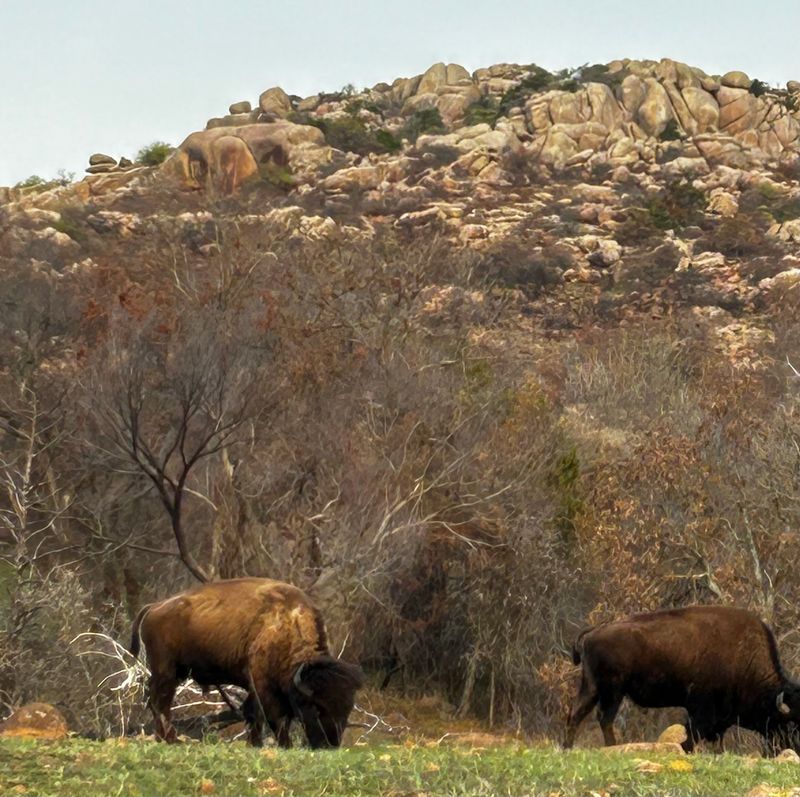
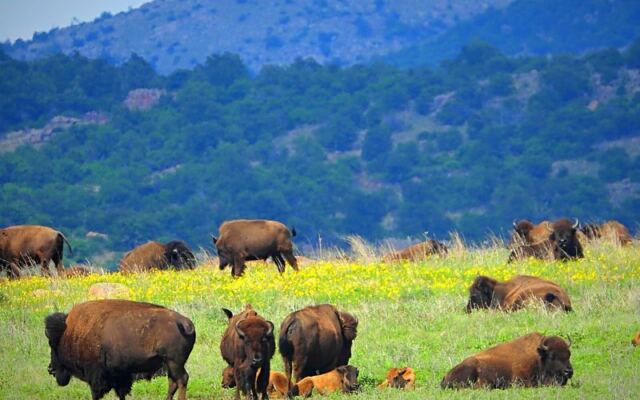
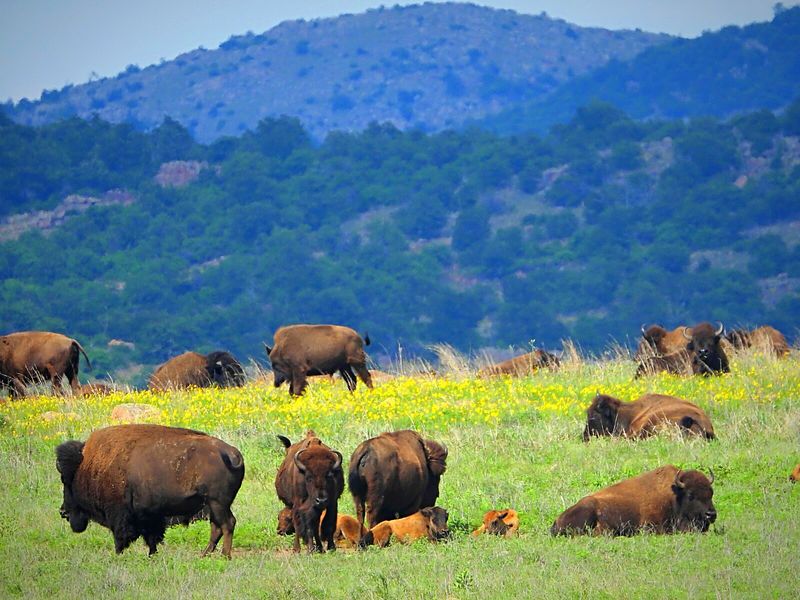
Traffic jams here sometimes come with horns and a hump. Bison are the headline act of the refuge, and they appear often enough that many people spot them soon after arriving.
The animals roam freely across the grasslands. On some days, they have even been seen grazing and resting in and around the visitor center parking lot.
That kind of close encounter is the reason so many families make the drive. Kids get to see one of the most famous animals of the American plains without a fence or a glass wall in between.
Still, free-roaming means wild. Staying in the vehicle or keeping plenty of distance is the smart move, since these are large animals that do what they want, when they want.
A short drive can be enough. Even a 45-minute loop through a small portion of the refuge has produced sightings of bison and longhorns together.
The herd does not run on a timetable, of course. Patience and a slow pace on the road tend to pay off, and the moment one strolls past the window is the moment most people remember long after they head home.
4. Longhorns Carrying Frontier History
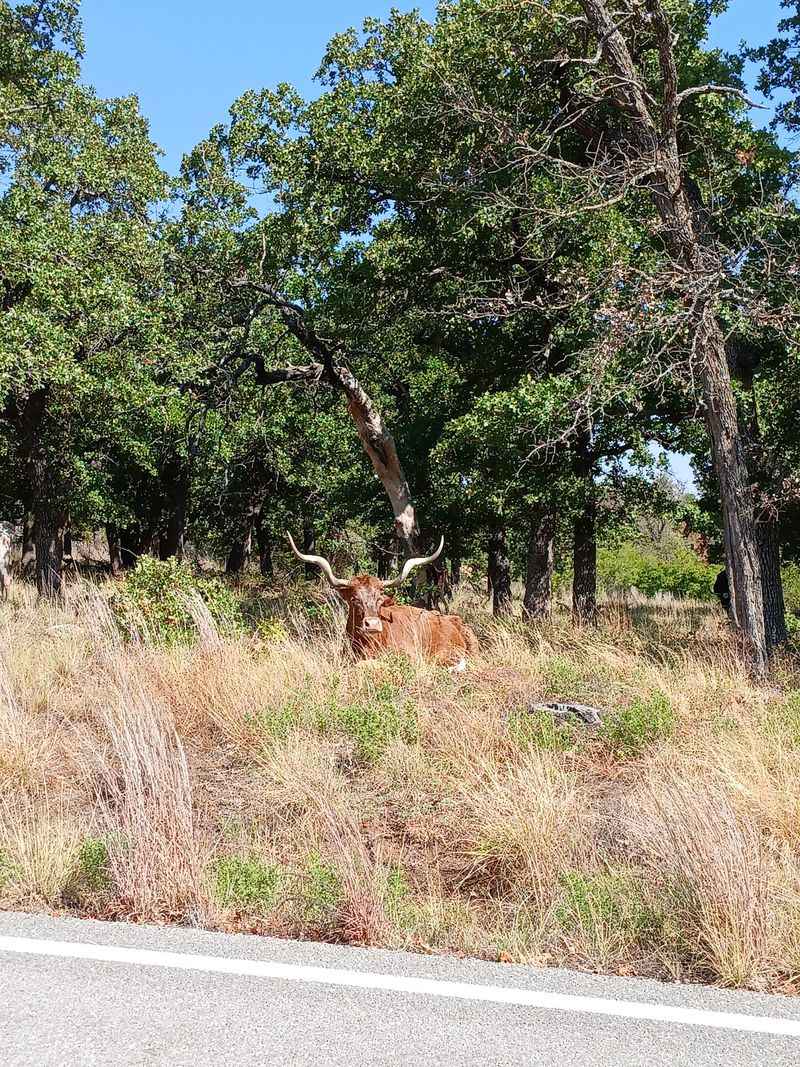
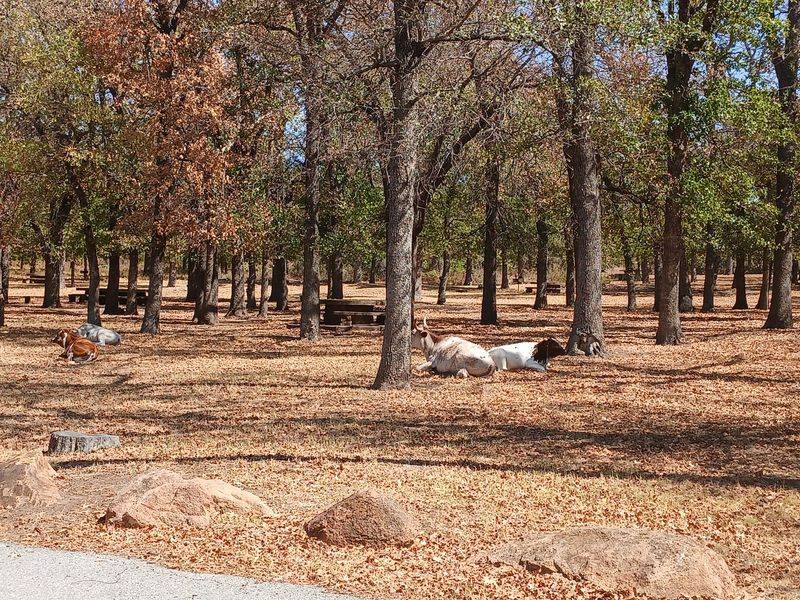
Few animals say cattle-drive country quite like a longhorn. Those wide, sweeping horns are a direct link to Oklahoma’s frontier past, and they show up across this refuge.
Longhorn cattle graze in the open alongside the bison. Many people report seeing both on the same short drive, sometimes within minutes of entering the refuge.
For families who love western heritage, this is a living history lesson. The longhorn shaped ranching culture across the southern plains, and seeing them in this setting helps kids connect the stories to something real.
The exhibits inside the visitor center add context about the park, its wildlife, and its history. That background makes a roadside longhorn sighting feel a lot more meaningful.
Photographers tend to love these animals for obvious reasons. Those horns fill a frame in a way no other local resident can match.
Like the bison, longhorns deserve space. Admire them from the car or from a respectful distance, and let them take the starring role they clearly believe they were born for.
5. Prairie Dogs, Elk, And Other Surprise Guests
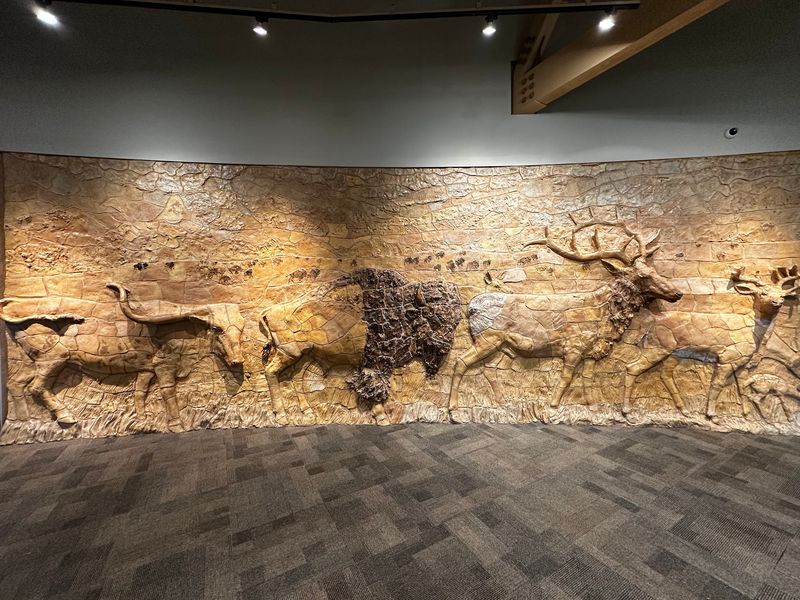
Small animals steal the show more often than you would expect. Prairie dog viewing ranks among the favorite activities in the refuge, and kids tend to lose track of time watching them.
These little diggers live in colonies and pop in and out of their burrows. Spotting them takes a little looking, but they reward anyone who slows down.
Elk also call the refuge home. Some people have even spotted large animals from inside the visitor center itself, since the windows look out toward the mountains.
The list keeps growing with luck. Armadillos and tarantulas have both made appearances near the roads, so drivers should keep an eye on the pavement as well as the horizon.
That variety is part of what makes a refuge different from a zoo. Nothing is guaranteed, and every trip turns into a scavenger hunt with a slightly different cast.
A good approach is to grab a map, ask staff where animals have been seen lately, and then go slowly. The refuge rewards patience, and the next bend in the road might hold the sighting of the day.
6. Exhibits Built For Curious Kids
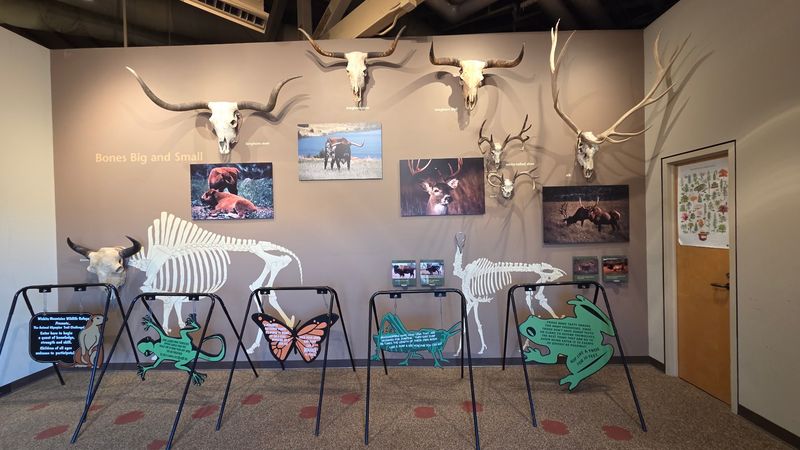
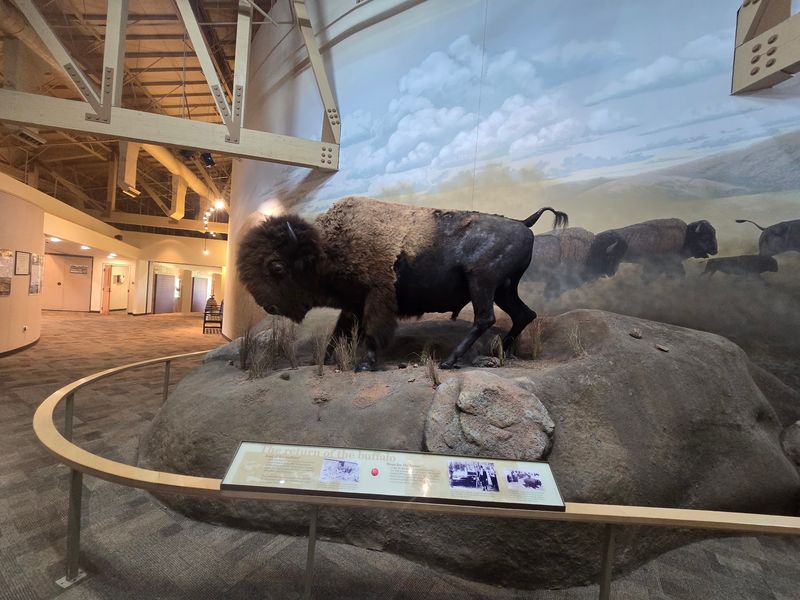
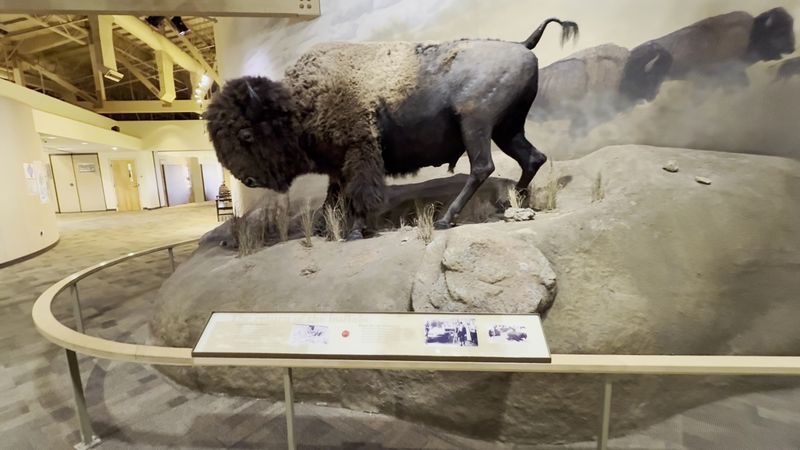
Museums that hold a child’s attention are a special breed. The exhibit hall here manages it with a mix of mounted animals, photos, art, and hands-on learning displays.
The displays cover the history of the refuge, its wildlife, and its plants. Some exhibits are interactive or offer alternative ways to learn, which helps younger kids who would rather touch than read.
The museum is described by some as small but detailed, and by others as large and very informative. Either way, it packs in plenty of substance.
A quick visit of 15 to 30 minutes works for many families. Others linger longer once the kids start asking questions about what they just saw on the road.
The building is air-conditioned, clean, and wheelchair accessible. On a hot Oklahoma afternoon, a cool indoor break between wildlife drives is no small bonus.
There is also a Junior Wildlife Refuge Program offered at the center. Ask the staff about it, since it gives young explorers a fun goal while they learn about the land around them.
7. Fifteen Minutes Of Movie Magic
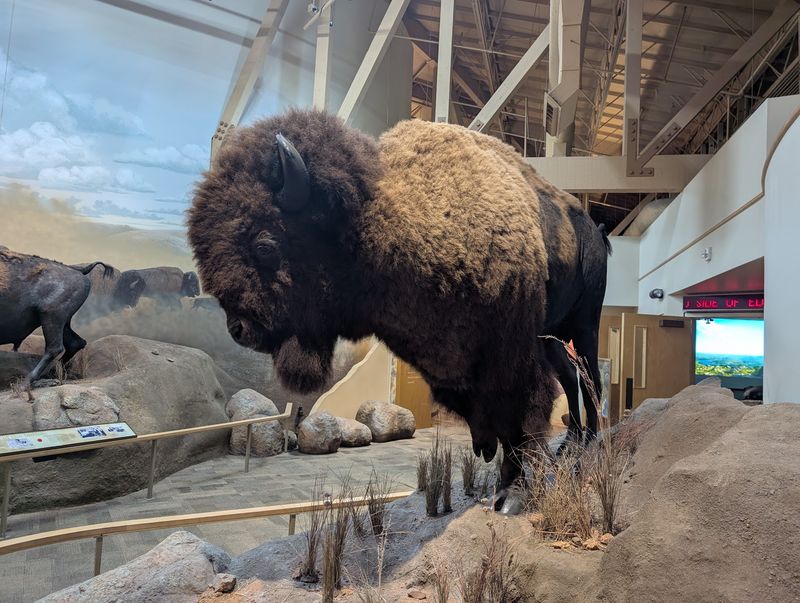
Short attention spans are welcome in this theater. The documentary film shown inside runs about 15 minutes, which is just long enough to set the scene without testing anyone’s patience.
The film gives an overview of the refuge and its natural world. Many people call it informative and a good way to understand what they are about to explore.
Watching it first can change how you see the drive ahead. A rock outcrop or a grassy valley means more when you know the story behind it.
The theater also makes a nice reset for families. Kids get to sit down, cool off, and refocus before the next round of animal spotting.
Educational movies are part of the wider exhibit experience too. Together, they turn a quick bathroom stop into a real introduction to this corner of Oklahoma.
Showtimes may vary, so asking at the front desk is a good idea. Fifteen minutes in a theater seat could easily become the most useful quarter hour of the whole trip.
8. Staff Who Hand-Draw Your Route
Here is the secret weapon of this stop. The people behind the front desk are the reason so many trips turn out better than planned.
Staff members are known for being friendly, knowledgeable, and happy to answer questions. They explain the main attractions and point travelers toward the best places to go.
Some go well beyond a quick answer. Front desk staff have drawn directions right onto paper maps, marking scenic and remote areas and showing exactly where to stop for wildlife.
That help can include safety details too. Staff have marked refuge maps with areas where prescribed fires were taking place, so drivers knew what to expect.
The gift shop team earns similar praise for being helpful and welcoming. One handy tip from the shop is that merchandise can also be ordered online, which saves luggage space for travelers from far away.
For first-timers who arrive knowing almost nothing, this personal guidance matters most. Grab a map, ask a question, and let the experts turn a random drive into a well-planned route.
9. Souvenirs With Horns And Hooves
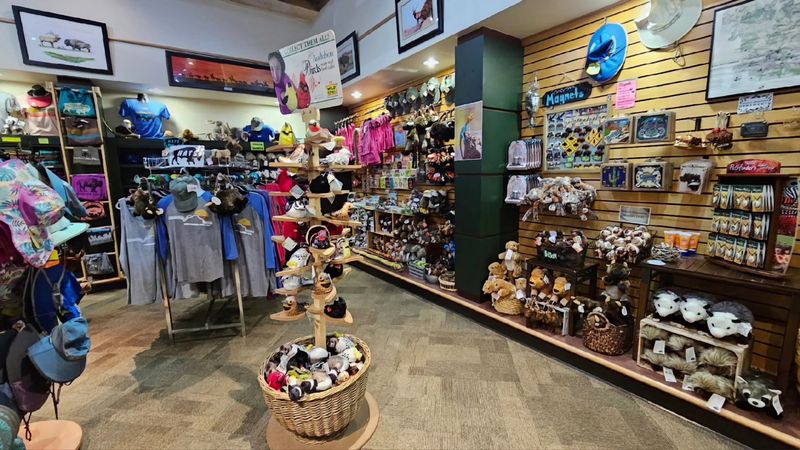
Nearly every family trip ends with a negotiation at the gift shop. At least here, the shelves make the deal easy to like.
The gift shop gets mentioned more than any other feature of the center. It carries art, books, and toys for kids, along with souvenirs that celebrate the refuge and its animals.
It is small, so browsing will not take all afternoon. That size is a plus for parents keeping one eye on the clock and one eye on the road ahead.
Shoppers often call it a great store run by friendly folks. A stuffed bison or a field guide makes a fine reminder of the day.
Books are especially useful for families who want to keep the learning going at home. A guide to the wildlife or the history of the area can stretch a single day trip into weeks of curiosity.
Remember that the building has no ATM. Plan ahead for payment, and keep the online ordering option in mind if the souvenir wish list grows bigger than the trunk.
10. Trails, Lakes, And Mount Scott Beyond The Doors
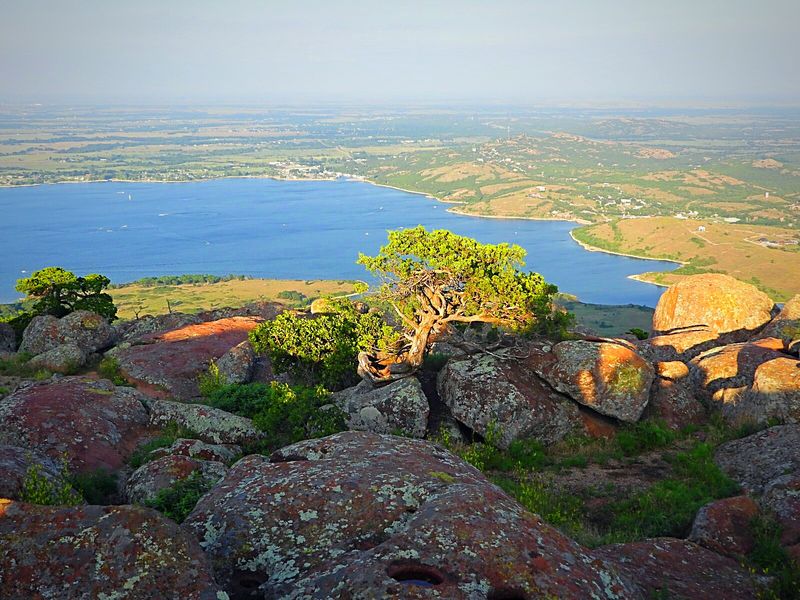
A word of friendly advice: do not spend the whole day inside. There is far more waiting outside the building than inside it.
Mount Scott is a big draw, and plenty of people come just to see it. Clouds can sometimes roll in on top, which simply gives you a reason to come back.
Hiking trails spread across the refuge. A Wildflower Hike has earned high praise as a must-do, and many people try a couple of trails during one trip.
The lakes offer kayaking and fishing for those who want a slower afternoon. Picnic spots let families take a break with scenic views all around.
Doris Campground is another spot worth checking out. Overnight stays are available for anyone who wants more than a single day.
Frequent returners stress one thing above all. Do not just drive the main road and leave, because the refuge is big enough that it would take many trips to see it all.
11. A Quiet Kind Of Scenery
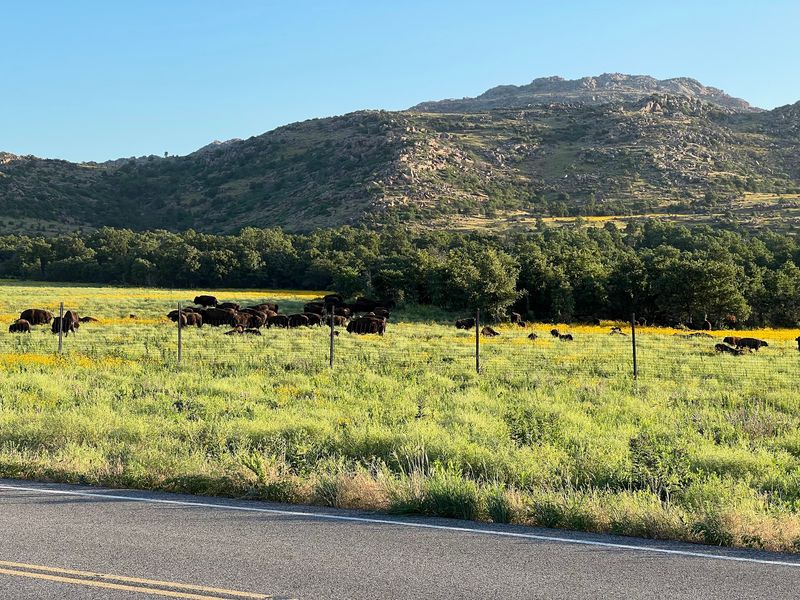
Not every landscape announces itself with fanfare. The beauty of this refuge tends to sneak up on people and keep pulling them back in.
Travelers from out of state often say it is not trying to be a famous canyon park. Instead, its humble charm grows on you the longer you stay.
The refuge also does not feel crowded or overbuilt. It comes across more as a haven for wildlife, with people as occasional guests.
That calm is a big part of its appeal for families. There is room to pull over, watch a herd, and let kids ask questions without rushing.
Photographers find plenty to work with here. Mountains, grasslands, wildlife, and open sky combine for scenes that make great photos.
For Oklahomans who enjoy proving their state has more than flat prairie, this is the place to bring doubters. Rugged hills and roaming herds make the argument better than any speech could.
12. Hours, Parking, And Smart Timing
Early birds sometimes end up waiting at the door. The visitor center is open daily from 9 AM to 5 PM, seven days a week.
Arriving right at opening gives you a full day to explore. Some travelers who showed up a little early simply waited for the doors to open, then got right to planning.
Parking is plentiful, with a large lot outside. Restrooms are clean and flushing, which is welcome news before a long drive through the refuge.
A water fountain and vending machines cover quick needs. Food options inside are limited, so packing a picnic for one of the refuge picnic spots is a smart idea.
The center has had closures in the past, and some people found it closed during earlier years. Hours can change, so calling ahead or checking the U.S.
Fish and Wildlife Service website before driving is wise.
The refuge stretches several miles in each direction from the center. With good timing and a full tank, there is plenty of ground to cover before the doors close at five.
13. Worth The Drive From Anywhere In Oklahoma
Some day trips fade from memory by Monday. This one tends to stick, thanks to the bison that wandered past the window.
The visitor center earns its place as the first stop in the refuge. Maps, exhibits, a short film, and helpful staff turn a casual drive into a real adventure.
Then the refuge itself delivers. Bison, longhorns, prairie dogs, elk, granite peaks, trails, and lakes all wait within a short drive of the front door.
Families get a hands-on outing that costs very little. Heritage fans get a living picture of the old plains, complete with longhorns and roaming herds.
Lawton and Medicine Park sit close by for anyone who wants to extend the trip. Camping options make an overnight stay possible as well.
Plenty of people leave already planning their next visit. Pack the car, bring a little cash for the donation box, and let the locals with horns set the pace.
Share this story