A herd of more than 100 buffalo has been spotted grazing out front of a small hospital in the San Luis Valley, and that might not even be the most surprising thing about the place. Del Norte is a quiet town where a long drive to a big medical center can feel like a fact of life. Yet folks who live here have an emergency room that never closes, MRI scans on site, and staff known for quick testing and real kindness.
Travelers from Oklahoma and other states have walked in nervous and walked out impressed. Like any hospital, it has hard days and mixed opinions too, and this article covers both sides honestly. Keep reading to learn where it sits, what it offers, and what to know before you need it.
1. A Hospital on County Road 14
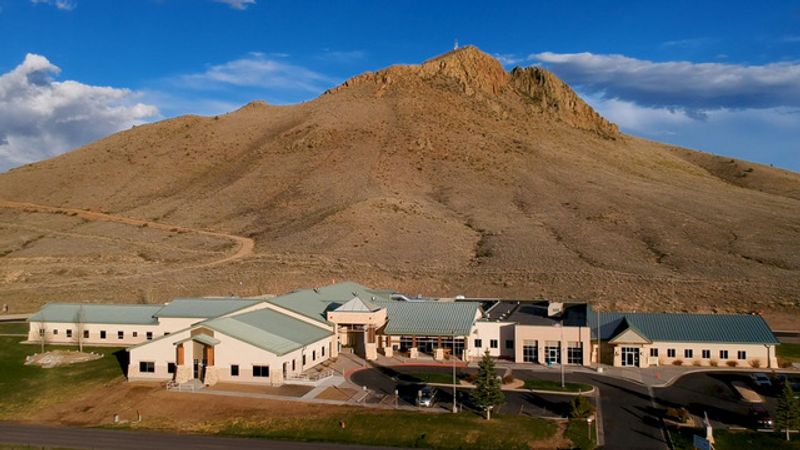
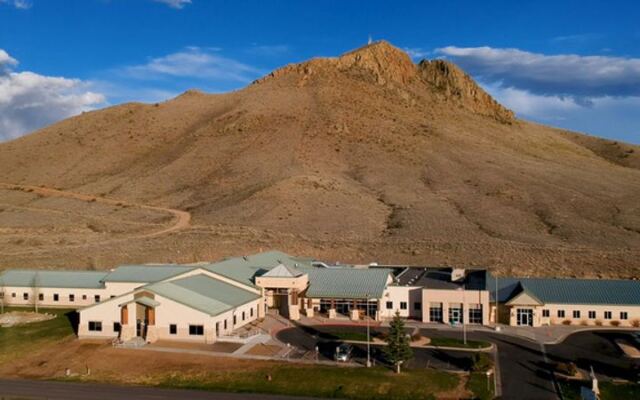
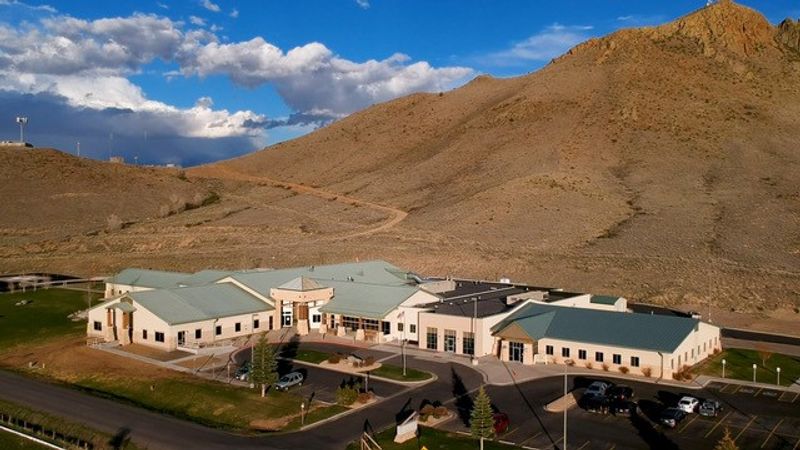
Rio Grande Hospital sits at 310 Co Rd 14, Del Norte, CO 81132, in the heart of Colorado’s San Luis Valley. It is listed as a general hospital, which means it handles far more than bandages and checkups.
Del Norte is a small town, and that matters here. For many families in Rio Grande County, this is the nearest place to get emergency help without a long haul down the highway.
The hospital is also close to South Fork, a popular base for summer trips into the high country. That location makes it a landing spot for both locals and people passing through.
Out-of-state guests have described feeling nervous about a very small hospital in what they called the middle of nowhere. Several left saying the experience changed their minds completely.
Residents of the valley already know the drive to bigger cities can be long. Having a full hospital right off a county road gives the area a real safety net.
So what exactly happens inside these walls, and how does a small-town facility hold its own? The answers start with the clock.
2. Doors That Never Lock
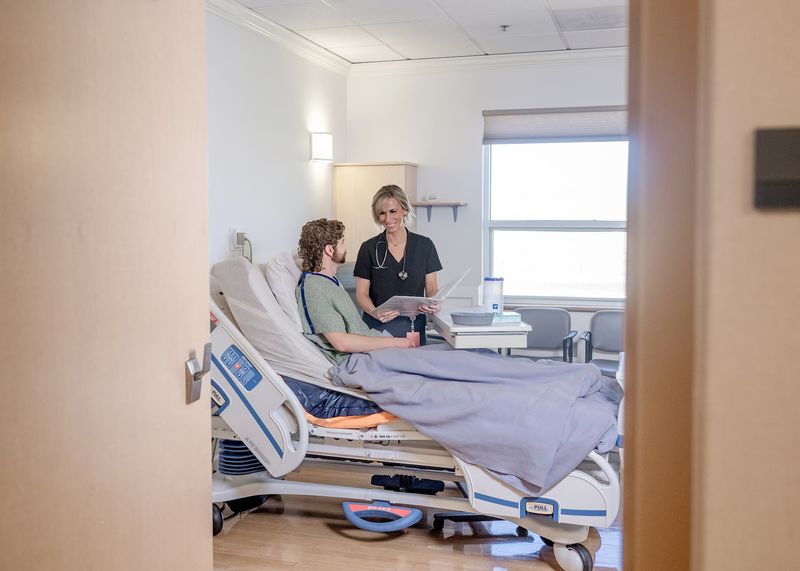
Midnight, Sunday, holiday weekend. None of that changes the answer, because the hospital is open 24 hours a day, seven days a week.
For a rural town, round-the-clock access is a big deal. Medical problems rarely keep business hours, and the valley does not have a hospital on every corner.
The emergency room is the busiest part of the story. Patients have come in after accidents, breathing trouble, chest pain, and sudden illness, sometimes arriving at odd hours.
One out-of-town couple stayed up all night with worrying symptoms before driving in the next morning. They were triaged right away and moved straight to a room.
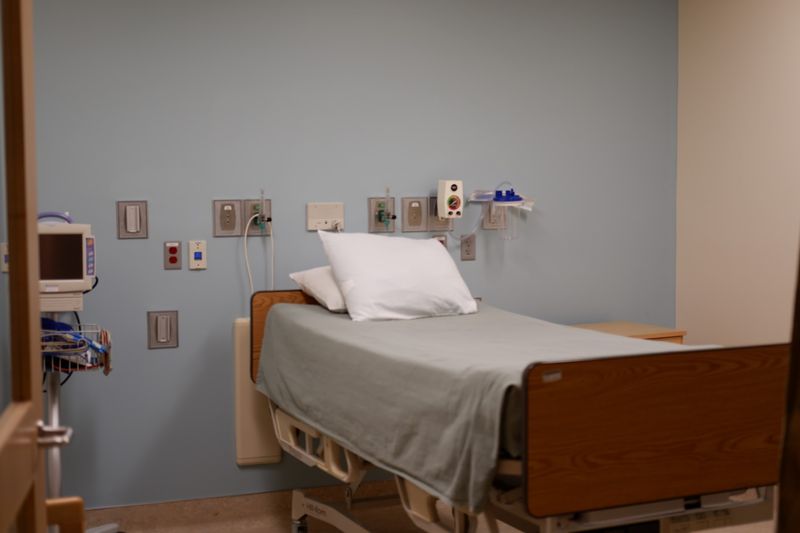
Overnight stays are possible too. Some patients have been kept for observation or monitoring, then sent home the next day with a plan.
Steady hours offer peace of mind to retirees and families who live far from Denver or Colorado Springs. Knowing the lights stay on makes the long winter nights in the valley a little less stressful.
Of course, open doors only matter if the tools inside are up to the job. That is where things get interesting.
3. Big-Machine Imaging in a Small Town
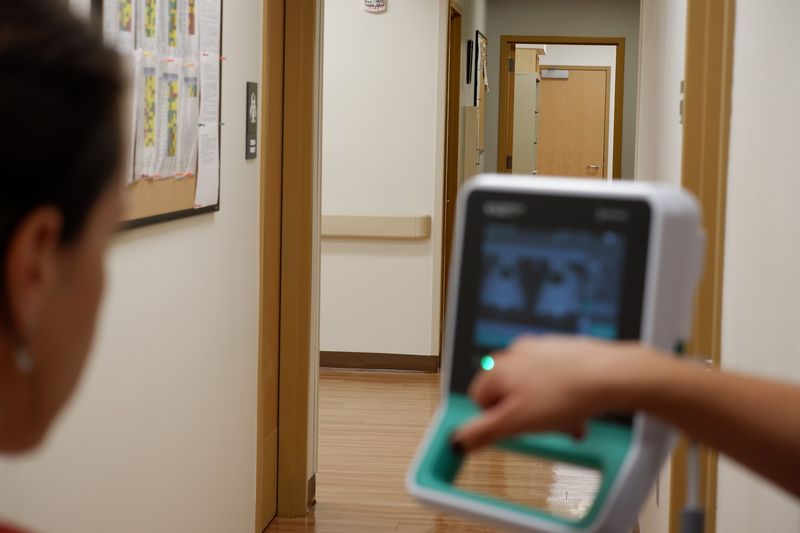
MRI scans are often linked with large city medical centers. Here, a patient can get one without leaving the San Luis Valley.
The hospital has an MRI technician on staff, and that tech has earned warm words even from people who were unhappy with other parts of their visit. That says something about the imaging team.
X-rays are part of the toolkit as well. Patients with knee injuries and other concerns have had images taken during the same ER visit.
For rural residents, local imaging can mean fewer long drives for scans. It may also mean answers come sooner, which matters when someone is in pain or worried.
The hospital’s title connection to hyperbaric therapy is part of what makes it stand out among small facilities. Anyone curious about that service should check the hospital website or call ahead to confirm current availability and referral steps.
Having advanced equipment close to home is a quiet advantage. Many residents may never think about it until the day they need it.
Machines are only part of the picture, though. Speed in the ER is another piece worth a closer look.
4. Fast Tests When Minutes Count
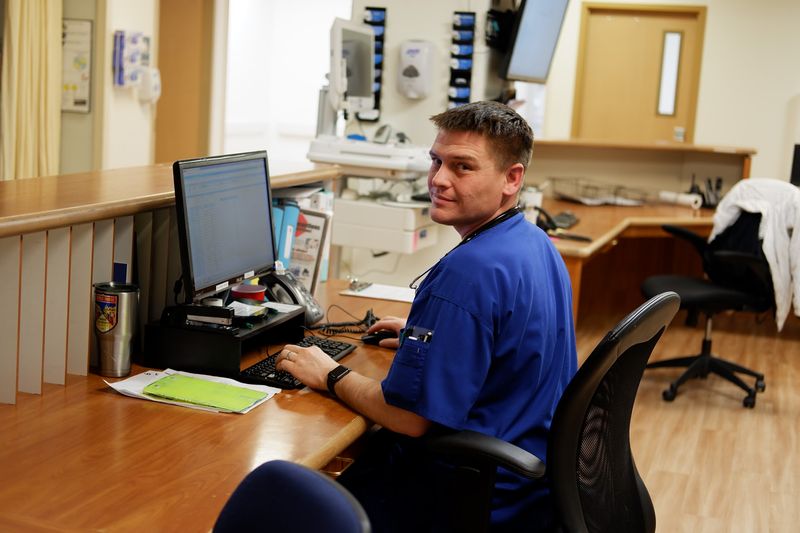
IV started, blood drawn, EKG done, X-ray taken. That full sequence has played out in a short window for more than one patient here.
EKGs and lab work come up often when people talk about this hospital. Those tests are key for chest pain, heart rhythm concerns, and medication problems.
One patient with an accidental cardiac medication overdose was sent by an out-of-town cardiologist for an EKG and labs. The staff got the patient in immediately, gave IV medication, and had them out of the ER in about 2.5 hours.
Speed like that is not guaranteed every day. Wait times do get mentioned, and busy nights can stretch things out.
Still, the overall pattern shows a team that moves quickly when the situation calls for it. Testing is often done on site rather than sent far away.
For people in Del Norte, Monte Vista, and South Fork, that can make a stressful day a bit more manageable. Quick results lead to quicker decisions.
And speaking of decisions, the mountains around this hospital create a very specific kind of medical problem.
5. Altitude Trouble and High Country Help
Thin air does not care how fit a person feels. Some of the most common stories at this hospital start high on the Continental Divide.
A vacationing couple once rented a side-by-side and climbed above 12,000 feet. By that night, the husband had trouble breathing, chest pain, and low oxygen levels.
Another South Fork trip ended with a bad case of altitude sickness. Low oxygen combined with an irregular heart rhythm led to an overnight stay, and doctors brought the oxygen levels up and the heart rate down.
These cases show why a hospital in this spot matters so much. The surrounding mountains draw crowds every summer, and not everyone adjusts well.
Doctors here have been described as cautious, taking time to review health history before making a call. Erring on the side of care is a good habit with altitude problems.
Colorado residents from lower elevations should keep this in mind when heading up for a weekend. Having help nearby is reassuring, even if staying hydrated and pacing the climb is the better plan.
Fortunately, the people inside tend to make a strong impression.
6. Staff Who Make a Bad Day Better
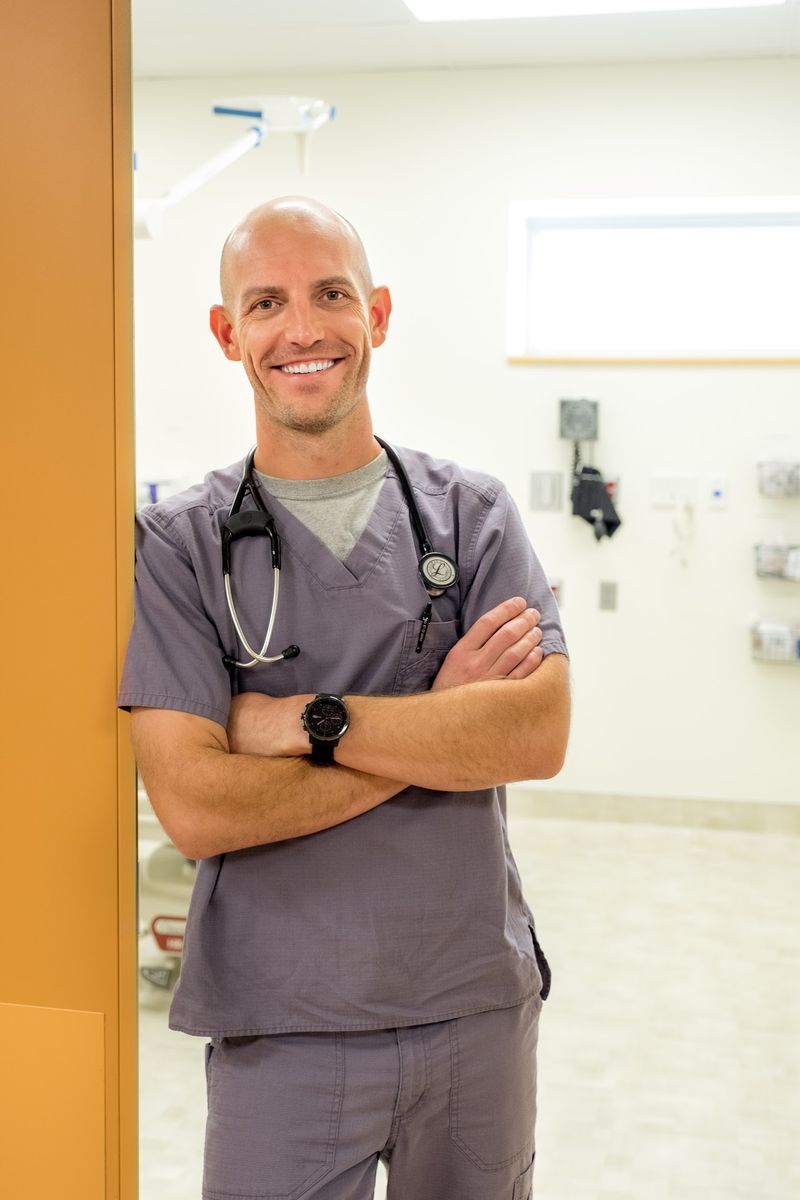
Caring staff is the single most mentioned topic connected to this hospital. Compassion shows up often too.
Patients have described nurses greeting them with a smile and being understanding about stressful situations. One person said it felt odd to enjoy an ER visit, but the team made the best of a bad moment.
Praise has gone to doctors, nurses, lab techs, and front desk workers alike. Housekeeping and meal service staff have earned thanks as well.
Small kindnesses stand out. A nurse once shared a sweet roll with a worried spouse and brought bottled water for the family.
A chilly room led to a patient receiving as many blankets as needed. Little moments like that tend to stick with people long after they head home.
Out-of-state guests have said they felt like family during their stay. Some even compared it favorably to large hospitals they had used before.
A small hospital often means a close team, and that can show in how patients are treated. Not every visit goes this smoothly, however, and that part of the story deserves honesty too.
7. The Honest Side of the Story
Overall feedback sits at 3.4 stars, and that number tells a mixed story. Plenty of patients rave, while others leave frustrated.
Some ER visits have ended with people feeling unheard or rushed. Complaints include limited pain relief, few tests ordered, and discharge without much guidance.
A few patients felt specific providers were dismissive or unkind. Some chose to go to another ER in nearby Monte Vista or Alamosa instead.
Communication around appointments has also drawn criticism. Rude phone interactions have been mentioned more than once.
The hospital does respond to concerns publicly and shares a direct contact line for patient feedback. That shows at least some effort to hear people out.
For residents, the takeaway is practical. Speak up clearly, bring a family member when possible, and ask questions about test results and next steps.
If something feels off, asking for a second opinion is a reasonable choice. Every hospital has uneven nights, and knowing that ahead of time helps set expectations.
With that balance in mind, there is another detail that keeps folks talking, and it has four legs.
8. Buffalo on the Front Lawn
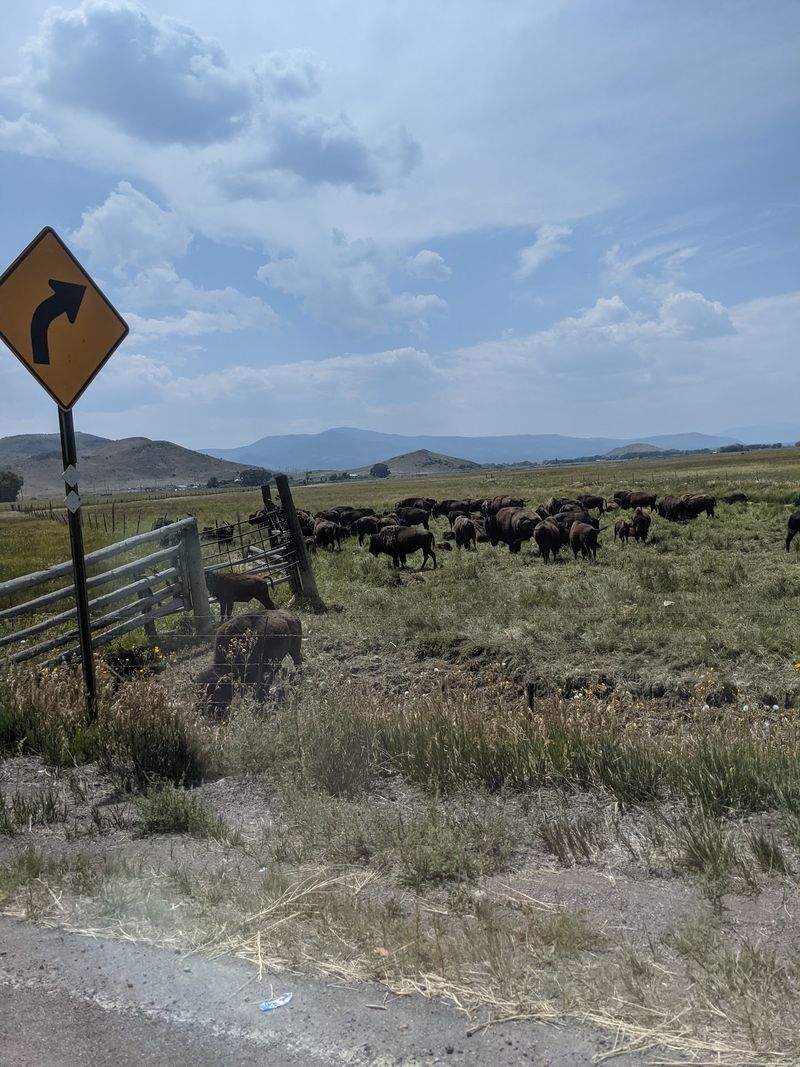
Not many hospitals can claim a herd of more than 100 buffalo grazing in front of the building. Rio Grande Hospital apparently can.
One out-of-state family called the sight quirky but delightful. It turned a stressful morning into something they still mention.
The scene fits the setting. Del Norte sits in wide-open valley country, with ranch land and mountains all around.
For patients and families sitting in the parking lot, that view offers a short break from worry. It is a reminder of how far this place is from big-city sprawl.
Buffalo sightings are not a promised feature, of course. Animals move, seasons change, and grazing patterns shift.
Still, it is a fun bit of trivia for anyone in the valley. Few people expect wildlife to be part of a hospital story.
Here is a small fun fact: the American bison is the official national mammal of the United States. Spotting a herd from a hospital window is a very Colorado kind of moment.
Beyond the scenery, the inside of the building earns its own praise.
9. Clean Rooms and Good Meals
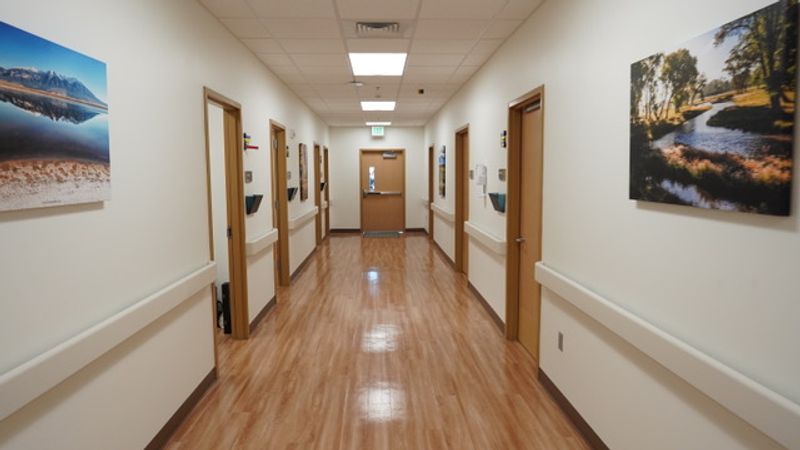
Cleanliness is one of those things patients notice right away. Here, the facility has been called clean more than once.
Patients have said the building appeared to have the right equipment for the job. That gives a sense of a well-kept, well-stocked hospital.
Overnight patients have also mentioned the meals in a positive way. Good hospital meals are rare enough to be worth pointing out.
Rooms can run on the cool side. Staff have been willing to bring extra blankets, so it helps to ask.
Professionalism and a sense of safety come up as themes too. One patient described the whole stay as having an atmosphere of high professionalism and true compassion.
For locals weighing whether to drive farther for care, these basics matter. A clean, organized setting can make a hospital stay less draining.
Bringing a sweater and a phone charger is a smart move for any overnight stay. Small comforts go a long way.
Comfort is nice, but follow-up after discharge can matter even more, especially for travelers.
10. Follow-Up That Travels With You
Leaving the hospital is not always the end of the care story. For one family, the follow-up turned out to be a highlight.
A vacationing mother-in-law stayed overnight for observation. Staff called her prescription ahead so the family could pick it up on the road home.
Later, the doctor called to say the antibiotic needed to be changed. A new prescription went to the family’s local pharmacy.
That kind of attention can make a real difference for people far from their own doctor. It also helps Colorado residents traveling between the valley and the Front Range.
Every step of care was explained, according to that family. Clear explanations reduce confusion and help people feel in control.
Not every patient has had the same experience with communication. Asking directly about follow-up plans before leaving is always a good idea.
Write down the name of your provider and any instructions. Having notes makes it easier to call back with questions.
Good follow-up is one reason visitors from Oklahoma and beyond have left grateful. Locals, though, have even more reasons to know this place well.
11. Why Valley Residents Should Know It
Retirees on fixed incomes, ranch families, and young parents all share one concern in rural Colorado. Where do you go when something goes wrong?
For people in Del Norte and the surrounding area, this hospital is a close answer. It keeps care local instead of requiring a long drive.
Some patients call it their go-to spot, even after an occasional rough visit. Familiarity matters when emergencies happen.
Retirees considering a move to a quieter, more affordable corner of Colorado often ask about medical access. A 24-hour hospital with imaging nearby is a fair point in the valley’s favor.
It is also smart to know your backup options. Monte Vista and Alamosa are nearby for anyone who wants another choice.
Keeping the hospital’s main number saved in your phone is a simple step. The website, riograndehospital.org, is a handy place to check services.
Small towns depend on places like this. A hospital that stays open around the clock helps a community feel more secure.
Before heading over, a few practical notes can make the trip easier.
12. Practical Notes Before You Go
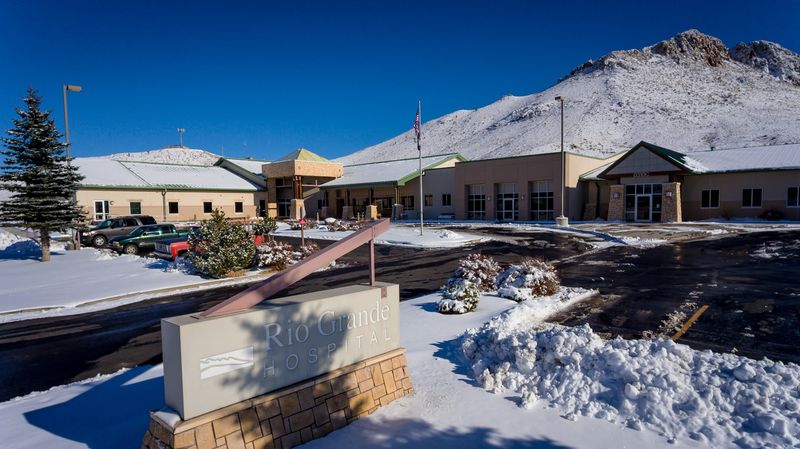
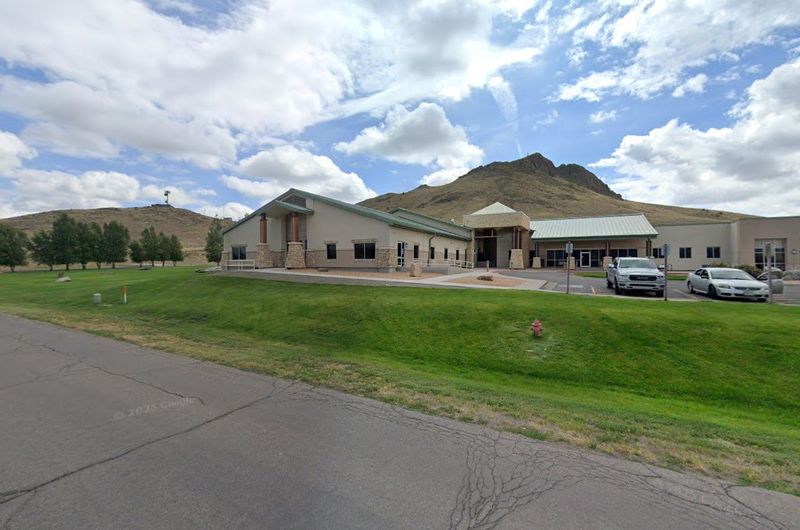
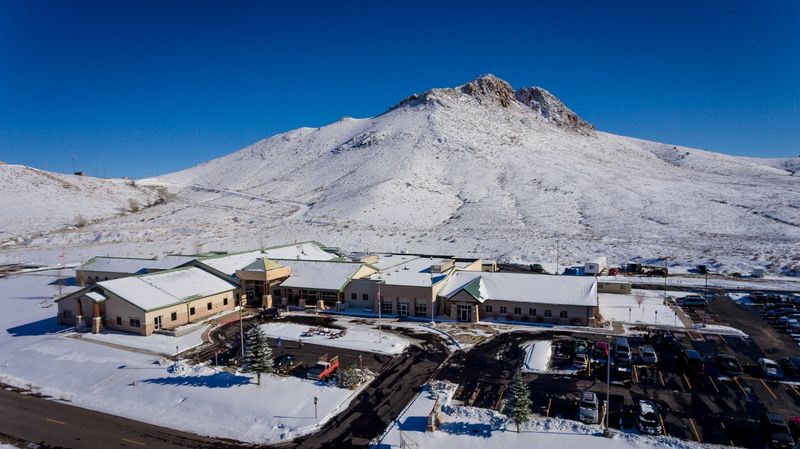
Getting there is fairly simple. The hospital is on County Road 14 in Del Norte, in Rio Grande County.
South Fork is a short drive away, which helps travelers staying in that area. Folks from Monte Vista and Alamosa can reach it without much trouble too.
Hours are easy to remember, since the hospital is open 24 hours every day. No need to plan around closing times.
For non-emergency questions, the hospital website is the best first stop. It can help with details on services like imaging and therapy options.
Bring a list of your medications and any recent health history. Doctors here have been known to review past records before making decisions.
Out-of-state guests should carry insurance cards and the contact information for their home pharmacy. That makes prescription transfers smoother.
A family member or friend along for the visit can help track instructions. It also gives you someone to speak up for you if needed.
Clothing layers are a good idea, since rooms can feel cool. With those basics covered, there is only one question left.
13. Small but Mighty, With Room to Grow
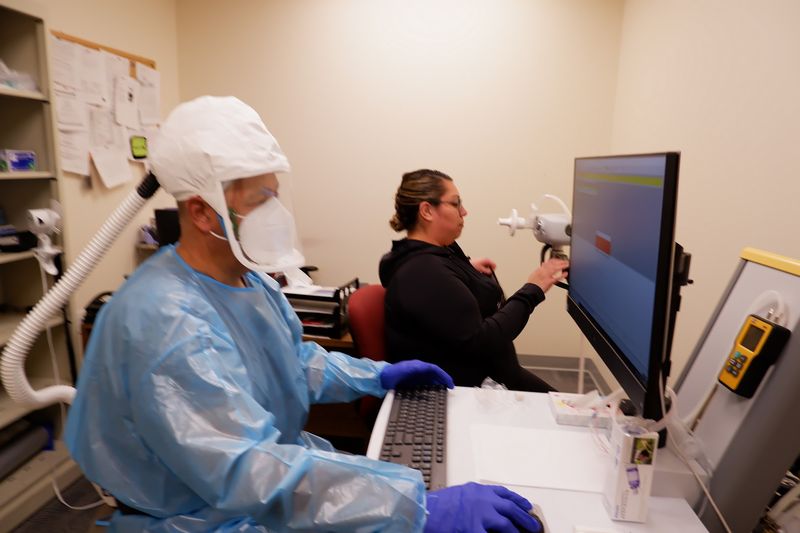
Small but mighty is how one grateful patient summed up this hospital. That phrase fits much of what people experience here.
Round-the-clock emergency care, MRI imaging, quick EKGs and lab work, and staff praised for their compassion add up to a lot for a tiny town. Travelers have left surprised, and locals have a dependable option close to home.
The mixed feedback is part of the honest picture. Some patients have felt dismissed, and communication does not always run smoothly.
Still, the many stories of fast care and kind treatment show what the hospital can do on its best days. That is worth knowing for anyone living in or visiting the San Luis Valley.
Nobody plans a hospital trip. Knowing where help is, and what to expect, takes some of the worry out of the unknown.
For valley residents, Rio Grande Hospital is a useful name to keep in mind. Add the buffalo out front, and it may be the most Colorado hospital around.
Share this story