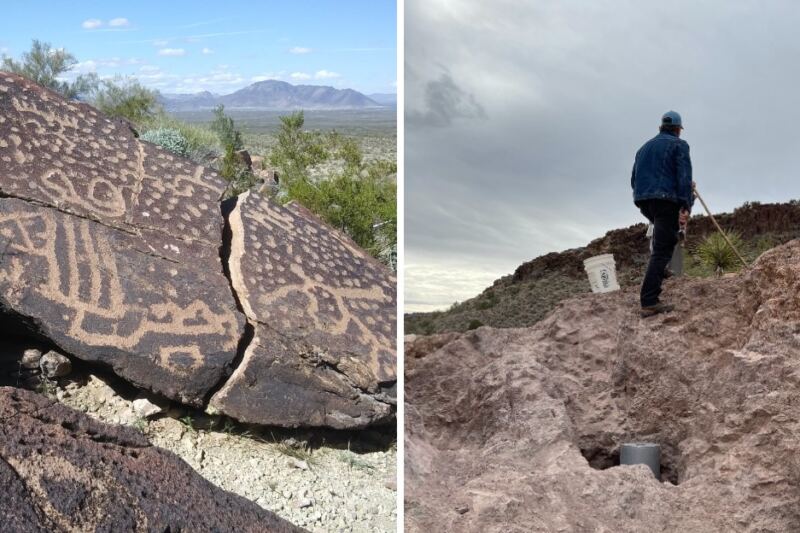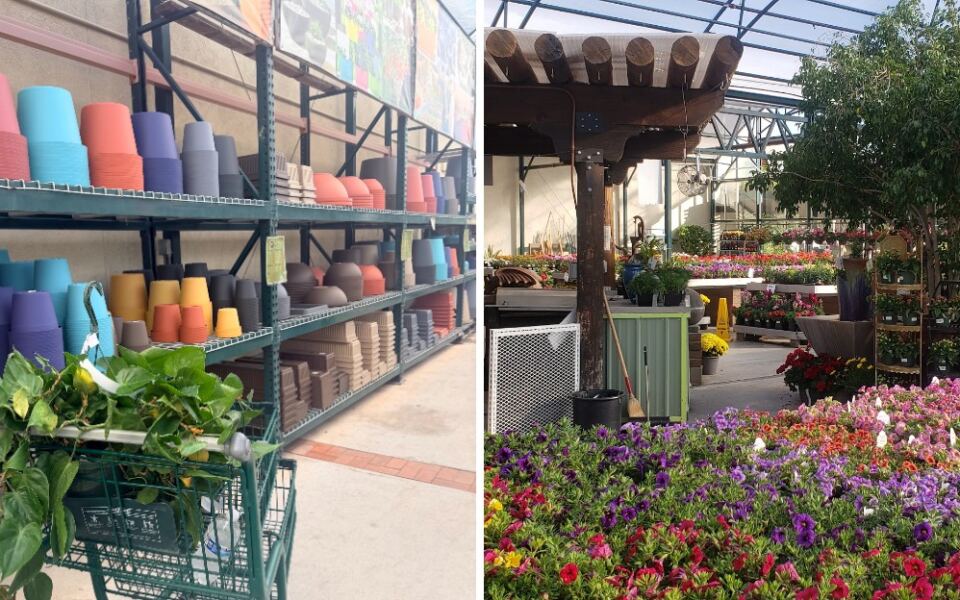
Some Tucson errands take ten minutes, and then there is the east side plant stop that can quietly swallow an entire Saturday morning. Locals drive past it on Speedway for years before finally pulling in, and many leave with a cart loaded far beyond the original shopping list. Inside are greenhouses packed with cacti, roses, fruit trees and houseplants, plus a gift shop, antique metal machinery tucked between the plants, and an info desk staffed by people who can troubleshoot a struggling plant.
It costs nothing to wander, and the details below cover what to grab, when to go, and the few catches worth knowing before the trip.
1. An East Side Stop on Speedway
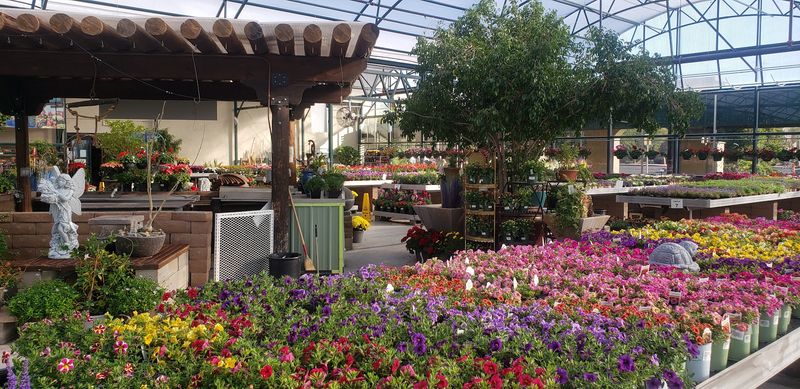
Mesquite Valley Growers Nursery sits at 8005 E Speedway Blvd, Tucson, AZ 85710, on the east side of town. It is a plant nursery in name, but the scale stretches that label a little.
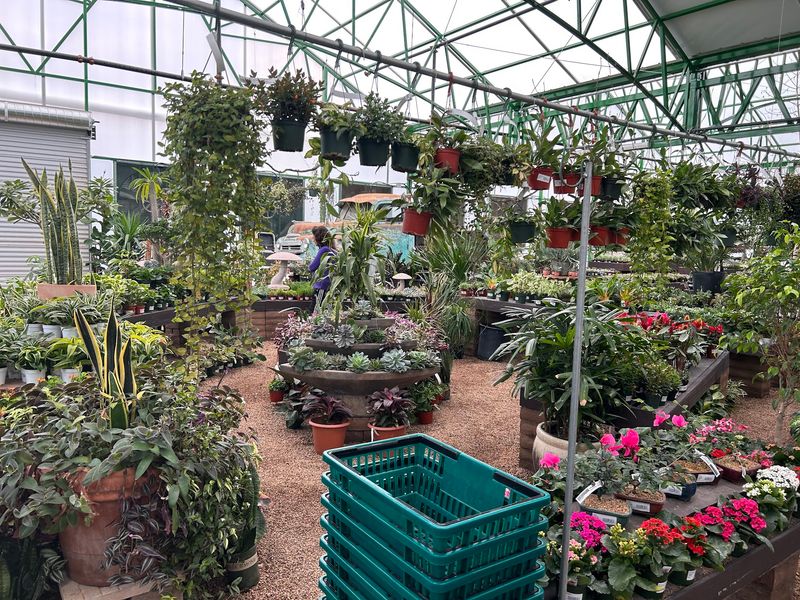
The grounds cover enough space that many people call it the largest selection they have found among Tucson nurseries. Greenhouses, outdoor rows, a gift shop and an indoor plant section all share the property.
Hours are easy to remember. The gates open at 8 AM and close at 5 PM, seven days a week, which makes it one of the more consistently open nurseries in the area.
For Phoenix folks, the stop works well on the way home from a Tucson weekend. Some shoppers make it a regular detour on that very drive back up I-10.
Browsing is free, and nobody expects a purchase just for walking through. Plenty of people treat it as a garden to stroll for an hour or two, even on days when the wallet stays in the car.
The catch is mostly about time. Arriving late in the afternoon leaves little room to explore before closing, so a morning start is the smarter play.
2. Growing Pains and a Bigger Footprint
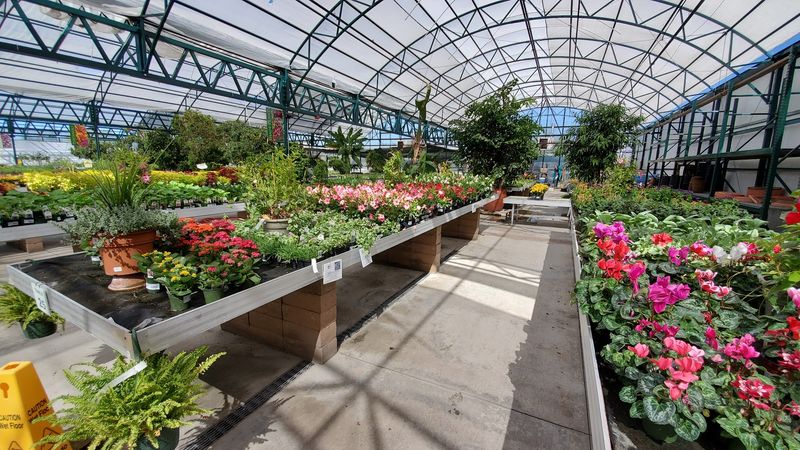
Longtime regulars still talk about the older version of this place. Years ago it had a smaller, more organic layout, with a big mesquite tree near the entrance and a cup of water handed to guests on arrival.
A few years back the nursery expanded, remodeled and upgraded. The new buildings are larger, the space is wider, and the selection grew right along with it.
Not everyone loved the change. Some old-timers say the bigger layout can make specific items harder to locate and staff a bit harder to flag down during busy stretches.
Others came back after the remodel and found the displays more artistic than ever. The trade-off seems to land in favor of variety, especially for anyone hunting unusual plants.
The family connection is still visible too. The owner’s son is known for pitching in and helping shoppers on the floor.
Water is still offered to guests, a small courtesy that carries a thread from the old days into the new. On a hot Tucson morning, that gesture goes a long way.
So the story here is one of growth in the literal sense. The nursery got bigger, and its loyal crowd mostly grew with it.
3. Cacti, Roses and Everything Between
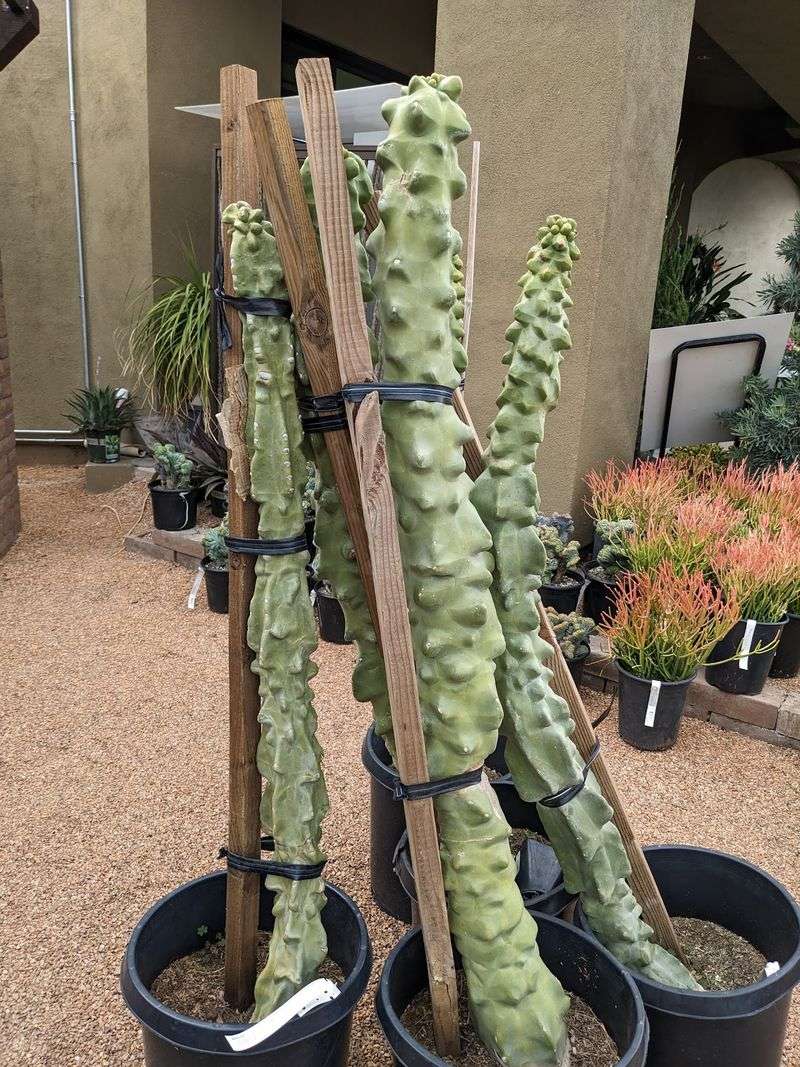
Cacti get top billing, and for good reason. The desert collection is deep, with native picks that suit Tucson yards and more unusual specimens for collectors.
Roses are another headliner. The nursery even hosts a Run for the Roses event, which tells you how seriously the rose crowd is taken here.
Fruit trees show up too, including citrus like Kaffir lime, which has been known to thrive in hillside plantings around town. Palms, vines, bushes and tropical plants fill out the outdoor rows.
Native plants are a strong suit. A small creosote bush has been priced around $19.95, while a fairy duster has gone for about $49.95, and seed packets like Mexican tarragon run near $4.49.
Herbs and hard-to-find specimens turn up often, even during the in-between seasons when many nurseries thin out. Former horticulture workers say the collection stays impressive year-round.
Houseplant fans are covered as well. The indoor section stocks a wide range, from succulents like mother of pearl to showy caladiums.
Everything is clearly signed and price-marked. That makes it easy to compare options without hunting for help, though the temptation to grab one more pot is a whole separate problem.
4. The Cart Strategy Nobody Tells You About
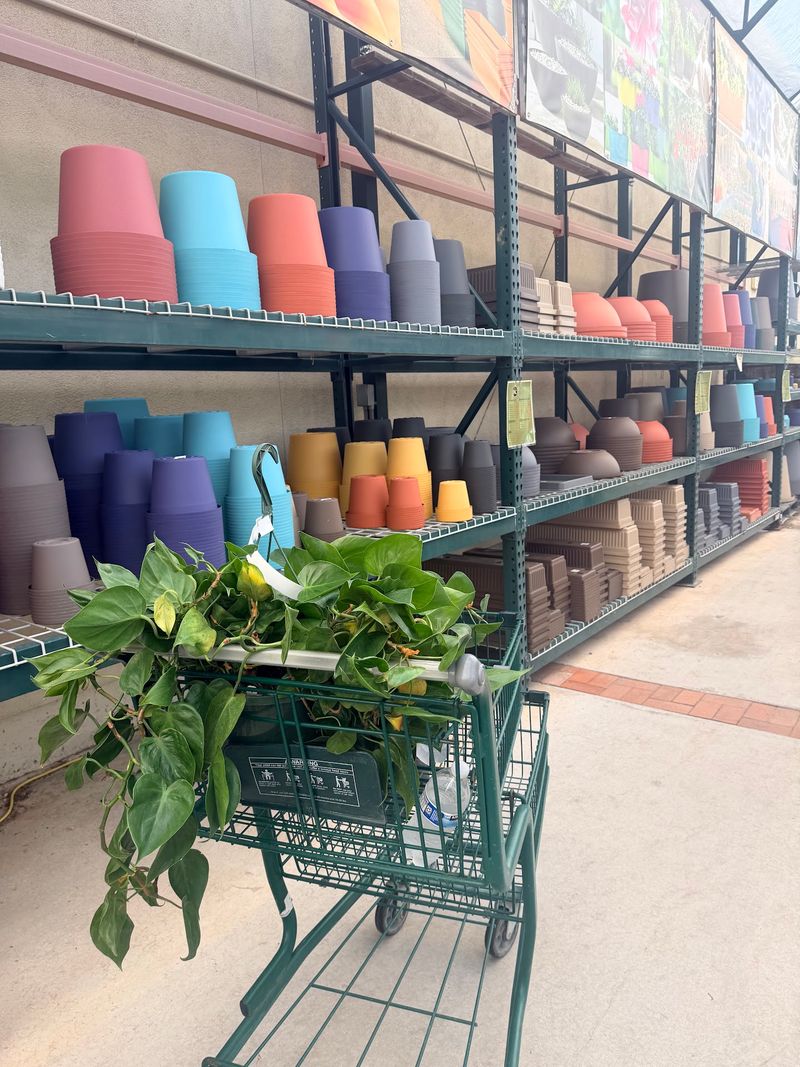
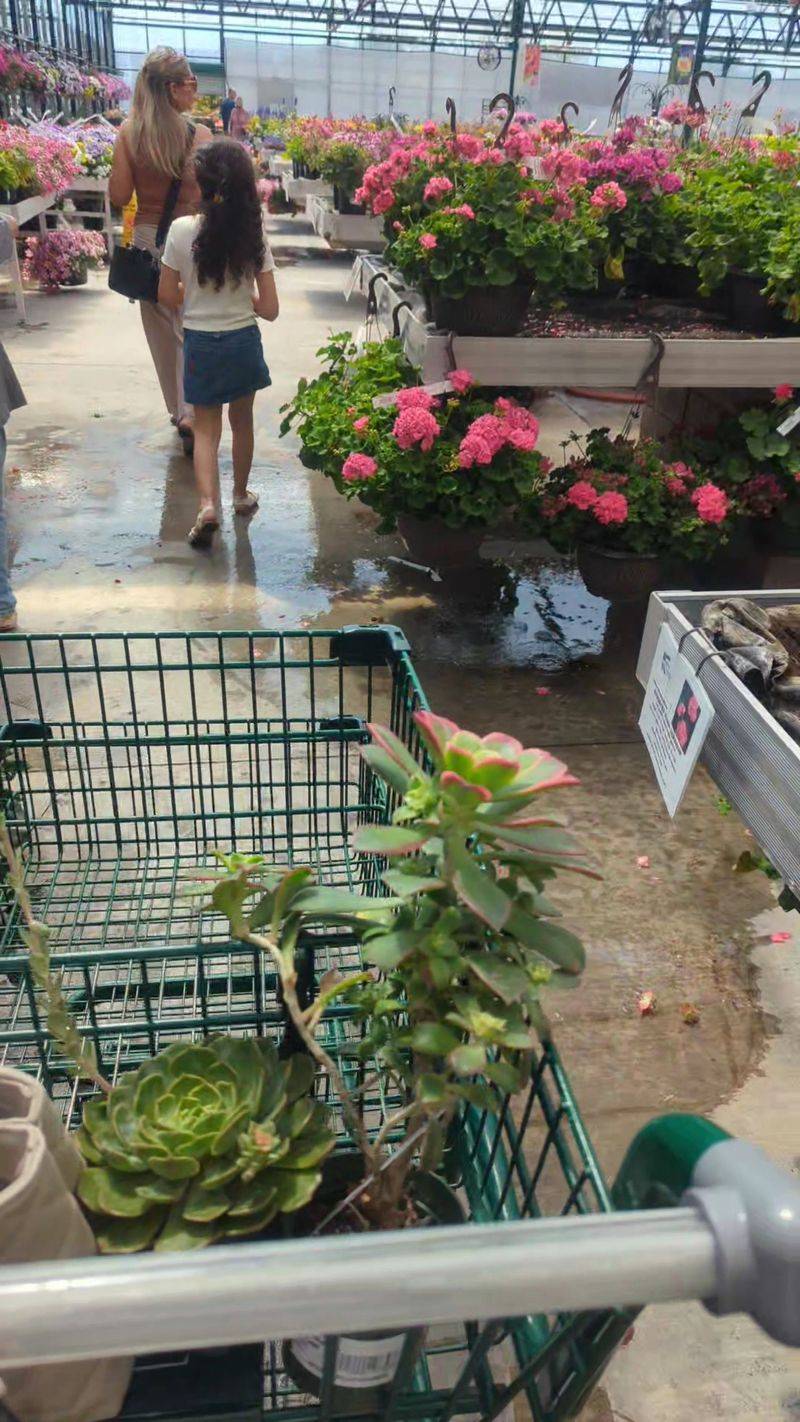
Here is the insider move that makes a big haul painless. Fill one cart, then park it at the cashier with your name, and staff will hold it while you keep shopping.
Grab the small sign in front of the gift shop that reads this cart is being used. Hang it on the cart so nobody mistakes your future garden for an abandoned one.
Shopping for glazed pots takes some technique too. Staff in that department suggest placing pots upside down on the cart so they stay put on the ride to checkout.
One rule matters a lot. Carts are not allowed in the indoor plant section, and there is a sign on the door saying so.
Staff enforce that rule firmly, so leave the cart outside before heading in for houseplants. It saves everyone an awkward moment.
Soil is easy to overlook, but it is stocked in several mixes. Ask which one matches your plant, since the right blend can make a real difference in how well it settles in at home.
When the cart gets heavy, help is usually offered for loading purchases into the car. That alone can save a sore back after an ambitious morning.
5. A Plant Doctor at the Front Desk
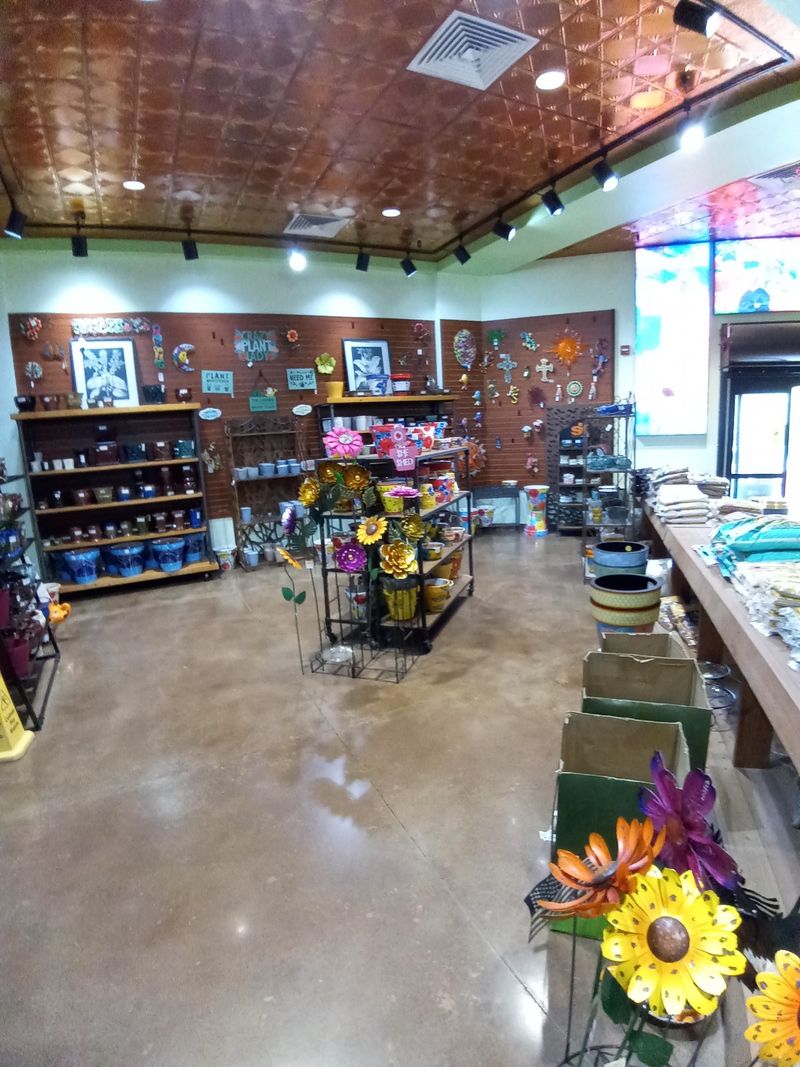
Bring the sad plant along. The information desk near the front can look at a struggling specimen and suggest how to nurse it back.
Botanists and horticulture-minded staff work that desk. They field questions about pests, watering, and which plants actually make sense for a Tucson yard.
Pet owners get useful guidance as well. Staff have helped shoppers sort out plants that are non-toxic for dogs.
Many people credit specific employees with teaching them about palms, cacti and planting basics. For newcomers moving from wetter states, that kind of coaching can turn a bare desert lot into a real garden.
Special orders are possible too. One couple had wedding centerpiece plants ordered, cared for, and delivered on the big day.
Honesty matters, so here is the other side. Experiences with staff vary, and a few shoppers have run into curt or impatient responses, especially in the busier sections.
The cashiers and the info desk tend to earn the warmest words. Starting there is a good bet when you need answers fast.
A green thumb is not required. Plenty of regulars admit they lack one and still come back for the advice.
6. Gift Shop Detours and Rusty Treasures
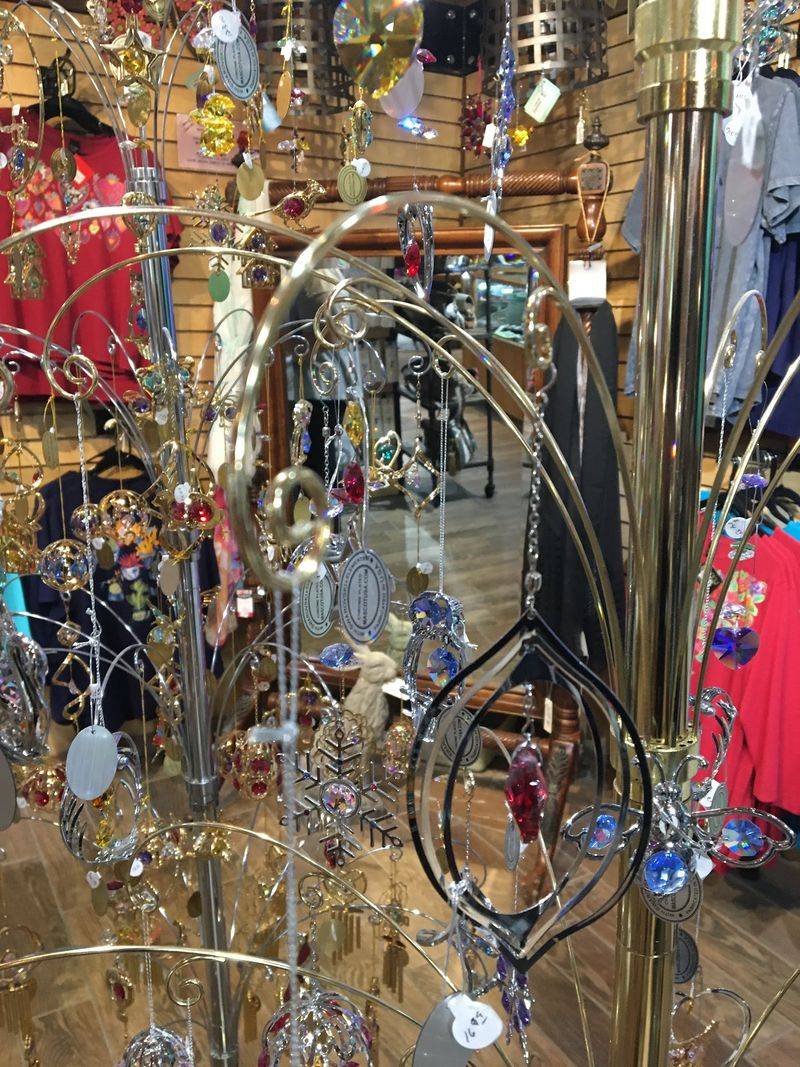
Plenty of shoppers come for a single cactus and leave with a wind chime. The gift shop is that kind of detour.
Wind chimes, garden statues, fountains, decor and seeds fill the shelves. Some people rank the non-plant shopping as even better than the nursery itself.
It works as a gift stop too. Unique items are spread throughout, which helps when a birthday sneaks up.
Outside, antique metal machinery and old tools are tucked among the cacti. They turn an ordinary aisle into something closer to an outdoor exhibit.
The staging gets a lot of credit. Different areas are arranged with care, and many people describe the whole layout as a museum for plants.
Even the restrooms have a following, with decorated, upscale interiors. That said, cleanliness can vary on busy days.
Garden accessories round out the inventory. Pots, soil, starters and tools mean one trip can cover the whole project.
Budget a little extra time here. The gift shop has a way of stretching a quick visit into a long one.
7. Who Will Love It and the Price Reality
Serious plant collectors are the obvious fit. Anyone after rare herbs, tropicals or specific natives will find a lot to work with.
Casual wanderers do well here too. The grounds feel like a park, and strolling for an hour costs nothing.
Families furnishing a new yard benefit from the one-stop setup. Plants, soil, pots and decor all live under one address.
Now the money talk. Prices run higher than big-box stores, and some longtime shoppers say costs have climbed noticeably in recent years.
A small half-gallon plant can land around $40, which stings for budget gardeners. There are also no returns, so a plant that struggles at home is yours to keep.
On the flip side, many buyers report healthy, pest-free plants that survive the move home. Some feel the quality and local ownership justify the difference.
The smart approach is to set a budget before arriving. Wandering is free, and the cart can fill up faster than expected.
Bargain hunters may want to stick with seed packets and small natives. Those offer an easy entry point without a big bill.
8. Timing the Trip Right
Mornings are the sweet spot. The nursery opens at 8 AM daily and closes at 5 PM, including weekends.
After-work trips tend to feel rushed. With a 5 PM close, a weekday evening leaves little time to browse properly.
Weekends get busy, and parking can fill up. Expect a longer walk from a far spot on Saturdays and Sundays.
From central Tucson, the drive east on Speedway is straightforward. Phoenix residents often fold it into a return trip, since it adds a satisfying final stop before the highway home.
Summer calls for an early arrival, ideally right at opening. Bring a hat, and take the water offered to guests.
Fall and winter make the grounds more comfortable for long wandering. Those seasons also suit planting many desert natives.
Overall, the place earns 4.4 stars across more than 800 opinions, which reflects plenty of loyal fans along with a few frustrations. Prices and staff moods vary, but the selection and grounds keep people returning.
For a free morning outing with the option of a cart full of Arizona plants, this east side nursery makes a strong case. Just leave room in the trunk.
Share this story