The streets in this village curve on purpose, and the man who planned them also helped design Central Park. Grid lines were simply not invited.
The whole town was sketched out in 1869 as a neighborhood that would feel like a park. Today it holds National Historic Landmark status, which is rare for an entire community in Illinois.
The details feel lifted from an old fairy tale. A stone water tower rises near the train tracks. A river bends past wooded parkland.
Old homes sit along winding lanes shaded by tall trees.
I like how none of it feels staged for tourists. People actually live here, walk dogs here, and catch the train here. I’d love to wander those winding streets, admire the old stone tower, and see just how many corners look like they belong in Belle’s village.
The Village Built To Feel Like One Big Park
Riverside, Illinois, was planned from scratch in 1869 by Frederick Law Olmsted and Calvert Vaux. Yes, the same duo behind New York’s Central Park.
They wanted a suburb that felt like a countryside retreat. So they skipped the boring grid and drew roads that bend like ribbons.
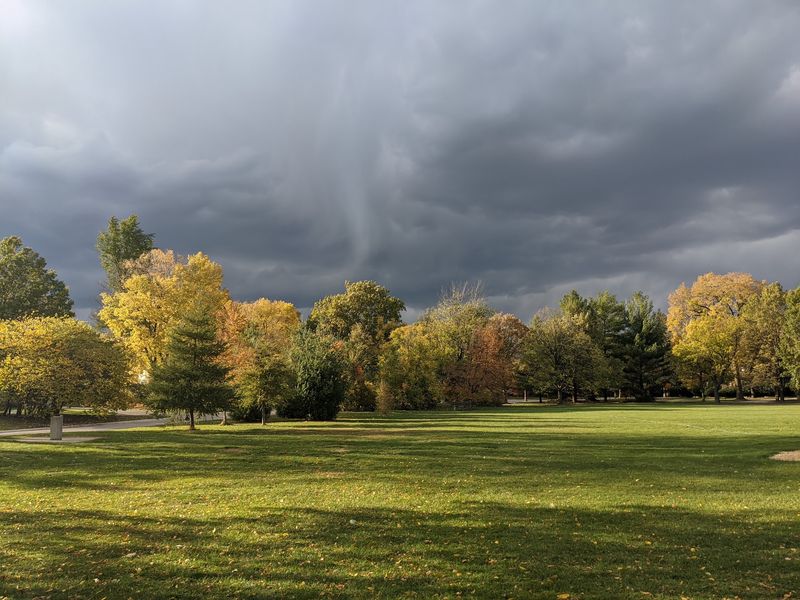
The result still works today. Streets curve gently around triangles of green space, and houses sit back on deep lawns.
Olmsted believed people needed nature close to home. He thought fresh air and open views made daily life calmer and happier.
That idea shaped almost every corner of town. Large public parkland runs along the Des Plaines River, and small green islands pop up at intersections.
In 1970, the community earned National Historic Landmark status. That honor covers the whole landscape plan, not just one building.
Walking here feels like flipping through an old picture book. Every bend reveals another tree, another porch, another little patch of lawn.
Bring comfortable shoes and no strict plan. The streets are meant for wandering, and getting a little turned around is half the charm.
A Stone Water Tower That Looks Ready For A Fairy Tale
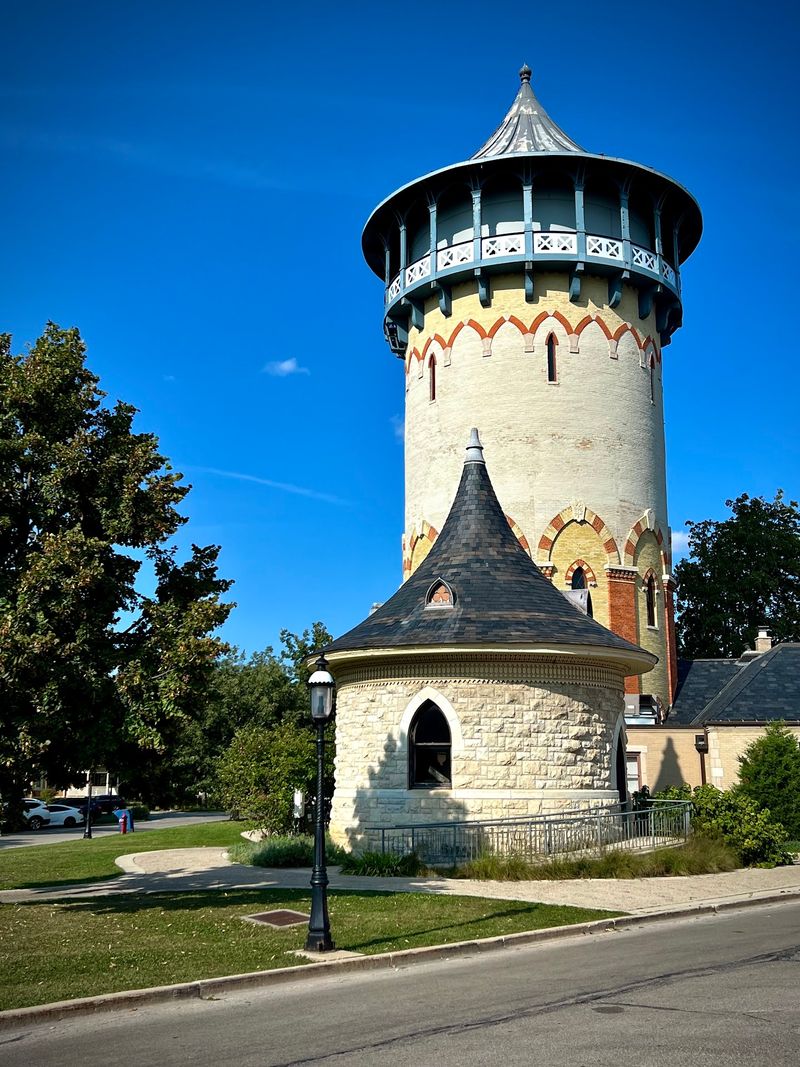
Every storybook village needs a tower, and this one delivers. The Riverside Water Tower stands near the heart of town and steals the skyline.
It dates to the early 1870s. Architect William Le Baron Jenney designed it, and he later became famous for early Chicago skyscrapers.
The tower once supplied water to the young village. Today it works more as a landmark and a symbol of local pride.
Its stone walls and pointed top look straight out of an animated castle scene. Honestly, you half expect a candlestick to wave from a window.
The structure suffered fire damage in the early 1900s. It was repaired, and it still anchors the central area near the train station.
Photographers love the way it frames against the sky. Morning and late afternoon light make the stonework glow a bit warmer.
Look at it from a few different angles before moving on. The trees around it change the whole mood depending on where you stand.
It’s a quick stop, but a memorable one. Few small towns can claim a tower with this much character.
Your Ride In Arrives Right In The Middle Of The Story
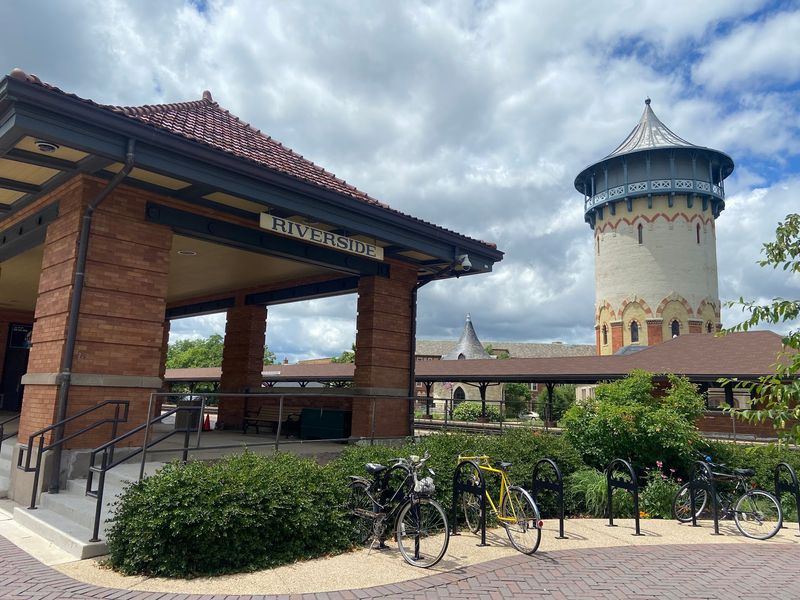
Some towns make you drive forever to reach their charm. Here, a Metra train drops you almost at the front door.
Riverside sits on Metra’s BNSF Line, which connects the village with downtown Chicago. That makes it an easy day trip without a car.
The rail connection was part of the original plan. Olmsted and Vaux pictured a quiet retreat that still had quick access to the city.
The historic depot area sits close to the water tower. Step off the train and the storybook scenery starts immediately.
This setup is great for families. Kids love the train ride, and parents love skipping parking hassles.
Check the schedule before heading out, especially on weekends. Trains run less often then, so planning ahead saves waiting time.
From the station, the central business area is a short stroll away. You can explore shops, parks, and the riverfront all on foot.
Arriving by rail also fits the old-fashioned mood. Honestly, it feels a lot more fitting than circling a parking lot in an SUV.
The River Bend Feels Like Belle’s Favorite Reading Spot
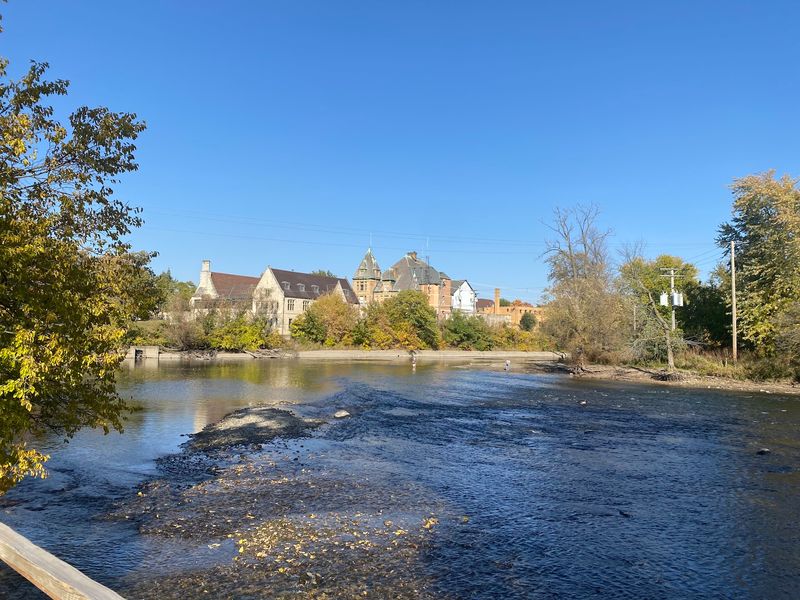
Grab a book, because the riverbank practically begs for one. The Des Plaines River curves right through town, giving the village its name.
Olmsted kept much of the land along the water open for public use. That choice protected wooded banks and quiet views for everyone.
Paths and green space line parts of the river. It’s the kind of place where a slow walk turns into a long one.
Fall brings especially pretty colors to the trees here. Spring is lovely too, when fresh green leaves return.
Swan Pond Park sits along the river and offers open space near the water. It’s a pleasant spot for picnics, strolling, or simply watching the current.
River levels can change after heavy rain. Wear shoes that handle mud, and stay on safe ground near the banks.
Birdwatchers should bring binoculars. A river corridor like this naturally attracts all kinds of feathered visitors.
Honestly, this might be the most relaxing corner of the entire village. Belle would have finished three novels here before lunch.
Frank Lloyd Wright Left His Mark On These Curving Lanes
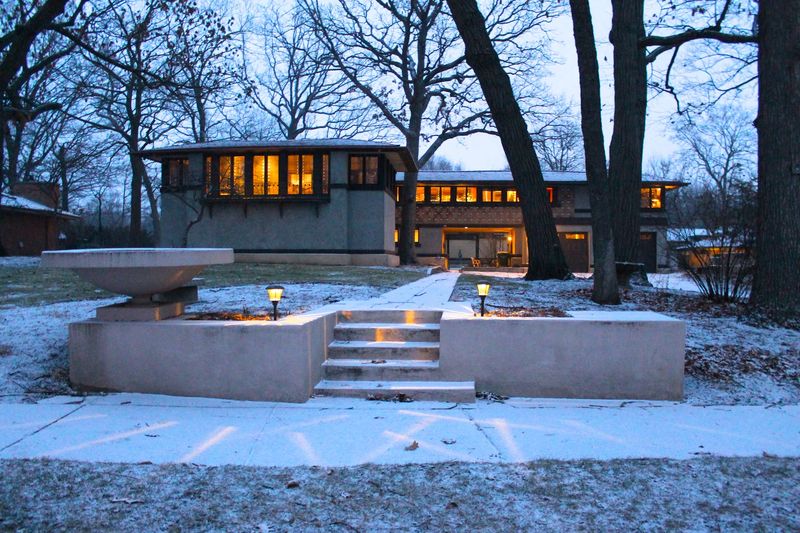
Architecture fans, this one’s for you. Frank Lloyd Wright designed the Avery Coonley House here, completed around 1908.
Many experts consider it one of his finest Prairie School homes. The low lines and wide eaves blend beautifully with the gardens around it.
The Coonley estate is a National Historic Landmark on its own. That means Riverside holds landmark status inside landmark status, which is pretty impressive.
Remember, the house is private property. Admire it respectfully from the street and keep voices low.
Wright isn’t the only big name in town. The village is packed with homes from the late 1800s and early 1900s in many styles.
You’ll spot Victorian details, Prairie touches, and classic early suburban designs. Each street feels a little different from the last.
A self-guided walk is the best way to see them. Take your time and notice rooflines, porches, and old windows.
It feels like a living museum, minus the velvet ropes. Just remember that real people call these homes theirs, so keep it polite.
Little Green Triangles Hide Around Nearly Every Corner
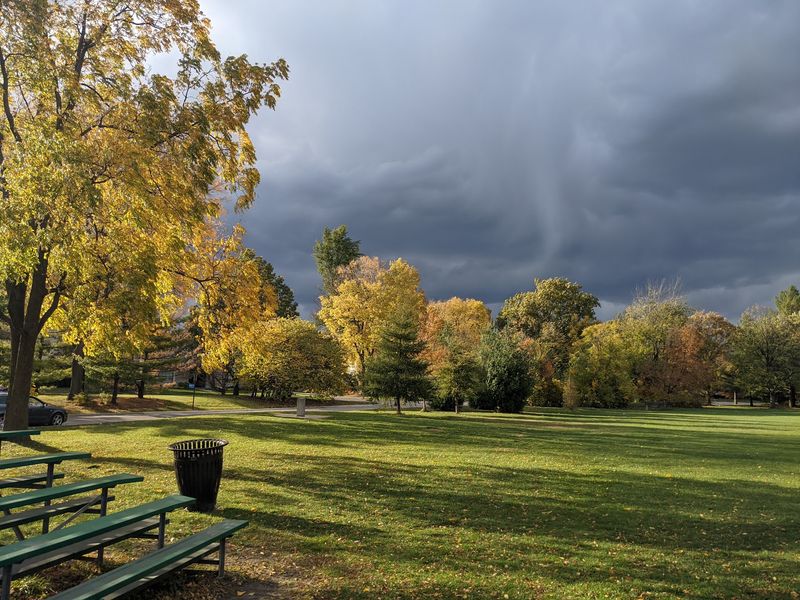
Count the tiny parks on a walk and you’ll lose track fast. Olmsted scattered small green spaces all over the village plan.
Many sit where curving roads meet. These triangles and odd-shaped lawns break up the streets and add shade.
They weren’t an afterthought. The planners wanted green space woven into daily life, not saved for one big park.
Guthrie Park is a well-known spot near the center of town. It’s a pleasant place to pause between sightseeing stops.
Families with little ones will appreciate the open lawns. Kids get room to run while adults enjoy the scenery.
The overall effect is calm and soft. Even busy blocks feel gentler because trees and grass are always nearby.
Pack a small snack and a blanket. A quick break on one of these lawns makes a long walk much more enjoyable.
Please treat these spaces kindly and carry out any trash. The village has protected them for over 150 years, and they deserve another 150.
Downtown Is Small, Sweet, And Easy To Wander
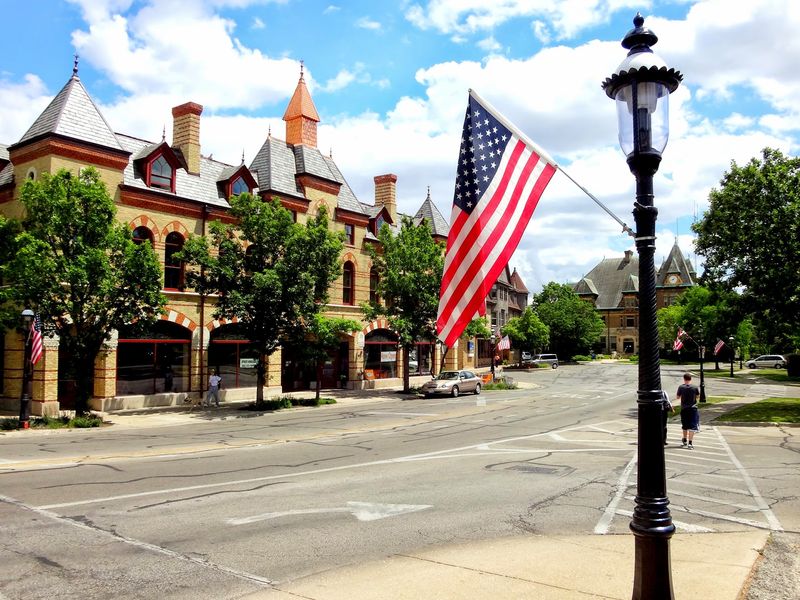
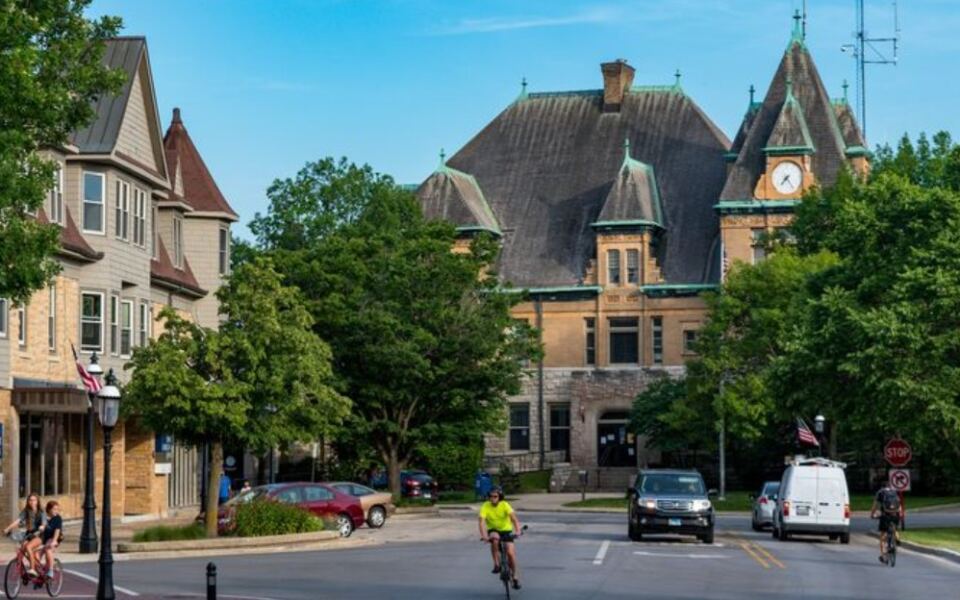
Forget giant malls. Riverside’s central business area is compact, walkable, and full of old-time character.
The historic Arcade Building is a standout here. It dates back to the village’s early years and adds real vintage charm.
Small local businesses line the nearby streets. Wandering here feels more like visiting a neighbor than running errands.
The area sits close to the train station and water tower. That makes it an easy first stop after arriving.
Village Hall is located at 27 Riverside Road, Riverside, IL 60546. It’s a handy reference point when you’re mapping out a stroll.
Shop hours vary, so check ahead before making a special trip. Weekday afternoons and Saturdays usually offer the most to explore.
Supporting local spots helps keep this kind of downtown alive. Picking up a small treat or gift goes a long way.
The whole district takes maybe an hour to explore at a relaxed pace. Then you can head right back toward the river or the leafy side streets.
Brookfield Zoo Sits Practically Next Door

Here’s a bonus most visitors don’t expect. Brookfield Zoo Chicago sits right next to the village.
The zoo is one of the best-known attractions in Illinois. It covers a large campus with animals from around the world.
Pairing the two makes for a full, fun day. Spend the morning with giraffes, then unwind along Riverside’s quiet streets.
Families love this combo. Kids get wild animals, and grown-ups get historic charm and calm green space.
Check the zoo’s current hours and ticket details before going. Seasons and special events can change the schedule.
Arriving early usually means cooler temperatures and more active animals. Summer afternoons can get warm, so pack water.
The neighboring village of Brookfield also has its own Metra stop. That makes car-free planning possible if you map it out.
After a busy zoo visit, Riverside feels like a soft landing. Few things beat a slow riverside walk after hours of chasing excited kids around exhibits.
Every Season Gives The Storybook A New Chapter
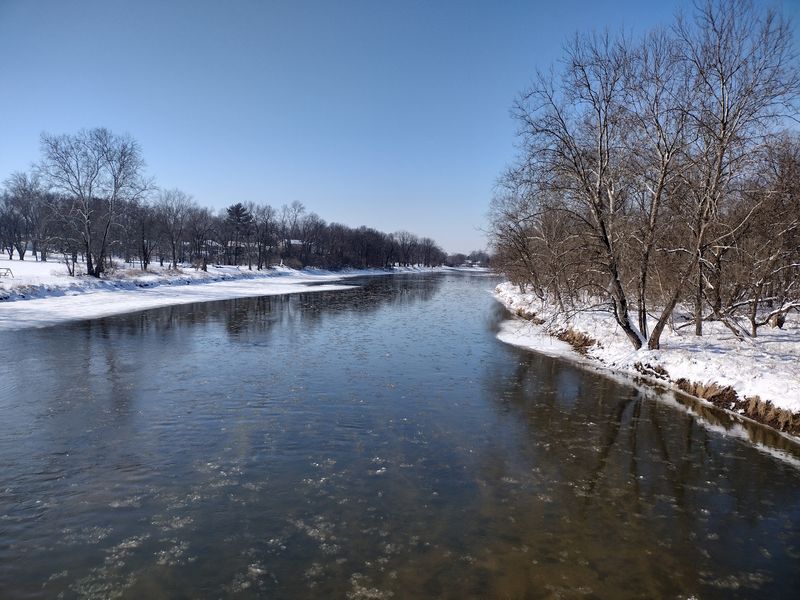
Autumn might be the showstopper. Mature trees across the village turn bright shades that frame the curving streets beautifully.
Winter brings a quieter magic. A fresh snowfall on old homes and the stone tower looks downright enchanted.
Spring wakes up the riverbanks and small parks. Fresh blossoms and new leaves make every walk feel brand new.
Summer offers long evenings and plenty of shade. It’s the easiest season for picnics and slow river strolls.
The village also keeps its history alive through groups like the Frederick Law Olmsted Society of Riverside. They work to protect and celebrate the original landscape plan.
Community events pop up throughout the year. Check the village’s official channels for current dates before you visit.
Bring a camera no matter when you come. Riverside, Illinois, changes its look so much that repeat visits feel like new stories.
I believe that’s the real secret here. The village never stops being a fairy tale, it just flips to a fresh page each season.
Share this story