Out in the farm country west of Portland, a family dairy runs its milk shop on trust, glass bottles, and a barn door that stays open to anyone curious enough to wander in. Families drive out for half gallons and leave having petted a calf. The farmstand keeps long hours every single day of the week, which makes it one of the easiest places in Oregon to buy milk straight from the cows that made it.
Here is what makes this small farm worth the short drive, and what to know before you go.
A Farmstand at the End of a Country Driveway
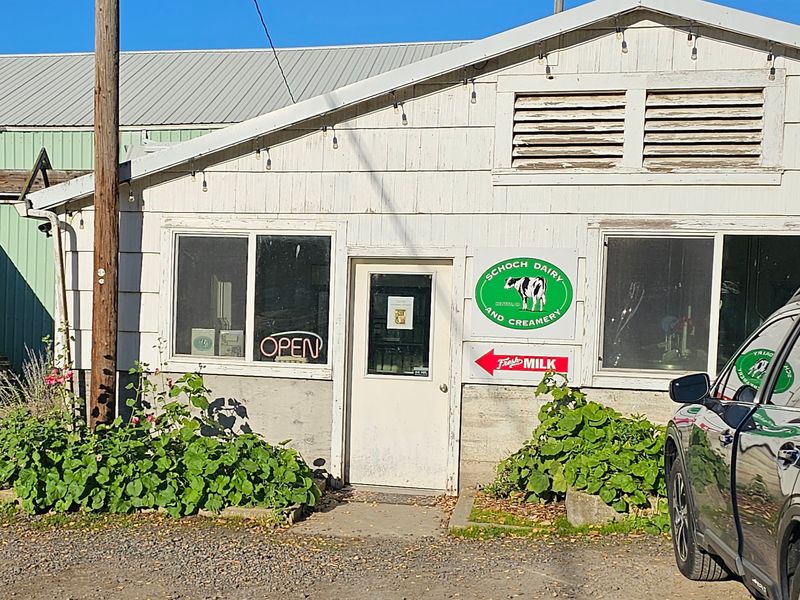
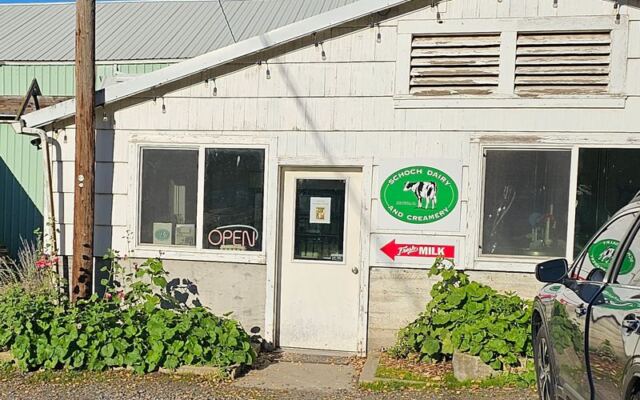
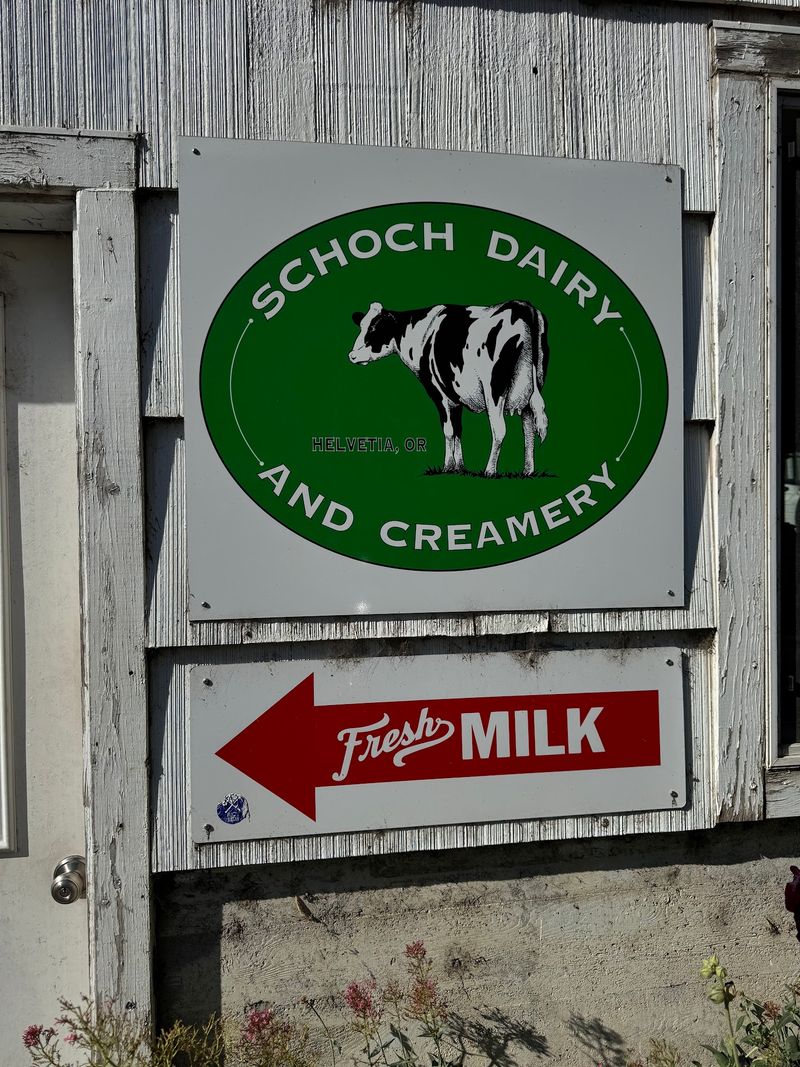
Plenty of first-timers hit the brakes halfway up the drive, convinced they have turned into a stranger’s yard by mistake. They have not. The road leads to Schoch Dairy & Creamery at 24335 NW West Union Rd, Hillsboro, OR 97124, a working family dairy farm in the rural Helvetia area of Washington County.
Yes, the path does pass the family home. That is part of the deal here, and it is completely fine.
The farmstand sits in the back, attached to the barns where the herd lives. Customers park, walk in, grab their milk, and often keep walking straight into the barn to meet the cows.
A quick clarification about that headline is only fair. The shop does not stay open around the clock, and there is no midnight milk run here. What it does offer is something almost as handy: it opens at 7 AM and closes at 9 PM, seven days a week, with no day off on the calendar.
For a farm stand, those hours are generous. Early commuters, after-dinner errand runners, and weekend families all fit inside that window.
The setting is simple and unfussy. There is no gift shop maze or ticket booth, just a farm, a stand, and a lot of cows going about their business a few steps away.
Sixty Cows and One Family Name
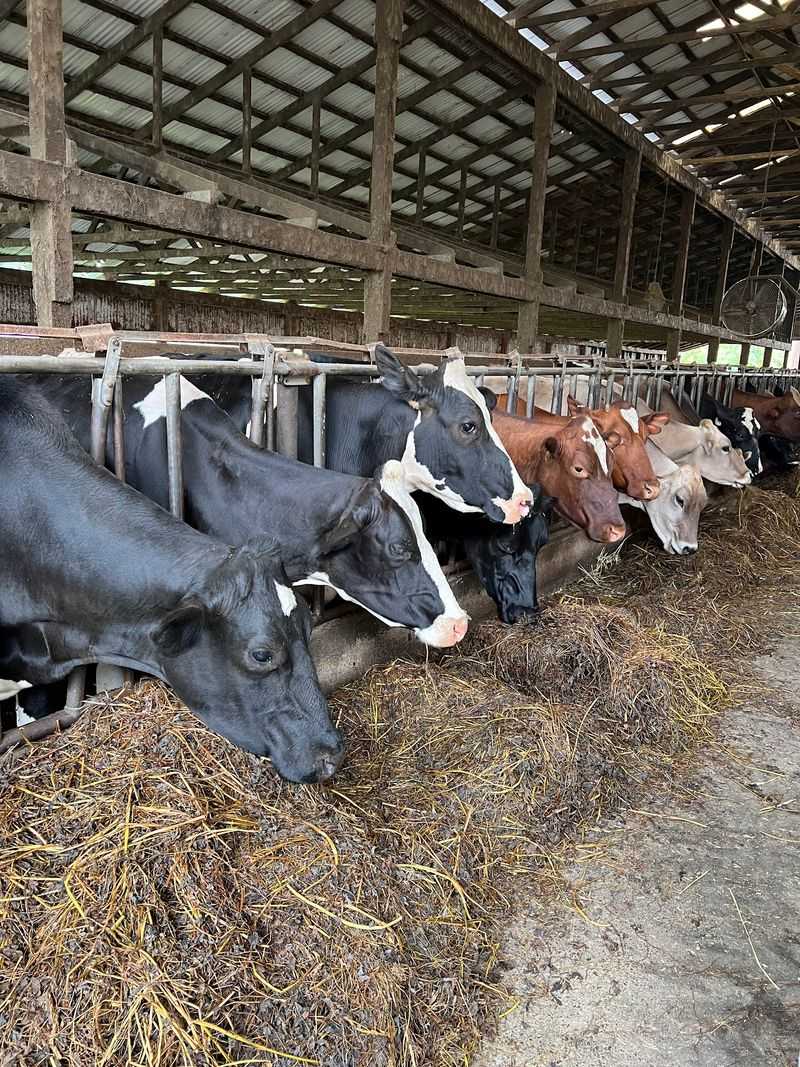
Behind every bottle on the shelf stands a herd of about 60 dairy cows. That number matters, because it keeps the operation small enough that the family behind it still knows the animals and the customers alike.
The Schoch family runs the farm, and their name is right there on every label. In replies to their community, they have said they love the people they meet and the chance to teach folks about dairy.
That teaching streak shows up in how open the place is. Rather than hiding the barns behind a fence, the family lets customers see exactly where the milk begins.
Many Oregon residents worry about familiar local businesses fading away. Here is one that is still going, still family-run, and still selling milk from its own barn to its own neighbors.
Some households live a few minutes away and come back every week. Others first found the milk through a workplace that bought it for the office fridge, then went looking for the source.
During the pandemic, one Portland-area company even shared a list of local businesses it supported, and the dairy was on it. That kind of word-of-mouth loyalty is how a small farm keeps its doors open for decades, one weekly bottle at a time.
Milk the Slow Way
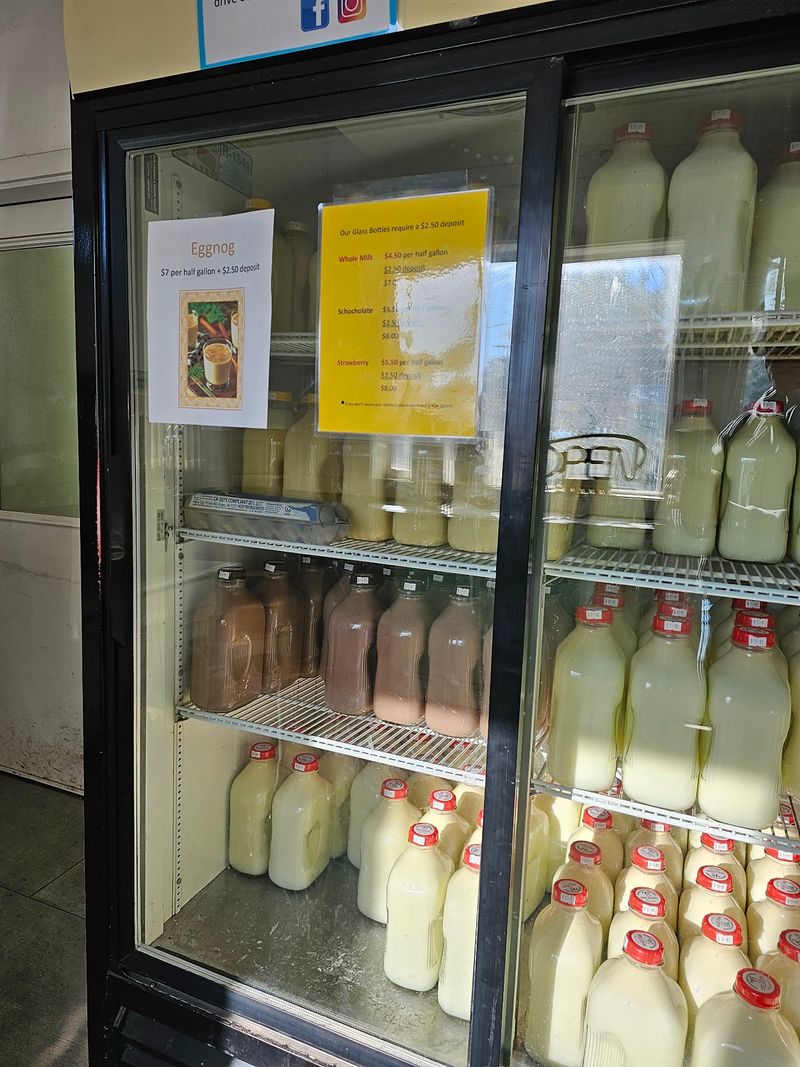
Most grocery store milk is heated fast and hot so it can move through a plant quickly. Schoch takes the opposite route, pasteurizing at lower temperatures over a longer stretch of time.
Fans of the farm believe this gentler method helps hold onto more of the milk’s nutrients. Whatever your view, it is a clear and deliberate choice by the family.
The milk is also not homogenized. That means the cream is left to rise on its own instead of being forced back into the milk by machinery.
Home cheesemakers have noticed this detail. Non-homogenized milk is a popular pick for anyone who wants to try making cheese in their own kitchen.
Whole milk is the steady favorite here, and many people say they now drink a cup every single day. Some longtime customers even say they have stopped buying store milk altogether.
People who grew up on dairies in other states mention that this milk feels like a return to what they had as kids. That nostalgia is a big part of the draw.
Pasteurized, cream-topped, and bottled steps from the barn, it is about as close to the source as most city dwellers can get.
Chocolate, Strawberry, and the Cheese Cooler
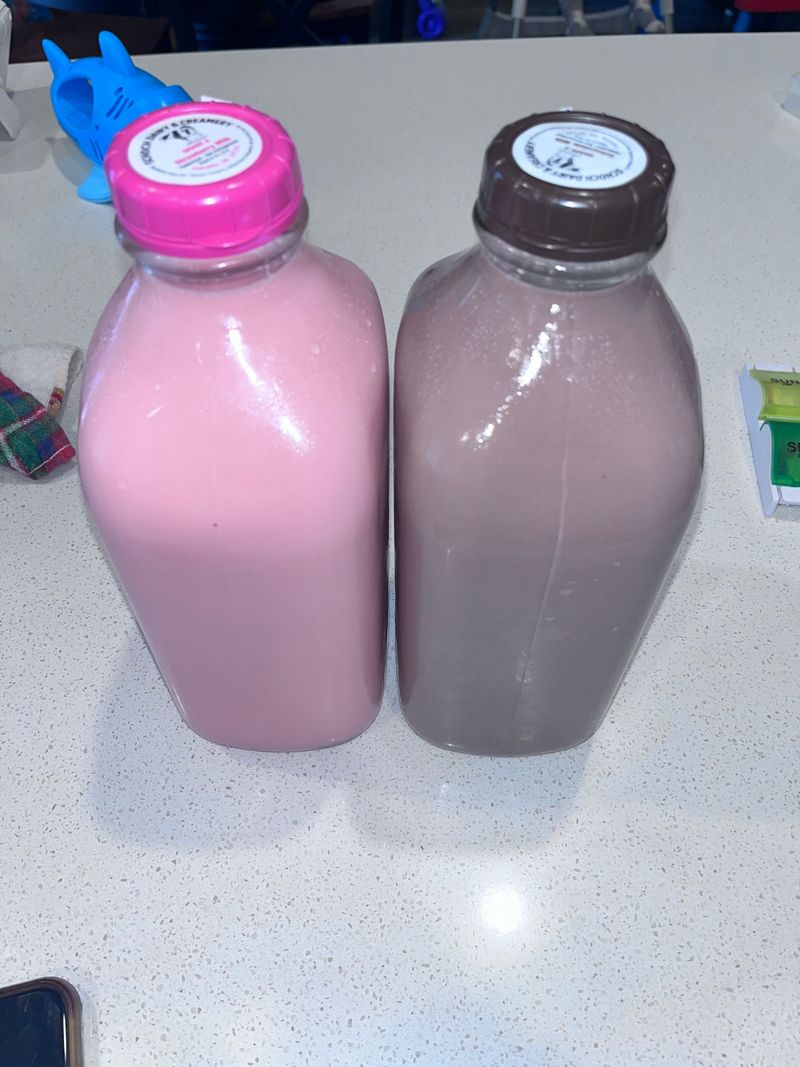
Plain milk may pay the bills, but the flavored bottles get the fan mail. Chocolate milk is the single most talked-about item at the farm, and strawberry milk has a devoted crowd of its own, especially among kids and grandkids.
Not everyone agrees on strawberry, of course. Some regulars skip it and stick with the regular and chocolate versions, which is a perfectly respectable milk-based opinion.
A few health-minded shoppers point out the ingredient lists on the flavored milks. Anyone who cares about that can simply read the label before choosing.
Then there is the cheese. The coolers carry cheese alongside the milk, and plenty of first-time shoppers leave planning to grab some on the next trip.
Some customers like to sample different varieties before deciding what goes home with them. Narrowing it down is often the hardest part of the visit.
Beyond dairy, the stand also stocks goods from other small local producers, along with eggs and a few handmade items. Buying here spreads a little support across several neighboring businesses at once.
It is a short shelf, not a supermarket aisle. That focus is exactly the appeal.
The Honor System Still Works Here
Trust is the main currency at this farm stand. The shop is self-serve, so customers walk in, pull bottles from the grab-and-go coolers, and pay on their own.
Payment is easy. Cash and cards both work, and Venmo is accepted as well, which comes in handy when nobody has bills in their pocket.
Often there is no one behind a counter at all. Some families say they like it that way, since it lets them shop and explore at their own speed without feeling rushed.
When staff are around, they tend to be friendly and happy to explain how the dairy works. The family has made education part of the experience.
An honor system like this says a lot about a community. It only lasts as long as people respect it, and this one has clearly held up.
For residents watching familiar places disappear, it is a quiet reminder that some old-fashioned ways of doing business are still alive in Washington County.
So bring a card, a phone, or some cash, take what you need, and settle up before you leave. The cows are counting on you, sort of.
What a Half Gallon Costs in Glass
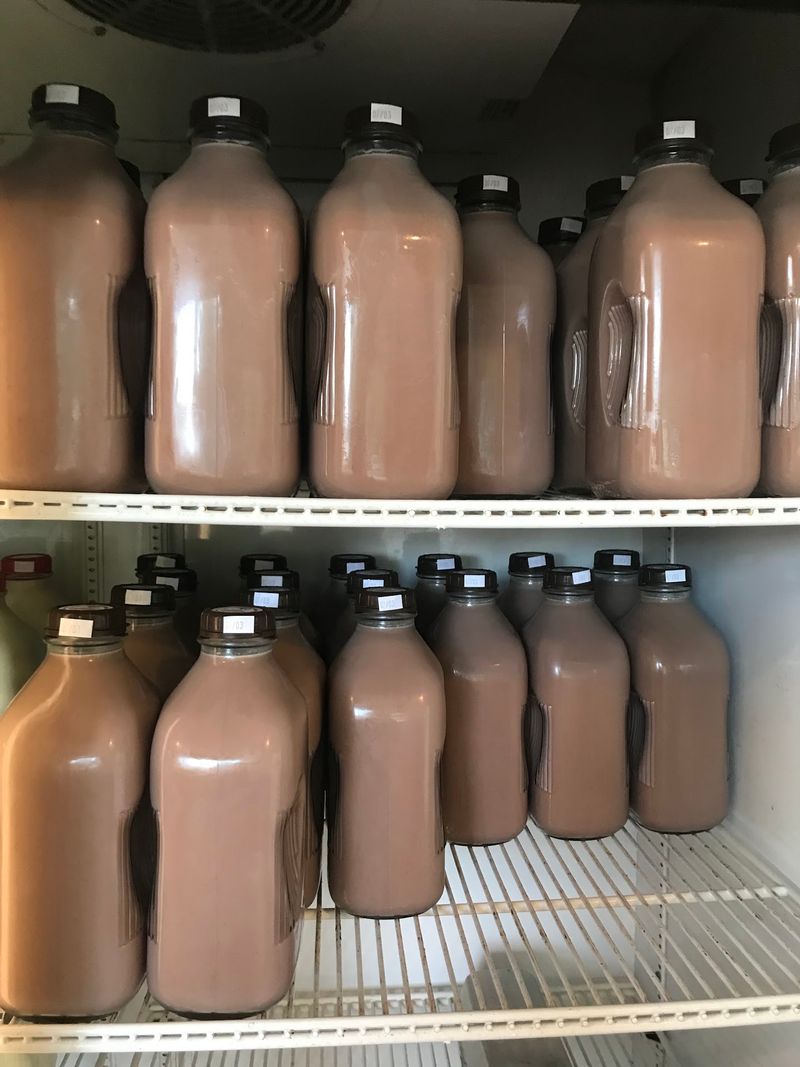
Grocery bills keep climbing for Oregon households, so the actual numbers here are worth spelling out. A half gallon of whole milk runs $4.50.
The first time, there is also a $2.50 deposit on the glass bottle. It is a one-time charge per bottle, not a fee that sticks around forever.
Bring that bottle back washed, and you pay only for the milk on your next visit. Regulars build a little rotation of clean bottles at home and swap them each week.
That system keeps costs predictable and cuts down on waste. It also turns a milk run into a small habit rather than a one-off purchase.
Many shoppers describe the farm’s prices as fair, especially for milk coming straight from a local herd. It is not bargain-bin cheap, but it is a straightforward price for a product made a few yards from the register.
A tip for first-timers: buy what you will actually finish, then plan your return around the empty bottles. Forgetting them in the car is a rite of passage.
Small, steady purchases like these are a big part of what keeps a family dairy in business year after year.
Calves, Barns, and Very Patient Cows
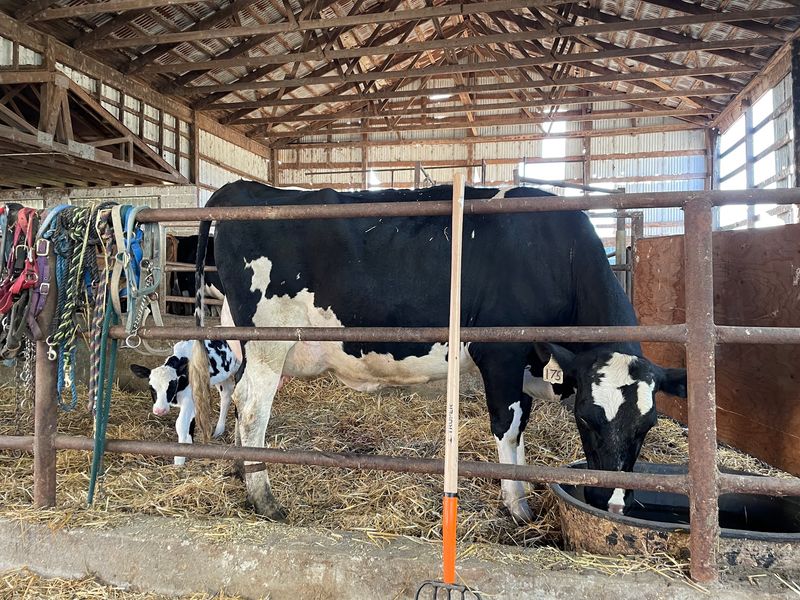
Ask any kid what they remember about the trip, and the answer will not be the price per half gallon. It will be the cows.
Customers are welcome to walk into the barn, say hello to the herd, and pet the animals. Feeding the cows is allowed too, and it is often the highlight for toddlers.
Baby calves are a frequent bonus. They stay with their mothers for a period, so there is a good chance of spotting a newborn on any given day.
Parents describe watching the calves as both fun and educational. Children get to see, up close, where the stuff in their cereal bowl actually comes from.
Some families plan whole celebrations around it. One young birthday girl simply asked to go see cows, and this was the place that made it happen.
There are no admission fees for the barn visit. It is just part of stopping by the farm.
Please be respectful, keep small hands gentle, and remember that this is a working dairy, not a petting zoo. The herd is famously easygoing, and everyone wants to keep it that way.
Right on the Road to the Coast
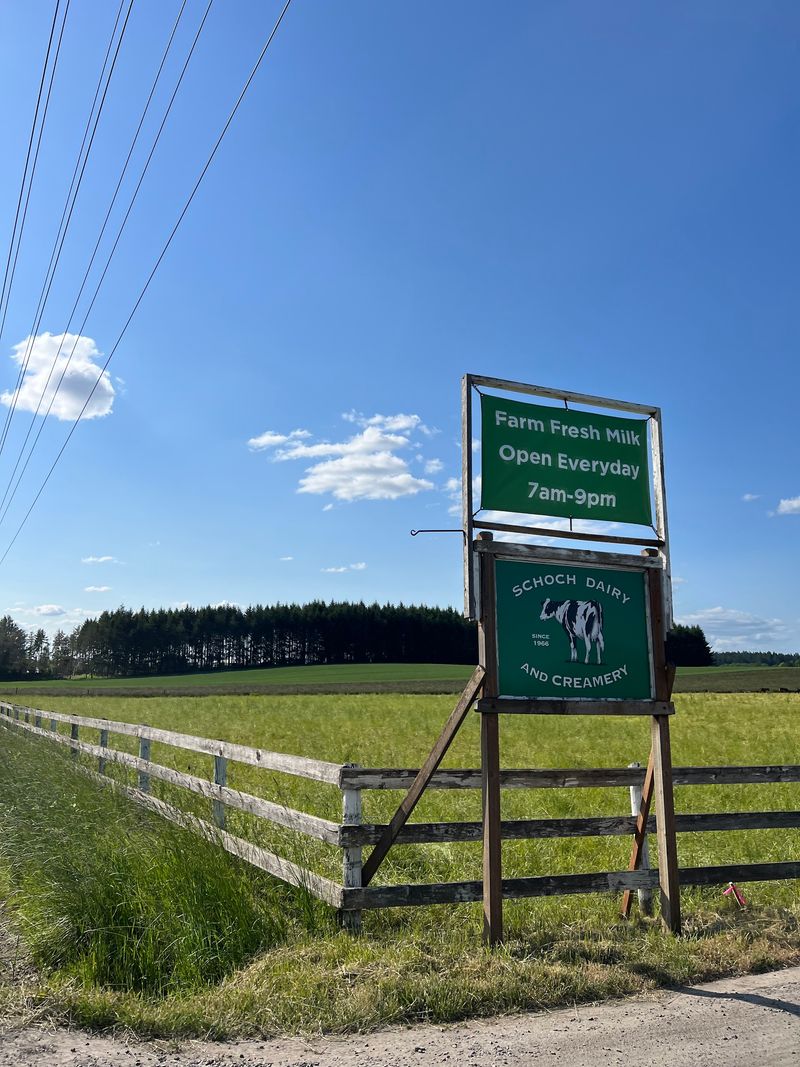
Convenience is a sneaky part of this farm’s charm. The dairy sits less than five minutes off the highway, so it slips easily into a bigger day out.
Beach-bound travelers heading toward the Oregon coast like to swing by, split a half gallon in the car, and keep driving. It makes for a very wholesome pit stop.
Locals in Hillsboro and the Helvetia area treat it as a regular errand. Some live just minutes away and stop in every week.
Families also bring out-of-town relatives here as an easy outing. It shows guests a slice of rural Washington County without a long drive from the Portland suburbs.
The atmosphere is casual and laid-back. Nobody needs to dress up, book ahead, or plan around a tour schedule.
It suits young families, home cooks, cheese-making hobbyists, and anyone who wants to know exactly where their milk came from. It also suits people who just like cows, which is a larger group than you might think.
A visit can take ten minutes or an hour, depending on how long the calves hold your attention.
Worth Keeping Around
Small family dairies are not as common as they used to be, which is exactly why this one deserves a spot on your regular route.
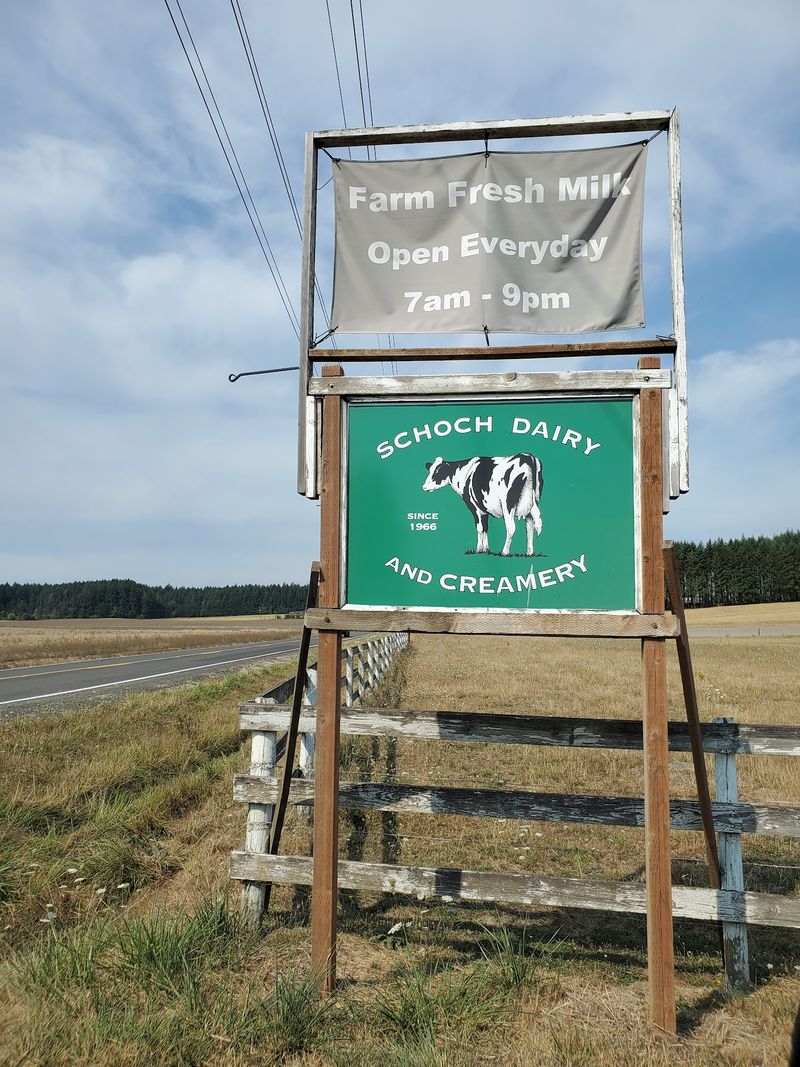
Here is the practical rundown. The farmstand is open every day from 7 AM to 9 PM, it runs on a self-serve honor system, and it takes cash, cards, and Venmo.
A half gallon of whole milk costs $4.50, plus a one-time $2.50 bottle deposit that you skip by returning a clean bottle. Chocolate and strawberry milk, cheese, and local goods round out the coolers.
The barn is open for saying hello to the herd, and calves are often on site. Kids get a farm lesson, and adults get a quiet break from town.
So no, the cows will not be waiting for you at midnight. They do keep generous hours, though, and nine o’clock is late enough for most milk emergencies.
Communities keep places like this alive by showing up, bringing bottles back, and telling friends. The Schoch family has kept the barn door open for the neighborhood.
Returning the favor costs about the price of a half gallon. That is a pretty good deal for keeping a piece of Oregon farm life in the family.
Share this story