A small Ozark town tucked between valleys and natural springs just landed on a list of the best places to live in Arkansas. Most people driving through Washington County would never guess it. Its story runs from lime mining to a busy mill to fresh trout.
Here is a look at what makes this community worth knowing, and what to expect if a weekend trip is on the calendar.
Finding Johnson on the Arkansas Map
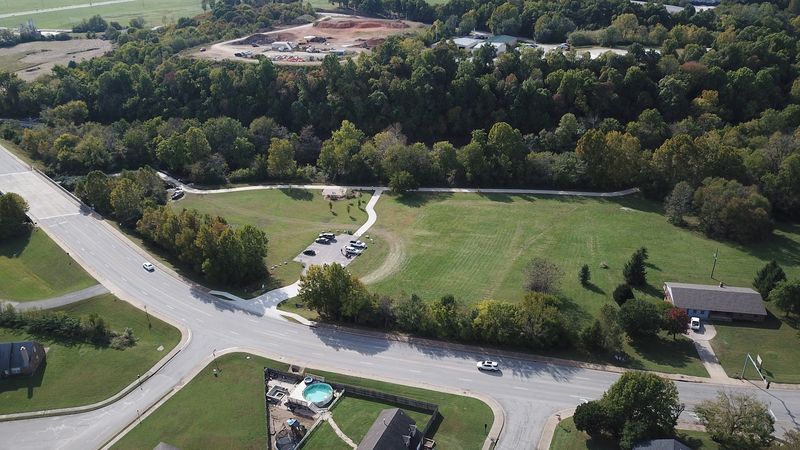
Johnson is a city in Washington County, Arkansas, United States. The community sits in the Ozark Mountains, in the northwest part of the state.
Its official website is cityofjohnson.com, which is the best place to start for local updates. The map pin for the town lands near 36.13 degrees north, which places it in the heart of the Ozark region.
The data available for this town is short and sweet, and that fits the place. It is a small city, and its identity comes from the land around it more than from big attractions.
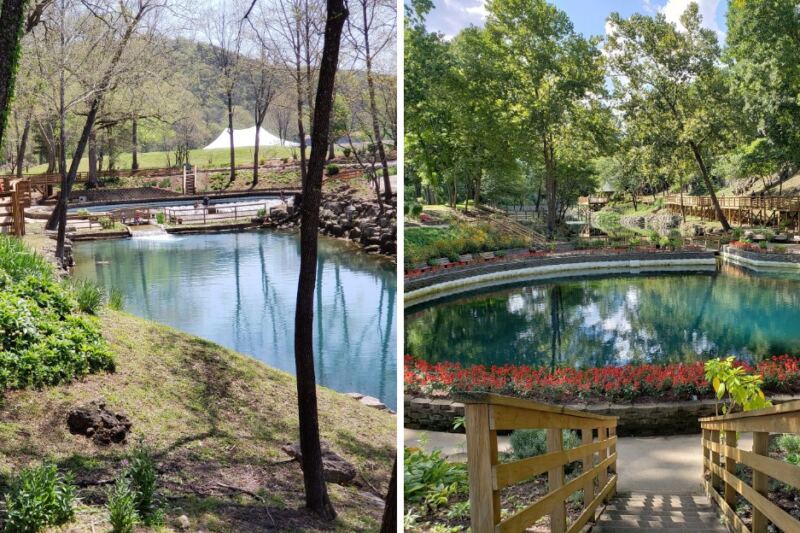
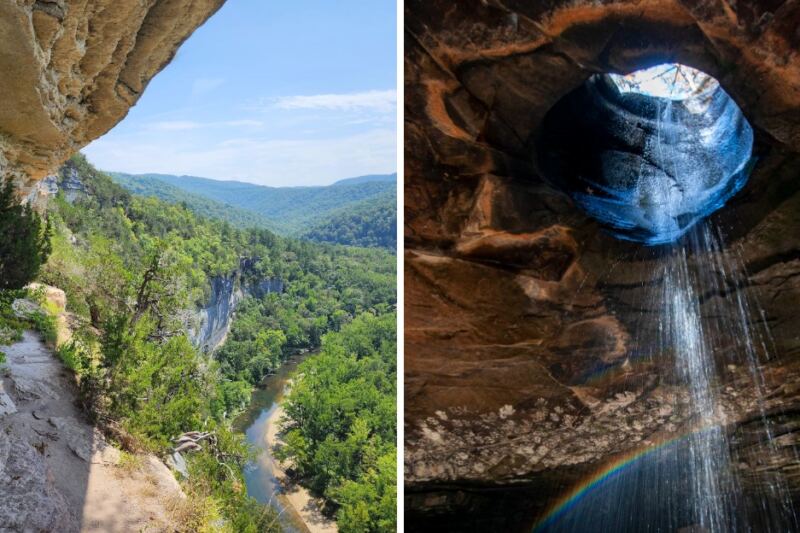
Here is the basic picture. Valleys wrap the community, natural springs feed the area, and the Ozark hills frame everything. That mix of terrain shaped how the town started and still defines how it looks today.
For readers new to northwest Arkansas, Johnson is a name worth adding to the list. It rarely gets the spotlight, yet it now has a spot among the best places to live in the state.
Where the Ozarks Cradle a Town
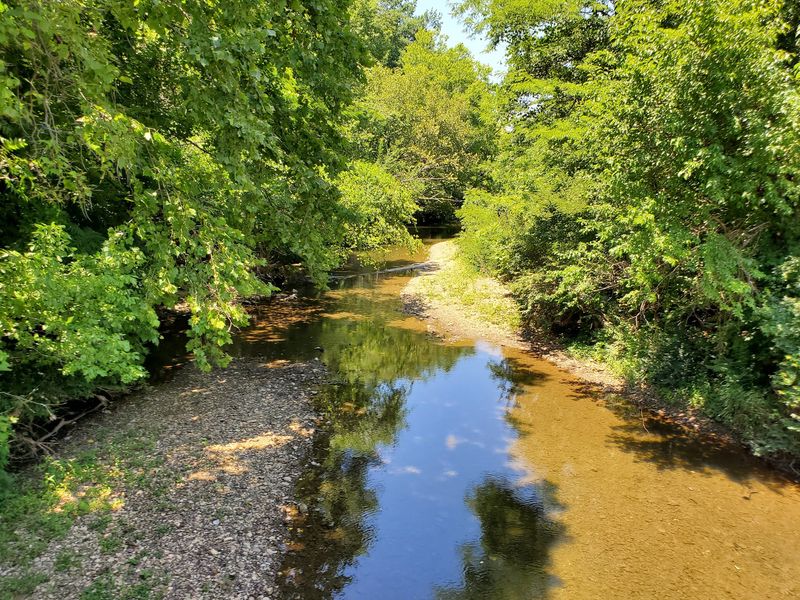
Valleys do a lot of the talking here. Johnson is surrounded by them, and the Ozark Mountains rise around the community.
That setting is more than a backdrop. Early settlers looked at the land and saw opportunity in what it offered.
The terrain brought natural springs into the picture too. Water bubbling up from the ground gave the area a resource that shaped daily life and local work.
Anyone curious about why a town ends up where it does will find a clear answer in Johnson. The hills, the valleys, and the springs all lined up to make a workable home base.
Today the same landscape gives the city its character. Arkansas has plenty of mountain scenery, yet this corner keeps a quieter profile than the better known Ozark stops.
Springs That Started It All
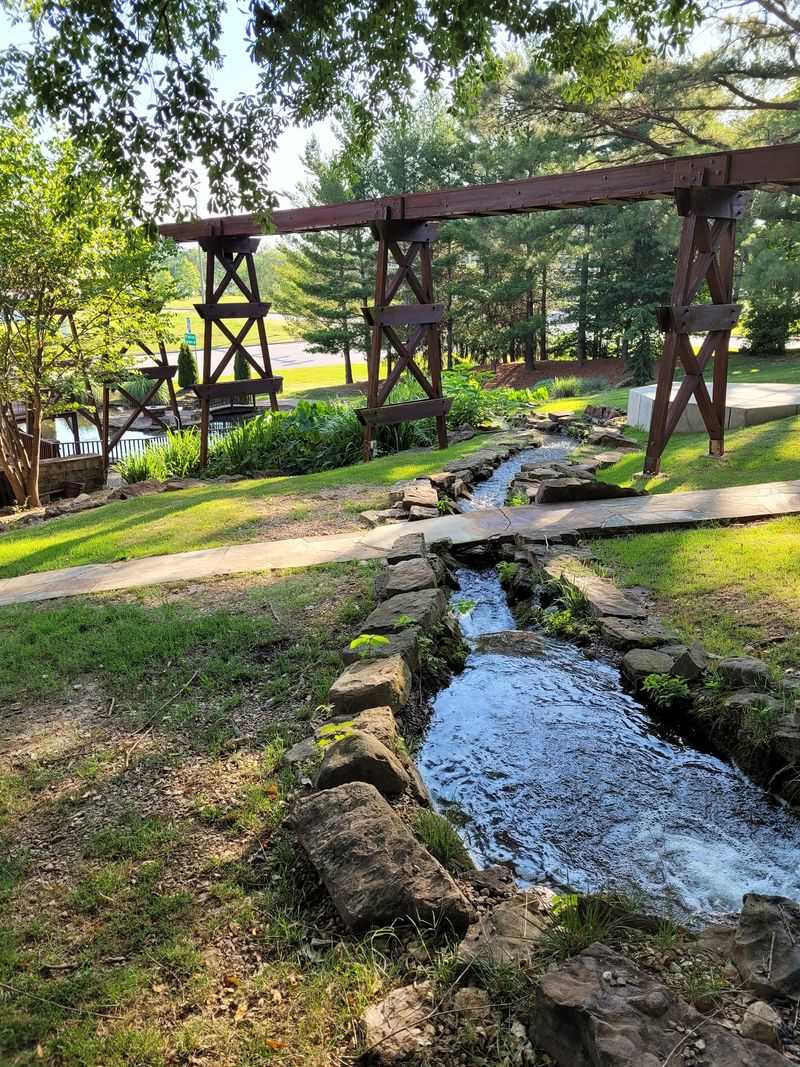
Natural springs are part of Johnson’s origin story. The community is surrounded by them, and early settlers made use of that water.
Springs and valleys together created the conditions for the town’s first businesses. Without them, the local economy might have looked very different.
It is a tidy lesson in how geography writes history. A reliable water source can anchor a settlement, and in the Ozarks that has happened again and again.
For modern residents, the springs remain a defining feature of the area. They tie the present day community to the people who arrived first and decided to stay.
Curious travelers can use this thread to understand the whole region. Follow the water, and the story of Johnson comes into focus.
A Lime Mining Past
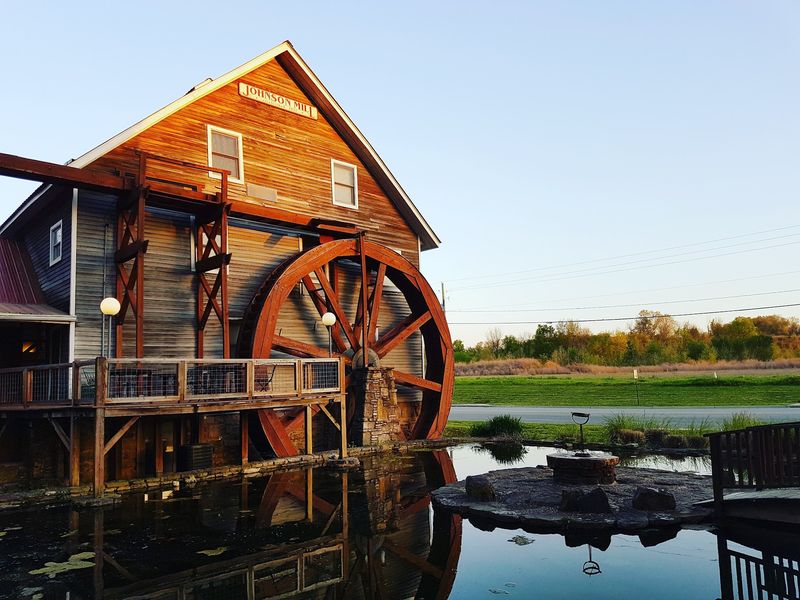
Long before anyone ranked towns, Johnson earned its keep by mining lime. Early settlers built an economy around it.
The Ozark hills hold plenty of stone, and the community put that resource to work. Lime mining became one of three pillars of the local economy.
That industrial chapter adds depth to a town that might otherwise look purely rural. Work here once meant digging, hauling, and processing material from the ground.
It also shows how practical the first residents were. They studied what the land offered and built livelihoods from it.
Though the data does not spell out how long mining lasted, its place in the town’s early story is clear. It is a fact worth knowing before exploring the area.
The Johnson Mill Legacy
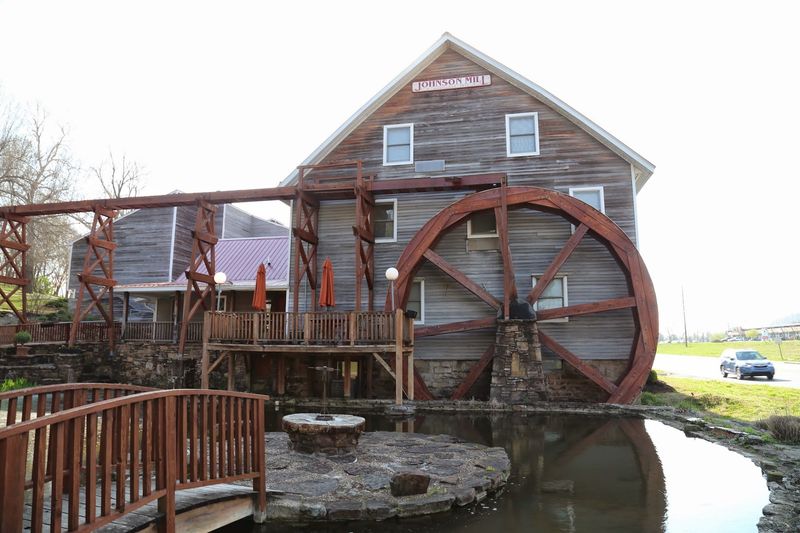
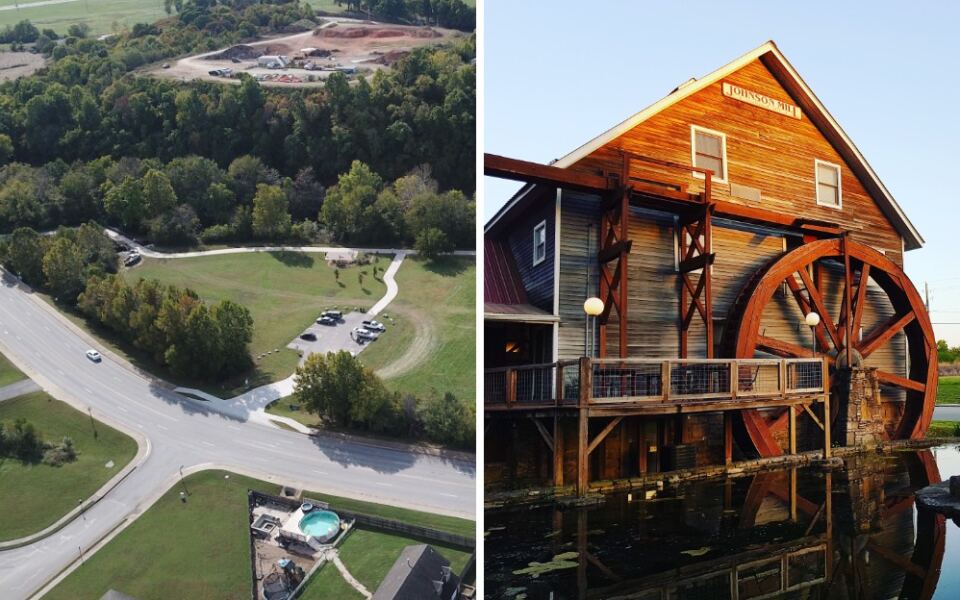
A mill gave the town part of its name recognition. The Johnson Mill stands as the second pillar of the early economy.
Mills were gathering points in many American communities, and this one helped anchor local commerce. Settlers relied on the springs and valleys to keep operations running.
The mill shows how the town’s three early industries fit together. Water, stone, and skilled work all played a role.
History fans will appreciate this layer of the story. It connects a modern small city to a time when a single mill could shape daily routines.
Details beyond its role in the economy are not covered here, so the focus stays on what is known. The mill remains a key chapter in the town’s past.
Trout and Cold Water Roots
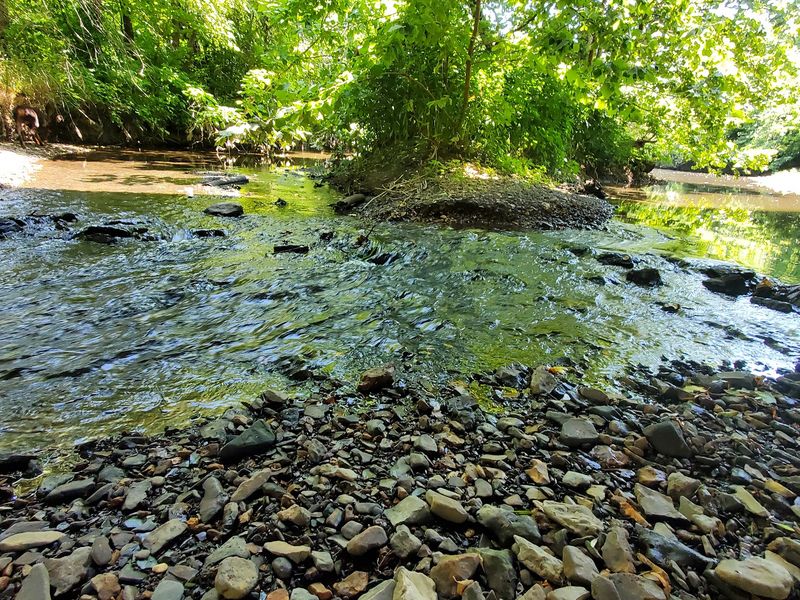
Trout rounded out the early economy. Along with lime and the mill, the fish helped settlers build a living.
Spring-fed water is a natural fit for that kind of work. The same springs that surround the community made the trout industry possible.
It is a neat trio. Stone from the ground, power from the mill, and fish from the water all shaped the town.
Readers who enjoy local heritage will find this part of the story memorable. It shows a community that made the most of its surroundings.
No current trout attractions are listed in the available data, so this stays a piece of history. Even so, it helps explain the town’s identity.
Small Town Living in Washington County
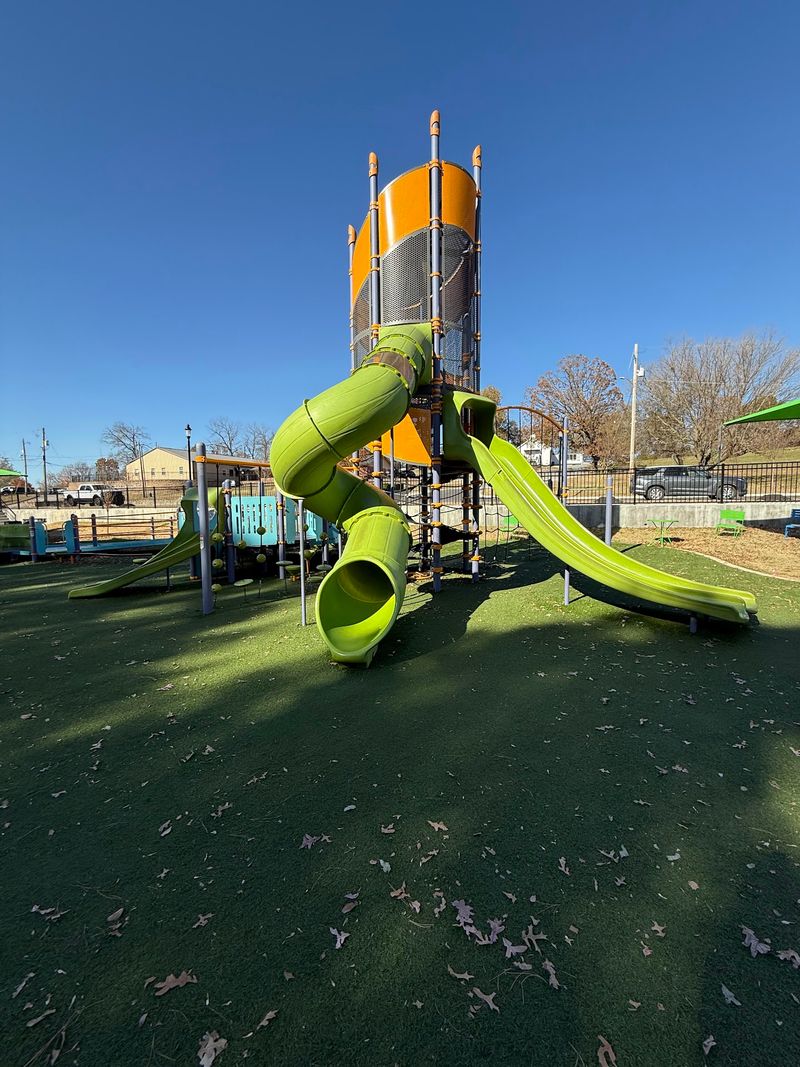
Life here moves at a smaller scale. Johnson is a city in Washington County, close to the larger communities of northwest Arkansas.
That position gives residents a quiet home base with the wider region nearby. The Ozark setting adds a steady backdrop of hills and valleys.
Recognition as one of the best places to live in Arkansas suggests the town has qualities residents value. The available data does not list specific statistics, so the story rests on its setting and history.
Families and adults alike can find a fit in a community like this. Quiet streets and a mountain setting appeal to many different households.
Anyone weighing a move or a weekend visit can treat Johnson as a place to watch. It has a calm profile and a deep local story.
Planning a Visit
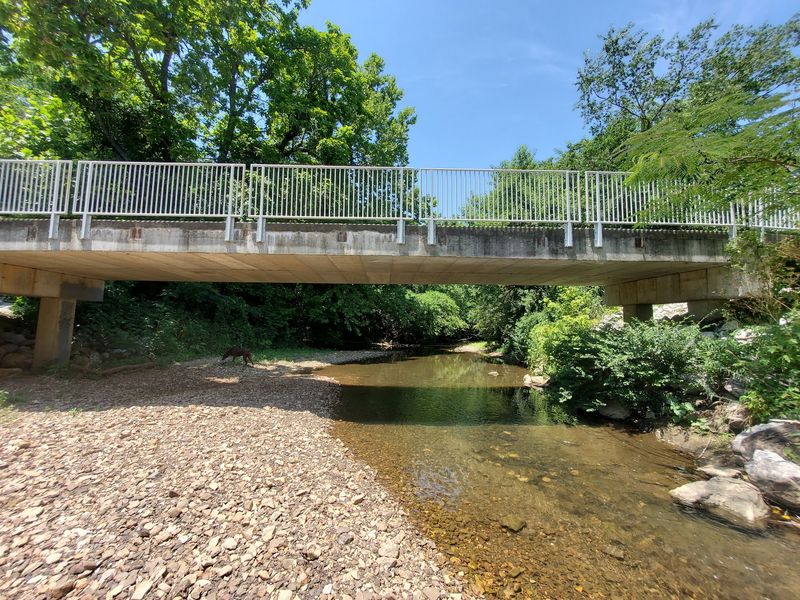
Practical details are best confirmed at the source. The city’s website, cityofjohnson.com, is the place to check for current information.
Hours, prices, and events are not listed in the available data. That makes the official site the safest bet before heading out.
The town sits at roughly 36.13 north latitude and 94.16 west longitude, in the Ozark Mountains of Washington County. A map app will handle the rest of the route.
Since this is a small city rather than a single attraction, a visit works best as part of a wider northwest Arkansas trip. Plan around the surrounding region and give the town its own stop.
Bring curiosity, and read up on the local history first. It makes the landscape far more interesting.
A Soft Verdict on an Ozark Newcomer
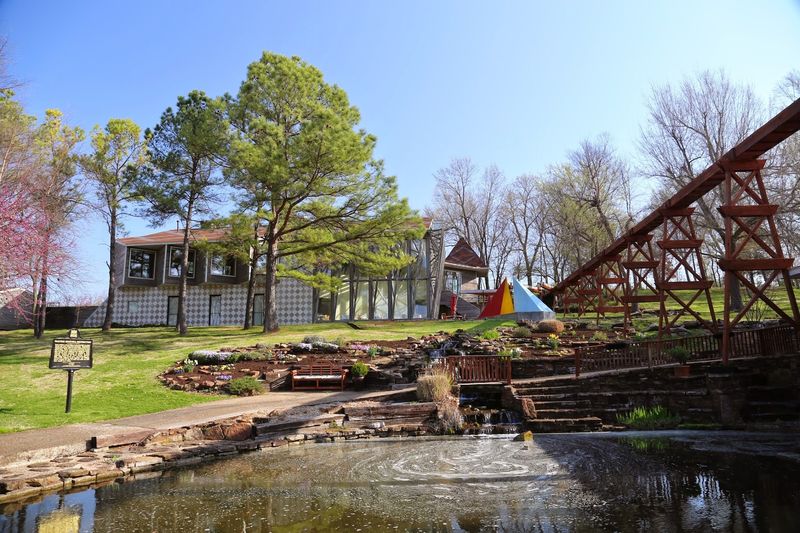
Johnson may not be loud about it, but the case for it is solid. Valleys, springs, and a history built on lime, a mill, and trout give it real substance.
The recognition among Arkansas’ best places to live feels earned for a town with this much background. It combines a mountain setting with a clear sense of identity.
Those who like quiet communities with a story will find plenty to appreciate. The data keeps things simple, and so does the town.
For a weekend outing, treat it as a short stop in the Ozarks and a chance to learn something new. For a longer look, the city website is the next step.
Either way, this small Washington County city has earned its moment in the spotlight.
Share this story