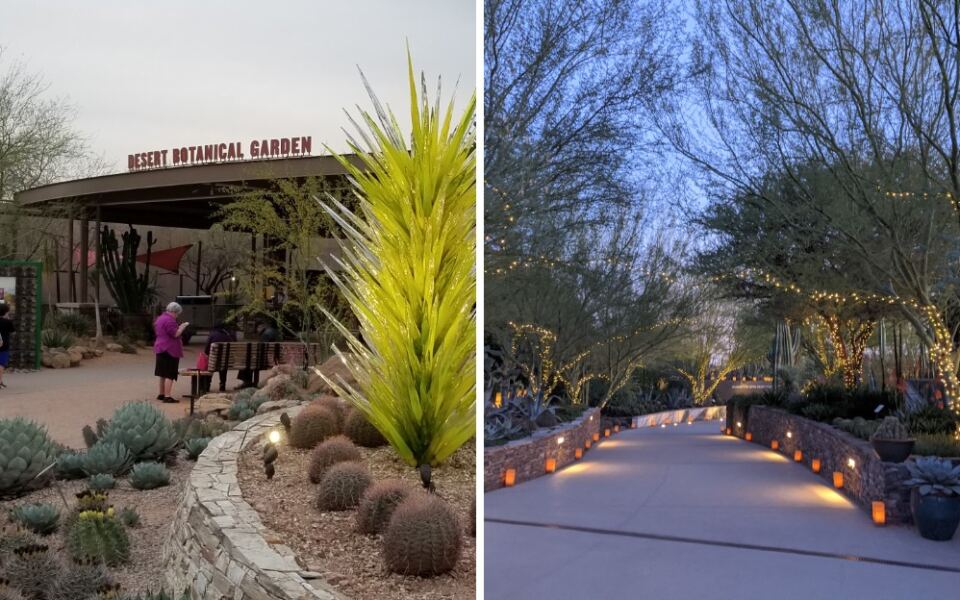
Every December, a corner of Phoenix trades its daytime look for thousands of small glowing lights set along winding desert trails. The cacti stay the same, but the experience shifts once the sun drops behind the buttes. Valley locals drive past this spot on the way to work, the airport, and the zoo without realizing how different it becomes after dark.
Keep reading for the address, the hours, the ticket trick that gives you two visits for one, and the details that help a holiday evening go smoothly.
1. A Desert Garden Hiding in Plain Sight
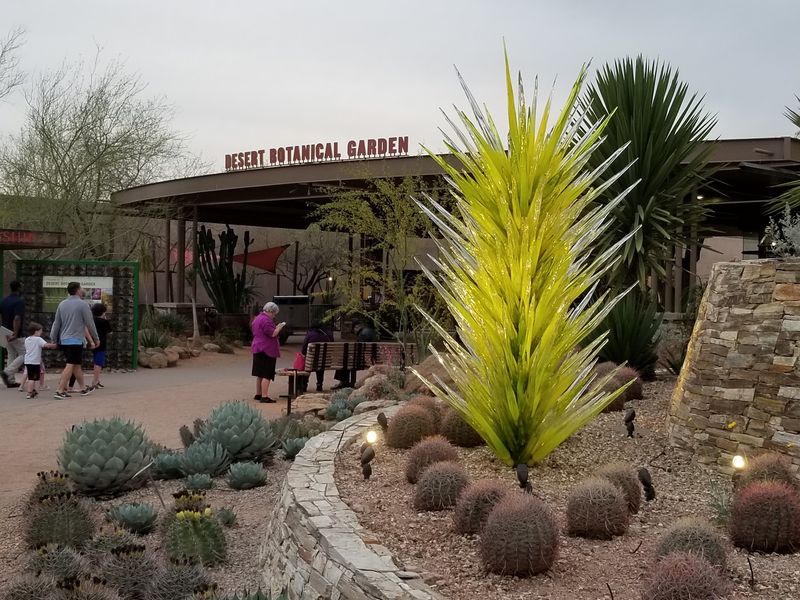
Plenty of Phoenix drivers know Galvin Parkway as the road to somewhere else. Tucked right along it sits the Desert Botanical Garden, at 1201 N Galvin Pkwy, Phoenix, AZ 85008, in the United States.
The setting puts the garden close to the heart of the Valley. It is a short drive from downtown Phoenix, which makes it an easy weeknight trip for anyone living in Tempe, Scottsdale, or central Phoenix.
Officially, the place is classified as a botanical garden. In practice, it functions more like a living museum built entirely around desert plants.
That distinction matters. Instead of lawns and rose beds, the collection focuses on the plants that actually thrive in the Sonoran Desert and in dry regions around the world.
The garden also holds a remarkable level of local affection. With a 4.8-star standing across more than 23,000 opinions, it ranks among the most celebrated outdoor spots in the entire Valley.
Still, a surprising number of longtime residents have only visited once, usually years ago, usually in daylight. December is the month that changes that habit for many families.
Before the lights come into the story, though, it helps to understand just how much ground this garden covers.
2. Fifty Thousand Plants on 140 Acres
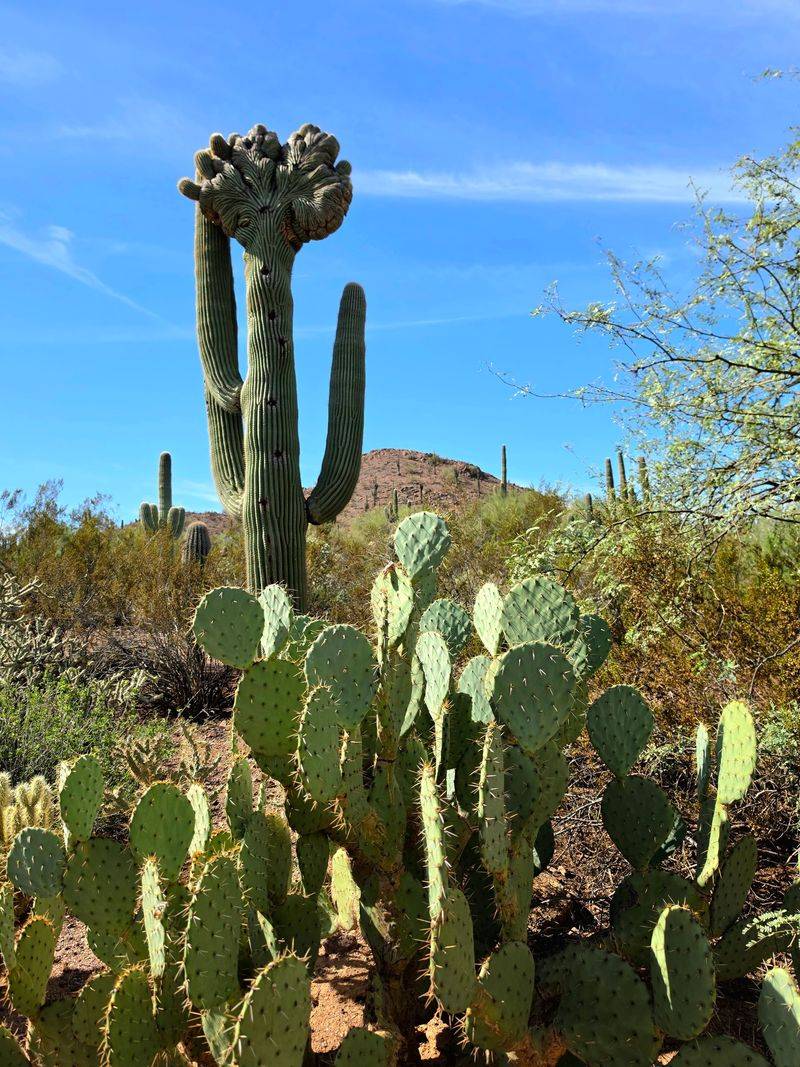
Numbers tell a big part of this garden’s story. The grounds hold roughly 50,000 desert plants spread across 140 acres.
That is a lot of cactus to cover in one afternoon. Most guidance points toward setting aside at least half a day if the goal is to see the whole property.
Cacti are easily the most talked-about feature here, and the variety goes well beyond the familiar saguaro. Trails showcase cacti and desert plants from different regions, so one loop can feel quite different from the next.
The layout also works with the land instead of against it. Paths follow the natural desert topography and gently rolling hills, with the mountains forming a backdrop in many directions.
For Midwest transplants, the collection can be a crash course in how different southwestern plants really are. Signs along the trails explain how native cultures used many of these species to thrive in a demanding environment.
Two botanical celebrities get special attention from the guides: the Crested Saguaro and the Queen of the Night. Both are worth asking about on any visit.
All those plants form the stage. In December, the stage gets a very special lighting crew.
3. When Luminarias Take Over the Trails
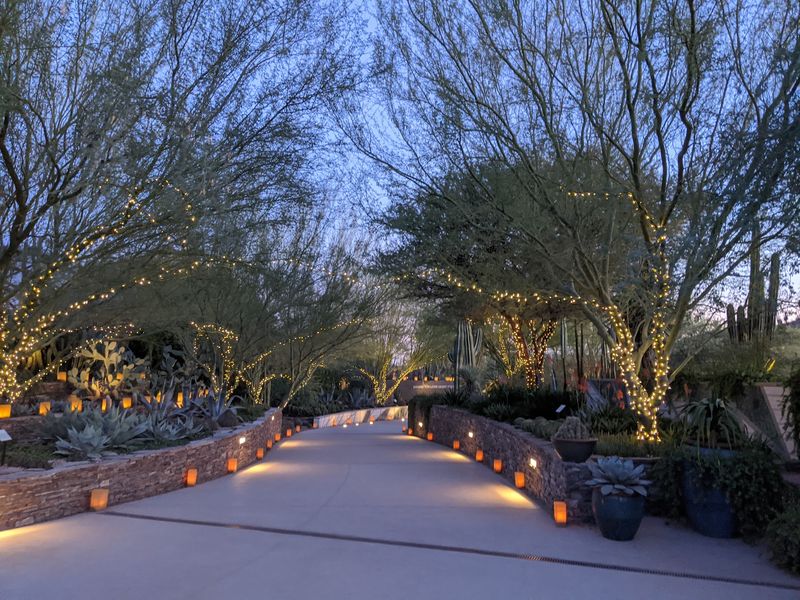
Luminarias rank among the most discussed topics connected to this garden, with well over a hundred mentions tied to them. That is not a coincidence.
Each December, glowing luminarias line the desert paths, turning familiar trails into a holiday walk that feels completely separate from a daytime visit.
The appeal is simple. The cacti, agaves, and desert trees become silhouettes against the night sky, and the lit pathways guide guests from one section to the next.
Many Valley families treat the evening as a seasonal tradition. It gives Phoenix a holiday outing that fits the desert instead of borrowing snow-themed décor from somewhere else.
Holiday evenings can draw crowds, so planning matters. Buying tickets ahead of time online is both quicker and cheaper than paying at the gate, a detail that matters even more during the busiest weeks of the year.
Exact December dates and programming can change from season to season. Checking dbg.org before heading out is the safest way to confirm which nights the luminarias are lit.
Once the schedule is set, the next question is how to move through the garden after dark without missing the best stretches.
4. Trail Loops Designed for Slow Wandering
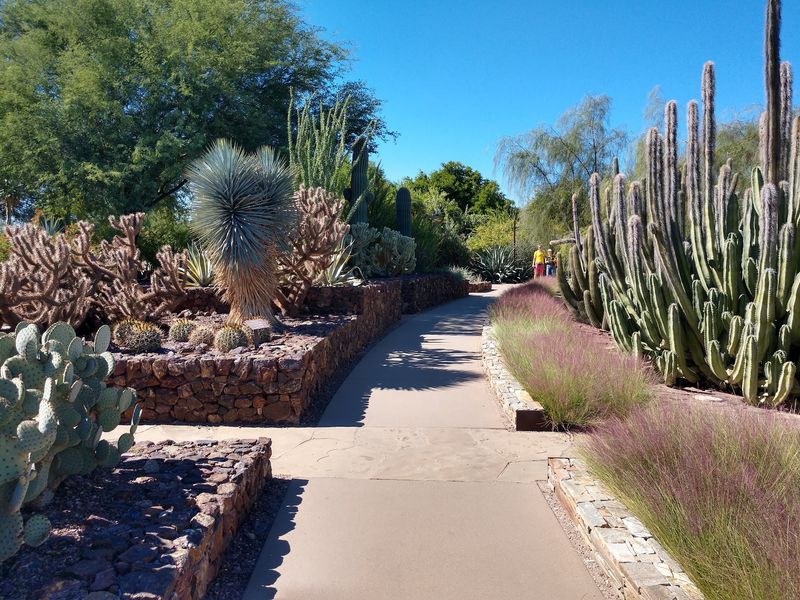
Nobody needs hiking boots for this outing. The paths are generally easy to walk and well organized into themed loops.
Clear directions and informative signs help guests find their way. Each loop adds something new, which is why the common advice is to walk every trail loop rather than sticking to a single route.
Benches show up often along the way. They give older family members and kids a chance to pause, and they make it easy to break a long visit into shorter stretches.
Shady spots appear at helpful intervals too. That matters in the warmer months, and it still matters on sunny December afternoons before the lights come on.
One friendly reminder appears again and again: keep a respectful distance from the cactus. The plants are close to the paths, and some of them do not forgive careless elbows.
At night, the lit pathways make navigating much easier, although first-timers sometimes find the darker corners harder to follow. A small flashlight can help, especially for anyone unfamiliar with the layout.
Knowing the trails is useful, but the real insider move involves the ticket itself.
5. One Ticket, Two Very Different Visits
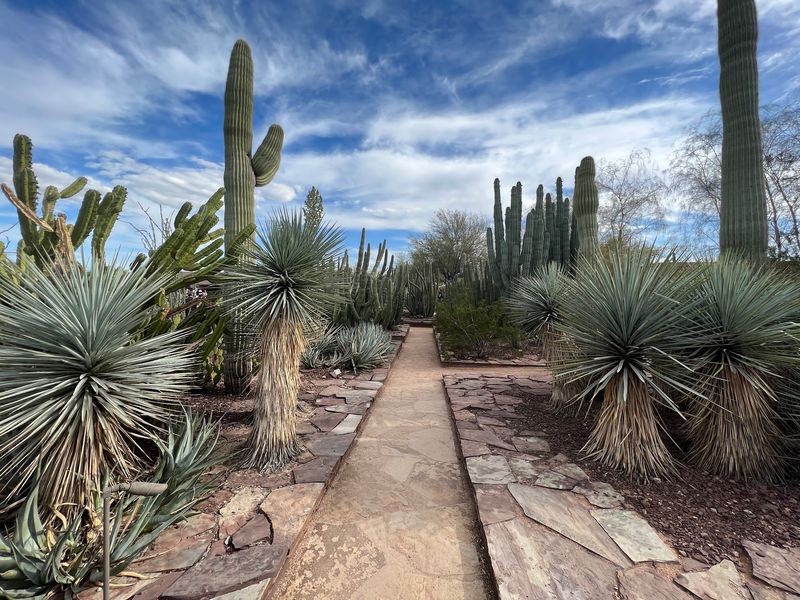
Here is the detail locals love to share. A daytime admission may allow re-entry later the same day, so a morning ticket can double as an evening ticket.
Plenty of guests have used this exact strategy. They explore the trails in daylight, leave for a break, and come back for sunset and the illuminated paths.
The hours make it practical. The garden is listed as open from 7 a.m. to 10 p.m. every day of the week.
That long window means a family can arrive in the cool morning, head home for lunch and a nap, and return as the sky starts to change color.
The re-entry policy is worth confirming before relying on it. Keep the ticket or receipt handy and ask at the entrance so there are no surprises later.
Day and night offer two distinct experiences of the same plants. Daylight shows off the detail, while evening brings the silhouettes and the lighting displays.
For budget-minded Valley residents, that combination stretches the value of a single admission. It also gives more time to meet the garden’s busiest residents, many of whom have wings.
6. Butterflies and Hummingbirds on Patrol
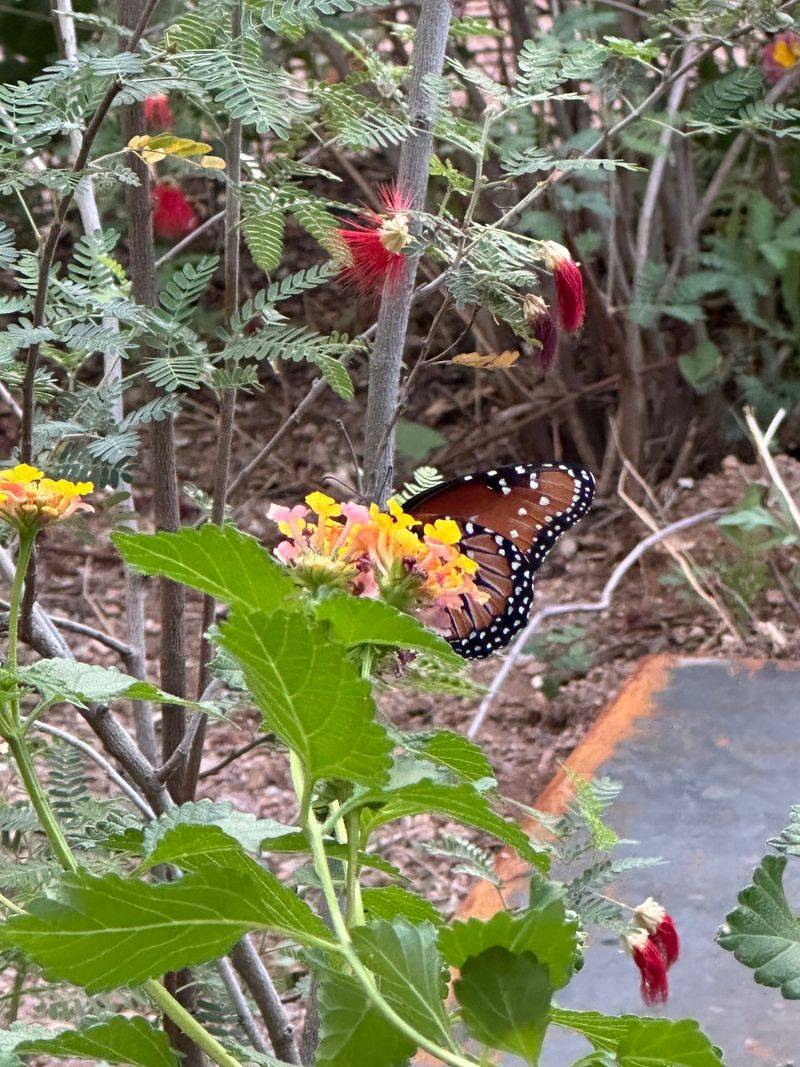
Hummingbirds rack up more mentions than almost any feature other than the plants themselves. The flowering desert species draw them in steadily.
The butterfly exhibit has its own loyal fan club. It runs twice a year, so timing a visit to overlap with it feels like a small win.
An outdoor butterfly garden adds another chance to spot them. Information along the way explains the different species, which turns a casual stroll into a short lesson.
Many guests name the butterfly and hummingbird areas as their favorite parts of the entire property. That is high praise in a garden with 50,000 plants competing for attention.
Dragonflies also make appearances. Bring patience, because the best sightings tend to happen when guests sit still on a bench for a few minutes.
December visits may not line up with the butterfly exhibit, so checking the calendar ahead of time is smart. The hummingbirds, on the other hand, are frequent regulars.
Winged neighbors are only half the wildlife story, though. Plenty of other residents prefer to stay on the ground.
7. Quail, Roadrunners and the Ground Crew
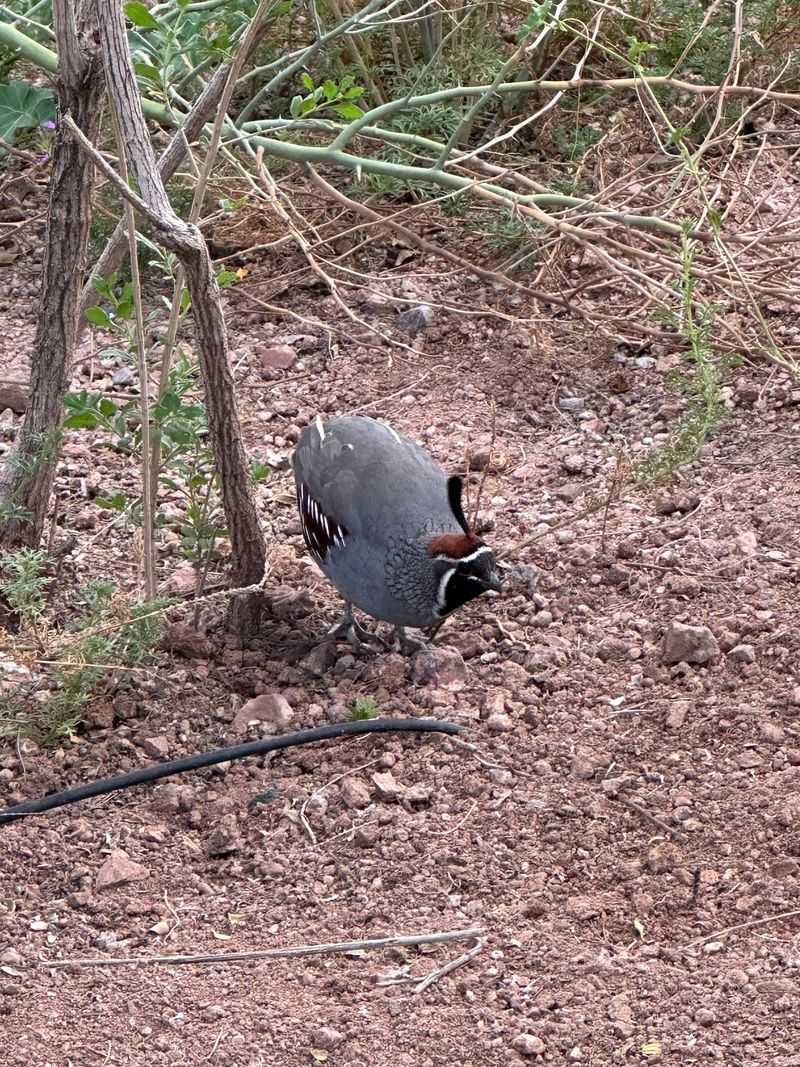
Quail get a surprising amount of fan mail. Small groups of them dart across the trails and flutter between the shrubs, adding plenty of personality to a walk.
Roadrunners also patrol the grounds. Spotting one is a fun bonus for kids and adults alike, and it often becomes the story everyone retells on the drive home.
Rabbits and ground squirrels are frequent sightings. Lizards show up too, especially on sunny stretches of the paths.
Snakes appear on the list of wildlife as well. They belong in a desert garden, so it pays to stay on the trails and watch where feet land.
Dusk tends to be an active time. As afternoon turns to evening, much of the wildlife becomes easier to spot, which pairs nicely with a sunset arrival.
The secret is to slow down. Guests who stop and pay attention often see far more animals than those who rush from loop to loop.
Between the birds, bunnies, and lizards, the garden offers a free wildlife show included with admission. Up next comes a very different kind of display, one made by human hands.
8. Art Among the Agaves
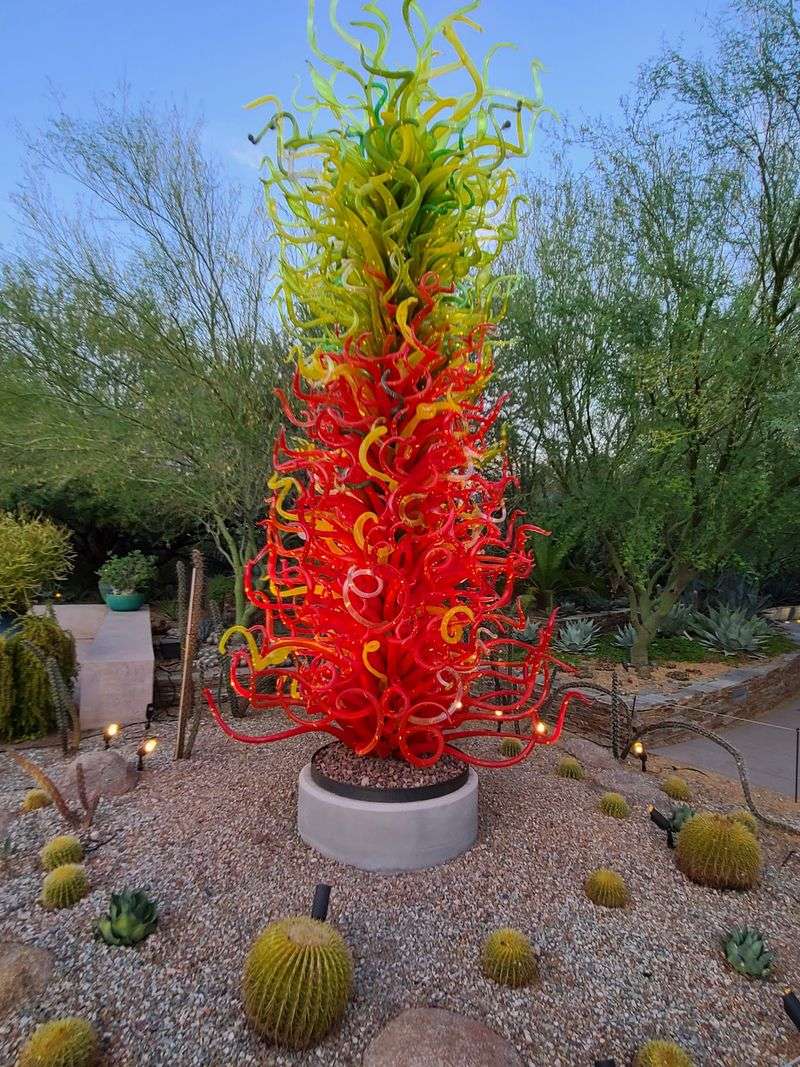
Cacti are the headliners, but art plays a strong supporting role. Sculptures appear across the grounds, set against the plants and the mountains beyond.
The Chihuly exhibit is one of the most frequently discussed topics tied to this garden. The glass artwork has become closely linked with the garden’s identity for many Phoenix residents.
Art installations and exhibitions can rotate, so the pieces on display during any given visit may differ. Checking the garden’s website shows what is currently on view.
Photographers find plenty to work with here. Textures, colors, and Arizona scenery make the grounds a popular choice for senior portraits and family photos.
The combination of art and lighting gives evening walks extra depth. A lantern display, for example, has stood out as a highlight during some nighttime events.
For locals who love posting holiday photos, the December luminarias offer a backdrop that does not look like every other mall display in town.
All this beauty is easier to understand with a little expert help, which is where the garden’s volunteers come in.
9. Volunteer Guides Who Know Every Spine

Signs explain a lot. A knowledgeable volunteer explains much more.
Guided tours with volunteers are among the most praised experiences at the garden. Guides can share details on the Crested Saguaro, the Queen of the Night, and countless other plants along the route.
Asking about tours at the entrance is a simple step that can change the entire visit. Many guests say the extra context made their walk far richer than wandering alone.
Staff members also earn appreciation for being helpful and accommodating. Questions about the plants, routes, or events are generally welcome.
Families with curious kids may find tours especially worthwhile. There are also plenty of activities aimed at younger guests, which helps keep energy high on longer outings.
Community Day is another option worth knowing about. It offers a chance to explore the garden and learn about what it offers, making it a smart first visit for newcomers to the Valley.
Learning works up an appetite, of course. Thankfully, there is no need to leave the grounds to refuel.
10. Gertrude’s and the Art of the Pit Stop
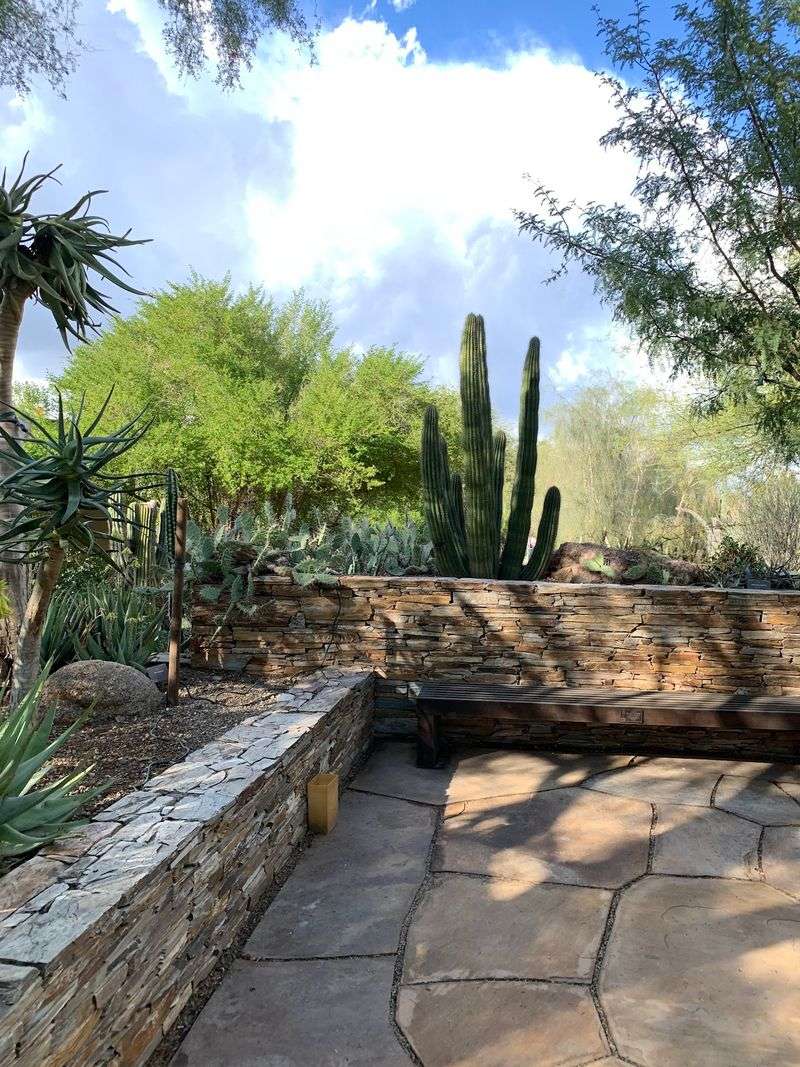
Long walks call for a plan B for hungry kids. The garden has an on-site restaurant and a cafe, so a break can happen without leaving the property.
Gertrude’s by Tarbell’s is the sit-down option, and it has a strong local following. Plenty of guests schedule dinner there between a daytime walk and a nighttime stroll.
That timing works well during luminaria season. Dinner fills the gap between sunset and full darkness, when the lights look their most dramatic.
The cafe offers a quicker option for those who simply want to recharge and keep moving. It fits families who prefer a shorter stop.
Special programming sometimes pairs with the restaurant on certain evenings. Schedules can vary, so checking ahead makes sense.
A gift shop rounds out the amenities, along with a library. The shop carries a wide selection of gifts and merchandise, though prices run on the high side, so budget accordingly.
With food and shopping handled, the next question is who this outing suits best.
11. Who Belongs on This December Walk
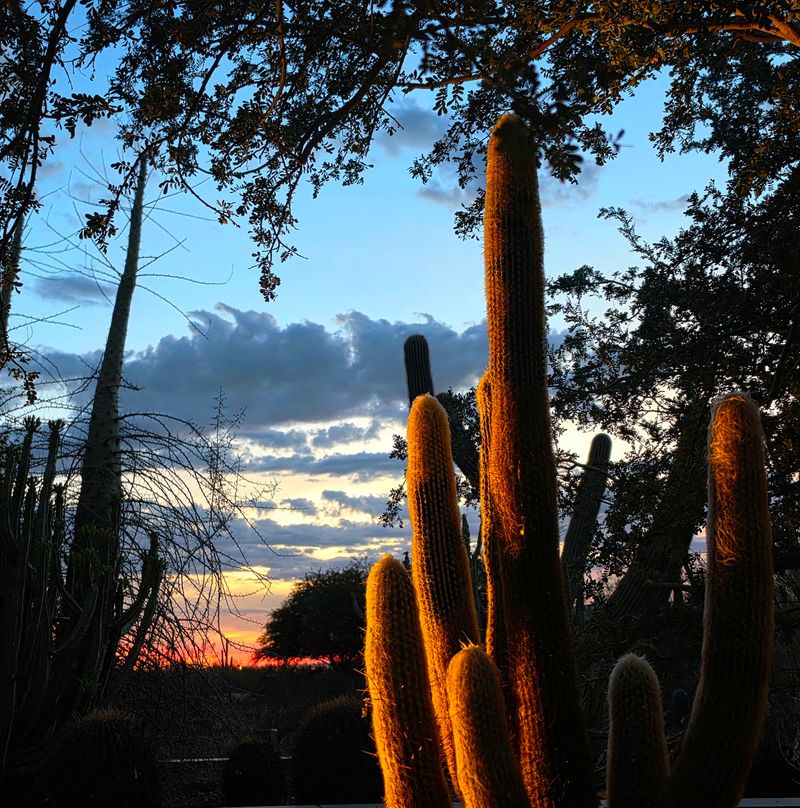
Short answer: almost everyone. The garden works for couples, solo explorers, families with kids, and grandparents looking for an easy outing.
Solo guests often enjoy taking their time, reading the signs, and lingering wherever they like. Nobody rushes anyone here.
Families benefit from the kid-friendly activities and wide paths. Accessible restrooms and water fountains also make longer visits manageable.
Photographers get two chances in one visit. Daylight shows texture and color, while evening offers silhouettes, sunset views, and lit trails.
Nature lovers will want to budget extra time. Between the plant variety and the wildlife, a few hours disappear quickly.
People who say they are not into flowers are often surprised. Many self-described non-garden people end up spending hours wandering, because the desert focus feels different from a typical botanical garden.
The atmosphere tends to be calm and unhurried, especially on weekdays. Friday visits, for instance, have been described as relaxed and not busy outside of major event nights.
Knowing who will enjoy it is great. Knowing how to plan the trip is even better.
12. The Fine Print Before You Drive Over
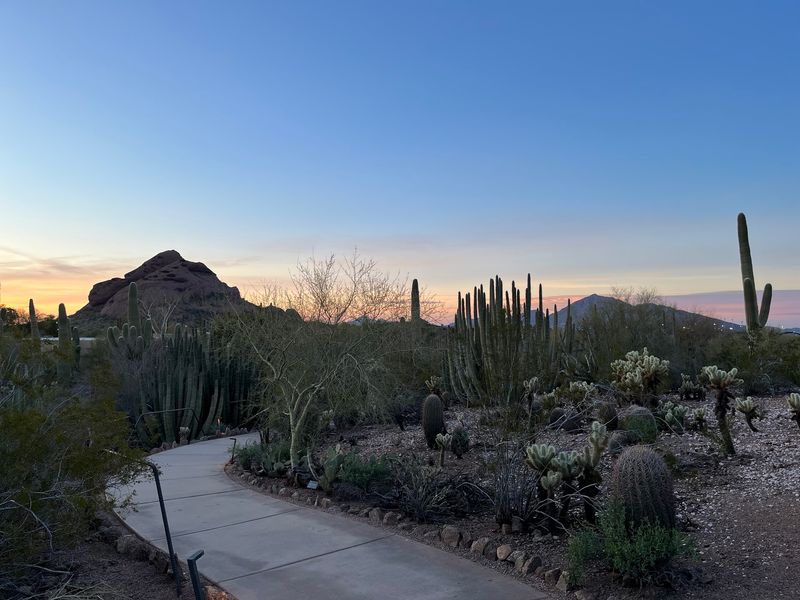
Hours first. The garden lists daily hours of 7 a.m. to 10 p.m., seven days a week, though holiday events may follow their own schedules.
Tickets come next. Buying online in advance costs less than paying in person, and the process is quick.
Parking is generally easy. That is welcome news for anyone driving in from the East Valley or the West Valley.
Water stations and drinking fountains are spread across the grounds. Restrooms are well positioned too.
A few small catches deserve a heads-up:
Sprinklers sometimes run during evening hours, so watch the path edges. Darker sections can be tricky to follow on a first visit, and a small flashlight may help.
The gift shop runs pricey, so set expectations before the kids spot the souvenirs. Re-entry with a daytime ticket should be confirmed at the entrance.
For the latest event dates and luminaria nights, the official website at dbg.org is the best source.
With the logistics sorted, all that is left is deciding whether this belongs on the December calendar.
13. Worth a Spot on the Holiday Calendar
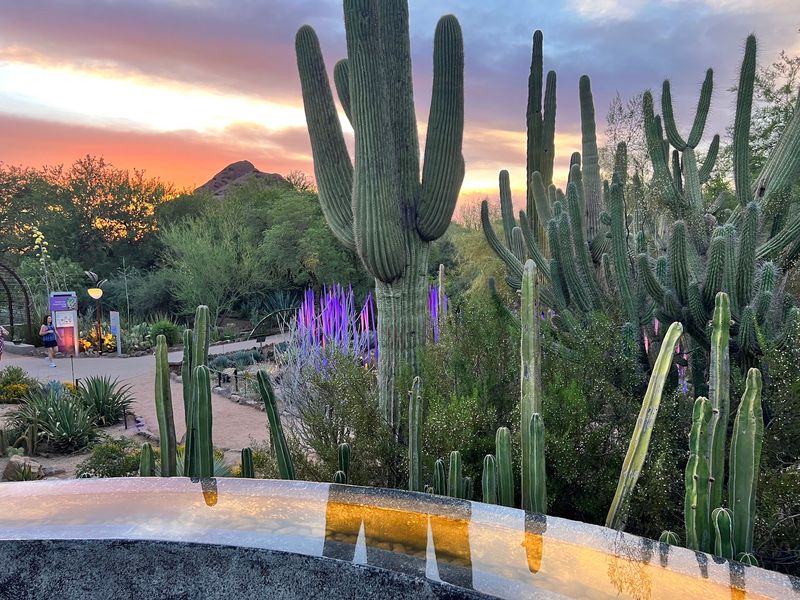
Some Phoenix traditions involve fake snow and long mall lines. This one involves saguaros, desert trails, and a lot of small glowing lights.
The Desert Botanical Garden earns its strong local reputation for good reasons. It packs 50,000 plants, abundant wildlife, art, dining, and well-kept trails into one easy drive from central Phoenix.
December adds the luminarias, which give the garden a seasonal personality that no other month can match.
The best strategy remains simple. Buy tickets online, arrive in daylight, confirm re-entry, step out for a break if needed, and return as the sun sets.
Families get a calm holiday outing. Couples get a memorable evening walk, and photographers get a fresh backdrop for holiday cards.
Plenty of Valley residents have driven past this place for years without stopping. The luminaria season offers the perfect excuse to finally pull in, and plenty of locals end up returning every December once they do.
The cacti will be waiting, the trails will be lit, and the holiday glow will be ready right on schedule.
Share this story