Somewhere between the Valley and the red rocks, a tiger is getting ready to launch itself into a swimming pool, and most Arizonans have no clue it is happening. Plenty of people drive right past the exit on their way north and never look twice. That is a shame, because this privately run refuge lets you hand lettuce to a giraffe, ride a rugged off-road truck past roaming herds, and stand a few feet from big cats that were given a second chance.
The best part for budget-minded locals is a birth-month deal that drops admission to roughly the price of a fast lunch. Keep reading to find out where it is, which tours earn your money, and how to dodge the classic Arizona heat trap on your visit.
1. A Safari Hiding in Camp Verde
Nobody expects an African-style safari in the middle of Yavapai County, which is exactly why this place stays under the radar.
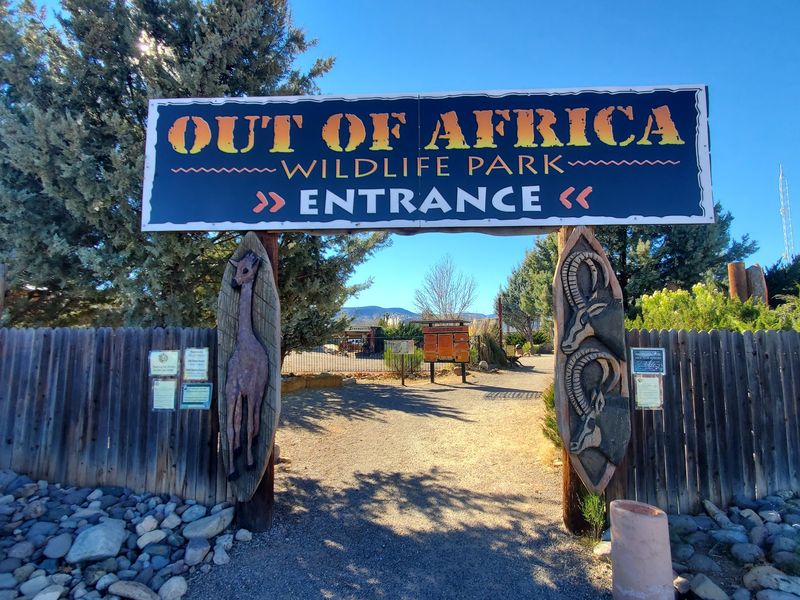
Out of Africa Wildlife Park & Sanctuary sits at 3505 AZ-260, Camp Verde, AZ 86322, in the heart of the Verde Valley. It works well as a weekend run from Phoenix, and it pairs nicely with a Sedona trip for anyone already heading north.
Officially, it is listed as a wildlife park. In practice, it is a rescue sanctuary where animals live in roomy, natural-style enclosures instead of tight cages.
The park describes itself as a spot for up-close, safari-like encounters with wild animals. Daily keeper presentations fill out the schedule, so there is always something happening.
Its reputation speaks loudly, too. The park holds a 4.6-star average from more than 5,800 people who have shared their thoughts online.
That is a big number for a place many Arizona residents admit they never knew existed. A common reaction is pure surprise that something this hands-on has been sitting off the highway the whole time.
Plenty of families who planned on a quick stop end up staying all afternoon. Some groups heading to Sedona call it the unexpected highlight of their entire trip.
So the question becomes simple: why has it taken so long to make the drive?
2. Privately Owned, Proudly Independent
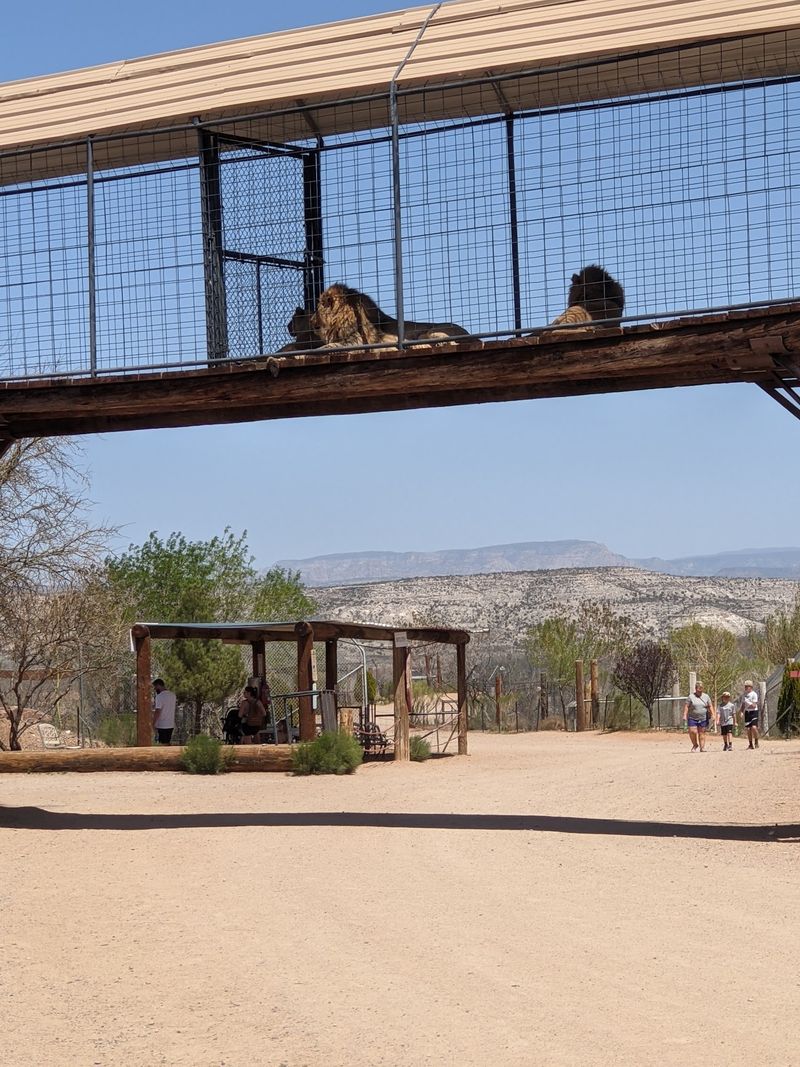
Here is a detail that changes how the whole day feels: the park is not corporately or government funded.
It is privately owned and operated as a rescue sanctuary. That means admission, tours, and encounters help keep the lights on and the animals fed.
Guests who know the zoo circuit well often point out the difference right away. The setting lacks that commercialized feel, and the enclosures tend to be larger and more natural.
Animals are frequently active and easy to spot. Several families mention leaving without the uneasy feeling that some traditional zoos can leave behind.
Don’t show up expecting polished, big-budget polish everywhere. The focus here leans toward the animals and the people caring for them, not fancy extras.
The park also encourages guests to read the owners’ story on its website before visiting. It adds useful background on how the sanctuary came to be and why it operates the way it does.
Owner responses online are signed by Ashton Powell, and they come across as personal and warm. One even politely corrected a guest who thought they had fed an elephant, noting the park has giraffe feeding but no elephants.
Small touches like that show a place that pays attention, and supporting it feels a little like backing the home team.
3. Giraffes at Lunch Counter Height
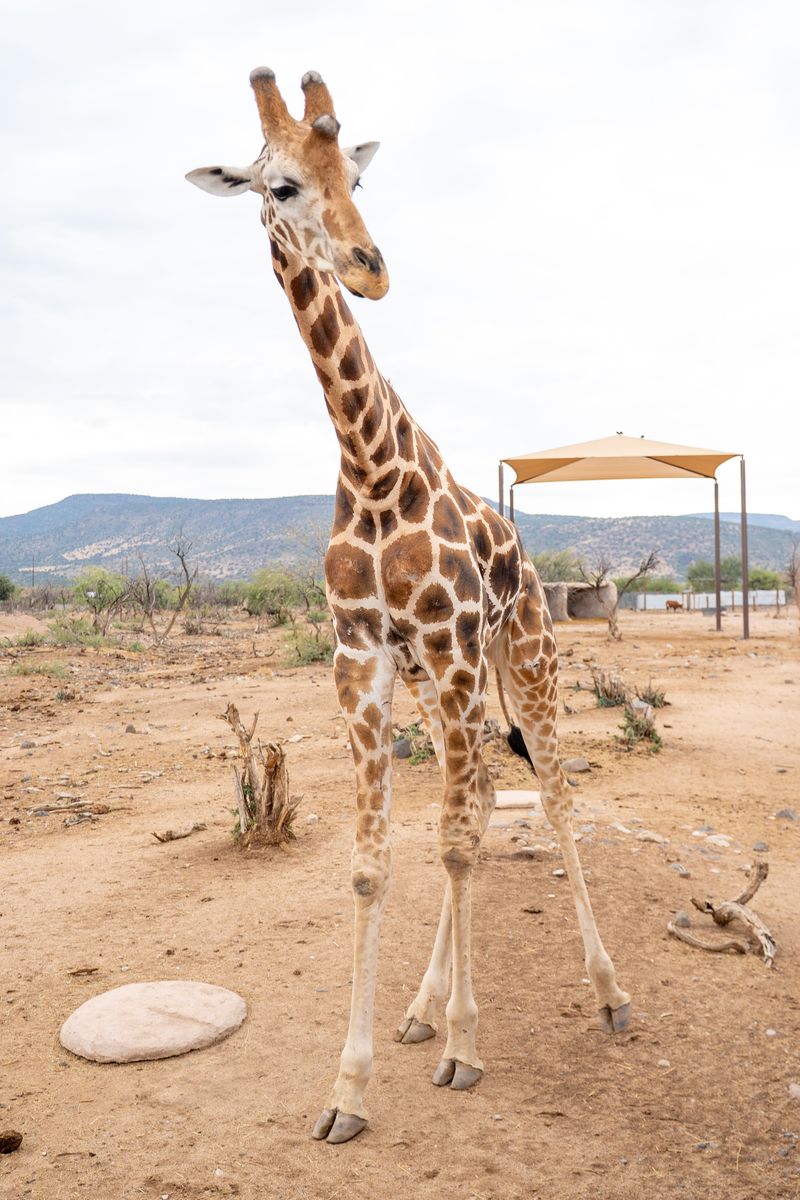
Giraffes come up more than any other topic when people talk about this park, and for good reason.
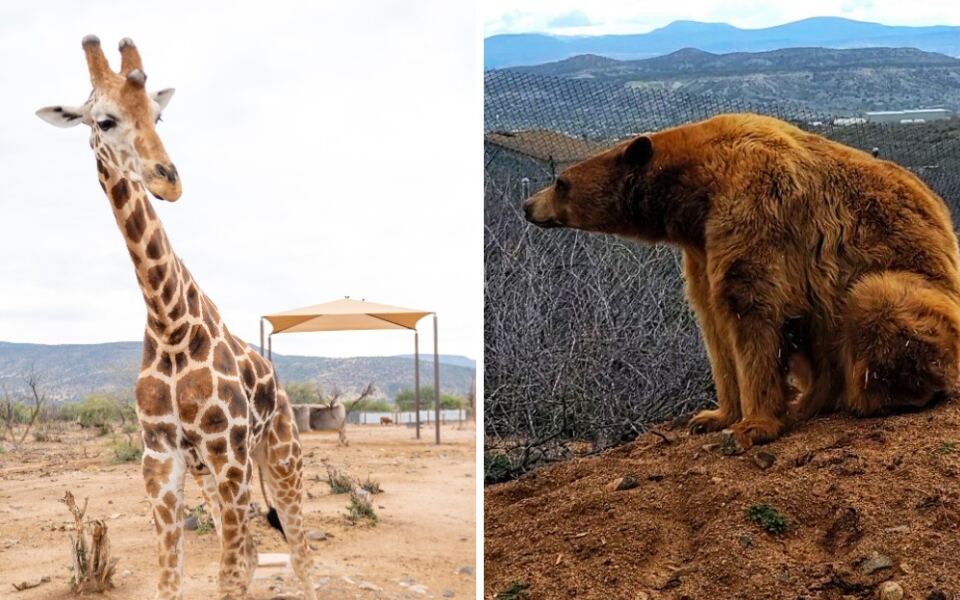
The African Bush Safari Tour rolls guests out among giraffes, zebras, and antelope. The highlight for many is the chance to feed a giraffe right from the vehicle.
Plenty of families call this their favorite part of the entire day. Kids and adults alike tend to come back to the parking lot still talking about that long neck reaching their way.
Guides keep the ride lively and are eager to answer questions along the route. Some even call animals closer and hand out treats so everyone gets a good look.
A VIP Safari Tour option has run about $25 per person. Guests who chose it often say the extra time and close viewing were worth it.
One honest note: much of the viewing happens through fences. Travelers who have been on real African safaris may find it tamer than the wild version.
For anyone who has never done a safari-style outing, though, it delivers. It is hands-on, educational, and memorable without needing a passport.
Bring a camera and a steady hand, because giraffes do not pose on command.
4. The SuperMog Adventure Ride
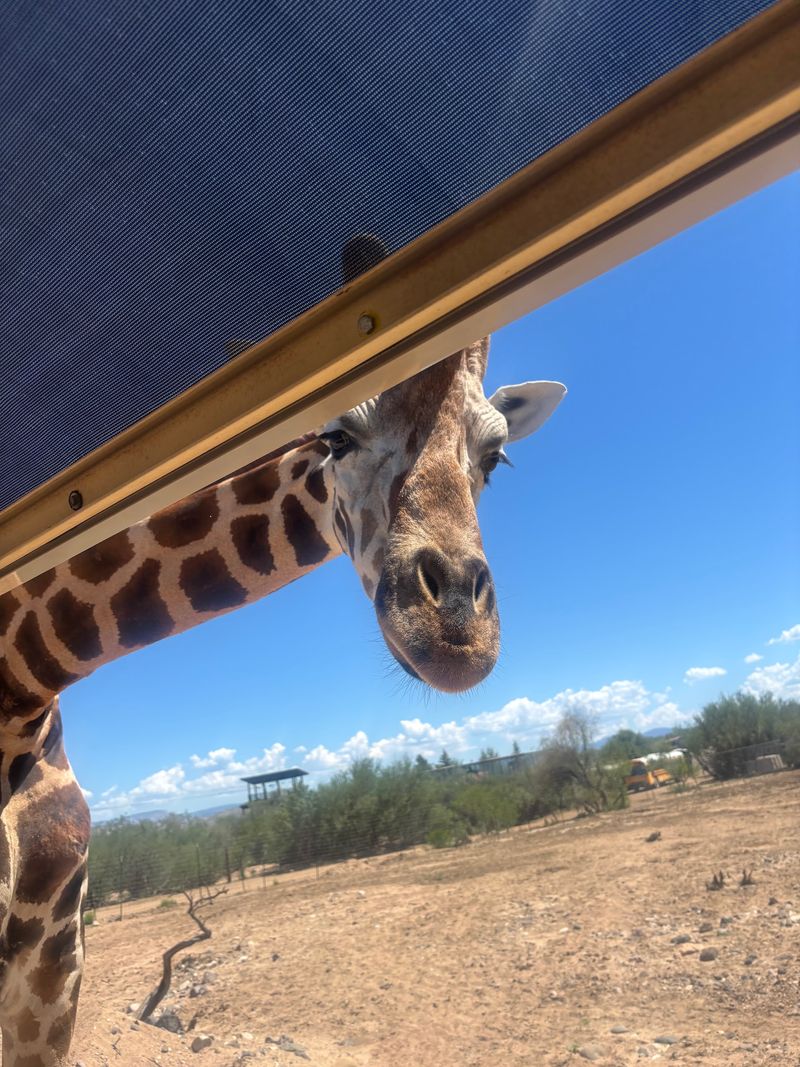
Ask regulars which tour to book first, and the SuperMog name pops up again and again.
The SuperMog Adventure Tour runs daily. It takes guests on a rugged vehicle through parts of the park to see animals up close, often while they are actively eating.
Many families rank it as the single must-do item on the schedule. Several people describe it as completely worth the add-on.
Some guests mention feeding giraffes on the MOG tour as well. That makes it a strong pick for anyone who wants interaction without committing to a full encounter package.
Here is a timing trick worth stealing. Booking the 11 a.m. SuperMog and then heading to the 1 p.m.
Tiger Splash creates a smooth late-morning rhythm.
Staff on board are known for keeping things entertaining and informative. They share animal names, habits, and stories as the truck moves along.
Schedules can shift, so checking the website before leaving home is smart. The park updates its list of shows and tours regularly.
Consider the SuperMog the backbone of a great visit, with everything else layered on top.
5. Tigers That Cannonball
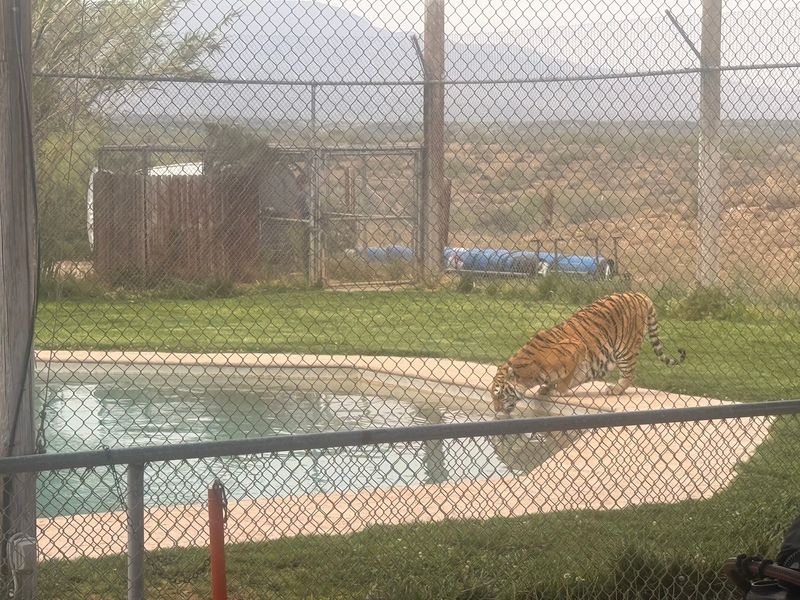
A tiger jumping roughly ten feet into a pool is not something most people see on a typical Saturday.
Tiger Splash is the park’s signature daily show. Big cats leap, swim, and play in the water while keepers explain their behavior and strength.
Families often call it worth the trip by itself. Some guests say they have never seen anything like it anywhere else.
Beyond the entertainment, the show helps people appreciate how athletic these animals really are. Kids tend to watch with wide eyes, and adults often get just as hooked.
Keepers also stay alert during the show. On one occasion, a tiger had a medical episode in the water, and staff responded quickly and calmly to focus on its safety.
That kind of preparation says a lot about the team. Care for the animals comes first, even in the middle of a crowd-pleasing performance.
Arriving a few minutes early helps lock in a decent viewing spot. Popular shows can fill seating fast, especially on weekends.
Consider this the moment the whole family will retell on the drive home, possibly with dramatic sound effects.
6. Feeding Time for the Big Cats
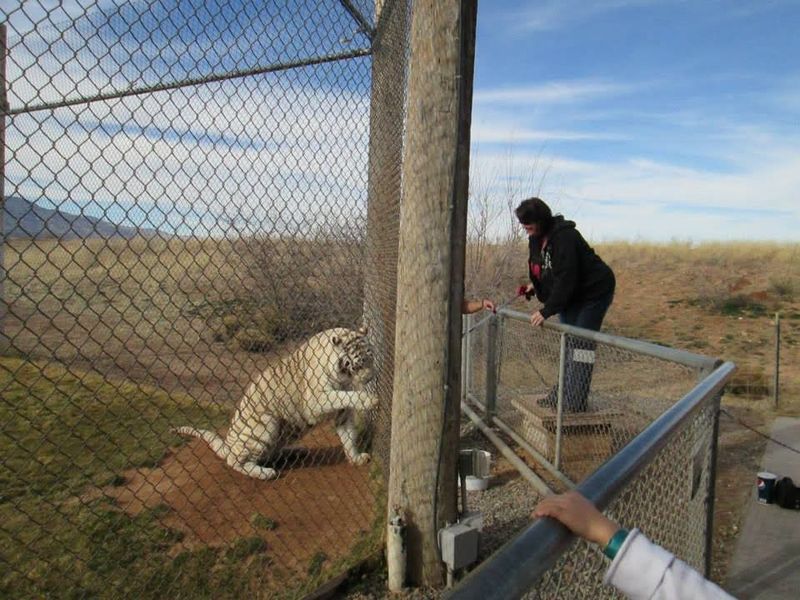
Feeding a tiger sounds a little wild, and honestly, that is the appeal.
The Feed A Tiger experience lets guests safely offer food to one of the park’s big cats. Families describe it as a bit nerve-wracking and very exciting at the same time.
Being within a few feet of a Bengal tiger is something few zoos allow. Here, it is part of the standard menu of add-ons.
Then there is Predator Feed, which runs on select days, about three times a week. Guests watch keepers feed carnivores and learn how these animals eat in the wild.
Timing matters with both. One family bought tiger feeding tickets but their safari ended about an hour and a half before the session, and the summer heat made waiting too tough with kids.
Planning the day around feeding times can prevent that problem. A quick look at the posted schedule helps line everything up.
These moments also reveal animal personalities. Some cats are eager, some are cautious, and keepers happily explain the differences.
Get the timing right, and this becomes the story that wins every dinner table conversation for a week.
7. Bear, Lion or Tiger: Pick Your Partner
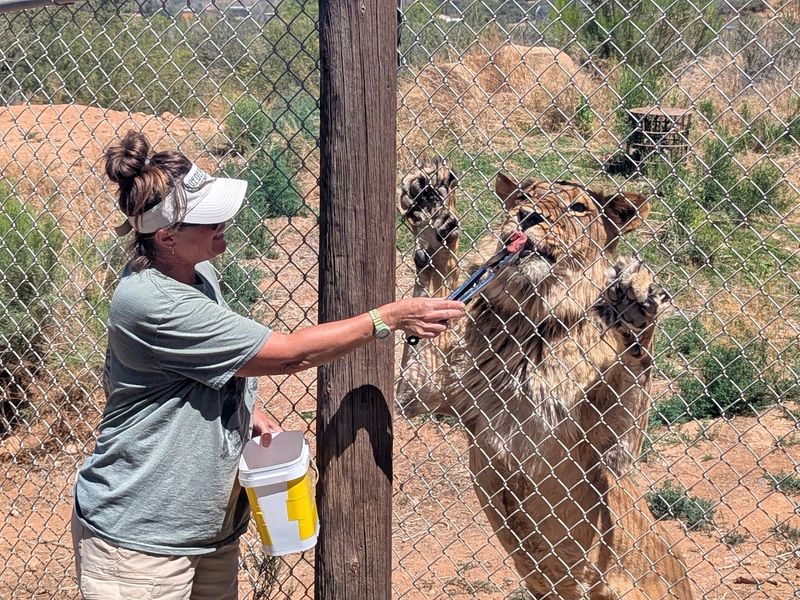
Some guests want more than a glimpse, and the carnivore encounter answers that wish directly.
Participants choose a bear, lion, or tiger for a guided session with a trainer. The experience includes safely feeding the animal and helping with enrichment activities.
Enrichment is the work keepers do to keep animals mentally and physically engaged. Getting to assist offers a behind-the-scenes look at daily sanctuary care.
Trainers are often praised for deep knowledge of the specific animals they handle. Guests come away understanding individual personalities, not just species facts.
Locals who live nearby have returned more than once to try a different animal each time. Starting with a lion and coming back later for a tiger is a popular pattern.
For bear fans, this is a rare chance. Getting close to a rescued bear under expert guidance is not exactly a common weekend activity in Arizona.
Encounters book separately from general admission. Reserving ahead is wise, since spots for these sessions are limited.
Of all the ways to spend extra money here, this one tends to leave the deepest impression.
8. Zip Lines Above the Predators
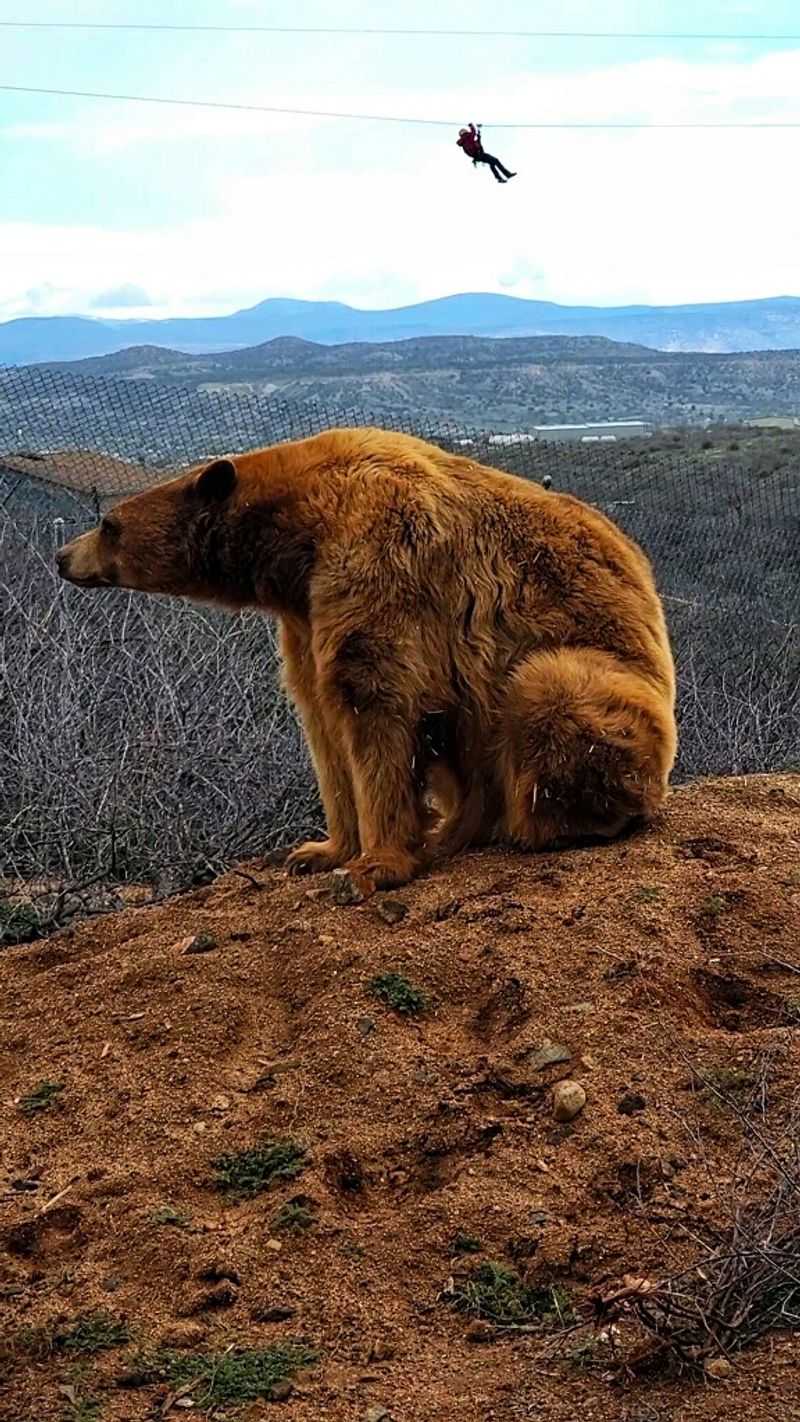
Thrill seekers, this section is for you.
The Predator Zipline sends riders gliding above the park, with views over animal habitats below. It is one of the most talked-about attractions, with hundreds of mentions online.
Some people arrive just for the zip line and end up staying the entire day. Once the ride ends, the rest of the park pulls them right in.
That combination makes it a smart pitch for teens or adults who think animal parks are too tame. Few places in the state mix adrenaline and wildlife quite like this.
The zip line typically requires its own ticket and reservation. Checking age, weight, and booking rules on the official website before the trip saves headaches.
Morning slots can be a good call during warmer months. Heat builds fast in the Verde Valley, and the afternoon sun is no joke.
Pairing the zip line with a SuperMog or safari tour creates a full-day mix of action and learning. Everyone in the group gets something they will brag about.
Gravity does most of the work here, while the views do the rest.
9. Rhinos, Zebras and a Sloth Named Highlight
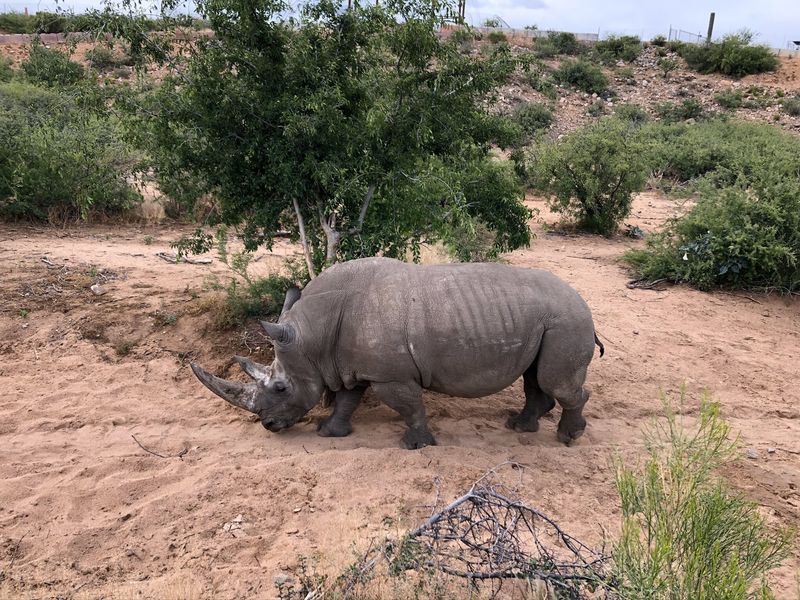
Big cats and giraffes grab headlines, but the supporting cast deserves plenty of credit.
The rhino is a frequent standout, with several groups naming it a top moment. Seeing one up close is a rare treat for most Arizona families.
Zebras roam the safari area too, each with a name the keepers know well. One of them, Diligence, has a habit of hamming it up for cameras.
A sloth encounter offers a slower, calmer experience for anyone who prefers relaxed interaction. It is a nice contrast to the energy of the predator shows.
Reptiles get their spotlight in the Giant Reptile Show. Parrots, lions, snakes, and antelope round out a lineup that keeps the walk interesting.
Not every exhibit gets equal praise. Some guests felt certain snake habitats could use updates, and a few enclosures may appear empty on the way out but show animals on the return loop.
Walking at your own pace helps catch animals that were hiding the first time. A second lap can pay off.
The park has fewer animals than a large city zoo, yet many people say the closeness more than makes up for it.
10. Keepers Who Know Every Name
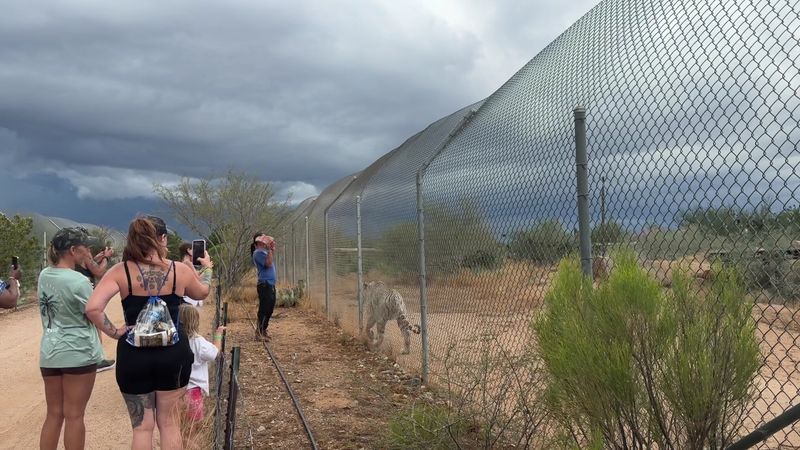
Ask almost anyone what made their day special, and the staff comes up quickly.
Keepers here know the animals by name and can tell individual zebras apart. To most guests, every stripe pattern looks identical, so that skill earns some laughs and real respect.
Guides are described as knowledgeable, friendly, and good at sharing information in a fun way. Some are mentioned by first name for making tours and encounters memorable.
The welcome often starts before arrival. Families note friendly help from the first booking call through the final goodbye.
Staff also show calm skill in tough moments, like responding quickly when an animal needs help. That preparation reassures guests that animal welfare is a priority.
Many people mention that the animals seem healthy, active, and well cared for. Several say this was the first animal park where they truly felt that way.
That reputation is a big reason people return year after year. Some describe bringing parents, in-laws, or grandkids just to share the experience.
Animals may be the reason for the drive, but the people often become the reason for the next one.
11. Plan for a Full Day, Not an Hour
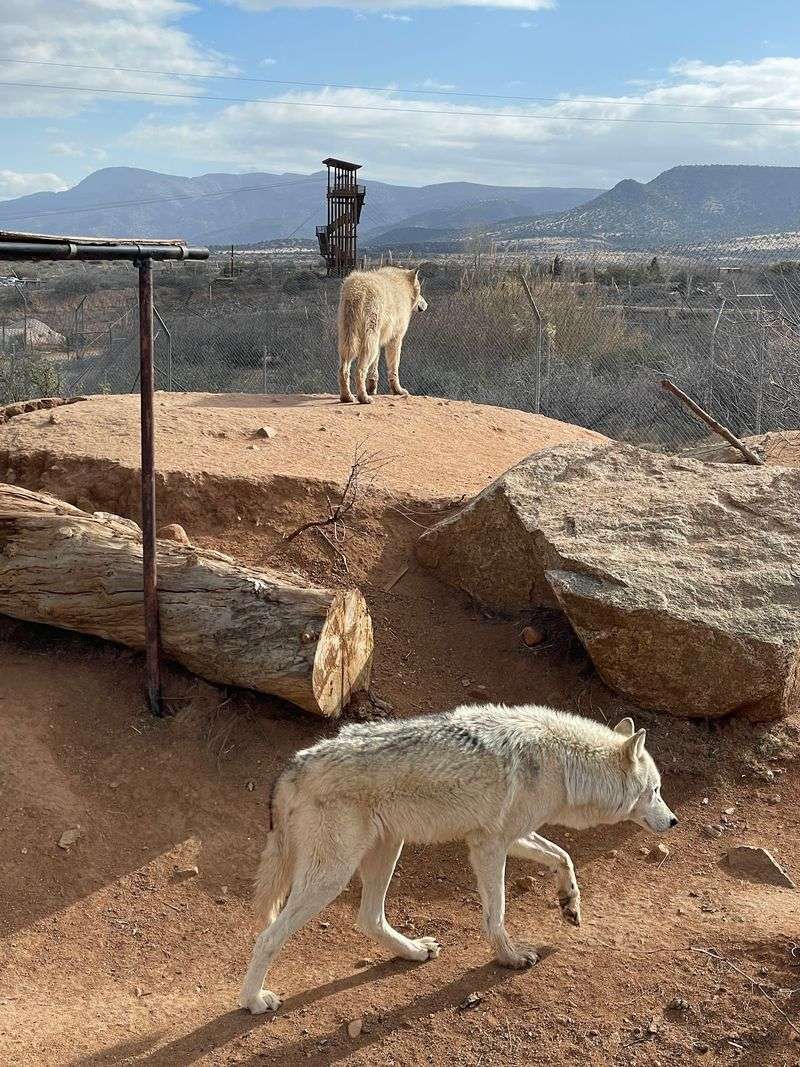
Quick stops rarely stay quick at this park.
One family with a three-year-old and a four-month-old stayed five hours. Others describe it as a true day trip rather than a wander-around-for-an-hour outing.
Kids who love animals tend to be all in from start to finish. Adults who came along for the children often end up just as engaged.
Shows, tours, feedings, and encounters are spread through the day. Building a loose schedule helps catch the big moments without rushing.
Food is available onsite at fair prices, though one guest found the shop closed during a visit. Re-entry is allowed, so packing a lunch to enjoy in the car is a handy money saver.
A tram shuttle helps cover distance between areas. Wait times can stretch at busy moments, so building in some patience is wise.
The park has also hosted special events, including a campout. Watching the website for seasonal happenings can turn a regular trip into something extra.
Bottom line: clear the calendar, charge the phone, and let the day unfold.
12. Hours, Passports and the Birthday Bargain
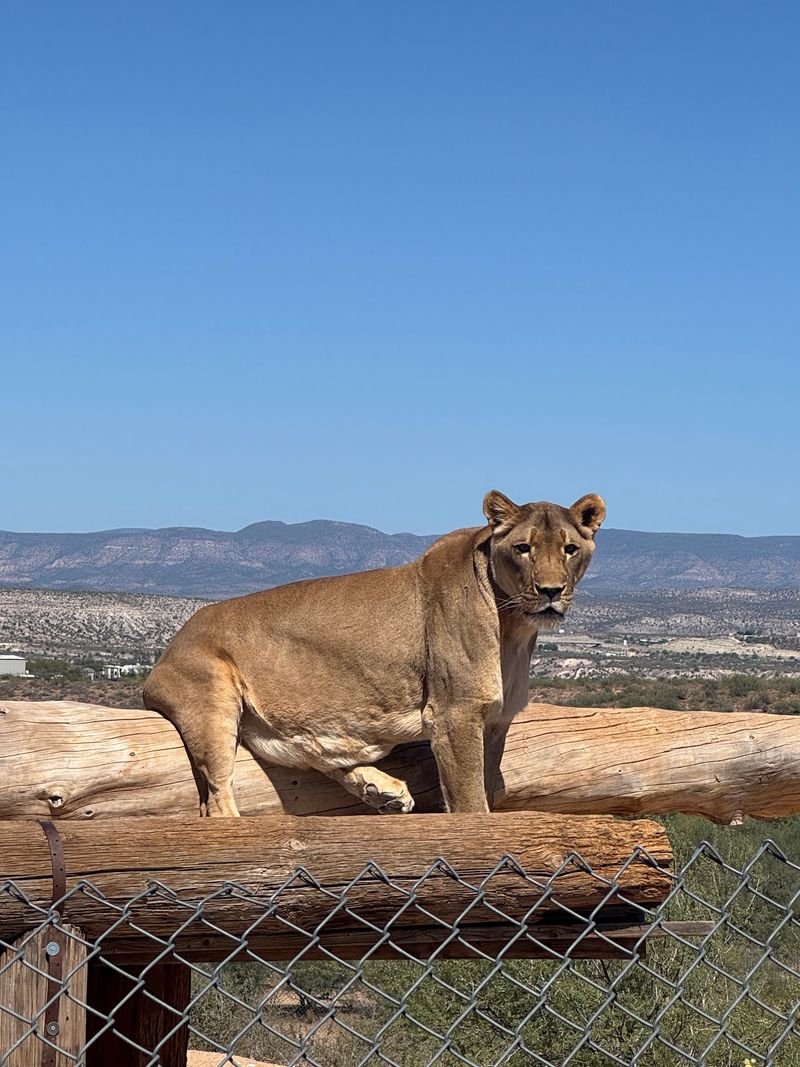
Good news for planners: the park opens every day of the week.
Hours run 9:30 a.m. to 5 p.m. daily. That steady schedule makes spontaneous weekend drives easy to pull off.
Now for the deal locals love. During your birth month, admission has dropped to around $12 to $13, a massive discount compared to regular pricing.
For maximum value, the Expedition Passport bundles a lot together. It has included admission, the African Bush Safari Tour, Tram Shuttle, SuperMog Adventure Tour, Tiger Splash, Feed A Tiger, Giant Reptile Show, and Wonders of the Wildlife Show or Predator Feed.
Deals and show lineups change, so checking outofafricapark.com before buying is the smart move. The posted list is the best source for current options.
One catch: buying online does not always skip the line. Some guests with advance tickets still waited at ticket windows that felt understaffed.
Arriving near opening can help avoid that crunch. It also leaves more time for the first round of shows.
Birthday month, early arrival, and a bundled pass make one very satisfying formula.
13. Beat the Heat, Then Brag About It
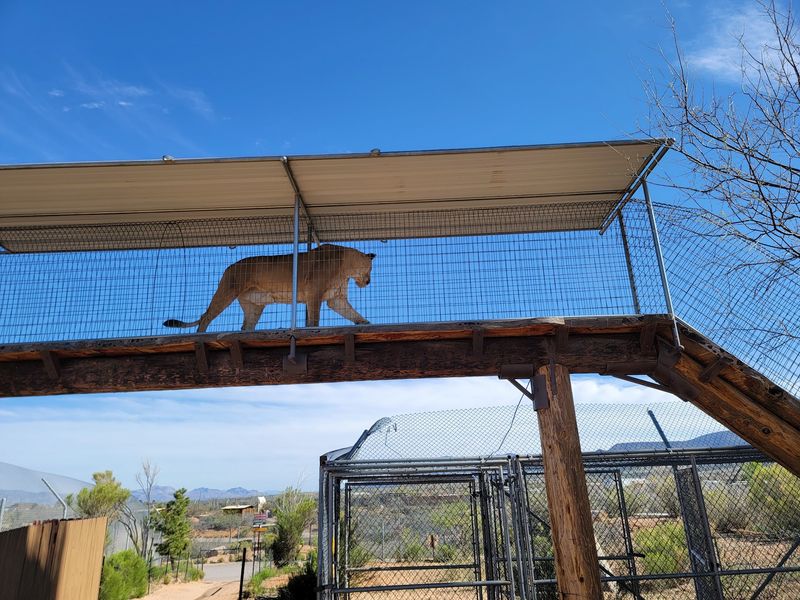
Arizonans already know the sun does not play fair, and this park is no exception.
Summer trips can get rough, especially with kids. Several families recommend avoiding peak summer altogether or arriving right at opening.
Morning is widely considered the best window. June guests found the early hours far more comfortable than the afternoon.
Packing water, sunscreen, and solid walking shoes makes a real difference. Shade can be limited in spots, including near the giraffe area.
Fall and winter are ideal for a Phoenix or Tucson day trip here. Cooler weather turns the walking loops and outdoor shows into a breeze.
So is it worth the drive? For families, animal lovers, and anyone who has never done a safari-style outing, the answer leans strongly toward yes.
Seasoned safari travelers may find it less wild than Africa. Still, the hands-on encounters, rescued residents, and devoted keepers make it a standout in Arizona.
Go early, grab the birthday deal if you can, and book the SuperMog. Then enjoy being the friend who finally knows what is hiding off AZ-260.
Share this story