Someone holds the door, chats with you at the bus stop, and wishes you a good weekend. It’s a pleasant exchange.
You still have no one to call on Saturday.
That gap between friendliness and friendship can feel especially discouraging when you’re new somewhere, or simply trying to widen a circle that has grown small. After enough conversations that go nowhere, introducing yourself again starts to feel like work.
A reason to return can help. Libraries, gardens, climbing walls, and game tables offer something to do while you get used to seeing the same faces.
You can talk about the game in front of you instead of searching for a clever opening line.
I like how manageable that sounds. One visit doesn’t have to produce a new friend.
It can be enough to enjoy yourself and decide to come back. The places ahead give you somewhere to begin, even if that first visit feels a little awkward.
Seattle Public Library Central Library
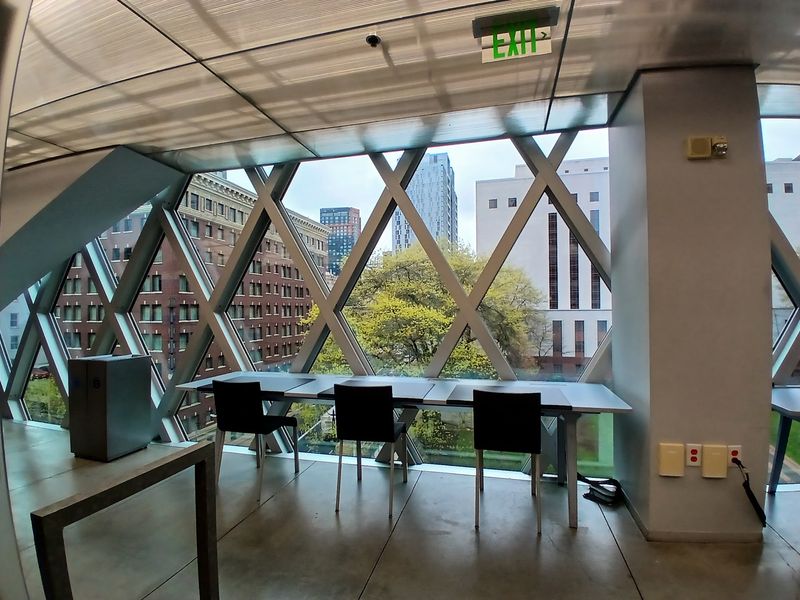
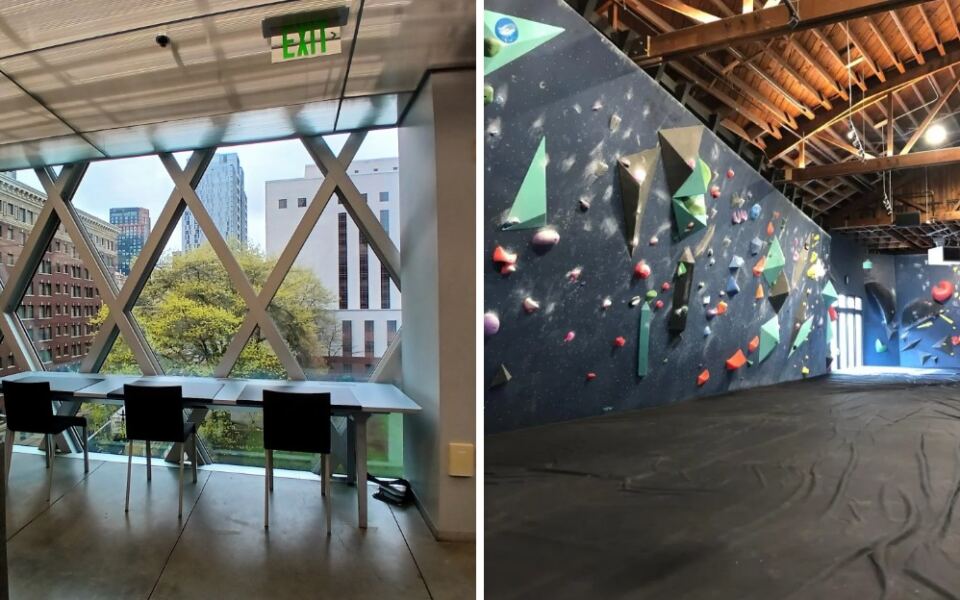
A building that looks like a giant glass gift box is a pretty good place to unwrap a new social life. Seattle’s Central Library opened in 2004, and its bold design came from architect Rem Koolhaas and his firm, OMA.
Inside, you’ll find far more than quiet shelves. The library hosts free events, author talks, and classes that put you in a room with curious people.
Here’s your small step. Pick one recurring program and commit to going three times in a row.
Why three? The first visit feels awkward, and the second feels familiar.
By the third, you may recognize a few faces and feel more comfortable saying hello.
The Seattle Public Library offers free English Conversation Circles for adults practicing English. Volunteers and learners chat in small groups, which makes it a natural spot to meet people from around the globe.
Book lovers have another easy option. Library book groups give you a ready-made topic, so you never have to invent small talk about the weather.
Don’t skip the Books Spiral, either. This continuous ramp winds through several floors of nonfiction, and it gives you a fun detail to mention to someone new.
A tip for shy folks: arrive five minutes early. Rooms are quieter before an event starts, and one simple question about the speaker can open a real chat.
Bring a library card, or sign up for one if you live in Seattle. It costs nothing and opens doors to more programs across the city.
Friendship needs a place to grow, and libraries are built for lingering. You might come for a lecture and leave with a lunch plan.
Not bad for a free afternoon in Washington.
Address: 1000 4th Ave, Seattle, WA 98104
Ballard Food Bank
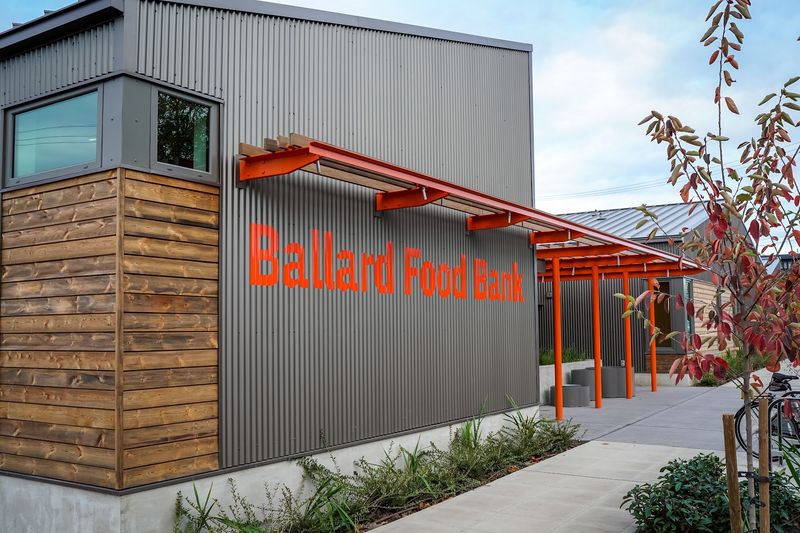
Nothing breaks the ice like two strangers trying to figure out which bin the canned beans go in. Volunteering puts your hands to work, and conversation tends to follow on its own.
Ballard Food Bank serves neighbors in north Seattle and relies on volunteers to keep things moving. Shifts can include sorting donations, stocking shelves, and helping with distribution.
So why does this work for making friends? You aren’t standing around holding a drink and searching for something clever to say.
Instead, you share a task. Shared tasks lower the pressure, and they give quiet people a comfortable way to join in.
Try signing up for the same shift each week. You’ll start seeing familiar faces, and those faces will start expecting yours.
Regular shifts also show people you’re dependable. That trait matters a lot when someone is deciding whether to invite you to a barbecue.
Here’s a tiny trick worth stealing. Learn one name per shift and use it before you leave, like saying thanks to Maria by name.
People notice when you remember them. It’s a small move, yet it can feel huge to the person on the other side.
Another perk is the mix of folks you’ll meet. Volunteers often range from students to retirees, so your new circle won’t look like a copy of your old one.
Before you go, check the food bank’s volunteer page for current openings and any training steps. Shifts can fill up, so planning ahead helps.
Helping your Washington neighbors gives the shift a purpose. Getting to know fellow volunteers can be a welcome bonus.
Address: 1400 NW Leary Way, Seattle, WA 98107
Seattle Bouldering Project
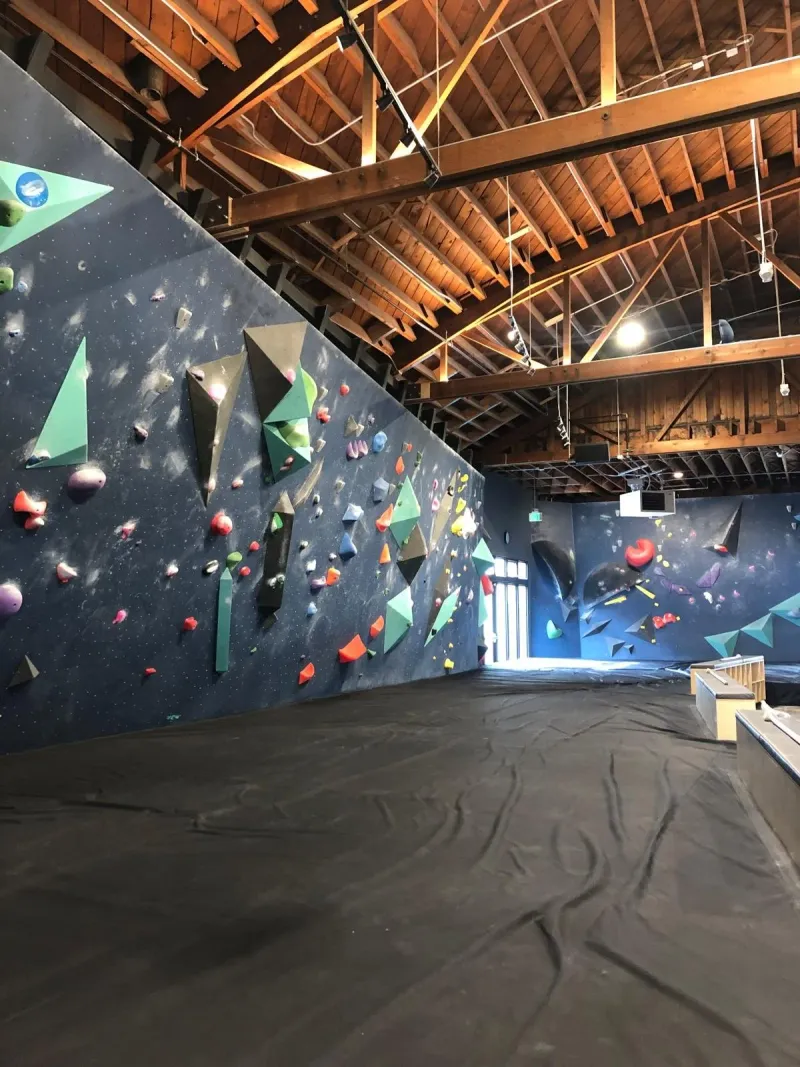
Falling off a wall in front of strangers sounds embarrassing, until you notice that the strangers are falling too. Bouldering is basically a group lesson in laughing at yourself.
Seattle Bouldering Project’s Poplar location sits near the edge of the Central District and Beacon Hill. The gym offers bouldering, plus yoga and fitness classes.
Bouldering means climbing short walls without ropes, with thick padded floors below. Routes are called problems, which is fitting, because people love solving them together.
And that’s the magic. Climbers often stand around the same wall, studying the holds and trading tips with whoever is nearby.
Your step here is simple. Ask someone how they’d start a route you’re stuck on.
Most climbers enjoy explaining their approach. One question can turn into ten minutes of teamwork and a high five at the top.
New to climbing? Look for an intro class, since lessons teach safety basics and pair you with other beginners.
Beginners make great friends for each other. You’re all equally wobbly, and nobody is trying to impress anyone.
Try visiting at the same time each week. Gym crowds tend to repeat, so you’ll start spotting the same people and their favorite routes.
A friendly cheer goes a long way too. Saying nice job when someone finally sends a problem costs nothing and feels great to hear.
Your forearms may complain the next day. Your social calendar, though, might thank you with a weekend climbing buddy.
Address: 900 Poplar Pl S, Seattle, WA 98144
Picardo Farm P-Patch
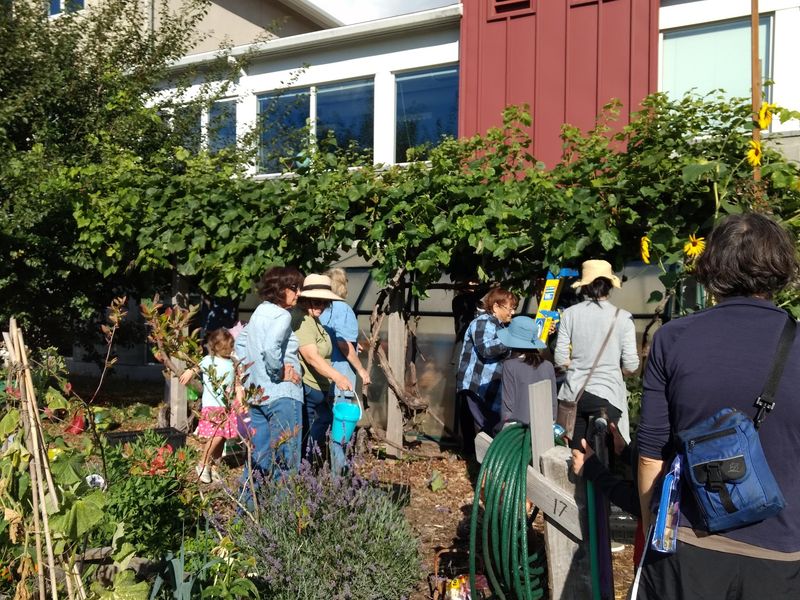
Seattle’s whole community garden program grew from one patch of dirt. The P-Patch program began in 1973 at Picardo Farm, and the P in its name honors the Picardo family.
Today the city’s Department of Neighborhoods runs P-Patch gardens across Seattle. Picardo Farm is still growing, which feels like a fun bit of local history you can touch.
Gardening might seem like a solo hobby. In a P-Patch, though, your plot sits right next to someone else’s tomatoes.
Neighbors swap advice, extra seeds, and the occasional zucchini nobody asked for. Before long, you’re comparing slug strategies with the person two rows over.
Gardeners also share upkeep of common spaces. Work parties bring people together for weeding, building, and tidying the paths.
That’s your best friend-making moment. Show up for group work days, even if your own plot is looking great.
Plots can come with waitlists, so patience helps. Check the city’s P-Patch page to learn how signups work for each garden.
No plot yet? Ask about volunteer opportunities, since gardens often welcome extra hands.
Here’s a sweet bonus. Many P-Patch gardeners grow food for local food banks, so your help can feed neighbors you’ll never meet.
Garden friendships move slowly, much like the plants. Still, watching the seasons change next to the same people builds a bond that feels steady and real.
You’ll end up with dirty knees and, with luck, a garden buddy. Some folks even come home with a bag of extra kale.
Address: 8040 25th Ave NE, Seattle, WA 98115
Mox Boarding House
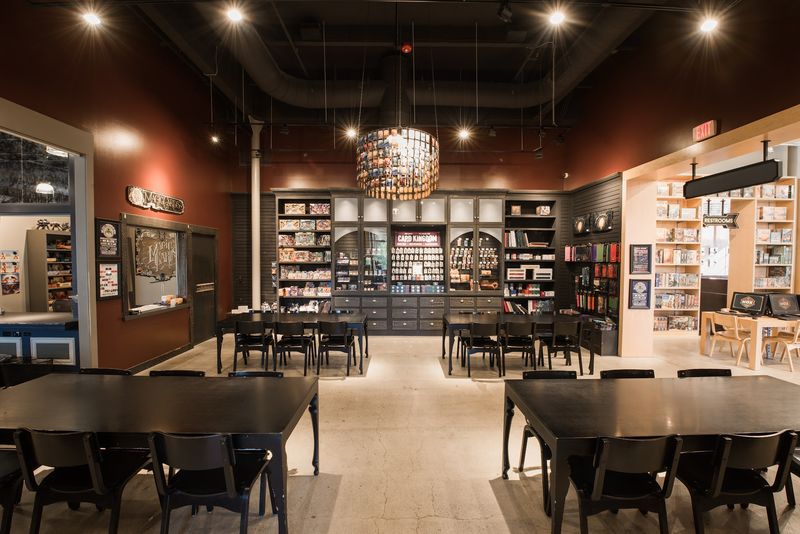
Board games come with built-in conversation starters, like Who Stole My Sheep? That’s why a game night might be the easiest social step on this list.
Mox Boarding House in Ballard mixes a game store with a restaurant and space to play. Shelves of games line the store, and tables invite you to sit and start.
Games solve the biggest problem with meeting people. You don’t have to keep the chat going, because the game does it for you.
Rules, turns, and friendly trash talk fill the quiet moments. Nobody notices you’re nervous when everyone is busy plotting.
Look for organized events on the calendar. Card game tournaments and play nights bring in people who already share your hobby.
Not into competition? Cooperative games let your table work together against the board, which is a lovely way to bond fast.
Here’s a small, brave step. Bring a friendly game you know well and ask a nearby group if they’d like to try it.
Teaching a game makes you the helpful one at the table. People tend to remember the person who explained the rules kindly.
Food helps too. Sharing a plate of snacks between rounds keeps everyone at the table longer.
After a few visits, swap contact info with players you click with. A simple text like game night again next week? can build a regular crew.
Washington’s long rainy evenings were practically made for this. Roll the dice, and see who you meet.
Address: 5105 Leary Ave NW, Seattle, WA 98107
Green Lake Park
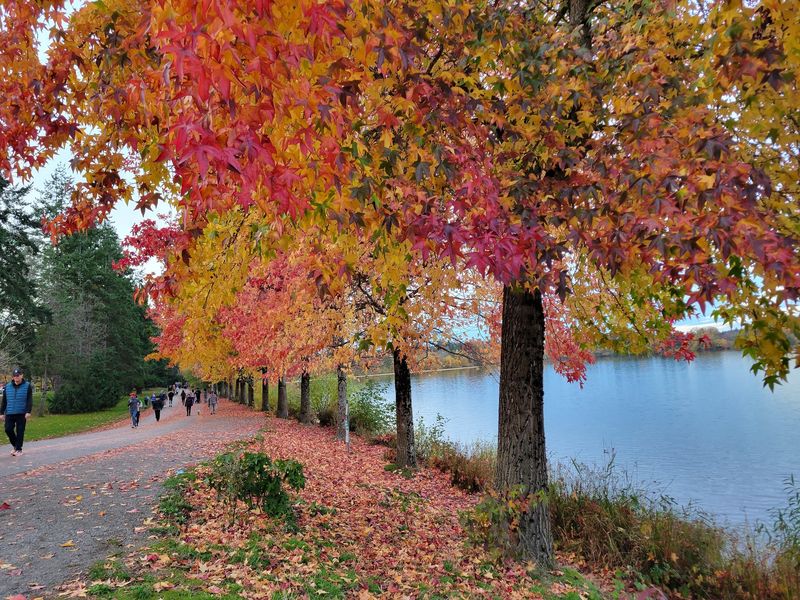
A loop of about 2.8 miles might be the most social track in Seattle. Green Lake’s inner path circles the water, and walkers, runners, and skaters share it daily.
That steady loop makes the park perfect for a walking group. You can chat side by side, which feels easier than staring at someone across a table.
The familiar route also makes planning straightforward. Agree on a meeting point and a pace that lets everyone enjoy the conversation.
So try this step. Join a walking or running group that meets at the park, or start your own.
Starting one sounds bold, yet it’s simple. Post an invite on a neighborhood app, pick a regular time, and show up even if only one person comes.
Consistency is the secret ingredient. When people know you’ll be there every Tuesday at 6, joining becomes easy.
Already walk alone? Pick the same time daily and you’ll start spotting regulars with dogs, strollers, or headphones.
A quick hello turns into a nod, and then into a chat. Familiar faces are the first step toward friendly ones.
The park also has a community center and sports fields nearby. Rec classes there offer another way to meet people in the neighborhood.
Bring a rain jacket, of course. Seattle walkers know a drizzle is no reason to cancel.
By lap ten, you might have a walking buddy who knows your whole story. Fresh air plus good company is hard to beat.
Address: 7201 East Green Lake Dr N, Seattle, WA 98115
Pike Place Market
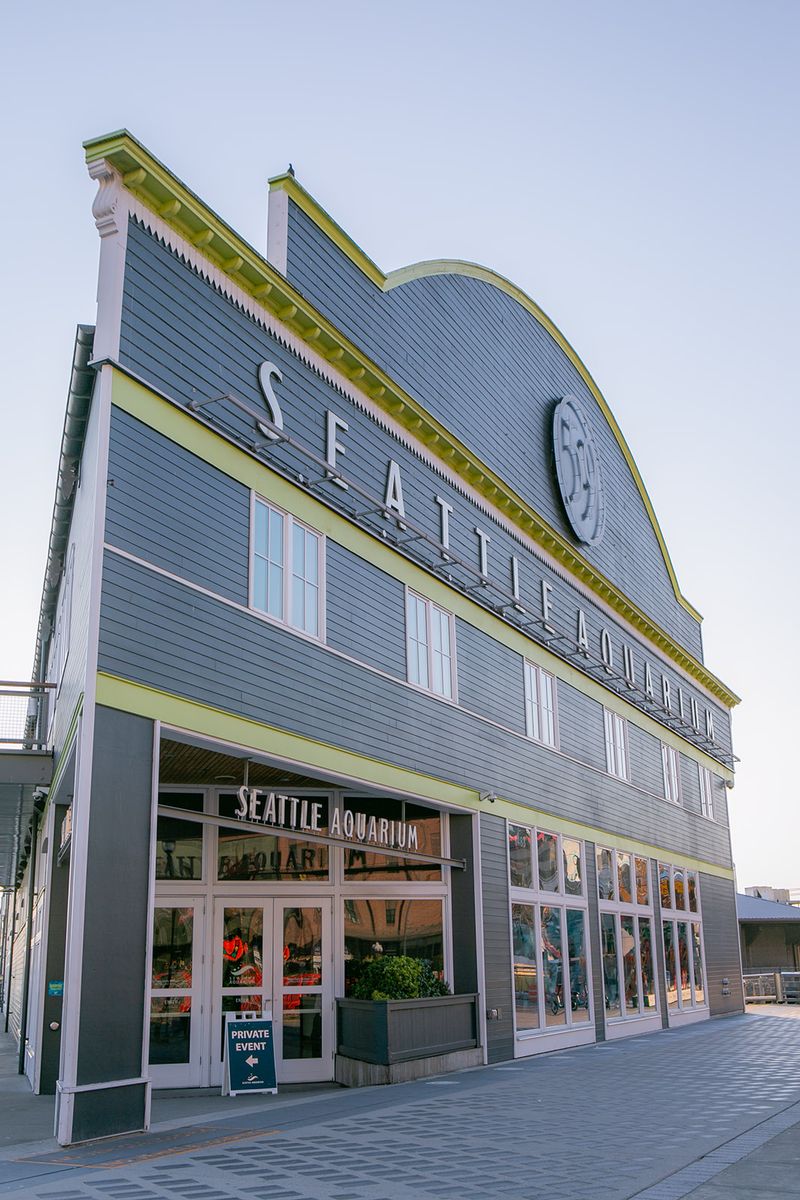
Flying fish and a wall covered in chewing gum make strange friendship tools, but they work. Pike Place Market has been open since 1907, and it gives you endless things to talk about.
The market is famous for fishmongers tossing fish at Pike Place Fish Market. The nearby Gum Wall gives visitors a sticky, colorful story to share.
Your final step is all about becoming a regular. Pick one vendor, maybe a flower stall or a bakery counter, and visit often.
Visiting regularly can make a vendor’s counter feel familiar. When business is quiet, a brief conversation might grow into exchanging names and updates.
That sounds tiny, right? Yet these light connections matter, because they make a big city feel like a neighborhood.
Regulars also meet other regulars. The person in line beside you each Saturday could become your coffee companion.
Go early for quieter aisles and easier chats. Busy afternoons can get crowded with visitors snapping photos.
Try inviting a new acquaintance to explore the market with you. It’s an easy, low-pressure plan, and the sights keep the conversation lively.
Ask for vendor recommendations, too. People love sharing their favorite apple or pastry, and it shows you care about their craft.
Friendship in Washington might start slow, like a long gray spring. Small, steady steps still melt the freeze one hello at a time.
So grab a bouquet, wave at the fishmongers, and keep showing up. Your people are out there, possibly holding a salmon.
Address: 85 Pike St, Seattle, WA 98101
Share this story