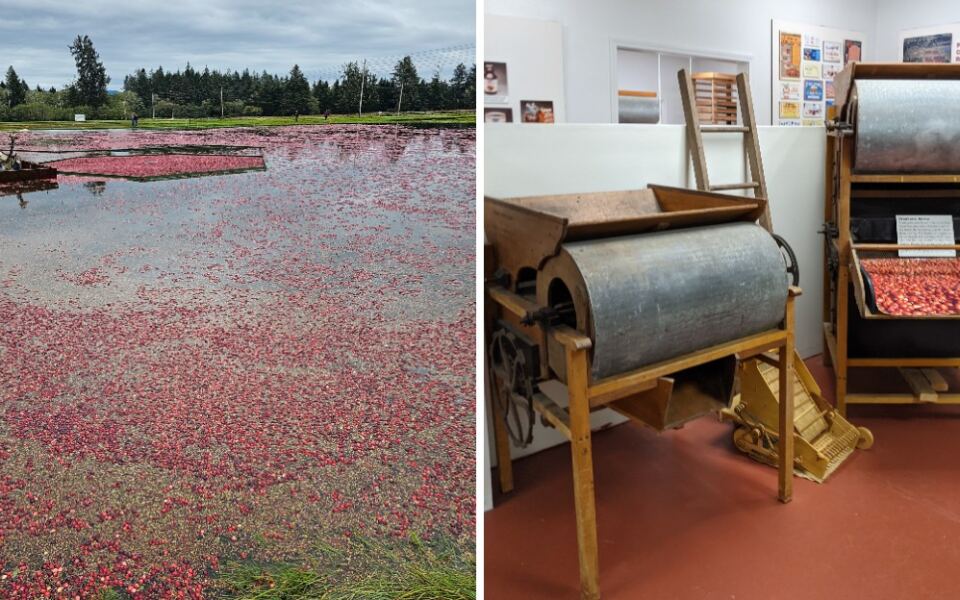
Cranberries usually get a small corner of the Thanksgiving table. Here, they get a museum, working bogs, and a place in your ice cream cone.
The shop’s sales help fund university research at the farm next door. That’s a satisfying extra with dessert, especially when you can walk beside the fields where the berries grow.
Admission to the museum is free. Inside, old harvesting machines tell part of the story.
Outside, paths follow the bogs past plants and ponds, putting the equipment into context. Growing a berry that ends up in such a familiar holiday dish takes more ingenuity than most of us stop to consider.
I like the thought of coming for cranberry ice cream and leaving curious about the harvest. Between the scoop and the walk, that can of sauce in the pantry starts to have a much more interesting story.
A Free Museum That Turns Side-Dish Trivia Into Real Fun
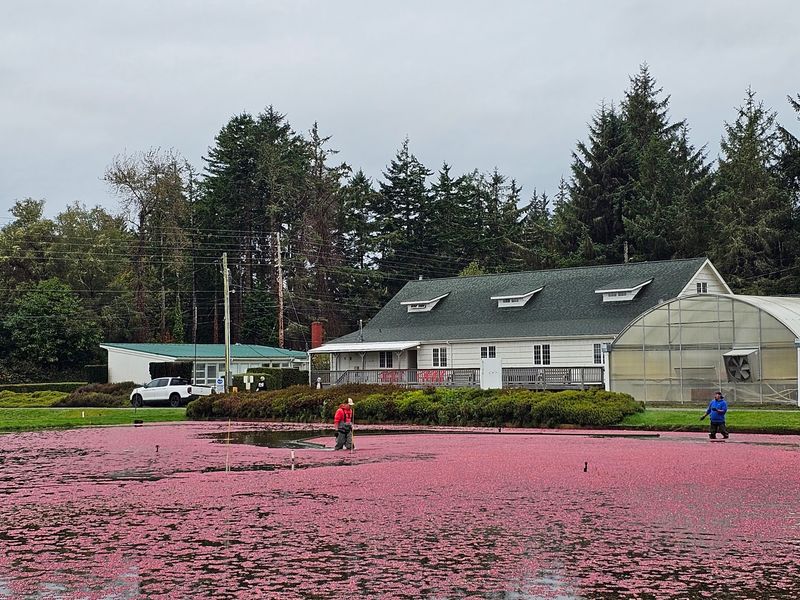
Admission costs nothing at the Cranberry Museum, and that alone makes it an easy yes. Donations are welcome, but nobody makes you pay to learn about a berry.
The museum sits on a working stretch of farmland on the Long Beach Peninsula in Washington. Bogs spread out around the building, so the subject of the exhibits is literally right outside the window.
Inside, the displays explain cranberry history and farming in clear, simple ways. You don’t need a farming background to follow along.
Curiosity is enough.
It’s a small place, and that works in its favor. A quick visit can take around half an hour, while a longer one can stretch out with a walk through the fields.
I believe small museums often tell bigger stories than you’d expect. Here, one little red fruit connects to local families, clever machines, and a whole coastal economy.
Call ahead to confirm museum and gift shop hours. The outdoor bog tour is open year-round from 8 a.m. to dusk.
Free, focused, and surprisingly deep. Not bad for a berry most of us only think about once a year.
Those Odd Old Machines Deserve a Closer Look
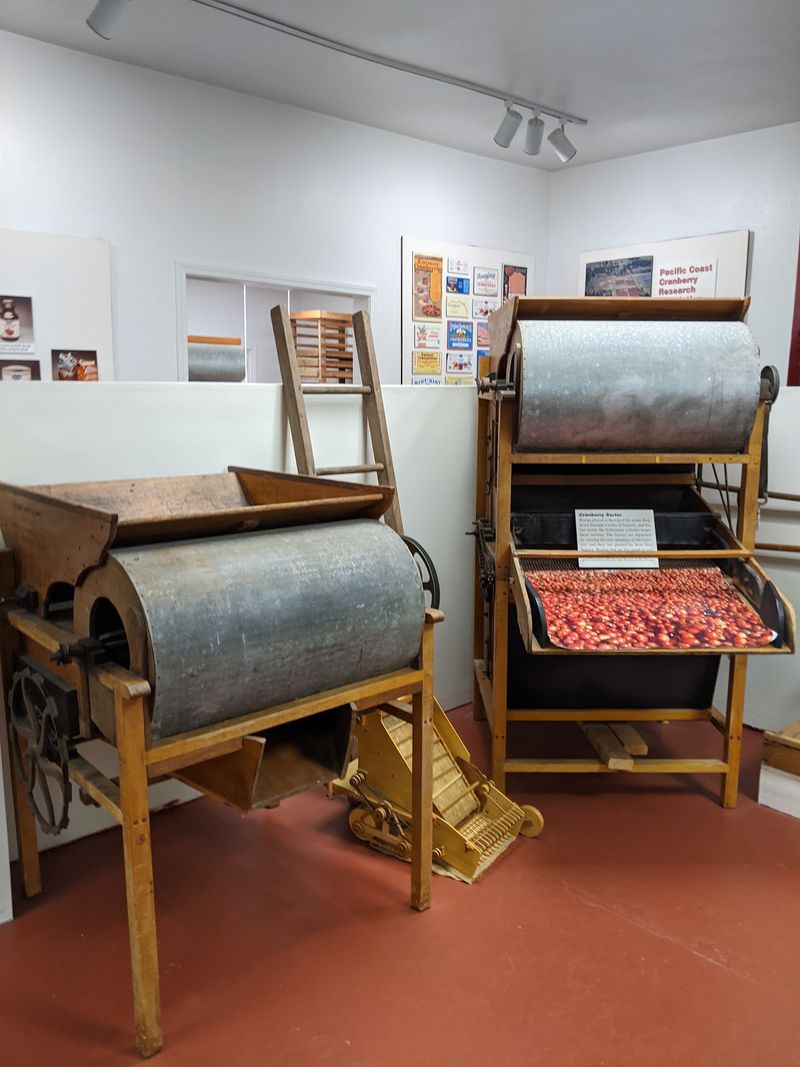
Wooden scoops, pickers, and harvesting gadgets fill the exhibits, and each one shows a step in a long puzzle. Growers spent years trying to pick berries faster and with less work.
Some tools look simple at first. Then you learn what they were meant to do, and suddenly they seem pretty clever.
The collection traces how harvesting changed over time. Hand tools gave way to machines as farmers kept testing new ideas.
One big surprise for many people is that not every cranberry gets harvested from a flooded bog. Dry harvesting is a thing, and the exhibits help explain how it works.
That changes the picture most of us carry from commercials. Floating red berries make great television, but the real story has more than one method.
Kids may enjoy guessing what each tool did before reading the sign. Adults might enjoy it even more, especially anyone who likes tinkering.
Take your time in this part of the museum. The machines show how much trial and error went into getting cranberries from the vine to your table.
It turns out sauce has an engineering department.
Grab the Brochure and Wander Right Into the Bogs
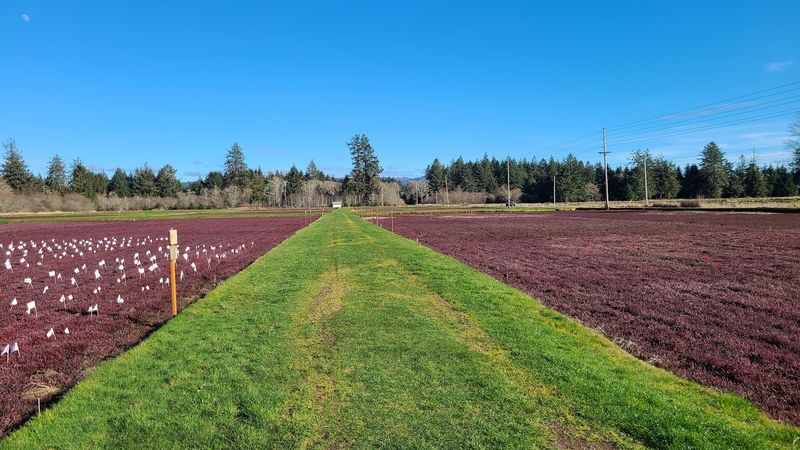
Here’s a museum where the best exhibit might be outdoors. A self-guided walking tour leads you along the cranberry fields with a brochure to explain what you’re seeing.
The paths let you get close to the low vines. Most people never see cranberries growing, so this part feels like a backstage pass.
Ponds on the property play a role in watering and harvesting. Seeing them in person makes the whole flooding process easier to understand.
The grounds also show different cranberry varieties. Yes, there’s more than one kind, and comparing them is oddly satisfying.
Wear shoes you don’t mind getting a little dusty or damp. Coastal weather in Washington can shift quickly, so a light jacket is smart.
Dogs aren’t allowed inside the museum building. Leashed pups can join you on the path next to the fields, though, which helps if you’re traveling with a furry co-pilot.
Plan extra time for this walk if you like being outside. It’s the part where reading about bogs turns into standing beside one.
Fresh air and farm facts make a pretty good pair.
Your Ice Cream Order Quietly Funds Science
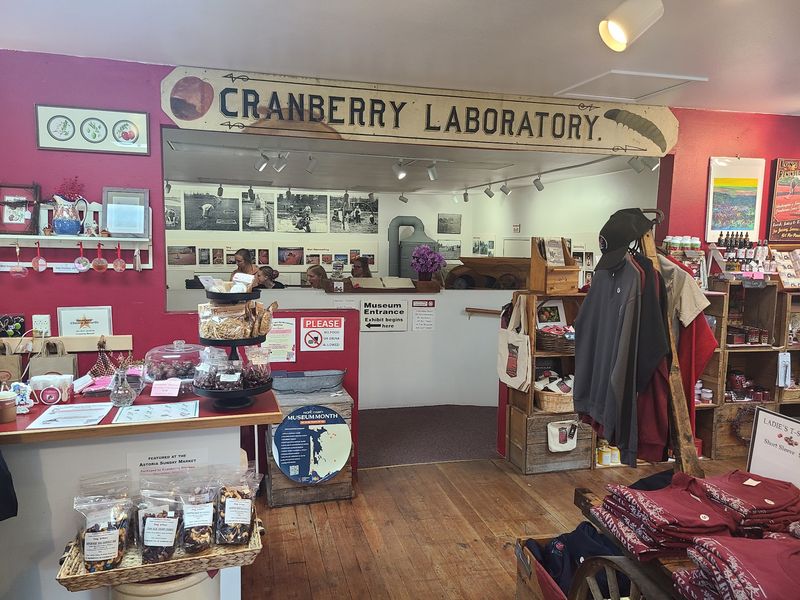
Cranberry ice cream is the treat that keeps coming up here, and it’s made in-house. Tart fruit and creamy dessert sound like an odd team until you think about it for two seconds.
The best part goes beyond flavor. Proceeds from the gift shop help support Washington State University research at the farm near the museum.
So every scoop has a purpose. That’s the rare dessert you can call responsible.
The research connection makes sense when you see the setting. Growers on the peninsula have long relied on testing and learning to keep their crops healthy.
After grabbing a cup, head out back. Picnic tables give you a spot to sit with your snack and look over the farm.
Bring along anything else you picked up too. A short break outside is a great way to finish a visit before driving back toward the beach.
Kids will likely ask for ice cream before seeing a single exhibit. You may want to save it for the end as a reward.
Or not. Nobody’s grading your museum order.
The Gift Shop Takes Cranberry Everything Very Seriously
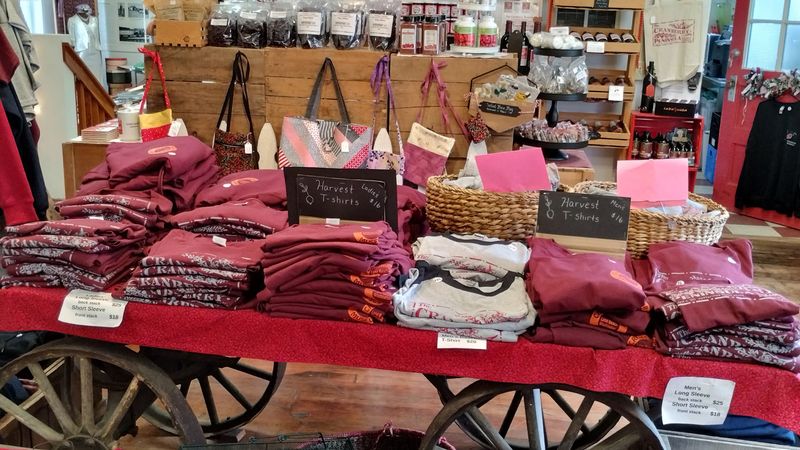
Cranberry lotion. Cranberry candy.
Cranberry scones and souvenirs you never knew existed.
The gift shop at the Cranberry Museum leans all the way into its theme. If something can taste, smell, or look like a cranberry, there’s a decent chance it’s on a shelf.
Fresh berries are available too, depending on the time of year. Taking some home feels like the natural ending to a cranberry field trip.
Candy and truffles make easy gifts for friends who stayed home. Lotion is a fun pick for anyone who prefers their cranberries off the plate.
Shopping here also supports the research work nearby. That’s a nice bonus when you’re grabbing one more snack for the road.
The staff can be a great resource while you browse. They know the products and the history, so asking questions is part of the fun.
I like that souvenirs here actually connect to what you just learned. A jar or treat becomes a reminder of the bogs you walked beside.
Leave a little room in the car. Cranberry shopping tends to snowball.
Harvest Season Brings the Bogs to Life
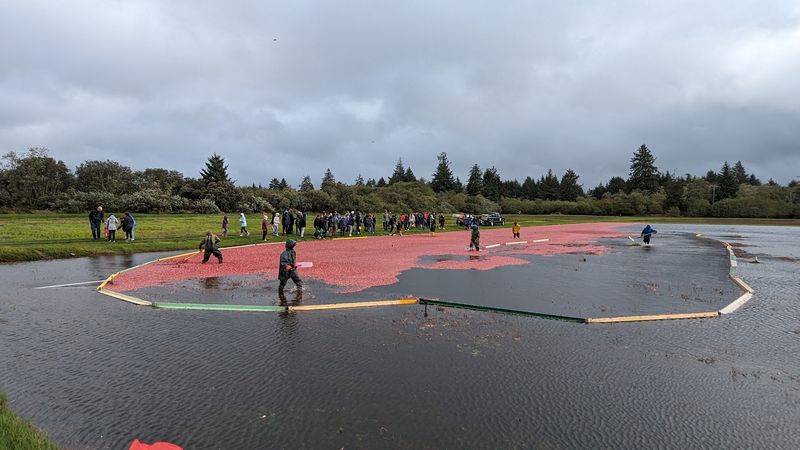
Fall is when the fields turn into the main event. During harvest, you may get to see crews and machines working the bogs near the museum.
Watching the real process beats any photo. Machines and techniques you read about inside suddenly make sense in motion.
Timing matters, of course. Harvest depends on the crop and the weather, so it’s not a guaranteed show.
The area also celebrates with an annual Cranberry Festival. Around festival time, the museum can get busy as the community comes out to support it.
Plan ahead if you want that lively atmosphere. If you prefer quiet paths, another season might suit you better.
Either way, autumn makes the Thanksgiving link feel especially strong. Those berries could end up on someone’s holiday table just weeks later.
Bring a camera and patience. Farm work runs on its own schedule, not on visitor schedules.
Even outside harvest, the grounds still tell the story. Fall just adds sound, motion, and a whole lot of red.
It’s a good reminder that Thanksgiving dinner starts long before November.
Kids Get a Scavenger Hunt, Parents Get a Breather
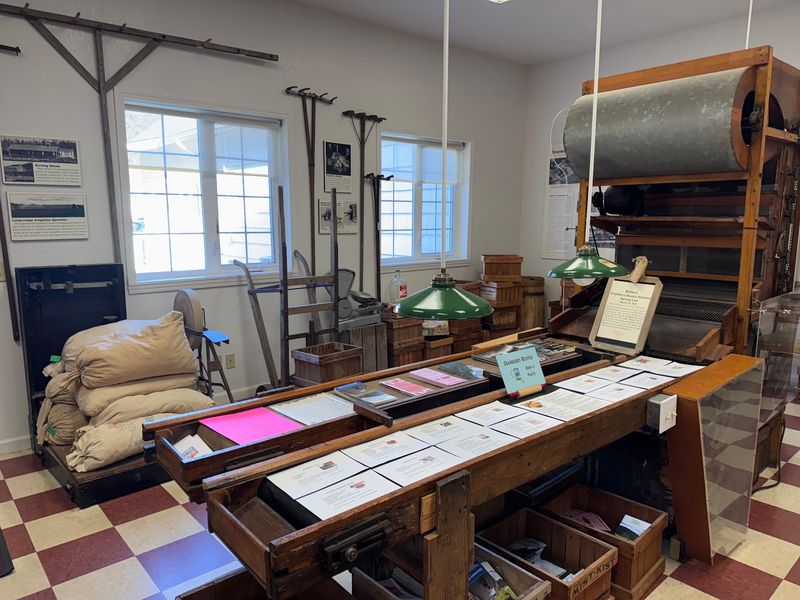
Museums and kids can be a gamble. This one tips the odds in your favor with a scavenger hunt inside the exhibits.
Searching for answers keeps young visitors moving and reading. It turns old tools and farm facts into clues instead of chores.
The building’s small size helps too. Children can explore without getting lost or worn out halfway through.
Once the hunt is done, the outdoor walk gives them room to stretch. Seeing actual cranberry plants helps the lessons stick.
Restrooms are on site, which every parent will appreciate. Picnic tables out back offer a spot for snacks and a quick reset.
The building is also accessible for people with disabilities. That makes it easier for families traveling with strollers or wheelchairs.
Ask the staff questions together. Kids often come up with the best ones, like why berries float or how anyone first thought of flooding a field.
Fair warning: your kids may become cranberry experts by dinnertime. Expect fun facts at Thanksgiving.
Honestly, that’s a fair trade for a free outing.
A Familiar Brand Name Has Roots Out Here
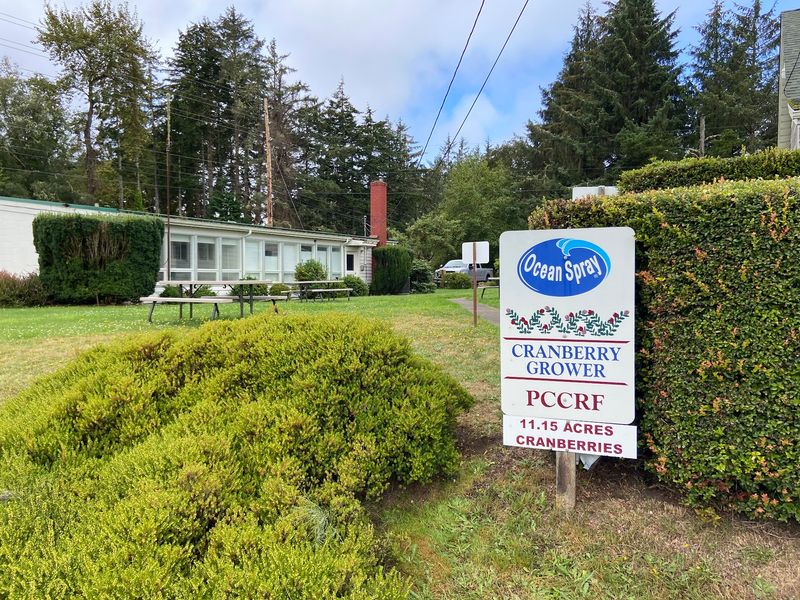
Many visitors leave surprised by one connection. Growers on this coast are tied to Ocean Spray, a name that sits in pantries across the country.
The exhibits help connect that grocery store label to real farms. Suddenly the juice bottle has a hometown feel.
Washington might not be the first state people link with cranberries. The peninsula’s bogs show that this corner of the Pacific Northwest has its own long farming tradition.
History displays explain how local growers built the industry here. Families, tools, and research all played a part.
That’s what makes the museum’s story bigger than sauce. Each berry carries generations of work, experiments, and stubborn coastal effort.
The staff is helpful if you want to know more. A good question can lead to a fun conversation about the area’s past.
I believe local history hits harder when you can see the land it came from. Here, the fields are right outside.
Next time you open a can at a holiday dinner, you’ll know some of that story. Feel free to share it between bites.
Swap the Sand for Bogs on Your Next Beach Trip
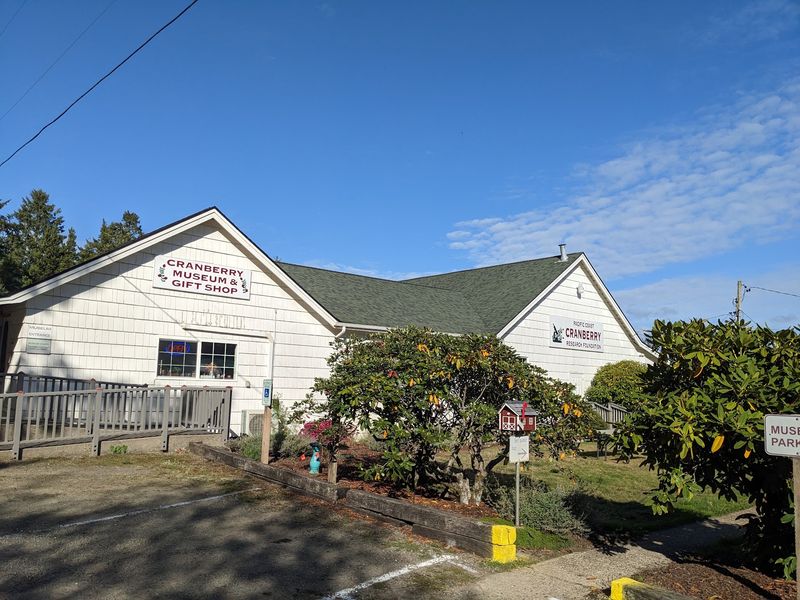
Beach towns are great until everyone’s tired of wind and sand. The museum offers an easy change of scene just outside town.
You’ll find it at 2907 Pioneer Rd W, Long Beach, WA 98631. The drive is short if you’re staying anywhere near Long Beach.
Plenty of people pass it for years before stopping. Don’t be that driver who keeps saying next time.
Plan for anywhere from 30 minutes to an hour. Add more if you want a slow walk, a picnic, or serious gift shop browsing.
Check opening hours before fitting the museum into your beach day, especially around holidays.
Wildlife sometimes shows up around the ponds and fields. Keep your eyes open and give any animal plenty of space.
The Cranberry Museum makes a smart stop for road-trippers exploring coastal Washington. It’s free, relaxed, and full of facts you’ll actually remember.
Plus, you leave with ice cream, candy, or berries. Few beach-day detours end that sweetly.
Share this story