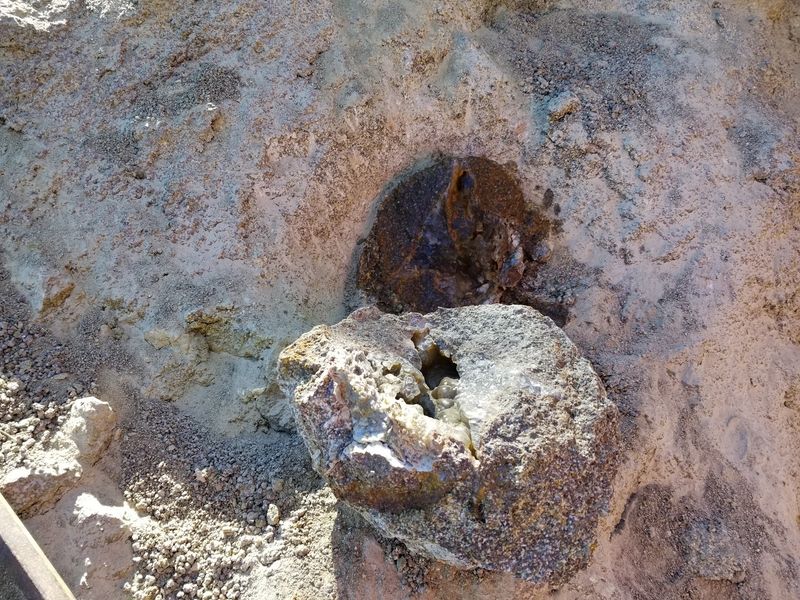
Somewhere up a long dirt road in the Ochoco Mountains, round gray rocks sit buried in the hillside, and some of them hold a rainbow inside. Oregon calls them thundereggs, and they are the official state rock. Most people only ever see one behind glass or on a gift shop shelf.
At one small family-run spot near the town of Mitchell, though, you get to grab a tool, dig your own, and drive home with your haul. The catch is that getting there takes planning, a sturdy car or good walking shoes, and a phone call before you leave. This guide covers where it is, who runs it, what the eggs look like, how to find the road, and the small tips that separate a great dig day from a long, frustrating drive.
Grab a shovel and keep reading.
A Hillside Mine Near Mitchell
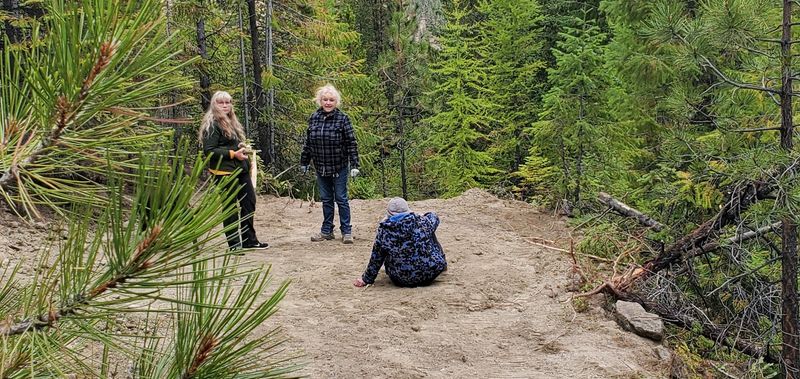
Some of the best treasure in Oregon has no street number at all. Lucky Strike Mine is listed simply as Oregon 97754, in the high country near Mitchell in central Oregon.
It is classified as a natural feature, which fits. There is no big visitor center or paved parking lot here, just a working dig site tucked into the mountains.
The mine sits in the area around the Ochoco Mountains, a region that draws road trippers, rockhounds, and families looking for something different to do. The Mitchell connection matters, since the town is the jumping-off point for most trips out to the dig.
What makes the place special is simple. You come to hunt for thundereggs, you do the digging yourself, and the eggs you pull from the ground are yours to keep.
That hands-on promise is rare. Plenty of places sell polished rocks, but far fewer let regular people get dirt under their nails and claim their own finds.
The mine has kept a 4.8-star average on Google across 22 ratings, which says a lot for a spot this far from the beaten path. Not bad for a place you need a map to find.
Oregon’s Official State Rock
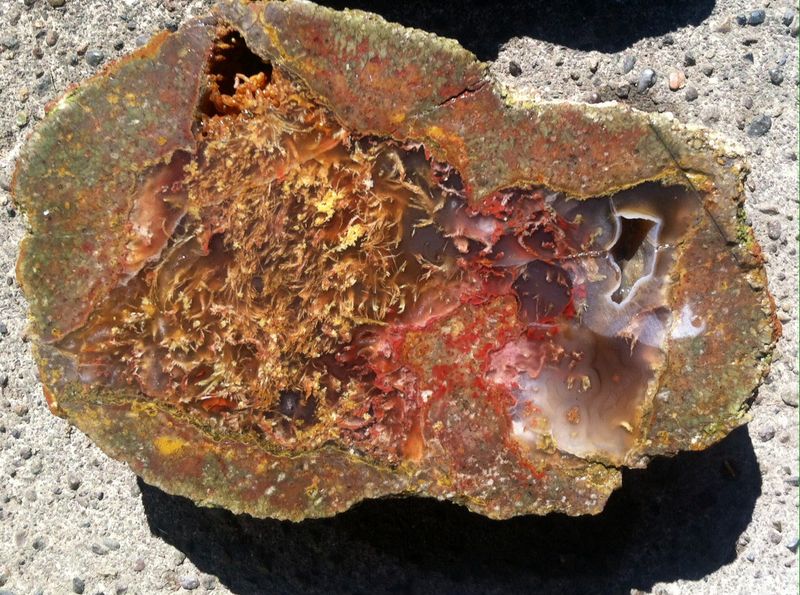
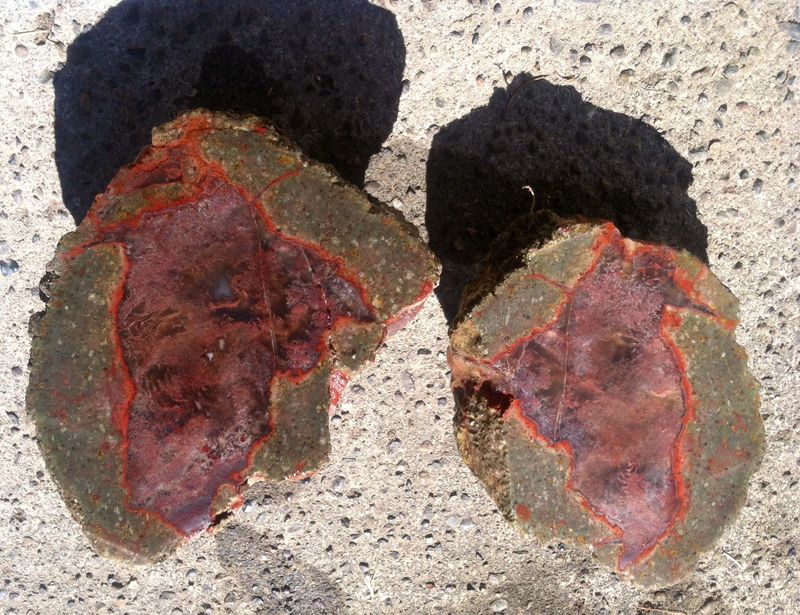
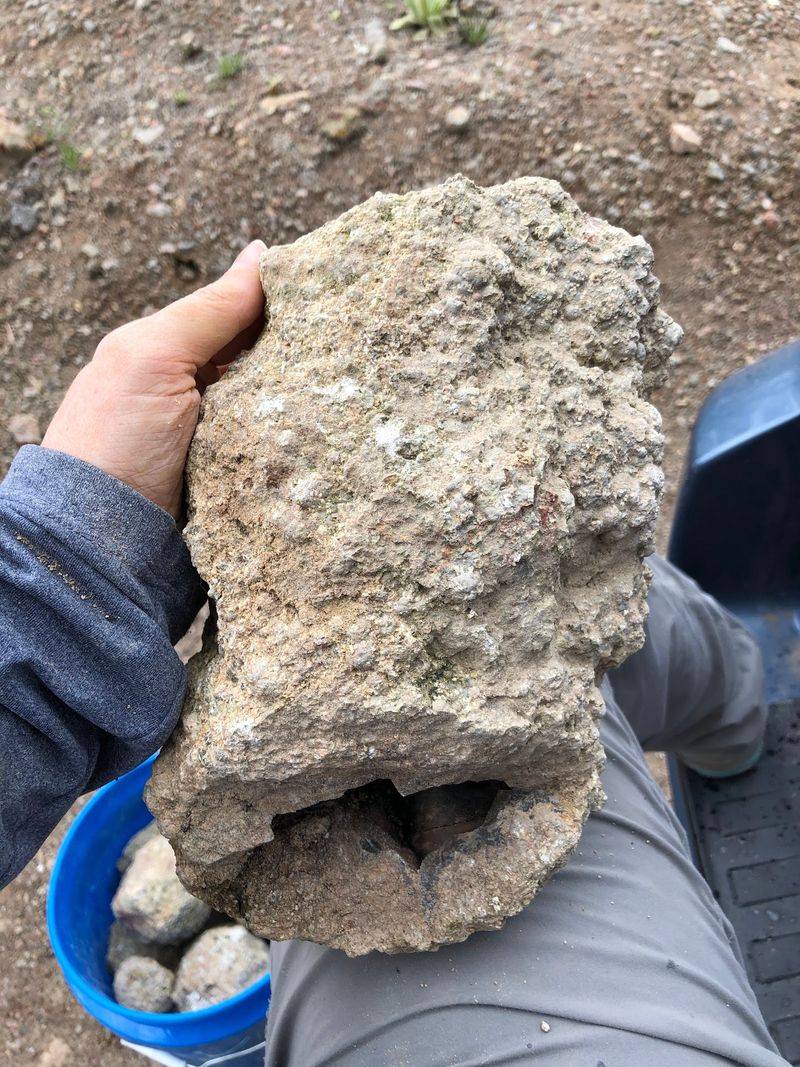
Thundereggs look like plain round stones on the outside. Crack or cut one open, though, and the center often holds agate in bright colors and patterns.
Oregon thought enough of these rocks to name the thunderegg its official state rock. That gives a dig at Lucky Strike Mine a little extra local pride.
Here is a fun fact for the drive. The name comes from an old legend that these stones were thrown by angry spirits during storms, which is a much better story than most rocks get.
At Lucky Strike, the eggs are known for being some of the most attractive in the area. People who have dug at several sites around central Oregon often name this one as their favorite stop.
The colors inside the agates cover a wide range. Some eggs show soft tones, while others look like a full rainbow packed into a small stone.
That surprise factor is part of the fun. Nobody knows exactly what a thunderegg holds until it gets cut, so every rock in your bucket is a small mystery waiting at home.
The Family Behind the Dig
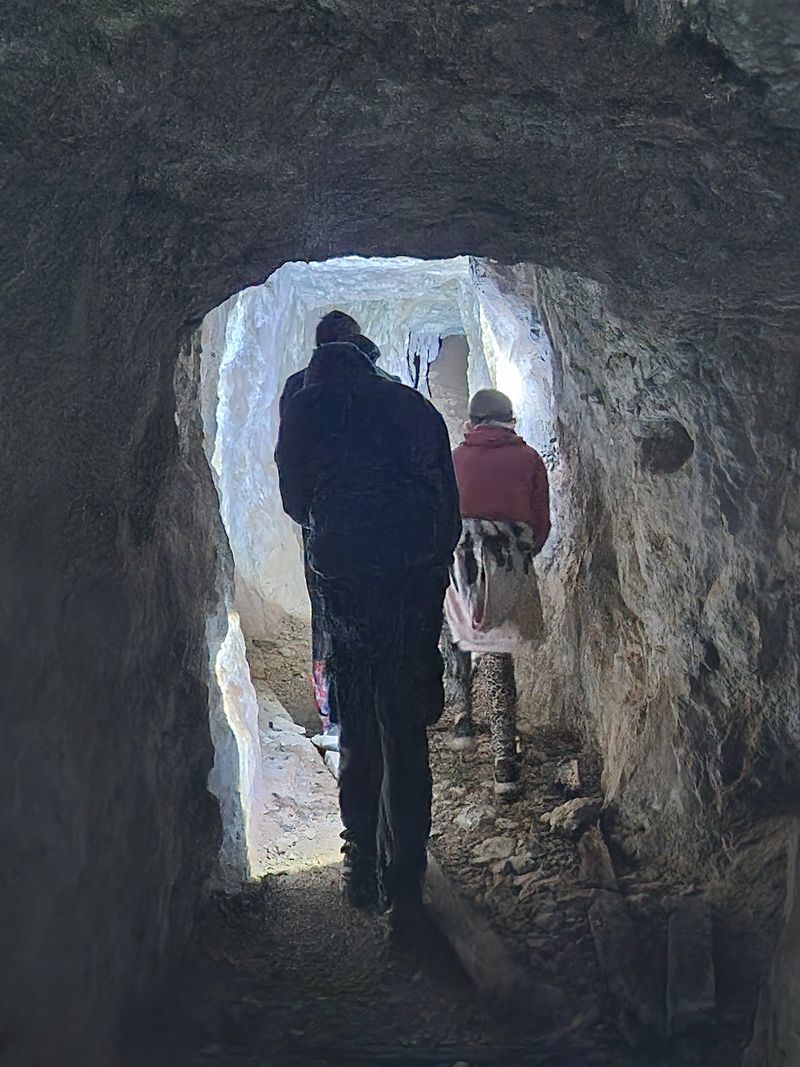
Ask anyone who has been, and the conversation usually turns to the people first. The mine has long been run by a couple named Jeremy and Janis, and their names come up again and again.
They are known as knowledgeable guides who give clear instructions before you start. First-timers get shown how to dig and what to look for, so nobody is left guessing.
The hosts also go out of their way to help each person find a good egg. Their goal seems to be making sure everyone leaves with something worth showing off.
More recent trips mention a female owner who is warm and memorable to meet. Guests describe feeling lucky just to spend time with her, which fits a mine with this name.
That personal touch is a big reason the place holds onto such strong loyalty. Many people return for second and third trips, and some plan whole vacations around coming back.
In a world of self-checkout and automated everything, a small mine where the owners know rocks and care about your day feels worth protecting.
Golf Balls to Bowling Balls
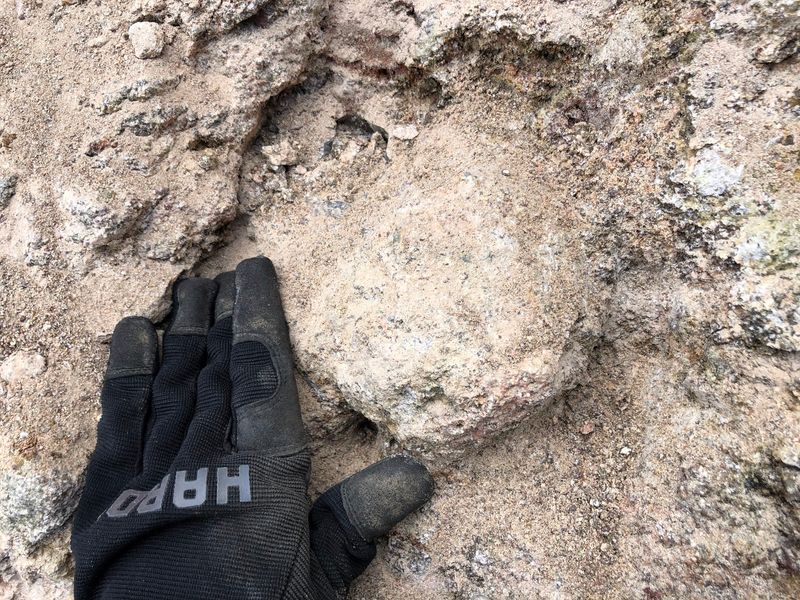
Size is where Lucky Strike gets fun. Thundereggs here range from smaller than a golf ball to bigger than a bowling ball.
Most of the eggs land somewhere in the middle. Baseball and softball sizes are the most common, which makes them easy to carry and great for display shelves.
The big ones are a different story. A thunderegg larger than a bowling ball is heavy, so plan your back and your trunk space accordingly.
Guests often leave with plenty of eggs in several sizes. The hosts help make sure the day is productive, so going home empty-handed is not the usual outcome.
Inside, the agates come in a rainbow of colors. Mixing sizes gives you more chances to find a range of patterns once the rocks are cut open.
A smart move is to pick a few of each size. Small ones make good gifts for friends, while one or two large eggs can become the centerpiece of a home collection.
Tools, Tips, and Real Elbow Grease
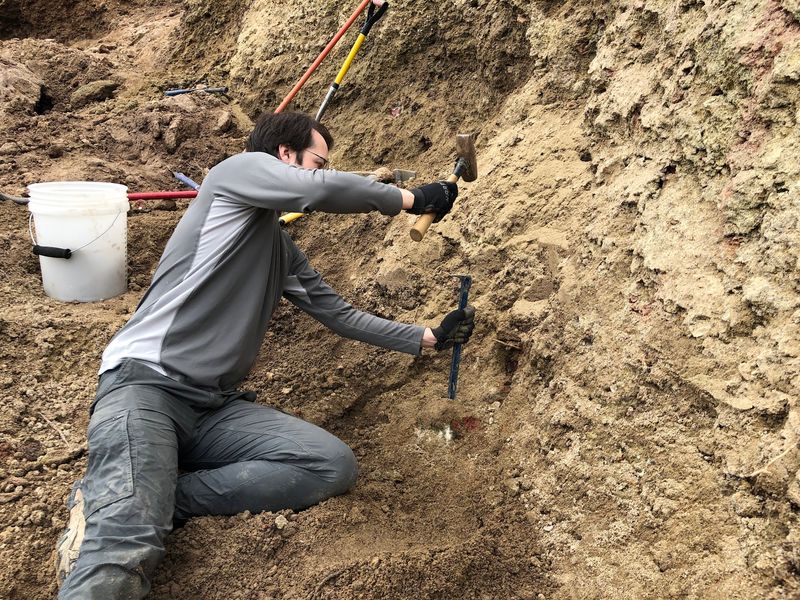
Nobody pretends this is a lazy afternoon. Digging thundereggs is real work, and the payoff is worth every swing.
The good news is that help is close by. The hosts give solid instructions and will even loan tools to people who did not bring their own.
That makes the mine friendly to first-timers who do not own a rock hammer or pick. You can show up curious and still get the job done.
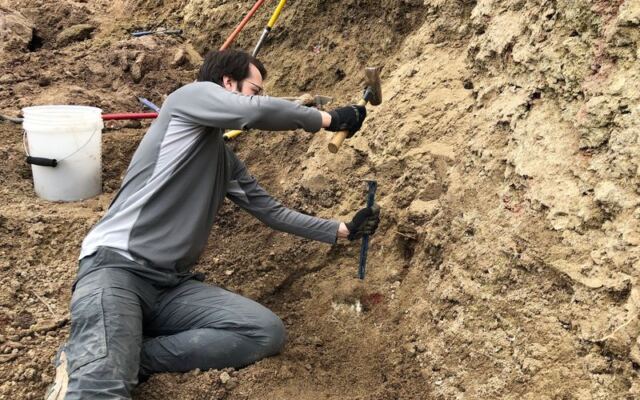
The experience is truly hands-on. You find the spot, work the soil, and pull the eggs out yourself, which makes each find feel earned.
Because of the effort involved, the dig suits older kids and adults especially well. Younger children may enjoy it too, but they will tire faster than the rocks do.
- Wear sturdy shoes and work gloves.
- Bring a bucket or bag for your finds.
- Ask the hosts for guidance before you start.
A little preparation turns sore arms into a proud story.
A Valley View Worth the Climb
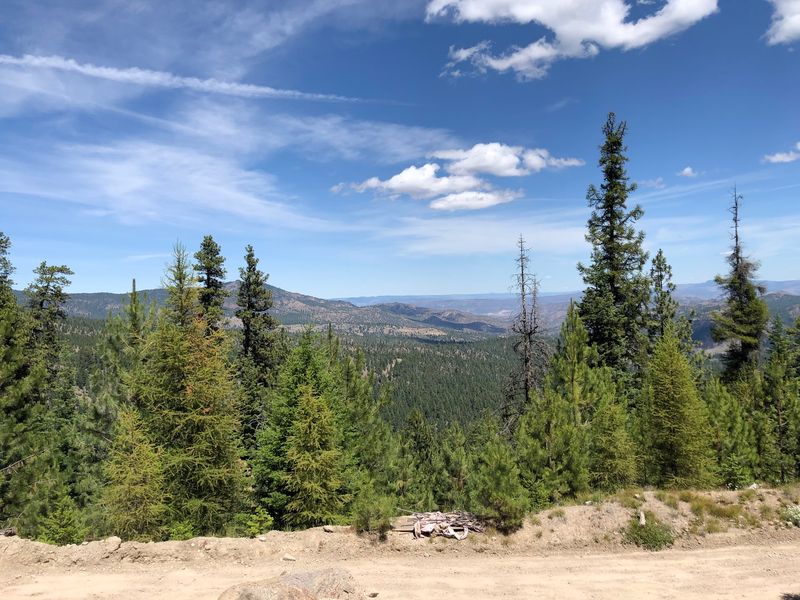
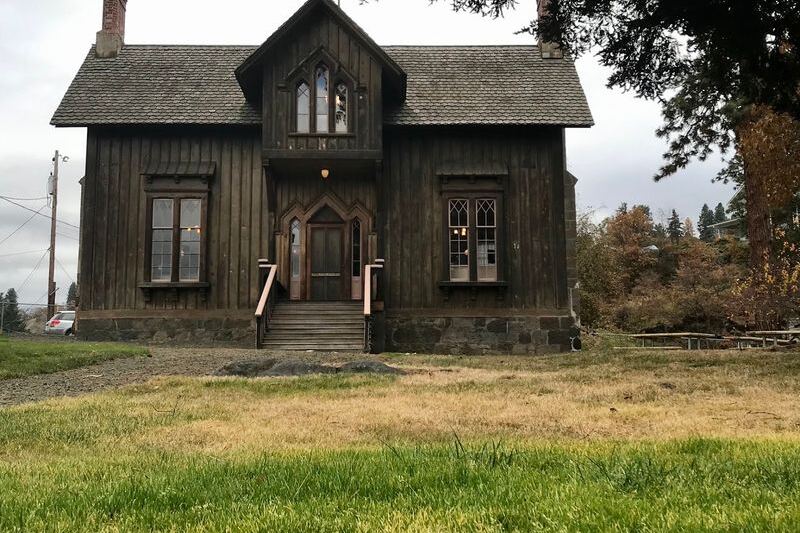
Rocks are the reason to come, but the setting is the reason people linger. The house at the mine overlooks a wide valley, and the views are a big part of the trip.
Guests regularly call the scenery spectacular. Up here in the mountains, the open landscape stretches out in every direction.
One fan summed it up by saying the day felt like being close to the heavens. That is high praise for a dig site.
Since the scenery is so good, many people suggest packing a lunch. Once you arrive, you may not want to leave right away.
Taking breaks between digging sessions to look out over the valley makes the long day easier. It also turns a rock hunt into a full mountain outing.
For anyone who loves the outdoors, the location alone makes the mine a memorable stop in the Ochoco Mountains region.
The Museum Stop Before the Mine
Smart rockhounds make one stop before heading up the mountain. Near Mitchell, a museum and rock shop has long been a key part of the Lucky Strike trip.
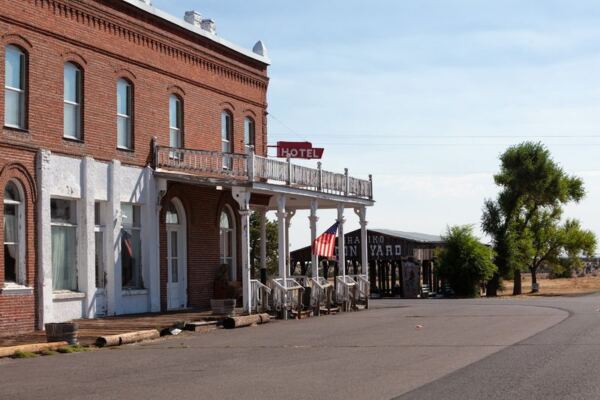
The shop sits on the left side of the road before you reach town. It is a separate place from the other shop in town, so look carefully.
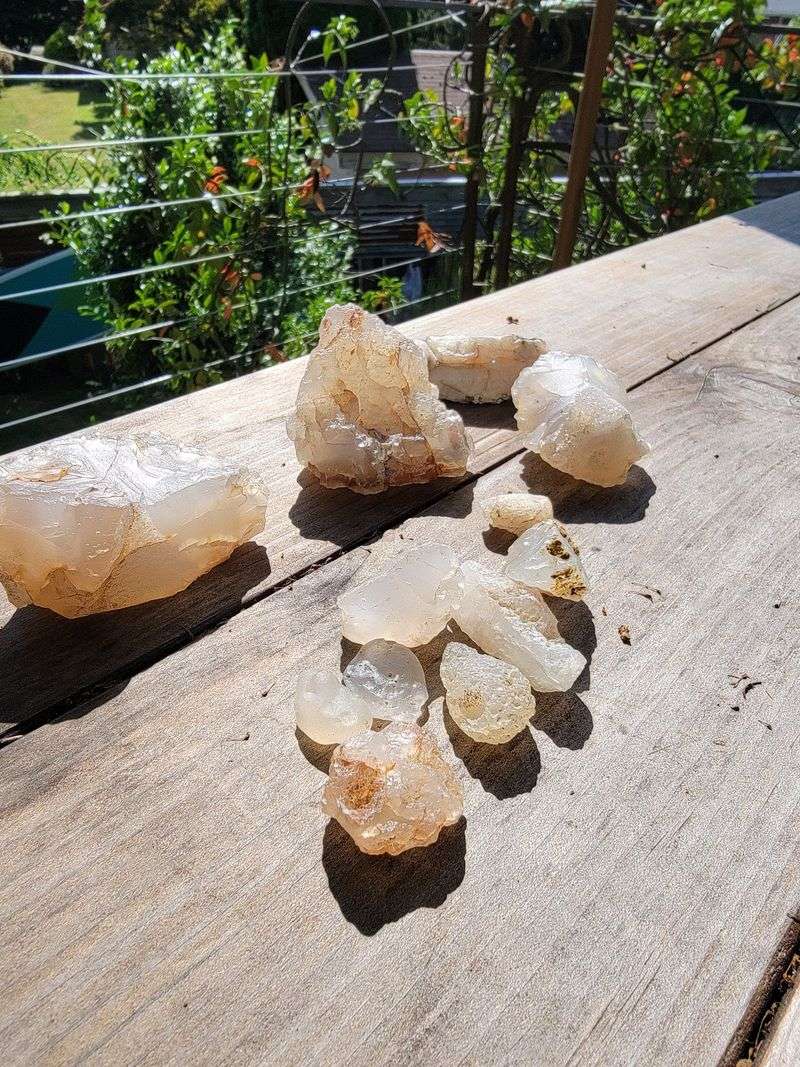
For years, a woman named Cindy ran the museum and gave guided tours. Her knowledge made the museum a favorite, and she sold cut and polished thundereggs too.
She also handed out a map to help people find the mine, which turned out to be very useful. Rough rock was available for purchase as well.
Some fans have mentioned they will miss buying rough rock from her in Mitchell, so things there may have changed. It is wise to check what is open before counting on it.
Even so, starting in Mitchell and asking about directions remains a strong plan. A little local help goes a long way on these back roads.
Dirt Roads and Getting There
Here is the honest part. Getting to Lucky Strike Mine is not easy, and the road can test both drivers and vehicles.
The main route is rough. A small car may struggle, and at least one group with a hatchback asked the owners for an alternate path.
That group drove a less rough road to a junction about two miles from the mine. They hiked the rest of the way and avoided damaging their car.
Not every trip goes smoothly. Some travelers have spent an hour and a half on dirt roads without finding the mine, citing poor directions and no posted signs.
That is why a map matters so much. Pick one up in Mitchell if possible, and ask about the best route for your vehicle.
- Bring a vehicle suited for rough roads, if you can.
- Get directions before leaving town.
- Leave extra time in your day.
The drive itself is long but pretty, so the journey is part of the adventure.
Call Ahead, Every Time
One habit can save a whole day. Before heading out, call the mine.
Several years ago, the hosts let guests know they were moving to reservations only. That change was announced for 2019, and calling first has been the advice ever since.
Hours and current prices are not posted in the information available, so a phone call is the best way to confirm both. It also helps you check road conditions and the best route.
Remote spots like this one depend on a small team. A quick call lets the hosts know you are coming and helps them plan for your group.
Calling also clears up the directions question. The owners have helped people find easier ways in before, so it pays to ask.
Think of it as part of the dig. The few minutes on the phone could keep you off the wrong dirt road for an hour.
Packing for a Day Off the Grid
Out here, the nearest store is not around the corner. Bring your own snacks and drinks, since the mine is a long drive from town.
A packed lunch is a popular move. It lets you stay longer, enjoy the views, and keep digging without rushing off.
Plenty of water is a must for a day of physical work in the mountains. Extra layers and sun protection are also smart choices.
Tools are available to borrow, but bringing gloves, a bucket, and sturdy footwear makes the work more comfortable. A small first aid kit is a good idea too.
Leave room in the car for your finds. Thundereggs add up fast, and the bigger ones are heavy.
Simple planning keeps the focus where it belongs, on the hunt. A full cooler and a strong bucket might be the two best tools you pack.
Why the Long Drive Pays Off
Small, family-run places like Lucky Strike Mine are part of what makes rural Oregon special. They are worth supporting so future rockhounds get the same chance.
The mine asks for some effort. There are rough roads, a long drive, and real digging.
In return, you get helpful hosts, sweeping valley views, and thundereggs that are yours to keep. Many people call it the best thunderegg stop they have tried.
Families with older kids and adults who enjoy hands-on outdoor projects tend to love it most. Return trips are common, and that says plenty.
Plan ahead, call before you go, and stop in Mitchell for directions. Those steps make the difference between a great day and a long detour.
Then grab a shovel and see what the hillside is hiding. Somewhere in that soil, your own little rainbow is waiting to be found.
Share this story