Most forts leave behind a plaque, a parking lot, and not much else. In The Dalles, one building from an 1850s Army post refused to disappear, and it has been holding history inside its walls ever since. Today it shelters wagons, carriages, old cars, pioneer exhibits, and a resident cat with strong opinions about belly rubs.
The museum here dates back to around 1905, which means it has been saving Oregon stories for well over a century. Places like this survive because local people keep showing up for them. Keep reading to learn where it is, what sits inside, who keeps it running, and how to plan a visit that costs about as much as a sandwich.
A Surgeon’s Quarters on Garrison Street
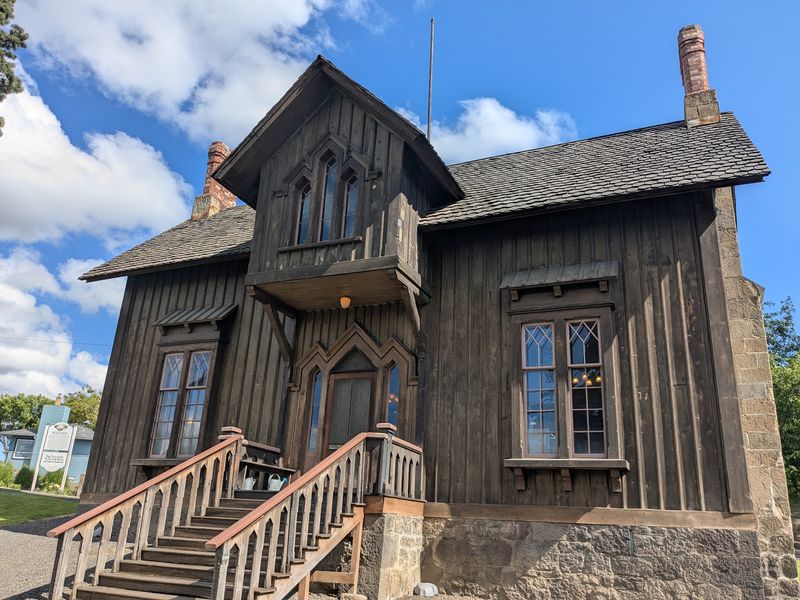
The address reads a little like a riddle: 500 W 15th and Garrison St, The Dalles, OR 97058. That corner in north central Oregon is home to the Fort Dalles Museum and Anderson Homestead.
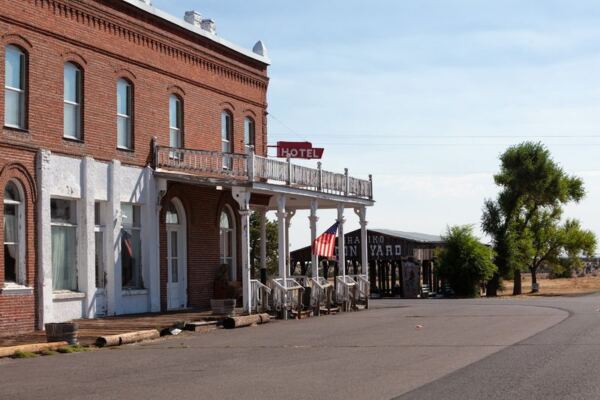
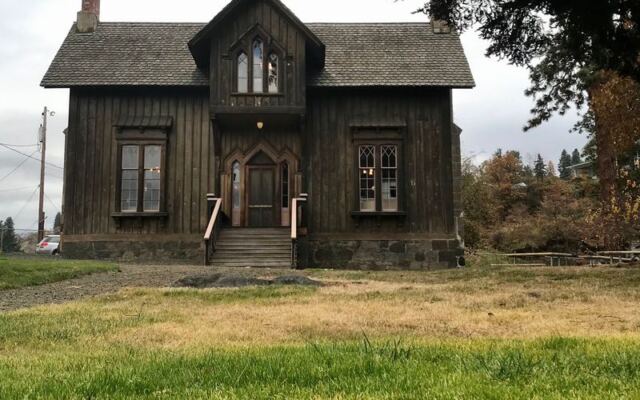
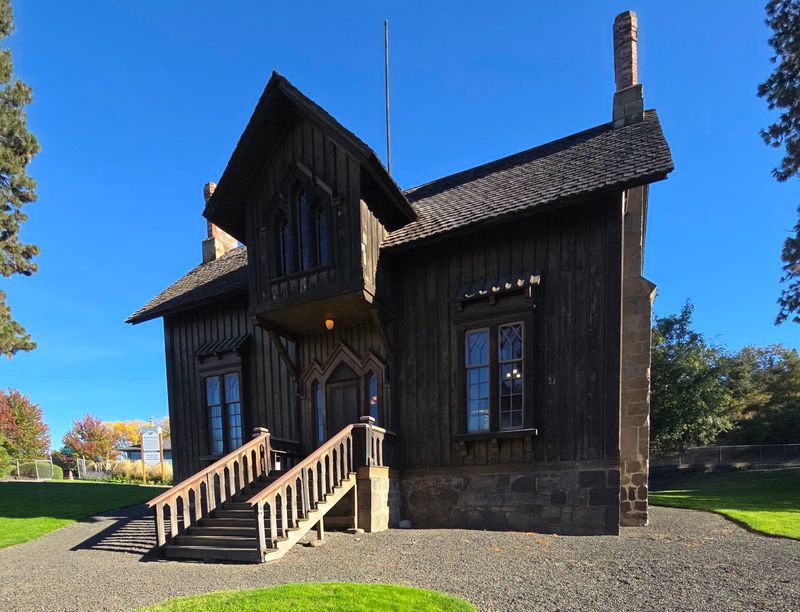
The main building is the last officer’s house still standing from the old fort. It served as the residence of the post’s surgeon, so a doctor once called these rooms home.
Everything else from the 1850s post has faded away over time. This single house made it through, and that survival is the whole reason the museum feels special.
The site is listed as a history museum, but it is really a small campus. Several historic buildings and outbuildings share the grounds, along with a second property known as the Anderson Homestead.
Families and road trippers often treat it as a quick stop. Many end up staying longer than planned, because there is more tucked into these few acres than the modest entrance suggests.
Not Your Typical Army Fort
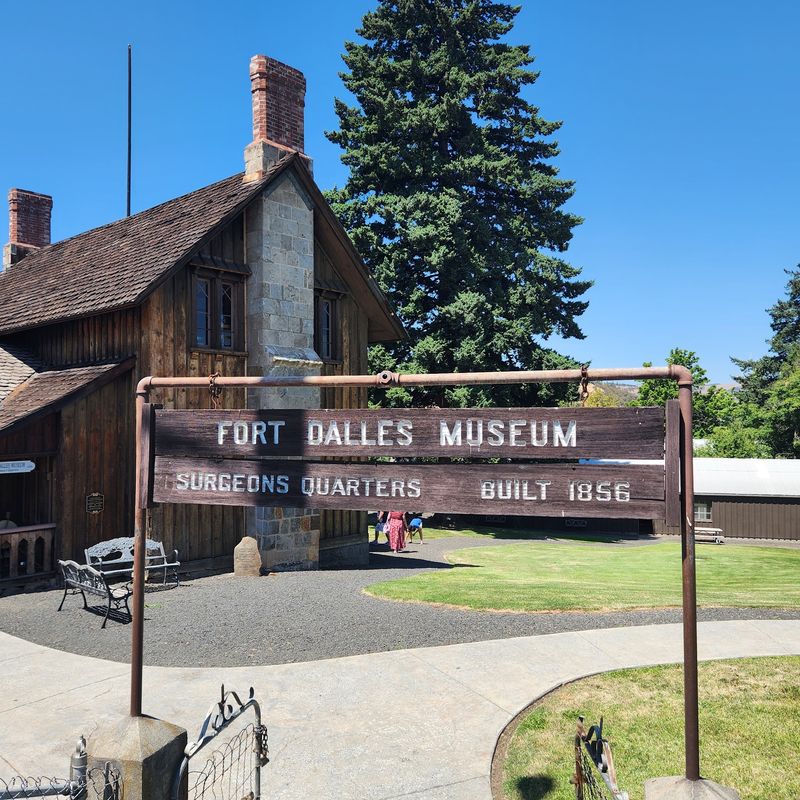
Forget the image of tall log walls and lookout towers. Fort Dalles was not a traditional fortress built for long sieges.
The post was established to help people settle at the end of the Oregon Trail. Wagon families arriving after months on the road found an Army presence here, and The Dalles grew around it.
The fort was used until the 1850s. After that, its buildings slowly gave way, until only the surgeon’s house remained.
By around 1905, that house had become a museum. That makes it one of the long-running efforts in the area to keep frontier history in one place.
Exhibits also touch on the Lewis and Clark Expedition, which passed through this stretch of the Columbia River region. Panels and posters explain who did what and why it mattered.
The timeline can feel surprisingly close. Much of what is displayed here happened only about 125 to 150 years ago, a fact that tends to stop people in their tracks.
Rooms That Kept Their Shape
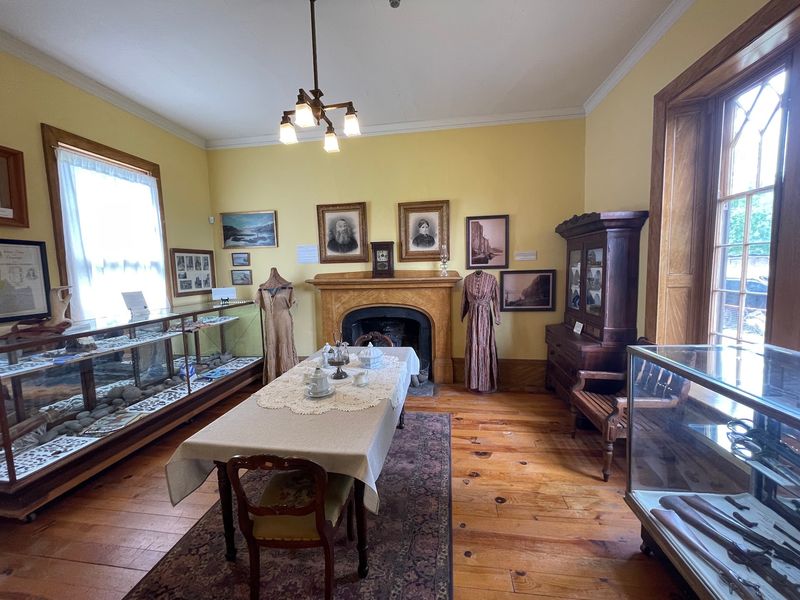
Some things inside the old house have changed their purpose over the years. The appearance, though, has stayed remarkably close to the original.
A self-guided tour lets guests move through the house at their own pace. It gives a clear sense of everyday life during the era, room by room.
The museum has gone through a major refresh under newer leadership. Items have been taken out, others brought in, and the goal has been to make it feel more like a home again.
The result is a cleaner, more organized space. The house is kept in excellent condition, and the grounds are well tended.
Some areas even allow hands-on contact, which is rare for a building this old. Kids especially appreciate not having to look at everything from behind a rope.
The design of the house is worth a slow look too. It is the architecture, as much as the objects, that tells the story of an Army doctor living on the frontier.
Wagons, Coaches, and a Wheel-Heavy Collection
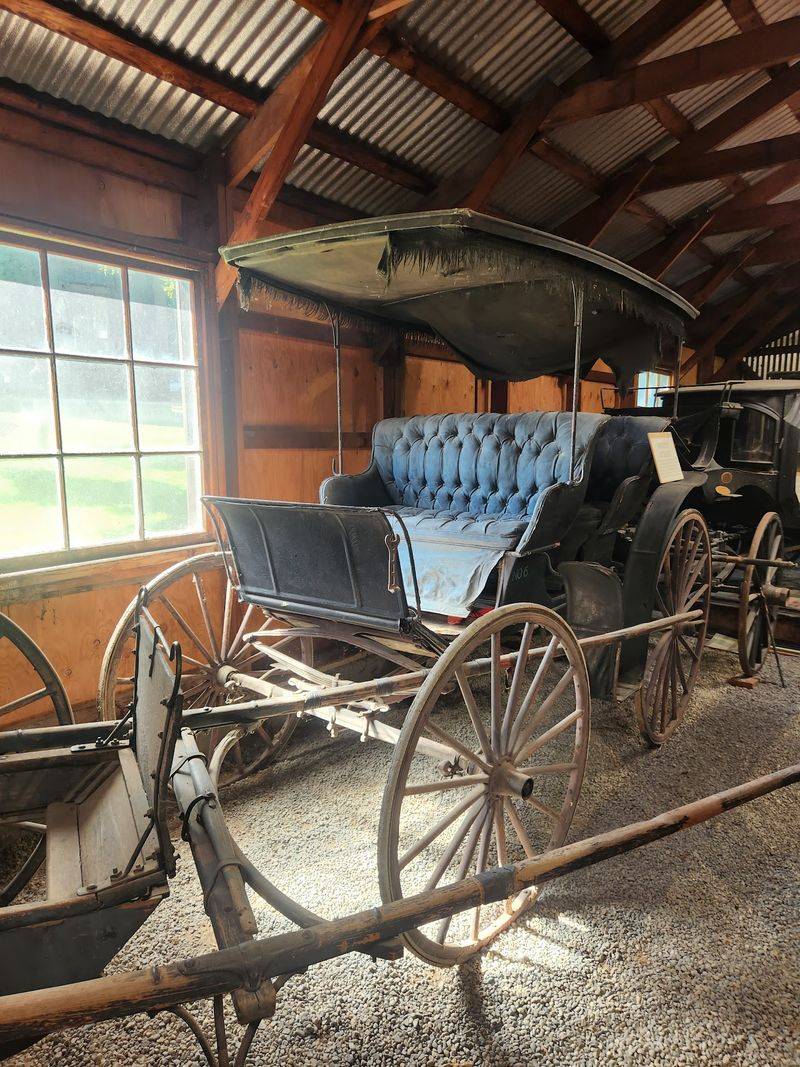
Wheels are a big deal here. A sizable share of the collection rolls, or at least used to.
Old wagons and carriages fill the outbuildings, and some can be seen while touring the grounds. Stagecoaches from the settlement era are part of the lineup.
One antique garage holds two carriages built for funeral processions. They once traveled right down the road to the local cemetery, which adds a sobering note to the visit.
Wooden chariots and pioneer vehicles show how people actually moved goods and families across rough country. The scale of these wagons helps explain how hard the trip west really was.
Each vehicle has a story, and the staff seems happy to share it. Asking about one wagon can easily turn into a twenty-minute history lesson.
For anyone who has followed the Oregon Trail only in textbooks, this barn full of wheels makes the journey feel real and a lot less abstract.
Classic Cars and an Electric Surprise
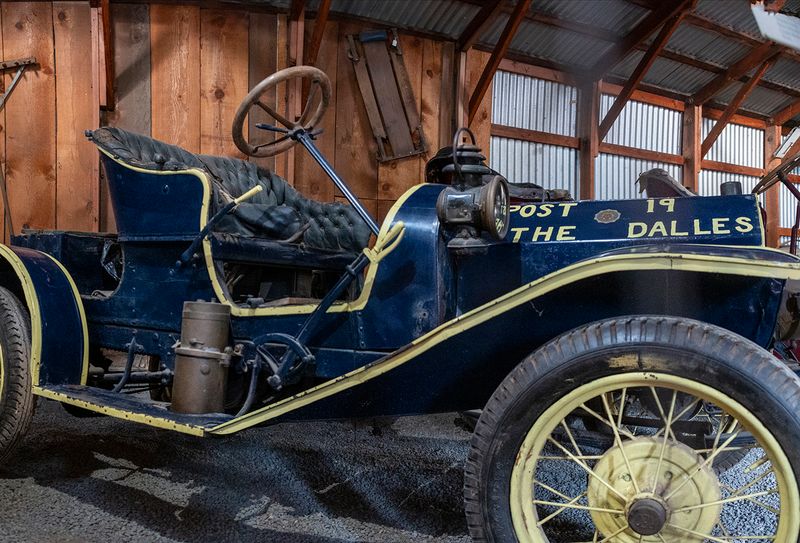
Horses eventually lost their jobs, and the museum shows what replaced them. A collection of old cars sits alongside the carriages.
Car fans tend to linger in this part of the property. The old car collection gets mentioned again and again as a highlight of the trip.
The surprise in the bunch is an old electric car. Long before modern battery vehicles, early drivers were already experimenting with electric power.
Seeing classic automobiles parked near pioneer wagons gives a quick lesson in how fast transportation changed. Only a few decades separate the two.
The vehicles are part of what makes the stop appealing to mixed groups. One person can study frontier medicine while another heads straight for the garage.
Bring a camera for this section. The electric car in particular earns double takes from people who assumed the idea was brand new.
Pioneer Life and the Anderson Homestead
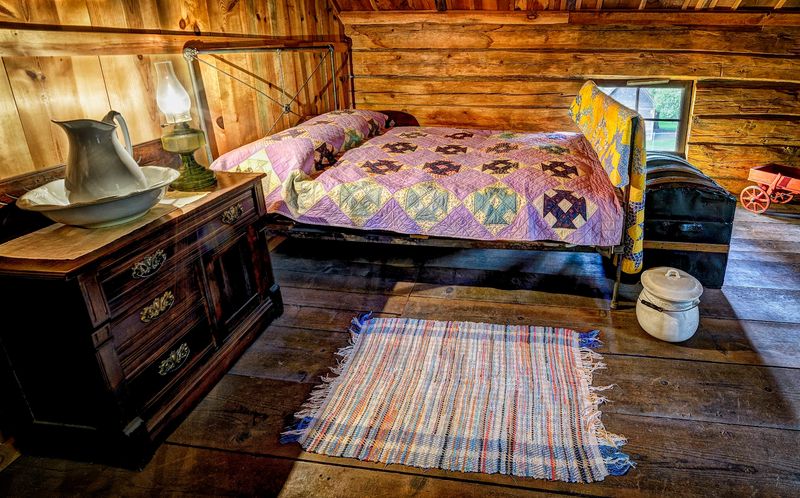
Across the way, a second property widens the story beyond Army life. The Anderson Homestead turns attention to the settlers who built farms and families here.
Multiple historic sites spread across two properties. Together they show both the official side of the frontier and the daily work of ordinary households.
Exhibits on pioneer life fill the old buildings. They cover tools, routines, and the practical skills people needed to make a living in the region.
Native artifacts are also part of the collection. They are a reminder that the land had a long human history before the wagons arrived.
A historical Winchester cartridge display draws attention from firearms history fans. It is presented as part of the broader frontier picture.
Small surprise facts are scattered throughout. One exhibit even explains where the phrase pop goes the weasel came from, which is the kind of trivia that sticks with people on the drive home.
Docents Who Love a Good Story
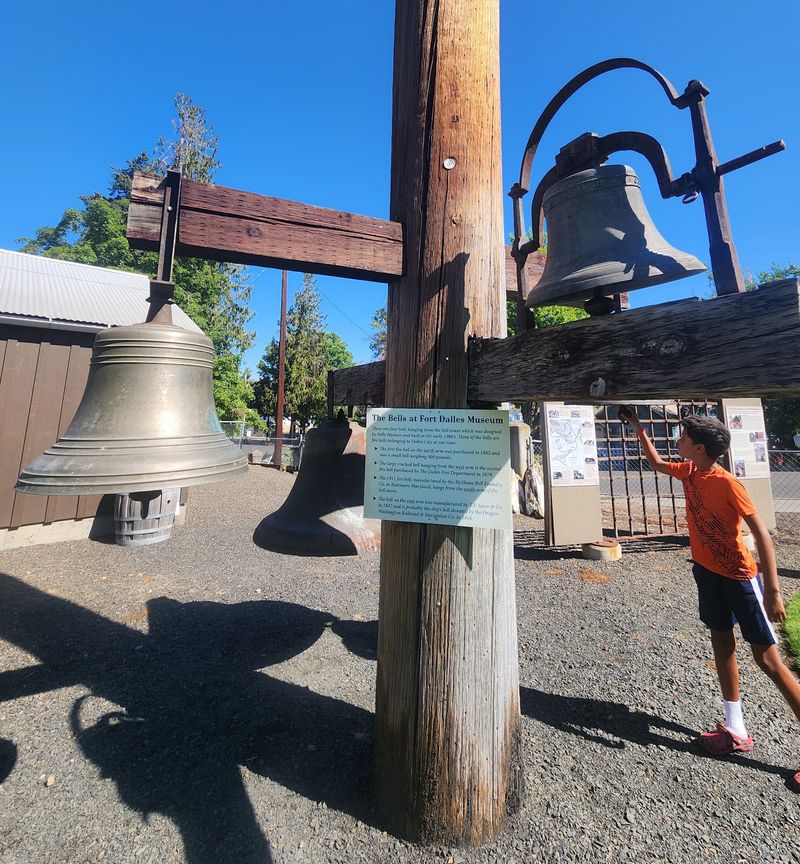
History hits differently when someone tells it with enthusiasm. That is exactly what happens at the front gate.
Friendly volunteers and docents greet guests and share stories about the house, the fort, and the town. Their local knowledge goes well beyond what fits on a sign.
One docent named Bob comes up often. He is known for his deep knowledge of Fort Dalles history and for keeping the museum in fine repair.
Staff members answer questions patiently and welcome people of all backgrounds. Even guests with unusual interests are met with warmth.
The team sometimes points people toward related spots in town, such as the Pioneer Cemetery. That kind of tip turns a museum stop into a fuller history outing.
Volunteers are a big part of why small museums survive. Here, their effort shows in every tidy room and every well-told tale.
Midnight, the Feline Greeter
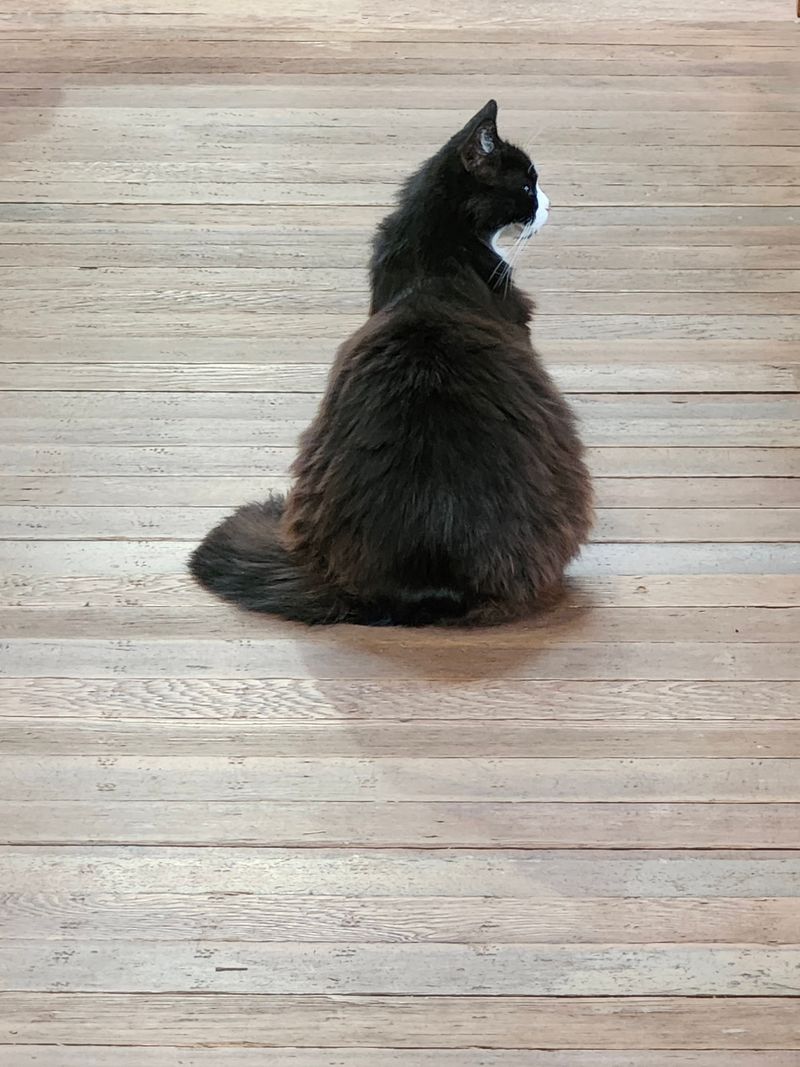
Not every museum has a welcome committee with whiskers. This one does.
A friendly black cat named Midnight often greets guests at the gate. She is known for enjoying belly rubs, and she rarely turns down attention.
For some travelers, the cat becomes the unexpected star of the day. Road trippers with a soft spot for friendly cats tend to remember her as fondly as the exhibits.
She adds a relaxed, homey mood to the grounds. Kids who might get restless in a museum usually perk right up when a cat is involved.
Of course, a cat keeps her own schedule. There is no guarantee she will be on duty, so treat a meeting as a bonus rather than a promise.
Still, a museum with a resident cat feels less like an institution and more like a neighbor’s porch. That may be the most purr-suasive argument for stopping by.
Hours, Admission, and Picnic Room
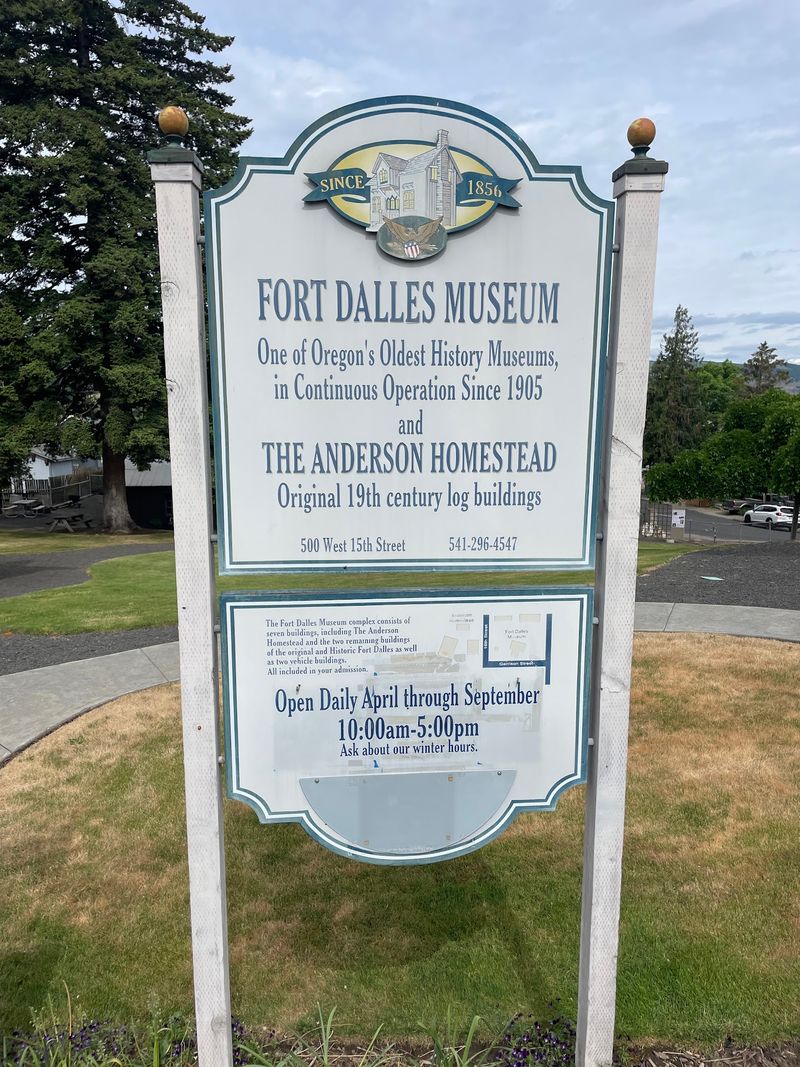
Planning is easy here. The museum is open every day of the week from 10 AM to 5 PM.
Admission has been about $8 per person. For multiple buildings, vehicle barns, and two properties, that is a modest cost for an Oregon outing.
Some guests skip the building interiors and simply walk the grounds to see wagons and carriages. That option suits travelers short on time.
The lawns offer plenty of space for kids to move around. Families often bring lunch and turn the visit into a picnic stop.
Schedules and prices can change, so checking the official website at fortdallesmuseum.org before a trip is a smart move. The site lists current details.
Allow at least an hour, more if the docents get talking. The best plan is to leave some wiggle room in the day.
Why This House Deserves a Stop
Plenty of Oregon landmarks have vanished quietly. This one is still here, and that alone makes it worth the detour.
The museum suits history buffs, families with curious kids, car lovers, and anyone crossing the Columbia River Gorge region who wants a meaningful break. It carries a 4.8-star standing from more than 250 people.
The appeal comes from the mix. An Army surgeon’s house, settler buildings, wagons, early cars, and a friendly cat all share the same grounds.
Behind it all are people who keep the place clean, repaired, and welcoming. Their care is the reason a building from the 1850s still has its doors open.
A stop here is also a small vote for keeping local history alive. Every admission helps a familiar Oregon place stay on the map.
Come for the officer’s house, stay for the stories, and leave knowing a little more about how The Dalles began.
Share this story