Some towns sit right off the freeway, and some make you earn every mile. This one belongs firmly in the second group, tucked deep in the far northeast corner of Oregon in Baker County. Its name sounds like a joke, but it comes from a real ranch and a real post office from long ago.
Fewer than 400 people call it home, which means a full count of residents could fit inside a modest high school gym. Yet the place has held onto its identity for generations, and that staying power is worth a closer look. Stick around to learn where the name came from, why the town stays so small, how to plan a trip there, and why a place this quiet still matters to Oregonians who want familiar corners of the state to last.
A Dot on the Map Called Halfway
Every road trip has a moment when the map app goes quiet and the landscape takes over. In this corner of Oregon, that moment arrives right around Halfway.
The town is listed simply as Halfway, Oregon 97834, USA. It sits in Baker County, in the northeastern part of the state, far from the Interstate traffic most travelers know.
Halfway is an incorporated city, even though its size suggests something smaller. That official status gives it a city government and a formal place in Oregon records, despite a headcount that would barely fill a busy airport terminal.
Getting here is part of the identity. Baker County is one of the more remote regions of the state, and Halfway sits well away from any major metro area.
For many Oregonians, the name rings a bell mostly as a curiosity on a road sign or a line on a map. Few have actually made the drive.
That gap between recognizing the name and knowing the place is exactly what makes it interesting. The rest of this story fills in the details, starting with a name that is far more literal than it sounds.
The Ranch Behind the Name
Plenty of towns are named after founders, rivers, or faraway cities. Halfway took a more practical route.
The name comes from the location of its post office, which stood on the Alexander Stalker ranch. That ranch happened to sit halfway between two other spots, Pine and Jim Town.
So the name was not poetry. It was directions.
Back then, a post office was often the anchor of a rural community. Mail connected ranch families to the wider world, and the place where it arrived naturally became a gathering point.
Hosting that post office on a working ranch says a lot about how the area grew. Community life was built around agriculture and the routes people traveled between settlements.
The straightforward naming also tells a quieter story about the people who settled here. They described their world plainly, by measuring the distance between known places.
Today the name still sparks double takes from first-time travelers. Halfway to what, many wonder, and the honest answer is a pair of points that shaped the early map of this valley.
Somewhere Between Pine and Jim Town
Geography trivia time. Two place names, Pine and Jim Town, set the coordinates for an entire community.
The post office that gave Halfway its name sat midway between them. That middle ground eventually became the identity of the whole town.
There is something fitting about a town defined by being in between. Halfway is not a stopover on a major highway or a hub for a large region.
Instead, it reflects an older pattern of rural life. Settlements were spaced out, and people judged distance by the ranches and gathering points along the way.
Modern navigation apps can plot a route here in seconds. Still, the origin story is a reminder that the town was mapped by people long before satellites joined the effort.
Travelers who enjoy local history will find this detail worth sharing on the drive in. It turns a funny road sign into a small lesson about how Oregon communities took shape.
Not bad for a name that started as a mail route measurement.
351 Residents and Counting
Here is a number worth remembering: 351. That was the population of Halfway at the 2020 census.
For comparison, plenty of Portland apartment complexes house more people than this entire city. Yet Halfway functions as its own incorporated community.
A population that small shapes daily life in ways city dwellers rarely consider. Neighbors are likely to know each other, and local decisions involve people who share the same streets.
It also explains the joke in the headline. With so few residents spread across such a remote area, a GPS might log more data points on these roads than some people ever travel.
Small numbers do not mean small importance, though. Towns like this hold onto ways of life that are getting harder to find across Oregon.
For residents who care about familiar places surviving, a 351-person city is a living example of what that looks like. It persists through the steady effort of a small group of people.
Every one of those residents counts, quite literally.
Baker County Backdrop
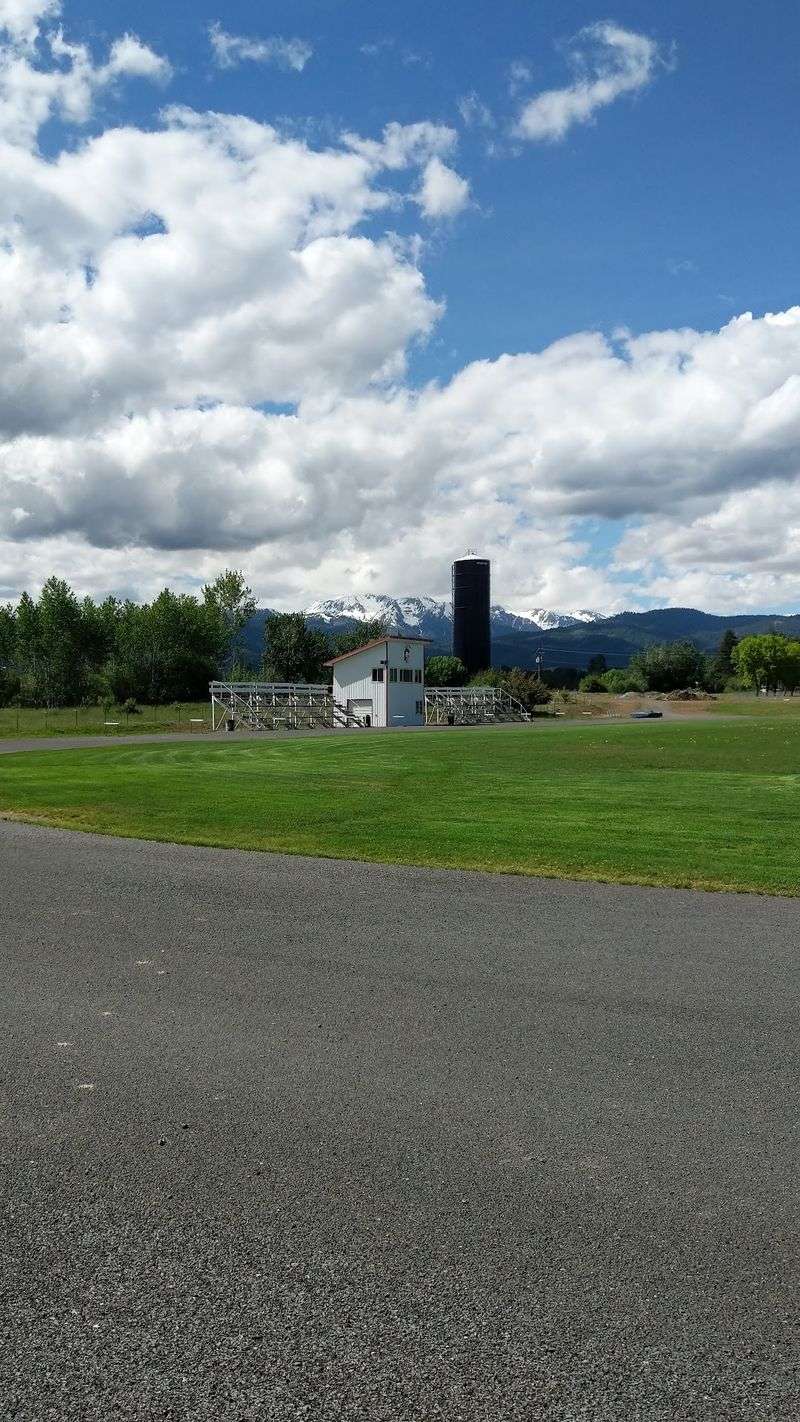
Context matters, and Halfway’s context is Baker County. This county covers a broad stretch of northeastern Oregon.
The region is known for its distance from the state’s big population centers. Most Oregonians live west of the Cascades, which puts places like Halfway on the far side of the state from them.
That remoteness is the central theme of any trip here. Travelers should expect longer drives, fewer services, and wide gaps between communities.
Baker County’s identity leans rural, and Halfway fits right into that picture. The town’s ranching origin story lines up with the broader character of the area.
For travelers, the county setting means planning ahead. Fuel, supplies, and lodging plans deserve attention before the final stretch of road.
It also means the trip itself becomes part of the experience. Getting to Halfway is not a quick detour but a deliberate choice to see a lesser-known side of Oregon.
Consider it a geography lesson with a steering wheel.
Mountain Town Without the Crowds
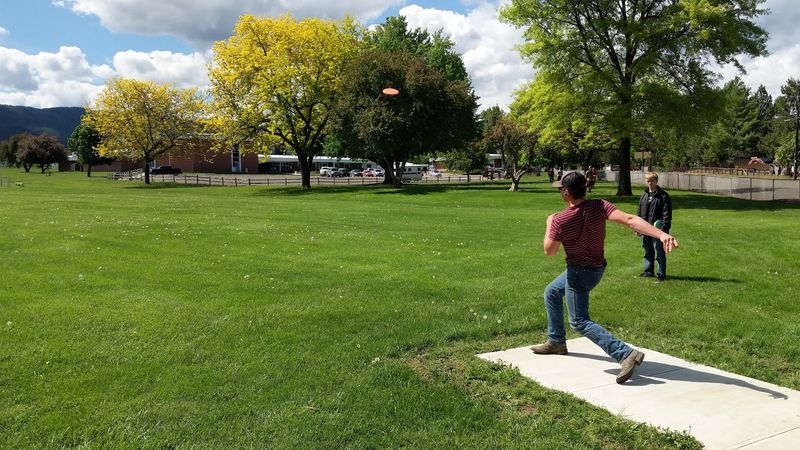
Popular mountain towns often come with traffic jams, packed parking lots, and booked-up lodging. Halfway skips all of that.
Its small population and remote setting keep it well off the typical tourist circuit. That makes it appealing for travelers who prefer quiet places to famous ones.
There is no need to fight for a table or reserve weeks ahead for a parking spot. The pace here simply moves slower.
That calm is a big part of the draw. Travelers looking for a break from busy destinations may find Halfway a welcome change.
It is worth keeping expectations realistic, though. A town of a few hundred residents will not offer the range of amenities found in larger resort areas.
The trade-off is space, both literal and mental. Visitors get a chance to experience a small Oregon community on its own terms.
Sometimes the best feature of a destination is everything it does not have.
Where Ranch Life Shaped Everything
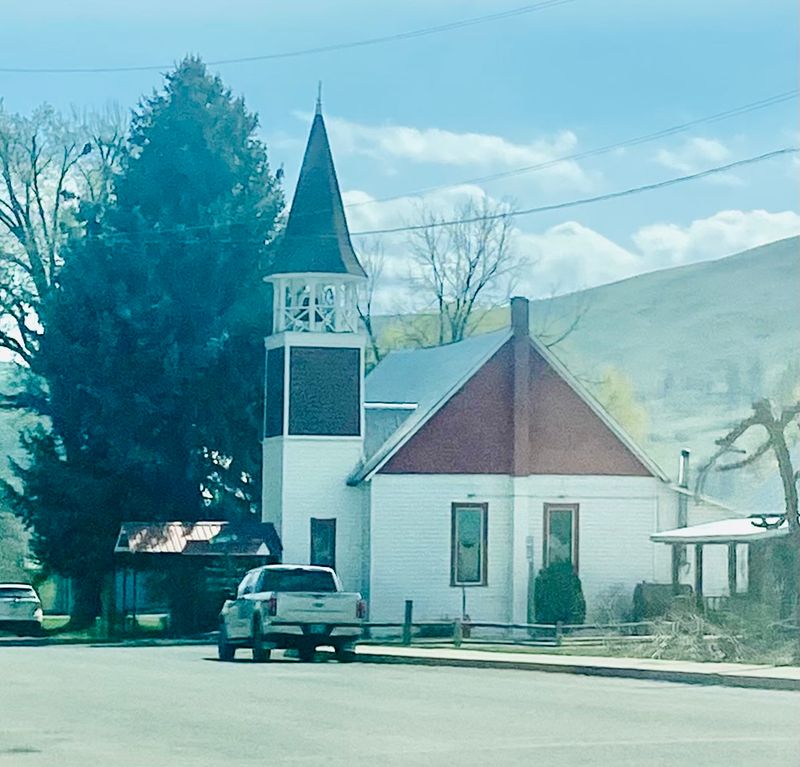
Long before anyone typed this town into a navigation app, ranching defined the area. The very name traces back to the Alexander Stalker ranch.
That fact says plenty about the roots of the community. A working ranch was important enough to host the local post office.
In early rural Oregon, ranches often doubled as community centers. Mail, news, and neighborly contact flowed through them.
Halfway’s story keeps that heritage front and center. Even today, the name serves as a permanent reminder of the ranch that started it all.
Travelers interested in Oregon’s agricultural past will find the origin worth reflecting on. It is a clear example of how individual properties grew into lasting towns.
The story also connects to a bigger conversation about preservation. Rural communities built on ranch life are part of what makes Oregon’s identity so varied.
One ranch, one post office, one enduring name. That is a tidy legacy.
The GPS Joke, Explained
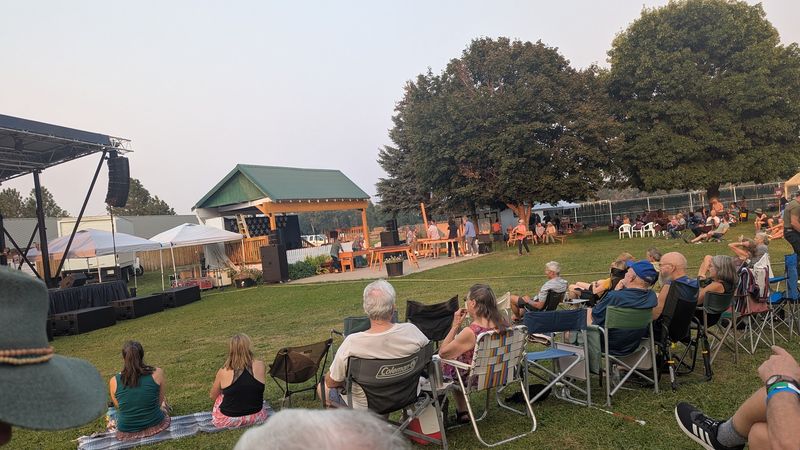
Let’s talk about that headline. Can a GPS really know a town better than the people who live there?
Not really, of course. Residents of Halfway know their community in ways no satellite ever will.
The joke points to something real, though. Halfway is remote enough that many Oregonians have never been, and plenty only know it as a name on a screen.
For travelers, navigation tools are useful for reaching the area. Still, a smart move is to download offline maps before heading into remote parts of Baker County, since coverage in rural regions can be unpredictable.
Paper maps make a solid backup too. They never need a signal or a charge.
Once in town, the most reliable source of local knowledge is the people who live there. A short conversation can reveal more than any route planner.
The GPS gets the coordinates right. The locals supply everything else.
Who Will Love It Here
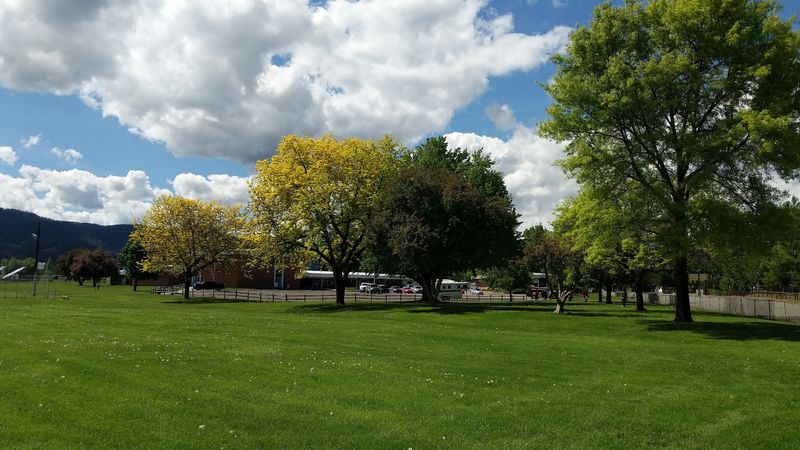
Not every destination suits every traveler, and that is perfectly fine. Halfway appeals to a specific kind of explorer.
History fans will appreciate the town’s straightforward naming story. Road trippers who like collecting unusual place names will want a photo by the city limits.
Travelers who prefer quiet over crowds should also take note. With a population of 351, the town offers a genuinely small-community experience.
Oregon residents curious about their own state may find the trip especially rewarding. Visiting places like this is one way to see the full range of communities the state holds.
On the other hand, anyone seeking big shopping districts or a packed event calendar should look elsewhere. Halfway does not try to be a resort town.
Families planning a scenic drive can include it as part of a wider tour of northeastern Oregon. Planning ahead helps everyone stay comfortable on the long stretches.
The right traveler will leave with a great story and a deeper understanding of rural Oregon.
Planning the Long Drive In
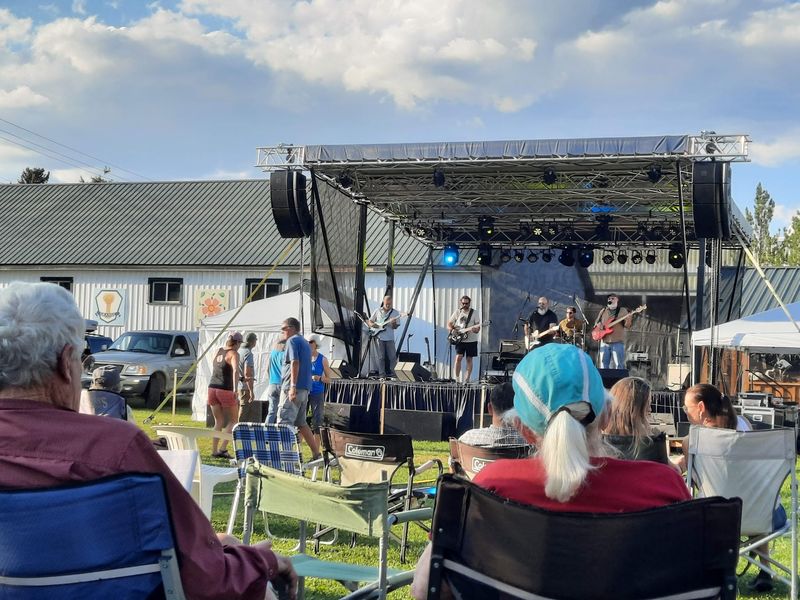
Smart preparation turns a remote road trip into a smooth one. Halfway rewards travelers who plan ahead.
The town sits in Baker County in northeastern Oregon, far from the state’s largest cities. Expect a long drive from the Willamette Valley or Portland area.
Fill the tank before heading into rural stretches. Services can be spaced far apart in this part of the state.
Pack snacks, water, and any essentials before the final leg. A small town may have limited options, and schedules can vary.
Download maps for offline use and keep a printed copy handy. Cell coverage in remote regions is not guaranteed.
Check road and weather conditions before setting out, especially in colder months. Mountain areas can see changing conditions.
Lodging is another detail to sort out early. Confirm plans directly with any business before arriving, since a town of this size has limited choices.
A little homework now saves a lot of guesswork later.
Why Small Towns Like This Matter
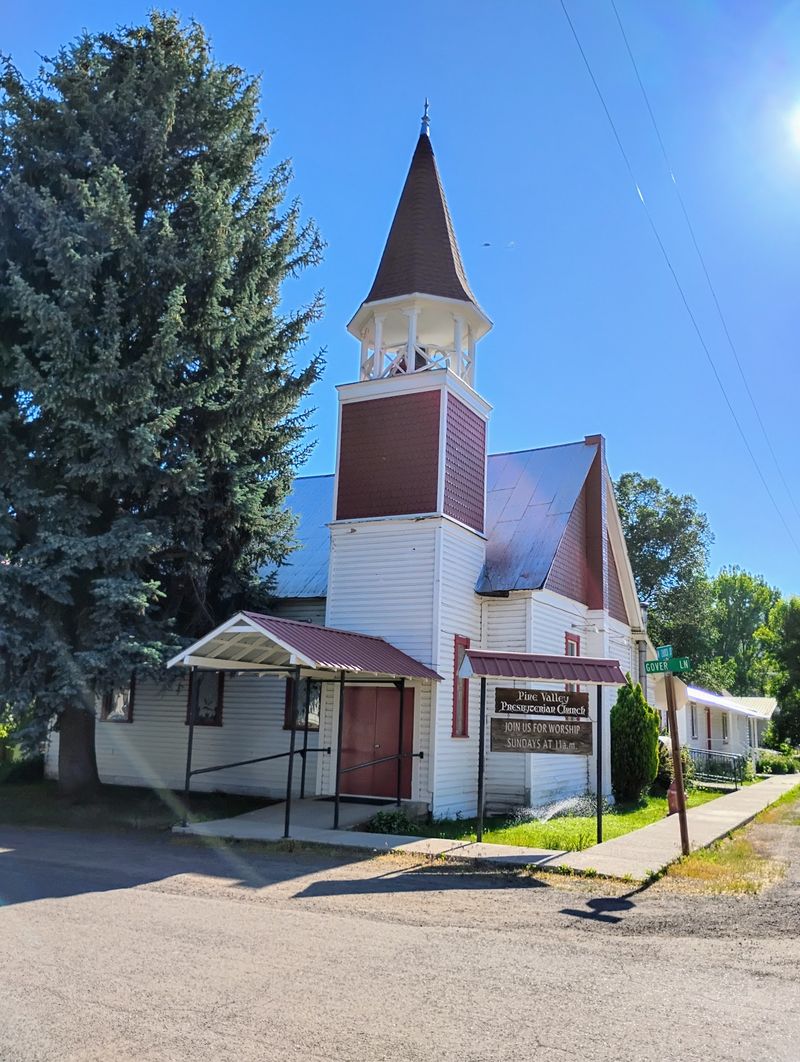
Oregon is full of familiar places people hope will stick around. Halfway is a strong example of one that has.
A city of 351 residents keeps its name, its history, and its identity going through steady local effort. That kind of persistence deserves attention.
Small towns face real pressures. Distance from larger economies, limited services, and changing populations all play a part.
Yet communities like Halfway hold pieces of Oregon’s story that cannot be replaced. The ranch-and-post-office origin is a direct link to how the state was settled.
Visiting thoughtfully is one way to show support. Spending money at local businesses, respecting private land, and learning the town’s history all help.
For Oregonians who care about keeping everyday life grounded and affordable, small towns offer a useful perspective. They show what community looks like at its most basic scale.
Preservation does not always mean a grand project. Sometimes it just means a town continuing to show up on the map.
Worth Going All the Way to Halfway
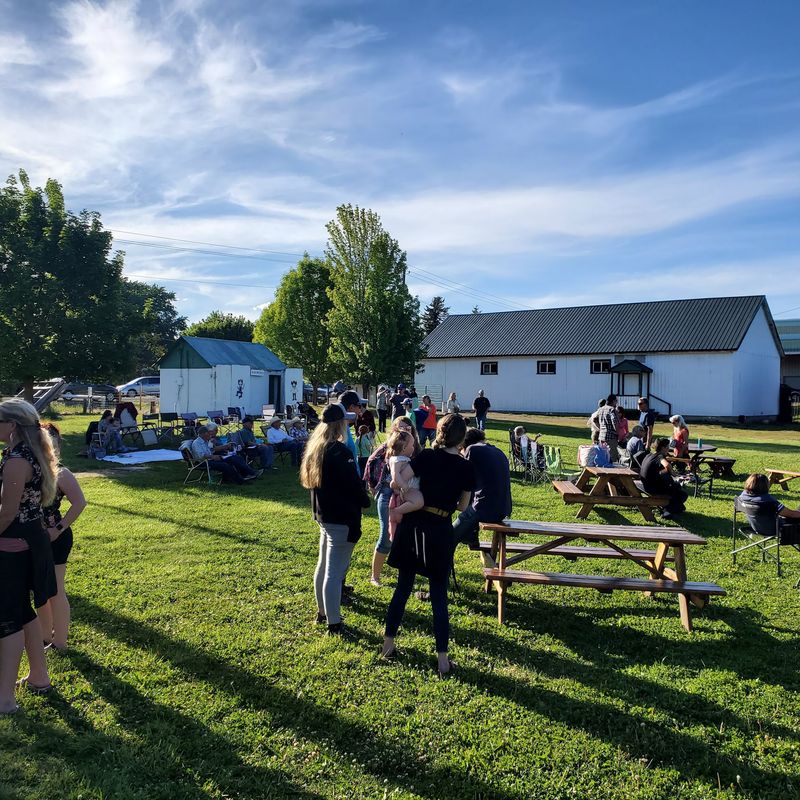
A town named for being in the middle turns out to be a destination in its own right. That might be the best twist in this story.
Halfway offers no crowds, no flashy attractions, and no pretense. What it does offer is a real Oregon community with a clear origin and a steady presence.
Its name comes from a ranch post office between Pine and Jim Town. Its population sat at 351 in 2020.
Those facts alone make it a fun stop for history fans and road trip collectors. The remote Baker County setting adds a sense of adventure to the journey.
Travelers should plan carefully and respect the quiet pace of local life. The reward is a glimpse of rural Oregon that many residents never see.
So go ahead and type it into the navigation app. Just remember that the people who live there will always know the place better than any screen.
Halfway may sound like a midpoint, but it makes a fine final stop.
Share this story