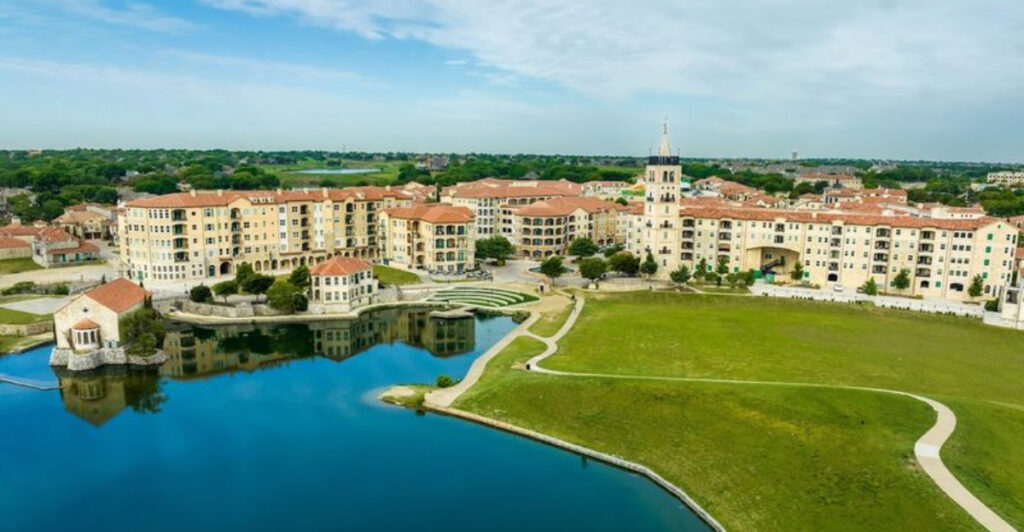
Tucked away in McKinney, Texas, sits a place that feels more like a Mediterranean dream than a North Texas neighborhood. Adriatica Village brings cobblestone streets, waterfront views, and old-world architecture straight to the Lone Star State without requiring a passport. Whether you’re hunting for the perfect photo backdrop, craving a peaceful lakeside stroll, or just wanting to escape the everyday hustle, this charming community delivers a slice of Europe right in your backyard.
1. Cobblestone Streets That Transport You Across The Atlantic
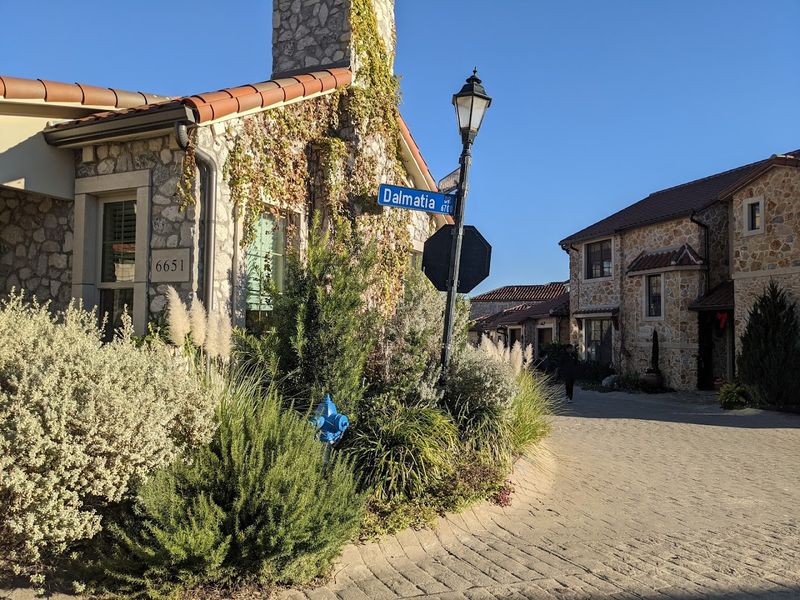
Walking along Adriatica’s cobblestone paths feels like stepping onto a movie set designed to capture Croatian coastal charm. The uneven stones beneath your feet create that authentic European experience, complete with the gentle clicking sound that makes every step feel intentional. These aren’t just decorative touches either—they wind throughout the entire village, connecting homes, shops, and lakeside views.
Photographers absolutely love these streets because they photograph beautifully at any time of day. Morning light casts long shadows across the stones, while golden hour turns everything into Instagram gold. Families pushing strollers might find the terrain a bit bumpy, but most visitors say the authentic vibe makes it worthwhile.
The cobblestones lead you naturally from one scenic spot to another, encouraging exploration without needing a map. You’ll notice how they curve around buildings and open up to surprise views of the lake. Some sections climb gentle hills, adding to that Old World village feeling where streets follow the landscape rather than forcing it into a grid.
Weekday afternoons offer the best experience for soaking in the atmosphere without dodging crowds. The stones stay cool under the Texas sun thanks to strategic shade from buildings. Wear comfortable walking shoes though—flip-flops and heels don’t mix well with centuries-old European street design, even when it’s brand new construction in McKinney.
2. The Picturesque Chapel That Anchors Village Life
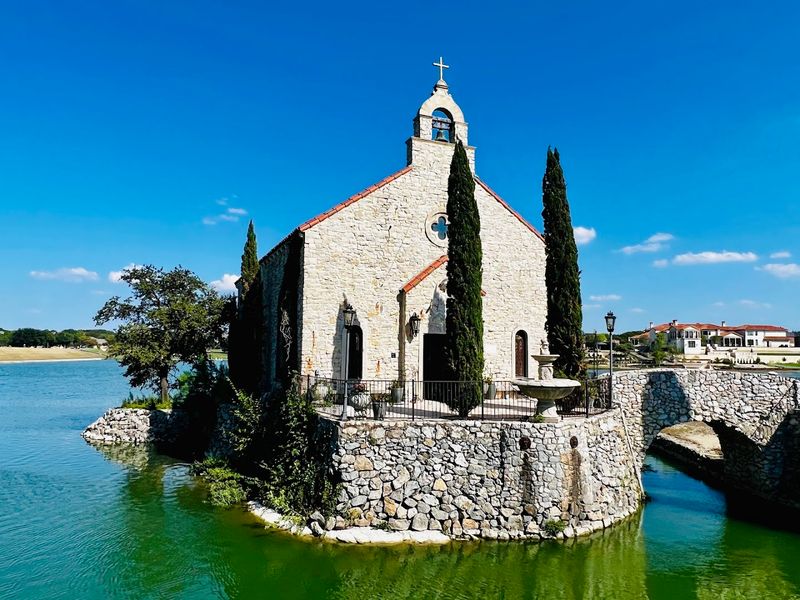
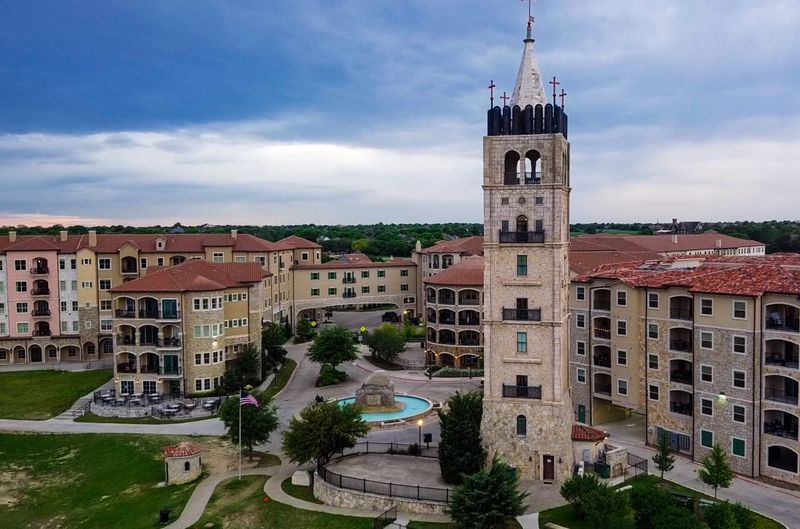
Standing at the heart of Adriatica Village, the chapel commands attention with its stone facade and bell tower reaching toward the Texas sky. This isn’t your typical suburban church—it channels centuries of European religious architecture into one photogenic building. The structure serves as the village’s visual centerpiece, drawing visitors who’ve spotted it in countless online photos.
Here’s the catch: the chapel stays locked except for private events like weddings and special celebrations. You can’t wander inside for a quick peek, and the tower remains off-limits to curious climbers. Despite these restrictions, the exterior alone justifies the visit, offering endless angles for photography enthusiasts.
Wedding photographers book this location months in advance because the backdrop delivers without requiring elaborate setups. The warm stone contrasts beautifully against blue Texas skies, while the surrounding landscaping adds pops of color depending on the season. Even if you can’t step inside, circling the building reveals architectural details worth examining up close.
The area around the chapel sees heavy foot traffic on weekends, especially when events are scheduled. Couples posing for engagement photos, families capturing holiday cards, and influencers chasing content all converge here. For peaceful contemplation of the architecture, Thursday mornings work best when the village feels more like a quiet European hamlet than a popular photo destination.
3. Lakeside Views That Rival European Waterfront Towns
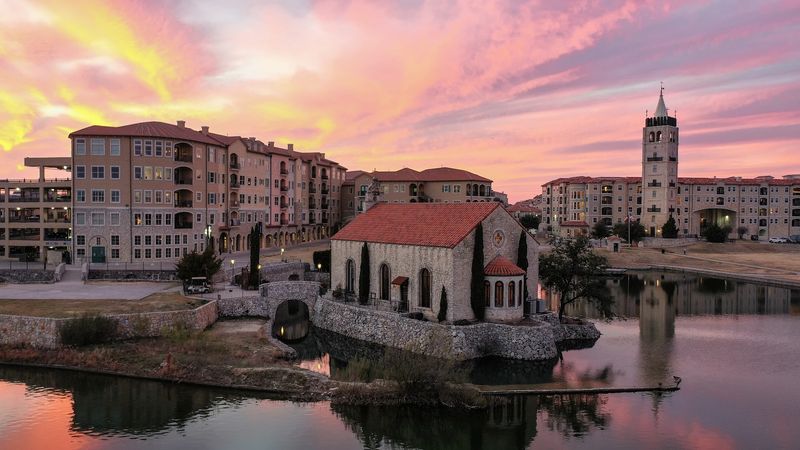
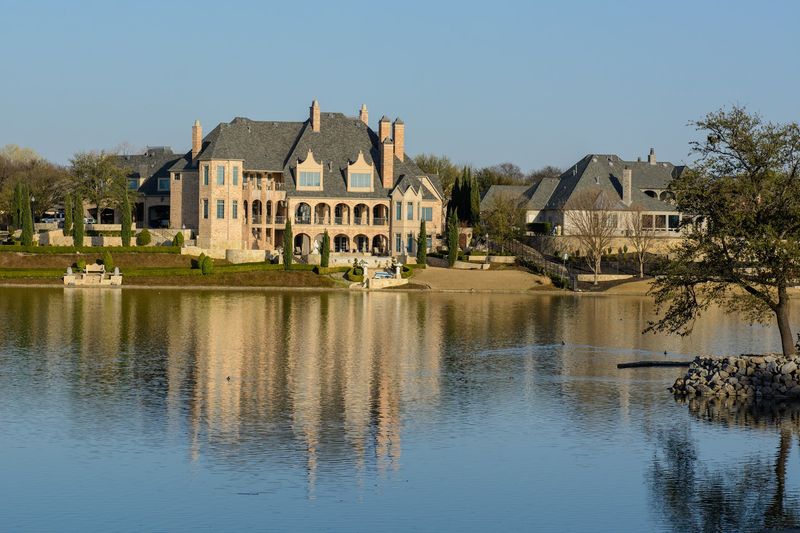
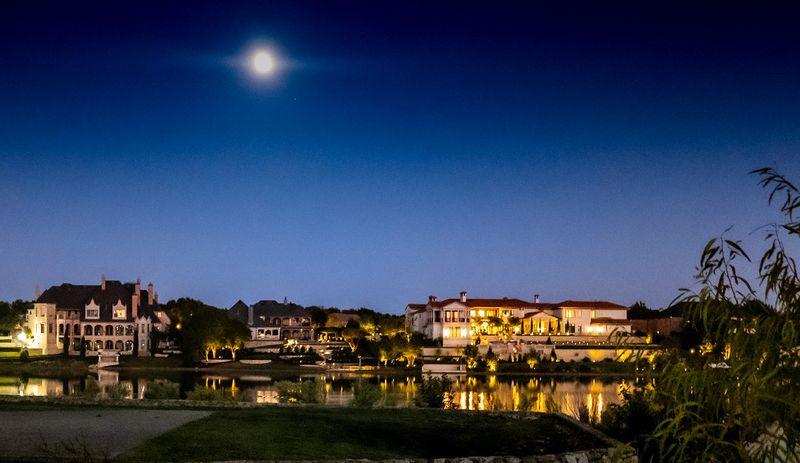
The lake at Adriatica Village doesn’t sprawl like Texas reservoirs—instead, it captures that intimate European waterfront vibe where you can see across to charming buildings on the opposite shore. Crystal-clear reflections double the beauty on calm days, creating mirror images of the architecture that photographers dream about. Walking paths circle the water, inviting leisurely strolls that feel worlds away from busy McKinney streets.
Locals grab their morning coffee from nearby cafes and claim benches facing the water for peaceful starts to their day. Ducks and other waterfowl call the lake home, adding movement and life to the scene. The compact size means you can complete a full loop in about fifteen minutes, though most people linger much longer, drawn by the tranquil atmosphere.
Sunset transforms the lake into something magical as golden light bounces off the water and illuminates the stone buildings. This timing attracts crowds on weekends, but weekday evenings offer similar beauty with fewer selfie sticks blocking your view. The waterfront lacks the restaurant patios you’d find in actual Mediterranean towns, which some visitors mention as a missed opportunity.
Fishing enthusiasts do cast lines here, adding to the village’s laid-back European fishing village aesthetic. Parents let kids feed the ducks while couples walk hand-in-hand along the shore. The lake never feels overwhelming in size, maintaining that cozy village scale that makes Adriatica special.
4. Mediterranean Architecture That Fooled Your Instagram Feed
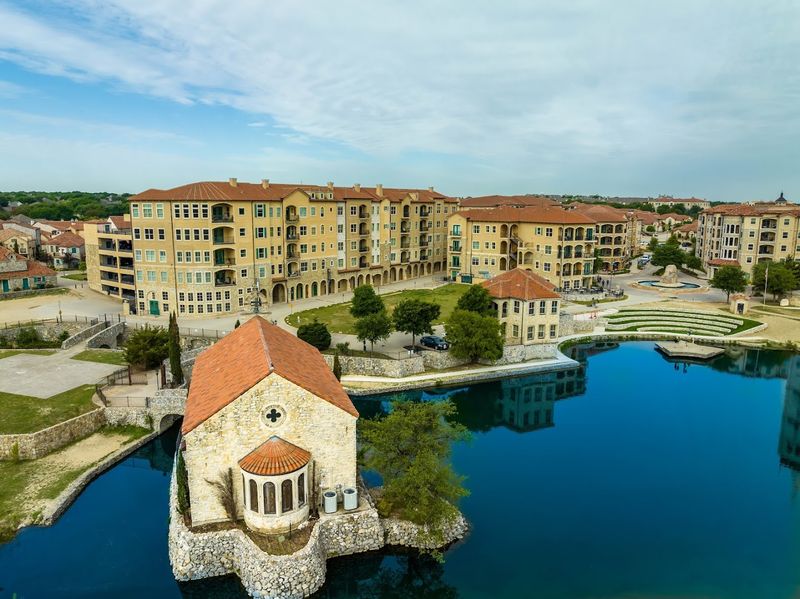
Every building in Adriatica Village commits fully to the Mediterranean fantasy with stone exteriors, arched doorways, and architectural details lifted straight from Croatian coastal towns. The developer didn’t cut corners—these structures showcase authentic design elements rather than theme park approximations. Balconies, shutters, and color palettes all work together to sell the illusion that you’ve somehow landed in Europe.
Residential units blend seamlessly with commercial spaces, creating that mixed-use village layout common in old European towns. You’ll spot medical offices, salons, and local businesses occupying ground floors while apartments and condos rise above. This integration feels natural rather than forced, unlike typical American strip mall developments.
The buildings vary in height and style just enough to avoid monotony while maintaining cohesive design language. Some feature bell towers, others sport covered walkways, and a few showcase elaborate stonework that must have required serious craftsmanship. Natural materials age beautifully under the Texas sun, developing character that actually enhances the European authenticity.
Photography here requires no filters or editing tricks—the buildings simply look that good in person. Morning light emphasizes texture in the stonework while afternoon shadows create dramatic contrasts. Residents living in these homes report feeling like they’re on permanent vacation, which explains the community’s appeal despite limited retail options surrounding them daily.
5. A Photographer’s Paradise With Endless Backdrops
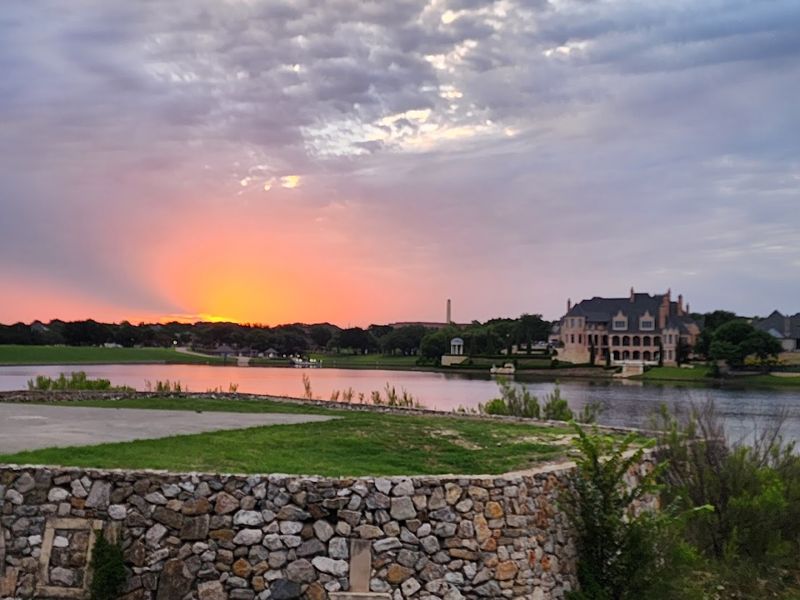
Professional photographers discovered Adriatica Village years ago and haven’t stopped booking sessions since. The concentrated beauty means you can shoot multiple looks without relocating, saving time while delivering variety. Engagement photos, family portraits, senior pictures, and wedding content all happen here weekly because the backgrounds require minimal props or staging.
Every corner offers something Instagram-worthy, from arched doorways framing couples to stone walls providing texture behind subjects. The cobblestone streets add foreground interest while the lake creates natural leading lines. Photographers appreciate how the architecture photographs well in harsh midday sun and soft evening light equally.
Weekends turn into photo shoot traffic jams with multiple sessions happening simultaneously. You’ll navigate around posed couples, dodge family groups arranging themselves, and wait for influencers to finish their content creation. This popularity testifies to the location’s photogenic qualities but can frustrate casual visitors hoping for unobstructed views.
Weekday mornings offer the best conditions for both professional shoots and personal snapshots. The village feels almost private then, with golden morning light painting everything beautifully. Some photographers mention the crowds as the only downside to an otherwise perfect location.
Even smartphone cameras capture stunning images here—the setting does most of the work. Natural beauty combined with thoughtful architecture means your photos will look professionally composed with minimal effort. Just remember that other people probably want that same shot, so patience and politeness go far during busy periods.
6. Dining Options That Add Flavor To The Experience
Adriatica Village hosts a handful of restaurants that let you extend your visit beyond sightseeing into an actual dining experience. Zin Zen Wine Bistro gets mentioned frequently in reviews for delivering delicious food in an atmosphere that matches the village’s European ambiance. The limited number of eateries means you won’t face overwhelming choices, though it also means options run thin compared to typical entertainment districts.
Prices lean toward the higher end, which reviewers note but generally accept given the unique setting. You’re paying partly for the view and atmosphere, not just the meal itself. Grabbing Starbucks and walking around the lake offers a budget-friendly alternative that still lets you enjoy the scenery with a beverage in hand.
Operating hours can be unpredictable, with some establishments closing earlier than expected, especially on weekends. Visitors arriving after 3 PM on Saturdays have found several spots already shuttered for the day. Checking hours before planning your visit prevents disappointment when your stomach starts rumbling.
The dining scene focuses on quality over quantity, serving various cuisines within a mile radius when you expand beyond the village proper. This setup works well for residents who live here and rotate through nearby options. Tourists hoping for bustling restaurant rows might feel underwhelmed, but those seeking a quiet meal with a view typically leave satisfied and full.
7. Living The European Dream As An Actual Resident
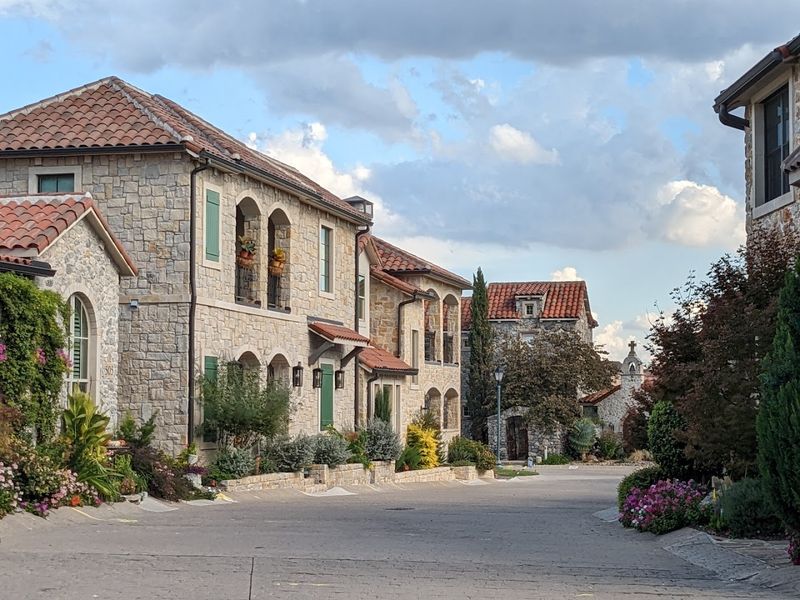
Some lucky folks don’t just visit Adriatica Village—they actually call it home, waking up to lake views and cobblestone streets every single day. Residents rave about walking to the grocery store, UPS, Starbucks, and various services without starting their car. This pedestrian-friendly lifestyle feels rare in car-dependent Texas, offering a taste of European urban living.
The mixed-use development integrates housing with businesses, medical offices, and salons, creating a self-contained community. Living here means your neighborhood doubles as a tourist attraction, which brings both perks and challenges. Constant visitors snapping photos outside your window might annoy some, but others enjoy the vibrant energy.
Peaceful describes the overall vibe despite weekend crowds, according to residents who appreciate escaping typical suburban isolation. The architectural beauty doesn’t fade with familiarity—coming home continues feeling special even after years. Community events throughout the year foster connections among neighbors who share appreciation for the unique environment.
Parking remains limited, which residents mention as the main drawback when guests visit or weekends bring tourist influx. The trade-off seems worthwhile for those prioritizing walkability and aesthetic surroundings over convenience. Property here commands premium prices reflecting the distinctive lifestyle and Instagram-famous location.
Residents report genuinely feeling transported when walking their own neighborhood, maintaining that vacation sensation daily. The thoughtful design creates quality of life improvements beyond just pretty views—it shapes how people experience their everyday routines in refreshingly European ways.
8. Timing Your Visit For Maximum Magic
Strategic timing transforms your Adriatica Village experience from pleasant to absolutely magical. Weekday visits, particularly Thursday mornings or afternoons, deliver the serene European village atmosphere without competing for space with weekend crowds. The difference feels dramatic—you can actually hear birds and water instead of constant chatter and camera clicks.
Sunset on weekdays creates that perfect combination of gorgeous lighting and manageable crowds. Golden hour photographers know this secret, arriving as afternoon fades into evening when the stone buildings glow warm and the lake reflects fiery skies. You’ll still encounter other visitors, but nothing like the Saturday afternoon chaos.
Saturday after 3 PM sees many businesses already closing despite seemingly being peak visiting hours. This quirk catches tourists off guard who expect extended weekend operations. Morning visits on Saturdays work better if weekends are your only option, arriving early before the photo shoot parade begins.
Weather matters too—sunny days showcase the architecture beautifully but bring harsh shadows at midday. Slightly overcast conditions create even lighting that photographers appreciate, though clear blue skies photograph more dramatically. Texas summer heat can make midday strolls uncomfortable, so spring and fall offer ideal temperatures for leisurely exploration.
Special events and weddings book the chapel regularly, adding extra activity and potentially limiting access to certain areas. The village operates 24 hours, so early morning risers can experience it in peaceful solitude before most people finish breakfast. Late evening walks offer romantic ambiance with buildings beautifully lit against dark skies.
9. The Guitar Sanctuary And Hidden Village Businesses
Among Adriatica Village’s scattered businesses, the Guitar Sanctuary stands out as a thriving destination that draws customers from across the region. This music store proves that specialized shops can flourish even in a location some describe as perpetually under-construction. Musicians make pilgrimages here specifically, adding to the village’s foot traffic beyond just sightseers.
The business mix leans practical rather than touristy—salons, medical offices, and service providers occupy spaces alongside occasional retail. This setup serves residents well but leaves casual visitors wishing for more browsing opportunities. You won’t find souvenir shops or galleries lining the streets like in actual European tourist villages.
A shopping strip center sits just outside the main village across the road, offering significantly more retail activity. Some visitors wonder why the village itself remains relatively empty of commercial tenants after a decade of operation. The answer likely involves economics and zoning rather than lack of interest.
Local businesses that do operate here benefit from the stunning location, though weekday foot traffic runs light. Lunch hours see minimal pedestrian activity, raising questions about sustainability for restaurants and shops. The village seems to function better as a residential community with scattered services than a bustling commercial district.
Despite limited shopping, the businesses present add authenticity to the village concept. Real people getting haircuts and visiting doctors remind you this isn’t just a photo op—it’s a functioning neighborhood where daily life happens against a beautiful backdrop.