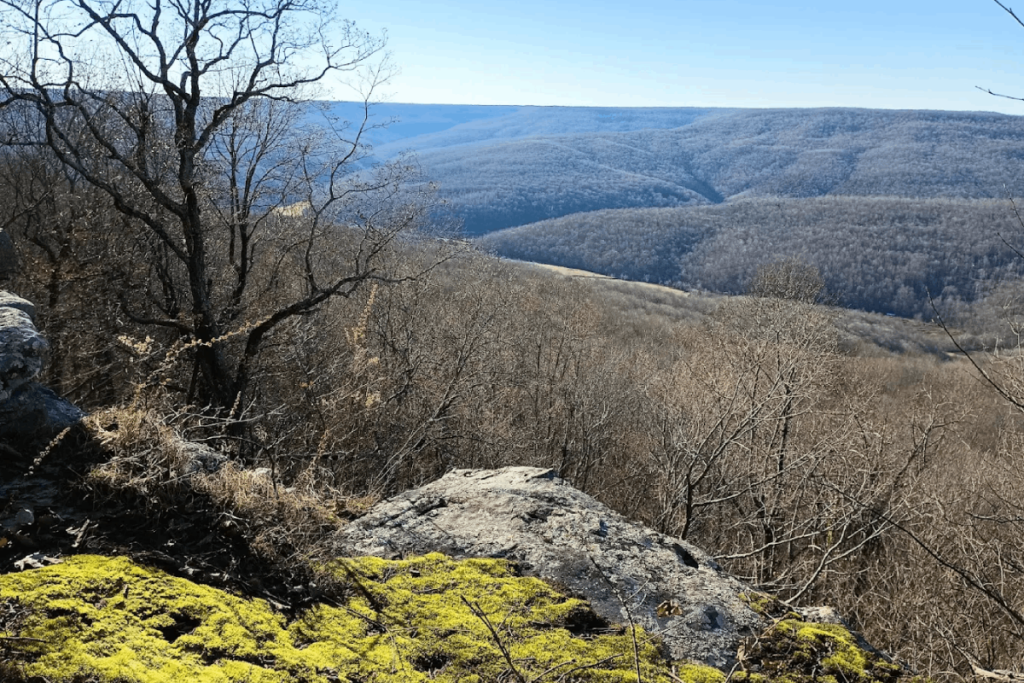
Tennessee just got a whole lot more exciting for outdoor lovers. Head of the Crow State Park opened its doors in 2024, becoming the state’s 62nd official park and bringing something truly spectacular to the table.
Tucked away in Sewanee, this brand-new destination features one of the largest cave openings you’ll find anywhere in Tennessee, along with miles of trails, stunning mountain views, and rock formations that’ll make your jaw drop.
Tennessee’s Newest State Park Is Hiding A Massive Natural Wonder
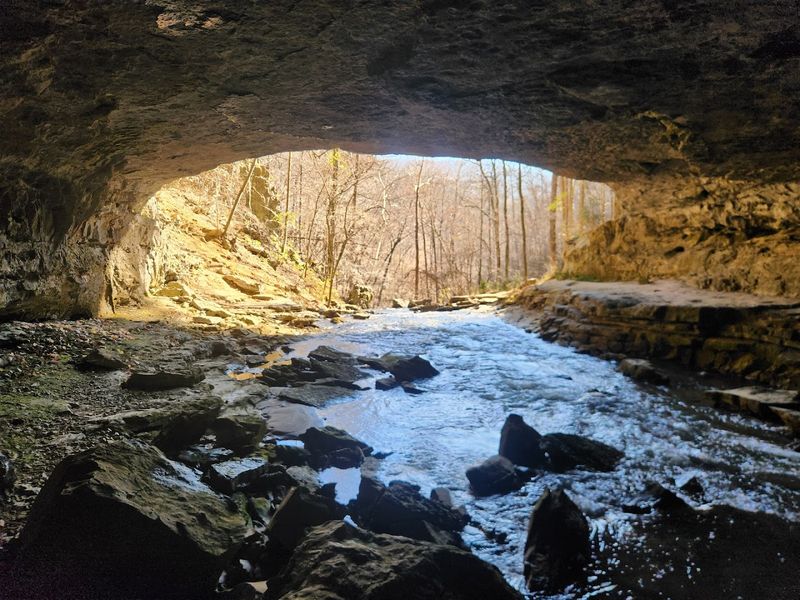
Head of the Crow State Park officially opened in 2024, making it Tennessee’s newest addition to an already impressive collection of natural spaces. Located in Sewanee, this park sits on the Cumberland Plateau and covers thousands of acres of untouched wilderness. What sets it apart from other state parks is the sheer scale of what nature has carved into the landscape over millions of years.
The park’s main attraction is a cave opening so large it stops visitors in their tracks. We’re talking about an entrance that dwarfs most people standing near it, creating a portal into the earth that feels almost otherworldly. The cave system here represents some of the most significant geological features in the region, formed by water slowly dissolving limestone over countless centuries.
Park rangers and staff have been working hard to make this natural wonder accessible while preserving its delicate ecosystem. The trails leading to the cave are well-marked with reflective blazes, making navigation straightforward even for first-time visitors. Since opening, the park has earned perfect ratings from everyone who’s made the trip, with hikers praising both the natural features and the thoughtful trail design.
Getting there requires a bit of attention to detail since highway signage is still being improved. If you’re coming from the north or the Sewanee direction, make sure you’ve got GPS ready because Highway 156 isn’t clearly marked yet.
This newest park brings something fresh to Tennessee’s outdoor scene. The combination of massive cave openings, mountain views, and pristine forests creates an experience that feels both adventurous and accessible for families and serious hikers alike.
The Giant Cave Opening That Makes This Sewanee Park So Remarkable
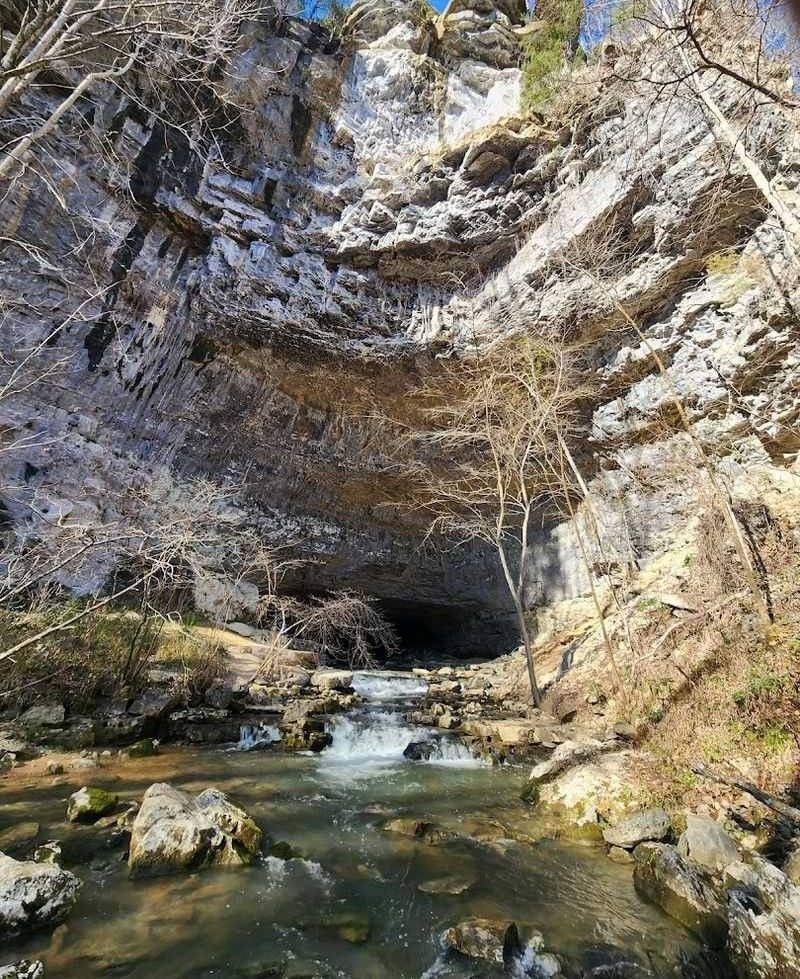
Buggy Cave stands as the crown jewel of Head of the Crow State Park, featuring one of Tennessee’s most impressive natural cave openings. The entrance alone measures dozens of feet across, creating a cathedral-like space where sunlight filters through the opening and illuminates the rocky interior. Standing at the mouth of this cave gives you a real sense of how powerful natural forces can be when given enough time to work.
The hike to reach Buggy Cave is described by visitors as strenuous but absolutely worth the effort. You’ll navigate through dense forest, scramble over rock formations, and follow trails that wind along cliff edges before finally arriving at this geological masterpiece. The approach builds anticipation as glimpses of rock faces and valleys hint at what’s waiting ahead.
What makes this cave opening particularly special is its accessibility for viewing without requiring advanced spelunking skills. You can appreciate the massive entrance, photograph the dramatic opening, and explore the immediate area without needing specialized equipment or training. That said, the cave itself extends deep into the mountain, and only experienced cavers should venture beyond the entrance area.
Visitors consistently mention the cave as a highlight of their park experience, with recent reviews calling it beautiful despite the challenging hike required to reach it. The trail leading to Buggy Cave takes you through varied terrain, including forested sections and rocky passages that showcase the Cumberland Plateau’s unique geology.
The rock formations surrounding the cave entrance tell a story millions of years in the making. Layers of limestone reveal ancient sea beds that once covered this region, now lifted high above sea level and carved by water into the spectacular opening you see today. It’s a living geology lesson that makes science come alive.
Why Head Of The Crow State Park Is Already Turning Heads
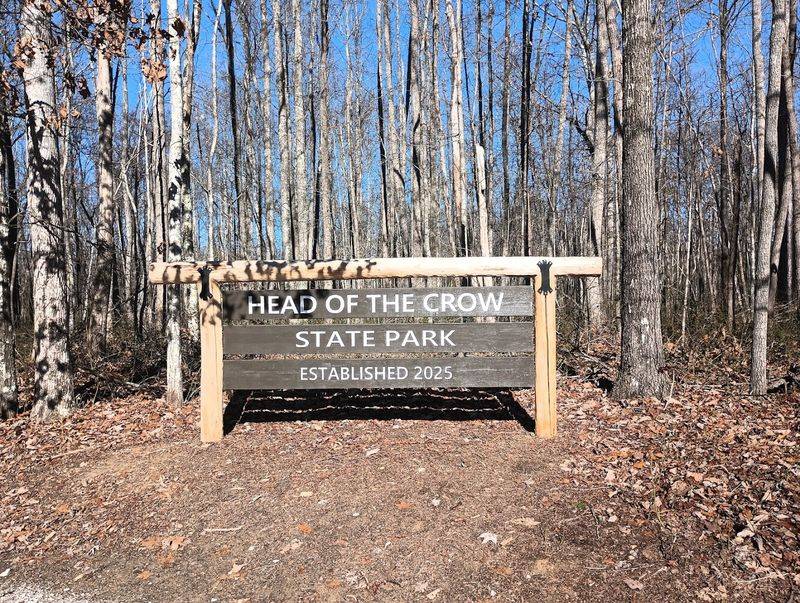
Word spreads fast when something special opens, and Head of the Crow State Park has been generating buzz since day one. As Tennessee’s 62nd state park, it arrived with high expectations and has been exceeding them consistently. Hikers who’ve explored dozens of state parks across Tennessee are already ranking trails here among their favorites, which says a lot considering the competition.
Visitors praise everything from the knowledgeable rangers to the thoughtful trail design that balances challenge with accessibility.
Location plays a significant role in the park’s appeal. Sewanee sits in a part of Tennessee known for natural beauty, but Head of the Crow takes it to another level. The Cumberland Plateau’s elevation provides cooler temperatures and different vegetation compared to lower-lying areas, creating ecosystems that feel refreshingly different from typical Tennessee landscapes.
The timing of the park’s opening couldn’t be better for outdoor enthusiasts looking for new places to explore. With trail systems already well-established and clearly marked, visitors can confidently venture out knowing they won’t get lost or encounter poorly maintained paths. The reflective trail blazes work particularly well during early morning or late afternoon hikes when lighting becomes tricky.
Social media has amplified the park’s popularity, with hikers sharing photos of spectacular views, dramatic rock faces, and that famous cave opening. Each post seems to inspire more people to add Head of the Crow to their must-visit list, creating a snowball effect of interest that shows no signs of slowing down.
A Wild Landscape Of Forests, Cliffs, Caves, And Scenic Trails
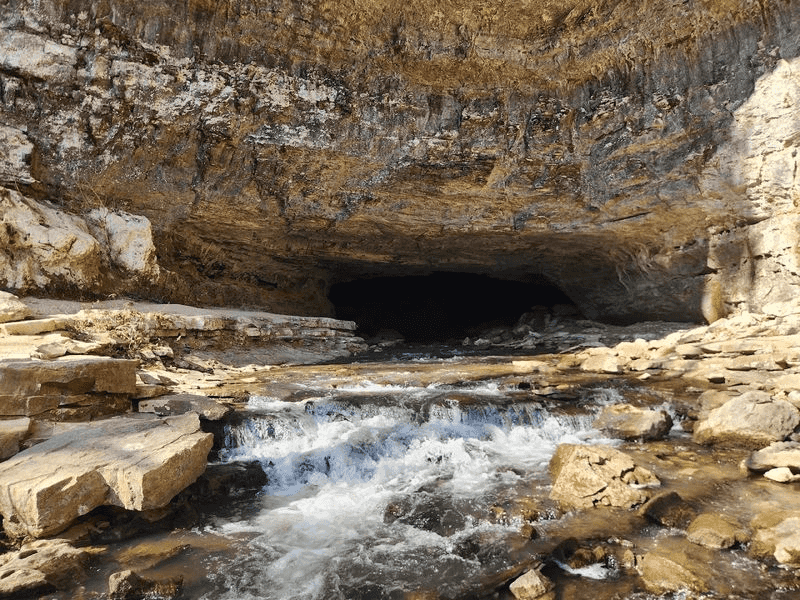
Head of the Crow State Park packs incredible diversity into its acreage, offering landscapes that shift dramatically as you move through different sections. Dense hardwood forests give way to exposed cliff edges where views stretch for miles across valleys below. Rock formations jut from the earth at unexpected angles, creating natural sculptures that photographers dream about capturing.
The Sherwood Day Loop stands out as a premier trail experience, covering roughly three miles along a mountain ridge. This trail showcases exactly what makes the park special, combining forested sections with exposed rock faces and multiple overlook points.
Several spectacular viewpoints dot the trail system, including one called the “Alabama Gander” that offers panoramic vistas of surrounding terrain. These overlooks aren’t just quick glimpses through trees but genuine open spaces where you can sit, rest, and soak in the landscape stretching before you. On clear days, the mountain views become truly spectacular, with layers of ridges fading into the distance.
A small natural bridge adds another unique feature to explore. Crossing over this geological formation feels like stepping through a portal carved by ancient waters, connecting different sections of the park in a way that man-made bridges simply can’t match. Rock formations throughout the park amaze visitors, with layers and textures that reveal the area’s complex geological history.
The trail difficulty falls into what many describe as a great in-between category. It’s not a casual stroll, but it’s also not rugged enough to intimidate less experienced hikers.
What Visitors Can Expect When Exploring The Park
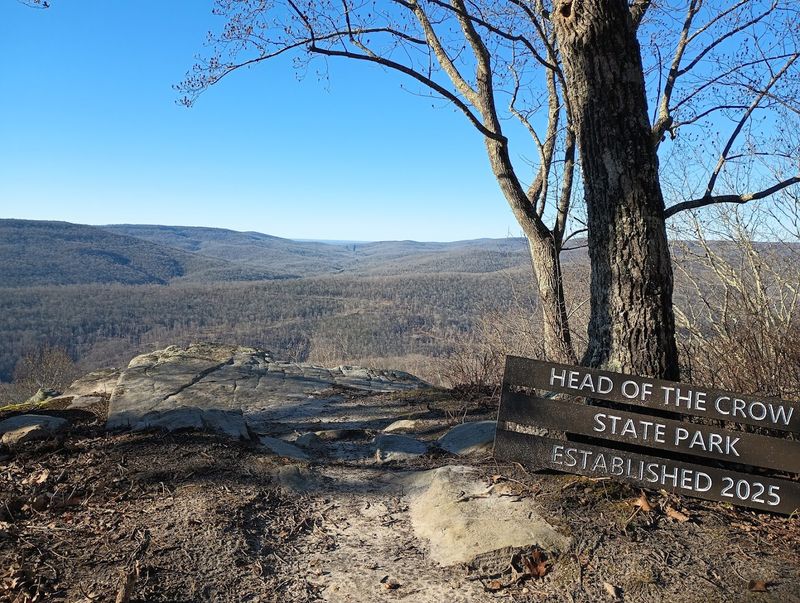
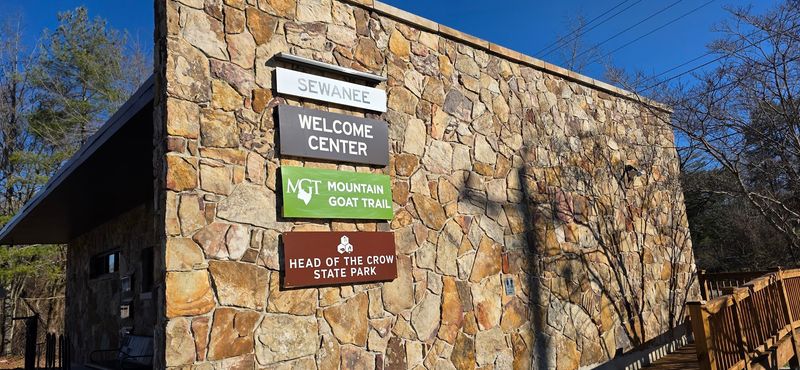
Walking into Head of the Crow State Park for the first time feels like discovering a secret that won’t stay secret for long. The visitor center, though currently in a temporary location outside the main park area, provides a starting point where friendly staff offer maps, advice, and those coveted park passport stamps. Rangers here genuinely know their stuff, answering questions about everything from trail conditions to local wildlife.
Trail systems throughout the park feature excellent maintenance and clear marking. Those reflective blazes mentioned in reviews make a real difference when hiking during early morning hours or as daylight fades. You won’t find yourself squinting at trees, wondering which direction to go, a common frustration at less well-maintained parks.
Expect a real wilderness experience here. This isn’t a manicured park with paved paths and handrails everywhere. The landscape remains largely untouched, which means you’ll encounter genuine natural features rather than sanitized versions.
That rawness is exactly what draws people who want authentic outdoor experiences away from crowds and commercialization.
The park accommodates different activity levels and interests. Some visitors come specifically for that challenging hike to Buggy Cave, while others prefer the more moderate Sherwood Loop. Cyclists find good routes for biking, and those who simply want to walk and enjoy nature can do that too.
The variety means groups with mixed abilities can all find something suitable.
Timing your visit matters. After rainfall, the mountain views become especially crisp and clear, with dust settled and colors popping. However, trails can become slippery when wet, so factor that into your planning.
Cell service can be spotty, so download maps before arriving and let someone know your hiking plans. The deep quiet that makes the park so appealing also means you’re genuinely away from civilization.
Why This New Tennessee State Park Is Perfect For Nature Lovers
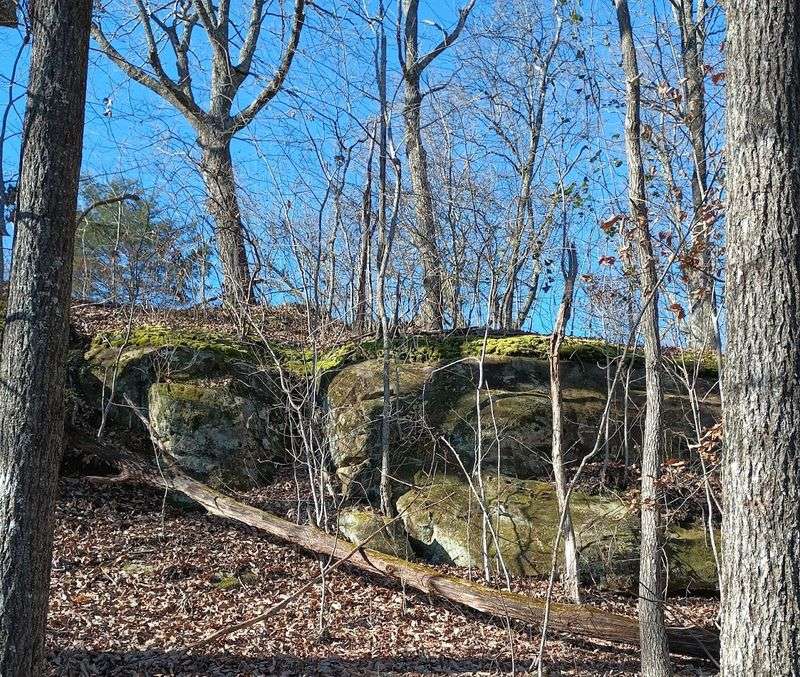
Nature enthusiasts have been waiting for a park like this. Head of the Crow offers the kind of unspoiled wilderness that’s becoming increasingly rare, even in Tennessee’s excellent state park system. The sheer amount of land available for exploring means you can hike for hours without retracing steps or feeling crowded by other visitors.
Biodiversity thrives here thanks to the Cumberland Plateau’s unique position and elevation. Forest ecosystems support a wide variety of plant and animal life, from towering hardwoods to delicate wildflowers that carpet the forest floor in spring. Birders appreciate the variety of species that call these forests home, while wildlife watchers keep eyes peeled for deer, turkeys, and smaller creatures scurrying through undergrowth.
The geological features alone could keep a rock enthusiast occupied for days. Limestone formations, cliff faces, cave systems, and that natural bridge all tell stories about ancient seas, tectonic forces, and millions of years of water slowly reshaping stone. You don’t need a geology degree to appreciate these features, but having one would certainly add layers of understanding to what you’re seeing.
Solitude seekers find exactly what they’re looking for here. Reviews consistently mention the “deep quiet” that settles over the park, broken only by wind through trees, birdsong, and the crunch of your boots on the trail. That kind of peaceful atmosphere has become precious in our noisy, connected world.
For those working toward Tennessee State Park Ambassador status, Head of the Crow represents stamp number 62, the newest addition to collect.
Plan Your Visit To Head Of The Crow State Park In Sewanee
Getting to Head of the Crow State Park requires a bit of navigation attention, but the effort pays off tremendously. The physical address is 17 Lake O’Donnell Road in Sewanee, Tennessee 37375. If you’re approaching from the north or through Sewanee, be aware that Highway 156 lacks clear signage currently, so GPS navigation is essential to avoid wrong turns and backtracking.
The visitor center operates at a temporary location while permanent facilities are being established. You can reach them for current information about hours, trail conditions, and any temporary closures. Their website at tnstateparks.com provides additional details and updates about ongoing development.
Park hours and seasons should be verified before making a long drive. State parks in Tennessee typically operate year-round, but specific facilities and trail access can vary seasonally. Winter hiking offers unique perspectives with leaves down and rock formations more visible, though trails can be icy.
Spring brings wildflowers and flowing water, summer provides full forest canopy, and fall delivers spectacular color displays.
What to bring depends on your planned activities. For serious hiking to Buggy Cave, wear sturdy boots with good ankle support and traction. The strenuous nature of that trail demands proper footwear.
Bring plenty of water, snacks, and a first aid kit. A headlamp or flashlight helps if you’re hiking early or late, plus those reflective trail markers show up better with a light source.
Parking availability hasn’t been an issue according to reviews, likely because the park is still relatively new and hasn’t hit peak visitation yet. That could change as word spreads, so arriving earlier in the day, especially on weekends, ensures you’ll find convenient parking near trailheads.