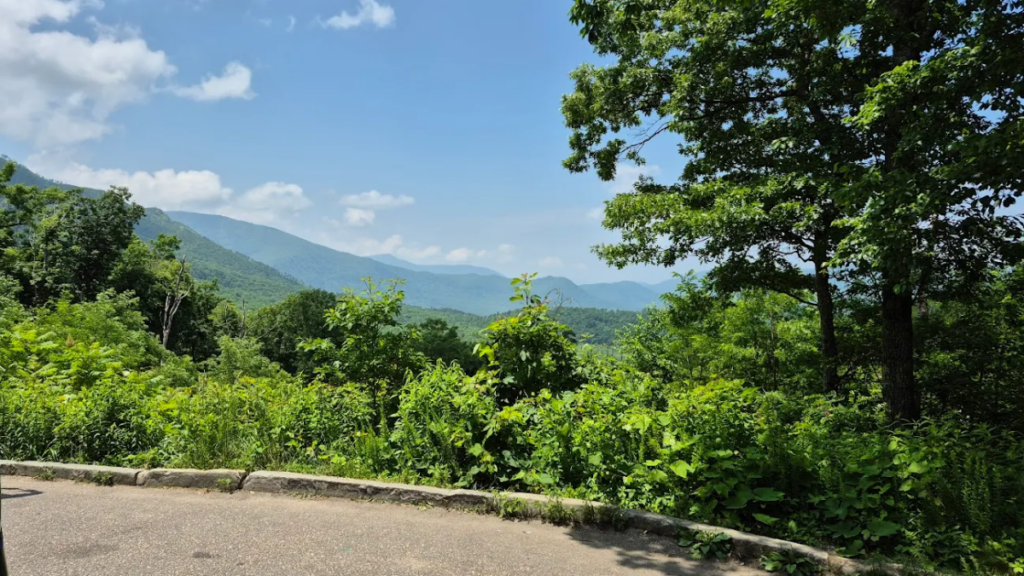
Tennessee hides some of the most enchanting forests in the South, where moss-covered rocks, towering old-growth trees, and misty trails create scenes straight out of a storybook. From the ancient groves of the Smokies to quiet cedar glades and hidden waterfalls, these magical woodlands offer more than just a hike—they transport you to another world.
Whether you’re looking for a peaceful escape near Nashville or a rugged adventure in the Cumberland Plateau, these 13 fairytale forests will make you feel like you’ve stepped into a fantasy novel.
1. Albright Grove — Great Smoky Mountains National Park
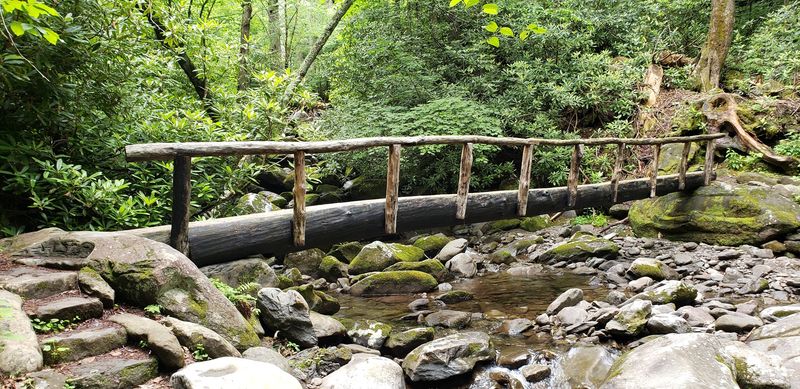
Walking into Albright Grove feels like entering a cathedral made of trees. The giants here—some over 100 feet tall—have stood for centuries, their trunks so wide you can’t wrap your arms around them. Sunlight filters through the canopy in golden shafts, and the forest floor stays soft and quiet underfoot.
The loop trail stretches about 6.8 miles round trip, but every step rewards you with views that belong in a fantasy film. Hemlocks and tulip poplars dominate the landscape, their bark weathered and textured like ancient stone. Few people make the trek, so you’ll likely have the grove mostly to yourself.
Spring brings wildflowers carpeting the ground, while autumn paints the canopy in brilliant golds and reds. The silence here feels sacred, broken only by birdsong and the occasional rustle of leaves. No waterfalls or dramatic overlooks compete for attention—just pure, untouched forest.
This grove survived logging because it sat too far from the nearest mill, which means you’re seeing the Smokies as they looked centuries ago. Pack water and snacks, wear sturdy shoes, and give yourself time to simply stand among these giants.
2. Ramsey Cascades Trail — Great Smoky Mountains National Park
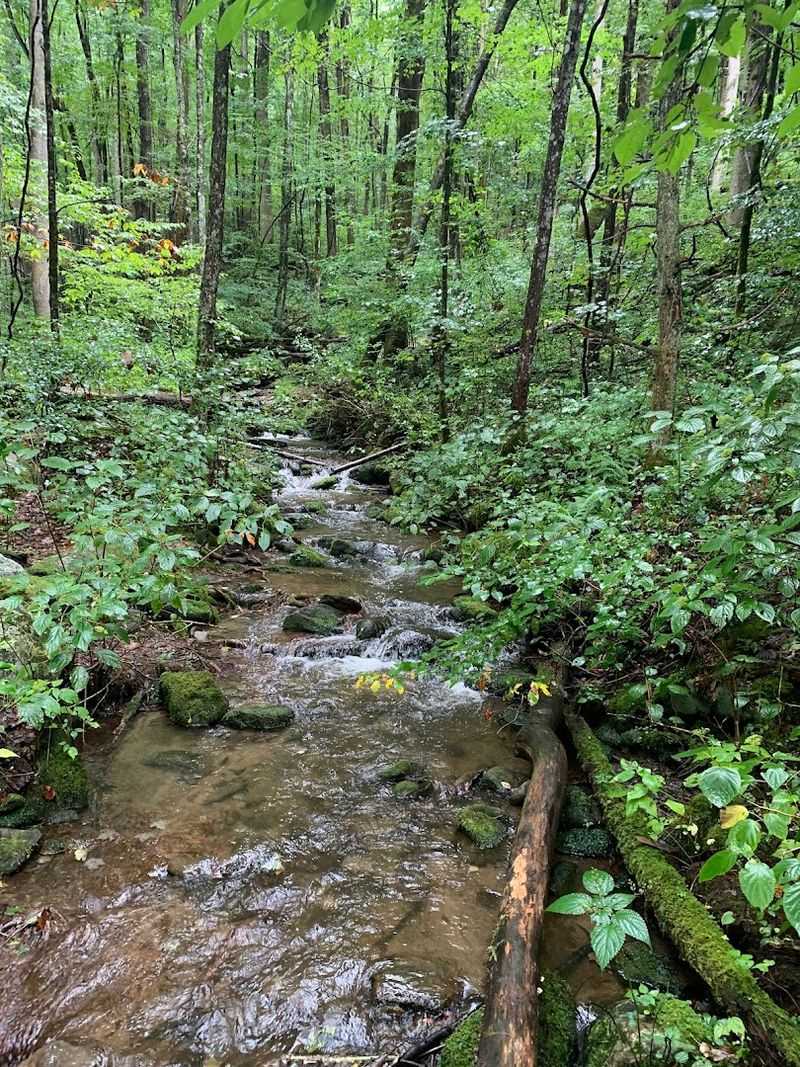
Ramsey Cascades Trail doesn’t just lead you through the forest—it immerses you in a living, breathing fairytale. The path follows a boulder-strewn creek for four miles, climbing steadily through some of the park’s most pristine old-growth forest. Moss clings to every surface, turning rocks and fallen logs into fuzzy green sculptures.
The trail crosses log bridges and weaves between massive trees that have witnessed centuries of seasons. Water sounds follow you the entire way, sometimes a gentle trickle, other times a rushing roar after heavy rain. Rhododendron tunnels create natural arches overhead, especially thick in summer.
Your destination, Ramsey Cascades, drops 100 feet down a rocky face—the tallest waterfall in the Smokies. Mist rises from the pool at its base, catching light and creating miniature rainbows on sunny days. The rocks stay slick, so watch your footing near the falls.
This eight-mile round trip hike ranks as moderate to strenuous, with over 2,000 feet of elevation gain. Start early to beat crowds and afternoon thunderstorms. The magic here doesn’t come from just one spectacular view but from the accumulation of small wonders—every fern, every mossy boulder, every shaft of sunlight.
3. Roaring Fork Motor Nature Trail — Gatlinburg
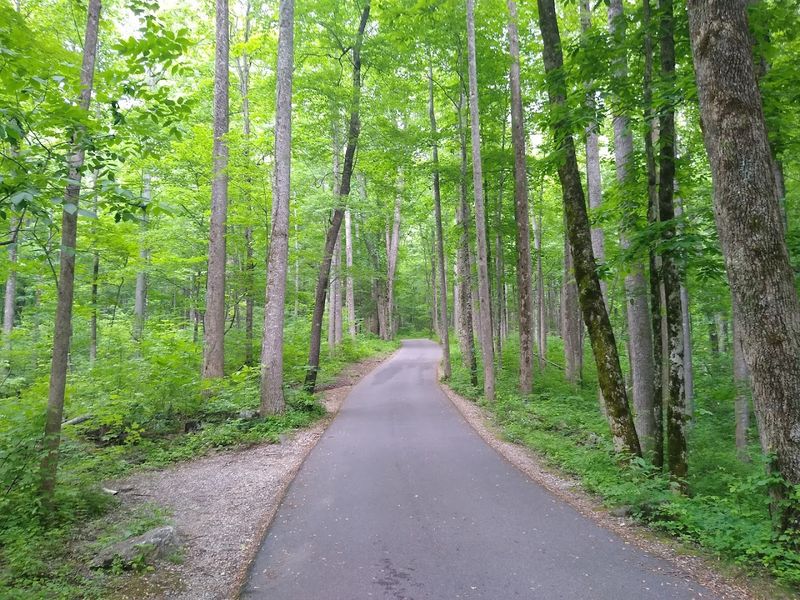
You can experience this enchanted forest without breaking a sweat—Roaring Fork Motor Nature Trail winds through six miles of storybook scenery you can enjoy from your car. The one-way loop road narrows to a single lane in places, hemmed in by towering trees and moss-draped boulders that lean close enough to touch.
Historic log cabins appear around bends like ghosts from another century. Some still have working water wheels powered by rushing mountain streams. Mist rises from the creeks most mornings, creating an atmosphere so moody and magical you’ll swear you’ve driven into a Brothers Grimm tale.
Pull over at designated spots to stretch your legs on short trails leading to waterfalls and old homesteads. Grotto Falls, accessible via a short hike, lets you walk behind the cascade itself. Rainbow Falls Trail also starts from this road, though that’s a longer commitment.
The road closes in winter, typically from late November through mid-March. Spring brings wildflowers and rushing water, while fall transforms the canopy into a riot of color. Drive slowly—both for safety on the narrow road and to fully absorb the otherworldly beauty surrounding you.
4. Big South Fork National River and Recreation Area — Oneida
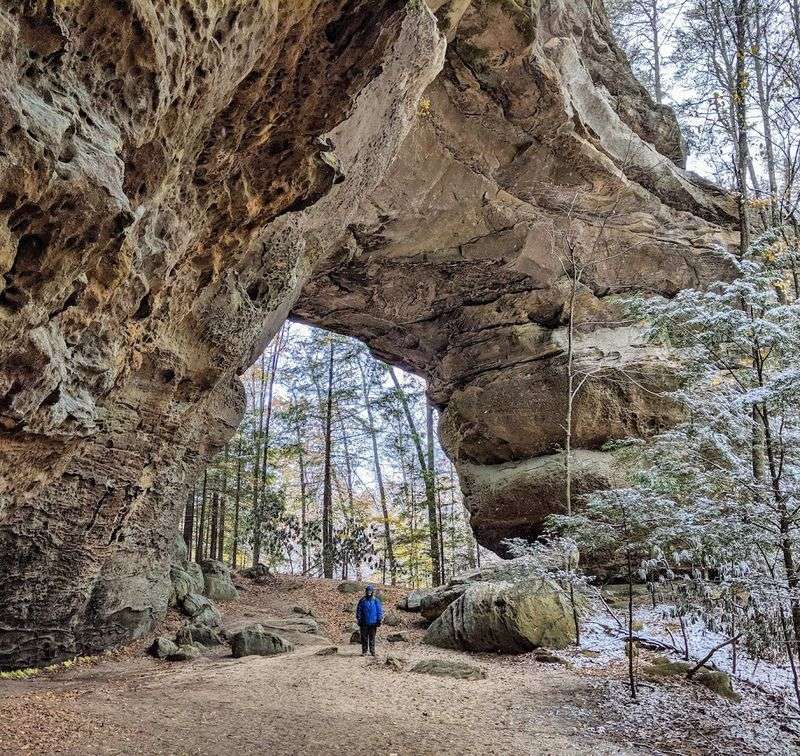
Big South Fork stretches across 125,000 acres of rugged plateau country, where the forest grows wild and strange. Sandstone arches rise from the woodland like natural cathedrals, their openings framing views of gorges and distant ridges. Trails disappear into rhododendron thickets so dense they block the sky.
Twin Arches Trail leads to two massive stone bridges—the largest in the eastern United States. Standing beneath them feels humbling, like visiting ruins from some ancient civilization. The forest here grows right up to the cliff edges, roots clinging to rock faces in defiant displays of persistence.
The remoteness adds to the fairytale quality—cell service disappears, and you might hike for hours without seeing another soul. Bring a map, pack plenty of water, and tell someone your plans. This forest rewards adventurers willing to venture beyond the easy paths, revealing secrets only to those who take time to truly explore.
5. Fall Creek Falls State Park — Spencer
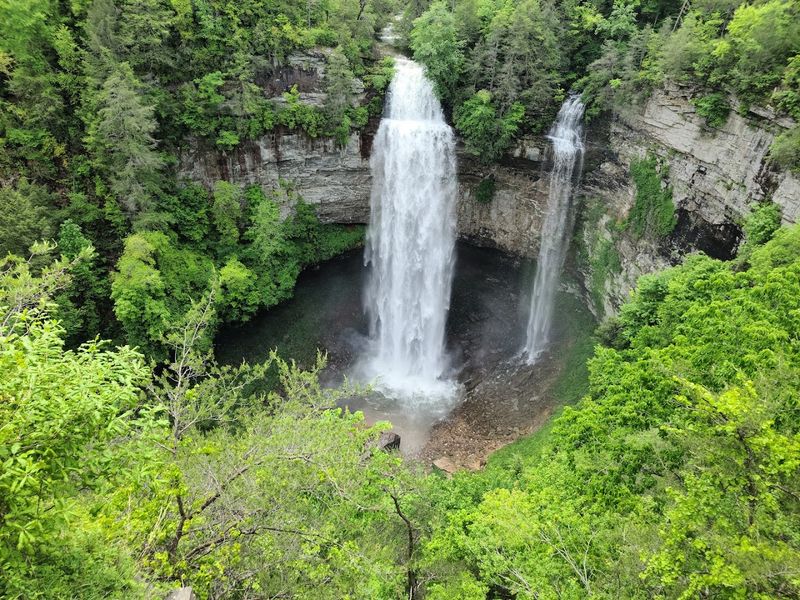
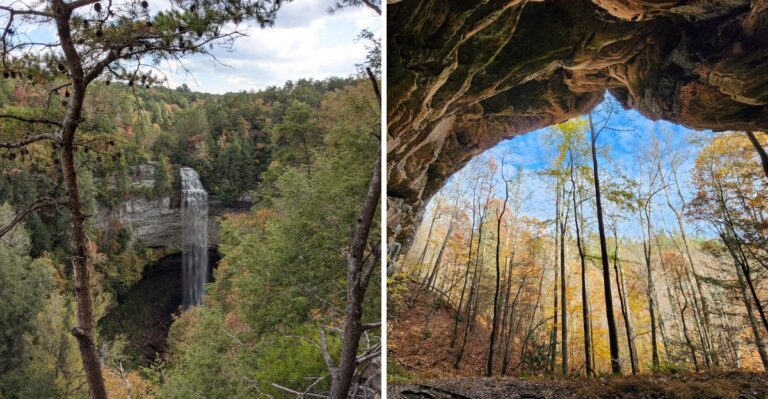
Tennessee’s largest state park sprawls across 30,000 acres of plateau forest punctuated by some of the most dramatic waterfalls in the Southeast. Fall Creek Falls itself drops 256 feet into a misty gorge, but that’s just the beginning. The park contains four major waterfalls and countless smaller cascades hidden in the woods.
Cane Creek Gorge Trail winds along the rim of a deep ravine, offering views down into the forested canyon below. The forest here grows dense and layered, with tall hardwoods forming a canopy above thick understory shrubs. In spring, wildflowers carpet the forest floor in waves of color.
More than 60 waterfalls exist within a 40-mile radius of the park, creating a concentration of cascades that feels almost magical. Trails range from easy paved walks to challenging backcountry routes that require scrambling over rocks and roots. Each waterfall has its own personality—some thunder with power, others whisper gently over mossy stones.
The gorge trails offer the most fairytale-like scenery, where you walk between towering rock walls with ferns growing from every crack. Morning fog often fills the valleys, creating an ethereal atmosphere that makes photography almost unfair.
Arrive early on weekends, as this park’s reputation draws crowds to the main falls. But venture onto the less-traveled trails and you’ll find solitude among the enchanted woods.
6. Frozen Head State Park — Wartburg
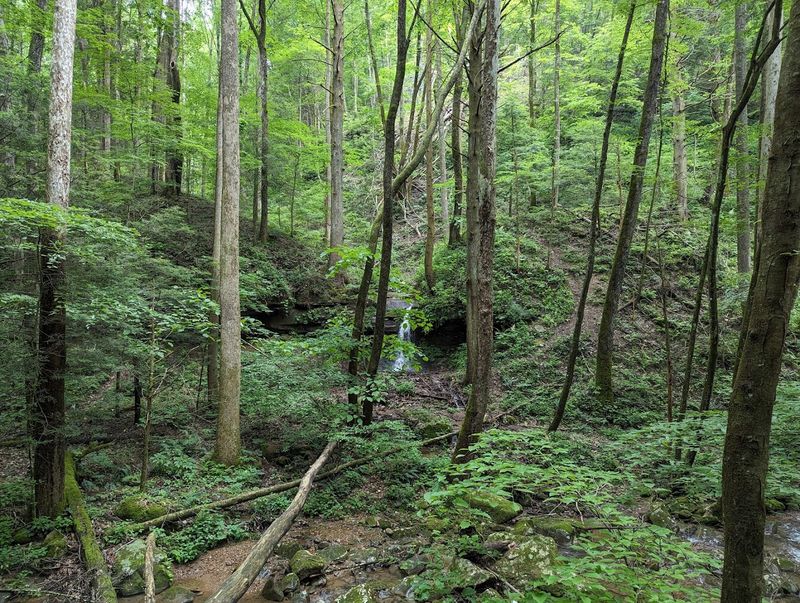
Frozen Head rises from the Cumberland Mountains like something out of a gothic novel, its peak often shrouded in clouds and mystery. The park’s 24,000 acres contain some of Tennessee’s most rugged and isolated forest, where trails climb steeply through multiple ecosystems. What starts as a hardwood forest at the base transforms into high-elevation spruce as you ascend.
Wildflowers bloom in stunning profusion here, especially in spring when trillium, bloodroot, and lady slippers carpet the forest floor. The trails stay relatively empty compared to the Smokies, giving you a sense of discovering something secret. Fog rolls through the hollows most mornings, clinging to the trees and creating an atmosphere both eerie and beautiful.
The park takes its name from Frozen Head Mountain, which gets snow and ice on its summit even when the valleys stay green. Chimney Top Trail offers a challenging 9.4-mile round trip to panoramic views, but shorter loops let you experience the magical forest without the brutal climb. Bird Mountain Trail winds through particularly enchanting woodland, with massive boulders and twisted trees that look like they belong in a fantasy painting.
This park hosts the Barkley Marathons, one of the world’s toughest ultramarathons, which tells you something about the terrain. But you don’t need to run—just walk slowly through these misty woods and let the magic sink in.
7. South Cumberland State Park — Monteagle
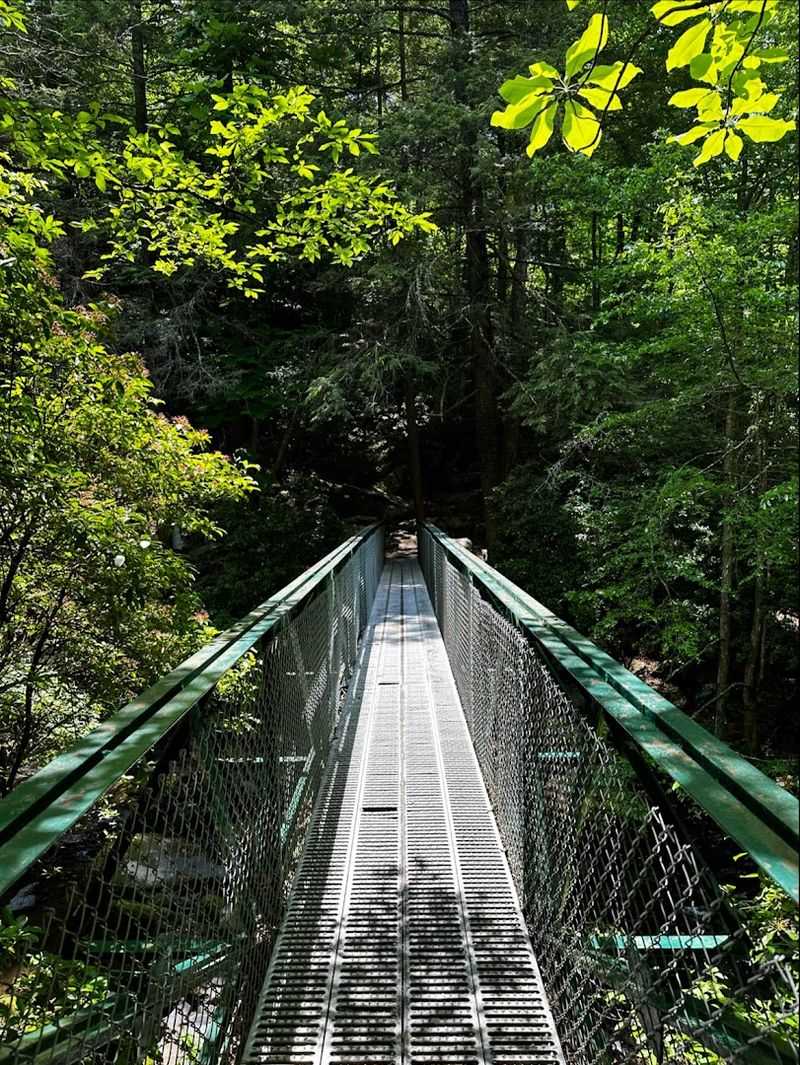
South Cumberland State Park isn’t just one place—it’s a collection of natural areas spread across the Cumberland Plateau, each with its own brand of magic. Fiery Gizzard Trail ranks among Tennessee’s most spectacular hikes, winding through gorges where waterfalls tumble over rock ledges and the forest grows thick with rhododendron and mountain laurel.
Foster Falls plunges 60 feet into a gorge surrounded by hemlock forest so dense it stays dim even at noon. Rock climbers scale the walls here, but hikers can descend into the gorge on a steep trail that feels like entering another world. The constant mist from the falls keeps everything damp and green, encouraging moss to cover every available surface.
Grundy Forest provides easier walking, with a loop trail that follows a creek through old-growth forest. Stone Door Trail leads to a massive crack in the rock face that opens onto sweeping views of the plateau below. The forest here has a primeval quality, with twisted trees and rocky outcrops that look like they were placed by some ancient hand.
Each area offers something different, but all share that fairytale quality—the sense that you’ve left the modern world behind. Pack a trail map because the various sections sit miles apart. Visit multiple areas if you have time, as each reveals different aspects of the plateau’s enchanted character.
8. Savage Gulf State Park — Beersheba Springs
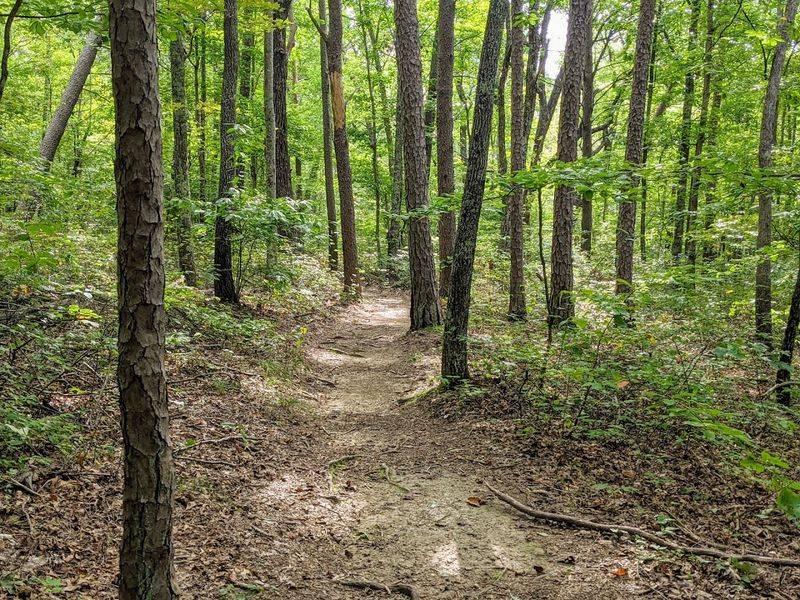
Savage Gulf lives up to its dramatic name—a massive gorge system where the forest grows wild and waterfalls cascade into shadowy depths. The gulf stretches for miles, creating a wilderness corridor where you can hike all day without seeing buildings or hearing traffic. Trails wind along the rim and drop into the gorge itself, offering perspectives both dizzying and intimate.
Stone Door Overlook sits at the head of the gulf, where a crack in the rock provides a dramatic entrance to the canyon below. Early morning fog fills the gorge like a living thing, slowly burning off as the sun rises. From the overlook, you can watch this transformation, the forest emerging from the mist tree by tree.
Greeter Falls drops in two stages, with an upper cascade visible from the trail and a lower falls that requires scrambling down to see. The forest around the falls stays perpetually damp, creating perfect conditions for moss, ferns, and other plants that thrive in moisture. The constant sound of falling water creates a soundtrack that follows you for miles.
The backcountry trails here offer solitude and challenge in equal measure, with creek crossings, steep climbs, and rocky terrain that demands attention. This isn’t a casual walk—it’s a journey into genuine wilderness. But for those willing to work for it, Savage Gulf reveals a forest so magical and moody it feels like it belongs in a darker, more mysterious fairytale.
9. Virgin Falls State Natural Area — Sparta
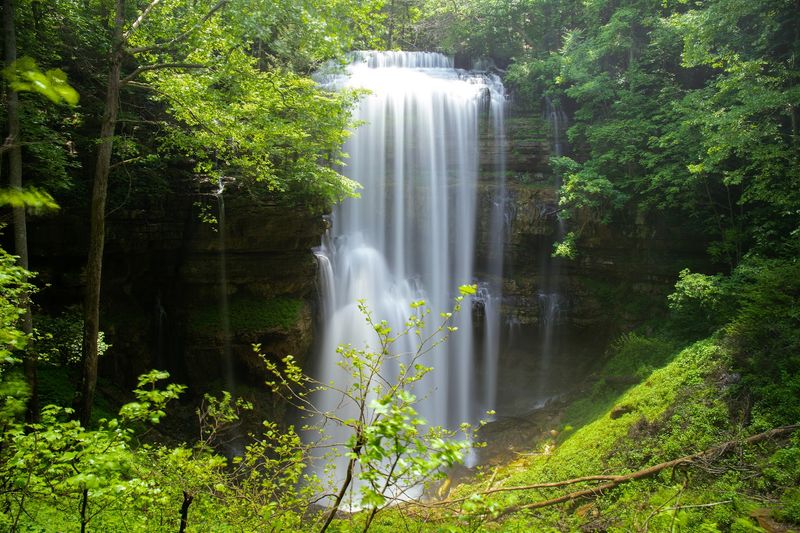
Virgin Falls might be the most magical place in Tennessee, where water emerges from a cave, plunges 110 feet, then disappears into another cave at the bottom. The falls literally appear from nowhere and vanish just as mysteriously, creating a scene so fantastical you might not believe it if someone simply described it. But it’s real, and getting there requires commitment.
The hike stretches 8 miles round trip through dense forest that feels increasingly remote as you progress. You’ll pass Big Branch Falls and Big Laurel Falls along the way—both worth the trip on their own. But Virgin Falls justifies the effort, emerging from its cave like something conjured by magic.
The forest here grows thick and tangled, with rhododendron forming tunnels over the trail in places. Caves dot the landscape, and smaller waterfalls and springs appear around nearly every bend. The area stays relatively wild because of its remoteness—no easy parking lot access means fewer crowds and a more genuine wilderness experience.
The trail can get muddy and challenging, especially after rain. Several creek crossings require rock-hopping, and the elevation changes keep you working. But the payoff—standing before that impossible waterfall emerging from solid rock—makes every difficult step worthwhile.
Pack plenty of water, snacks, and a sense of adventure. This forest keeps its secrets for those willing to seek them out.
10. Old Stone Fort State Archaeological Park — Manchester
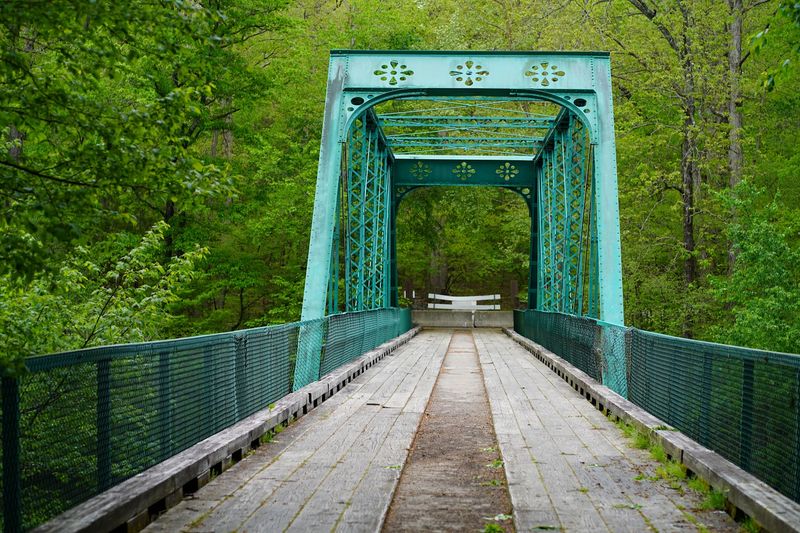
Old Stone Fort combines natural beauty with ancient mystery, where prehistoric earthworks built by Native Americans nearly 2,000 years ago still stand among the forest. The “fort” isn’t actually stone—it’s earthen walls that follow the bluffs where the Duck River and Little Duck River meet. Walking these trails feels like stepping into both natural and human history simultaneously.
Two waterfalls—Big Falls and Step Falls—cascade over rock ledges within the park, adding water magic to the historical intrigue. The forest has reclaimed much of the site, with trees growing on and around the ancient mounds. This layering of time creates an atmosphere that’s both beautiful and slightly eerie, especially when fog rises from the rivers.
The exact purpose of the earthworks remains debated—ceremonial site, defensive structure, or something else entirely. That mystery adds to the fairytale quality, suggesting stories and purposes lost to time. Trails loop through the enclosure and along the river bluffs, offering views down into the gorge and across to distant ridgelines.
The park maintains a museum explaining what’s known about the site’s history, but the forest itself tells a deeper story. Trees grow where ancient peoples once walked, water flows over rocks worn smooth by millennia, and the earth holds secrets we may never fully understand. It’s a place where natural and human magic intertwine, creating something unique in Tennessee.
11. Cedars of Lebanon State Park — Lebanon
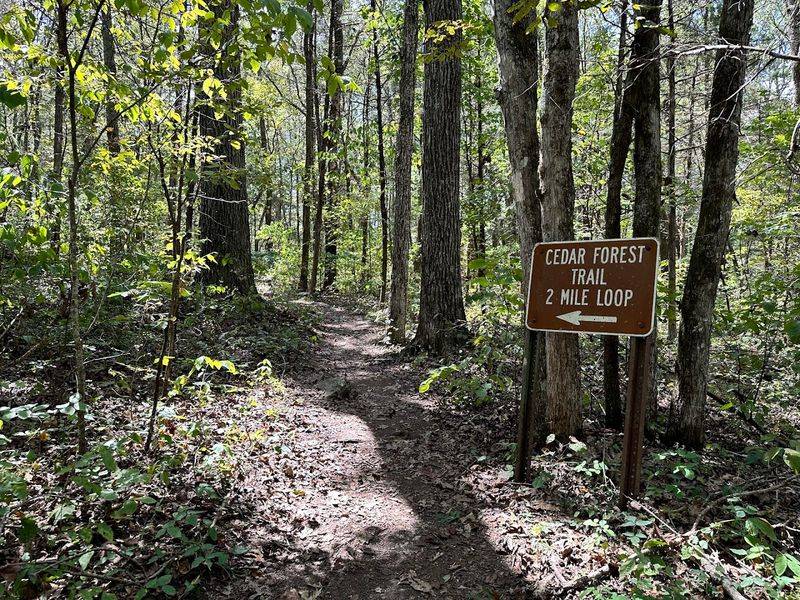
Cedars of Lebanon breaks the pattern of Tennessee’s typical mountain forests, offering instead something strange and wonderful. Cedar glades—rare ecosystems found in only a few places worldwide—dominate the landscape here. Twisted red cedars grow from limestone outcrops, creating scenery that looks more like the Mediterranean than Middle Tennessee.
The forest here feels ancient and slightly otherworldly, with gnarled trees that seem to grow directly from stone. In spring, rare wildflowers bloom in the glades—species found nowhere else on Earth. The combination of rocky terrain, twisted trees, and unique flora creates an atmosphere unlike any other forest in the state.
Trails wind through both the glades and traditional hardwood forest, offering contrasts that make the unusual areas even more striking. Hidden Hollow Trail and Dixon Merritt Trail showcase the best of the park’s strange beauty. The cedars themselves grow slowly, some of the oldest trees on the property having witnessed centuries of seasons.
This park sits just 30 miles east of Nashville, making it an easy escape from the city. Yet it feels completely removed from modern life, like you’ve discovered some secret forest that exists outside normal geography. The quiet here runs deep—no rushing water or dramatic overlooks compete for attention, just the subtle magic of an ecosystem that shouldn’t exist but does, thriving against all odds on rocky soil.
12. Meeman-Shelby Forest State Park — Millington
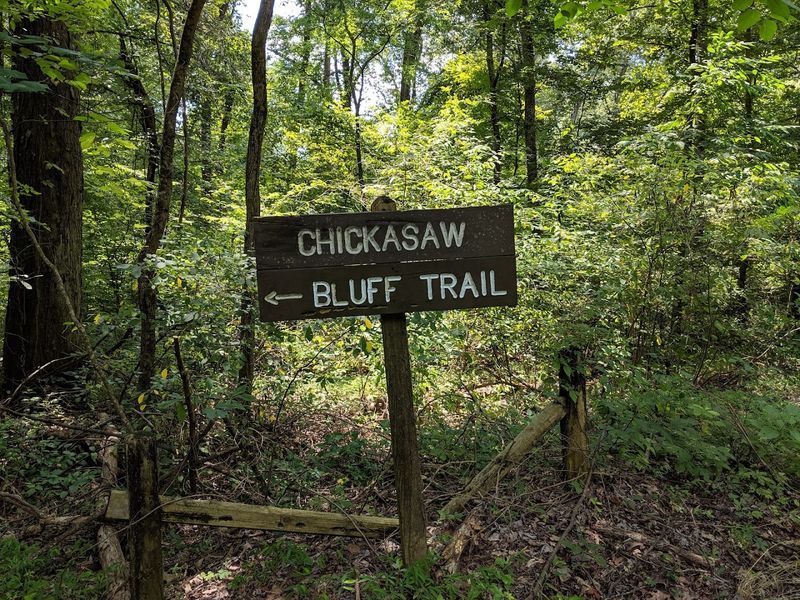
West Tennessee doesn’t get enough credit for its forests, but Meeman-Shelby proves the region holds its own kind of magic. This 13,000-acre park sits along the Mississippi River bluffs, protecting bottomland hardwood forest that grows tall and peaceful. The landscape here differs dramatically from East Tennessee’s mountains—flat, quiet, and dominated by massive oaks, hickories, and beeches.
The forest stays relatively empty compared to the Smokies, giving you space to wander without crowds. Trails wind through the woods to river overlooks and small lakes where cypress trees grow from the water. The quiet here feels profound, broken only by birdsong and the occasional rustle of leaves.
Chickasaw Bluff Trail offers the best forest experience, winding along the edge of the river bluff through particularly beautiful woodland. Pioneer Springs Trail loops through bottomland forest where the trees grow so thick the canopy blocks most sunlight. In spring, wildflowers carpet the forest floor, while autumn brings spectacular color as the hardwoods turn.
The park maintains a natural area where the forest grows completely wild, with no trails or management—just woods allowed to be woods. Even the maintained areas feel pristine and untouched.
This forest may not have waterfalls or dramatic vistas, but its quiet beauty creates a different kind of fairytale—one of peace, stillness, and trees that have stood for generations watching the river flow past.
13. Radnor Lake State Park — Nashville
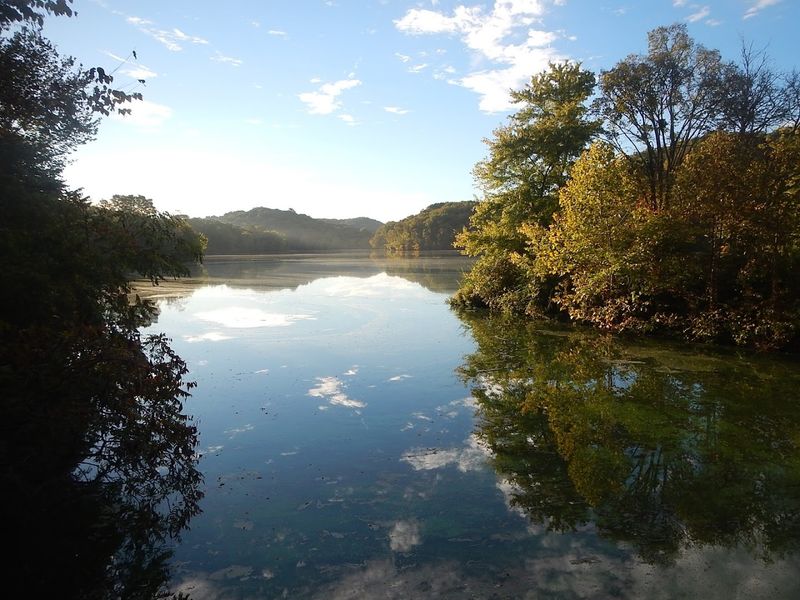
Finding a fairytale forest in the middle of Nashville seems impossible, yet Radnor Lake delivers exactly that. This 1,368-acre park sits surrounded by city but feels completely separate from it. The lake itself provides the centerpiece—a calm, reflective body of water surrounded by forested hills that rise steeply from the shore.
Trails circle the lake and climb into the surrounding forest, offering views down to the water and across to distant ridgelines. The forest here stays surprisingly pristine, with tall hardwoods and thick understory that blocks out sights and sounds of the nearby city. Wildlife thrives in this protected pocket—deer, owls, herons, and countless other species make their homes here.
The reflection of trees on the lake’s still surface creates a mirror effect that doubles the magic, especially on calm mornings when mist rises from the water. The trails stay well-maintained but natural, winding through the woods rather than cutting straight paths. Wooden boardwalks cross wetland areas where you can watch for turtles and wading birds.
The park prohibits bikes, dogs, and jogging, maintaining a peaceful atmosphere that encourages slow observation rather than speed. This intentional quietness enhances the magical quality—you’re forced to move at the forest’s pace rather than your own. For Nashville residents, Radnor Lake provides a quick escape into enchanted woods.
For visitors, it proves that fairytale forests can exist even in unexpected urban spaces, hiding in plain sight.
Share this story