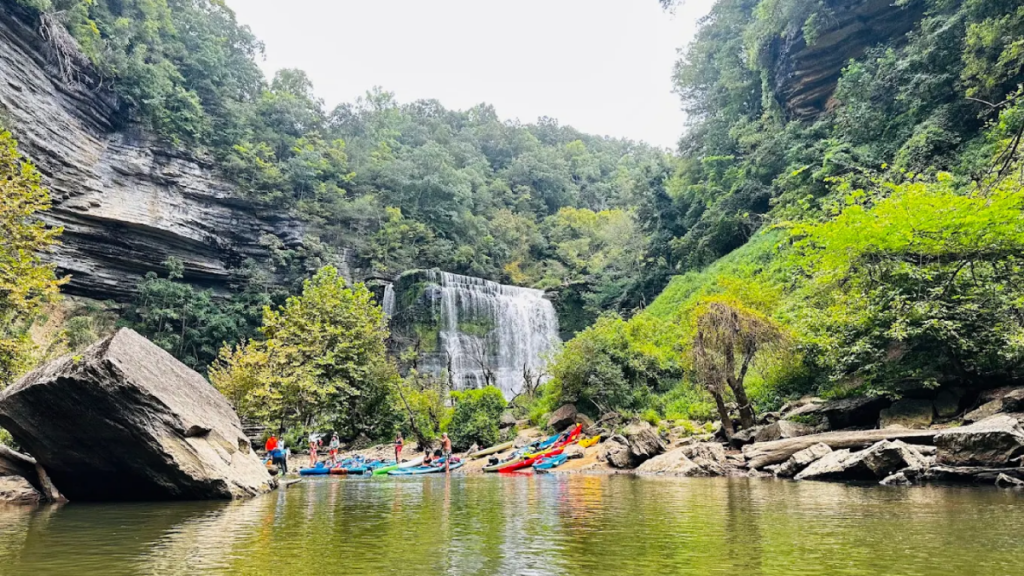
Most people zoom past Sparta on their way to somewhere else, never realizing one of Tennessee’s most stunning natural attractions sits just minutes off the highway. Burgess Falls State Park packs dramatic waterfalls, scenic river trails, and jaw-dropping overlooks into a compact 350-acre package that feels worlds away from the everyday grind.
Whether you’re a seasoned hiker, a weekend photographer, or just someone craving a quick nature fix, this park delivers big without the crowds you’d find at more famous Tennessee destinations.
Discover One Of Tennessee’s Most Breathtaking Hidden Gems
Tucked away near Sparta, Burgess Falls State Park doesn’t get the hype of the Smokies or the tourism buzz of Chattanooga’s Ruby Falls. That’s exactly what makes it special. This 350-acre park protects a stunning stretch of the Falling Water River as it carves through a deep limestone gorge, creating one of the most photogenic waterfall sequences in Middle Tennessee.
The park sits about 15 miles south of Cookeville, straddling Putnam and White counties. Getting there is straightforward—take I-40 to exit 286, then head south on TN-135 for about eight miles. You’ll find ample parking near the entrance, though weekends and spring months can fill up fast when the waterfalls are roaring.
What sets Burgess Falls apart is its accessibility paired with genuine wilderness beauty. You’re not walking through manicured gardens or paying steep admission fees. This is raw Tennessee nature at its finest, where the sound of rushing water drowns out everything else and you can actually feel the mist on your face from the overlooks.
The park operates as a day-use facility, open year-round from 8 a.m. until sunset. There’s no camping on-site, but an RV park sits right next door if you want to extend your stay.
Best of all? Admission is completely free, making this an easy add to any road trip itinerary without breaking the budget.
Burgess Falls State Park Is Famous For Its Dramatic Waterfalls
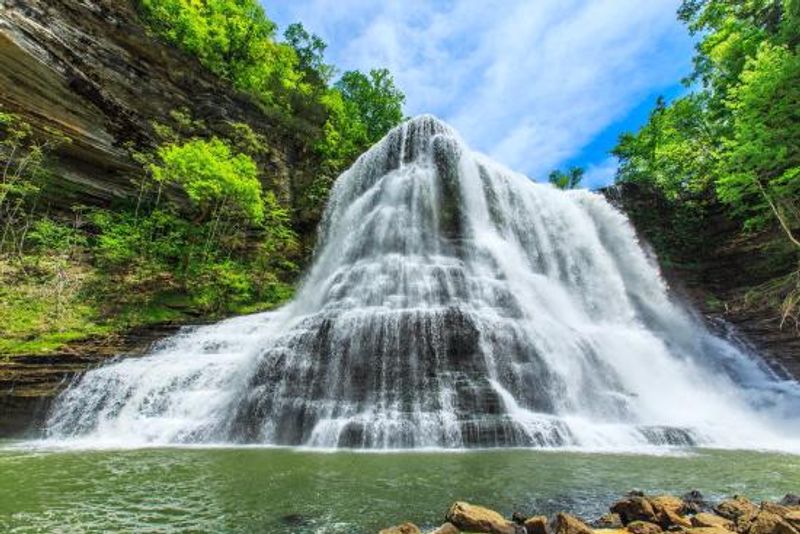
The star of the show is the 136-foot Burgess Falls itself—a powerful block waterfall that crashes into a massive plunge pool with enough force to send mist floating up to the observation deck. On sunny days, you’ll catch rainbows dancing in that spray, creating photo opportunities that look almost too perfect to be real.
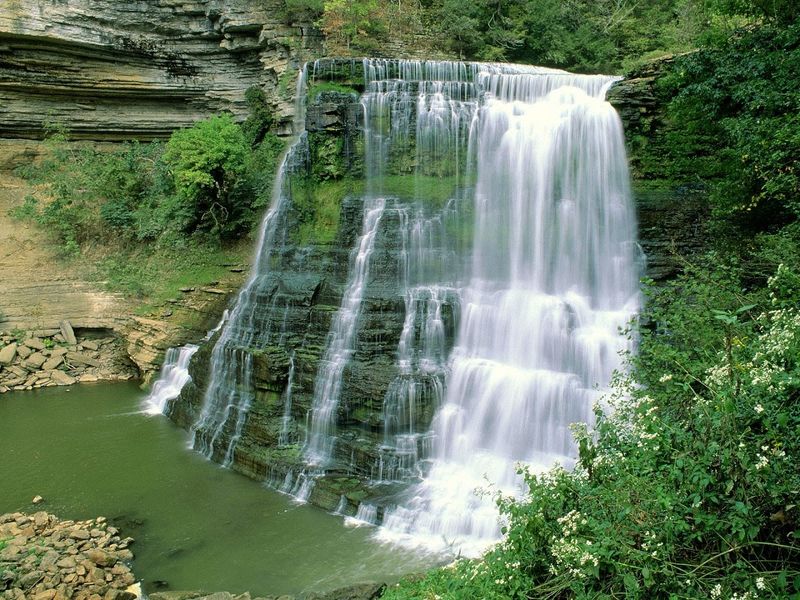
Burgess Falls is the grand finale, but it’s not the only act. The park protects a sequence of four distinct waterfalls along the Falling Water River, each with its own personality. Combined, these cascades drop more than 250 feet as the river descends through the gorge.
Water flow varies dramatically with the seasons and recent rainfall. Spring and early summer typically offer the most spectacular shows, when snowmelt and spring rains keep the river running strong. Late summer can see reduced flow, though the falls never completely dry up.
Winter visits after thaws can be equally impressive, with the added bonus of frozen formations clinging to the gorge walls.
The limestone bedrock creates those dramatic drops and undercut ledges that make the falls so photogenic. That same geology also makes swimming extremely dangerous—swift currents, hidden rocks, and unpredictable water levels have led to several fatalities over the years. Park officials strictly prohibit swimming anywhere in the gorge, and it’s a rule worth respecting.
Enjoy the views from the designated overlooks and keep your adventure safe.
The River Trail Leads To Some Of The Park’s Best Views
The River Trail is where the magic happens. This 1.5-mile round-trip path follows the Falling Water River downstream, taking you past all four waterfalls and ending at the main Burgess Falls overlook. Rated moderate to strenuous, the trail features steep stairs, rocky sections, and uneven terrain that requires decent footwear and a bit of stamina.
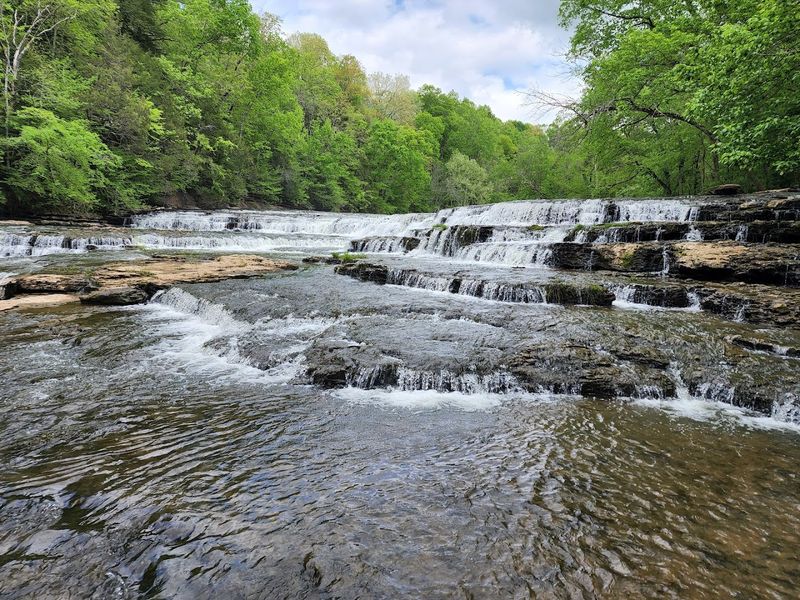
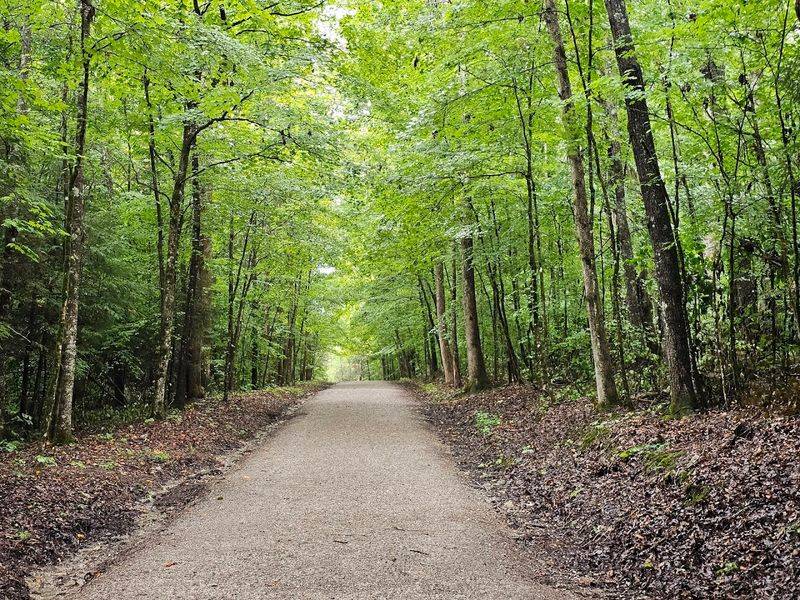
Starting from the parking area, you’ll encounter the cascades first—a smaller series of rapids right near the trailhead where kids often play in the shallow water during summer. From there, the trail winds through mixed hardwood forest, offering glimpses of the river as it picks up speed heading toward the first major drop.
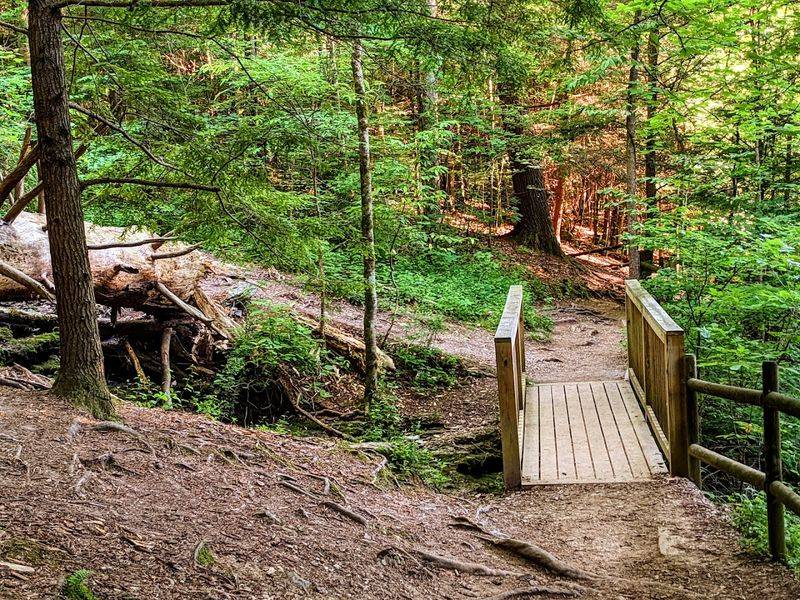
The path alternates between relatively flat stretches and sections with significant elevation changes. Wooden stairs and metal railings help on the steepest parts, but tree roots, rocks, and occasional muddy spots keep things interesting. Plan for 45 minutes to an hour if you’re moving at a steady pace, longer if you stop to photograph or simply soak in each waterfall.
Signage is clear and helpful throughout, marking distances and pointing out side trails to various viewpoints. The trail can get crowded on weekends, especially during peak fall foliage season when the gorge explodes with color. Weekday mornings offer your best shot at a quieter experience where the only sounds are rushing water and birdsong echoing off the canyon walls.
Four Waterfalls Make This Scenic Park Feel Extra Magical
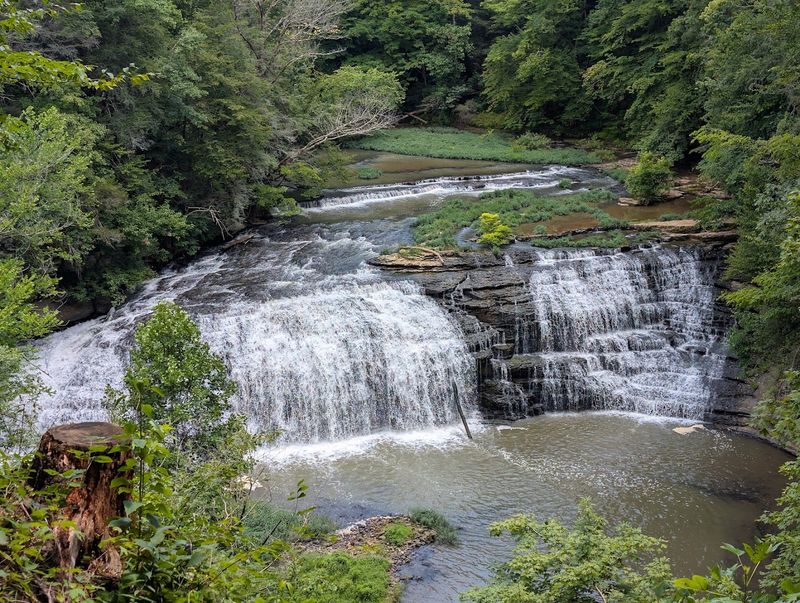
Most parks are lucky to have one impressive waterfall. Burgess Falls delivers four distinct cascades, each offering something different. Little Falls kicks things off with a modest 20-foot drop, followed by the 30-foot Middle Falls, then the 80-foot Upper Falls.
Finally, the namesake Burgess Falls plummets 136 feet in a thundering finale that leaves visitors speechless.
Little Falls is the most accessible, requiring just a short walk from the main trail. It’s wider and more spread out than the others, creating a curtain effect as water sheets over smooth rock ledges. Families often pause here since it’s easy to reach and offers safe viewing from multiple angles.
Middle Falls sits tucked into the gorge, requiring a brief side trail marked with clear signage. The 30-foot drop creates a deep, dark pool below, surrounded by ferns and moss-covered rocks. It’s quieter and more intimate than the others, often skipped by visitors rushing to the main attraction.
Upper Falls drops 80 feet in two distinct tiers, visible from the main trail as you approach the final overlook. The way water splits and recombines creates interesting patterns that change with water levels.
Why Hikers, Photographers, And Nature Lovers Keep Coming Back
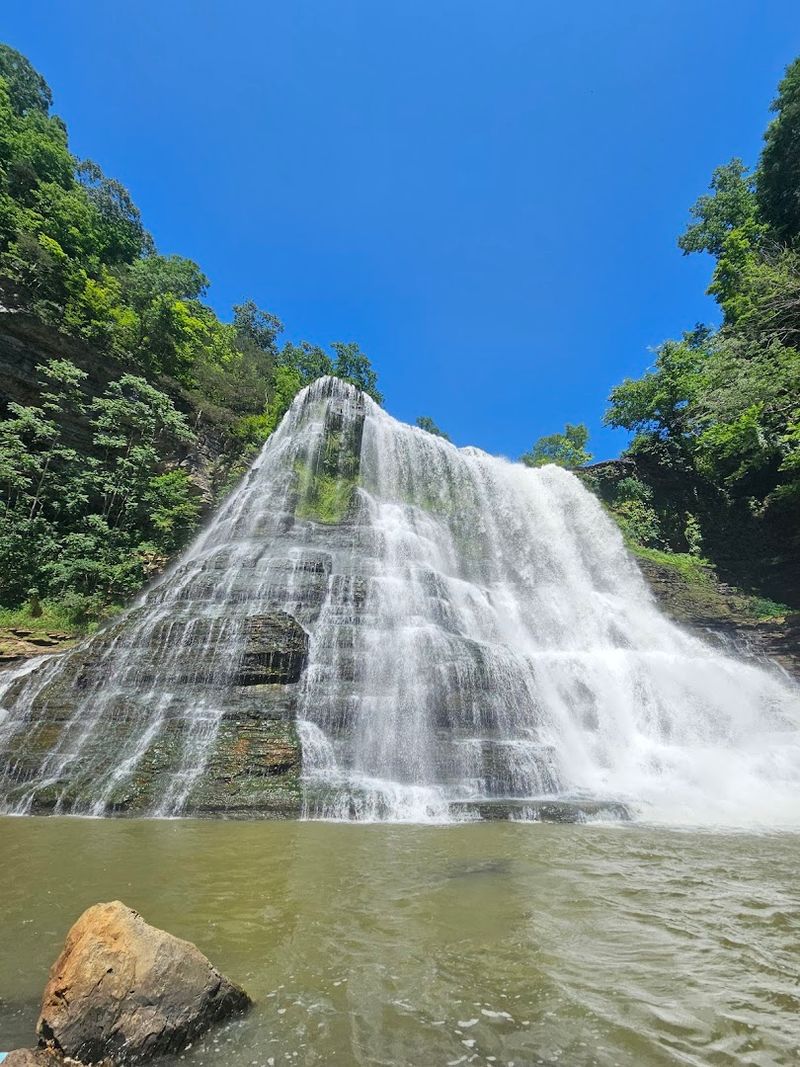
Something about Burgess Falls hooks people. Maybe it’s the way the main falls roar so loud you can’t hear your own thoughts, or how the gorge walls create this natural amphitheater that amplifies every sound. Visitors who discover this park rarely make it a one-time trip.
Photographers consider Burgess Falls one of Tennessee’s premier waterfall locations. The combination of height, water volume, and dramatic rock formations creates compositions that practically frame themselves. The overlook platform at the main falls puts you close enough to feel the spray, with unobstructed views perfect for wide-angle shots.
Early morning light filtering into the gorge or late afternoon sun creating rainbows in the mist—both offer golden hour magic.
Birders appreciate the park’s diverse habitat, where forest meets river in a relatively undisturbed setting. Great blue herons fish the pools below the falls, and sharp-eyed visitors occasionally spot peregrine falcons riding updrafts along the gorge walls. The native plant area and butterfly garden near the parking lot add extra interest for nature enthusiasts who want more than just waterfall views.
Fishing enthusiasts work the river for smallmouth bass and rock bass, particularly in the pools below the falls where fish gather in the oxygen-rich water. The park allows fishing with proper Tennessee licenses, adding another dimension to a day visit beyond just hiking and photography.
What To Know Before Visiting Burgess Falls State Park
Timing matters at Burgess Falls. The park opens at 8 a.m. daily and stays open until 7 p.m. during warmer months. Arriving early, especially on weekends, gives you better parking options and quieter trails.
The lot fills quickly on sunny Saturdays when word gets out about good water flow.
Wear proper footwear—this isn’t a flip-flop kind of trail. The River Trail includes steep stairs, rocky sections, and spots that stay muddy even days after rain. Hiking shoes or sturdy sneakers with good tread make a huge difference in your comfort and safety.
Bring water and maybe a light snack, though the trail is short enough that most people manage fine without extensive provisions.
Leashed dogs are welcome, and many visitors bring their pups along for the hike. Just remember that those stairs and rocky sections might be challenging for very small dogs or older animals with joint issues. The trail surface stays fairly cool under the forest canopy, but summer heat can still be tough on dogs, so plan accordingly.
The park is free to visit, with no admission fees or parking charges. Restrooms are available near the parking area. Cell service can be spotty once you’re down in the gorge, so download any maps or directions before you arrive.
The park’s website offers current conditions and alerts about trail closures or construction, worth checking before making the drive from farther away.
A Peaceful Sparta Escape That Belongs On Every Tennessee Bucket List
Sparta doesn’t usually top anyone’s Tennessee travel list, and that’s precisely why Burgess Falls feels like such a discovery. While tourists pack into Gatlinburg or Nashville, this park offers genuine tranquility just off a major interstate. You can experience Tennessee’s natural beauty without fighting crowds or paying tourist-trap prices.
The park’s compact size works in its favor. You don’t need a full day or extensive planning—a few hours gives you time to hike the River Trail, see all four waterfalls, and maybe explore the butterfly garden. That makes it perfect for road trip stops, weekend getaways, or local day trips when you need to reset without traveling hours from home.
Combining Burgess Falls with other nearby attractions creates a fuller day. Cookeville sits just 15 miles north, offering restaurants and shops. The Highland Rim surrounds the area with additional hiking opportunities and scenic back roads worth exploring.
An RV park adjacent to the state park means you can turn a quick visit into an overnight adventure under the stars.
Every Tennessean should experience Burgess Falls at least once, preferably during peak water flow when the main falls thunder with enough force to vibrate the overlook platform. It represents what makes Tennessee special—accessible natural beauty that doesn’t require expert skills or expensive gear, just a willingness to step off the beaten path and see what’s hiding in plain sight.