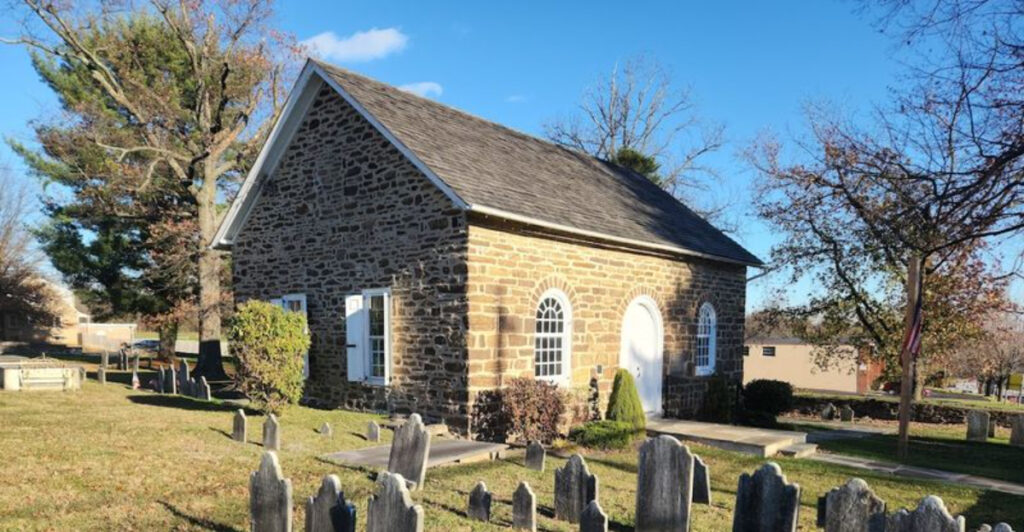
Tucked along North Trooper Road in Montgomery County, Old Norriton Presbyterian Church feels like a surviving fragment of Pennsylvania’s earliest days. Its brown fieldstone walls have watched more than three centuries of worship, war, community change, and quiet remembrance.
If you love places where local history still feels tangible, this remarkable 1698 church offers far more than a quick roadside glance. Step closer, and you begin to see why this modest sanctuary remains one of the region’s most moving landmarks.
1. A Stone Church From 1698 Still Standing
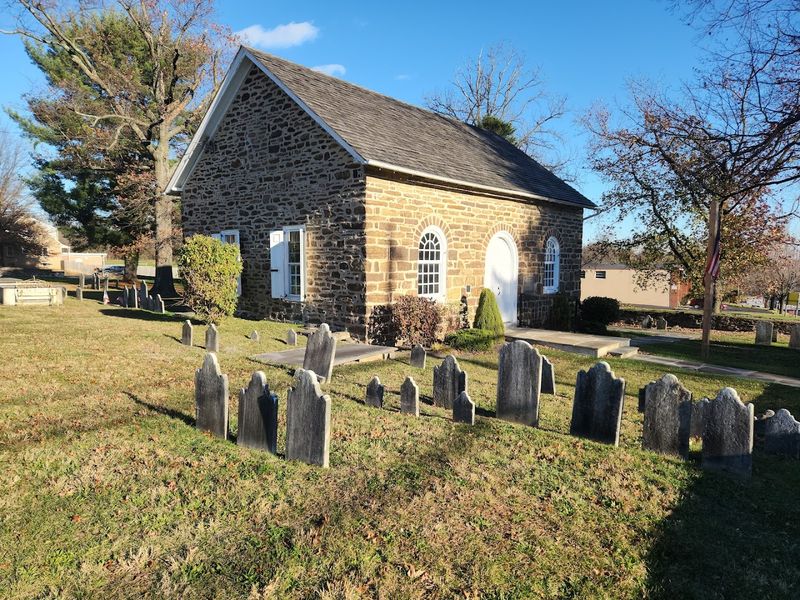
Standing before Old Norriton Presbyterian Church, you are looking at a building that dates to 1698, making it one of the oldest surviving churches in Pennsylvania.
Its age is not an abstract statistic either – you can feel it in the thick fieldstone walls, the restrained proportions, and the way the structure sits so calmly within its historic grounds.
What makes this church especially compelling is how little it needs to impress you.
There is no grand urban setting or dramatic ornament, just a durable sanctuary that has endured generations of weather, conflict, and change while preserving its identity.
In a state filled with notable colonial landmarks, Old Norriton still stands apart because it remains so rooted in place.
When you visit, you are not simply seeing an old building, you are encountering a piece of early Pennsylvania that has quietly survived for more than three centuries.
2. The Brown Fieldstone That Defines Its Character
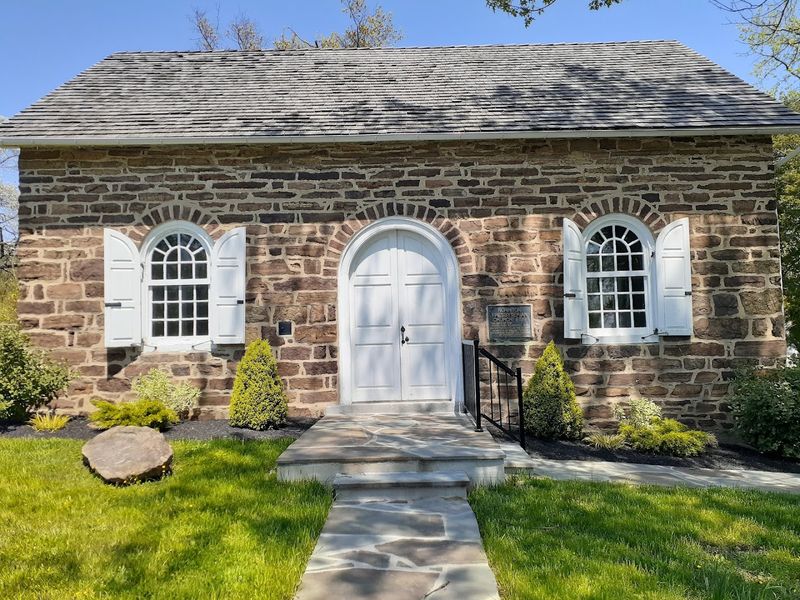
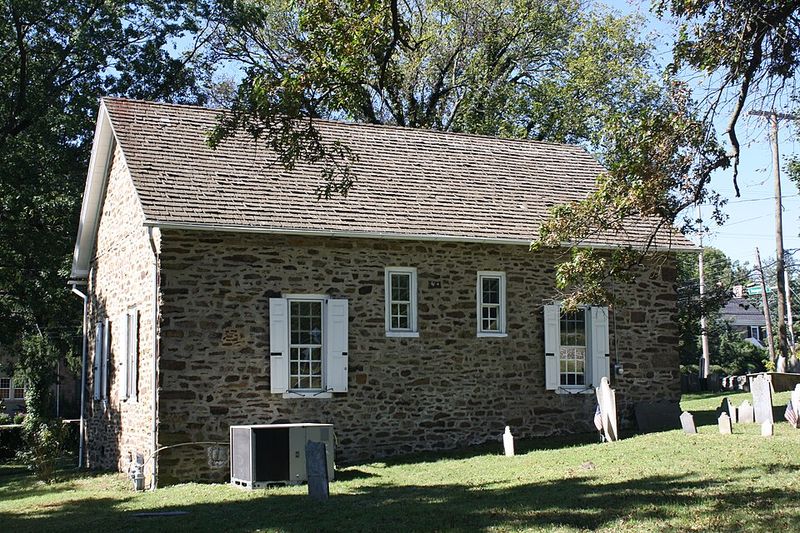
The church’s brown fieldstone exterior is one of its most memorable features, giving the building a grounded, almost elemental presence.
You can immediately see why visitors mention the stonework so often, because it connects the church to the land itself and gives the structure a sense of permanence that wood or brick would not quite match.
Those stones have absorbed centuries of seasonal extremes, yet the church still carries itself with remarkable dignity.
Instead of feeling fragile, it feels settled, as though time has only deepened its character rather than diminished it.
That visual strength matters because Old Norriton is not celebrated for extravagance.
Its beauty comes from restraint, workmanship, and materials that have aged honestly, allowing you to appreciate the church not just as an artifact, but as a carefully built place designed to last in Montgomery County’s landscape.
3. A Witness To Revolutionary War Era Pennsylvania
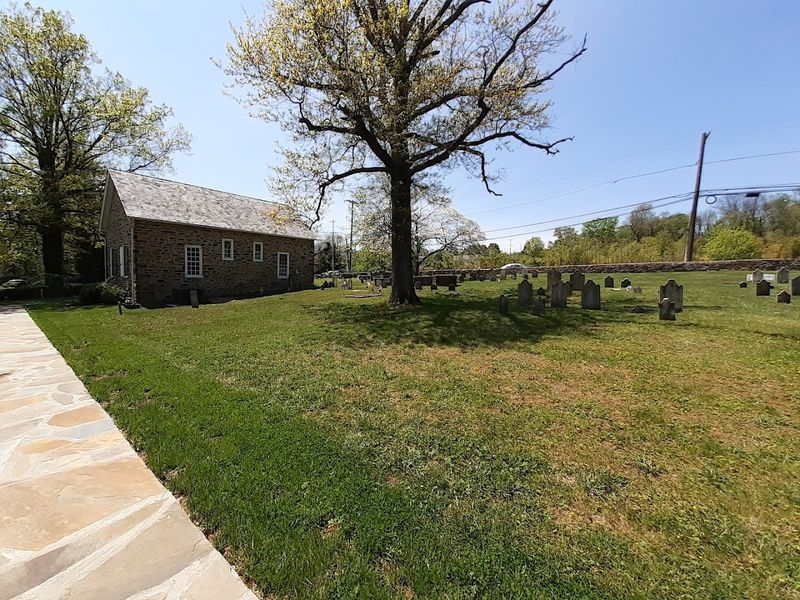
Old Norriton Presbyterian Church stood here during the Revolutionary War, and that fact alone gives the site unusual emotional weight.
One local review notes that British forces moved down nearby Germantown Pike on their way toward Philadelphia, which means this modest church occupied the edge of events that shaped the nation’s future.
You do not need battle reenactments or museum displays to sense that history when you are on the grounds.
The church’s survival through that turbulent era makes it feel less like a preserved monument and more like a witness that simply remained in place while the world shifted around it.
That perspective changes how you see the building.
Rather than viewing it only as an old religious structure, you begin to understand Old Norriton as part of Pennsylvania’s revolutionary landscape, linked to the movement of armies, the uncertainty of war, and the endurance of local community life.
4. A Churchyard And Cemetery Rich With Memory
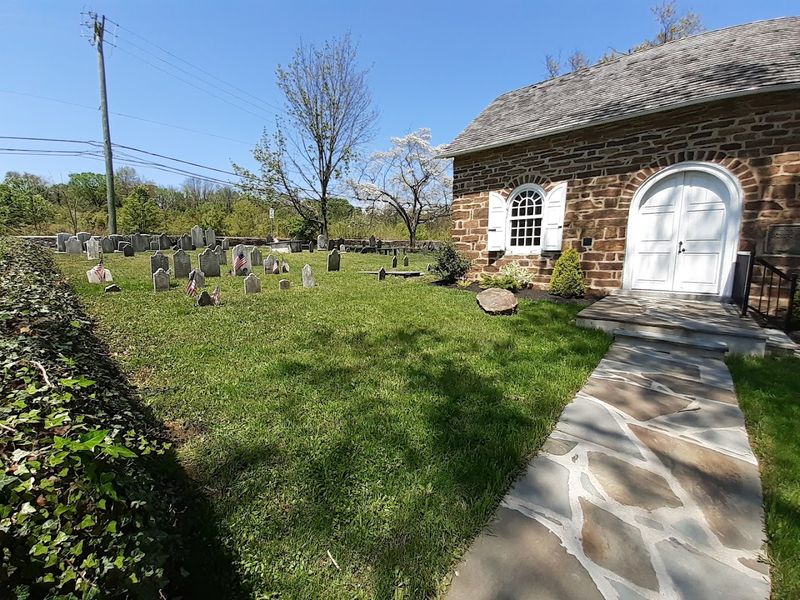
The surrounding cemetery adds another layer of meaning to Old Norriton Presbyterian Church, turning the visit into more than an architectural stop.
Reviewers point out that the burial ground includes graves connected to the Revolutionary era, and even a brief walk among the markers makes the past feel immediate and deeply personal.
There is something humbling about reading worn stones beside a church that has stood here since the seventeenth century.
The setting encourages you to slow down, lower your voice, and recognize that local history is often preserved not in textbooks, but in names, dates, and family stories carved into weathered stone.
Because the grounds are open to visitors, the cemetery remains an accessible place of remembrance rather than a hidden historical footnote.
It gives Old Norriton a fuller identity – not only as a surviving church building, but also as a landscape of memory for the community around it.
5. Part Of William Penn’s Vision Of Religious Coexistence
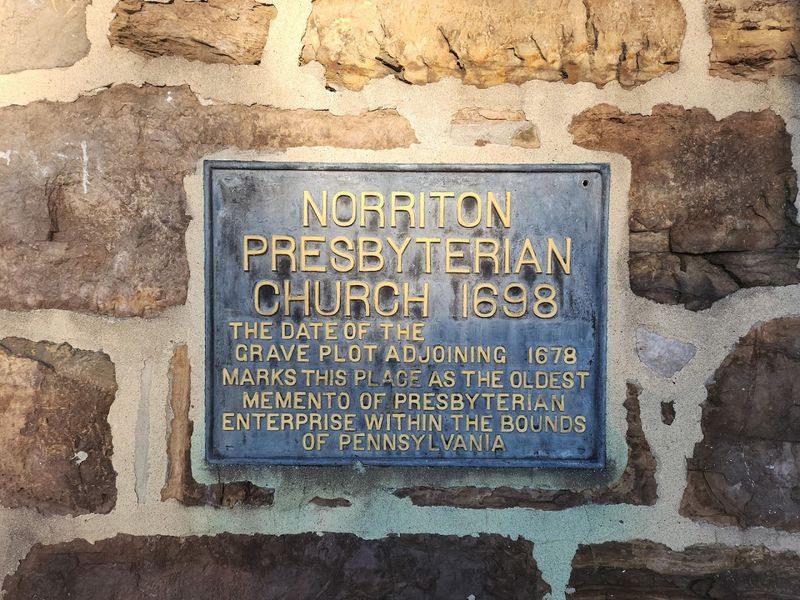
Old Norriton Presbyterian Church also reflects an important idea from Pennsylvania’s earliest history: religious coexistence.
According to a local reviewer, the church was part of William Penn’s broader plan to create a region where different faith communities could live and worship in relative peace, and that context gives the site significance far beyond its architecture.
When you think about that vision, the church feels even more representative of colonial Pennsylvania’s identity.
It stands not just as a Presbyterian landmark, but as evidence of a social experiment that helped shape the culture of the colony and later the state.
That historical role is easy to overlook if you only focus on the building’s age.
Yet once you understand Old Norriton within Penn’s ideal of pluralism, the church becomes more than old stone and quiet grounds – it becomes part of a foundational Pennsylvania story about tolerance, settlement, and civic life.
6. A Historic Landmark With Occasional Worship Services
One of the most interesting things about Old Norriton Presbyterian Church is that it is not simply frozen in the past.
Reviews indicate that the historic sanctuary is still used for certain Sunday worship services and holiday events, allowing the building to function as a living place of faith rather than only a preserved relic.
That continued use matters because it keeps the church connected to its original purpose.
Even if services are occasional, the sound of gathering voices in a room that has served worshippers for centuries creates a continuity that few historic sites can offer.
You may not find regular tours or a full interpretive program here, but that does not lessen the experience.
In some ways, the church’s quiet rhythm makes it more affecting, because Old Norriton remains what it has long been: a sacred space, modest in scale, enduring in mission, and deeply rooted in community memory.
7. The Present-Day Congregation Keeps The Story Alive
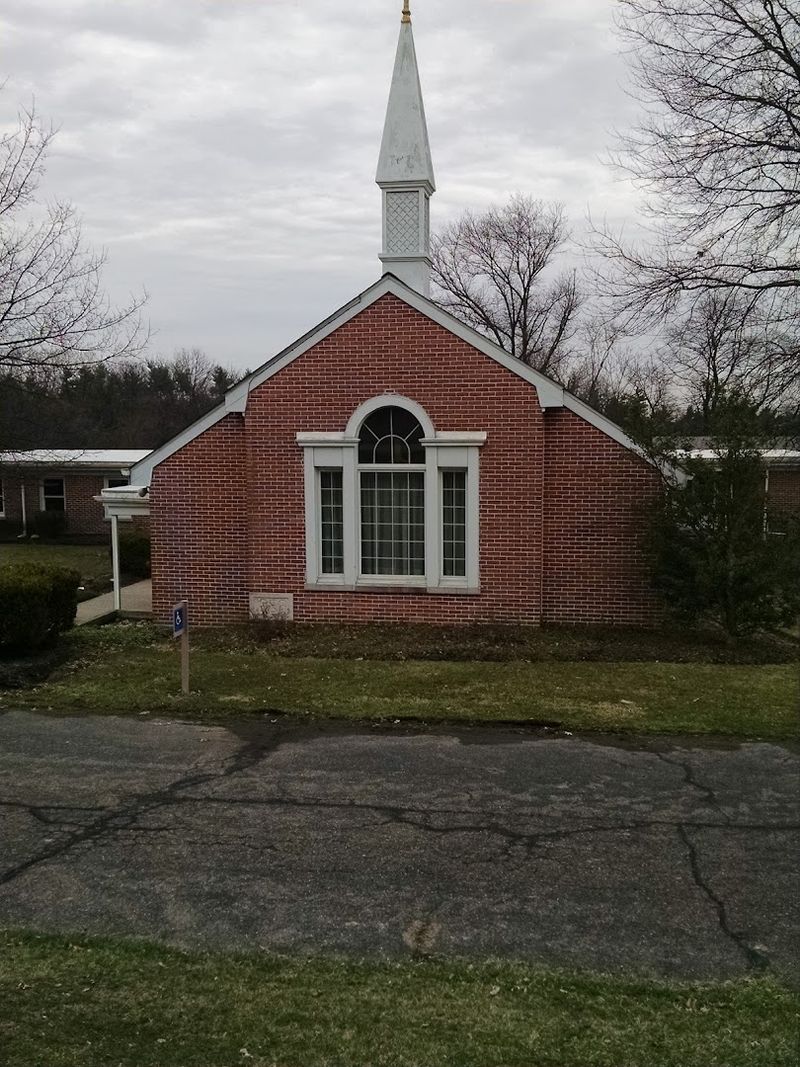
Although the old stone church draws the eye, the people connected to Norriton Presbyterian Church are an important part of its ongoing story.
Reviews describe a small but caring congregation with a strong mission presence, supporting causes such as the Interfaith Food Pantry in Norristown, the Coatesville VA hospital, and other community organizations.
That kind of service gives the historic site a present-tense relevance that many landmarks lack.
You are not just looking at a church that mattered long ago, but at a faith community still trying to serve neighbors in practical, compassionate ways.
There is something fitting about that continuity.
A building that has endured since 1698 now shares its legacy with people who continue to gather, give, and welcome others, proving that Old Norriton’s significance is not limited to its age – it also lives in the generosity and commitment of the congregation today.
8. Why The Site Feels So Moving In Person
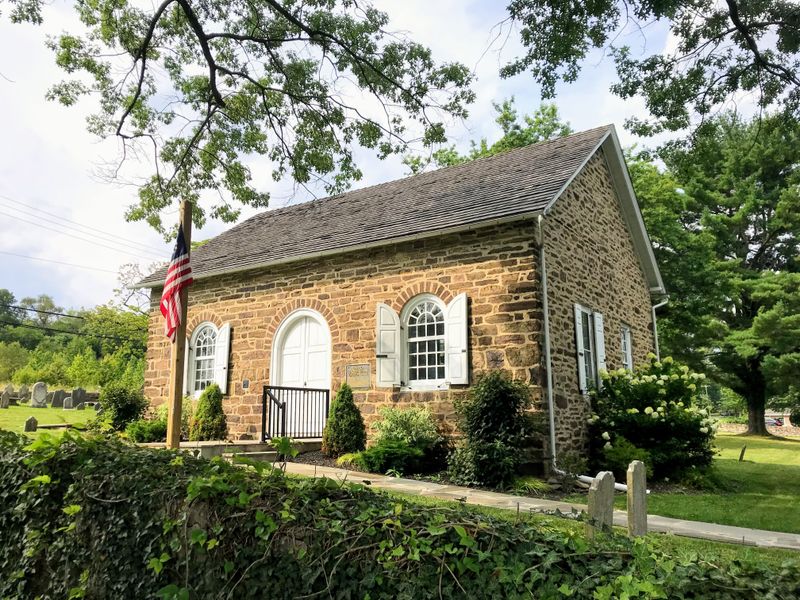
Some historic places impress you with scale, but Old Norriton Presbyterian Church works differently.
Its power comes from intimacy: the low stone profile, the modest churchyard, the cemetery nearby, and the awareness that this small place has outlasted colonial beginnings, revolutionary turmoil, and centuries of everyday local life.
Because the setting is so unpretentious, your attention naturally shifts toward texture and feeling.
You notice the stone, the silence, the spacing of gravestones, and the way history seems embedded in the landscape rather than staged for visitors.
That makes the church especially moving if you value sites that reward patience over spectacle.
Old Norriton does not overwhelm you with size or entertainment, but it leaves a lasting impression precisely because it feels honest, quiet, and deeply human – a rare surviving place where Pennsylvania’s earliest chapters still seem close enough to touch.
9. Planning A Respectful Visit To Old Norriton
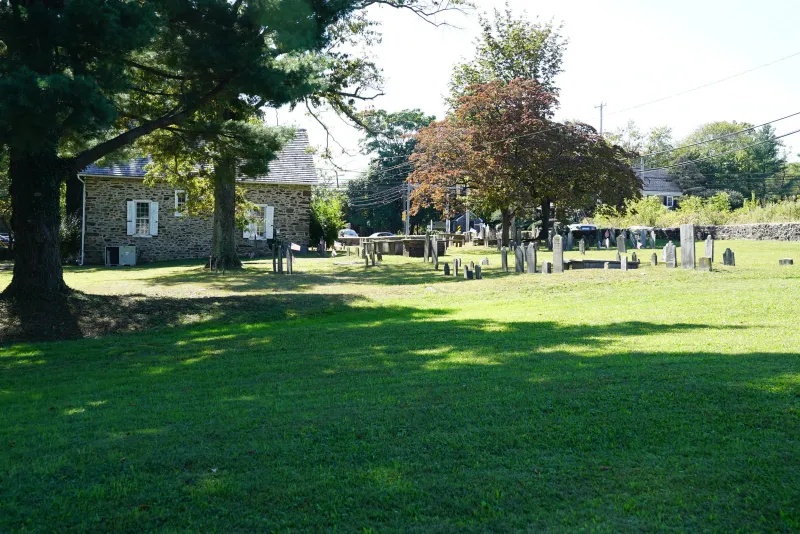
If you want to visit Old Norriton Presbyterian Church, you will find it at 608 N Trooper Road in Norristown, Pennsylvania, in Montgomery County.
The church has a strong Google rating and reviews consistently describe the grounds and cemetery as worthwhile to see, especially if you appreciate early American history and quiet historic landscapes.
It helps to approach the site with the right expectations.
This is not a large tourist attraction with constant programming, but a preserved church property where respect matters, especially around gravesites and during any active religious use.
That is part of the appeal, though.
A stop at Old Norriton feels personal and reflective, giving you space to absorb the significance of one of Pennsylvania’s oldest stone churches without distraction, and reminding you that some of the state’s most meaningful landmarks are found not in grand complexes, but in humble places that have simply endured.
Share this story