Tennessee is packed with spots that look amazing in pictures, but some places really do deliver that wow factor in person. From underground waterfalls to full-scale Greek temples, the Volunteer State has landmarks that actually match the hype.
Whether you’re chasing mountain views, music history, or quirky roadside stops, these destinations prove that sometimes the camera doesn’t lie.
1. Great Smoky Mountains National Park
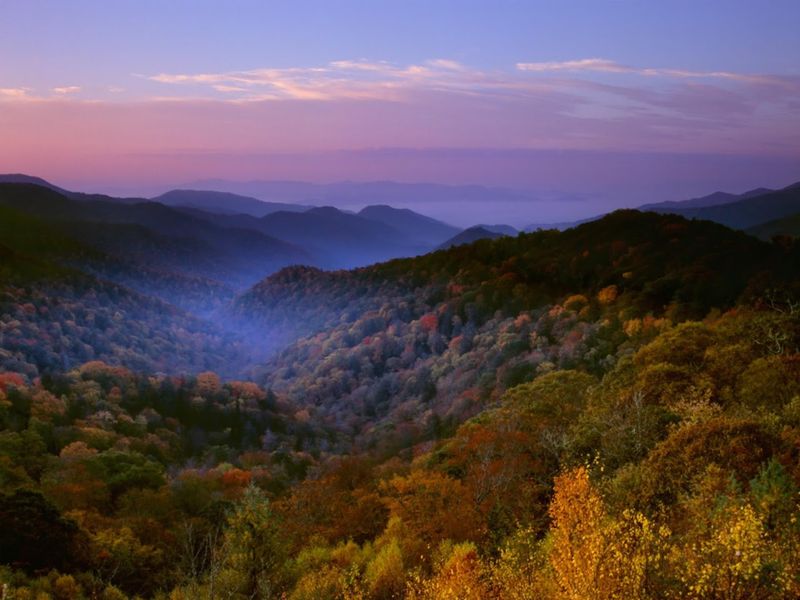
America’s most visited national park isn’t just popular because it’s free to enter. The Smokies deliver on every promise those misty mountain photos suggest. Rolling ridgelines fade into soft blue horizons, waterfalls tumble down moss-covered rocks, and scenic drives wind through forests that explode with color every fall.
Cades Cove offers wildlife spotting and historic homesteads in a valley surrounded by peaks. Clingmans Dome rewards hikers with 360-degree views from Tennessee’s highest point. Laurel Falls and Grotto Falls are both accessible enough for families but stunning enough to feel like hidden gems.
The park straddles the Tennessee-North Carolina border and covers over half a million acres. That means endless trails, quiet streams, and overlooks that genuinely match the postcards. Early morning fog rolling through the valleys is a real thing here, not just a filter.
Spring brings wildflowers, summer brings lush greenery, fall brings leaf-peepers from across the country, and winter brings snowy silence. No matter when you visit, the Smokies feel bigger and more peaceful than any photo can capture. It’s the kind of place where you’ll take a hundred pictures and still feel like none of them quite do it justice.
2. Graceland — Memphis
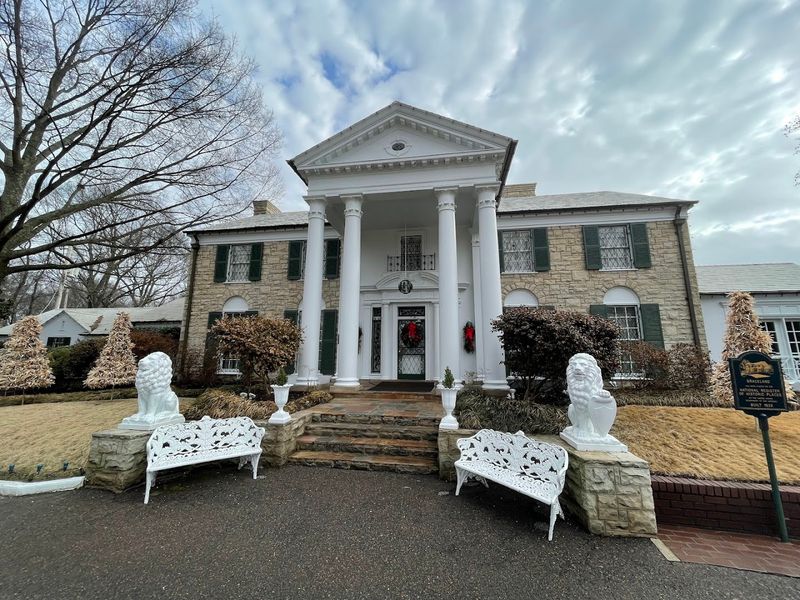
Elvis Presley’s mansion sits on a quiet Memphis street, but the energy around it is anything but sleepy. Graceland draws fans from around the world who want to walk through the King’s actual home, see his gold records on the walls, and stand in the Jungle Room where he recorded some of his final tracks.
The house itself is surprisingly intimate compared to modern celebrity estates. You’ll see shag carpeting, mirrored ceilings, and design choices that scream 1970s in the best possible way. The trophy building showcases Elvis’s jumpsuits, awards, and personal items that make the legend feel human again.
Outside, the Meditation Garden is where Elvis, his parents, and his grandmother are buried. Fans leave flowers, notes, and tokens of appreciation year-round. The property also includes his car collection, two private jets, and exhibits that trace his rise from Tupelo to global superstar.
Plan for at least half a day if you want to see everything. The audio tour is thorough, the gift shop is massive, and the whole experience feels like stepping into a time capsule that still sparkles with star power.
3. Ryman Auditorium — Nashville
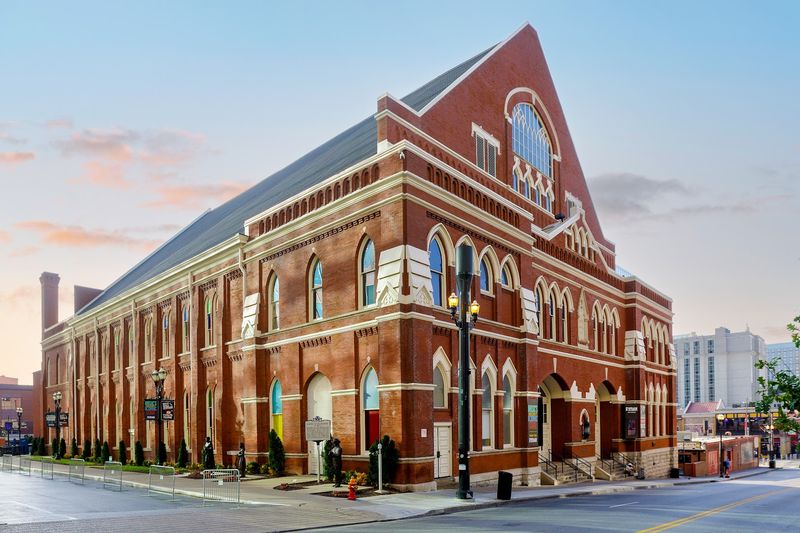
Walking into the Ryman feels like stepping onto hallowed ground for country music fans. The brick building on Fifth Avenue doesn’t look fancy from the outside, but inside, the wooden pews, balcony seating, and intimate stage have hosted legends from Hank Williams to Dolly Parton to modern stars who still consider playing the Ryman a career milestone.
Originally built as a church in 1892, the auditorium became the home of the Grand Ole Opry from 1943 to 1974. The acoustics are famously perfect—no microphones needed in the early days. Even now, artists talk about the Ryman’s sound with reverence, and audiences can hear every note with crystal clarity from any seat.
The self-guided tour lets you walk backstage, stand on the stage where Johnny Cash performed, and sit in the pews where audiences once listened to live radio broadcasts. Photos and artifacts line the walls, telling stories of sold-out shows and historic moments that shaped American music.
The building’s red brick exterior and stained glass windows photograph beautifully, but it’s the interior that truly delivers. The warmth of the wood, the glow of the stage lights, and the sense of history make every visit feel special. If you can catch a live show, do it—the Ryman is still a working venue with performances nearly every night.
4. Lookout Mountain — Chattanooga
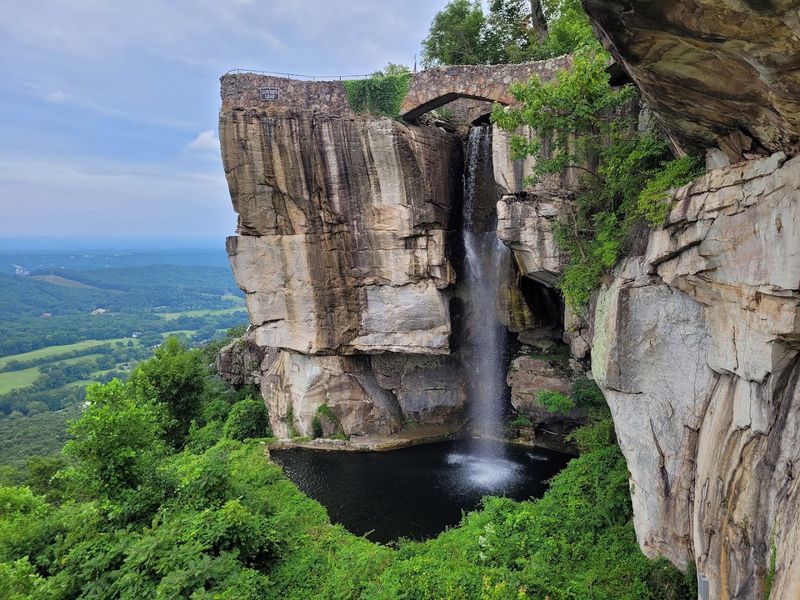
Lookout Mountain rises above Chattanooga like a natural observation deck, and the views really are as spectacular as every postcard suggests. On clear days, you can see seven states from the top—or so the signs claim. Whether or not you count them all, the sweeping valleys and distant ridgelines are genuinely breathtaking.
Rock City sits near the summit with its famous “See Rock City” barn advertisements that dotted Southern highways for decades. The attraction features massive rock formations, gardens, and the Swing-A-Long Bridge that wobbles over a gorge. It’s touristy, sure, but also legitimately cool, especially for kids who love scrambling through narrow rock passages.
Ruby Falls, hidden inside the mountain, offers underground drama with its 145-foot waterfall lit up in rainbow colors. The Incline Railway climbs the steep mountainside at a 72.7% grade, making it one of the steepest passenger railways in the world. The ride up is an attraction in itself, with vintage railcars and vertigo-inducing views through the windows.
Point Park, part of Chickamauga and Chattanooga National Military Park, sits at the northern tip and commemorates Civil War battles fought on these heights. The overlook here is free and offers some of the best views without the theme-park price tag.
Lookout Mountain isn’t just one thing—it’s a cluster of attractions that all deliver on their promises.
5. Ruby Falls — Chattanooga
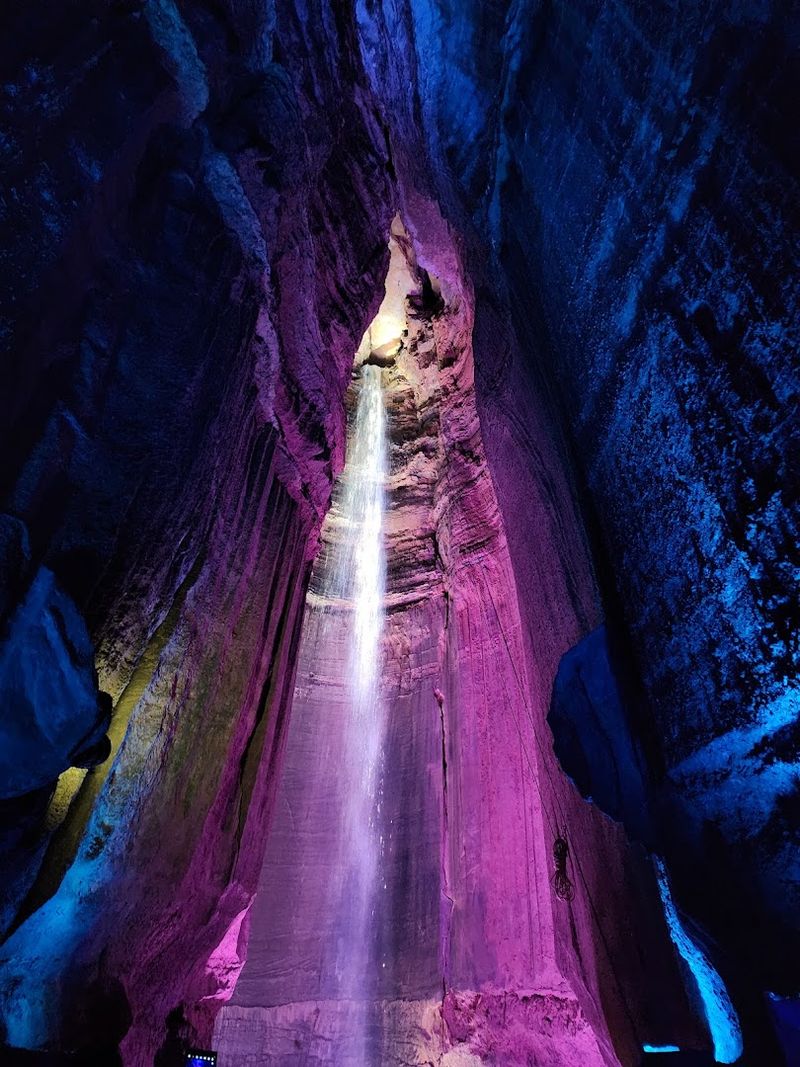
Descending 260 feet into Lookout Mountain to see a waterfall feels like entering a fantasy novel. Ruby Falls is real, though—a 145-foot underground cascade that’s been wowing visitors since 1928. The guided tour leads you through narrow passages and past rock formations with names like “Elephant’s Foot” and “Dragon’s Wing” before reaching the main event.
When you finally enter the falls chamber, the drama is immediate. The waterfall plunges from the ceiling into a pool below, lit with colored lights that shift from blue to purple to red. It’s theatrical, yes, but also genuinely impressive.
The roar of falling water echoes off the limestone walls, and the cool, damp air feels otherworldly.
The cave itself formed millions of years ago, but the falls were only discovered in 1928 by Leo Lambert, who was drilling an elevator shaft for another cave tour. He named it after his wife, Ruby, and opened it to the public within months. The tour route includes some tight squeezes, so it’s not ideal for anyone with claustrophobia or mobility issues.
Above ground, the lookout tower offers more sweeping views of Chattanooga and the Tennessee River valley. The whole experience takes about an hour underground, plus time to explore the observation deck and gift shop.
Reservations are recommended, especially on weekends and during peak tourist season. The temperature stays around 60 degrees year-round, so bring a light jacket even in summer.
6. Dollywood — Pigeon Forge

Dolly Parton’s theme park manages to be both wildly popular and genuinely charming, which is harder than it sounds. Dollywood blends thrill rides with Smoky Mountain culture, live music, craft demonstrations, and enough Southern hospitality to make even the longest lines feel bearable. It’s become one of Tennessee’s most-visited attractions, and it earns that status year after year.
The roller coasters are legit—Wild Eagle, Lightning Rod, and Mystery Mine all deliver serious thrills. But Dollywood also celebrates Appalachian heritage with glassblowers, blacksmiths, and woodcarvers working in open-air shops. The Chasing Rainbows Museum tells Dolly’s life story through costumes, awards, and personal artifacts that feel surprisingly intimate.
Seasonal festivals transform the park throughout the year. Springtime brings millions of flowers during the Festival of Nations. Summer evenings feature concerts and extended hours.
Fall means Harvest Festival with pumpkins and live bluegrass. Winter’s Smoky Mountain Christmas lights up the park with millions of twinkling bulbs and a massive tree that rivals Rockefeller Center.
The food goes beyond typical theme park fare. Cinnamon bread is the must-try treat, served warm and dusted with cinnamon sugar. Aunt Granny’s Restaurant serves buffet-style Southern cooking, and the funnel cakes are massive enough to share—though you might not want to.
Dollywood isn’t cheap, but it delivers value with full-day entertainment, quality rides, and a level of theming that feels cohesive rather than chaotic. It’s a theme park with heart, which is exactly what you’d expect from anything Dolly touches.
7. The Parthenon — Nashville
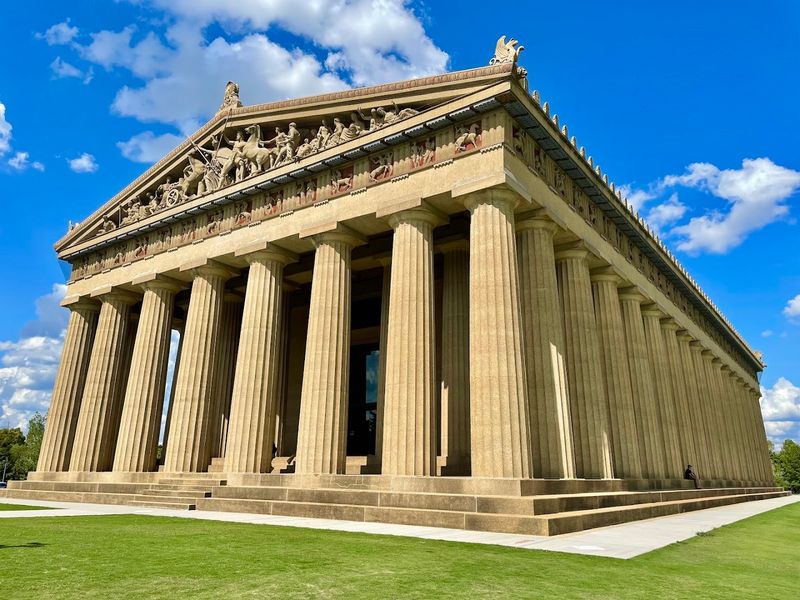
Nashville has a full-size replica of the ancient Greek Parthenon sitting in Centennial Park, and yes, it’s exactly as unexpected as it sounds. Built in 1897 for Tennessee’s Centennial Exposition, the structure was meant to be temporary but became so beloved that the city rebuilt it in permanent materials in the 1920s. Now it’s one of Nashville’s quirkiest and most photogenic landmarks.
The exterior matches the original Parthenon in Athens, complete with 46 columns and classical Greek proportions. Inside, you’ll find an art museum with American paintings and a 42-foot statue of Athena Parthenos covered in gold leaf. The statue alone weighs several tons and took eight years to complete, making it the largest indoor sculpture in the Western world.
The building serves as Nashville’s art museum, with rotating exhibits and a permanent collection focused on 19th and 20th-century American art. But most visitors come for the architecture itself and the sheer novelty of seeing ancient Greece recreated in Tennessee. The park surrounding the Parthenon offers walking paths, a lake, and plenty of green space for picnics.
Admission is affordable, and the museum is worth exploring beyond just snapping photos of Athena. The Parthenon is open year-round, and the park hosts events ranging from Shakespeare in the Park to music festivals. It’s one of those landmarks that sounds too weird to be real but absolutely lives up to the hype.
8. Country Music Hall of Fame and Museum — Nashville
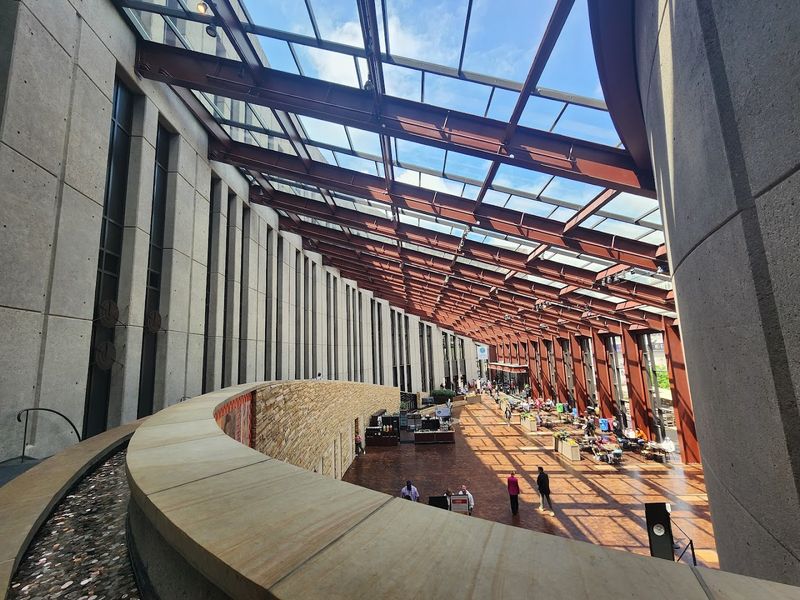
The building itself makes a statement before you even step inside. The Country Music Hall of Fame’s sweeping curves and tower, designed to resemble a 1950s radio barn, immediately signal that this isn’t your average museum. It’s a monument to an entire genre, and the architecture reflects the boldness and creativity of the music it celebrates.
Inside, the collection spans country music’s entire history, from Carter Family recordings to Taylor Swift’s sequined costumes. Interactive exhibits let you mix tracks in a studio, watch rare performance footage, and explore the evolution of instruments and recording technology. The Hall of Fame Rotunda honors inductees with plaques that tell stories of legends like Patsy Cline, Willie Nelson, and Garth Brooks.
The museum rotates exhibits regularly, so even repeat visitors find something new. Recent displays have covered everything from the Bakersfield sound to the role of women in country music to the influence of gospel and blues. The level of detail is impressive—handwritten lyrics, personal letters, and stage-worn outfits bring the stories to life.
The location in downtown Nashville puts you steps from Broadway’s honky-tonks and the Walk of Fame Park, where stars embedded in the sidewalk honor country music’s biggest names. The museum’s gift shop is one of the best in the city, with hard-to-find recordings and music memorabilia that goes beyond typical tourist trinkets.
Plan for at least two hours if you want to see everything. The audio guide is excellent, and the staff includes serious music historians who can answer even the nerdiest questions.
9. Fall Creek Falls State Park — Spencer
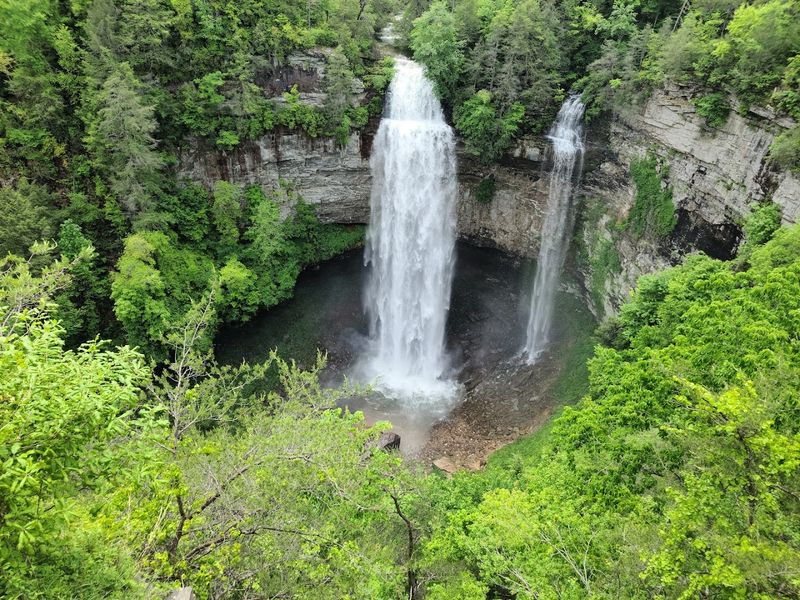
Fall Creek Falls drops 256 feet into a misty gorge, making it one of the tallest waterfalls east of the Mississippi. The park surrounding it covers over 26,000 acres of Cumberland Plateau wilderness, offering hiking, camping, and enough natural beauty to rival the Smokies without the massive crowds.
The main waterfall is the star attraction, accessible via a paved trail that leads to multiple overlooks. The upper overlook gives you a bird’s-eye view of the falls from above, while the lower trail descends into the gorge for a closer perspective. Both viewpoints are stunning, and photographers will want to visit multiple times to catch different lighting conditions.
The park includes three other significant waterfalls—Cane Creek Falls, Cane Creek Cascades, and Piney Falls—plus swimming holes, suspension bridges, and trails ranging from easy strolls to challenging backcountry routes. The gorge overlooks offer dramatic views of layered rock cliffs and forested valleys that stretch for miles.
Fall Creek Falls feels wilder and less developed than some of Tennessee’s more famous parks. The accommodations include a lodge, cabins, and campgrounds, but the focus stays on the natural landscape rather than tourist amenities.
Spring brings high water flow and wildflowers, while fall delivers spectacular foliage that rivals anything in the Smokies. Summer can get hot, but the swimming areas provide relief. Winter transforms the falls into an icy wonderland, though trails can be slippery and challenging.
It’s one of those rare places where reality exceeds expectations.
10. Andrew Johnson National Historic Site — Greeneville
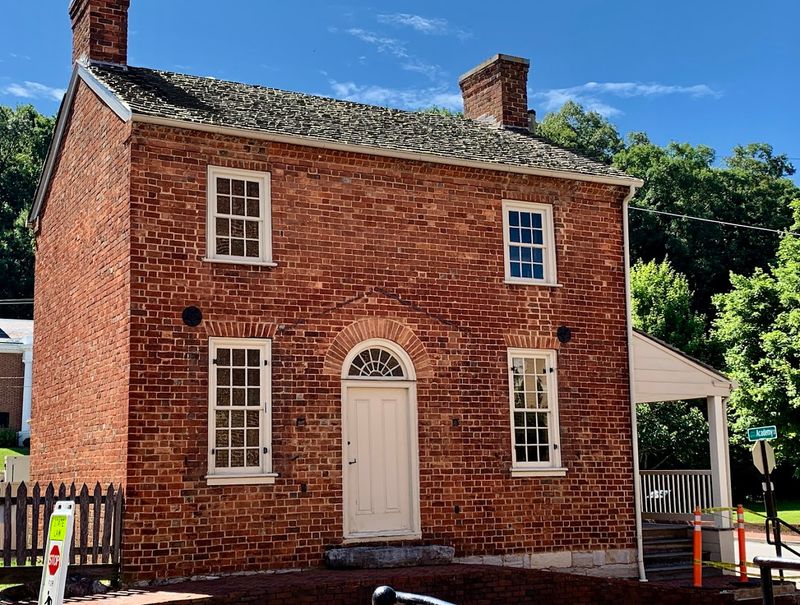
Andrew Johnson’s story is one of the most unlikely in American politics, and his Greeneville home preserves the places where it unfolded. Born into poverty, Johnson taught himself to read while working as a tailor, eventually rising to become the 17th President of the United States after Abraham Lincoln’s assassination. His homestead and tailor shop offer a window into 19th-century Appalachian life and the turbulent Reconstruction era.
The visitor center provides context for Johnson’s controversial presidency, including his impeachment trial and his clashes with Radical Republicans over how to reunite the nation after the Civil War. Love him or hate him, Johnson’s impact on American history is undeniable, and the exhibits present his story with historical nuance rather than hero worship.
The homestead itself is modest compared to other presidential sites. You’ll see the tailor shop where Johnson worked, the home where he lived with his family, and his burial site in the Andrew Johnson National Cemetery.
Greeneville is a charming small town with a historic downtown district worth exploring beyond the Johnson site. The area played a significant role in Tennessee’s Unionist movement during the Civil War, adding another layer of historical interest for visitors who dig deeper.
This isn’t a flashy tourist destination, and it doesn’t pretend to be. The Andrew Johnson National Historic Site appeals to history buffs and anyone interested in the messy realities of American politics during one of the nation’s most difficult periods.
11. Paris Landing State Park — Buchanan
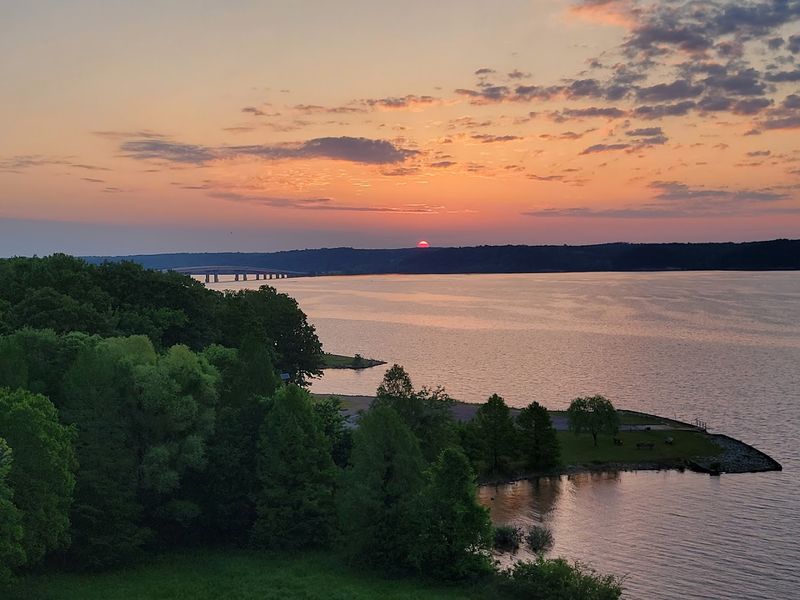
Kentucky Lake stretches for miles along Tennessee’s western border, and Paris Landing State Park claims some of the best shoreline on the entire lake. The park offers a mix of outdoor recreation and laid-back lake life that makes it popular with boaters, anglers, and families looking for a quieter alternative to the state’s mountain parks.
The marina is the hub of activity, with boat rentals, a restaurant overlooking the water, and easy access to some of the best fishing in the state. Kentucky Lake is famous for bass, crappie, and catfish, and the park’s location near the mouth of the Big Sandy River creates ideal conditions for catching dinner.
The park includes an 18-hole golf course, hiking trails, and a swimming pool, but the real draw is the lake itself. Sunsets over the water are spectacular, with the sky turning shades of orange and pink that reflect off the calm surface. The wooded shoreline provides plenty of spots for picnics, wildlife watching, and just soaking in the peaceful atmosphere.
Accommodations range from campsites to cabins to the Paris Landing Inn, a full-service hotel with lake views and conference facilities. The park attracts a mix of retirees, families, and outdoor enthusiasts who appreciate the slower pace and natural beauty without the crowds of more famous destinations.
The lake is massive, the park is well-maintained, and the sunsets are genuinely stunning. It’s one of those places that proves Tennessee has more to offer than just mountains and music cities.
12. Dale Hollow Lake — Celina
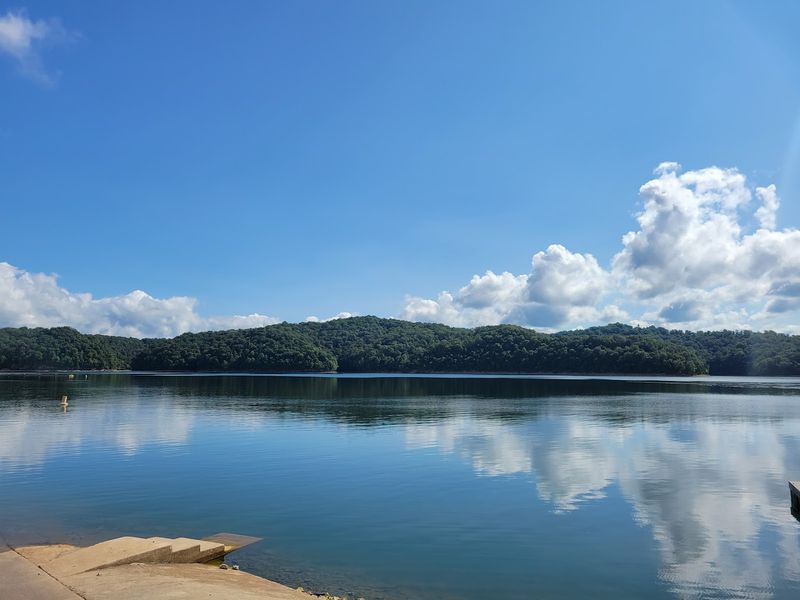
Dale Hollow Lake is known for having some of the clearest water in the country, and that reputation is well-earned. The lake straddles the Tennessee-Kentucky border, with the Tennessee side offering pristine coves, dramatic cliffs, and water so transparent you can see fish swimming below your boat. It’s a hidden gem that attracts serious anglers, scuba divers, and anyone who appreciates unspoiled natural beauty.
The lake holds the world record for smallmouth bass, a title it’s held since 1955. Anglers come from across the country hoping to land a trophy fish, but even casual fishermen find plenty of action. The clear water and rocky structure create an ideal habitat, and the lake’s remote location keeps fishing pressure relatively light compared to more accessible waters.
Houseboating is hugely popular here, with rental companies offering everything from modest pontoons to luxury floating homes. The lake’s many coves and inlets provide sheltered anchorages where you can swim, fish, and relax away from the main channels. Cliff jumping is a local tradition at several well-known spots, though you’ll want to check water levels and local advice before taking the plunge.
The surrounding Cumberland Plateau landscape adds to the scenery, with wooded hills rising steeply from the shoreline and rock formations creating dramatic backdrops for photos. Several state parks and marinas provide access, but much of the shoreline remains undeveloped, giving the lake a wild, uncrowded feel even during peak season.
Dale Hollow doesn’t have the name recognition of other Tennessee lakes, which works in its favor.
13. The Caverns — Pelham
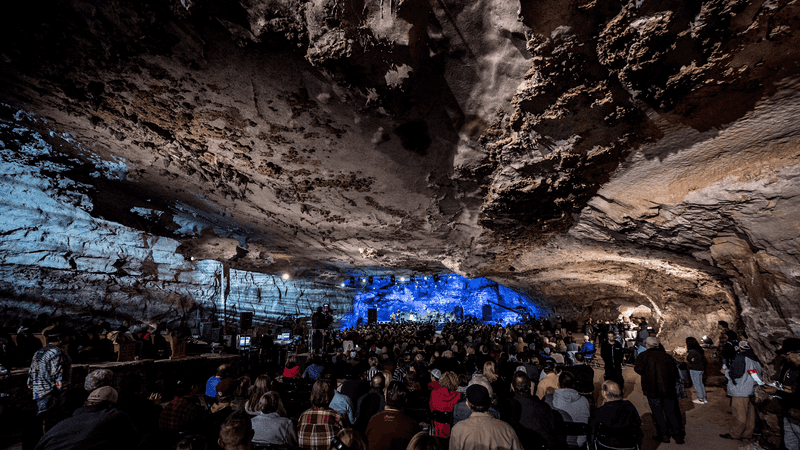
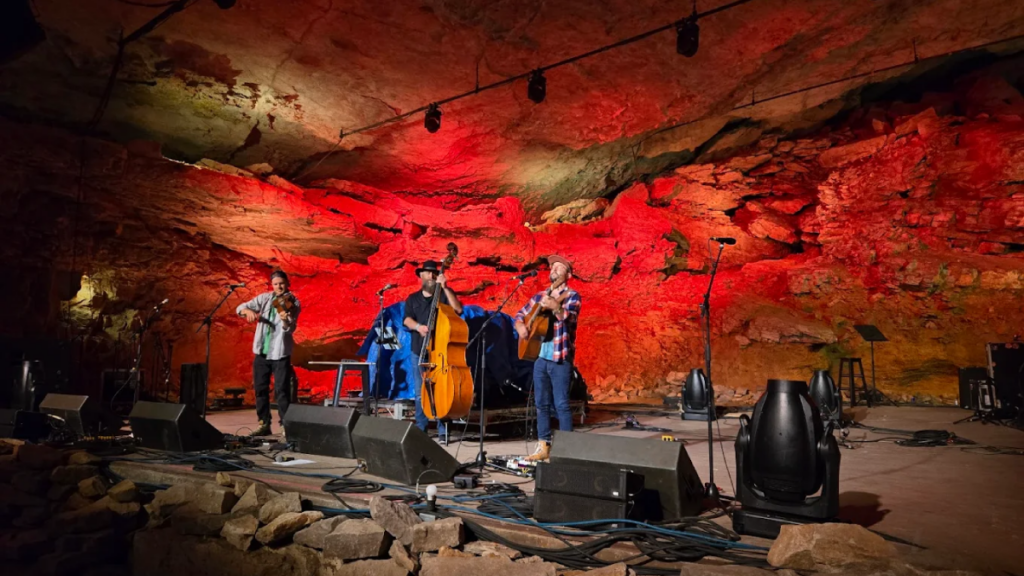
Imagine attending a concert 333 feet underground in a natural limestone cave, and you’ve got The Caverns. This venue combines geology with live music in a way that feels both ancient and cutting-edge. Artists from bluegrass legends to indie rock bands have played here, and the acoustics are unlike anything you’ll experience in a traditional theater.
The cave itself formed millions of years ago, with towering chambers, flowstone formations, and a natural amphitheater that seats several hundred people. The temperature stays around 58 degrees year-round, so bring a jacket even in summer. The cave’s constant humidity and unique sound properties create an immersive listening experience that musicians and audiences rave about.
PBS’s “Bluegrass Underground” television series filmed here for years, showcasing performances by artists like Alison Krauss, Emmylou Harris, and Jason Isbell. The show introduced The Caverns to a national audience and helped establish it as one of the most unique music venues in the country. Now the venue hosts regular concerts, special events, and even yoga sessions inside the cave.
Guided cave tours are available when concerts aren’t scheduled, allowing visitors to explore the formations and learn about the geology without the music. The tours highlight features like the Volcano Room, the Big Mouth entrance, and the underground stream that helped carve the passages over millennia.
The Caverns proves that Tennessee’s landmarks aren’t all above ground—some of the most memorable experiences happen deep beneath the surface, where nature and culture converge in unexpected ways.