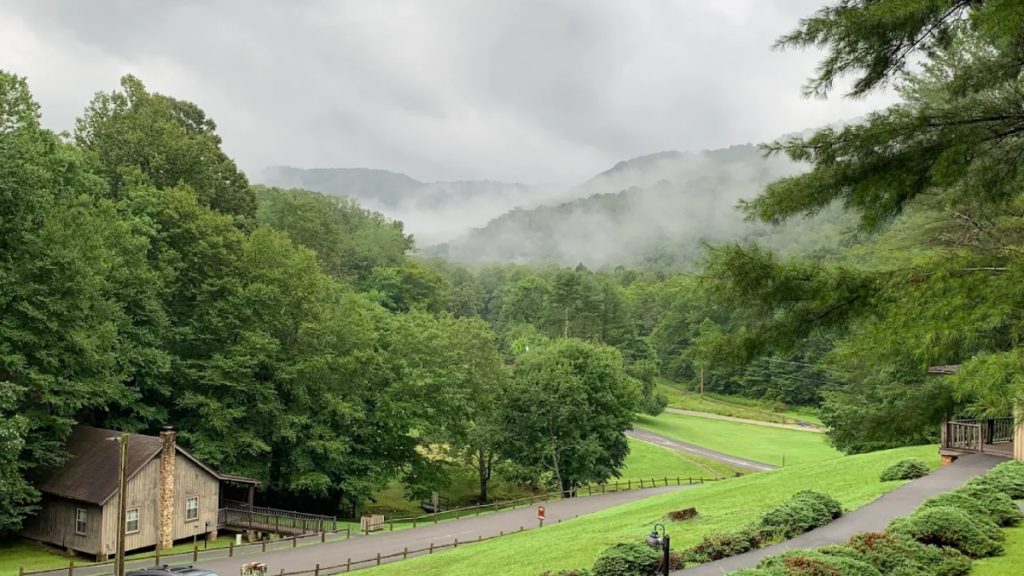
Sometimes you just need to disappear for a while. Tennessee has plenty of crowded tourist spots, but it also hides some incredibly peaceful places where you can actually hear yourself think. Whether you’re craving mountain silence, lake stillness, or just a break from the noise, these twelve hideaways offer exactly that—space, quiet, and a chance to reset without fighting through crowds.
1. Pickett CCC Memorial State Park — Jamestown
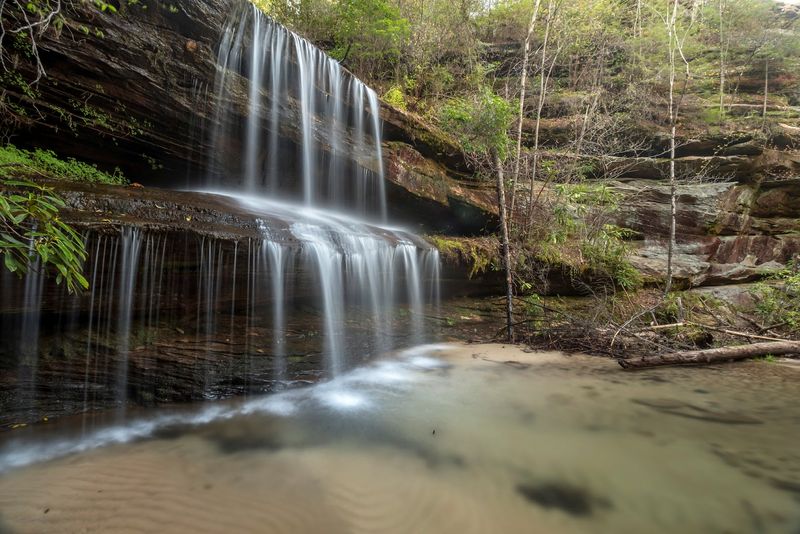
Perched on the Cumberland Plateau, Pickett State Park feels like stepping into another century. The Civilian Conservation Corps built much of this park during the 1930s, and that legacy shows in the rustic stone shelters and hand-laid trails winding through dense hardwood forest. Sandstone formations jut out at odd angles, creating natural sculptures that look especially dramatic when fog rolls through the hollows.
Arch Lake sits calm and reflective most mornings, bordered by hemlocks and rhododendrons that keep the shoreline shaded even in summer. You can paddle across without seeing another soul if you time it right. The trails here range from easy lakeside loops to more challenging ridge walks, but none of them see heavy traffic compared to parks closer to interstate corridors.
What really sets Pickett apart is its dark-sky certification. After sunset, the lack of light pollution turns the sky into a planetarium. Bring a blanket, lie back near one of the rock shelters, and watch meteor showers or the Milky Way stretch overhead without competing glow from nearby towns.
Cell service is spotty at best, which either frustrates people or becomes the whole point of visiting. If you need genuine disconnection, Pickett delivers. The park offers cabins and campsites, but even during peak season, it never feels crowded.
2. Big Ridge State Park — Maynardville
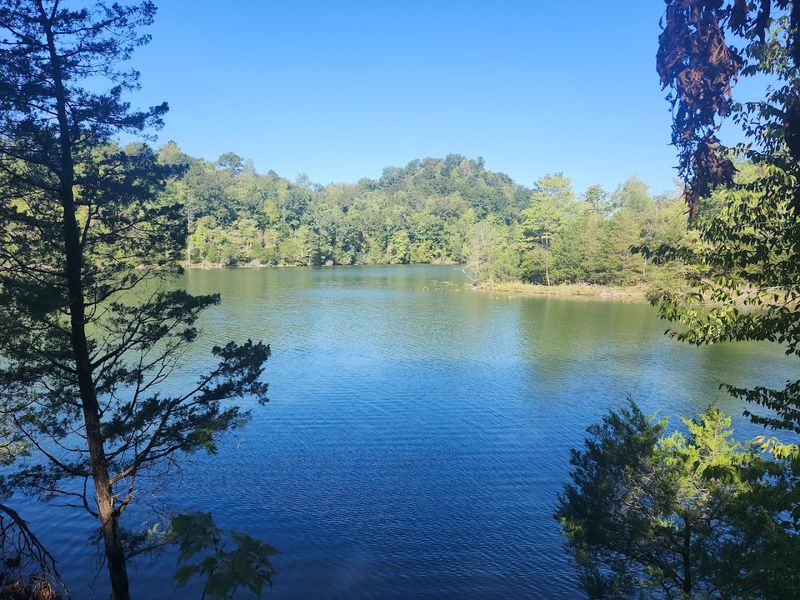
Big Ridge hides in the Appalachian foothills about thirty minutes north of Knoxville, but it feels worlds away from the tourist chaos of Gatlinburg or Pigeon Forge. The lake here has dozens of quiet coves where you can fish or kayak without dodging jet skis. Wooded ridges roll down to the water, creating a patchwork of hardwood forest that turns spectacular in October.
Several old family cemeteries dot the ridgelines, remnants of the communities that lived here before the Tennessee Valley Authority created the lake in the 1930s. These small burial grounds, surrounded by split-rail fences and overgrown with moss, add a layer of history that makes hiking here feel more contemplative than purely recreational.
The backcountry campsites are the real treasure. Tucked into hollows and ridgetop clearings, they’re accessible only by foot and rarely occupied midweek. You can pitch a tent, build a small fire, and listen to barred owls call across the valley without hearing highway noise or seeing another campfire.
Day hikers appreciate the variety—some trails follow the lakeshore through laurel thickets, while others climb to ridge overlooks with views stretching toward the Smokies. None of the trails are brutally difficult, making Big Ridge approachable for families or anyone easing back into hiking after time away.
The park stays quiet even on holiday weekends because it doesn’t have the name recognition of nearby attractions. That anonymity is its greatest asset.
3. Frozen Head State Park — Wartburg
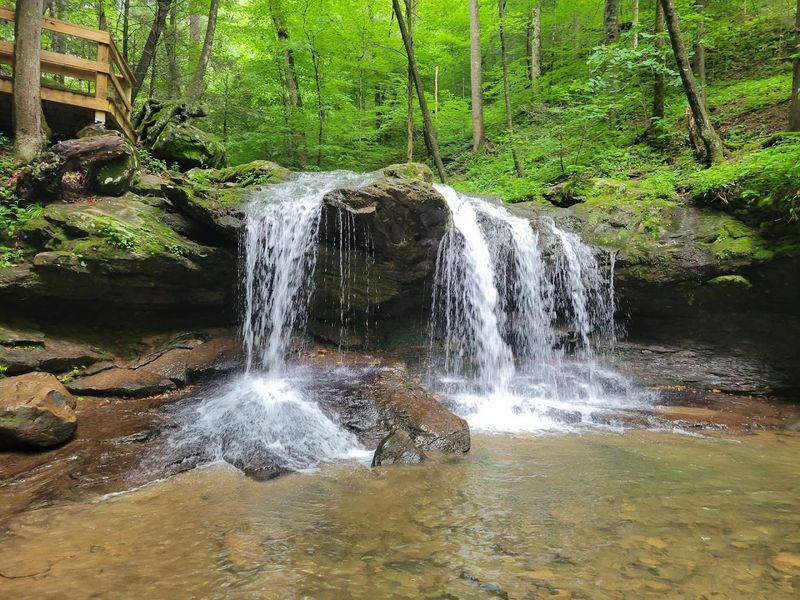
Frozen Head attracts a specific type of visitor: people who want miles of trail, not miles of pavement. With over fifty miles of hiking paths cutting through steep, forested mountains, this park caters to serious walkers who’d rather sweat than sightsee from a car window. The trails range from moderate creek walks to lung-burning climbs up to the fire tower on Frozen Head Mountain.
Waterfalls appear around nearly every bend during wet seasons. Emory Gap Falls and DeBord Falls are the most photographed, but dozens of smaller cascades tumble over mossy ledges where hardly anyone bothers to stop. The sound of running water is constant here, especially in spring when snowmelt swells every creek.
Primitive camping is available for backpackers willing to haul gear uphill. These sites sit far enough from the developed campground that you won’t hear RV generators or late-night conversations from neighboring campers. Just trees, ridgelines, and whatever wildlife happens to be passing through—black bears, wild turkeys, and the occasional bobcat.
The park’s remoteness works in its favor. Wartburg isn’t on the way to anywhere else, so most visitors come specifically for Frozen Head rather than stumbling upon it. That filters out casual tourists and leaves mostly hikers, trail runners, and people training for longer treks like the Barkley Marathons, which happens nearby.
4. Savage Gulf State Park — Beersheba Springs
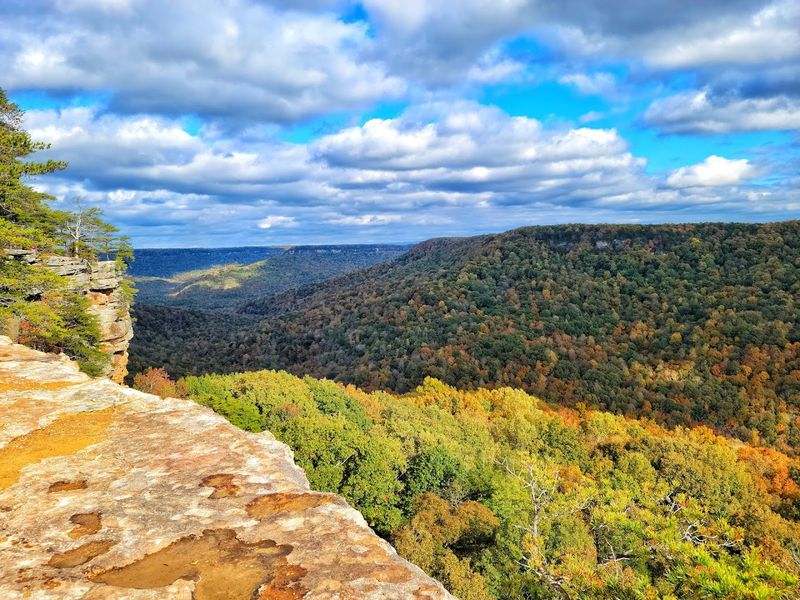
Savage Gulf earns its name. This isn’t a manicured park with handrails and paved overlooks—it’s raw, rugged backcountry that demands respect and rewards effort. Sandstone cliffs drop hundreds of feet into forested canyons where waterfalls crash over rock ledges and old-growth hemlocks cling to steep slopes.
Around sixty miles of trails crisscross the park, connecting overlooks, gorges, and creek bottoms.
Stone Door is the most famous landmark, a natural rock gateway that opens onto a sheer cliff with views stretching for miles. Early morning visits often include clouds filling the gorge below, creating an eerie, floating effect. The hike down into the gulf takes you through layers of forest—oak and hickory on the ridges, rhododendron and hemlock in the wet hollows.
Backcountry camping is primitive and spread out, meaning you can hike deep into the park and set up camp without neighbors. Water sources are plentiful, but you’ll need to filter or treat everything.
Black bears roam here too, so proper food storage is non-negotiable.
The park’s remoteness keeps crowds thin even during peak leaf season. Most hikers stick to the shorter trails near Stone Door, leaving the deeper canyons and longer loops to experienced backpackers. If you want wilderness-level solitude without leaving Tennessee, Savage Gulf is one of the best options available.
5. Dale Hollow Lake — Celina
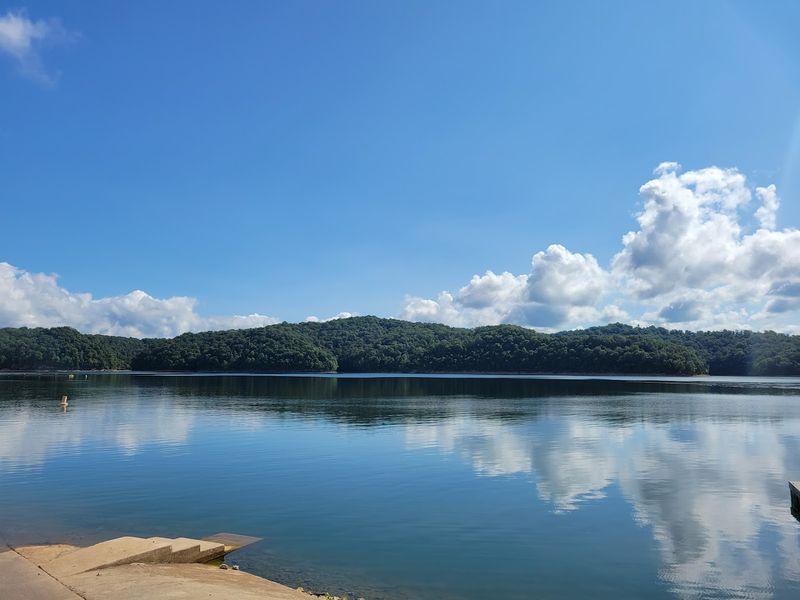
Dale Hollow Lake has earned a reputation for having some of the clearest water in the country, and one look confirms it. You can see twenty feet down in places, watching bass glide over submerged rocks and fallen trees. The lake straddles the Tennessee-Kentucky border, with the Tennessee side offering quieter coves and less development than some of the state’s more popular reservoirs.
Fishing here is exceptional. Dale Hollow holds the world record for smallmouth bass, and anglers still chase that legacy with early morning casts along rocky points and drop-offs. But you don’t have to fish to enjoy the lake—swimming, kayaking, and paddleboarding all benefit from that unusual clarity and the wooded shoreline that keeps things feeling natural rather than resort-like.
Camping options range from developed campgrounds with hookups to primitive spots accessible only by boat. Those boat-in sites are the real winners if you want isolation. Paddle or motor to a secluded cove, set up camp under the trees, and spend a few days swimming, fishing, and watching the water change color as the sun moves.
The towns around Dale Hollow—Celina, Byrdstown—are small and unhurried. You won’t find tourist traps or chain restaurants lining the roads. Just local diners, bait shops, and people who’ve been coming to this lake for decades.
It’s a calmer, quieter alternative to the crowded lake scenes at Percy Priest or Center Hill.
6. Townsend
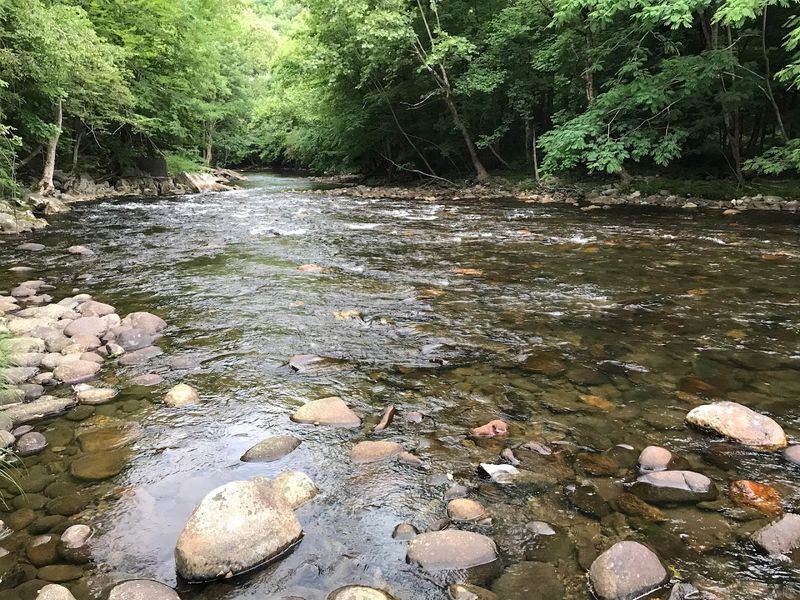
Townsend calls itself the Peaceful Side of the Smokies, and that’s not just marketing spin. While Gatlinburg and Pigeon Forge fight traffic jams and neon overload, Townsend sits quietly along the Little River, offering access to Great Smoky Mountains National Park without the chaos. The town has a few shops, a handful of cabins, and not much else—which is exactly the point.
The Little River runs cold and clear through town, perfect for wading, tubing, or just sitting on the bank with a book. Several outfitters rent tubes and kayaks, but even on busy summer weekends, the river never feels overcrowded. Trout fishing is popular here, with both stocked and wild trout holding in the deeper pools and runs.
Cades Cove, one of the most visited areas in the Smokies, is just a short drive from Townsend. But if you visit in early morning or late afternoon, especially during shoulder seasons, you can experience the cove’s wildlife and historic structures without the midday parade of cars. Townsend makes a smart base camp for exploring the national park while avoiding the tourist circus closer to Gatlinburg.
Lodging options lean toward cabins and small inns rather than massive resorts. Many sit right along the river, offering front-porch views of the water and mountains. Fall is especially beautiful here, with the maples and oaks turning brilliant shades of red and gold against the backdrop of the Smokies.
7. Reelfoot Lake — Tiptonville
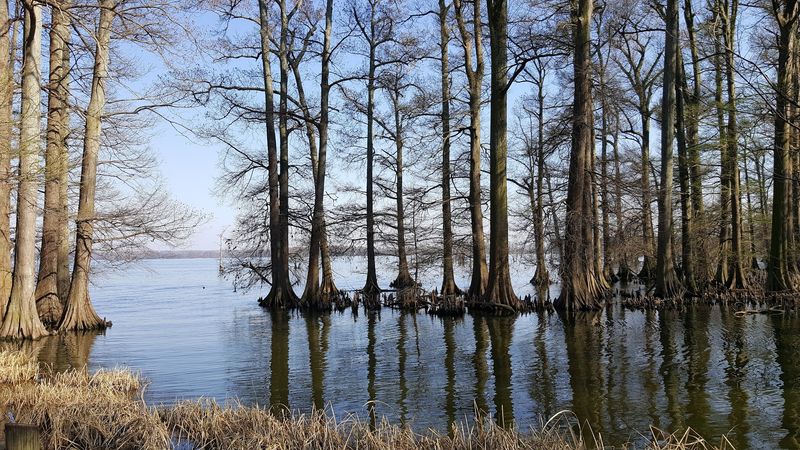
Reelfoot Lake was born from an earthquake. In 1811 and 1812, the New Madrid earthquakes shook the ground so violently that the Mississippi River temporarily flowed backward, flooding lowlands and creating this shallow, cypress-filled lake. Today, it’s one of Tennessee’s most unique natural areas, feeling more like Louisiana bayou than Appalachian mountain state.
Bald cypress trees rise from the water, their knobby knees breaking the surface and creating a maze-like environment perfect for slow paddling. Bald eagles winter here in large numbers, and watching them hunt fish from the bare branches of cypress trees is a spectacle that draws photographers from across the region. Great blue herons, egrets, and pelicans also frequent the lake, making it a birding hotspot.
Fishing is a year-round activity, with crappie being the main draw. Locals fish from boats, but you can also fish from several piers and boardwalks that extend out into the lake. The fishing culture here is laid-back and welcoming, with guides happy to share tips and stories from decades on the water.
The surrounding area is flat, agricultural, and quiet—completely different from the tourist-heavy regions of East Tennessee. Tiptonville and the nearby towns move at a slower pace, and the lake itself encourages the same. No jet skis, no party boats, just slow cruises through cypress groves and long evenings watching the sun set over the water.
8. Cumberland Gap National Historical Park Area
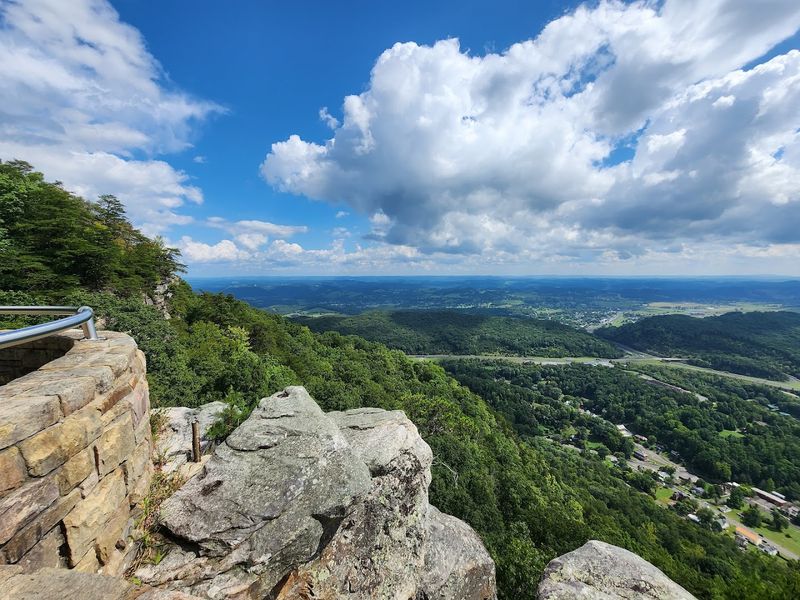
Cumberland Gap sits where Tennessee, Kentucky, and Virginia meet, a natural mountain pass that served as a gateway for westward migration in the 18th and 19th centuries. The national historical park preserves that history while also offering miles of quiet trails, scenic overlooks, and forested ridges that see far fewer visitors than the Smokies.
The Pinnacle Overlook is the most popular viewpoint, accessible by a moderate hike or a winding drive to a parking area. From there, you can see three states at once and watch hawks ride thermals above the ridgelines. Early mornings often bring fog that fills the valleys below, creating a sea of clouds between the peaks.
Beyond the overlook, the park has over eighty miles of trails, many of which see very light use. These paths wind through hardwood forests, past old homesteads, and along ridgelines where you can walk for hours without seeing another person. The terrain is less dramatic than some of Tennessee’s other mountain parks, but the solitude more than compensates.
The town of Cumberland Gap is small and historic, with a few restaurants and shops that cater to visitors without overwhelming the area’s quiet character. Lodging options are limited, which helps keep the area from becoming touristy. If you want Appalachian scenery, mountain history, and trails that don’t require elbowing past crowds, Cumberland Gap delivers all three without the intensity of the Smokies.
9. Leiper’s Fork — Williamson County
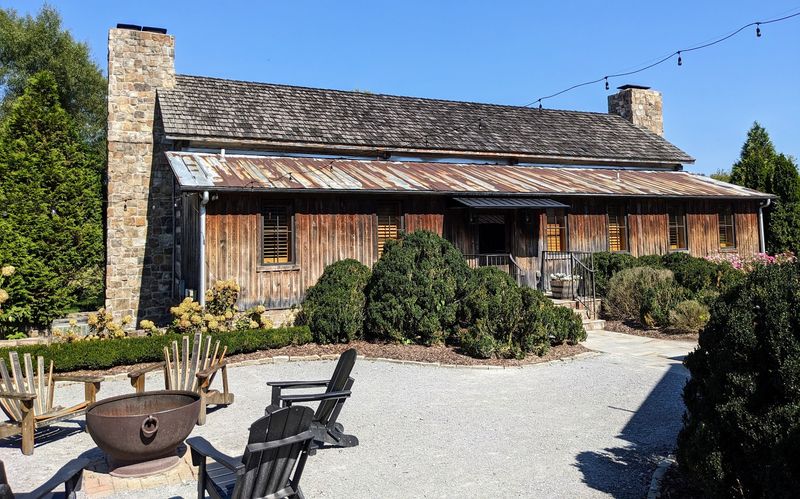
Leiper’s Fork is what happens when a tiny village refuses to grow up. Located about thirty minutes south of Nashville in Williamson County, this unincorporated community has held onto its rural character even as the surrounding area has boomed. A handful of galleries, a general store, a few restaurants, and not much else line the main road.
Artists and musicians have claimed Leiper’s Fork as a quiet retreat, and you’ll find studios tucked into old buildings and live music happening at the general store on weekends. The vibe is relaxed and welcoming, with none of the pretension you might expect from an artsy enclave this close to a major city. People actually sit on those porches and wave at passersby.
The countryside around Leiper’s Fork is rolling and green, perfect for long drives or bike rides on backroads that wind past horse farms and historic homes. Natchez Trace Parkway runs nearby, offering even more scenic routes without commercial development or billboards cluttering the views. You can easily spend an afternoon just driving, stopping at overlooks, and soaking in the pastoral scenery.
Leiper’s Fork isn’t isolated in the wilderness sense—you can still grab a good meal and browse art galleries—but it offers a slower pace and a break from suburban sprawl. It’s peaceful without being totally removed from civilization, making it ideal for people who want quiet but still appreciate creature comforts. A weekend here resets the clock without requiring camping gear or backcountry navigation.
10. Roan Mountain
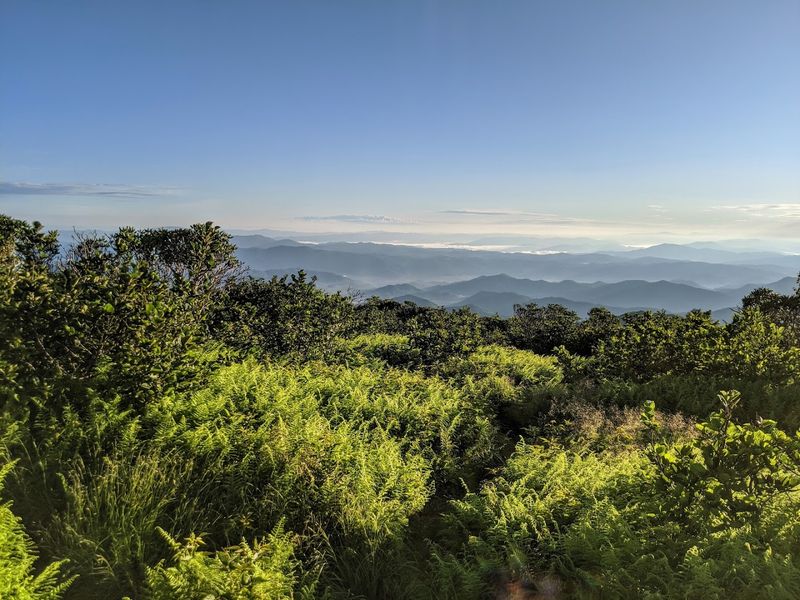
Roan Mountain straddles the Tennessee-North Carolina border at over six thousand feet, creating a cool, high-elevation escape even in the middle of summer. The rhododendron gardens here are legendary—acres of Catawba rhododendron that bloom in mid-June, turning the mountainside into a pink and purple spectacle. People plan trips around bloom season, but the mountain is worth visiting year-round.
The Appalachian Trail crosses Roan Mountain, and several sections are accessible from the state park. Hiking these high balds—treeless, grassy summits—feels more like walking through the Scottish Highlands than the typical forested trails of the southern Appalachians. Views stretch for miles in every direction, and the wind almost always blows, adding to the sense of being on top of the world.
Roan Mountain State Park offers cabins and campsites at lower elevations, but the real magic happens up high. The Cloudland Hotel once stood near the summit in the late 1800s, a grand resort that attracted visitors from across the country. It’s long gone now, but the name Cloudland still fits—clouds frequently roll across the balds, creating shifting, ethereal landscapes.
The cool temperatures and high elevation make Roan Mountain a natural air conditioner during summer. When the valleys are sweltering, the summit stays comfortable, with temperatures often twenty degrees cooler. It’s a place to breathe deeply, walk slowly, and let the mountain air clear your head without the crowds that pack the Smokies.
11. Natchez Trace State Park — Wildersville
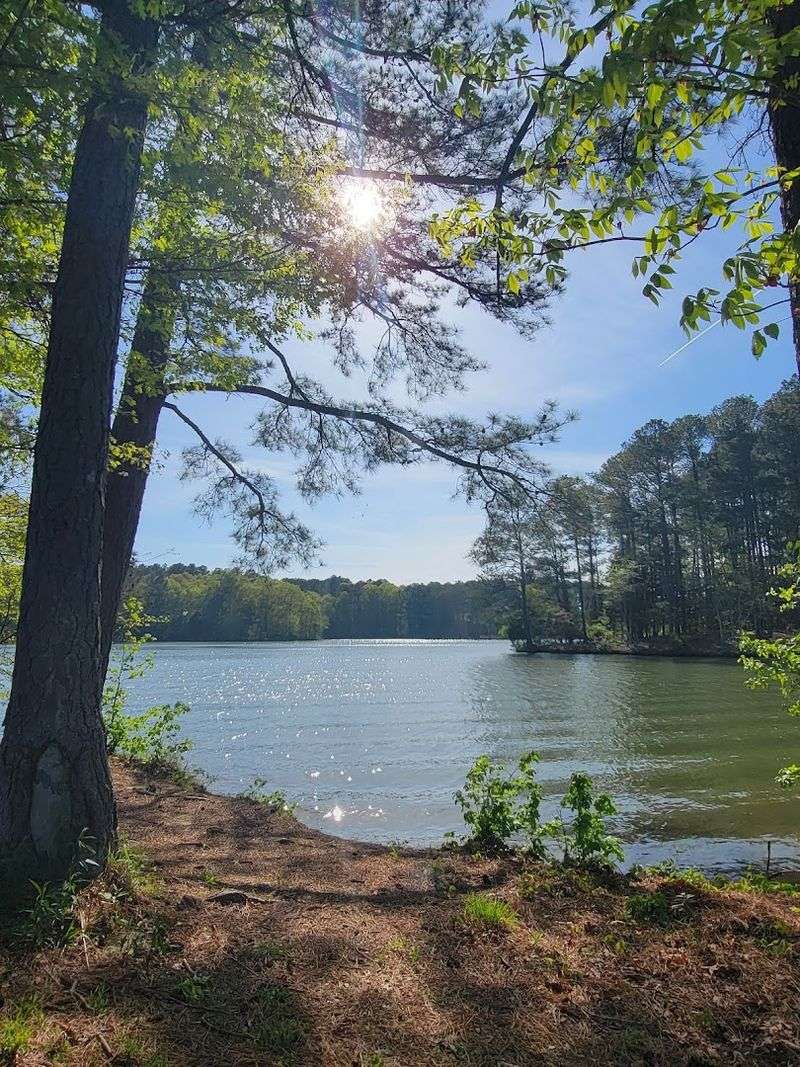
Natchez Trace State Park sprawls across nearly fourteen thousand acres in West Tennessee, making it one of the largest state parks in Tennessee. That size translates to space—lots of it. Four lakes, miles of trails, scattered campgrounds, and cabins spread throughout the park mean you can find solitude without working too hard for it.
The lakes here—Pin Oak, Maple Creek, Brown’s Creek, and Cub Lake—offer fishing, paddling, and swimming without the crowds that pack the lakes in Middle and East Tennessee. Each lake has its own character, from the larger Pin Oak with its developed facilities to the smaller, quieter Cub Lake surrounded by forest. You can spend days exploring and still find new coves and trails.
Hiking trails range from short nature walks to longer loops that wind through hardwood forests and along ridgelines. The terrain is gentler than the mountain parks, but the forest is thick and peaceful, with plenty of wildlife sightings—deer, wild turkeys, and the occasional armadillo, which have been slowly expanding their range into Tennessee.
The park’s location in West Tennessee puts it off the radar for most visitors, who tend to focus on the Smokies or Cumberland Plateau. That anonymity keeps things quiet, even during peak camping season. Cabins are available for people who want a roof and a bed, but the campgrounds are where the real peace lives—tucked into the woods with just enough space between sites to feel private.
12. Scott’s Gulf Wilderness State Park — Sparta
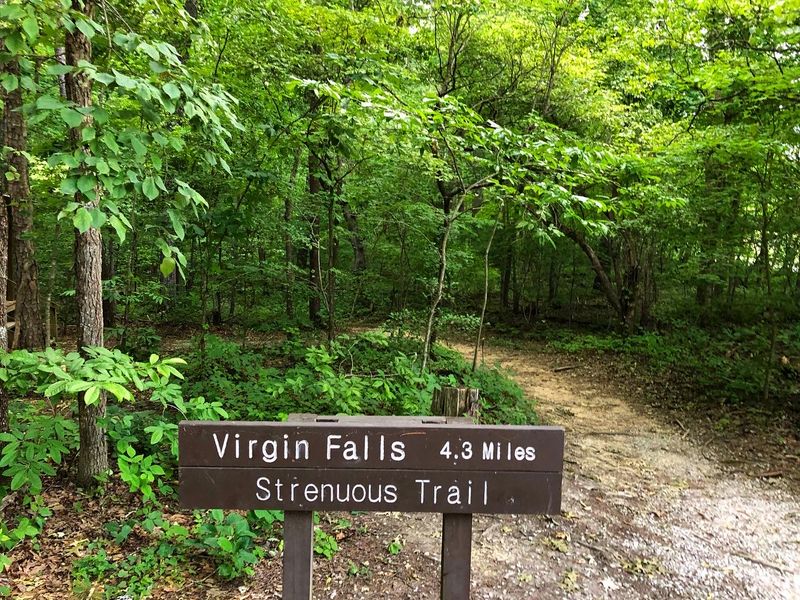
Scott’s Gulf is one of Tennessee’s newer wilderness state parks, and it still feels wonderfully undeveloped. Trails are rugged, facilities are minimal, and the scenery is raw—exactly what some people need after too much time in manicured environments.
The park protects a deep gorge with steep bluffs, waterfalls, and creek bottoms that rarely see human traffic. Trails descend into the gulf, offering challenging hikes that reward effort with solitude and scenery. Rock overhangs create natural shelters where hikers can take breaks and listen to the sound of water echoing off stone walls.
Dark-sky viewing is another draw. On clear nights, the Milky Way arcs overhead, and meteor showers put on impressive displays.
Bring a sleeping bag, find a clearing, and spend the night watching the sky rotate above the plateau.
Because the park is still relatively unknown and undeveloped, you won’t find crowds here—even on summer weekends. Most visitors are serious hikers or people specifically seeking remote outdoor experiences. The lack of amenities filters out casual tourists, leaving the trails and overlooks to those willing to work a little harder for their peace.
If you want wilderness-level quiet on the Cumberland Plateau without the name recognition of Savage Gulf or Frozen Head, Scott’s Gulf is waiting.