Texas has always been big, bold, and full of surprises, but some of its smaller cities are now exploding with growth that’s catching everyone off guard. From sprawling new neighborhoods to bustling main streets packed with fresh businesses, these communities are transforming almost overnight. Whether it’s families seeking affordable housing, companies relocating for business-friendly policies, or young professionals chasing opportunity, people are flocking to these once-sleepy towns in record numbers.
Here are eleven Texas boomtowns that are rewriting the state’s growth story faster than anyone saw coming.
1. Fulshear
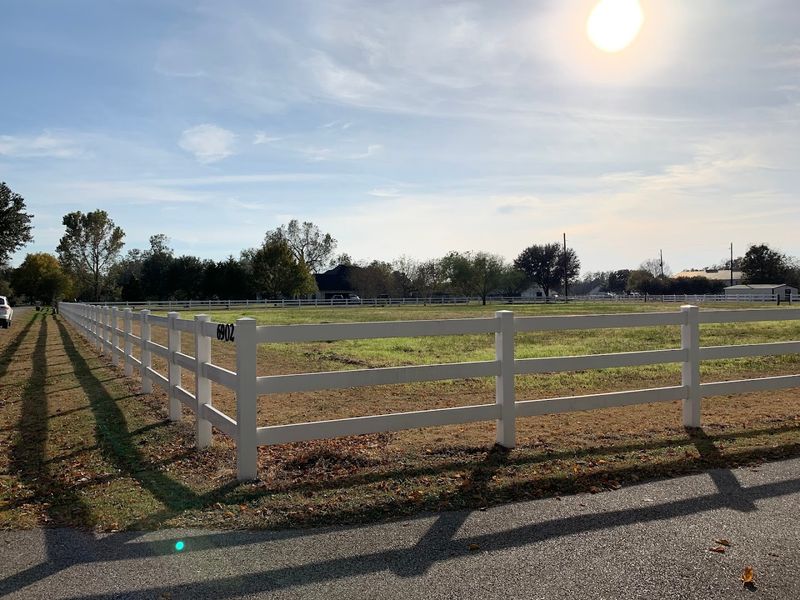
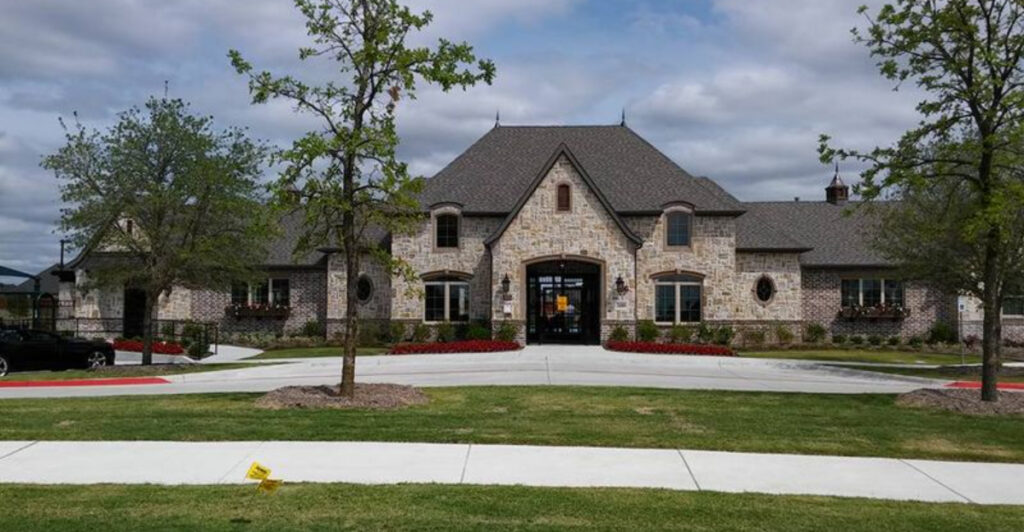
Fulshear sits just outside Houston’s western edge, and it’s become one of the hottest real estate markets in the entire country. What used to be quiet ranch land dotted with a few older homes has turned into a magnet for families looking for top-rated schools, new construction, and that small-town vibe without sacrificing big-city access. The population has skyrocketed as master-planned communities pop up seemingly overnight, complete with pools, parks, and trendy amenities.
Cross Creek Ranch is one of the largest developments drawing people in, offering everything from shopping centers to trails and community events. Families love the sense of neighborhood here—kids riding bikes, weekend farmers markets, and plenty of space to spread out. It’s the kind of place where you actually know your neighbors, which feels rare these days.
Local schools are a huge draw, consistently ranking among the best in the Houston area. Parents are willing to make the commute into the city for work just to get their kids into Lamar Consolidated ISD. That’s saying something when you consider how sprawling Houston traffic can be.
Fulshear’s historic downtown, though small, still holds onto its roots with a few charming shops and eateries. You’ll find a mix of old Texas charm and shiny new suburbia coexisting in a way that somehow works. It’s not trying to be Austin or Dallas—it’s carving out its own identity.
The growth shows no signs of slowing down. With major infrastructure improvements and more commercial development on the way, Fulshear is positioning itself as a long-term player in Texas’s booming suburban landscape. If you haven’t heard of it yet, you will soon.
2. Kyle
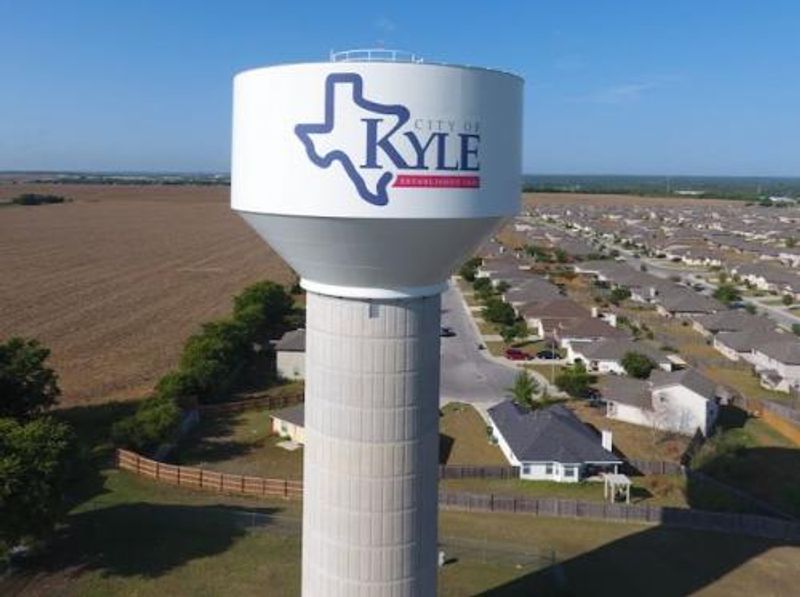
Wedged between Austin and San Antonio along Interstate 35, Kyle has become the ultimate beneficiary of two major metro areas expanding toward each other. It’s close enough to both cities to enjoy their perks but far enough out to offer more affordable housing and elbow room. That sweet spot has turned Kyle into one of the fastest-growing cities in the nation, not just Texas.
Tech workers, teachers, service industry folks—they’re all moving here because they can actually afford a house with a yard. Austin’s housing market has priced out a lot of regular people, so Kyle has become the logical next step. Commutes aren’t terrible, especially if you’re working hybrid or remote, and the cost of living difference is significant.
The city has worked hard to keep up with the influx, adding parks, expanding roads, and bringing in retail and dining options. Plum Creek is a popular master-planned community that’s attracted thousands of new residents with its trails, pools, and family-friendly atmosphere. There’s a real sense of community forming as the town grows.
Kyle’s downtown area is still developing its personality, but local businesses are popping up and there’s genuine excitement about what’s coming next. You’ll find breweries, taco joints, and coffee shops starting to establish themselves. It’s not polished yet, but that’s part of the appeal—it feels authentic and unpretentious.
Schools are expanding quickly to keep pace, and while growing pains are real, the city is investing heavily in infrastructure. Kyle isn’t trying to be the next Austin; it’s building something different. For families and young professionals priced out of the capital, Kyle offers a fresh start without sacrificing proximity to opportunity.
3. Celina
Way up north of Dallas, Celina used to be the kind of place you’d drive through on your way to somewhere else—a quiet farming town with more cows than people. Not anymore. Celina has exploded into one of the most talked-about suburbs in the Dallas-Fort Worth metroplex, thanks to massive residential developments and a flood of families seeking space, safety, and solid schools.
Master-planned communities like Mustang Lakes and Light Farms have transformed the landscape entirely. These aren’t just cookie-cutter subdivisions—they’re full lifestyle communities with resort-style amenities, walking trails, and events that bring neighbors together. Families are drawn to the newness of it all, the sense that they’re building something from the ground up.
Celina’s location is a big part of the appeal. It’s close enough to major job centers in Frisco, Plano, and Dallas, but far enough out that you can still get a bigger house for your money. The Dallas North Tollway extension has made commuting more feasible, and as remote work becomes more common, that distance matters even less.
The town’s school district is growing rapidly, and while that brings challenges, it also means brand-new campuses with modern facilities. Parents appreciate the investment in education and the tight-knit community feel that still exists despite the growth. Friday night football games and local events give Celina a small-town heart even as it expands.
Retail and dining are catching up, with new shopping centers and restaurants opening regularly. It’s not quite there yet in terms of amenities, but the trajectory is clear. Celina is betting big on growth, and so far, people are buying in—literally.
This once-sleepy farm town is now a blueprint for suburban expansion done right.
4. Georgetown
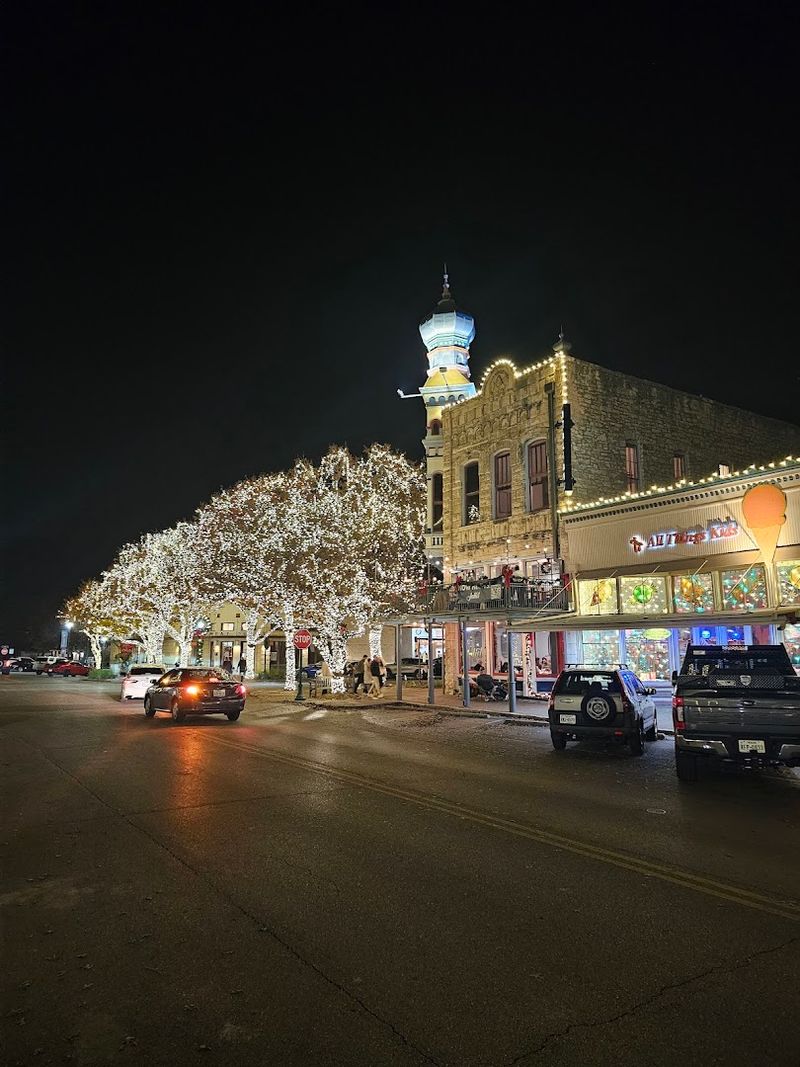
Georgetown has managed something rare: explosive growth without losing its soul. Sitting just north of Austin, this charming town has attracted retirees, young families, and remote workers alike with its gorgeous historic downtown, excellent quality of life, and proximity to the state capital. It’s one of those places that feels welcoming the moment you arrive.
The downtown square is the heart of Georgetown, lined with Victorian-era buildings housing local boutiques, restaurants, and coffee shops. It’s walkable, picturesque, and genuinely fun to explore. Events like Red Poppy Festival draw huge crowds, and the sense of community pride is palpable.
People move here because they want to be part of something special.
Retirees have long loved Georgetown for its active adult communities like Sun City, which offers resort-style living and endless activities. But lately, younger families are flooding in too, attracted by good schools, safe neighborhoods, and a slower pace than Austin offers. The mix of generations gives the town a balanced, grounded feel.
Georgetown’s natural beauty is another major draw. Blue Hole Park and the San Gabriel River provide stunning spots for swimming, kayaking, and picnicking. Outdoor enthusiasts love the easy access to nature without sacrificing modern conveniences.
It’s the best of both worlds.
The city has been smart about managing growth, investing in infrastructure and preserving green space even as new neighborhoods sprout up. There’s a delicate balance being maintained between development and character, and so far, Georgetown is pulling it off. Local leaders understand that what makes the town special is worth protecting.
With major employers like Dell and other tech companies nearby, job opportunities abound. Georgetown offers a lifestyle that feels intentional and thoughtful, which is why people aren’t just moving here—they’re staying.
5. Princeton
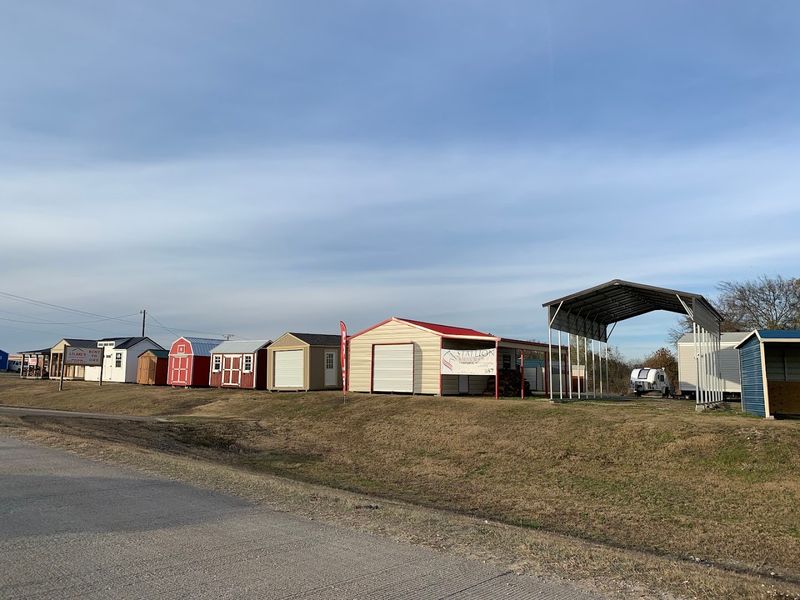
While attention was focused on bigger Texas cities, Princeton quietly became one of the state’s fastest-growing towns. Located northeast of Dallas in Collin County, it’s benefiting massively from the region’s overall growth and the need for more affordable housing options. What was once a rural community is rapidly transforming into a full-fledged suburb with all the amenities families expect.
The town’s location is a huge advantage—close enough to major employment hubs like Plano and McKinney, but still offering larger lots and lower prices. Families are snapping up new construction homes as fast as builders can put them up. The sense of space and value is what draws people in initially, but the tight community feel is what makes them stay.
Princeton ISD has seen enrollment surge as new families pour in, and the district is working hard to expand and improve facilities. Parents appreciate the smaller class sizes and the personal attention their kids receive compared to larger, more crowded districts. It’s a selling point that real estate agents love to highlight.
The downtown area still has that small-town Texas charm, with local diners, antique shops, and community events that bring neighbors together. There’s a real effort to maintain Princeton’s identity even as it grows. Longtime residents and newcomers are finding ways to blend old and new, which isn’t always easy during rapid expansion.
Infrastructure improvements are happening fast—new roads, parks, and commercial developments are popping up to serve the growing population. Retail and dining options are expanding, though there’s still a way to go before Princeton feels fully built out. Right now, it’s in that exciting phase where potential feels limitless.
Princeton is proof that you don’t have to live in the heart of a major metro to enjoy suburban conveniences and opportunity. For families seeking value and community, it’s become an obvious choice.
6. Little Elm
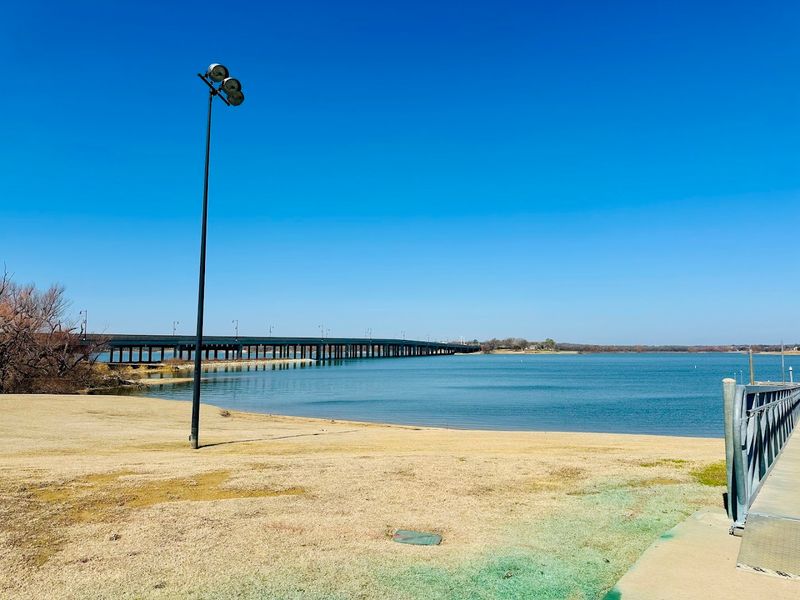
Perched on the shores of Lake Lewisville, Little Elm has grown from a lakeside hideaway into a thriving suburb that’s attracting families, young professionals, and water enthusiasts from all over. The combination of waterfront living, affordable housing, and proximity to Dallas has made it one of the hottest growth stories in the region. It’s not just about the numbers—it’s about the lifestyle.
The lake is obviously a massive draw. Residents can spend weekends boating, fishing, or just relaxing by the water without having to leave town. Little Elm Beach is a popular spot for families, and the town’s marina and parks make outdoor recreation easy and accessible.
It’s rare to find this much natural beauty so close to a major metro area.
Housing options range from lakefront properties to affordable single-family homes in newer subdivisions. Developers have been busy, and the variety means there’s something for different budgets and preferences. Families love the space and the sense of community that’s forming as the town expands.
Little Elm’s schools are part of the Little Elm ISD, which has grown rapidly and continues to add facilities and programs to keep pace. Parents appreciate the district’s focus on innovation and student success. The community rallies around local schools, creating a supportive environment for kids.
The town center is developing nicely, with new restaurants, shops, and entertainment options opening regularly. While it’s still growing into its identity, there’s a clear vision for creating a vibrant downtown that complements the natural setting. Local events and festivals are helping to build that sense of place.
Little Elm is managing growth while maintaining its lakeside charm, which is no small feat. For people who want suburban convenience with a side of outdoor adventure, it’s become an ideal landing spot in the Dallas-Fort Worth sprawl.
7. Leander
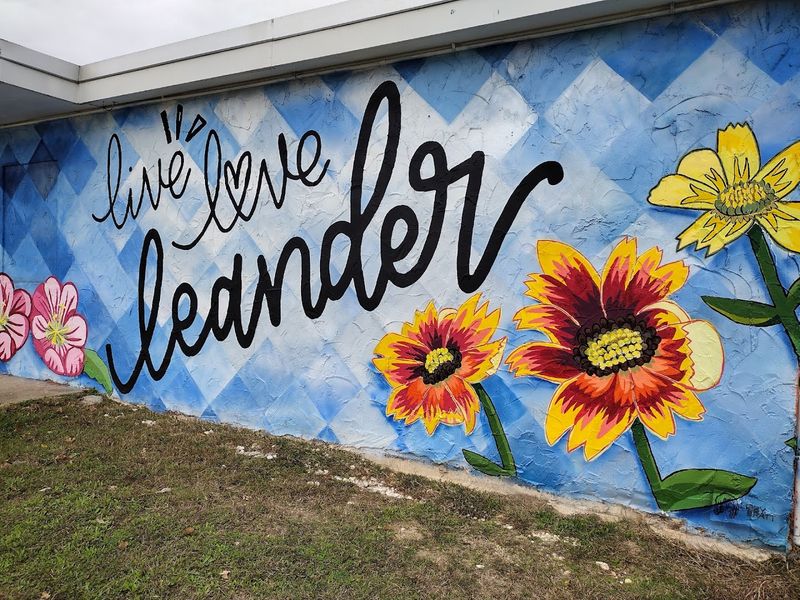
Leander has become synonymous with Austin-area growth, sitting just northwest of the capital and absorbing wave after wave of new residents priced out of the city proper. It’s one of those suburbs that’s grown so fast, longtime residents sometimes don’t recognize their own town. But that growth has brought jobs, amenities, and a vibrancy that’s hard to ignore.
Families are the backbone of Leander’s expansion. The city offers excellent schools through Leander ISD, which consistently ranks among the best in the state. Parents are willing to commute into Austin for work if it means their kids get a quality education in a safe, family-friendly environment.
That trade-off has proven incredibly popular.
The city has done a solid job keeping up with infrastructure demands. New parks, libraries, and recreational facilities have opened to serve the growing population. The Leander Public Library is a community hub, and the city’s trail system is expanding, giving residents plenty of options for outdoor activity.
It’s clear the city is planning for the long haul.
Retail and dining have exploded in recent years. The 1890 Ranch shopping center and other developments have brought in national chains and local favorites alike. You no longer have to drive into Austin for a good meal or shopping trip—Leander has plenty of its own options now.
That convenience is a huge quality-of-life improvement.
The city’s location along Highway 183 and near the new Leander MetroRail station makes commuting into Austin more manageable. Public transit access is a big deal for a suburb, and it’s opened up opportunities for people who don’t want to rely solely on cars. That connectivity is only going to become more important.
Leander isn’t pretending to be anything other than what it is: a booming suburb serving families who want space, good schools, and access to Austin’s opportunities. It’s filling that role exceptionally well, and the growth numbers prove it.
8. Anna
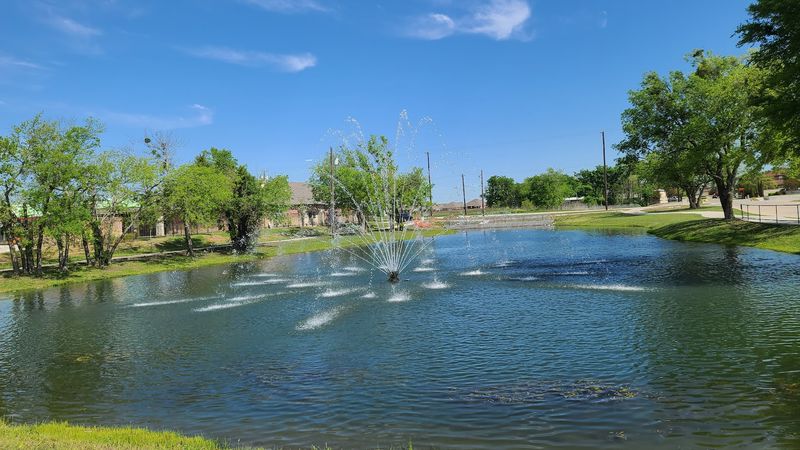
Located north of Dallas in Collin County, Anna has quickly become one of Texas’s fastest-growing small towns. It’s one of those places that’s benefiting from the spillover effect as larger suburbs fill up and people look for the next affordable option. What makes Anna special is that it’s managing to grow while holding onto its small-town character, at least for now.
The town’s historic downtown still has that classic Texas feel, with local businesses, community events, and a genuine sense of neighborliness. Newcomers are drawn to that charm, even as new subdivisions spring up around the edges. There’s a delicate balance being struck between old and new, and residents are keenly aware of it.
Schools are a major factor driving growth. Anna ISD is well-regarded, and families appreciate the smaller class sizes and community involvement. As enrollment climbs, the district is expanding, but it’s doing so thoughtfully.
Parents feel like their kids aren’t just numbers, which matters a lot when choosing where to settle down.
Housing is still relatively affordable compared to nearby suburbs like McKinney or Frisco. You can get more house for your money, which is a huge selling point for young families and first-time buyers. Builders are responding to demand, and new neighborhoods are popping up quickly.
It’s a seller’s market, no question.
Infrastructure is playing catch-up, but the city is investing in roads, parks, and services to handle the influx. There’s recognition that growth needs to be managed carefully to avoid the pitfalls that have plagued other fast-growing towns. So far, Anna is threading the needle.
Retail and dining options are expanding, though you’ll still need to drive to nearby cities for more variety. That’s changing, though, as developers take notice of Anna’s growth trajectory. For now, it’s a place where you know your neighbors, your kids can play outside, and life moves at a slightly slower pace—even as the population climbs.
9. New Braunfels
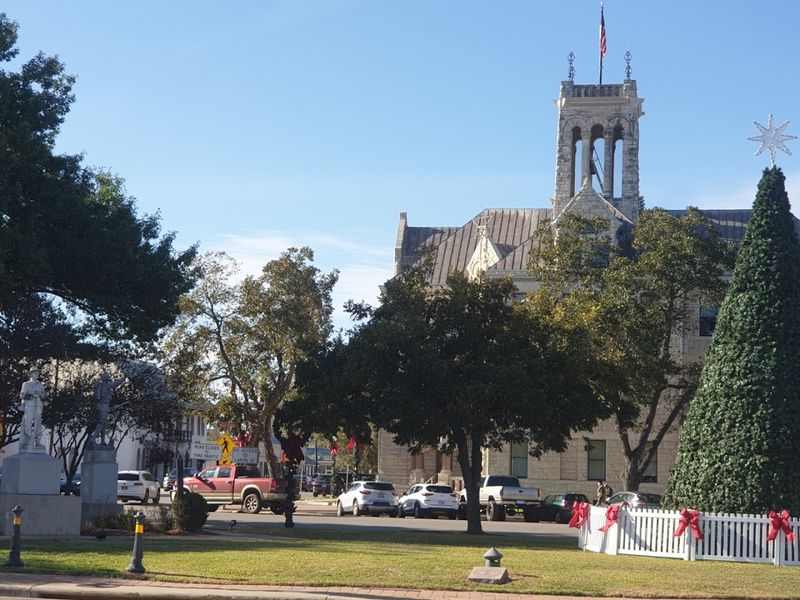
New Braunfels has been a beloved destination for generations, but lately it’s become much more than a weekend getaway. Positioned perfectly between Austin and San Antonio, this Hill Country gem is experiencing a population surge as people discover they can live where they used to vacation. The rivers, German heritage, and small-town charm are proving irresistible.
The Comal and Guadalupe Rivers are the lifeblood of New Braunfels, drawing tubers, kayakers, and swimmers year-round. Living here means you have constant access to some of the best natural recreation in Texas. It’s not just tourists floating the rivers anymore—it’s locals enjoying their backyard.
That lifestyle is a powerful draw for people tired of city living.
Gruene Historic District is one of the town’s crown jewels, with its dance hall, shops, and restaurants offering a glimpse into Texas’s past. It’s touristy, sure, but it’s also genuinely charming and well-preserved. Residents love having it nearby, and it adds to the town’s unique character.
You can’t replicate that kind of authenticity.
New Braunfels has excellent schools and a family-friendly vibe that appeals to people at all life stages. The city has managed growth well, adding amenities and infrastructure without sacrificing what makes it special. Parks, trails, and community events keep the town connected even as it expands.
The food scene here is fantastic, blending German traditions with Tex-Mex and barbecue. You’ll find everything from schnitzel to brisket, often on the same menu. Local breweries and wineries have popped up, adding to the town’s appeal for foodies and drink enthusiasts.
It’s a place where you can eat well without pretension.
New Braunfels offers something rare: small-town living with big-city access and natural beauty all around. People are realizing they don’t have to choose between career opportunities and quality of life. They can have both here, and that’s why the town keeps growing.
10. Prosper
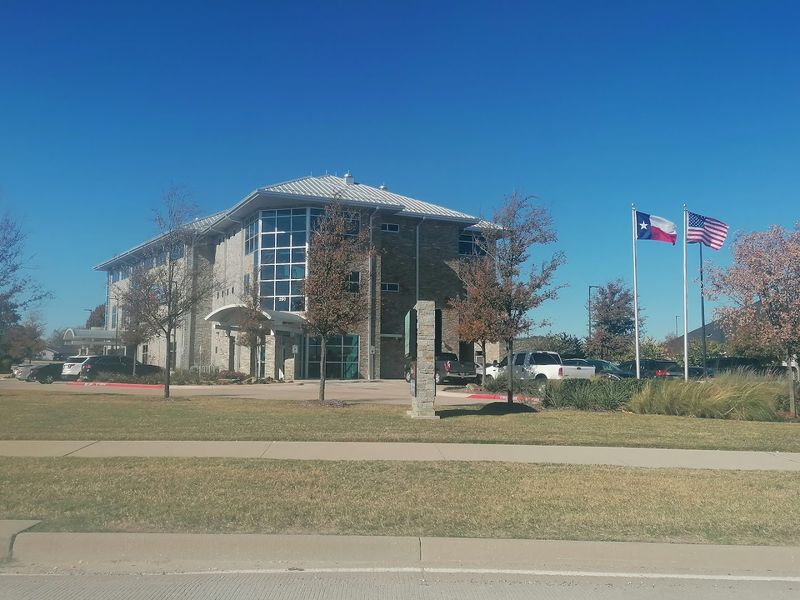
Growth in Prosper has surged as more people flock to one of the Dallas-Fort Worth area’s most desirable suburbs. Located in Collin County, it’s become a magnet for affluent families seeking top-tier schools, safe neighborhoods, and a strong sense of community. The town’s motto, “Where Everyone Matters,” isn’t just marketing—it’s a philosophy residents genuinely embrace.
Schools are the primary reason families flock here. Prosper ISD consistently ranks among the best in Texas, with outstanding academics, athletics, and extracurricular programs. Parents know their kids will get an excellent education, and that peace of mind is worth the premium home prices.
The district’s growth has been carefully managed to maintain quality even as enrollment explodes.
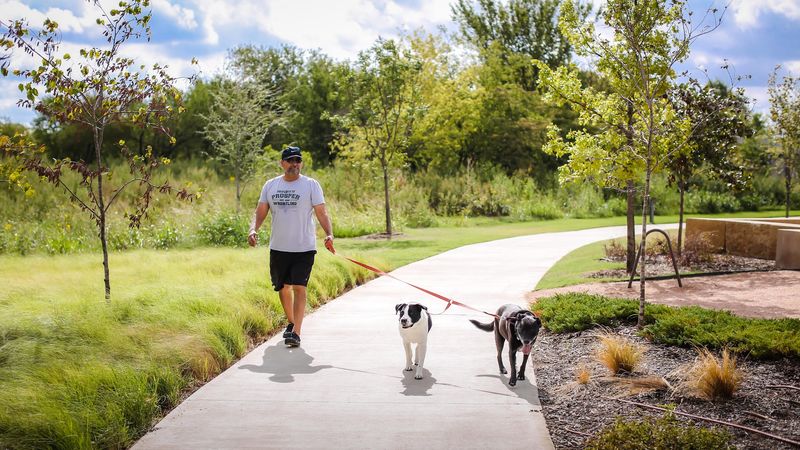
The town has a polished, upscale feel without being snooty. Master-planned communities offer resort-style amenities, and the neighborhoods are meticulously maintained. You’ll see kids playing outside, families walking dogs, and neighbors chatting—it’s the suburban dream brought to life.
There’s genuine pride in living here.
Prosper’s downtown area is charming and walkable, with local shops, restaurants, and community events that bring people together. The town hosts festivals, farmers markets, and holiday celebrations that reinforce the sense of belonging. It’s not just a place to sleep—it’s a place to live fully.
Retail and dining options have expanded rapidly to keep pace with population growth. You’ll find everything from upscale boutiques to family-friendly chain restaurants. The town is well-connected to major employment centers in Frisco, Plano, and Dallas, making commutes manageable for professionals.
Prosper’s growth shows no signs of slowing. With strong leadership, smart planning, and a commitment to quality over quantity, the town is setting the standard for suburban development. It’s expensive, yes, but for families who can afford it, Prosper delivers on its promises.
11. Melissa
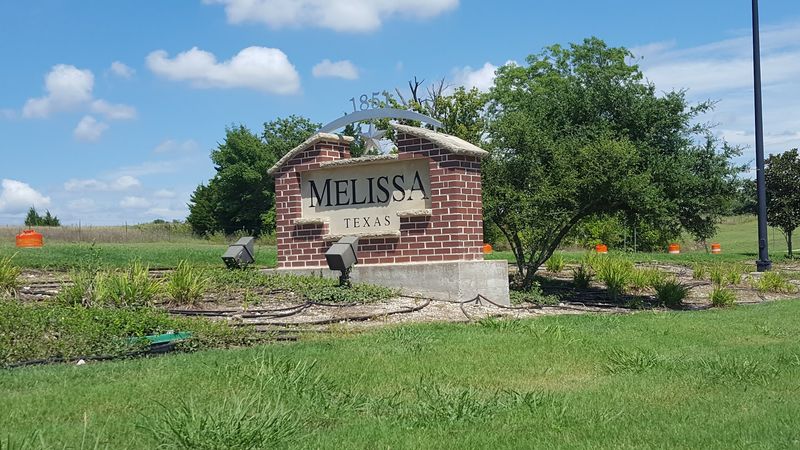
Melissa is one of those towns that’s been flying under the radar while experiencing some of the fastest growth in Texas. Tucked into Collin County northeast of Dallas, it’s benefiting from the same forces driving growth across the region: affordability, good schools, and proximity to jobs. What sets Melissa apart is its commitment to maintaining a small-town feel even as it expands rapidly.
The town’s historic downtown has a classic Texas charm, with local businesses and community events that bring residents together. There’s a real effort to preserve that character even as new subdivisions pop up. Longtime residents and newcomers are working together to ensure Melissa doesn’t lose what makes it special.
It’s a delicate balancing act, but so far it’s working.
Schools are a huge draw. Melissa ISD is growing quickly and investing in new facilities and programs to serve the influx of families. Parents appreciate the district’s focus on personalized education and community involvement.
Class sizes are still manageable, and there’s a sense that teachers and administrators genuinely care about each student.
Housing is more affordable here than in nearby suburbs like McKinney or Frisco, which is driving a lot of the growth. Families can get more space for their money, and builders are responding with new developments that offer modern amenities. It’s a competitive market, but there are still opportunities for first-time buyers and young families.
The town is investing heavily in infrastructure to keep up with growth—new parks, roads, and public facilities are in the works. There’s recognition that smart planning now will prevent problems down the road. Melissa is learning from the mistakes of other fast-growing towns and trying to get it right.
Retail and dining options are expanding, though you’ll still need to venture to nearby cities for more variety. That’s changing, though, as developers take notice of Melissa’s trajectory. For now, it’s a place where growth and community coexist, and that’s a rare find in today’s Texas.