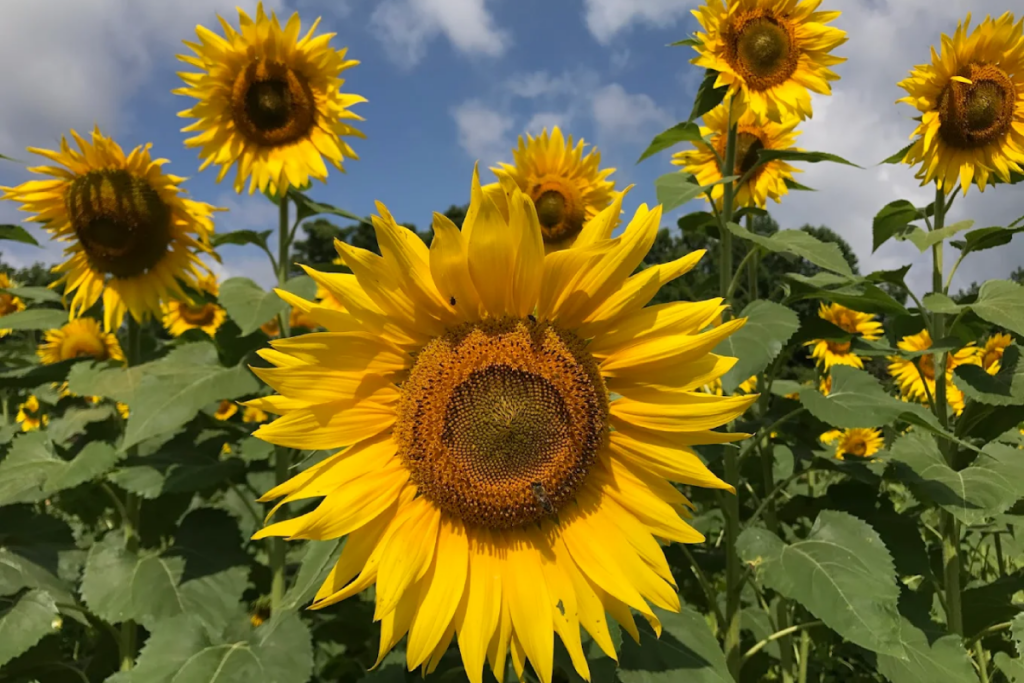
Just minutes from downtown Knoxville sits a sprawling wildlife area that transforms into a golden wonderland every other summer. Forks of the River Wildlife Management Area offers more than 50 miles of trails, river views, and wildlife sightings year-round, but when the sunflowers bloom in July, it becomes something truly special.
Locals mark their calendars for sunflower season, knowing these vibrant fields only appear every two years, making each bloom cycle feel like a secret worth sharing.
This Tennessee Wildlife Area Turns Golden During Sunflower Season
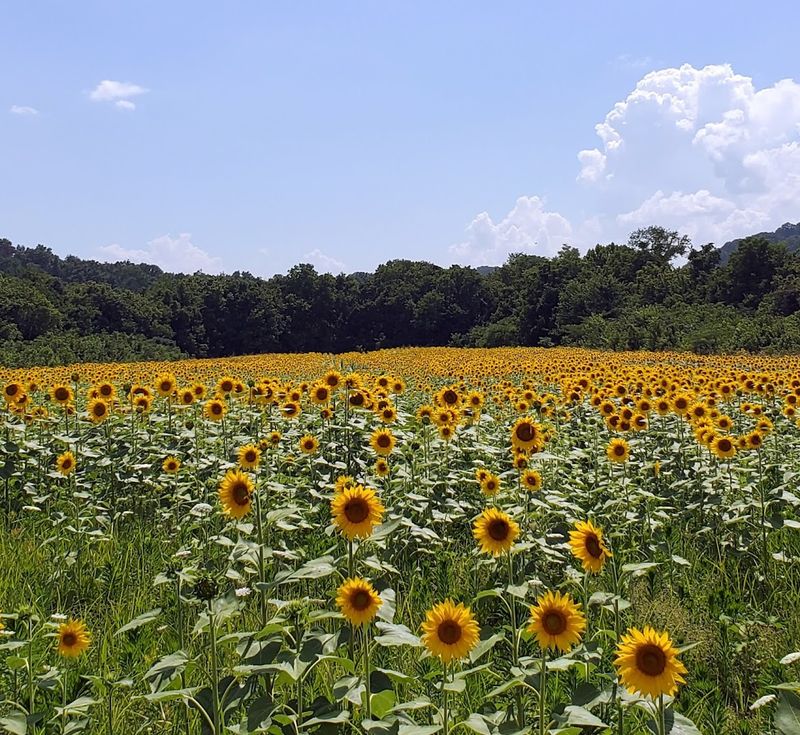
When sunflower season arrives at Forks of the River Wildlife Management Area, the landscape shifts from ordinary green fields to acres upon acres of brilliant yellow blooms. The Tennessee Wildlife Resources Agency plants these massive sunflower fields as part of their wildlife management program, primarily to benefit pollinators and provide food sources for birds and other creatures.
What started as a conservation effort has become one of Knoxville’s most photographed summer attractions.
The fields stretch across multiple areas within the wildlife management zone, creating natural corridors of color that seem to go on forever. Visitors often describe feeling transported to a completely different world when they round the corner and see thousands of sunflowers facing the same direction, following the sun’s path across the sky.
Because the area serves multiple purposes as both a hunting ground and a recreational space, the sunflowers play an essential ecological role beyond their beauty. They attract butterflies, bees, and hummingbirds throughout their bloom period, while their seeds later provide crucial nutrition for doves, turkeys, and deer during fall and winter months. The intentional planting schedule means the fields rotate every other year, allowing the soil to recover and ensuring sustainable management practices.
The sunflower fields have become so popular that many Knoxville residents plan family photos, engagement shoots, and casual outings specifically around bloom time, creating lasting memories against this stunning natural backdrop.
Forks of the River Wildlife Management Area Is a Knoxville Summer Favorite
Located at 3140 McClure Lane, Forks of the River Wildlife Management Area has earned its reputation as a go-to destination for Knoxville locals seeking outdoor recreation without traveling far from the city. The area sits just minutes from downtown, making it incredibly convenient for morning walks, evening bike rides, or weekend adventures.
With over 50 miles of interconnected trails ranging from paved pathways to rugged mountain biking routes, there’s something here for every skill level and interest.
The wildlife management area operates from 7 AM to 8 PM daily, giving visitors plenty of daylight hours to explore during Tennessee’s long summer evenings. Free parking at the main trailhead makes it even more appealing, especially compared to nearby Ijams Nature Center, which charges parking fees.
Beyond the famous sunflower fields, the area offers consistent wildlife viewing opportunities throughout the year. Visitors regularly spot hawks soaring overhead, bald eagles near the river, white-tailed deer grazing in open areas, and various waterfowl along the water’s edge. The diverse habitats created by forest edges, open fields, and river corridors support an impressive array of Tennessee wildlife.
Dogs are welcome throughout the area but must remain leashed, making it a popular spot for pet owners who want to give their furry friends a good workout. The combination of accessibility, natural beauty, varied trail options, and wildlife encounters explains why this spot consistently earns five-star reviews from both residents and visitors.
The Sunflower Fields Are the Star of the Season
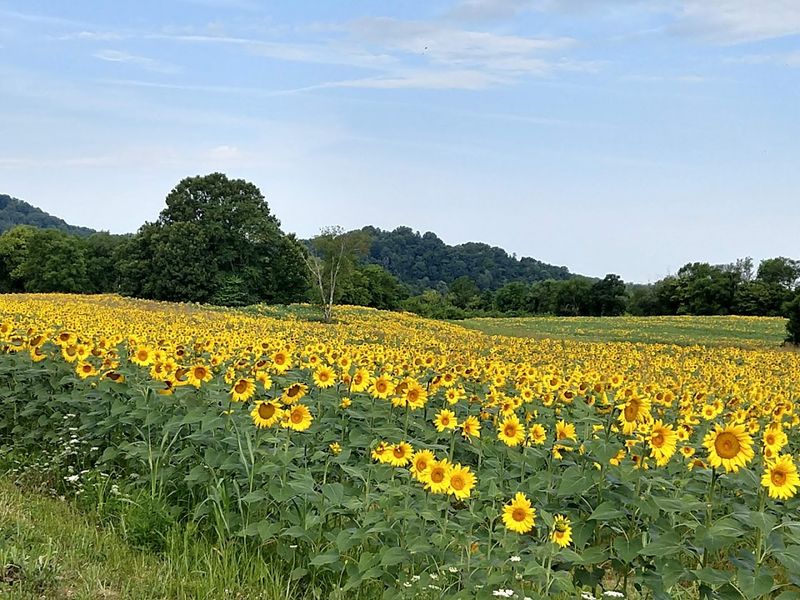
Nothing quite prepares first-time visitors for the sheer scale of the sunflower display at Forks of the River. These aren’t modest garden patches or roadside clusters—they’re agricultural-scale fields covering multiple acres, planted specifically to create habitat and food sources for wildlife.
When peak bloom hits in July, the visual impact stops people in their tracks, prompting spontaneous photo sessions and extended visits from folks who initially planned just a quick walk.
The sunflowers grow tall and robust, with many reaching heights of six feet or more, creating natural walls of yellow that tower over most visitors. Walking or biking past these fields feels immersive, almost like moving through a golden tunnel where sunflowers flank both sides of the trail.
The fields bloom in waves rather than all at once, meaning the display evolves over several weeks, with new flowers opening as older ones begin to fade. This extended bloom period gives visitors some flexibility in timing their visits.
One important note: resist the temptation to pick the sunflowers. These plants serve ecological purposes beyond their beauty, and removing flowers disrupts the wildlife management goals. Plenty of people ignore this guidance, but being respectful ensures future seasons remain just as spectacular for everyone who visits.
Why July Is the Best Time to Visit for Blooms
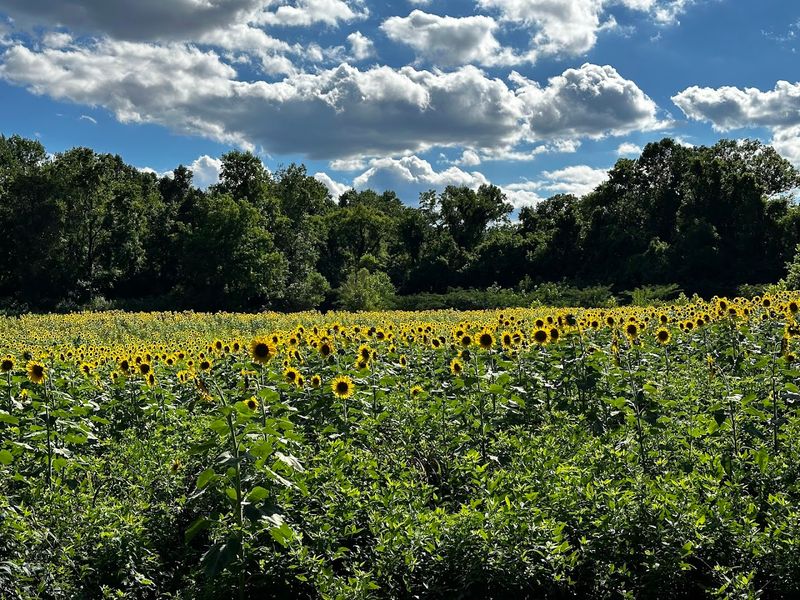
Timing matters tremendously when planning a sunflower visit to Forks of the River, and July consistently delivers the most impressive displays. The Tennessee Wildlife Resources Agency plants the sunflowers in late spring, and with Tennessee’s warm temperatures and summer rainfall, the flowers typically reach peak bloom during the first two to three weeks of July.
Arriving too early means seeing mostly green stalks and unopened buds, while waiting too long results in wilted, drooping flowers past their prime.
Early July typically offers the sweet spot when the majority of flowers have opened but still look fresh and vibrant. Mid-July can still be excellent, though some of the earliest bloomers may start showing age. By late July or early August, most flowers have passed their peak, with petals browning and heads beginning to droop as seeds develop.
Weather patterns can shift bloom timing slightly from year to year, so checking recent visitor reviews or calling the Tennessee Wildlife Resources Agency before making a special trip can help ensure you don’t miss the show. Local social media groups and Knoxville nature forums often buzz with bloom status updates once sunflower season begins, providing real-time intelligence for planning purposes.
Remember that sunflowers only get planted every other year, giving the soil time to recover between plantings. This alternating schedule means some summers offer no sunflower display at all, making it essential to confirm whether the current year is a planting year before getting your hopes up.
When they do bloom, though, July’s long daylight hours and typically clear Tennessee skies create ideal conditions for both viewing and photography.
Trails, River Views, and Wildlife Add to the Experience
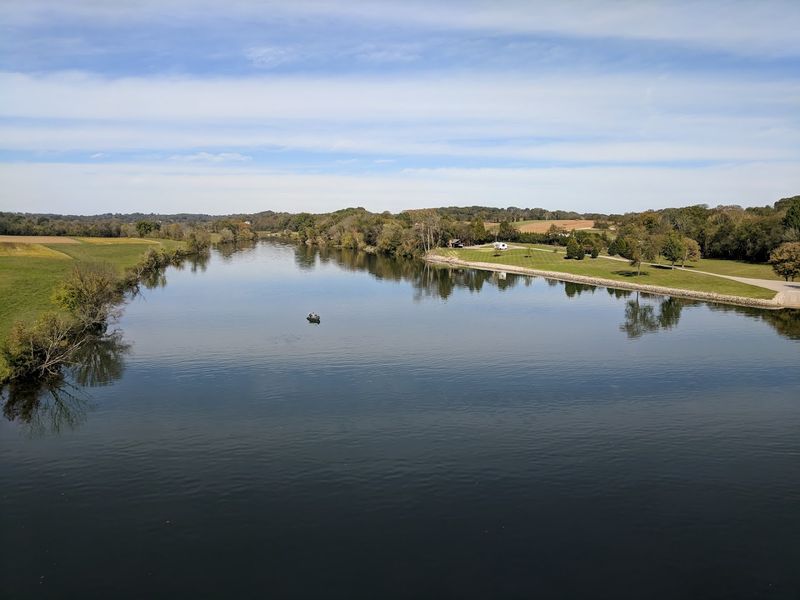
While sunflowers steal the spotlight during bloom season, Forks of the River offers compelling reasons to visit year-round. The trail network includes the paved William Skelton Greenway, which provides easy, flat walking and biking suitable for all ages and fitness levels. This main trail winds through the property, offering occasional river glimpses and shaded sections that provide relief during hot Tennessee summers.
Benches placed along the route give visitors convenient spots to rest, observe wildlife, or simply enjoy the peaceful surroundings.
For those seeking more challenging terrain, numerous unpaved trails branch off into forested areas and offer everything from moderate hikes to technical mountain biking routes. Some trails can become overgrown during peak growing season, adding a sense of adventure for explorers who don’t mind a more rugged experience. Trail maps aren’t always perfectly up-to-date, so bringing a GPS device or staying on well-marked routes helps prevent unintended detours.
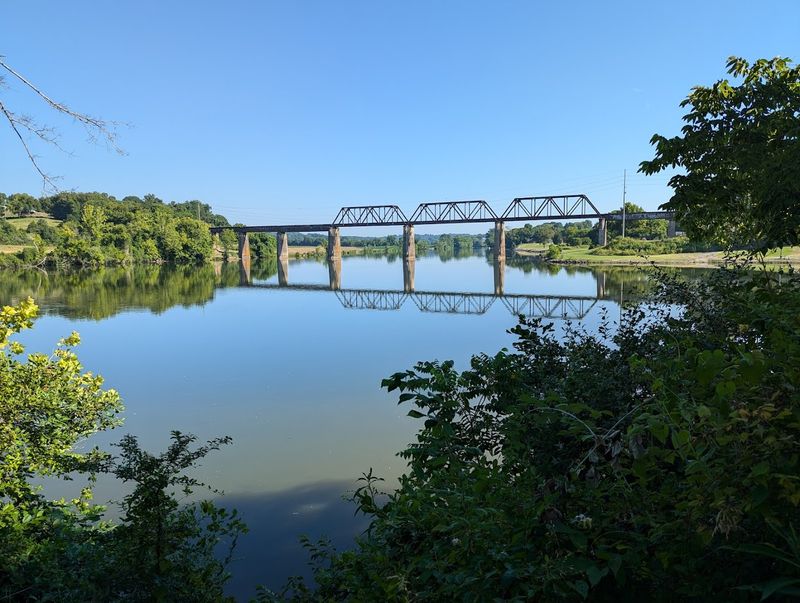
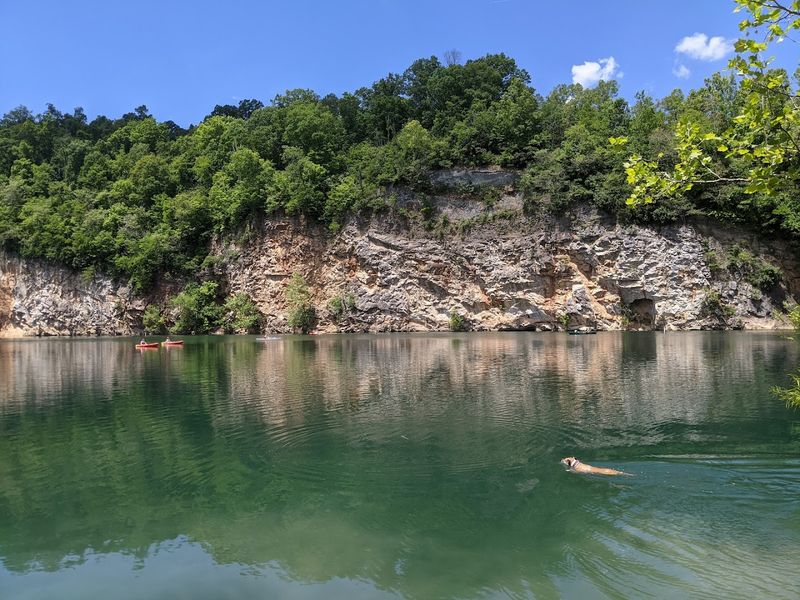
The French Broad River forms a natural boundary for much of the wildlife management area, creating scenic water views and supporting diverse ecosystems. Boat launches provide river access for paddlers, while designated areas allow swimming during warmer months. The river attracts waterfowl, wading birds, and occasionally even river otters, rewarding patient observers with memorable wildlife encounters.
Hunting is permitted during designated seasons, so paying attention to posted signs and wearing bright colors during fall and winter visits is essential for safety. The area’s multiple uses—from recreation to wildlife management to hunting—require visitors to stay aware of their surroundings and respect seasonal restrictions that protect both people and animals.
What to Know Before You Go During Sunflower Season
Planning ahead makes any visit to Forks of the River more enjoyable, especially during the popular sunflower season when crowds increase significantly. The main parking area sits off McClure Lane and features a gravel surface that’s generally manageable for regular cars if driven carefully, though low-clearance vehicles should take it slow over rougher sections.
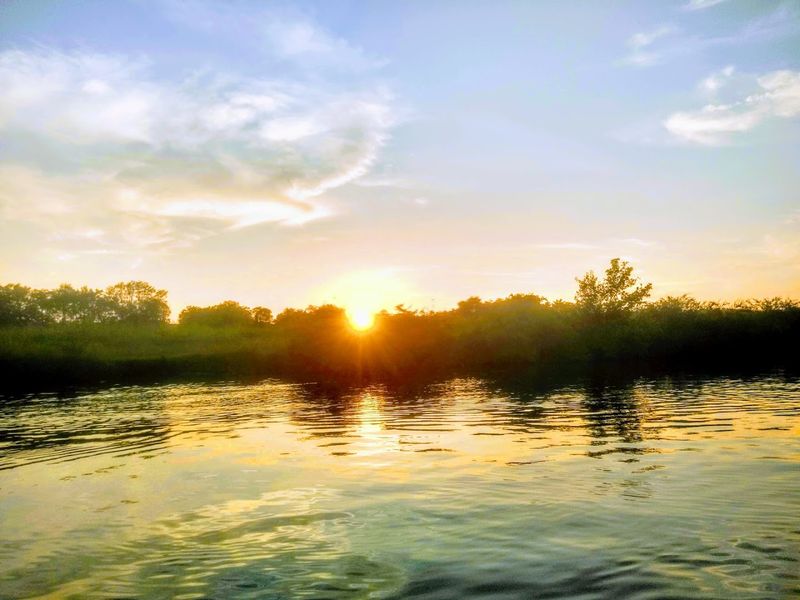
Arriving early in the morning or later in the evening helps avoid the busiest periods and provides better lighting conditions for photography.
No bathroom facilities exist at the main trailhead, but public restrooms are available down the road at Ijams Nature Center for those willing to make the short drive. Bringing your own water and snacks is essential since no concessions or services operate within the wildlife management area.
Bug spray ranks as one of the most recommended items by regular visitors, as mosquitoes and other insects can be quite active, particularly near wooded areas and during morning or evening hours.
The gravel access road and lack of paving in parking areas means dusty conditions during dry weather and potentially muddy situations after rain. Wearing appropriate footwear and bringing a towel for your car helps manage these minor inconveniences. Cell phone service is generally reliable throughout most of the area, though some spots in deeper woods may have weak signals.
Dogs must stay leashed at all times, both for their safety and to avoid disturbing wildlife or other visitors.
Why This Knoxville Spot Belongs on Your Tennessee Summer Bucket List
Tennessee offers no shortage of beautiful outdoor destinations, but Forks of the River Wildlife Management Area delivers something genuinely special that justifies its spot on any summer bucket list. The combination of accessibility, natural beauty, and that spectacular sunflower display creates an experience that feels much more remote and special than its proximity to Knoxville would suggest.
You can literally be enjoying breakfast in downtown Knoxville and standing among acres of sunflowers twenty minutes later.
The every-other-year planting schedule adds an element of anticipation and exclusivity that makes bloom years feel like events worth celebrating. Locals who’ve experienced multiple sunflower seasons describe the excitement that builds each planting year as word spreads that the flowers are opening.
Beyond the sunflowers, the wildlife management area represents Tennessee’s commitment to conservation and public land access. These 1,000-plus acres provide crucial habitat for native species while offering free recreational opportunities to anyone who wants to enjoy them. The fact that such a resource exists so close to a growing city speaks to thoughtful land management and community values that prioritize nature preservation.
Whether you’re a longtime Tennessee resident or visiting from out of state, experiencing the sunflower fields at Forks of the River creates the kind of memory that defines a perfect summer day. The combination of natural beauty, easy access, and genuine wow factor makes this hidden gem absolutely worth seeking out during bloom season.